8 Garden Details Professional Gardeners Notice First
Use eight practical garden checks to spot crowded plants, mismatched sunlight, mulch problems, rough pruning, and fixes that make a yard easier to manage.
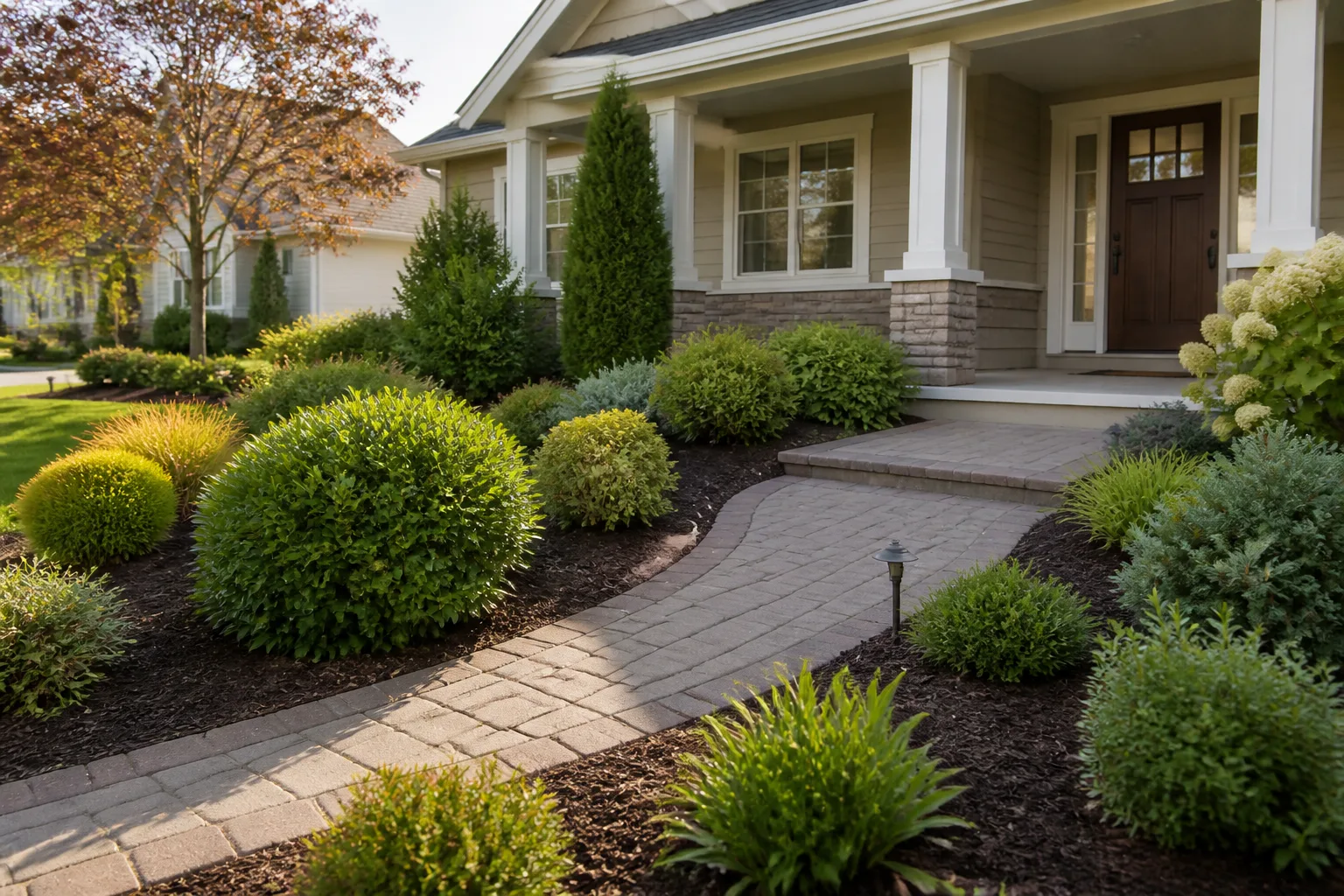
A garden can look lush from the driveway and still be working against itself. A professional walk-through usually looks past the number of flowers and asks whether the plants fit the site, have room to grow, and can be maintained without constant rescue. Those clues explain why a bed thrives or why the same problems keep returning.
You do not need a formal landscape plan to use the same way of looking. Start with the details below, then decide which one is causing the most work or limiting the garden’s health. A small correction to spacing, light, or access can matter more than adding another plant.
1. Plant spacing and mature spread
New plants are easy to crowd because a one-gallon shrub or small perennial looks tiny against a bare bed. A gardener is looking at the space it will occupy after several seasons, not the nursery pot it came in. The plant label’s mature width is a better starting point than the temptation to fill every gap on planting day.
Use the plant’s eventual width as the starting point
Read the stated spread, then picture the plant’s mature outline on the ground. For two similar shrubs, their combined mature width gives a rough first estimate of center-to-center spacing; for a mixed border, use each plant’s own size and habit rather than applying one universal distance. Cultivars, growing conditions, and pruning can shift the result, so verify the plant’s expected size for your region before buying.
Correctly spaced new plants can make a bed look unfinished for a while. Resist filling that temporary space with extra perennials that you will later have to dig out. If you want quicker color, use a few movable containers or short-lived annuals, or accept a gradual fill-in; a little visible soil is easier to correct than a crowded bed with tangled roots and poor airflow.
Spacing is also a maintenance decision. Leave enough room to reach the back of a bed, clean up leaves, inspect stems, and prune without stepping on neighboring plants. When branches are already rubbing or one plant is swallowing its neighbor, first confirm both mature sizes and identify the faster-growing plant; thinning or moving one specimen may solve the problem better than shearing everything into tight shapes.
Do not thin a bed simply because plants touch. Ground covers and layered borders are meant to overlap once established, and a dense canopy can shade out some weeds. The useful distinction is whether each plant still has adequate light, water, airflow, and access for its intended role. A deliberate drift of compatible perennials can be full without being cramped.
2. Scale between the house, paths, and planting
Scale is not a rule that a two-story home needs tall shrubs while a small house needs only short flowers. It is the relationship between the building, the garden’s visual weight, and the distance from which people see them. A tree or tall hedge can overwhelm a modest façade if it blocks windows, while a narrow strip of low plants may disappear beside a broad wall.
Look at the house from the street and from the main windows. Are the largest shrubs competing with the entry, hiding a view you use, or leaning into a walkway? Does the planting give the front of the home a clear anchor, or is there one oversized plant on one side and scattered small ones on the other? These are design questions, not a demand for symmetry: a balanced garden can be informal as long as its visual weight feels intentional.
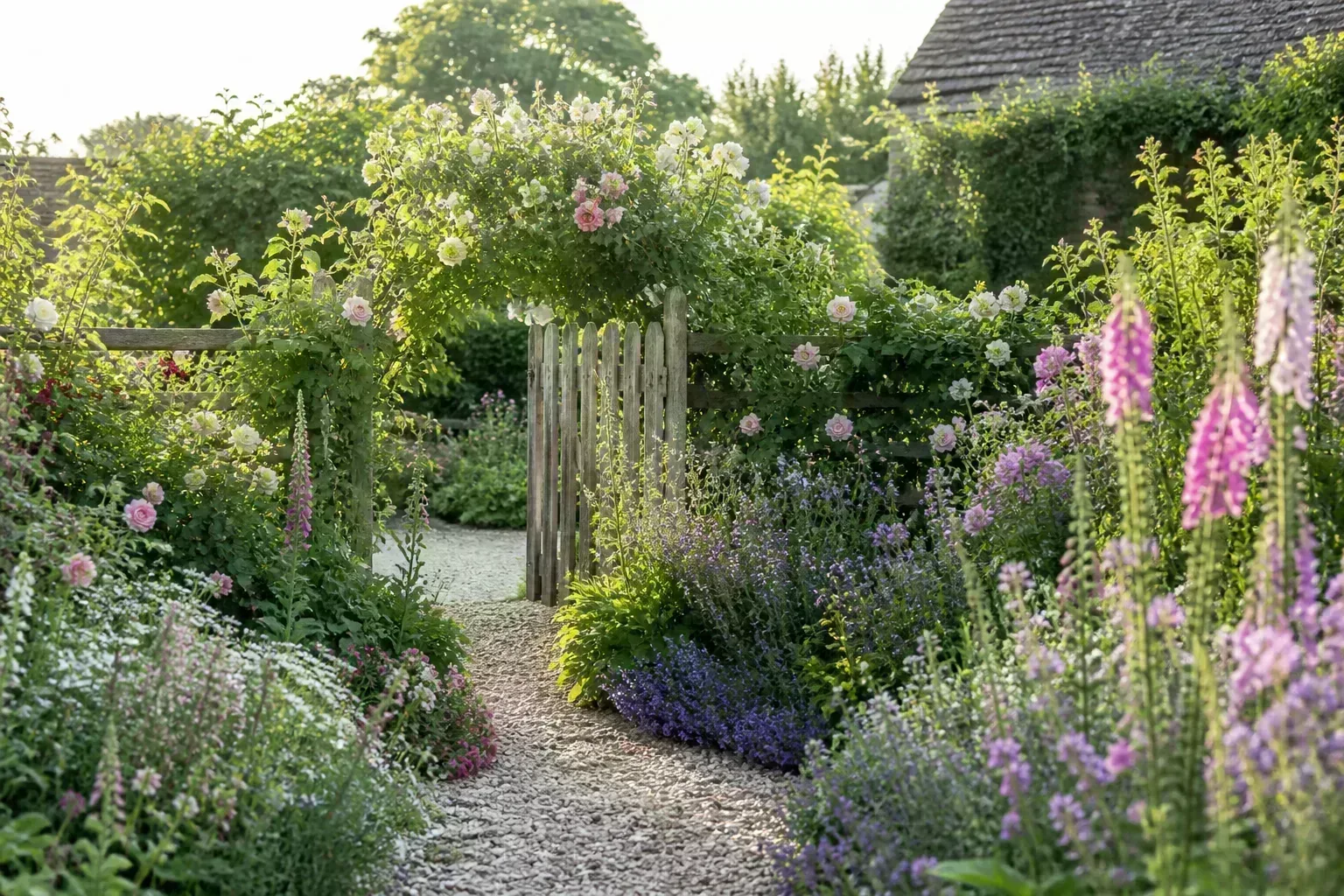
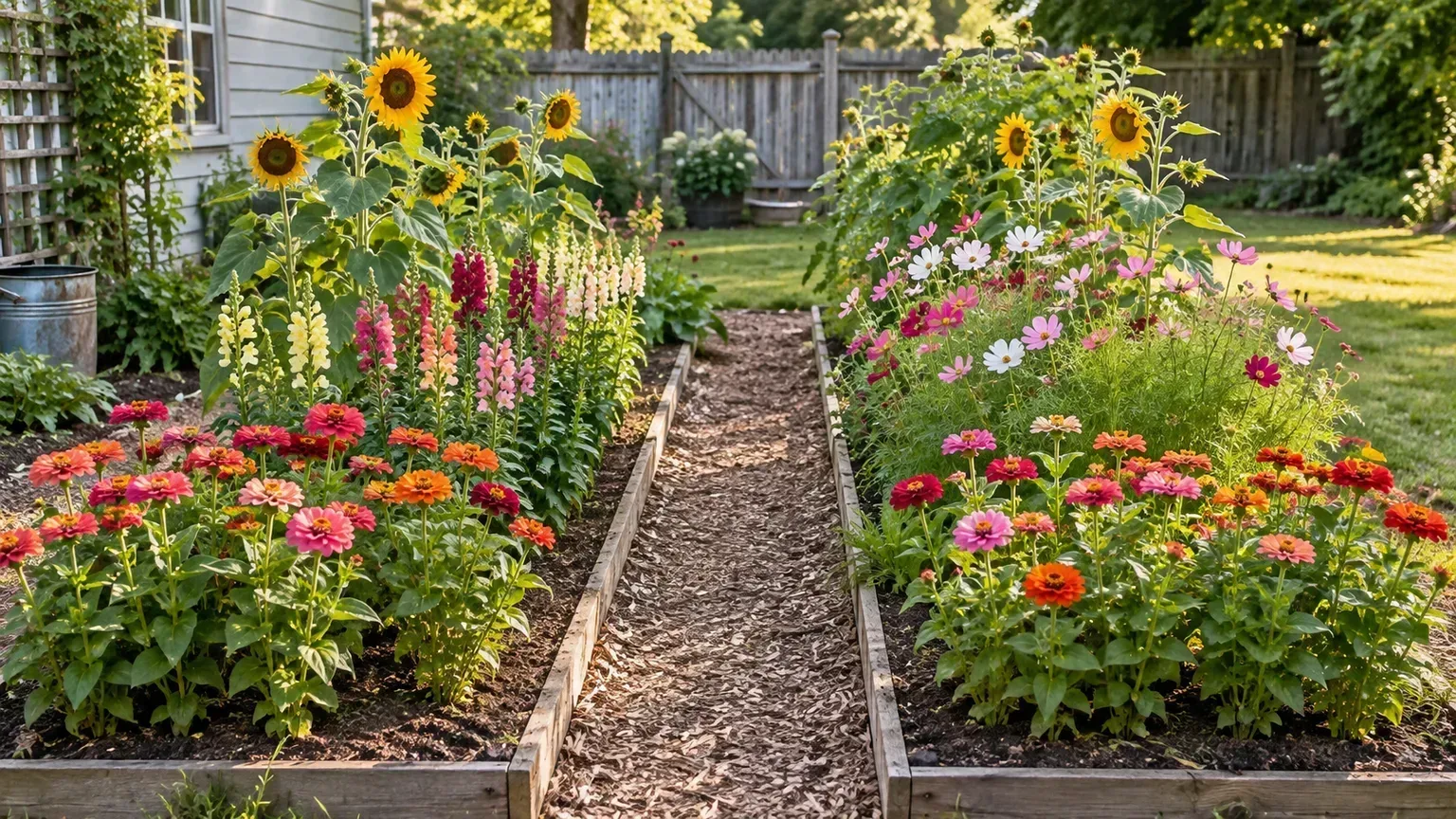
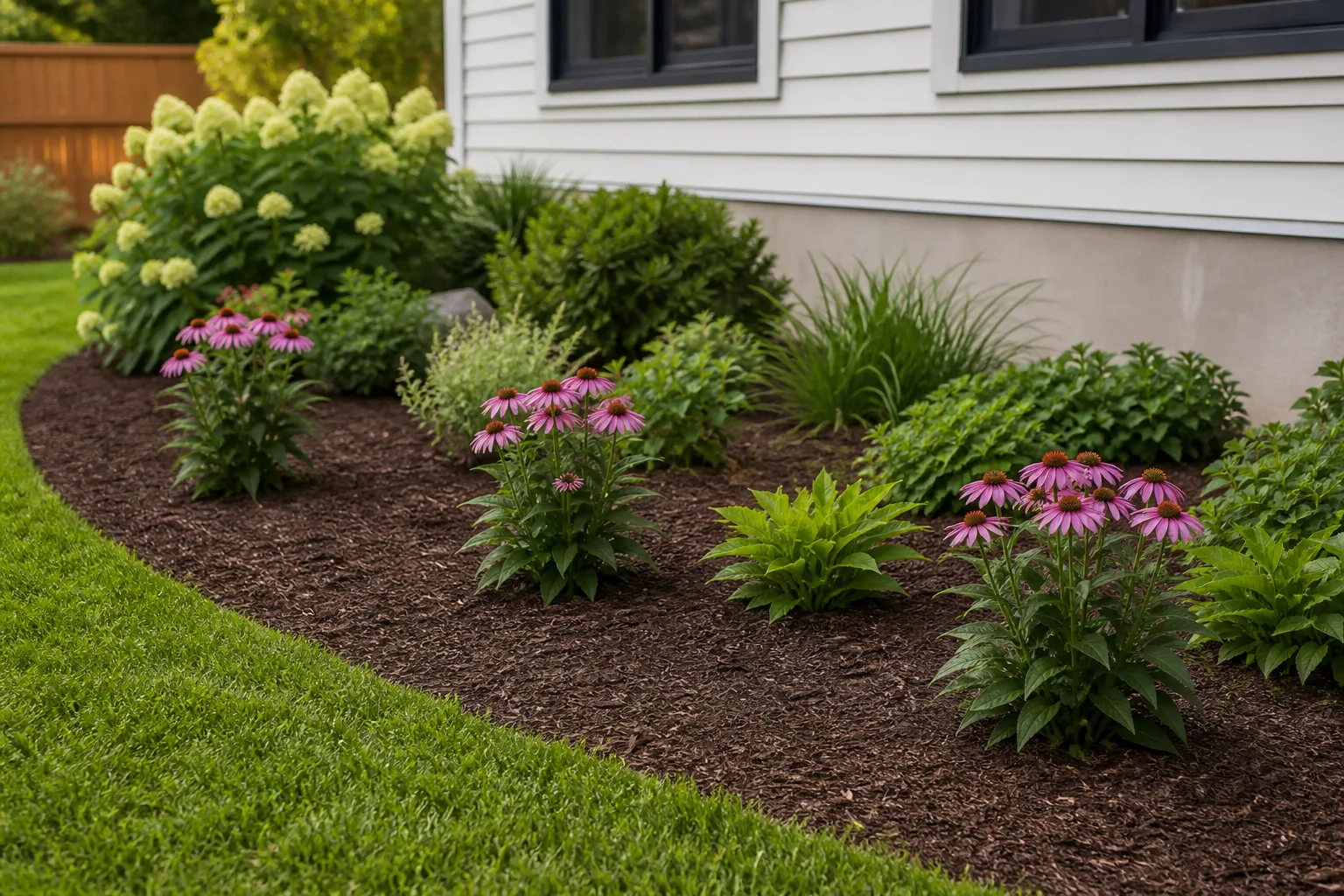
Think in layers rather than isolated specimens. A backdrop of shrubs or a fence can support medium-height perennials, with lower plants or a clean lawn edge in front. A mix of heights, forms, and textures gives the eye a route through the bed; Fine Gardening’s garden-border guidance also emphasizes a strong edge and varied plant structure for year-round interest. (Fine Gardening’s border design overview)
The house is only one reference point. Match plant height to the width of the bed, the scale of nearby trees, and the function of the area. Keep low plants where people need clear sightlines near a driveway or path, and place a taller screen where privacy is the goal. Before removing a large plant for visual reasons, check whether it is providing shade, screening, habitat, or a useful winter structure that a replacement would take years to restore.
3. Light and site conditions
A sunny flower is not necessarily right for a hot, west-facing strip, and a shade plant can struggle under a dense tree even if direct sun is limited. Gardeners notice whether plant selection matches the real conditions: hours and timing of sunlight, soil moisture, drainage, wind, and competition from established roots. Light is especially easy to misread because a garden changes as trees leaf out and as the sun’s angle shifts through the year.
Track direct sun across the whole season
For a practical baseline, many extension references define full sun as at least six hours of direct sun per day. University of Georgia Extension cautions that labels do not capture everything: morning sun is less intense than afternoon sun, and a spot that is bright in winter may become shaded after nearby trees leaf out. Watch a bed at several points in the day, especially during the season when the plant is expected to grow or flower. (UGA Extension on plant-light terms; Kansas State Extension on sun and shade)
Then compare the observed conditions with reliable guidance for the plant, not just a vague “sun to shade” tag. A plant in the wrong light may stretch, flower poorly, scorch, or need more water than you expected. Afternoon sun in a hot climate can be a different stress from the same number of hours in a cooler region, and shade beneath mature trees may also be dry because roots compete for water.
Check the soil before blaming the plant. If a bed stays wet after rain, plants that need sharp drainage can decline even when their light is right. If it dries quickly, ask whether the bed is exposed to wind, under a roof eave, or crowded by tree roots. A simple observation—how long water stands, where the soil stays damp, and which plants do well nearby—helps you choose an adjustment instead of repeatedly replacing the same failed plant.
When a plant is struggling, avoid transplanting immediately during heat or drought. First identify the species and compare its light and moisture needs with the site across a normal growing period. If the mismatch is clear, move it when the plant and local season tolerate transplanting, or replace it with a better-fit species. The goal is not to force every bed into ideal conditions; it is to match plants to the conditions you actually have.
4. Plant choices with a clear role
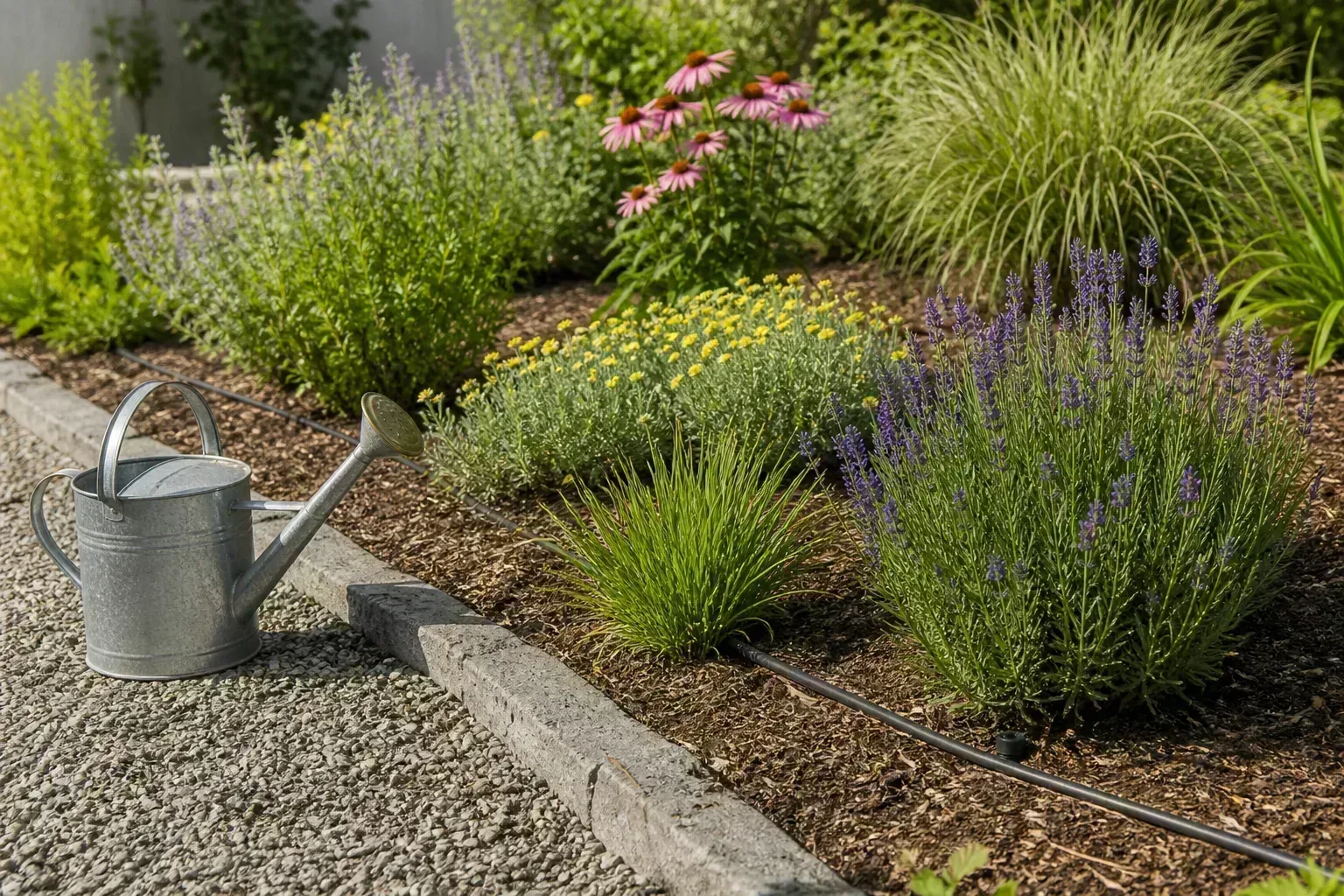
Distinctive varieties catch the eye, but novelty alone does not make a planting successful. Gardeners notice whether each plant has a reason to be there: a useful height, a season of bloom, foliage contrast, food, fragrance, shade, or support for local wildlife. A tomato with unusual stripes or a flower in an unexpected color can bring delight, but the rest of the bed still needs a structure that works.
Before buying a striking plant, answer three questions: Will it fit the site at maturity? What will it look like after its peak season? And what will it ask you to do? A short-lived annual may give fast color but need replacing; a spreading perennial may fill a slope but require boundaries; a flowering shrub may look quiet for part of the year but carry the bed’s structure through winter.
Variety can add texture and seasonal change, yet too many one-off plants can make a small garden feel scattered and make care harder because every species has different needs. Repeat a few reliable plants to create rhythm, then use one or two unusual choices as accents. Better Homes & Gardens’ garden plans use recurring groups of plants with different heights and textures, while noting that plants should suit the conditions and the gardener’s intended upkeep. (Better Homes & Gardens’ low-fuss garden plans)
Plant choice also includes where you buy and what the label actually promises. Check the botanical name if common names are ambiguous, confirm mature dimensions, and ask whether the plant is suited to your hardiness zone and local heat or humidity. A name that sounds “dwarf” does not guarantee a tiny mature size, and a plant advertised as drought-tolerant may still need regular water while establishing. Good selection prevents a lot of later pruning and replacement.
5. Mulch depth and where it stops
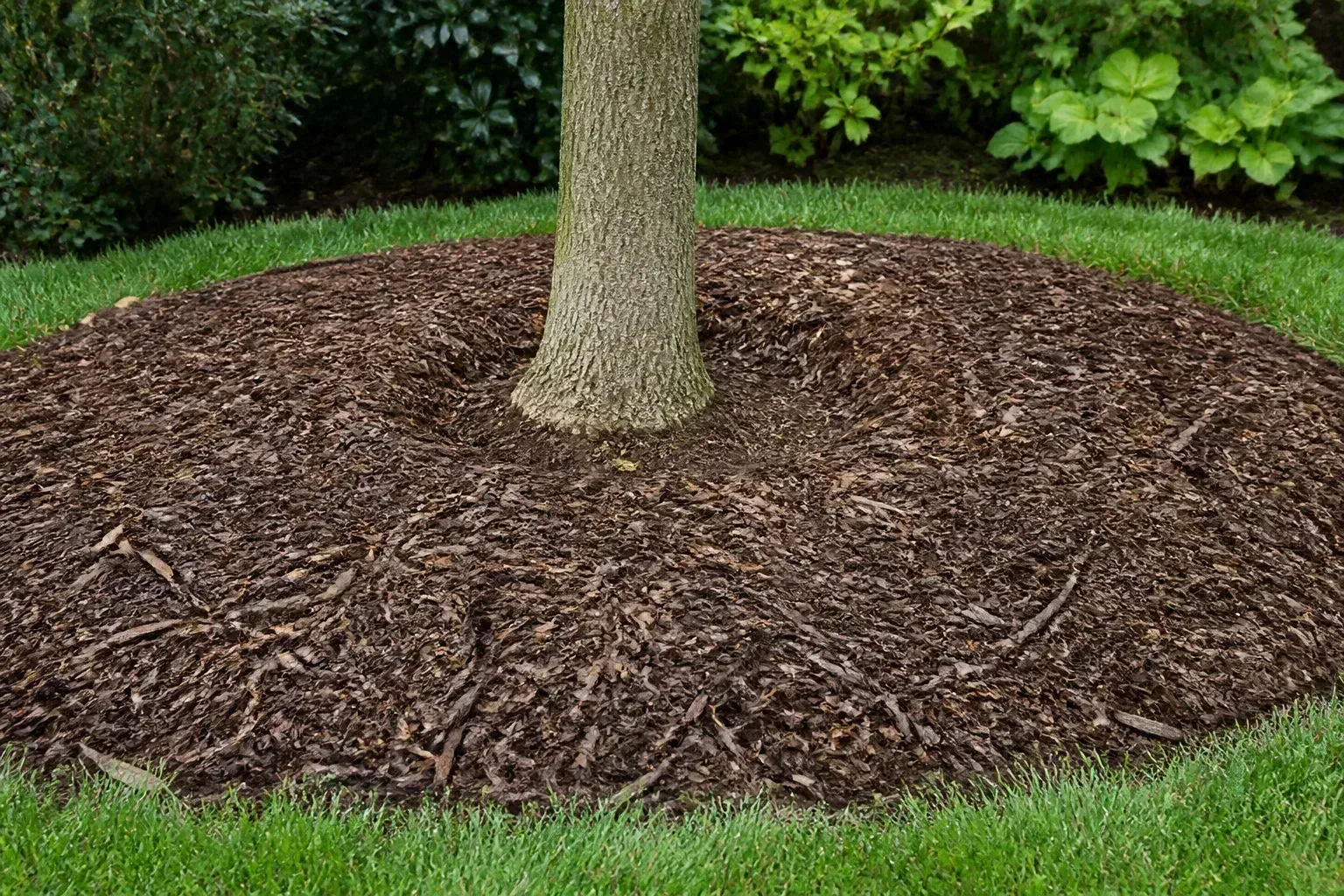
Mulch can make a bed look finished, but a thick pile is not proof of attentive care. Professionals notice whether mulch is spread evenly, whether it is being added on top of an already deep layer, and whether it touches trunks or crowns. Around trees, the exposed root flare—the widening where the trunk begins to meet its roots—is a useful visual check.
Penn State Extension recommends a 2- to 4-inch layer for many landscape trees, with less for finely shredded material or poorly drained soil, and advises keeping mulch away from the trunk so the root flare stays visible. The exact amount depends on material, site, and what is already there, so scrape back a small patch and measure before adding more. If the old layer is still adequate, loosen a matted surface rather than piling on a fresh blanket. (Penn State Extension’s guide to mulching landscape trees)
For a tree, spread mulch outward over as much of the root zone as practical instead of stacking it against the bark. The popular “volcano” mound can keep the trunk damp and bury the flare; deep mulch can also restrict oxygen exchange in the soil. Colorado State University Extension lists moisture retention and weed suppression among mulch’s benefits, but notes that mounding can harm tree and shrub health; it also cautions that organic mulch near a home may be inappropriate in fire-prone areas. (Colorado State Extension on mulching trees and shrubs)
Mulch is not a substitute for solving a drainage problem, watering newly planted plants, or removing persistent perennial weeds. A light, appropriate layer can buffer the soil and reduce some weed germination, but it will not stop every weed. In perennial beds, keep material from smothering plant crowns or covering low stems that need air. If the garden has a slope, heavy rain, or a fire-risk constraint, choose the material and placement with that site in mind rather than copying a photo.
6. Weeds, bare soil, and competition
A professional does not judge a garden by whether it contains one weed. Instead, they notice the pattern: scattered seedlings in an open patch, a vigorous runner crossing a bed, or the same weed returning in the same damp or compacted corner. That pattern tells you whether the immediate job is pulling a few seedlings, identifying a spreading species, or improving a planting gap that keeps inviting new growth.
Treat a weed patch as a clue
When a patch is new, remove young weeds before they set seed and note what is nearby. Bare soil between slow-growing plants may need a temporary cover, a suitable ground cover, or closer spacing in the next planting plan; a repeated weed may reveal that the chosen plants are not filling the available light or that a nearby lawn edge has no barrier. Do not assume that every unfamiliar plant is harmful—identify it first, especially when a perennial or volunteer could be useful.
Different weeds need different tactics. A taproot is easier to remove when the soil is moist and the whole root can be lifted; underground rhizomes can spread if chopped into fragments. Fine Gardening’s weed-management guidance recommends matching the response to how the plant spreads, protecting nearby desirable plants, and using prevention such as dense planting or mulch rather than repeating the same ineffective pull. (Fine Gardening’s weed-control strategies)
A garden can support wildlife and still be cared for. Seed heads, fallen leaves, and small areas of low-growing vegetation may be intentional, while a weed with a history of invasive spread may need prompt, locally appropriate control. The difference is whether you know what is growing and whether it is serving the plan. If you are unsure of a plant’s identity or its local invasive status, check a regional extension or natural-resources source before disturbing a large patch.
7. Pruning cuts and timing
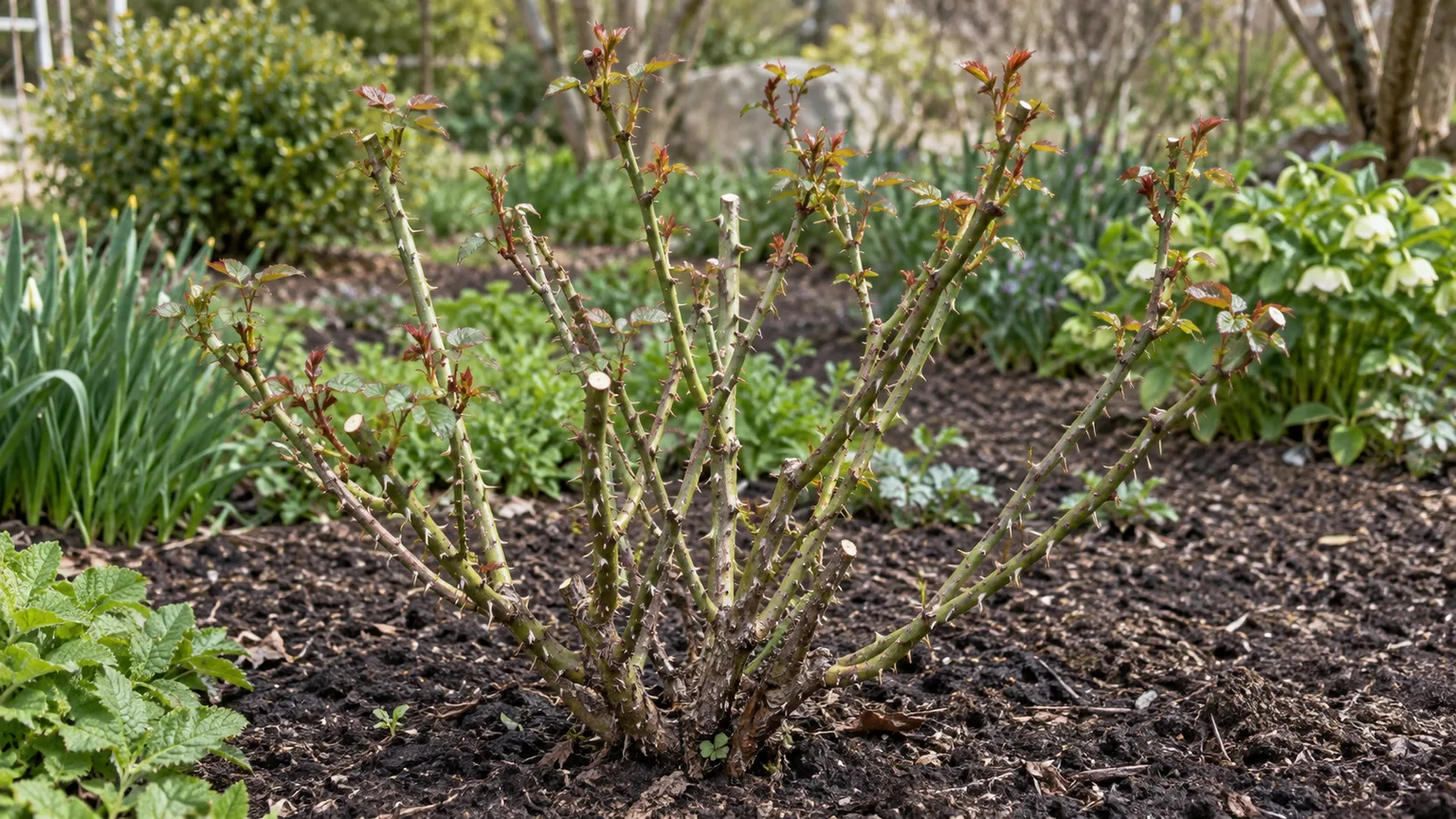
A shrub can look tidy after a hard haircut and still be worse off. Gardeners notice cuts that tear bark, leave long stubs, remove too much of the canopy, or force a naturally loose plant into a tight shape it cannot hold. A sharp, clean tool helps; the cut itself should fit the kind of branch and the reason for pruning.
Start by asking why a plant needs a cut. Remove dead, broken, or diseased material when appropriate; thin congested stems to improve access and light; or shorten a branch that is obstructing a path. Avoid cutting every stem to the same height just because the outline looks uneven. For shrubs, Penn State Extension describes renewal pruning—removing some of the oldest stems near ground level—as a way to preserve natural form and let more light and air reach the interior; it advises removing no more than about one-third of the largest stems in a round. That is a technique for suitable shrubs, not a blanket instruction for every plant. (Penn State Extension on pruning flowering shrubs)
Timing matters as much as the cut. Many spring-flowering shrubs make flower buds on older wood, so pruning them before bloom can remove that season’s flowers; Penn State recommends pruning those shrubs after flowering. Many summer bloomers flower on new growth and can be pruned in late winter or early spring, but species differ. Identify the shrub and check its pruning guidance before making a large cut, especially if it is overgrown, evergreen, newly planted, or a tree with structural limbs.
There is also a difference between corrective pruning and constant clipping. If a shrub repeatedly blocks a window or spills over a walkway, the mature size may not suit the space. Repeated shearing can hide the underlying mismatch while creating more work; in some cases, selective thinning or replacing the plant with one that naturally fits is the better long-term choice. For large limbs, trees near structures or utilities, or a plant with major damage, consult a qualified arborist rather than attempting a risky cut from a ladder.
8. A garden that suits its maintenance routine
A well-kept garden is not necessarily the most manicured one. A gardener can see whether the owner has a repeatable routine, or whether the design depends on weekly deadheading, constant edging, and plants that need more water than the site can provide. There is no virtue in choosing a high-maintenance style if it does not fit your time, budget, climate, or interest.
Make repeat tasks easy to reach
Walk the route you use to care for the garden. Can you reach the back of the border without trampling plants? Is there a hose connection or water source within a workable distance? Does a mower have room to turn at the edge, or does every mowing session require hand trimming? A path, stepping stone, or a slightly wider bed edge can reduce repeated friction even if it does not add a single flower.
Group plants with similar water and light needs where possible, and put high-attention plants where you pass them regularly. Place a thirsty container near a water source rather than at the far end of the yard; reserve the hottest, driest corner for plants adapted to it. If leaf cleanup is the problem, consider whether a tree’s location, gutters, and bed layout are creating a task you can simplify with a better route or a different seasonal cleanup plan.
Prioritize the work that affects health and function: check new plantings during dry weather, remove a weed before it seeds, clear a blocked path, and schedule pruning for the right species and season. Cosmetic tasks such as deadheading or crisping a lawn edge can wait if they are not part of the look you want. Better Homes & Gardens’ garden plans, for example, distinguish low-care designs from gardens that rely on regular watering or grooming; the useful lesson is to choose a maintenance level honestly, not to expect every garden to be effortless.
Let the garden change as plants mature. A once-small tree can shade a bed, a shrub can narrow a path, and ground covers can close bare spaces. Recheck spacing and light once or twice a year rather than waiting until a plant has to be drastically cut back. That habit turns maintenance into small adjustments instead of emergency renovations.
A 20-minute expert-style garden walk-through
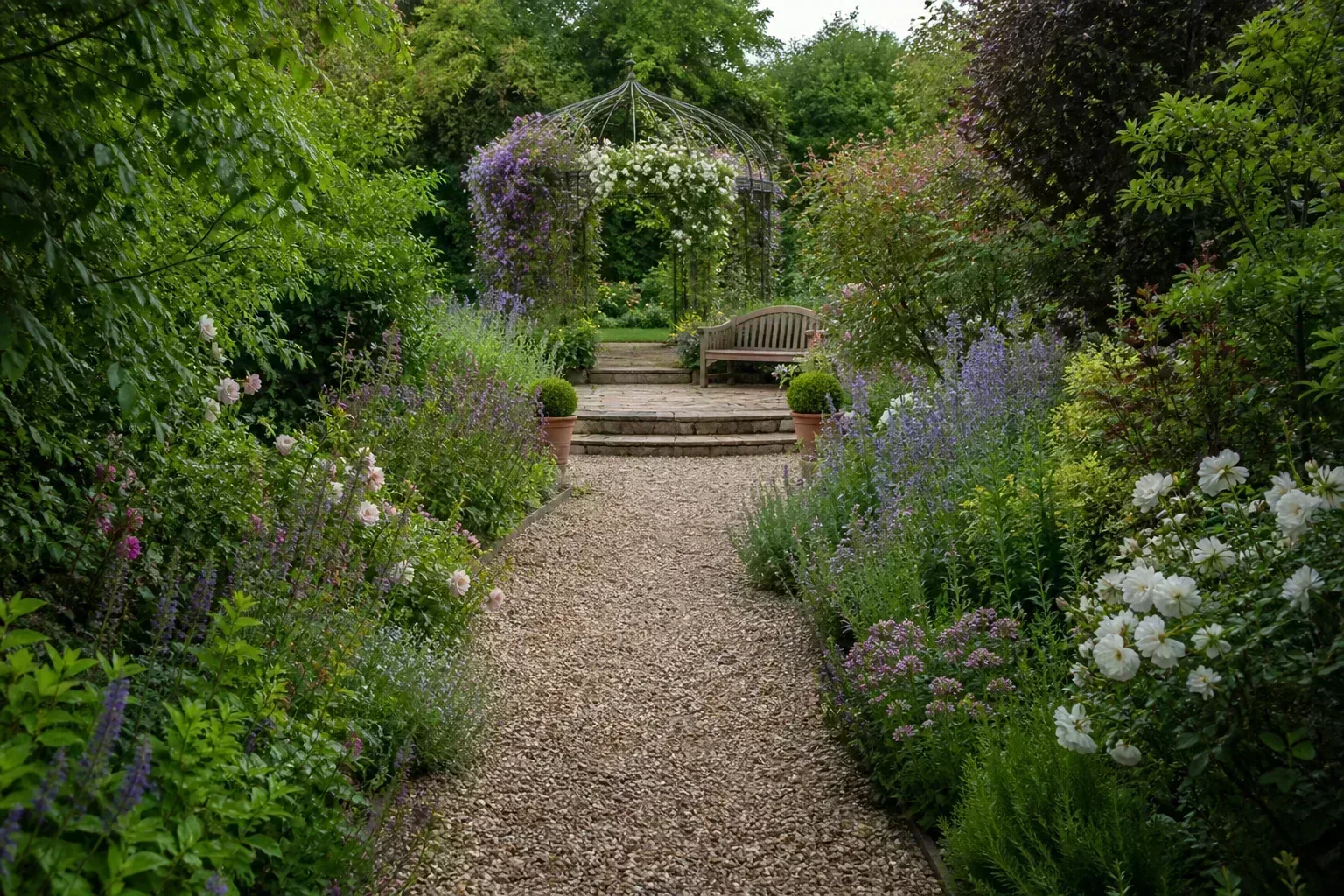
You can use these eight clues without trying to solve the whole property at once. Take a notebook or phone, walk the garden once, and record observations before you buy plants or start cutting. The purpose is to separate a real site problem from a preference about how formal or colorful the garden should be.
Spend the first five minutes looking from the house and street: note scale, views, paths, and the bed edges that seem unfinished. For the next ten minutes, inspect plant fit: mark any plants crowding one another, record where direct sun falls, touch the soil in a few locations, and look for mulch against trunks or a repeat weed patch. In the final five minutes, choose one easy correction and one longer-term decision, such as moving a plant next season or replacing a shrub that will always outgrow its space.
Keep observations concrete. “The front garden looks bad” is too broad to guide a useful change; “the path is narrowed by one shrub, and three new plants are spaced for their pot size” identifies the work. Photograph the same view every few months if you want to see growth and seasonal changes. A record is especially helpful when winter light and summer shade make the same bed look like two different sites.
Conclusion
The details professional gardeners notice are often the reasons a garden is easy—or difficult—to live with: plants that fit their light and mature size, a balanced relationship between the home and the planting, mulch that protects rather than smothers, and pruning that respects the plant’s growth cycle. Those clues are more useful than a quick verdict about whether a yard looks polished.
Choose one issue that affects plant health or daily use, make a measured change, and observe the result through a growing season. You can keep the style you like while improving the conditions that let the garden thrive.