10 Tiny Bugs in Your House and How to Get Rid of Them
Identify 10 tiny bugs in your house by where you find them, then use safer first steps for bed bugs, ants, flies, pantry pests, silverfish, and more.
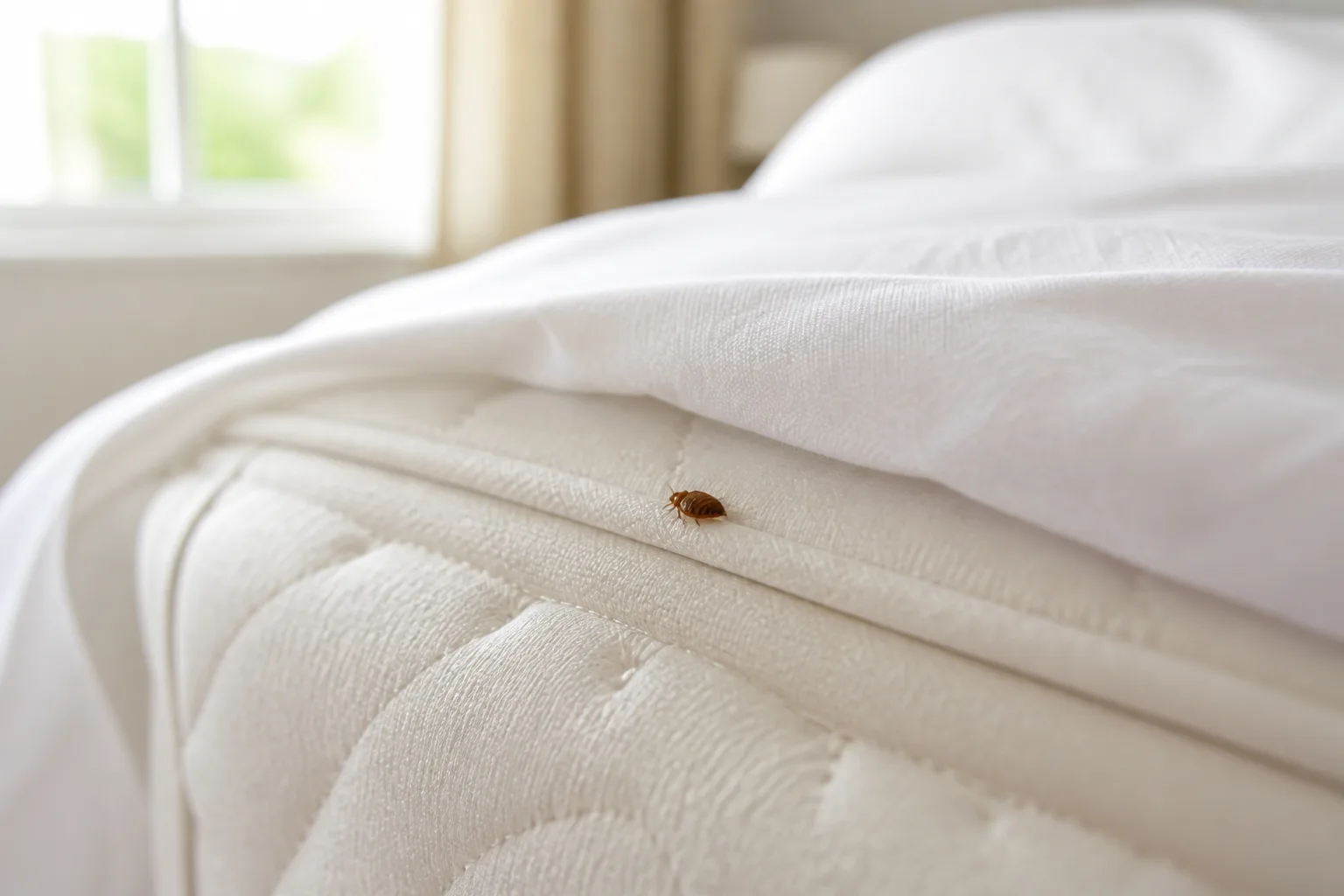
The fastest way to get rid of tiny bugs in your house is to identify the room, food or moisture source, and body shape before reaching for a spray. A small flying insect around fruit needs a different response from a flat bug near a mattress, a beetle in flour, or a silverfish in a damp bathroom.
Start with one specimen or a clear photograph, note exactly where you found it, and look for the evidence it leaves behind. Then remove the condition that supports it: food for pantry pests, standing moisture for silverfish and cockroaches, fabric debris for carpet beetles, or an undisturbed hiding place for bed bugs.
This guide covers ten common indoor sightings, including spiders and dust mites even though neither is technically an insect. The goal is not to promise a one-product cure. It is to give you a sensible first action, a safer follow-up, and a clear line between a one-off visitor and a problem that needs help.
Use the Room and the Evidence to Identify the Bug
Color is a poor identifier when an insect is only a few millimeters long. A better sequence is where it was found, how it moved, whether it had wings, what it was near, and whether there were eggs, droppings, shed skins, webbing, holes, or a trail.
| Where you see it | Strong first suspects | Check first |
|---|---|---|
| Near ripe fruit, recycling, or a drain | Fruit flies or drain flies | Fermenting residue, compost, disposal, and drain slime |
| In flour, rice, cereal, or pet food | Weevils or pantry beetles | Every opened dry-good package, not just the one with bugs |
| Around baseboards, windows, and pipes | Ants, spiders, or occasional invaders | Entry crack, food residue, moisture, and outdoor vegetation |
| In a bathroom, basement, or laundry area | Silverfish, firebrats, or cockroaches | Leaks, condensation, paper storage, and nighttime activity |
| On bedding or beside a bed | Bed bugs, carpet beetles, or a harmless look-alike | Mattress seams, box spring, dark spots, shed skins, and larvae |
| In dust, upholstery, or bedding but never visibly moving | Dust mites or their allergens | Humidity, washable bedding, and allergy symptoms rather than a visible bug |
The Five-Minute Sample Rule
If you can do it safely, trap the suspect on clear tape or place it in a small sealed container. Photograph it beside a ruler or coin, then record the room, surface, time of day, and nearby food or water. A sealed sample is more useful to a local Extension identification service or pest professional than a description such as “a tiny black speck.”
Do not spread a suspected bed bug by carrying bedding, furniture, or clothing from room to room. Do not throw out a mattress or sofa before you understand the problem; moving it can scatter bugs, and discarded furniture can expose the next person. Identification is especially important when the treatment could involve pesticides, heat, or replacing household goods.
1. Bed Bugs
Bed bugs are small, flat, wingless, reddish-brown insects that feed on blood while people sleep. They hide in tight, protected spaces near resting areas: mattress seams, box springs, bed frames, headboards, upholstered furniture, and cracks. A single bug is not proof of a large infestation, but repeated sightings or multiple signs deserve prompt attention.
Look for more than bites. Bite reactions vary widely, some people show no reaction, and bites can resemble mosquito or flea bites. The CDC’s bed-bug guidance says bed bugs are not known to spread disease, but itching, sleep loss, allergic reactions, and skin infection from scratching can still be serious. Blood spots, dark fecal marks, shed skins, eggs, and live bugs around the bed are more useful clues than skin marks alone.
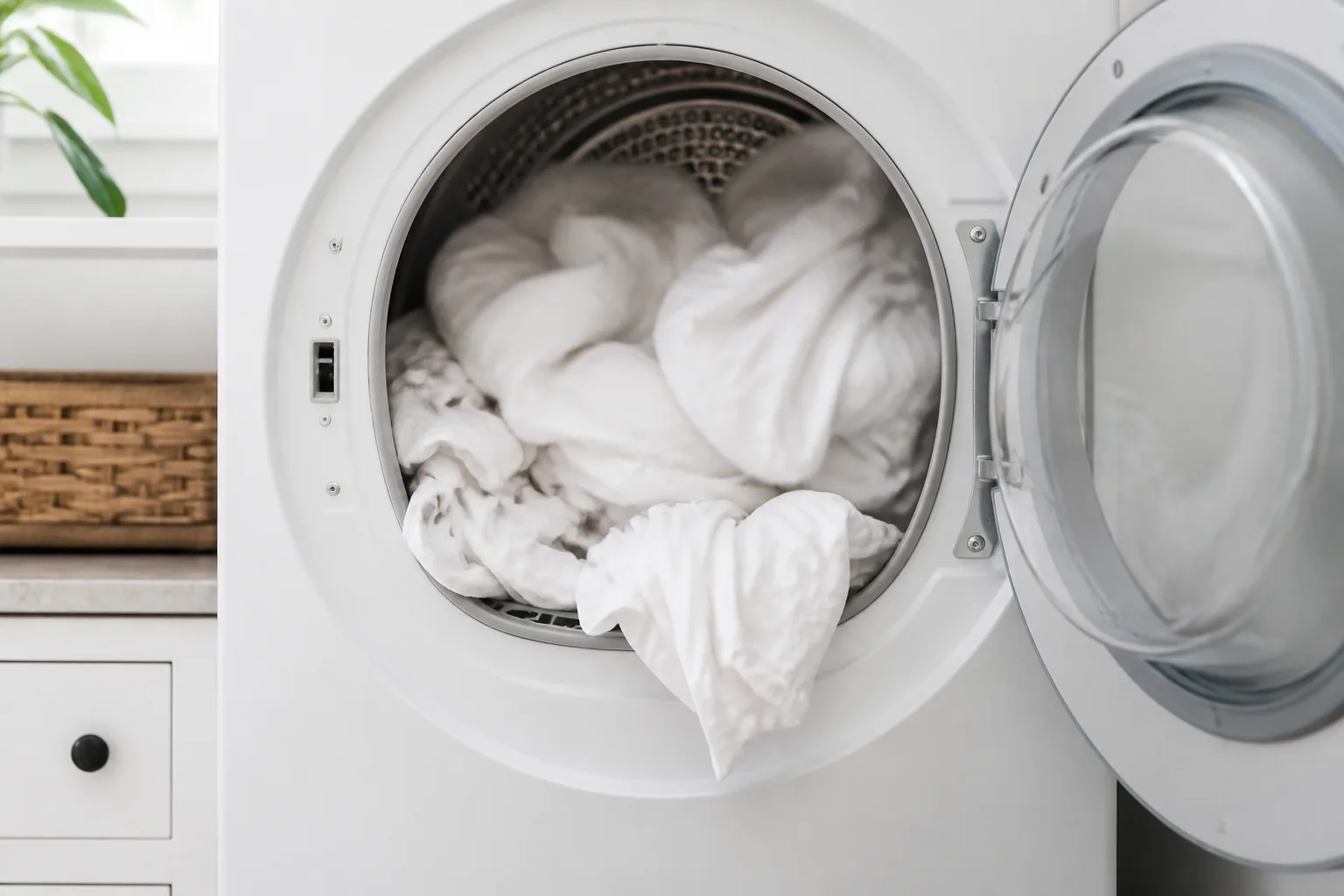
The first response is containment and inspection. Keep the bed where it is, pull it slightly away from the wall, keep linens off the floor, inspect seams with a flashlight, and vacuum crevices. Empty the vacuum into a sealed bag immediately. For heat-safe bedding and clothing, the National Pesticide Information Center recommends a high-heat dryer cycle for 30 minutes to kill bed bugs and eggs; transport suspect laundry in sealed bags and store clean items in sealed bins until the room is under control.
Mattress and box-spring encasements can trap bugs already inside and simplify later inspection. Avoid foggers, alcohol, improvised heat, and repeated daily spraying. NPIC notes that many populations resist common pesticides, foggers do not reach the hiding places well, and misused pesticides can disperse bugs or harm occupants. If you rent, notify the landlord promptly and coordinate inspection of neighboring units because bed bugs can move through cracks between apartments. The UGA Extension travel guidance also recommends inspecting luggage away from the bed and drying washable travel clothing when you return home.
2. Fruit Flies
Fruit flies are tiny tan or brownish flies, often with conspicuous red eyes, that hover around overripe produce, fermenting liquid, recycling, compost pails, and sticky residue. They do not bite, but they can multiply quickly when a small amount of fruit or juice is hidden under an appliance, in a bin, or inside a drain opening.
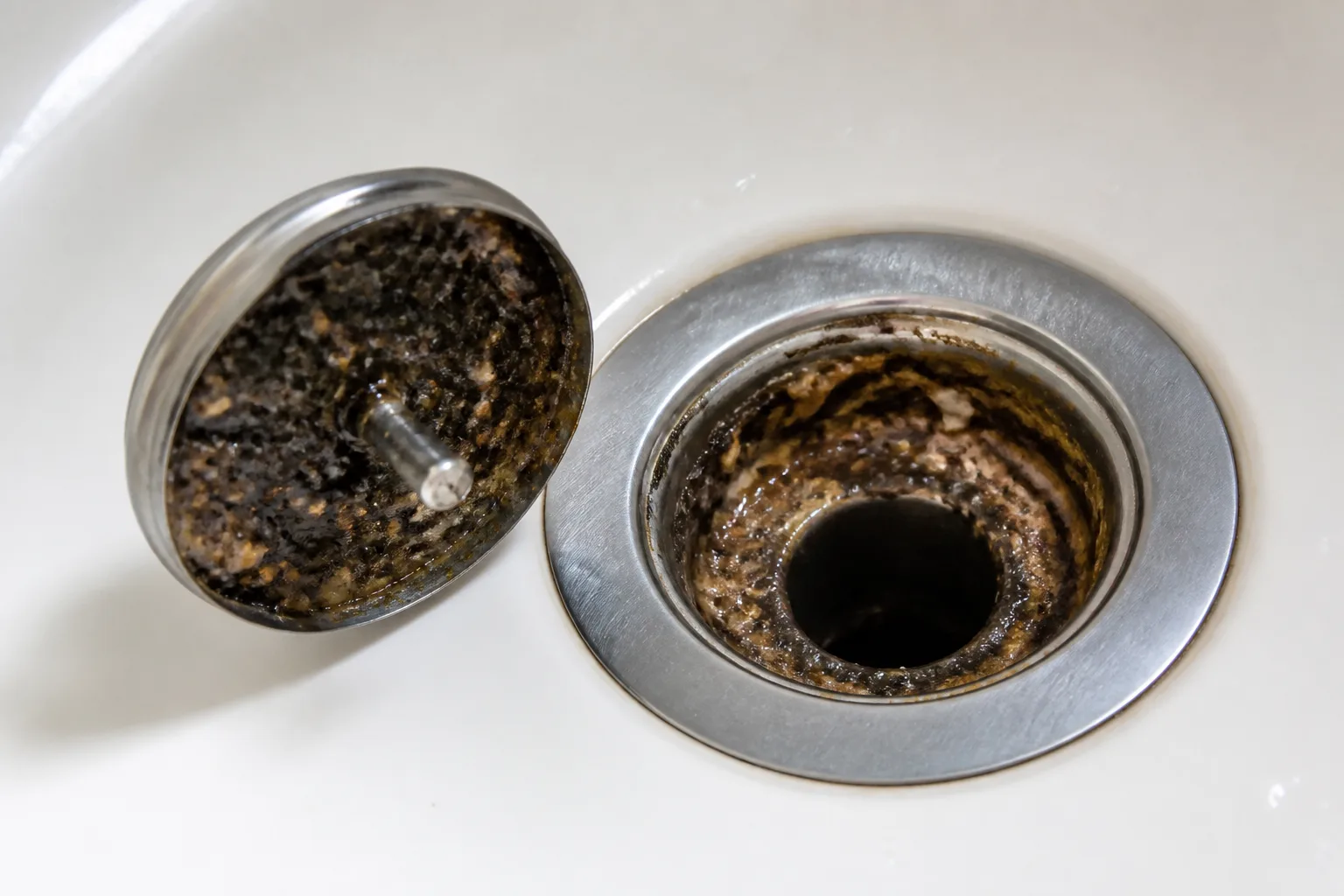
Remove the breeding material before setting a trap. Refrigerate soft fruit, discard damaged produce, empty and wash the compost or trash container, rinse bottles and cans, and clean the garbage-disposal splash guard and drain opening. A drain can hold a thin organic film that supports larvae even when the visible counter is clean. The Almanac’s fruit-fly guidance emphasizes frequent compost cleaning and explains why fermenting fruit odors are such effective attractants.

Use a small jar with a finger’s depth of apple-cider vinegar and two drops of dish soap. The vinegar attracts adult flies and the soap breaks the surface tension so they drown. A trap only removes adults; it will fail if a forgotten onion, damp mop head, recycling bin, or drain remains available for the next generation. If flies continue after food and drains are cleaned, identify whether they are drain flies or fungus gnats instead.
3. Ants
Indoor ants usually arrive along a trail to food or water, not because the entire home is dirty. They may follow a pipe, wire, baseboard, window gap, or foundation crack. The size and color of a worker are not enough to identify the species, and different species can prefer sweet, greasy, or protein-based baits.
Start by wiping the trail with soapy water, removing crumbs and spills, securing pet food, repairing leaks, and following the line to its entry point. Seal the gap after you understand the route. The UC Statewide IPM Program’s ant guidance explains that indoor sprays kill foragers temporarily but do not stop the colony from sending more workers.
If ants keep returning, use a commercially packaged, enclosed bait station placed exactly as its label allows and kept away from children and pets. Bait works because workers carry a slow-acting active ingredient back to the colony; it is not supposed to kill every ant on contact. Do not spray the trail while baiting, because killing or repelling foragers can prevent them from carrying the bait home. If the ants ignore one formulation, move the station or try a different labeled bait rather than mixing a homemade recipe.
The Penn State Extension IPM approach puts identification, prevention, exclusion, and low-risk controls ahead of routine pesticide use. If ants appear from electrical outlets, inside walls, or in several rooms despite sanitation and baiting, get an identification and inspection rather than filling wall voids with dust.
4. Stink Bugs
Stink bugs are shield-shaped insects that usually enter from outside when temperatures change. Brown marmorated stink bugs are mottled brown and may gather at windows, ceilings, lights, or sunny walls. A single one is generally an invader to remove, not evidence that the kitchen has a breeding colony.
Vacuum or gently capture the bug and release it away from the house if local conditions make that practical. Avoid crushing it on fabric or walls; the odor is the reason for its common name. Empty the vacuum outdoors or seal the contents before bringing the appliance back inside.
Long-term control is exclusion. Repair screens, close gaps around window frames and doors, add a door sweep where light shows under the door, and seal cracks around utility penetrations. Check the sunny side of the home and attic or wall voids for entry clusters. Do not fog a room for occasional stink bugs. A pesticide used indoors must be specifically labeled for that site and pest, and the label—not a household “natural remedy”—sets the legal directions for use.
5. Weevils and Other Pantry Beetles
Weevils and other stored-product beetles appear as tiny brown or black moving specks in flour, rice, oats, cereal, pasta, spices, birdseed, and pet food. The visible insect may be only the adult stage; eggs or larvae can be hidden inside a package, so saving the rest of the bag while removing only the adults often restarts the problem.
Discard infested food in an outdoor bin. Inspect every dry good stored nearby, including unopened cardboard boxes and pet treats, then vacuum shelf corners, cracks, and hinge areas. Wash shelves with warm soapy water and let them dry completely before restocking. Do not spray insecticide in a food cabinet; sanitation and removal are the safer first line.
Transfer replacement grains and pet foods into clean, tight-fitting containers. Keep a small amount of a new product separate for a few days if you are unsure whether the original source was contaminated. The University of Minnesota Extension’s guidance on home-invading weevils is the right kind of reference for this problem: find the source, remove it, clean the storage area, and prevent a second introduction instead of trying to treat food with a pesticide.
6. Carpet Beetles
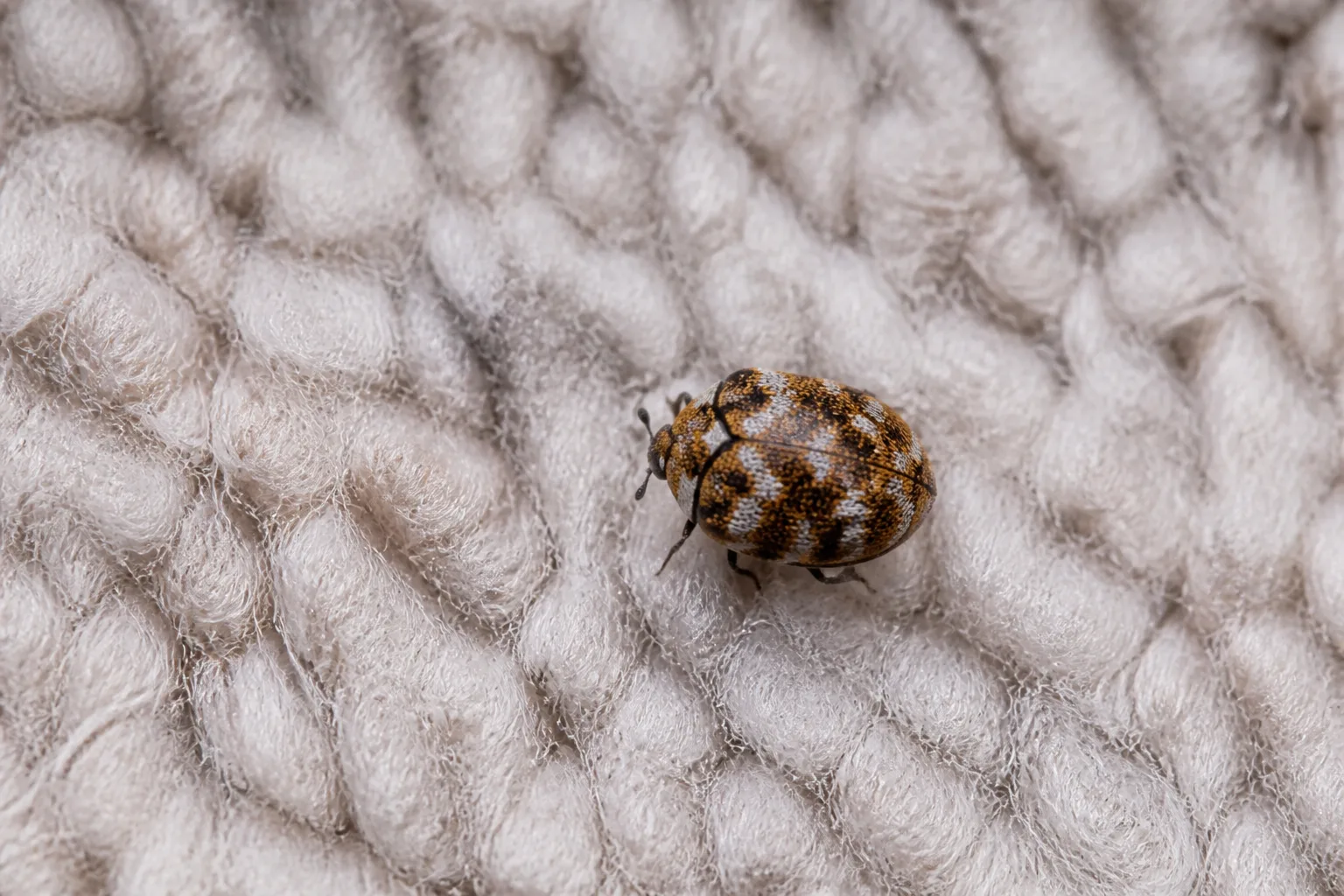
Adult carpet beetles are small, rounded beetles that may be mottled, black, or brown. The damaging stage is usually the hairy larva, which hides in undisturbed edges and feeds on natural animal fibers, hair, lint, dead insects, and sometimes stored products. You may notice shed larval skins, thinning wool, holes in a felt item, or beetles at windows where adults gather.
Vacuum baseboards, carpet edges, closet floors, under furniture, vents, and upholstery slowly enough to lift debris and larvae. Empty the vacuum into a sealed bag immediately. Wash or dry-clean washable textiles according to their care labels, and store clean wool, silk, feathers, and leather in sealed containers. Check pet-hair buildup under furniture and dried pet food, which can quietly support larvae.
The useful question is not “How do I kill the beetle I saw?” but “Where can larvae keep feeding?” A recent Ask Extension response on carpet beetle control recommends looking beyond the carpet to crevices, dust, lint, pet hair, and animal fibers and considering a professional inspection when the source is not obvious. Pesticide treatment is not a substitute for removing the food and may miss larvae deep in furniture or wall edges.
7. Silverfish and Firebrats
Silverfish are wingless, silvery insects with a tapered body and tail-like bristles. Firebrats look similar but prefer warmer areas. Silverfish are most often found in cool, damp, dark places such as bathrooms, basements, laundry rooms, and closets, where they feed on paper, glue, starches, and other materials.
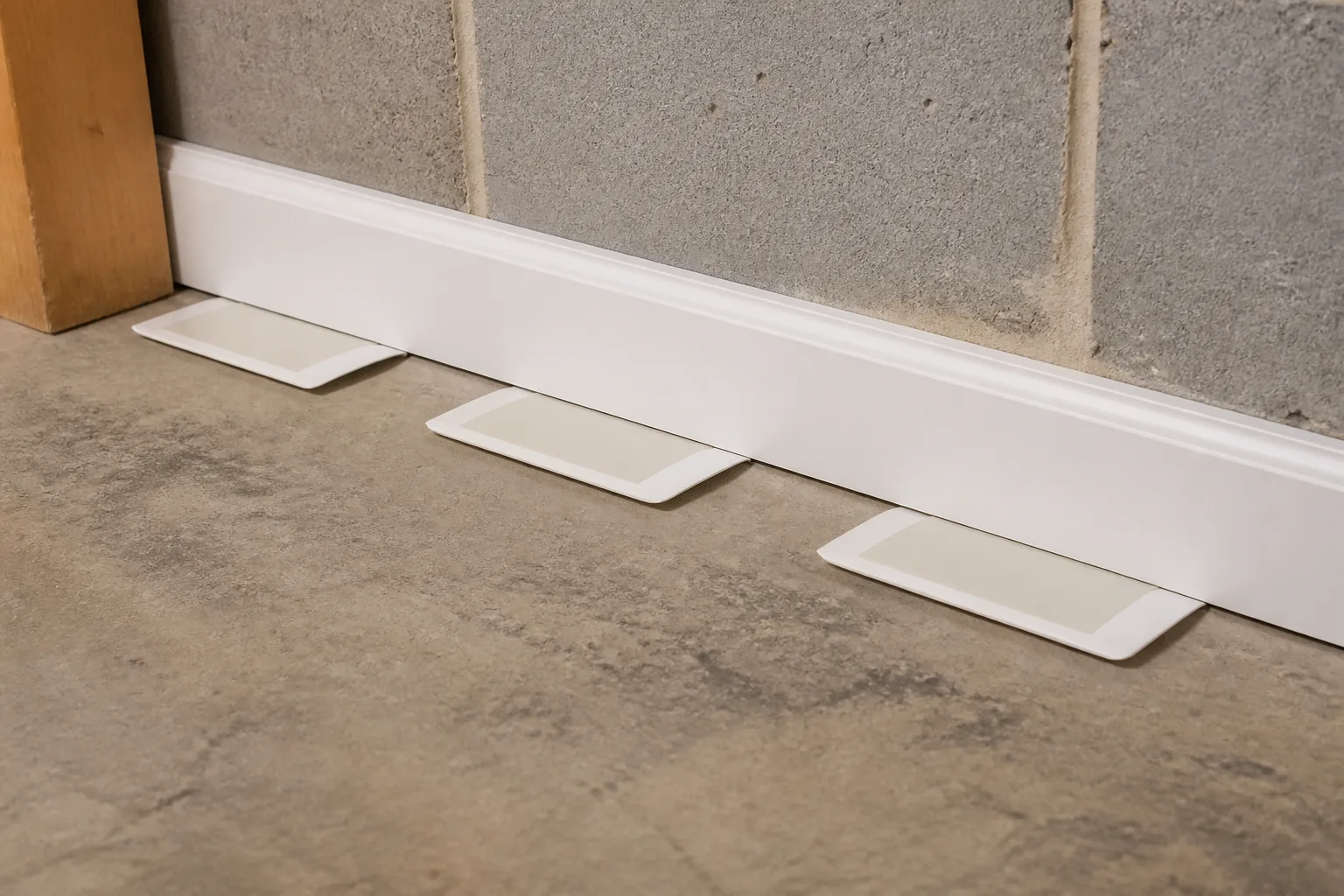
Reduce moisture first: fix leaks, run the bathroom fan, improve airflow, dry wet storage areas, and use a dehumidifier where needed. Store books, cardboard, and papers off damp floors. Place sticky traps along baseboards and near plumbing to learn whether activity is concentrated in one room and whether the number is falling.
The University of Minnesota Extension identification guide describes silverfish as mostly a nuisance that may damage paper. If you are seeing many every day, find the moisture or a hidden harborage rather than lowering the thermostat as a stand-alone cure. Seal gaps after drying the space, and use any pesticide only when its label permits indoor use for the identified pest and site.
8. Cockroaches
Cockroaches are oval, fast-moving insects with long antennae, but a small nymph can look like a dark speck at first glance. They hide in kitchens, bathrooms, under sinks and appliances, around pipes, inside cabinets, and in wall voids. Droppings, egg cases, shed skins, grease marks, and a musty odor are stronger evidence of an established problem than one outdoor roach near a door.
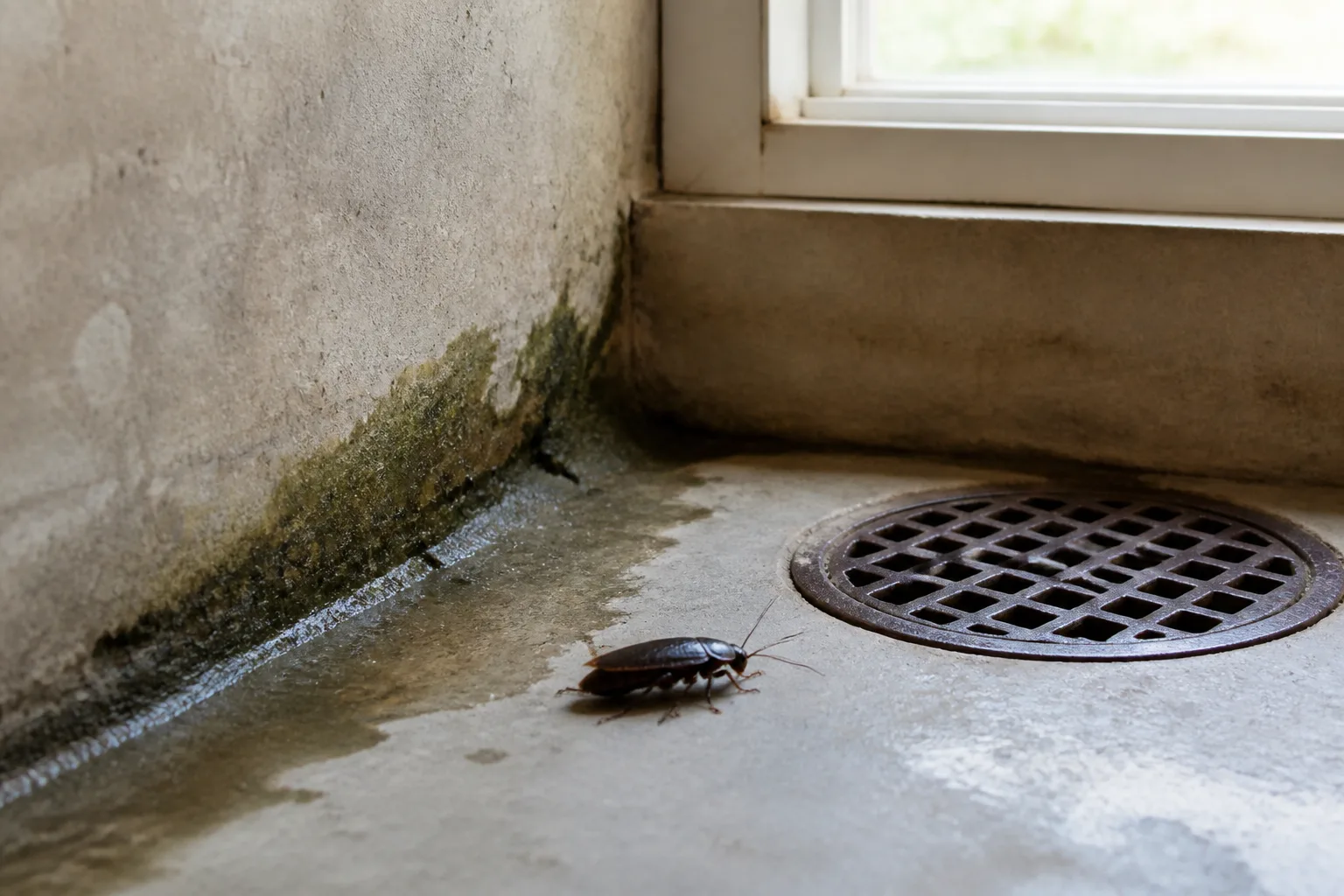
Monitor before treating. Put glue boards in dark areas under appliances, beside plumbing, and along walls, then check them daily for a week. Clean food residue before bed, remove standing water from dishes, secure pet food, empty garbage and recycling, repair leaks, and seal cracks around cabinets, pipes, wires, doors, and windows. The National Pesticide Information Center cockroach guide recommends identifying the species, monitoring activity, and using integrated pest management rather than guessing with a spray.
If traps show repeated activity, enclosed baits or gel baits may help when used according to the label and kept inaccessible to children and pets. Do not combine repellent sprays with bait stations in the same route, and do not assume a product failed after one night. Cockroaches can avoid a bait because of the active ingredient or the food base, and some populations are resistant. In apartments, work with the landlord and neighboring units; treating one kitchen while the source remains in a connected unit rarely solves the problem.
9. Spiders
Spiders are not insects, and most house spiders are predators of flies, mosquitoes, and other small pests. Finding one does not automatically mean the home is infested. A sudden increase, however, often means the house is offering both entry points and prey.
Remove webs and egg sacs with a vacuum, reduce clutter in dark corners, repair screens, add door sweeps, and seal gaps around windows and pipes. Turn off or shield exterior lights near doors if they attract flying insects, and correct the food source that is drawing spiders indoors. If the spider is unfamiliar or a bite is followed by severe pain, spreading redness, breathing trouble, or other concerning symptoms, avoid handling it and seek local medical or pest-identification advice.
10. Dust Mites
Dust mites are microscopic relatives of ticks and spiders, not visible household insects. You generally cannot identify them by seeing a moving speck. They live in bedding, mattresses, carpets, upholstered furniture, and stuffed toys, and their bodies and waste can trigger allergy or asthma symptoms in sensitive people.
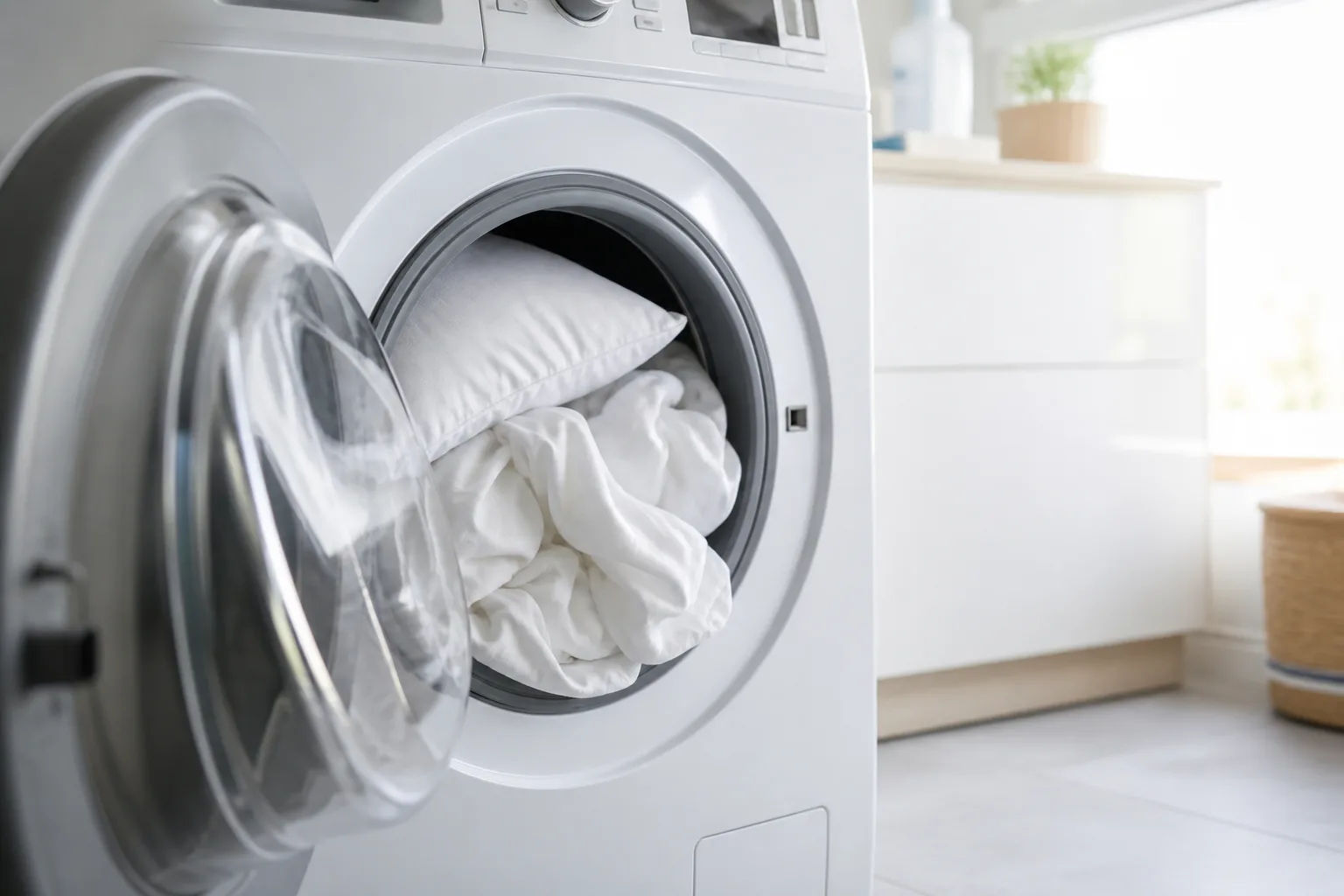
You cannot completely eliminate dust mites from a normal home, so focus on exposure reduction. Keep indoor relative humidity below 50 percent with ventilation, air conditioning, or a dehumidifier. Wash sheets, blankets, and washable rugs weekly in hot water when the fabric allows; Mayo Clinic guidance specifies water at least 130 F (54.4 C) for killing mites and removing allergens.
Use zippered allergen-barrier covers on mattresses and pillows, reduce bedroom clutter and wall-to-wall carpet where practical, and vacuum with a HEPA filter. Vacuuming removes surface dust but cannot reach all mites and allergen deep in stuffing. The American College of Allergy, Asthma & Immunology explains that cleaning can temporarily stir allergens into the air, so someone without the allergy should clean when possible, or the sensitive person should wear a well-fitting mask and stay out until the dust settles. Persistent wheezing, shortness of breath, or uncontrolled allergy symptoms need medical advice rather than a stronger household chemical.
Look-Alikes to Check Before Treating
Several tiny flying or crawling pests are easy to confuse. A wrong identification can make you clean the wrong source, place a bait that no insect wants, or spray a plant, drain, mattress, or food cabinet unnecessarily.
Fungus Gnats, Drain Flies, and Booklice
Fungus gnats are slender, dark flies that move slowly around damp potting soil and houseplants. Their larvae live in moist compost. If the bugs rise from a plant when you water, let the soil surface dry as the plant permits, correct overwatering, and use yellow sticky traps for adults. The RHS fungus-gnat guidance notes that adult fungus gnats are mainly an annoyance while larvae thrive in damp, organic potting media.
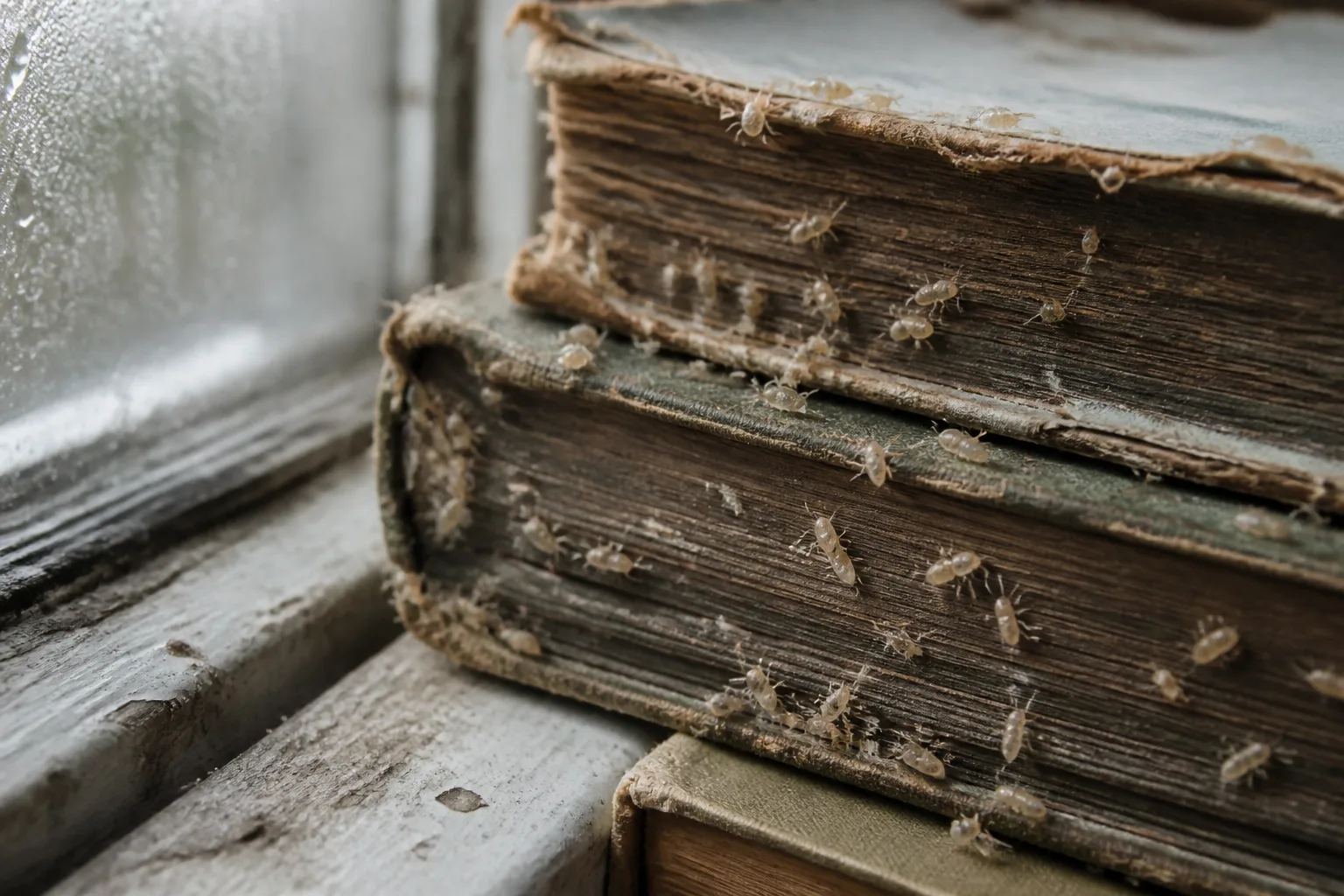
Drain flies look fuzzy or moth-like and usually stay close to sinks, showers, and floor drains. Scrub the drain opening, stopper, overflow, and accessible trap surfaces to remove the organic film; pouring a quick splash of cleaner down the drain without removing the film rarely changes the breeding site. Booklice are tiny pale insects associated with damp paper, cardboard, mold, and humid storage, not with bites or blood. Dry the area, improve airflow, discard heavily affected paper, and seal dry materials.
If an insect is found on a houseplant, isolate the plant and inspect leaves, stems, pot rims, and soil before treating. A kitchen fruit-fly trap will not solve a fungus-gnat life cycle, and a bed-bug response is not appropriate for booklice. Matching the habitat to the pest is the most important part of the cure.
A Safe Whole-Home Reset
For an unexplained sighting, use this order over the next 24 hours:
- Save evidence. Photograph or seal one specimen and write down the room and surface.
- Remove food. Seal dry goods, refrigerate ripe fruit, clean crumbs, rinse recycling, and empty organic waste.
- Remove water. Repair leaks, dry sinks and tubs, improve bathroom ventilation, and check under appliances.
- Remove shelter. Vacuum edges and cracks, reduce cardboard and clutter, and clear pet hair and lint.
- Block entry. Repair screens, add door sweeps, and caulk gaps around windows, pipes, wires, and baseboards.
- Monitor. Use the appropriate trap or inspection method for the suspected pest and record what you find.
Do not use a “natural” ingredient as shorthand for safe. Borates, diatomaceous earth, essential oils, and botanical insecticides can still irritate, poison, damage surfaces, or harm pets and beneficial insects. If you use a pesticide, choose one labeled for the identified pest and indoor site, follow every label direction, keep people and animals away as directed, and never increase the dose because the first application did not work.
When the First Fix Fails
Failure usually points to one of four causes: the bug was misidentified, the breeding or nesting site was missed, the treatment reached adults but not eggs or larvae, or a neighboring room or unit is supplying new insects. Go back to the evidence instead of escalating blindly.
For flies, inspect drains, bins, compost, and produce again. For pantry beetles, check unopened packages and pet food. For silverfish and cockroaches, use moisture readings and traps to locate the hot spot. For ants, confirm that the bait is being carried rather than sprayed away. For bed bugs, repeat inspections around every resting area and coordinate treatment across connected rooms or apartments.
When to Call a Professional or Landlord
Get professional help when bed bugs are confirmed or strongly suspected, when cockroaches appear repeatedly or during daylight, when an infestation is spreading between rooms, or when insects are inside walls, ceilings, upholstered furniture, or inaccessible voids. A professional is also the sensible choice if someone in the home is pregnant, very young, elderly, allergic, asthmatic, or otherwise especially vulnerable to pesticide exposure or bites.
Renters should notify the landlord or property manager early for bed bugs, cockroaches, recurring ants from shared walls, or pests that return after treatment. Ask what inspection and treatment plan will be used, whether adjacent units will be checked, and which products or preparation steps are required. Do not apply a pesticide in a wall void, ventilation system, mattress, food cabinet, or shared building area unless the product label and responsible professional specifically allow it.
The best pest professional should be willing to identify the pest, explain the source, describe non-chemical steps, name the product and application site if a pesticide is needed, and provide a monitoring or follow-up plan. Be cautious of anyone who promises total elimination after one blanket spray without inspecting the home.
Conclusion
Tiny bugs in your house are not one problem with one remedy. A fruit fly points you toward fermenting food or drain film; an ant points you toward a trail and colony; a silverfish points you toward damp shelter; a carpet beetle points you toward lint, hair, or natural fibers; and a suspected bed bug points you toward careful inspection, containment, and coordinated treatment.
Save evidence, identify before treating, remove the food or moisture that supports the pest, seal the route it uses, and monitor whether the numbers fall. That sequence solves many nuisance sightings with less disruption and tells you early when the right next step is a trained professional rather than another bottle of spray.