7 Expensive Vegetables to Grow at Home
Compare cherry tomatoes, peppers, okra, asparagus, artichokes, tarragon, and wasabi by climate, harvest time, space, and likely payoff.
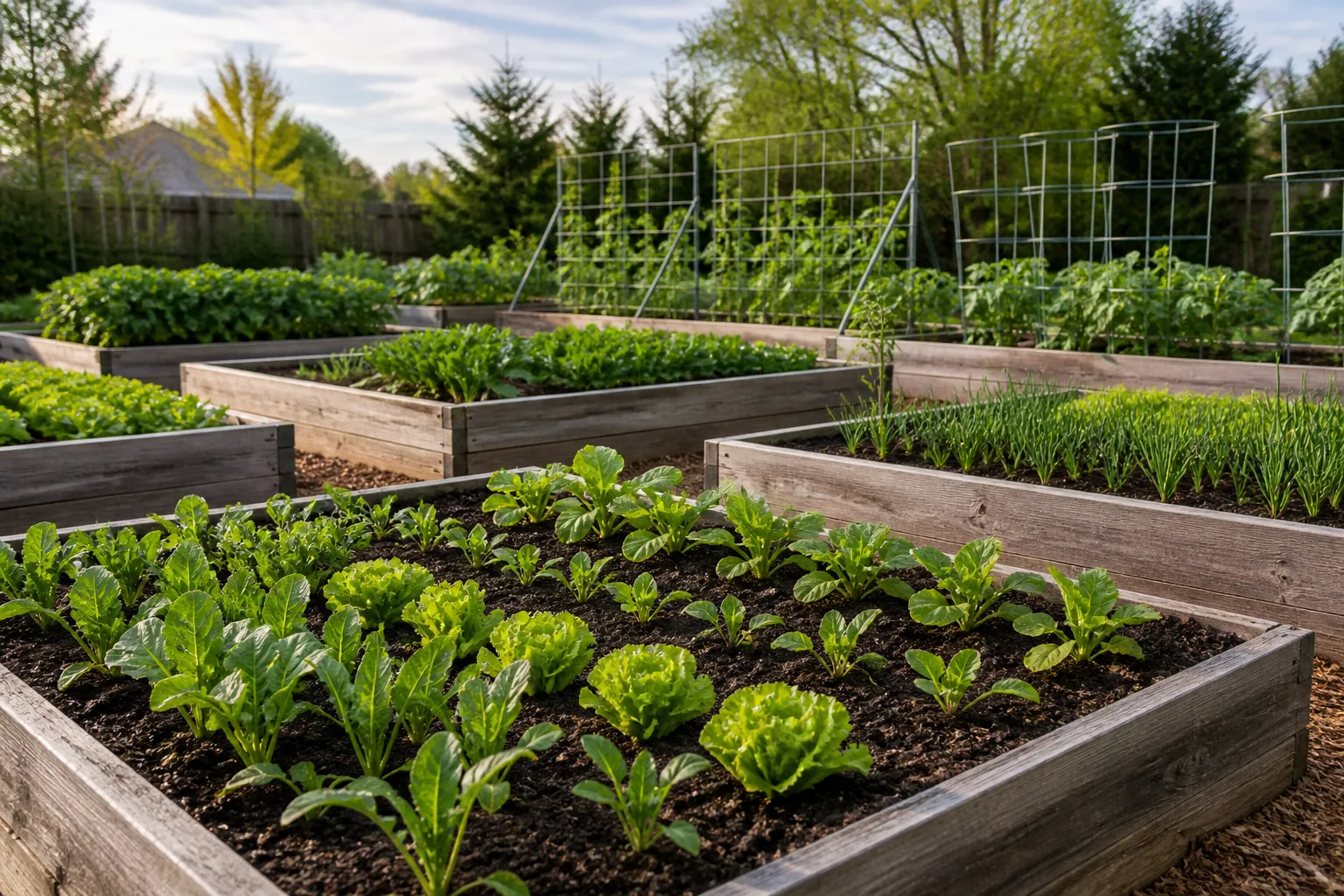
Growing your own food does not automatically lower a grocery bill. A seed packet is cheap, but the crop may need a large bed, a long warm season, steady watering, a trellis, or two years of patience before it gives you anything to eat.
The better question is not “What costs the most at the store?” It is “Which crop can I grow reliably, harvest at the right stage, and actually use?” The seven choices below include quick annuals, long-lived perennials, a high-value herb, and one deliberately difficult specialty crop. Each can be a smart home-growing project when its conditions match your garden.
What makes an expensive crop worth growing?
Start with the net value of the harvest, not the price on one supermarket shelf. Produce prices move with season, weather, labor, transport, and local supply. Your own costs also vary: a balcony grower may need containers and potting mix, while a gardener with an established bed may already have soil, irrigation, and support structures.
For a useful back-of-the-envelope test, ask five questions:
- How much edible produce can one plant give me in the space I have?
- How soon will I harvest, and how long will the harvest continue?
- Can my climate provide the required heat, chill, sun, or shade without expensive equipment?
- Will I eat or preserve enough of the crop to prevent waste?
- Am I buying seed, a transplant, a crown, or a specialty starter that changes the payback time?
A crop is financially attractive when it scores well on several of those questions. A slow perennial may be cheap over five years but disappointing in a rented garden. A quick crop may produce abundant food but become a poor bargain if you buy a new container, grow light, or water system for it.
The seven crops at a glance
| Crop | Best financial reason to grow it | Main constraint | Best fit |
|---|---|---|---|
| Cherry tomatoes | Long, repeated harvest from a few plants | Heat, support, and disease pressure | Sunny beds or large containers |
| Red bell peppers | You control the long ripening stage | Long warm season | Warm patios and sunny gardens |
| Okra | Frequent harvest from productive plants | Soil and air must be hot | Hot-summer gardeners |
| Asparagus | One planting can produce for years | Little harvest while crowns establish | Permanent beds |
| Artichokes | Large flower buds from a perennial-sized plant | Space and winter/spring conditions | Mild or carefully managed climates |
| French tarragon | Small plant gives repeated herb harvests | Culinary plants are usually bought as starts | Containers and herb beds |
| True wasabi | A rare specialty harvest unavailable fresh in most stores | Cool shade, moisture, and patience | Experienced gardeners with the right microclimate |
1. Cherry tomatoes deliver the quickest repeat harvest
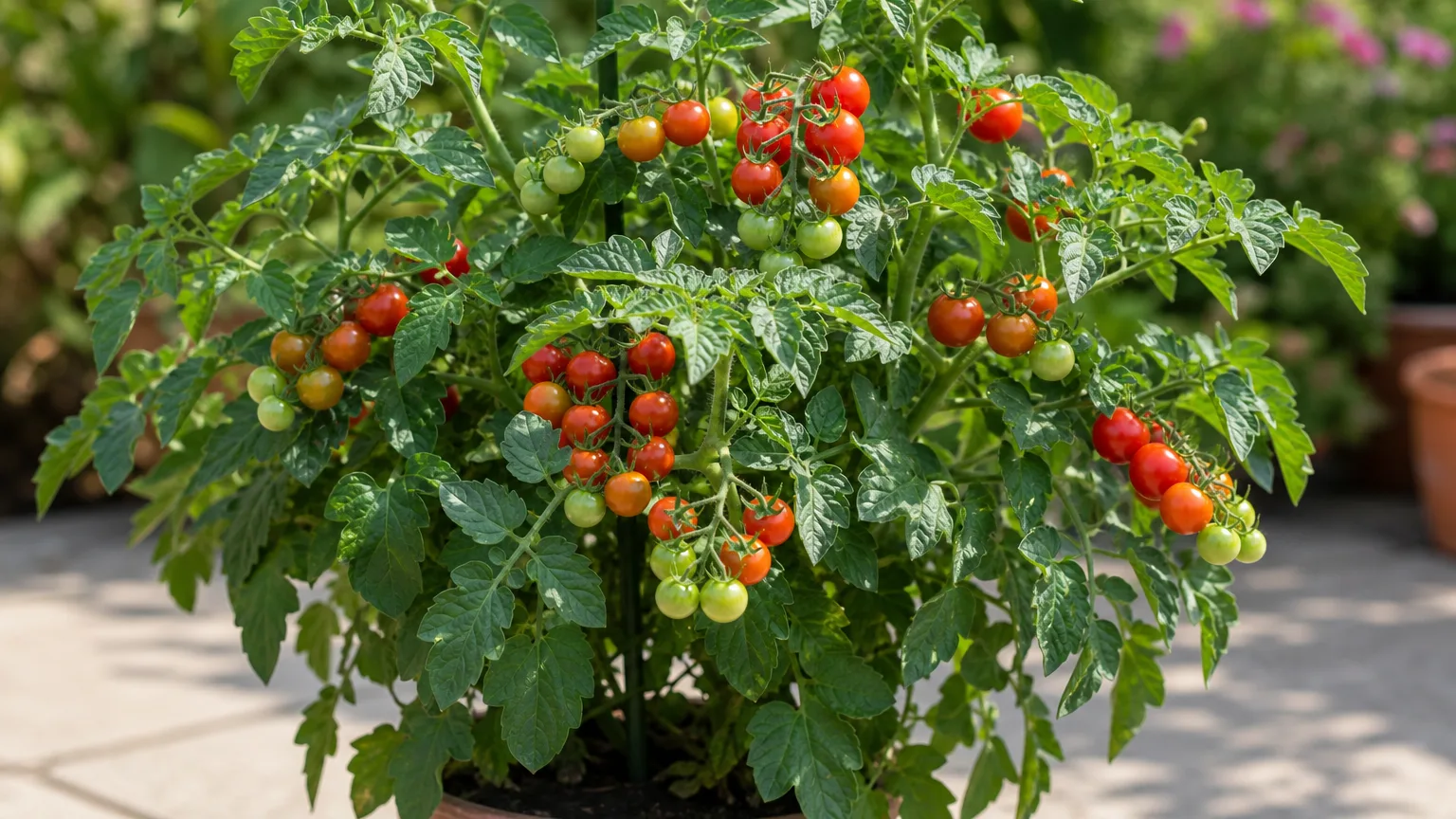
Cherry tomatoes are one of the best first choices because a single healthy plant can keep producing clusters instead of giving you one harvest and ending. They also make sense in a container, which lets a gardener test the crop without committing a permanent bed.
How to grow them for value
Give the plant the sunniest position you have, fertile soil, regular moisture, and a sturdy cage or trellis. The University of Minnesota Extension’s tomato-growing guidance is a useful regional reference for planting and care, but your local frost dates and disease pressure matter more than a generic calendar.
Choose a small-fruited variety if your season is short or your garden is new. Cherry tomatoes usually reach a usable harvest sooner than large beefsteak types, and their smaller fruit is more forgiving when the plant experiences uneven moisture. Pick regularly once fruit colors up; leaving ripe fruit on the vine can attract pests and reduce the attention you give to new flowers.
The hidden cost is support and water. A container that is too small dries quickly, and a sprawling plant without a cage breaks stems or hides ripe fruit. If you already have a sunny spot and a reusable support, cherry tomatoes are among the most convincing “expensive produce” savings bets. If you must buy a large container, fresh mix, irrigation timer, and a new support for one season, calculate that investment before calling the crop cheap.
2. Red bell peppers reward a long, warm season
Red, orange, and yellow bell peppers are not different vegetables from green bell peppers; they are usually fruits left on the plant longer to fully color and sweeten. That extra time is the practical reason ripe peppers often cost more: the plant occupies space and faces more opportunities for heat, pest, or weather damage before harvest.
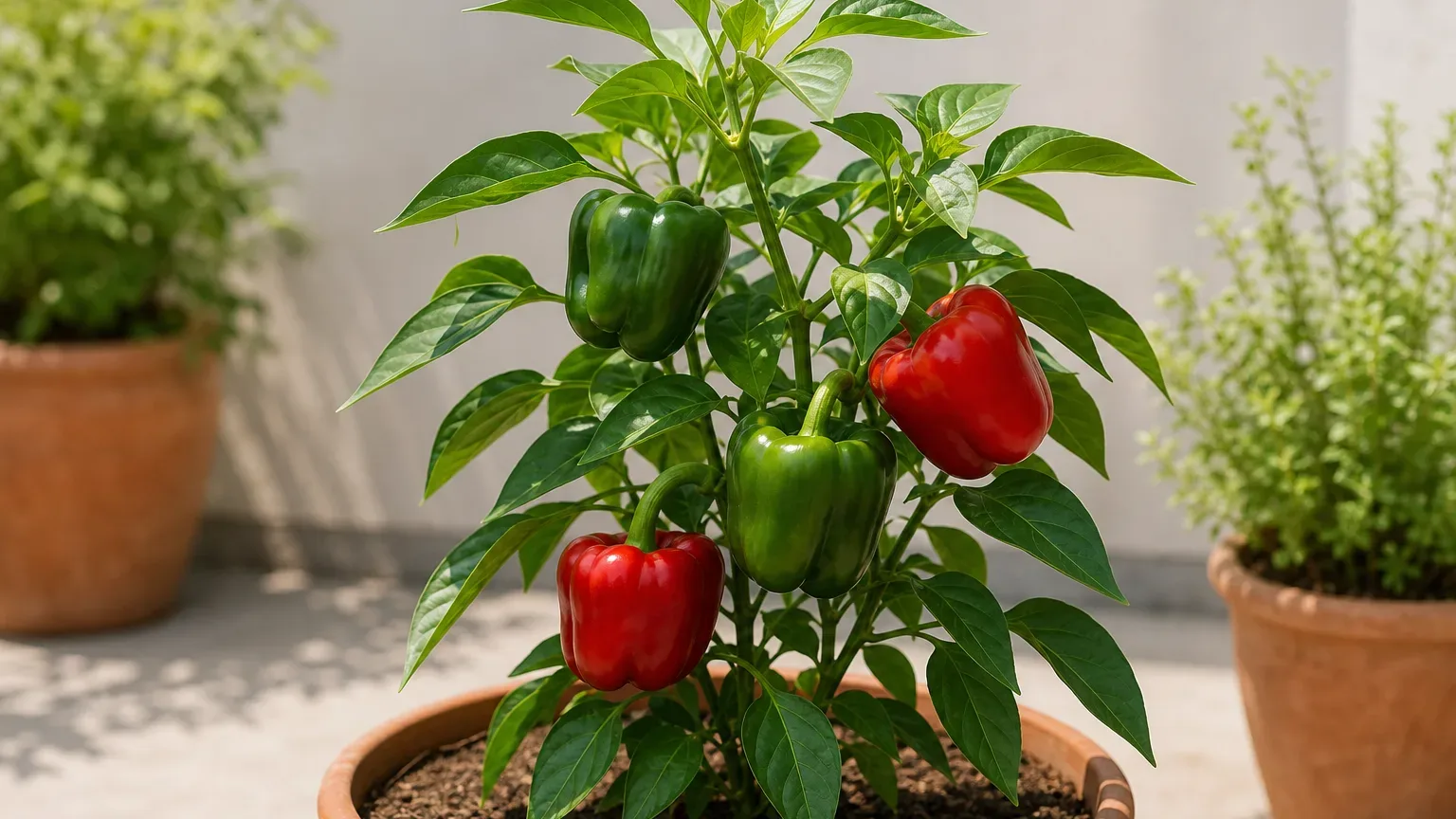
Start with a healthy transplant if your growing season is short. Peppers dislike cold roots and cold soil, so do not rush them into a bed simply because the calendar says spring. The University of Minnesota Extension pepper guide reinforces the key principle: peppers need warmth, sun, and steady care rather than a quick early planting.
For the best value, grow the colors you actually buy. If you mostly use green peppers, harvest them green and enjoy a faster turnover. If you pay a premium for red peppers, leave a portion of the crop to color fully while picking the rest earlier so one weather event does not ruin the entire harvest. A thick mulch layer can moderate moisture swings, while a cage or stake keeps fruit-laden stems upright.
Peppers are a good container crop when the container is stable, well-drained, and large enough that the root zone does not swing from bone-dry to saturated. They are not a good bargain for a cool, short-season garden unless you can buy an early variety or protect the plants. The extra weeks needed for full color are exactly where the financial payoff can disappear.
3. Okra pays back heat with frequent picking
Okra is expensive to buy when the tender pods are not available locally, but it can be generous in a warm garden. The crop is also visually useful: its hibiscus-like flowers and tall form make it easy to spot in a bed, and the pods appear over a long season rather than all at once.
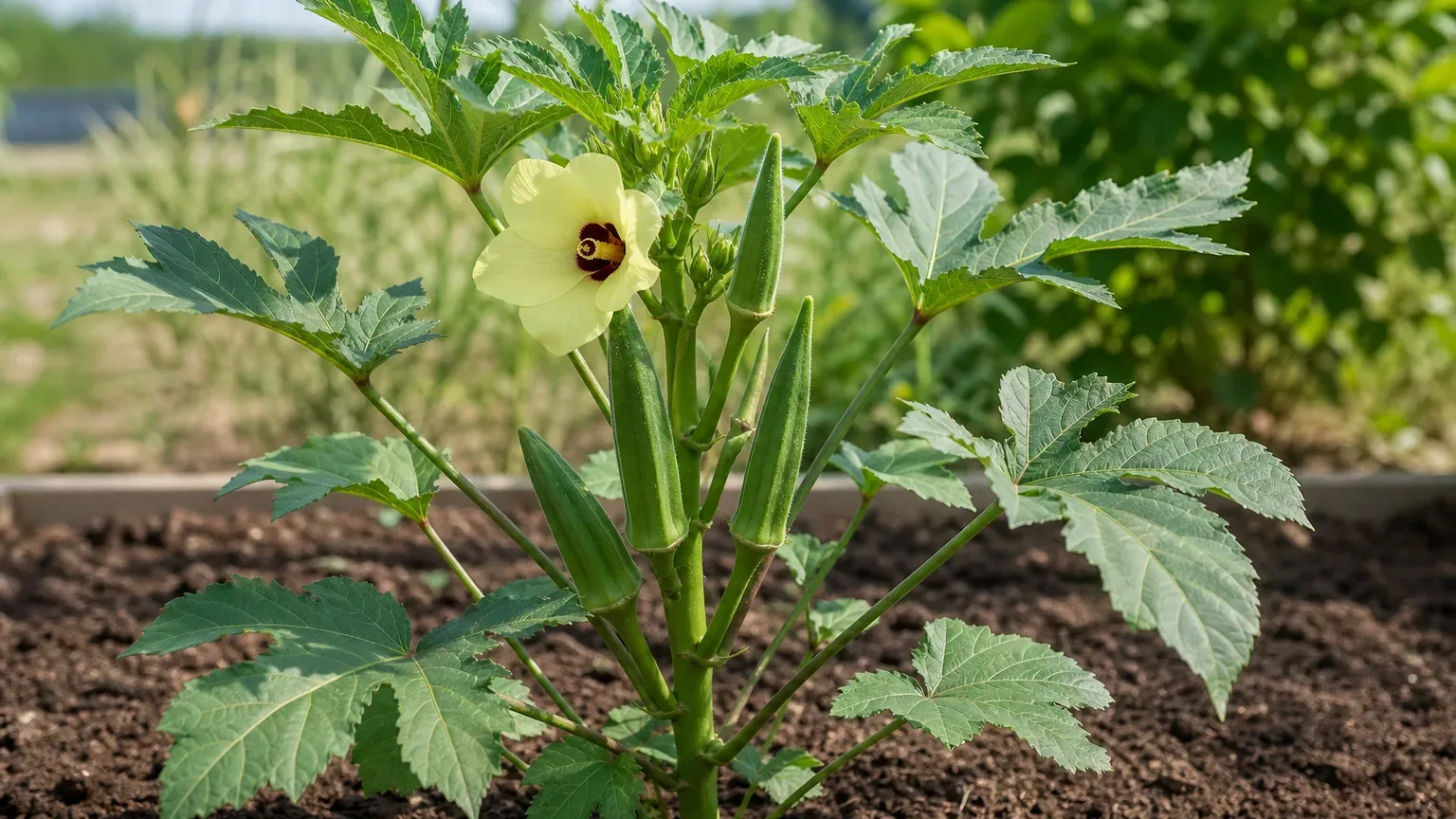
Plant only after the soil is genuinely warm. NC State Cooperative Extension recommends growing okra in full sun, with the crop performing best around 75–90°F and seed germination favoring soil in the 70–95°F range. That is a better planting signal than the date on a seed packet. If soil at roughly four inches is still below 65°F, wait rather than sowing into cold, wet ground.
The value comes from discipline at harvest. Young pods are tender, while older pods become fibrous and can slow the plant’s production. NC State notes that pods may be ready about 60–70 days after planting at roughly 2–3 inches long, often with picking every two days. Put a basket and a pair of gloves near the bed; okra leaves and stems can irritate some skin, and a crop that is hard to harvest gets neglected.
Avoid pushing high-nitrogen fertilizer onto a vigorous plant before it begins producing. You may get impressive leaves and fewer pods. Even moisture and weed control matter more than feeding harder, and a soil test is the sensible basis for fertilizer decisions. Okra is one of the strongest choices for a hot-summer gardener, but a poor choice for a cool climate or anyone who will be away during the main harvest.
4. Asparagus is a long-term investment
Asparagus is not a grocery-bill rescue crop for this spring. It is a permanent-bed decision that becomes more attractive each year you remain in the same garden. Once established, a healthy planting can send up spears for many seasons, so the initial work is spread across repeated harvests rather than charged to one crop cycle.
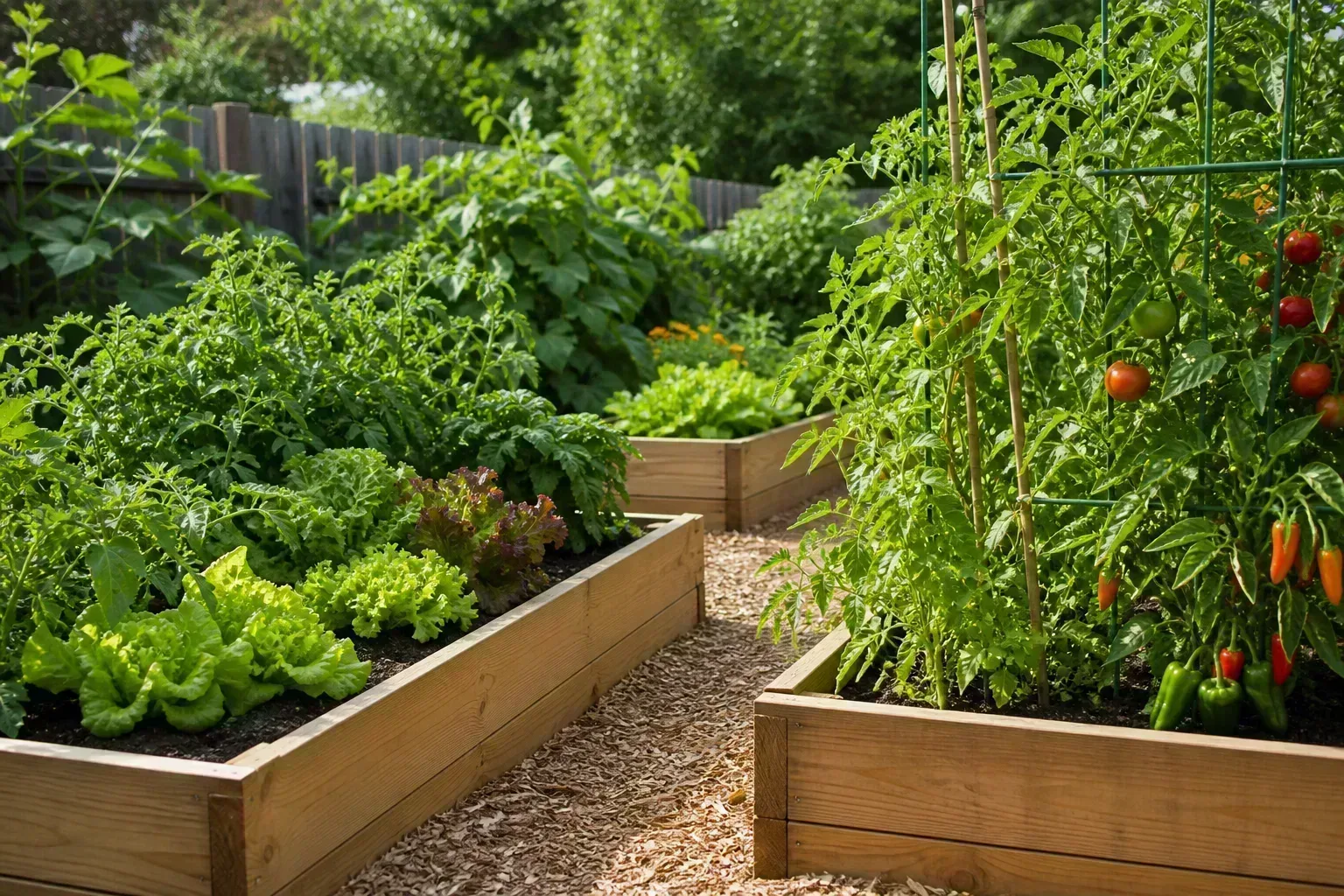
Choose a location that can stay in production. Asparagus dislikes being crowded by annual digging, and its ferny growth needs room after the edible spears are finished. A bed with deep, fertile, well-drained soil is more important than squeezing crowns into a neglected corner. The University of Minnesota Extension asparagus guide is a useful starting point for crown establishment, bed preparation, and seasonal care; adapt the timing to your region.
The main mistake is harvesting too aggressively too early. Spears need to be allowed to develop into leafy ferns so the plant can replenish its roots. New crowns may need a patient establishment period before regular harvests are sensible. If you expect a full basket in the first season, buy a quicker annual instead.
Asparagus is worth growing when you own or control a sunny bed, like the vegetable enough to reserve a permanent space, and can wait. It is not worth growing when you move often, have very limited space, or cannot protect the bed from repeated disturbance. In those cases, the opportunity cost of the bed may be higher than the money saved on spears.
5. Artichokes need space and the right spring chill
Globe artichokes are expensive partly because the edible portion is only part of a large flower bud, and the plant needs more room than its supermarket footprint suggests. They can still be a worthwhile home crop because one plant can produce multiple buds, but the harvest depends heavily on timing and climate.
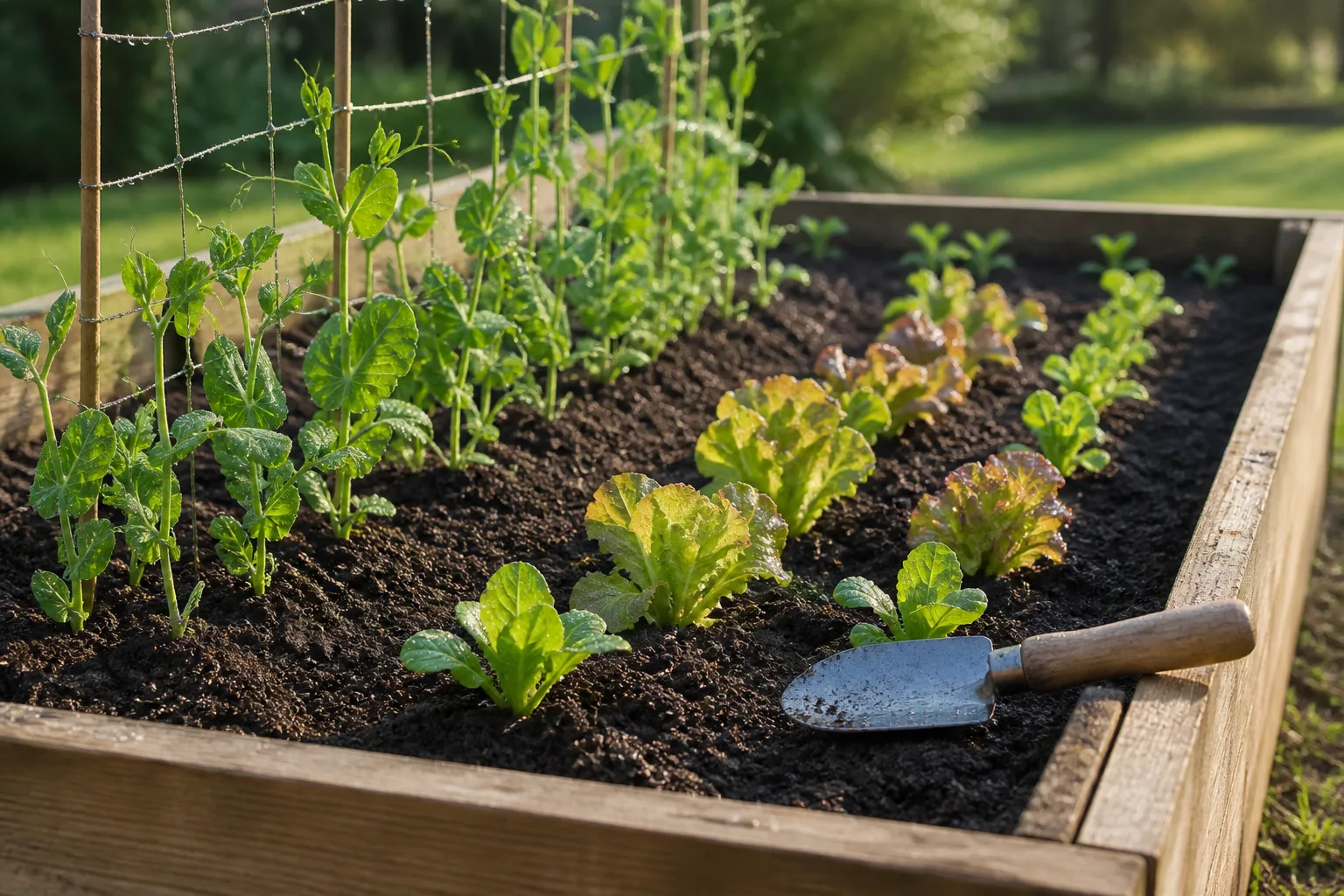
Artichokes want full sun, fertile soil, steady moisture, and good drainage. Utah State University Extension’s artichoke guide explains an important nuance: cool spring conditions help initiate the flower stalk, while late planting can mean the plant never receives the chilling it needs to form buds. That does not make every cold region impossible, but it does make variety choice, early starting, and local advice important.
Start with an annual-type variety if you want a faster test, or treat the plant as a perennial only where winter protection and space make that realistic. Cut buds when they are full-sized but before the bracts open. An open bud is beautiful, but it has passed the ideal edible stage. Continue watering while buds develop because a stressed plant gives smaller, tougher results.
Artichokes are a good value for gardeners in mild climates who enjoy the crop and can dedicate a broad bed to it. They are a weak value for small gardens, short leases, and anyone buying a large plant without checking whether it can receive the required seasonal chill.
6. French tarragon is a small-space perennial
French tarragon is technically an herb rather than a vegetable, but it belongs on a high-cost-produce list because a small bunch can be costly, while a healthy plant can supply leaves repeatedly. It is especially useful for a balcony, patio, or kitchen garden where a full vegetable bed is not available.
The important buying detail is the plant’s identity. Culinary French tarragon is Artemisia dracunculus ‘Sativa’; it is not interchangeable with every tarragon-labeled seed packet. The NC State Plant Toolbox explains that the wild species can be bland, while the culinary cultivar is more pungent and is rarely flowering. In practice, buy a correctly labeled plant or obtain a division rather than assuming seed will produce the flavor you want.
Give it full sun, neutral to slightly alkaline well-drained soil, and a container that does not stay wet. Harvest growing tips often, remove flower buds if they appear, and divide an established clump every few years when it becomes crowded. The plant’s dry-soil preference is helpful for low-maintenance gardening, but it does not excuse a pot that has no drainage.
There is one household caution: NC State lists tarragon as having low-severity poisonous characteristics for dogs, cats, and horses if enough is ingested. Keep the plant where pets cannot graze on it, and treat culinary use as a small-quantity herb rather than a reason to experiment with concentrated oils or medicinal preparations. For a cook who uses tarragon often, this is one of the best space-to-harvest bargains on the list.
7. Real wasabi is a specialty crop, not a shortcut
True wasabi, Eutrema japonicum (also called Wasabia japonica in horticultural references), is the outlier. It can be very expensive to buy fresh, but the price reflects scarcity and difficult production, not a guaranteed home-garden profit.
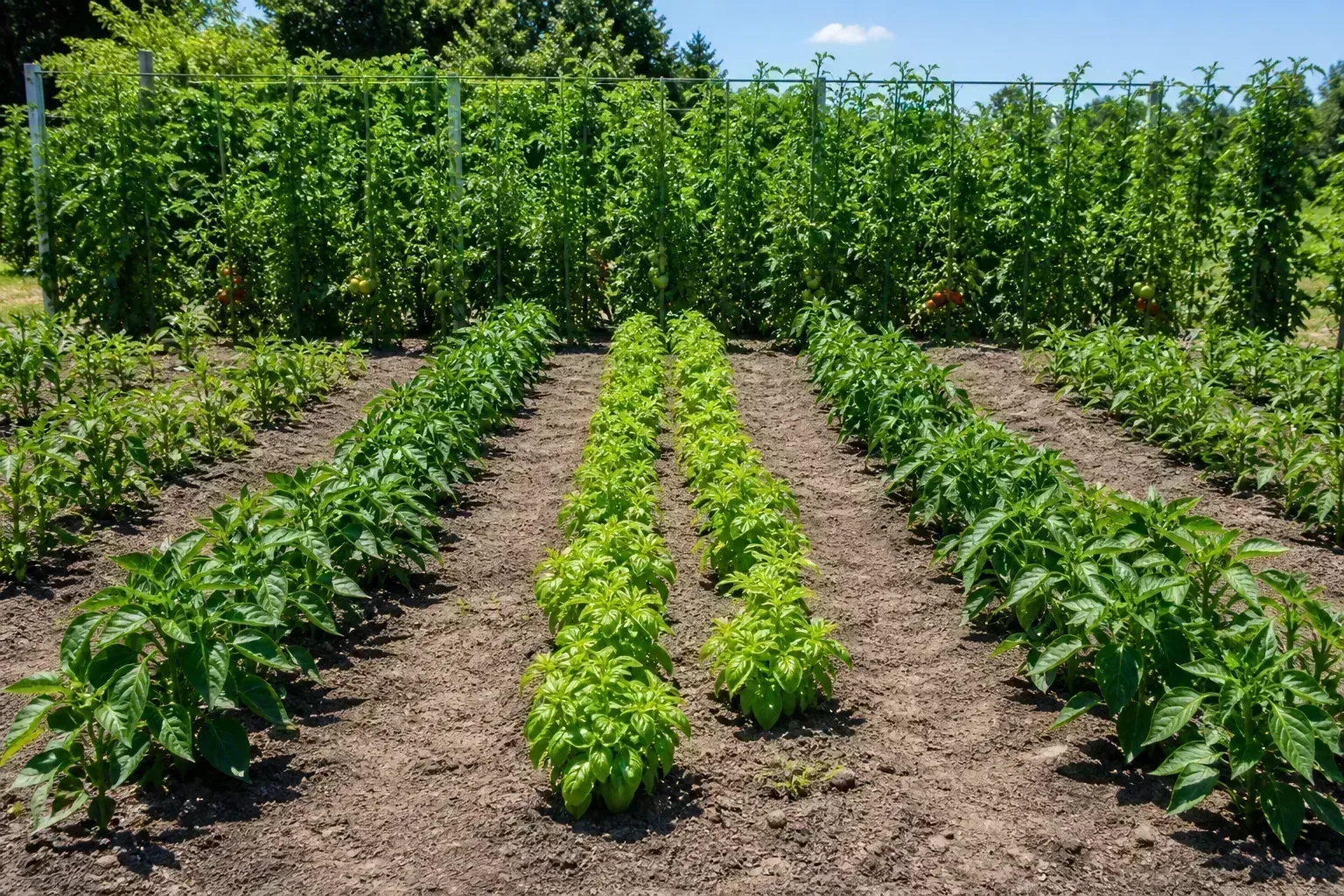
Wasabi needs a cool, shaded, consistently moist but well-drained site. Epic Gardening’s reviewed growing guide describes it as a slow perennial that typically takes about two years and needs shade and consistent watering. Savvy Gardening’s wasabi guidance likewise emphasizes plantlets, cool conditions, frequent watering, and a long wait for a usable rhizome.
Do not put it in the hottest sunny bed and try to compensate with extra water. Wet roots in overheated soil are not the same as the cool, aerated conditions wasabi prefers. A shaded container or a cool, damp microclimate can work, but only if you can monitor moisture without turning the pot into a swamp. Starter plants are usually a more realistic route than an uncertain seed experiment.
You can harvest leaves and stems while waiting, but the prized rhizome is a long-term payoff. Freshly grated wasabi also loses its sharp character quickly, so growing it only makes financial sense if you value the flavor and enjoy the challenge. If you want a cheap, reliable vegetable this season, choose okra or cherry tomatoes instead.
Choose by climate, space, and patience
Best choices for a small sunny space
Start with cherry tomatoes, peppers, or French tarragon. A large container can produce a useful amount of cherry tomatoes or peppers, while tarragon needs much less volume and can stay productive for several years. Okra can work in a large container if your summer is hot, but its height and frequent harvests make access more important than the container’s footprint.
Do not cram seven crops into seven small pots. One healthy, accessible tomato or pepper plant can beat several stressed plants competing for light, water, and root space. Put the pot where you will see it daily; harvest frequency is part of the crop’s economics.
Best choices for a long hot season
Choose okra first, then peppers and cherry tomatoes. Okra’s value depends on heat and repeated picking, while peppers need an even longer runway to color fully. In a hot region, use mulch and reliable watering to reduce stress, and choose varieties suited to local disease and humidity rather than selecting only by fruit color.
Best choice for cool shade
True wasabi is the only crop here that wants shade, but “shade” is not a complete growing plan. It needs cool temperatures, moisture, drainage, and patience. If the site is dry, hot, or exposed to afternoon sun, the honest answer may be to buy fresh wasabi when available and use the space for a crop that matches it.
The budget method that keeps savings real
Before planting, write a small crop budget. It does not need perfect accounting; it needs enough detail to expose an unrealistic bargain.
- Upfront inputs: seed or starter, container, soil amendment, trellis, cage, irrigation, and frost or shade protection.
- Recurring inputs: water, fertilizer, pest control, replacement plants, and storage supplies.
- Time cost: seed starting, transplanting, staking, weeding, checking pests, and harvesting.
- Risk cost: the chance that a frost, heat wave, disease, animal, or missed harvest ruins the crop.
- Use plan: how much you will eat fresh, freeze, dry, pickle, or share.
Then choose one “quick return” crop, one “repeat harvest” crop, and no more than one “long experiment.” For example, a gardener might pair a cherry tomato with okra and postpone wasabi until the shade site has been tested. Someone with a permanent bed might plant asparagus while using containers for peppers. This mixed approach makes the garden useful while the slow crop establishes.
Do not compare a homegrown pound with the lowest sale price you see at the store. Compare the quality, freshness, variety, and availability you actually buy. If you routinely buy fresh tarragon, red peppers, or okra at full price, growing a modest amount may be worthwhile even when the arithmetic is not perfect. A crop that goes uneaten is not a saving.
Common ways gardeners lose the savings
The first failure is choosing by price alone. A crop can be expensive because it is difficult to ship, fragile, seasonal, labor-intensive, or slow—not because it is easy for a home gardener. Wasabi and artichokes demonstrate why the store price is only one side of the decision.
The second is planting outside the crop’s temperature window. Okra in cold soil, peppers in a chilly bed, and wasabi in summer sun are not budget experiments; they are predictable stress tests. Wait for the soil and weather that the crop requires, even if that means starting fewer plants.
The third is harvesting at the wrong stage. Old okra becomes tough, open artichoke bracts are past the best eating stage, and red peppers need more time than green ones. A garden can be technically productive and still fail financially if the harvest is missed.
The fourth is ignoring the garden’s fixed costs. A large raised bed built for one slow crop, a new greenhouse for a single trial, or an automatic watering system used once can overwhelm any grocery savings. Reuse supports, share surplus, and test a crop in the smallest setup that can keep it healthy.
Harvest and preserve the value
Harvest often and handle produce gently. Pick cherry tomatoes as they color, peppers before a hard freeze or at the color you prefer, okra every couple of days while pods are young, asparagus spears during the appropriate establishment window, and artichokes before bracts open. Cut herbs in the morning after foliage dries, then use or preserve them promptly.
Plan preservation before planting. Cherry tomatoes can be frozen or roasted, peppers can be frozen after chopping, okra can be blanched and frozen, and tarragon can be dried or frozen in small portions. Asparagus is best used soon after picking but can also be blanched and frozen. Artichokes need a more deliberate kitchen plan because the edible portion is limited, while fresh wasabi is most valuable close to the time it is grated.
The most profitable crop in a home garden is often the one that replaces a purchase you make repeatedly and can harvest at peak quality. Start with one or two crops, keep notes on planting date, harvest weight, failures, and costs, and let that record decide what deserves more space next season.
Conclusion
Cherry tomatoes, red bell peppers, okra, asparagus, artichokes, French tarragon, and true wasabi can all be expensive to buy, but they are not equally easy or equally economical to grow. Cherry tomatoes and okra are the strongest quick-return choices when the climate fits. Peppers reward warmth and patience, tarragon rewards regular cooking, and asparagus or artichokes make sense only when you can reserve space for them. Wasabi belongs in the specialty-experiment category.
Choose the crop that matches your conditions, harvest schedule, and appetite—not the crop with the most dramatic shelf price. A smaller harvest that you use completely will save more than a large, difficult crop that turns into compost.