How to Attract Birds to Your Yard: 6 Smart Changes
Learn how to attract birds to your yard with native plants, clean water, safe feeders, nesting cover, and seasonal habits that support wildlife.
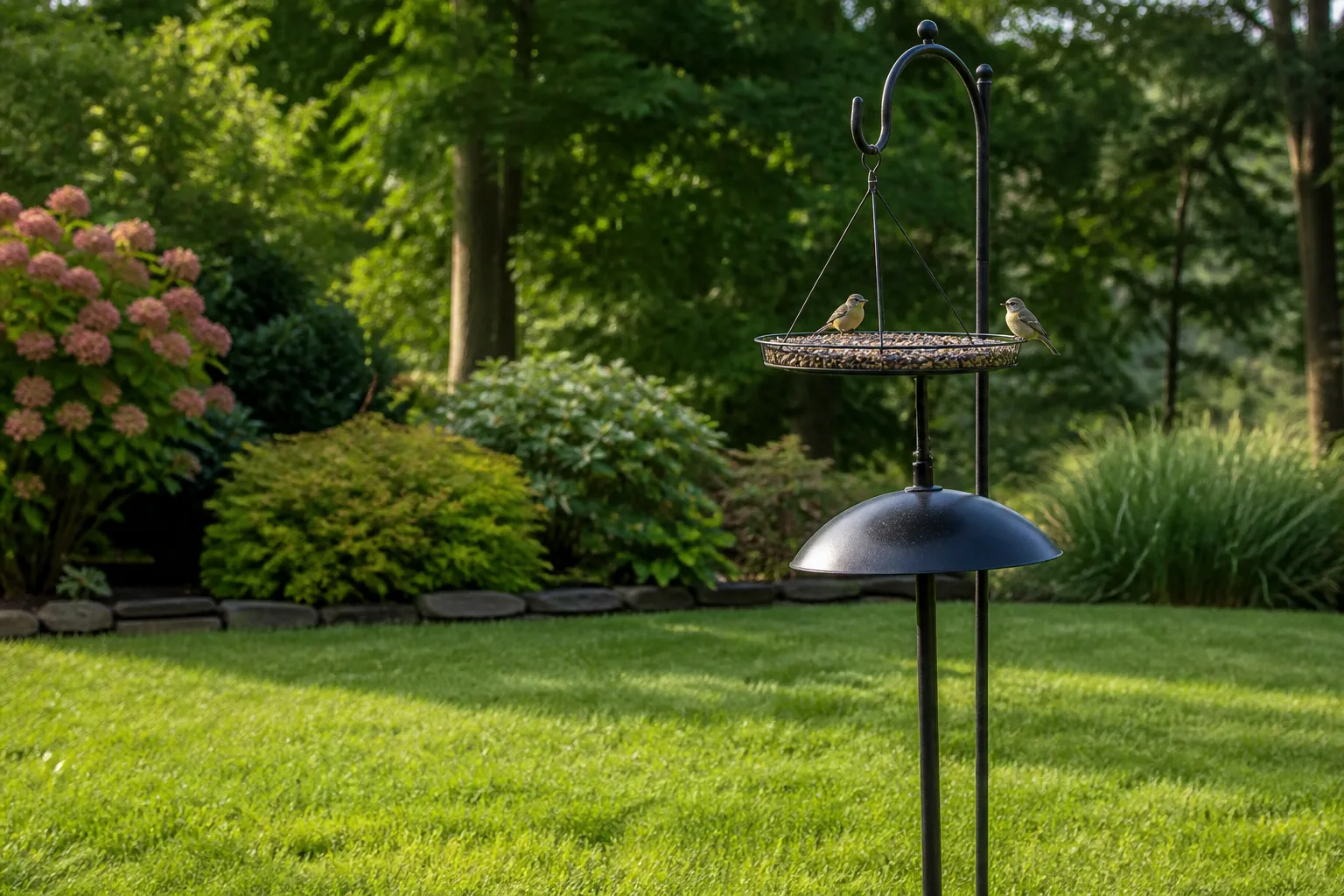
You do not need a huge property, an expensive feeder, or a perfectly landscaped garden to see more birds. The most effective backyard bird habitat gives birds a reason to stay: dependable food, water, cover, and a safe place to move through the yard.
The order matters. A feeder placed in an exposed lawn may bring a few visitors, but a feeder beside native shrubs, clean water, and escape cover can become part of a functioning habitat. The same is true of a birdbath or nest box: each works better when it fits into the surrounding landscape instead of standing alone.
These six changes are practical whether you have a suburban lot, a small patio garden, or only a narrow strip beside a fence. Start with the habitat you can maintain consistently, and choose plants and timing for your region rather than copying a national list.
Start With the Four Things Birds Need
Birds use yards for different reasons, and not every species wants the same food or cover. A ground-feeding mourning dove, a chickadee searching bark for insects, and a hummingbird visiting tubular flowers are looking for different parts of the same basic package: food, water, shelter, and safety.
Food includes insects, caterpillars, berries, nuts, nectar, and seeds. Water supports drinking and bathing. Shelter means dense shrubs, evergreen branches, grasses, brush, and tree cavities. Safety includes a clear view of approaching predators, escape perches, bird-safe windows, and a yard that does not expose birds to unnecessary chemicals.
The practical test is simple: if a change attracts birds but gives them no safe way to feed, rest, or leave, it is not a complete habitat improvement. Build the basics first, then add the feature you most want to watch.
Think in terms of a connected route rather than a collection of ornaments. A bird should be able to arrive at a perch, scan the area, move to food or water, and retreat to cover without crossing a wide open stretch every time. That sequence is especially important in small yards, where one well-placed shrub can do more work than several isolated decorations.
Your target species can guide the first change. If you want goldfinches, preserve seedheads and add native plants that mature into seed. If you want chickadees or warblers, prioritize trees and shrubs that support insects. If hummingbirds are your goal, provide a succession of nectar-rich flowers and perches rather than relying on a single red feeder.
1. Replace Some Lawn With Layered Native Planting
The highest-value change in many yards is not adding another feeder. It is turning a small section of short grass into a mix of locally appropriate trees, shrubs, grasses, and flowering plants.
Native plants support the insects that local birds already know how to find, as well as producing fruit, seeds, nectar, nesting material, and cover. In a 2009 study in southeastern Pennsylvania, properties with mostly native plants hosted four times as many caterpillars as properties dominated by nonnative vegetation. Birds of regional conservation concern appeared eight times more often on the native-plant properties. Those results are region-specific, so treat them as evidence for the mechanism—not a promise that one planting will produce the same numbers everywhere. (Cornell Lab of Ornithology)
You do not need to remove all your lawn. A 6-by-10-foot bed along a fence, beneath an existing tree, or around a rain garden can create an edge where open ground meets cover. That edge gives birds a place to search, perch, and retreat without making the whole yard feel wild or difficult to maintain.
Choose Plants by the Food Role They Play
Choose plants by what they offer and when they offer it, not only by bloom color. A useful bird-friendly planting has several jobs across the year:
- Insect and caterpillar hosts: Regionally native oaks, willows, cherries, birches, and other host plants can support the insects that breeding birds feed to nestlings. Do not panic when a few leaves show insect damage; that activity can be part of the habitat’s value.
- Berries and fruit: Serviceberry, blueberry, holly, winterberry, dogwood, spicebush, and hawthorn can feed birds during migration or cold weather, depending on your region and the species you choose.
- Seedheads: Sunflowers, asters, goldenrods, coneflowers, black-eyed Susans, and native grasses can supply seeds and perches when flowers fade.
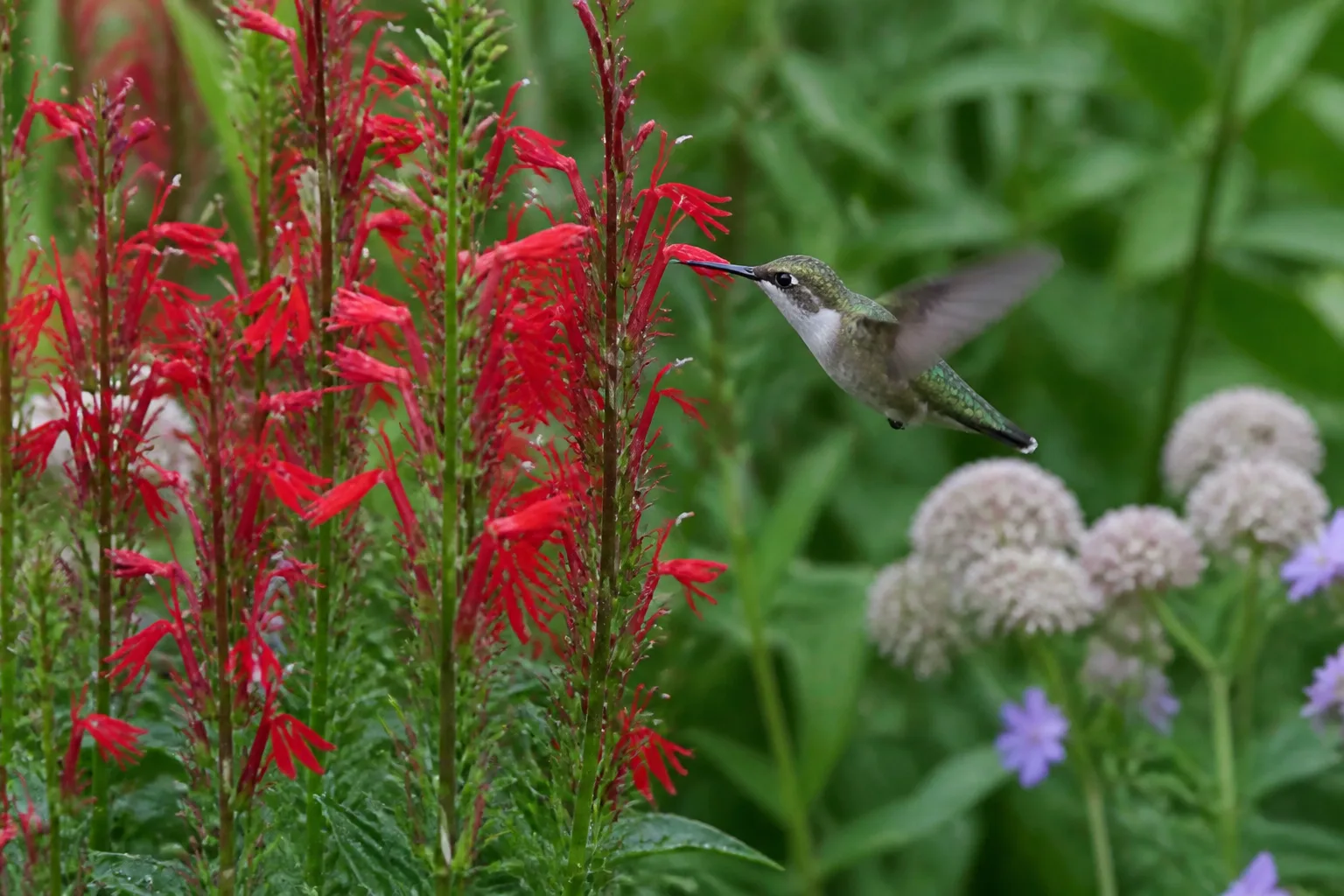
- Nectar and insects: Wild bergamot, coral honeysuckle, cardinal flower, and other regional nectar plants can help hummingbirds while also supporting insects that other birds eat.
Use a regional native-plant database or ask a local native-plant nursery for species that fit your soil, moisture, and light. “Native” is not a single universal list: a plant suited to coastal Carolina may struggle in a dry western yard, and a plant native to one state may be invasive in another.
Layer the planting vertically. Put a tree or tall shrub at the back, medium shrubs and clumping grasses in the middle, and flowering perennials or ground cover at the edge. Fine Gardening describes this mix of horizontal, vertical, and seasonal diversity as a way to create more of the food and shelter choices birds find in natural edges. (Fine Gardening)
2. Leave Seedheads, Leaf Litter, and a Little Brush
A completely tidy garden often removes the very things birds use after flowering season. Seedheads feed finches and sparrows, dried stems shelter insects, and leaf litter can hide overwintering larvae and other small prey.
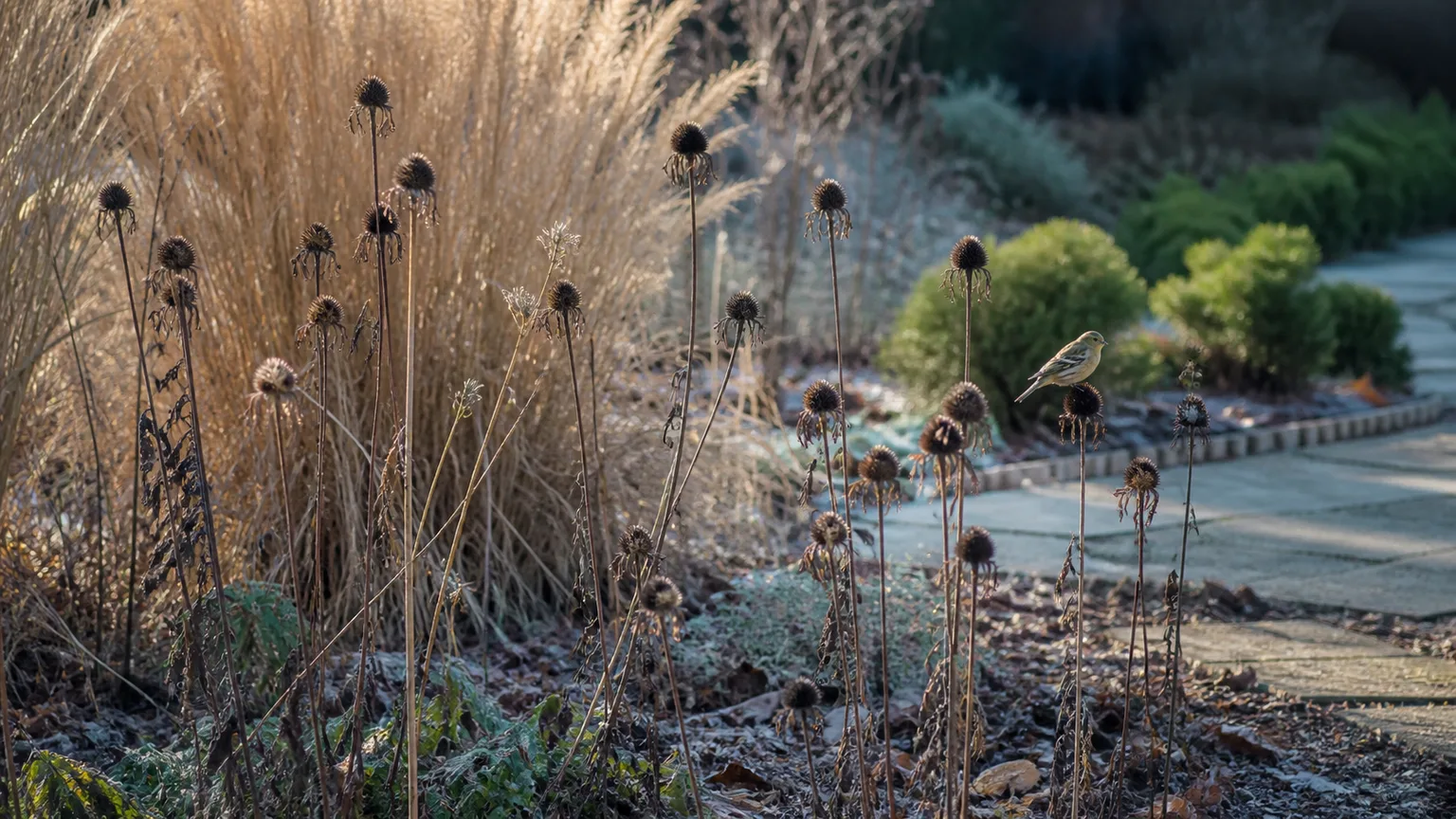
Leaving everything untouched is not the goal. Instead, create a deliberate “messy margin” in one bed, along the back fence, or beneath shrubs. Keep paths, steps, drains, and sightlines clear, while allowing some stems and leaves to remain where they will not create a safety or fire problem.
The seasonal payoff is cumulative. In spring and summer, birds search foliage for insects. From late summer through winter, they use berries and seeds. In cold weather, dense evergreen branches, brush, and standing grasses provide shelter from wind and a place to conserve energy. Savvy Gardening’s seasonal guidance also recommends keeping native seedheads and some leaf litter because both can support birds and the insects they eat. (Savvy Gardening)
Change Your Cleanup Timing
Delay a full cutback until birds have used the seedheads and temperatures have warmed enough for overwintering insects to emerge. You can still remove diseased plant material, invasive plants, or anything that blocks a walkway. The point is to replace an automatic fall haircut with selective cleanup.
Try this sequence:
- Leave healthy stems and seedheads through winter.
- Rake leaves into beds instead of removing every leaf from the property.
- Add a small brush pile in a quiet corner, using sturdy branches rather than treated lumber or tangled plastic.
- Cut back gradually in late winter or spring, leaving some stems standing for insects and nesting material.
If you worry about a weedy appearance, use a crisp border, repeat a few plant shapes, and keep the front edge intentional. Bird-friendly does not have to mean unmanaged.
3. Create a Clean, Safe Water Stop
Fresh water can be the quickest visible improvement, especially during hot, dry weather. Birds use shallow water for drinking and bathing, but a birdbath becomes a liability if it is deep, slippery, stagnant, or surrounded by hiding places where a cat can ambush a bathing bird.
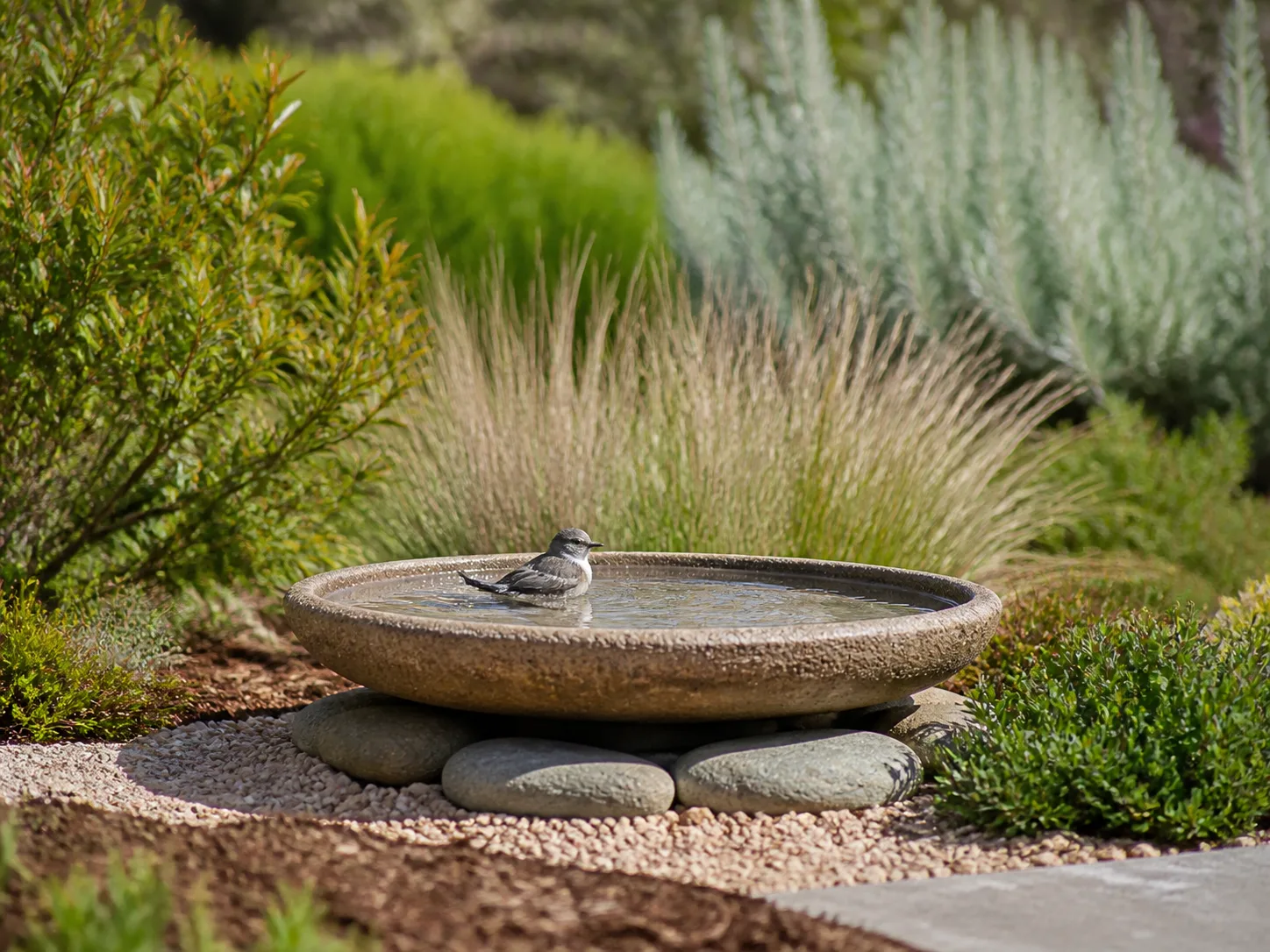
Choose a shallow basin with a rough or textured surface. Place it where birds can see around themselves and reach a nearby shrub or tree for cover, but not so close that a predator can launch directly from the foliage. Fine Gardening recommends keeping water within a few feet of cover while retaining enough distance to reduce an ambush; that balance is more useful than a rigid placement number for every yard. (Fine Gardening)
Place and Maintain Water for Birds
Set the basin on a stable stand or low platform that keeps it visible and easy to clean. A few stones or a shallow sloped edge can help smaller birds find secure footing. In freezing climates, refresh the bath whenever ice forms rather than adding chemicals or antifreeze.
Treat cleaning as part of the feature, not an optional chore. Empty the water, scrub away algae or residue, rinse thoroughly, and refill with fresh water on a schedule that matches the heat, shade, and use. If the water becomes cloudy, slimy, or fouled, clean it immediately. A bath that you cannot maintain is not an upgrade; a shallow dish that you can refresh is better.
Keep the bath in a spot you naturally pass each day. A water source hidden behind a shed may be attractive in theory but is easy to forget, while one beside a kitchen window or garden path is more likely to be refreshed before it becomes a problem. If you place more than one basin, space them far enough apart that a single dominant bird cannot control every drinking and bathing opportunity.
If mosquitoes are a concern, do not let the water sit for long periods. A moving-water feature may help, but it still needs cleaning. Birds will often use a simple plant saucer or shallow basin if it is safe, fresh, and positioned well.
4. Feed Birds With a Purpose
Feeders can be rewarding, but they are supplemental food stations—not a replacement for habitat. Natural foods matter throughout the year, and young birds of many species depend on insects rather than seed. Start with plants and cover, then use a feeder to support the kinds of birds you actually see.
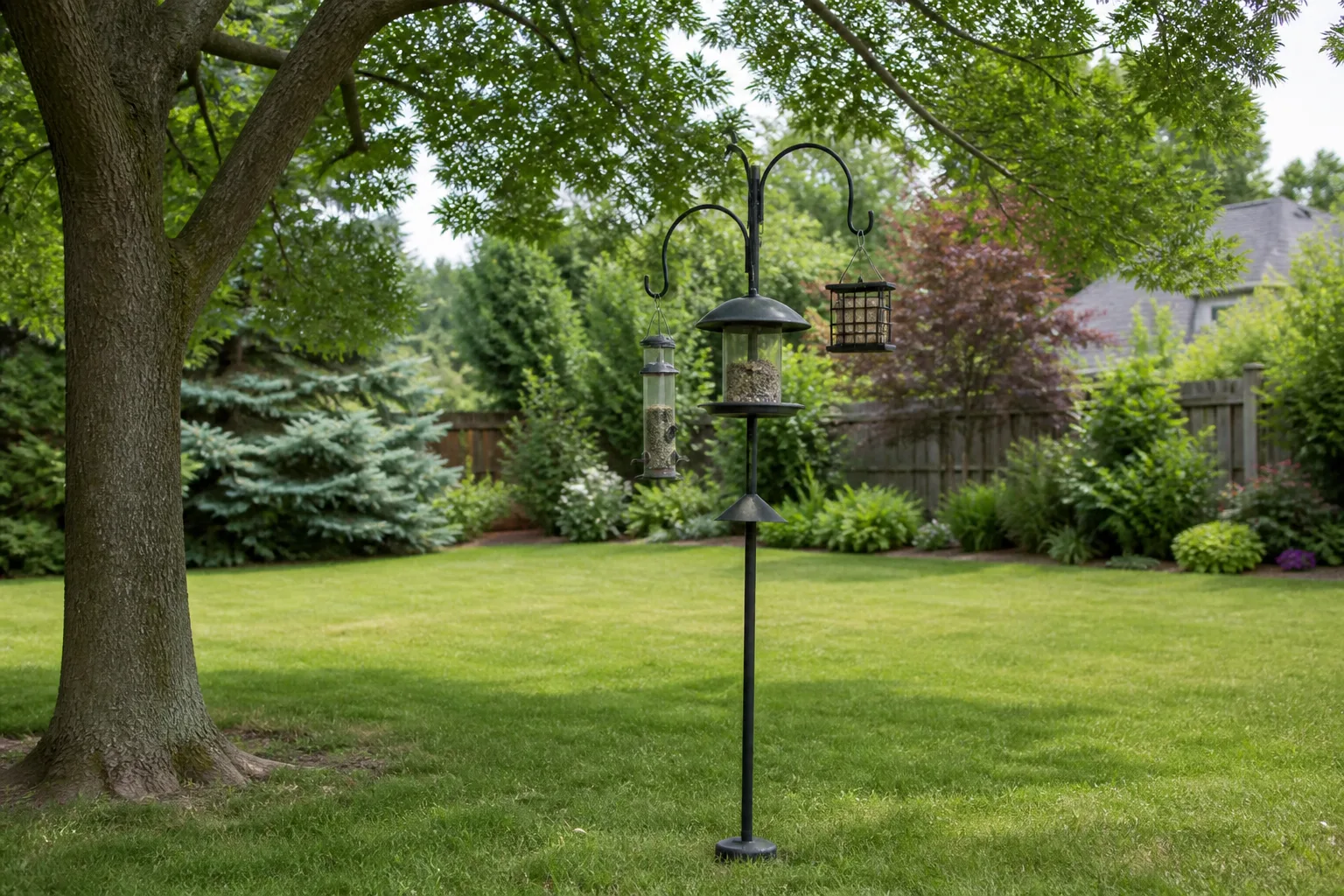
The right food depends on the bird. Black-oil sunflower seed is a broadly useful starting point for many seed-eating birds. Nyjer can suit finches, safflower may appeal to cardinals and some other species, and suet can provide concentrated energy in cold weather. Nectar feeders serve hummingbirds, but nectar must be prepared and maintained according to current bird-care guidance rather than left to ferment in the sun.
Avoid filling a large feeder with a cheap mixed seed that birds sort through and scatter. The rejected filler can accumulate beneath the feeder, attract rodents, or grow mold. Smaller quantities of a food birds are using are easier to keep fresh and create less waste.
Match the Food and Maintain the Station
Place feeders where birds have an open view and a quick route to cover, but away from branches or structures that give a cat a concealed launch point. Keep the station far enough from windows to reduce the chance of a bird flying from the feeder straight into reflective glass; if a feeder must be close to a window, use an appropriate exterior collision treatment rather than relying on one decorative decal.
Cleaning is a safety requirement. Gardening Know How notes that contaminated seed and dirty feeders can help spread illness among visiting birds, while feeders can also attract predators, squirrels, and other wildlife. Replace damp or moldy food, brush off wet buildup, wash the feeder according to its material, and move it if the ground below becomes a persistent pile of shells and droppings. (Gardening Know How)
Watch the station for two weeks after you install it. If you see aggression, spoiled food, rodents, or a predator waiting nearby, reduce the quantity, change the food, separate feeding types, or take the feeder down while you improve the surrounding habitat. A feeder that creates an unsafe concentration of birds is not doing its job.
5. Add Natural Nesting and Roosting Structure
Many birds need more than food to use a yard during nesting season. Dense shrubs, evergreen boughs, hollow branches, standing deadwood, grasses, and brush piles can provide places to hide, rest, or build a nest.
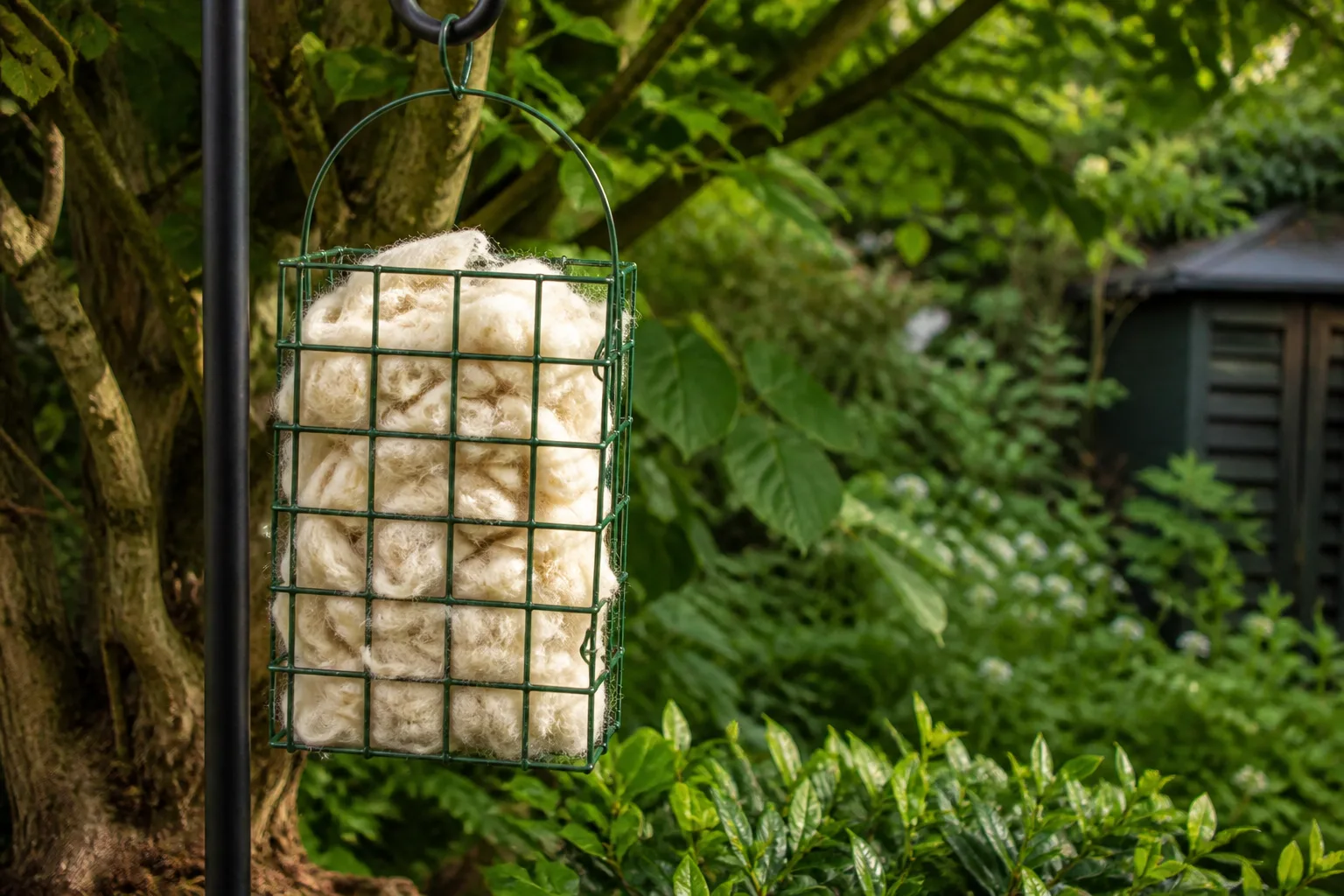
Protect existing cavities and mature trees when they are structurally safe. A dead tree that poses no hazard may be valuable habitat, while a dangerous tree near a house should not be left standing simply for wildlife. If removal is necessary, ask whether a shorter snag or a few large logs can remain in a safe location.
Use thorny or densely branched native shrubs where they fit your region. They can give small birds a place to retreat from hawks and other predators, but do not plant dense cover directly beside a feeder or bath where a cat can wait unseen. Habitat has to include both shelter and a clear escape view.
Know When a Nest Box Helps
Nest boxes are not a universal bird magnet. They work best when the box’s entrance, depth, ventilation, drainage, mounting height, and placement match a species that actually nests in cavities in your area. A box installed without a plan may be occupied by a nonnative species, left unused, or become a trap if it overheats or cannot be cleaned.
Choose a box from a local bird-conservation or nest-monitoring organization, and follow the species-specific installation guidance. Keep it away from heavy feeder traffic, provide a clear flight path, and monitor it only as much as local guidance recommends. If your yard lacks food and cover, planting a shrub or protecting a brushy edge is usually a better first investment than adding a decorative house.
6. Make the Yard Safer for Birds
Attraction without safety can create an ecological trap: birds are drawn into a yard but face a preventable hazard once they arrive. This is why responsible bird gardening includes what you do not add, what you leave in place, and how you manage nearby risks.
Reduce Pesticides, Window Strikes, and Predator Risk
Avoid routine insecticide use in bird habitat. Caterpillars and other insects are not automatically garden failures; they are food for nestlings and adult birds. If a plant is under serious pressure, identify the pest, try cultural or mechanical controls first, and follow the product label and local restrictions for any treatment. Never spray a flowering plant or bird-feeding area casually.
Make the largest reflective windows visible to birds. Exterior patterns, screens, shutters, or other collision treatments that break up the reflection are more reliable than one small sticker. Treat the glass birds actually hit, not only the window that is easiest to reach.
Keep pet cats indoors or use a secure outdoor enclosure. Even a bird-friendly planting with excellent food and cover can become unsafe when an outdoor cat patrols it. Audubon’s habitat research specifically warns that attracting birds into a yard with an outdoor cat can turn a refuge into a danger zone. (Audubon)
Also look beyond your property line. If a feeder is beside a busy road, a bath is exposed to a loose dog, or a bright patio light disrupts nighttime migrants, adjust the feature. You cannot control every neighborhood risk, but you can avoid concentrating birds where the risk is obvious.
Design the Yard as a Year-Round Route
Birds do not experience your yard as a list of separate projects. They experience it as a route between food, water, cover, and nearby habitat. A berry-producing shrub near an evergreen, a shallow bath with an open view, and a feeder near a protected perch can work together even when each feature is modest.
Aim for temporal diversity—something useful in every season. Spring and summer plantings should support insects and nesting cover. Late-summer and fall plants can provide nectar, fruit, and seedheads. Winter structure comes from berries, evergreens, standing grasses, leaf litter, and brush. Cornell’s current regional plant guidance gives examples of how oaks, serviceberries, wild bergamot, black-eyed Susans, dogwoods, asters, and other plants serve different bird communities at different times of year. (Cornell Lab of Ornithology)
Do not assume the most colorful plant is the most useful one. A plain native shrub that hosts insects and holds fruit may support more birds than a showy cultivar that offers a long bloom but little food. Pair beauty with function, and let your design repeat those roles across the property.
What to Change First in a Small Yard
If you have limited space, use this order:
- Remove the biggest hazard. Treat a collision-prone window, roaming cat access, or unsafe chemical routine before adding attractions.
- Create one dense planting pocket. Use a native shrub, a few grasses, and flowering plants suited to the same light and moisture.
- Add shallow clean water. Place it where you can see and refresh it easily.
- Leave a seasonal margin. Keep some seedheads and leaf litter under the planting rather than exporting every bit of organic matter.
- Add a feeder only if you can maintain it. Start small, offer an appropriate food, and watch what happens below it.
For a balcony or patio, containers of regionally appropriate nectar and seed plants can still provide food and cover, although they will not replace a mature tree or shrub. A shallow water dish must be secured against wind and cleaned often. If you share a building or community yard, coordinate so one person is not left with the entire maintenance burden.
How to Tell Whether the Changes Are Working
More birds is one sign, but it is not the only measure. Track the number of species, the seasons when they appear, and what they are doing. A bird carrying caterpillars toward a shrub, a goldfinch working a seedhead, or a robin searching leaf litter tells you more about habitat function than a brief visit to a feeder.
Keep a simple log for a month before changing several things at once. Note the date, weather, plant or feature used, and any problems such as moldy seed, aggressive birds, squirrels, or predator activity. If no birds arrive, check the basics: is the water fresh, is the food appropriate, is there cover nearby, is the feature too exposed, and are windows or cats making the area unsafe?
Give new plants time to establish. A newly planted shrub may not fruit immediately, and a small bed may need a full growing season before insects and birds discover it. The most dependable signal is not a dramatic first-day flock; it is repeated use of different parts of the yard across different seasons.
Conclusion
The best way to attract birds to your yard is to make the space useful before making it decorative. Replace a little lawn with layered native plants, leave some seedheads and leaf litter, provide clean water, use feeders carefully, protect nesting structure, and remove avoidable hazards.
You can begin with one planting pocket and one shallow water source. As those features settle in, watch which birds use them and add the next change where it solves a real gap. A smaller yard with food, shelter, water, and safety is more valuable than a larger yard that offers only a feeder in the middle of an exposed lawn.



