25 Vegetables to Plant in Fall for a Spring Harvest
Discover 25 vegetables to plant in fall for a spring harvest, plus frost-date timing, seed choices, winter protection, and harvest tips.
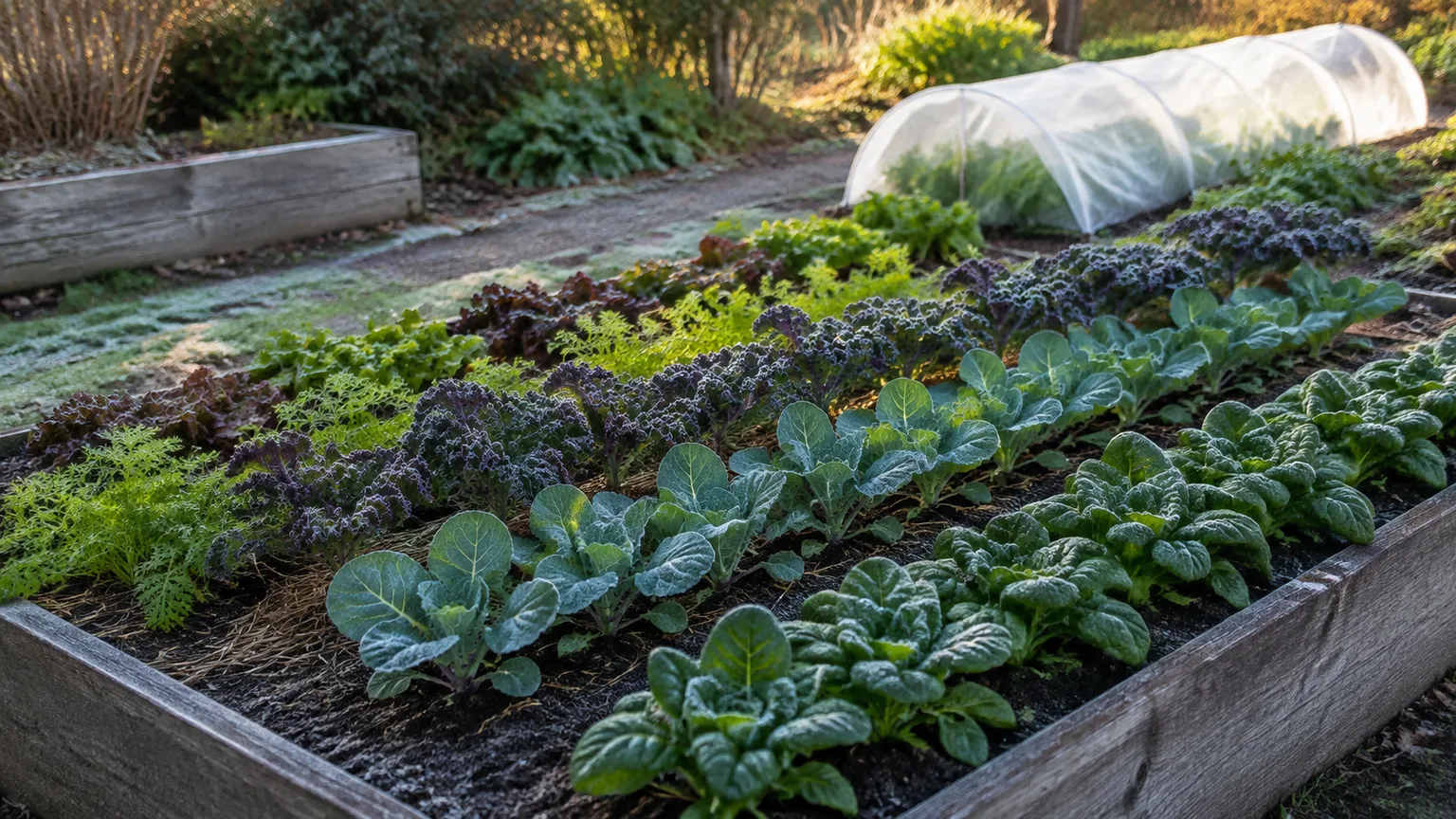
The best fall vegetable planting is not a race to fill every empty bed. It is a timing exercise: get the right crops established while the soil is workable, let them slow down or rest through winter, and have something ready to pick as soon as spring growth resumes.
That distinction matters because “fall planted” does not always mean “ready in March.” Spinach may give you leaves soon after a thaw, while fall-planted garlic usually makes bulbs in early summer. Asparagus is an even longer investment. The 25 choices below include genuinely early spring crops, reliable overwintering candidates, and a few worthwhile exceptions—with the harvest timing stated plainly.
Why fall-planted vegetables can harvest in spring
Cool-season vegetables use fall in two ways. Some keep making slow growth in mild weather, then pause when light and temperatures drop. Others establish roots and a small crown before winter, survive in a resting state, and restart before a new spring planting could get established. The advantage is not that winter makes every plant grow; it is that your plants are already in place when conditions become favorable.
Fall planting can also improve quality. Cool weather reduces the pressure to bolt in many leafy crops, and roots such as carrots often become sweeter as they mature in cool soil. Winter can reduce some insect pressure, but it can also bring slugs, waterlogging, freeze-thaw heaving, and prolonged darkness. A well-timed crop in a poorly drained bed is still a failed crop.
Think in cold tolerance, not only hardiness zones
Your USDA Hardiness Zone is useful for understanding typical winter low temperatures, but it does not tell you when your first frost arrives, how wet winter soil will be, or how much sunlight your bed receives. Ohio State University Extension recommends considering days to harvest, cold tolerance, and the local average first frost date together; Utah State University Extension also shows how elevation can shift planting windows within the same county. Ohio State University Extension and Utah State University Extension
Use this guide in three climate bands. In a mild-winter region, many greens and brassicas can grow slowly all winter. In a cold region, choose the hardiest crops and plan on protection or dormancy rather than active growth. In a hot-winter region, fall may be the main season for cool crops, but “spring harvest” could arrive before the calendar spring or be replaced by a winter harvest.
Pick your planting window by first frost and spring timing
Start with the date your area usually gets its first killing frost, not just the first night that dips below 32°F. Then count backward from that date using the seed packet’s days to maturity, adding extra time for shortening days and cooling soil. Harvest to Table recommends allowing roughly 10 to 14 additional days in fall because crops develop more slowly as daylight decreases. Treat that as a planning buffer, not a promise; weather, variety, and whether you start from seed or transplant can change the result. Harvest to Table
Long-season brassicas need to be planted early enough to build a sturdy plant before winter. Quick roots and salad greens can be sown later, especially if you only want baby leaves. For spring harvest specifically, your goal is a plant large enough to survive but not so mature that it bolts or exhausts itself before winter.
Seed, transplant, or set?
Use a simple rule. Direct-sow roots and peas because disturbing their developing roots can deform or stall them. Direct-sow spinach, lettuce, chard, radishes, turnips, and many beets when the seedbed can stay evenly moist. Use transplants for broccoli, cabbage, cauliflower, Brussels sprouts, collards, kale, and sometimes bok choy when the fall window is short. Plant garlic cloves, onion sets, and shallot sets as dormant-bulb crops rather than expecting a seed to size up before winter.
Texas A&M AgriLife Extension notes that fall crops often establish more reliably from transplants, but it also warns that new transplants with restricted roots need close moisture attention during their first couple of weeks. Do not compensate for heat with constantly soggy soil: wet roots can rot just as quickly as dry roots can stall. Texas A&M AgriLife Extension
Prepare the bed before you sow
Remove spent summer plants and weeds, especially anything diseased or heavily infested. Add finished compost, loosen compacted soil, and make sure winter rain can drain away. The bed should be fertile and moisture-retentive, not a bathtub. Raised beds help in rainy climates, but they can also freeze faster in exposed, cold regions, so site protection still matters.
Give the planting area as much direct sun as your yard allows. Eight hours is a strong target for a vegetable bed, although leafy crops can produce with less in mild conditions. Water the seedbed deeply before sowing, then keep the top layer consistently damp until emergence. A light mulch applied after seedlings are established can slow evaporation and reduce soil splash without burying the crown.
Prepare protection before the weather turns. Have hoops, row-cover fabric, clips, and weights ready while plants are still small. If a freeze is forecast and you are improvising protection at dusk, it is easy to leave gaps where wind can lift the cover or to press wet fabric onto foliage.
Root crops: 5 vegetables for sweet spring harvests
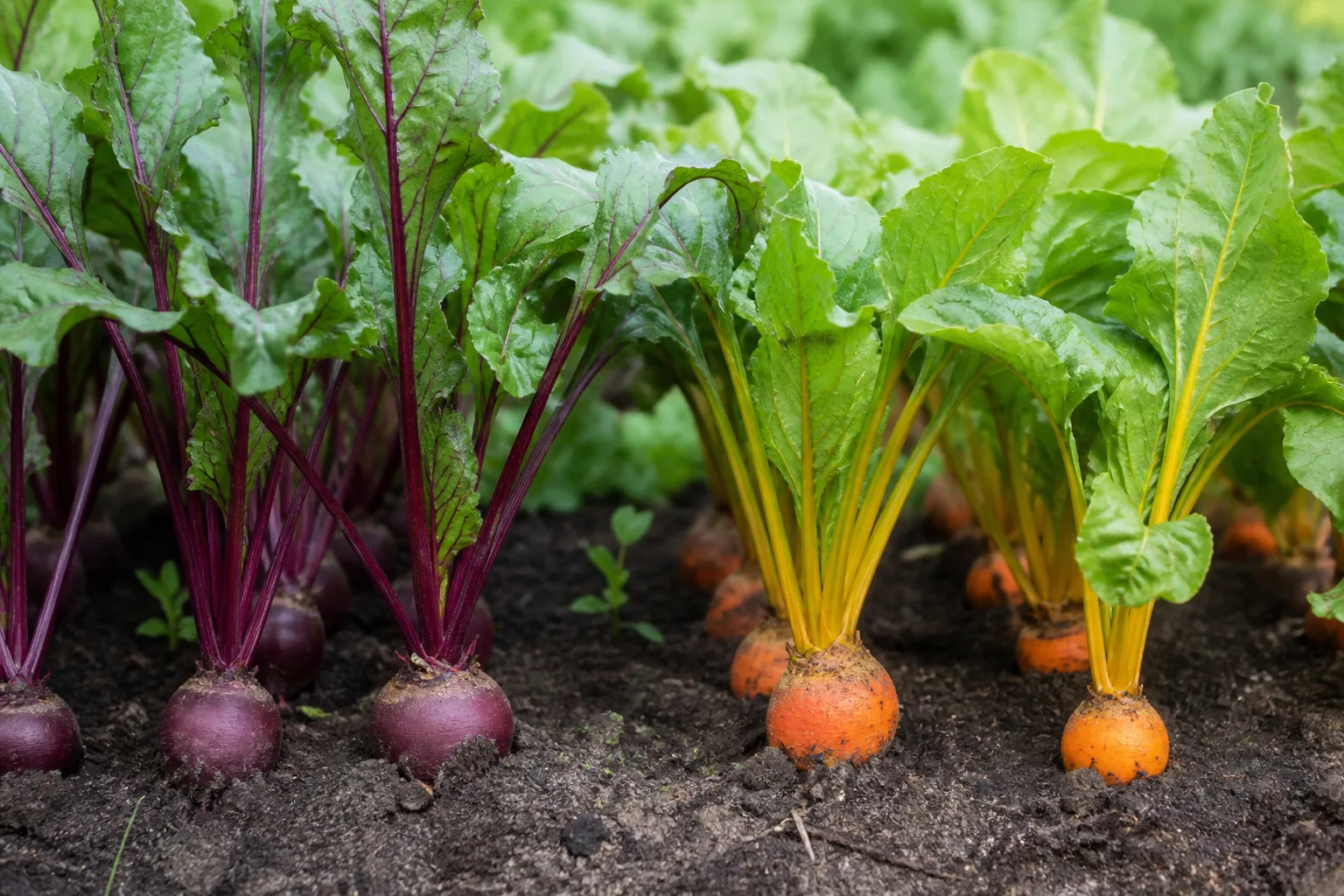
1. Beets — Direct-sow beets in late summer or early fall while the soil is warm enough for quick germination, then thin seedlings so roots can size up. In mild regions they can grow through winter; in colder regions, a layer of straw or a low tunnel helps prevent repeated freeze-thaw lifting. Harvest baby beets or young greens first in spring, before the plants push into flowering growth.
2. Carrots — Carrots are one of the best candidates for an overwintered root crop because the soil can act as storage. Sow into deeply loosened, stone-free soil and keep the seed row damp until the tiny seedlings appear. In a mild or protected bed, pull roots as needed in early spring; in frozen ground, wait for a thaw rather than trying to pry them out and snapping the roots.
3. Radishes — Radishes are fast enough for a late fall harvest, but a well-timed sowing can also hold for the first spring picking. Choose a cool-season variety and direct-sow in small batches instead of planting the whole packet at once. Their roots become pithy when left too long in warming weather, so harvest them promptly when they reach usable size.
4. Rutabagas — Rutabagas need a longer runway than radishes, which makes them a better choice for an early fall sowing than a last-minute one. They tolerate cold and can remain in the ground while the soil is workable. Mulch the shoulders in cold climates, then harvest before spring regrowth turns the roots woody or the plants begin sending up a flower stalk.
5. Turnips — Turnips are forgiving, quick, and useful for both roots and greens. Direct-sow them after the worst summer heat has passed, thin aggressively, and keep the bed evenly moist so roots stay smooth. Small turnips can be lifted early in spring; mature roots can stay longer, but warm weather quickly changes the texture and increases the chance of bolting.
These root crops reward soil preparation more than extra fertilizer. Rocks, clods, and compacted layers cause forked carrots and misshapen beets; excess nitrogen produces large leaves at the expense of roots. Texas A&M groups beets, carrots, radishes, and turnips among frost-tolerant crops, while Mother Earth Living emphasizes that fall-grown roots often taste sweeter in cool weather. Mother Earth Living
Greens: 5 crops that wake early
6. Bok choy — Bok choy grows quickly and is excellent for a fall crop, but it is less dependable through a harsh winter than kale or collards. Sow or transplant it early enough to make a substantial rosette, then use a row cover during hard freezes. Watch it closely when spring temperatures swing: stress, crowding, and warming days can send it to flower before the stems reach the size you want.
7. Endive — For an overwintered harvest, choose broad-leaved Batavian or escarole types rather than assuming every endive behaves the same way. The Royal Horticultural Society notes that mature heads take around three months, while baby leaves can be harvested much sooner; it also recommends fall sowing of robust varieties with cloche or fleece protection. Keep plants watered and harvest before a prolonged cold spell or spring heat triggers bolting. Royal Horticultural Society
8. Lettuce — Lettuce can provide tender leaves in fall and an early spring cut when the crown survives winter. Choose cold-tolerant leaf or butterhead types, sow small batches, and protect young plants from wind and severe freezes. In very cold climates, use a low tunnel or cold frame; in mild climates, a fleece cover may be enough. Harvest outer leaves first so the center can resume growth after a thaw.
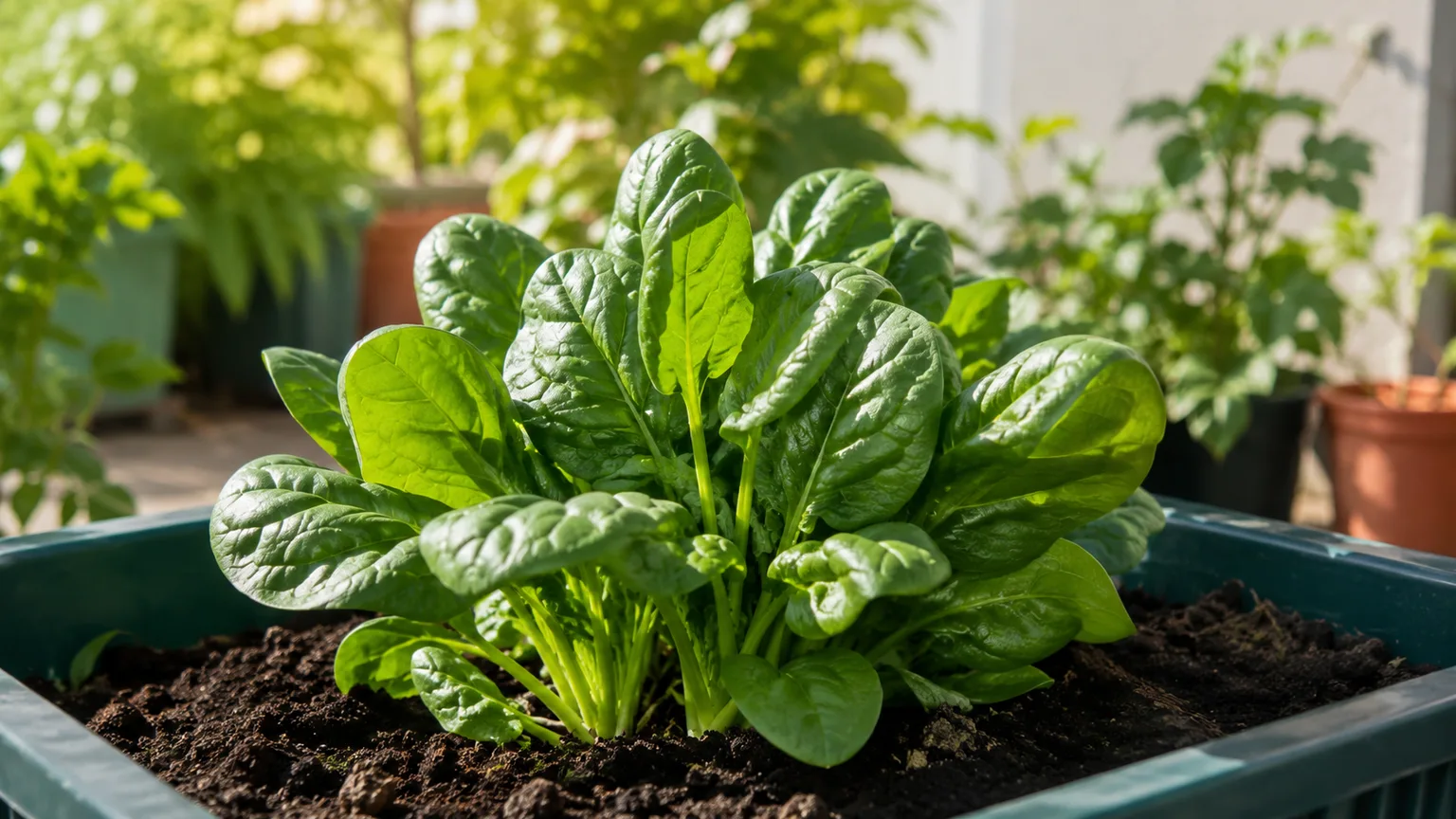
9. Spinach — Spinach is one of the strongest fall-to-spring choices. Sow when late-summer soil has cooled enough for germination, thin seedlings to prevent crowding, and cover the bed before the coldest stretch. A mature spinach crown can sit nearly dormant, then produce sweet leaves as soon as light and temperatures improve. Pick the outer leaves rather than stripping the entire plant if you want a long spring harvest.
10. Swiss chard — Chard is productive and tolerant of cool weather, but it is not invincible in a deep freeze. Give it a head start in fall, mulch around—not over—the crown, and cover it when a hard freeze is expected. In mild winter areas it may resume quickly in spring; in colder gardens, treat it as an early leaf crop only if the root and crown remain alive.
The best spring greens are harvested according to weather, not a fixed date. Pick on a thawed morning after leaves have firmed up, remove damaged outer foliage, and leave the growing point intact. Gardening Know How recommends succession sowing for spinach and salad greens and using row covers, cloches, or containers to extend the season. Gardening Know How
Brassicas: 7 cold-season workhorses
11. Broccoli — Broccoli needs enough fall time to build a strong plant before winter, so use transplants when the calendar is tight. Protect young plants from caterpillars and wind, but do not keep a sealed plastic cover over foliage in warm autumn weather. In spring, cut the main head while the buds are tight; leave the plant in place for side shoots.
12. Brussels sprouts — Brussels sprouts are a long-season commitment and rarely make a quick spring crop from a late fall planting. They belong in the list for gardeners who can establish them early and overwinter them in a mild climate or protected bed. Pick sprouts from the bottom upward while they are firm, removing yellowing lower leaves so the stalk continues producing.
13. Cabbage — Cabbage can overwinter where winters are moderate and the plants are well established, but harsh cold can split or damage heads. Choose a compact, cold-tolerant variety, transplant early enough for roots to anchor, and provide steady moisture without waterlogging. Harvest when the head feels firm rather than waiting for a universal number of days.
14. Cauliflower — Cauliflower is more sensitive to temperature swings than cabbage, so fall planting for spring is best in mild climates or under a cold frame. Transplant healthy starts, keep growth steady, and protect the developing head from sudden freezes. Harvest while the curd is compact; once the florets separate, quality declines quickly.
15. Collard greens — Collards are among the most dependable brassicas for a long cool season. They can supply fall leaves, survive light frost, and restart early in spring if their roots do not sit in saturated soil. Harvest lower leaves first, leaving the central growing point, and use a hoop cover in regions with repeated hard freezes.
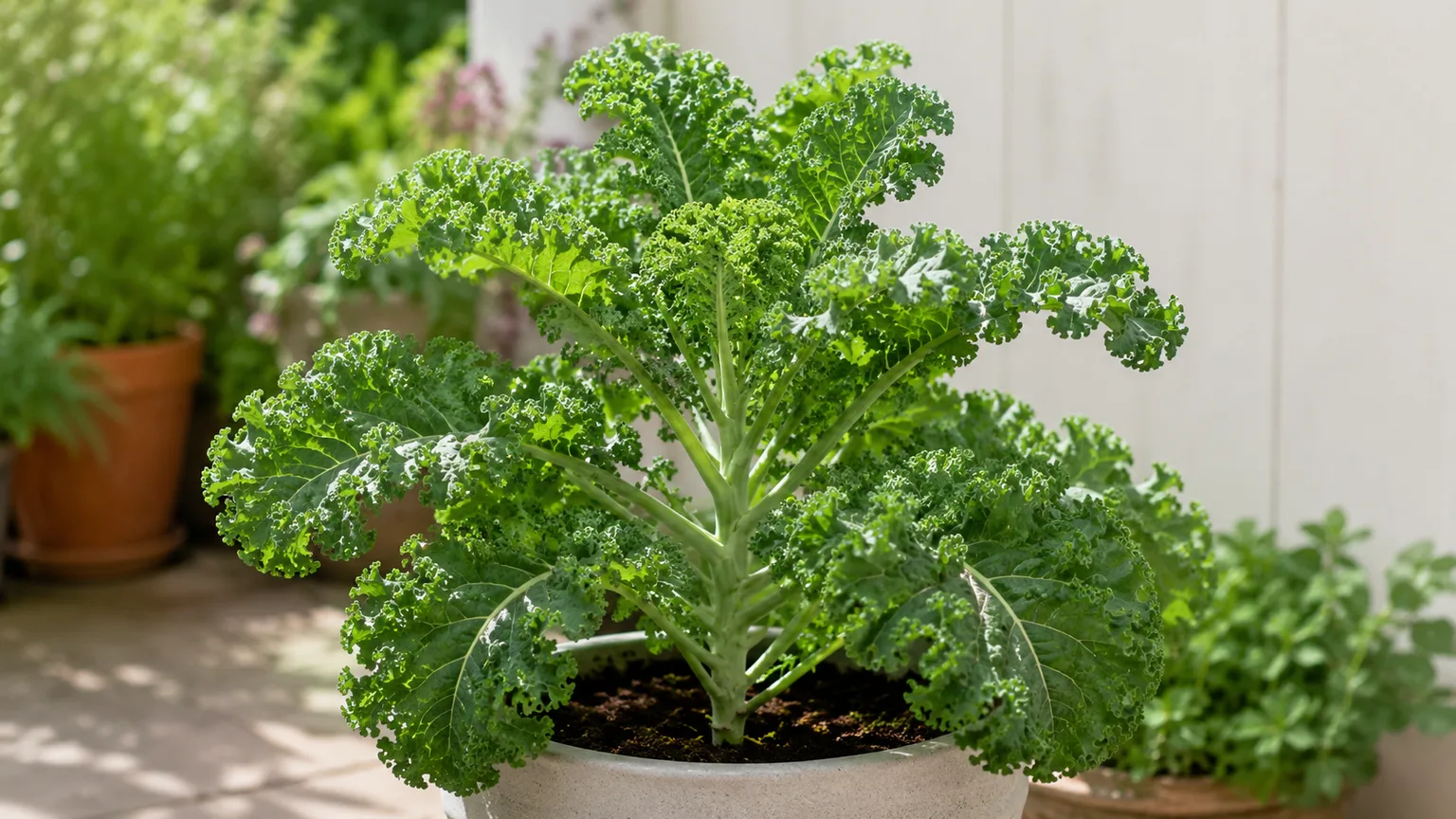
16. Kale — Kale is a top choice for gardeners who want the best odds of harvesting through winter. Direct-sow it early or use transplants, then pick outer leaves through fall and winter in mild regions. Cold weather can improve tenderness and flavor, but plants that become oversized before winter may be harder to protect and more prone to spring flowering.
17. Kohlrabi — Kohlrabi grows fast enough for a late-season crop and tolerates cool weather well. Sow or transplant it while the soil is still workable, give bulbs room to swell, and cover the bed when hard freezes threaten. Harvest spring bulbs while they are still crisp; oversized kohlrabi becomes fibrous even if the leaves look healthy.
Texas A&M AgriLife Extension separates long-term frost-tolerant crops such as broccoli, Brussels sprouts, cabbage, cauliflower, collards, kale, and kohlrabi from short-term frost-susceptible crops. That is a useful bed-layout idea: group the crops likely to need protection together, rather than covering one tender plant in the middle of an uncovered row. Texas A&M AgriLife Extension
Alliums: 4 ways to get early flavor
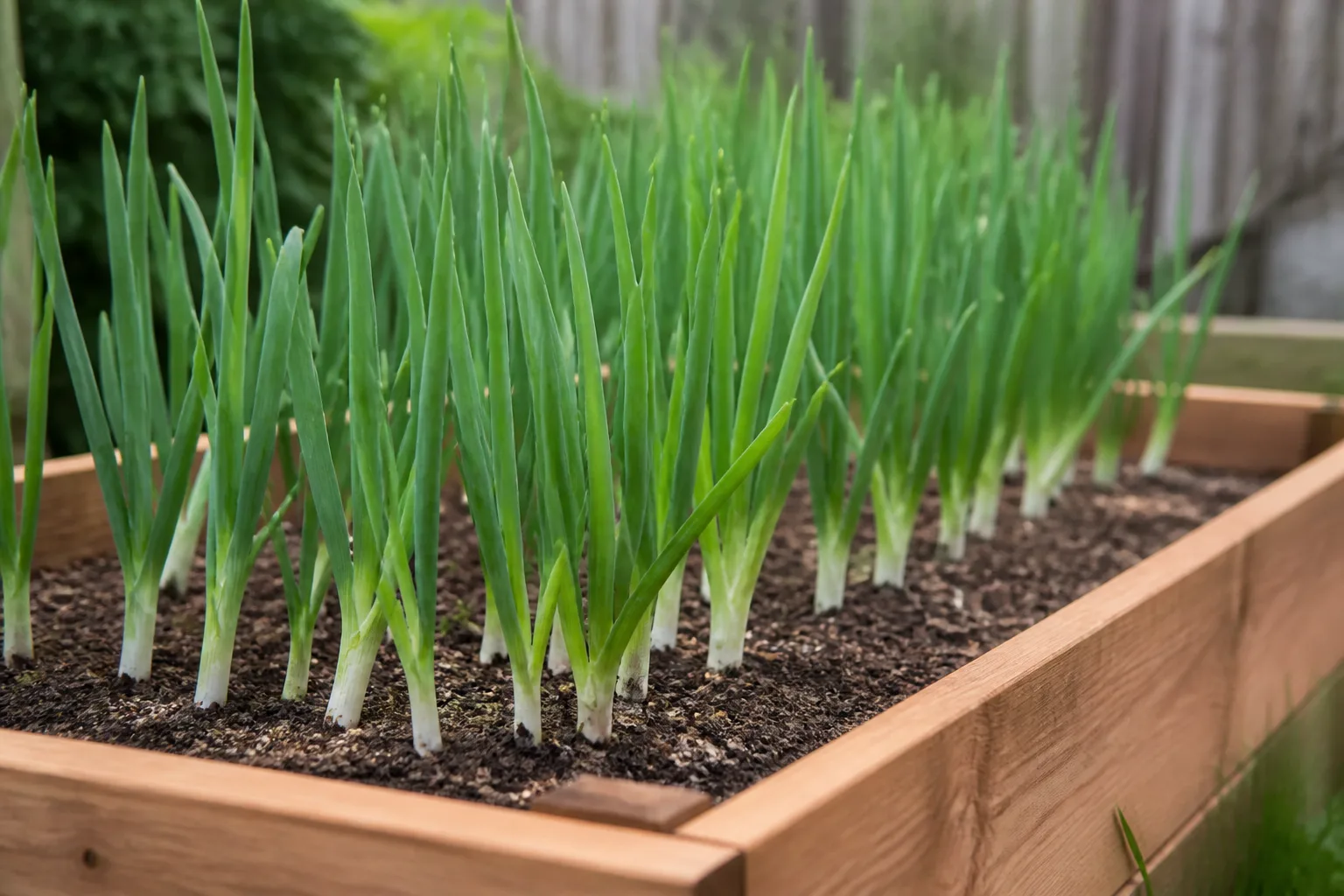
18. Garlic — Plant sound cloves in fall with the pointed end up, then mulch the bed after the soil cools. Fall planting gives cloves time to root before winter, but the main bulb harvest is usually early summer rather than spring. You can harvest a few green shoots early, but taking too many weakens the bulb. Remove mulch gradually as growth resumes, keeping the bed weed-free.
19. Leeks — Leeks are a slow crop, so fall planting is about building size over a long window, not producing an instant spring vegetable. Start with transplants if possible, set them into loose soil, and mound or mulch around the stems without filling the leaf bases with wet debris. In mild areas, harvest thickened stems in spring; in colder areas, a protected bed extends the season.
20. Onions — Choose onion sets or varieties specifically suited to overwintering in your region. Fall-planted onions may supply green onions in spring and mature bulbs in late spring or early summer, but the wrong day-length type can bulb poorly. Plant sets shallowly in well-drained soil and protect them from heaving with a light mulch.
21. Shallots — Shallot sets can establish roots in fall and divide into clusters as temperatures rise. They prefer the same loose, well-drained soil as onions and garlic; a wet winter is a bigger threat than a short cold snap. Harvest green shoots early if needed, but wait for the tops to yellow and fall when you want mature bulbs for storage.
Alliums demonstrate why a useful spring-harvest list needs honest timing labels. Garlic, onions, leeks, and shallots are excellent fall plantings, but they are often spring-established or early-summer harvest crops rather than the first vegetables you eat in March. Plant them alongside spinach or roots so the bed supplies food at more than one point in the season.
Special cases: asparagus, fennel, fava beans, and peas
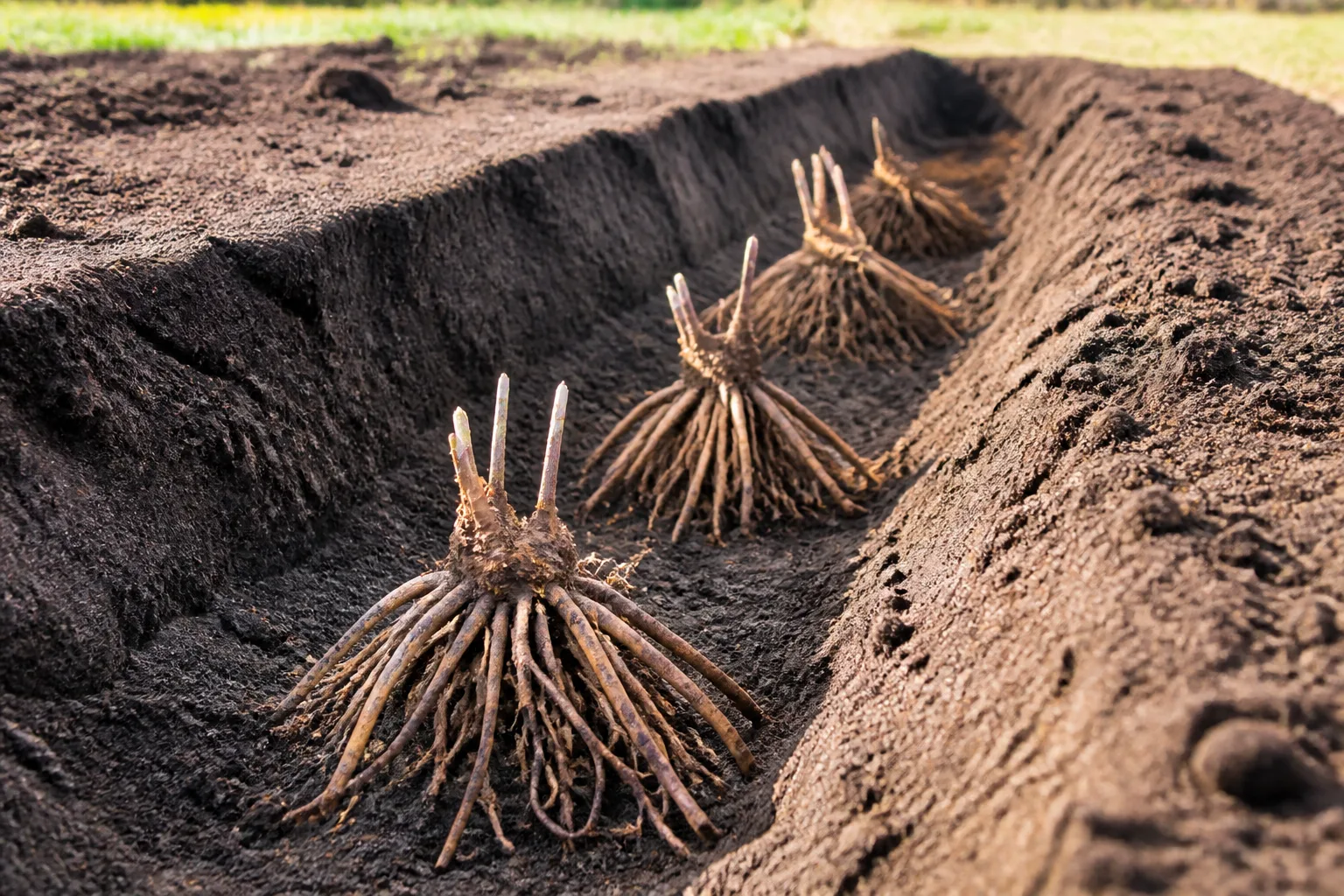
22. Asparagus — Asparagus is a perennial bed project, not a quick annual. Fall is a sensible time to prepare a permanent, sunny, well-drained bed and plant crowns where local conditions allow, but do not expect a full spring harvest the following year. Let new plants establish; light harvests may begin later, while strong production takes longer. The reward is a perennial patch that returns every spring once established.
23. Bulb fennel — Florence fennel prefers a cool growing window but is less winter-hardy than the toughest roots and brassicas. Plant it for a late fall or mild-winter harvest where winters are moderate, and use a protected bed if spring temperature swings are common. Keep moisture consistent and harvest the swollen bulb before it becomes stringy or the plant bolts.
24. Fava beans — Fava beans can be fall-sown for an early spring crop in mild-winter regions, especially with a cold-hardy variety and wind protection. In colder climates, seedlings may be killed by prolonged hard freezes even though they handle light frost. Give plants room, support tall stems before spring wind arrives, and expect pods after the plants resume active growth.
25. Peas — Peas are a conditional fall planting. They can produce one of the earliest spring crops where winter is mild or a low tunnel protects the row, but repeated temperatures well below freezing can kill them. Sow into cool, well-drained soil, use a variety suited to fall sowing, and install a trellis early so spring growth does not sprawl across wet soil.
When the “spring harvest” really means spring greens or early summer
Use the harvest category to choose your risk level. For the earliest dependable bite, prioritize spinach, kale, lettuce, chard, radishes, turnips, and overwintered beets. For a larger spring crop, add established broccoli, cabbage-family plants, carrots, and kohlrabi. For long-term or early-summer payoff, add garlic, onions, shallots, leeks, and asparagus.
If your winter is severe, do not plant all 25 as if they have equal odds. Start with a protected block of spinach, kale, carrots, and beets, then test one brassica and one allium. A small successful trial teaches you more about your wind, drainage, and freeze-thaw pattern than a large bed of identical failures.
Protect the planting through winter
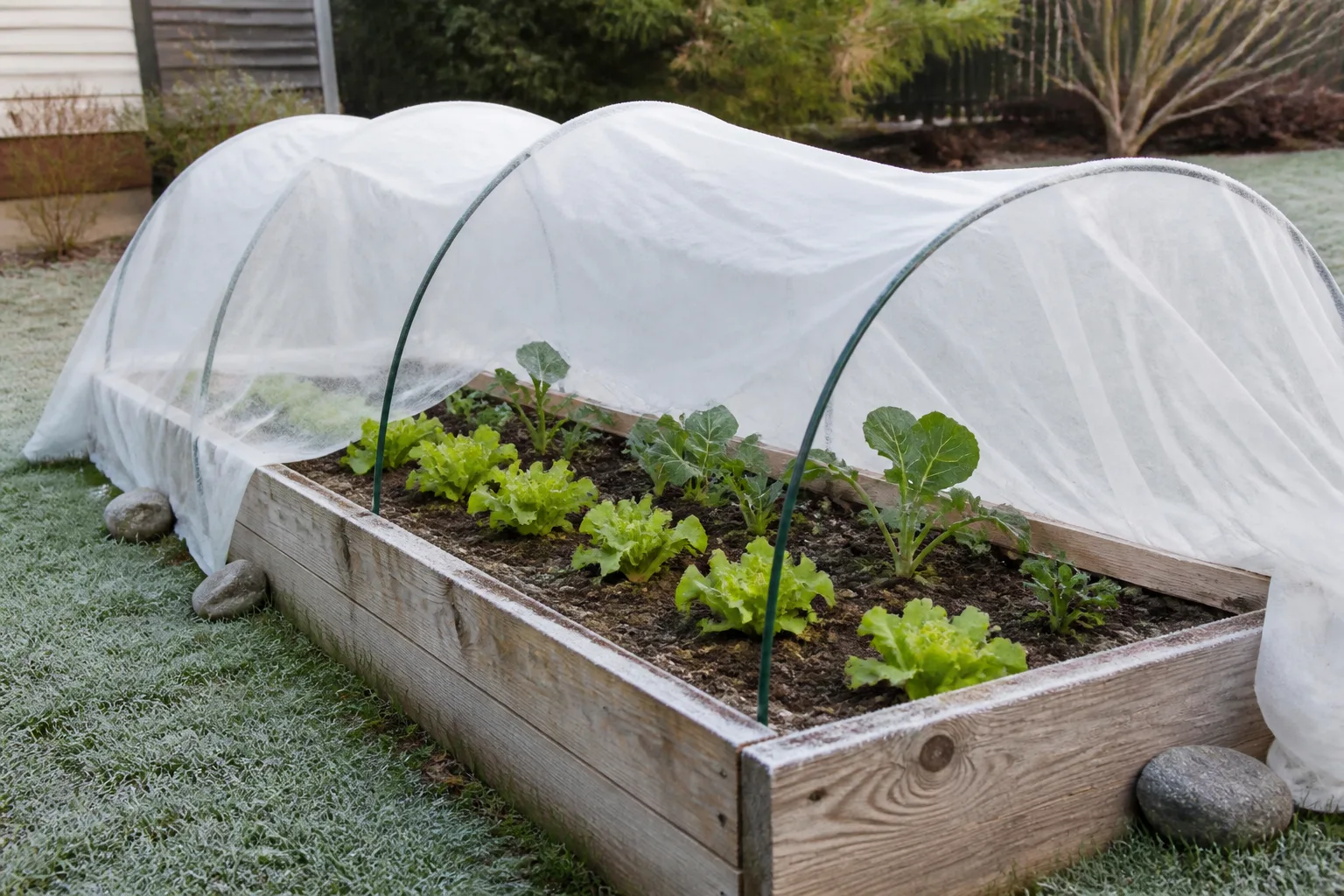
Protection works best when it extends a crop’s usable season; it cannot turn a tender crop into a perennial. Cover plants before a hard freeze, anchor the edges so wind cannot funnel underneath, and uncover or vent the bed when sunny daytime temperatures rise. Inspect the soil and leaves regularly—covered crops still need water and can still develop slug or fungal problems.
Mulch, row cover, cloche, or cold frame?
Choose the lightest tool that solves the problem. Straw or leaf mulch insulates roots and reduces freeze-thaw heaving around carrots, beets, garlic, onions, and shallots; keep it loose and away from crowns. Floating row cover adds frost and wind protection while letting light and air through, making it useful for greens and young brassicas.
A cloche protects one plant or a small group, but it needs ventilation on bright days. A low tunnel covers a whole row and is easier to manage for a serious fall garden. A cold frame provides the most control for small plantings, especially where you want greens to restart early. Never lay plastic directly on foliage, and never assume a cover can be left closed indefinitely; heat, condensation, and stagnant air can cause as much trouble as cold.
In wet winter climates, drainage may matter more than insulation. Mother Earth Living recommends raised beds, cold frames, or row covers in rainy regions, while the RHS describes fleece and cloches as useful protection for winter endive. Match the protection to the local threat: cold in one yard, standing water or slugs in the next.
Harvest in spring without losing quality
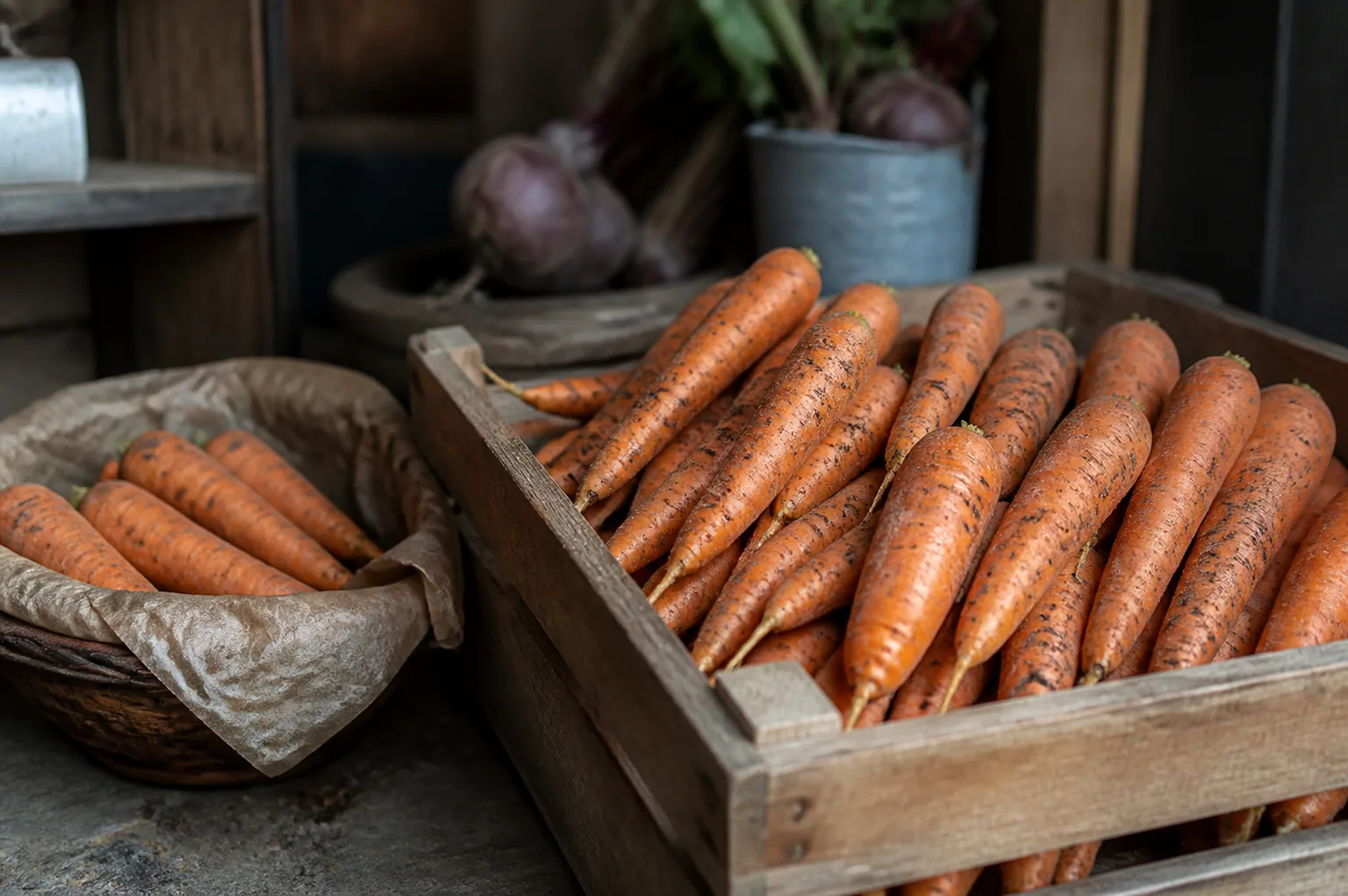
Spring harvests often arrive in waves. Start with leaves that survived winter, then roots that are easy to lift, followed by swelling kohlrabi and brassica heads. As temperatures rise, harvest more frequently; many cool-season plants shift from tender leaf production to flowering when days lengthen or heat arrives.
For leafy greens, remove outer leaves and leave the center growing. For broccoli, cut tight heads before yellow flowers open and keep the plant for side shoots. Brussels sprouts are picked from the lower stalk upward, while cabbage and cauliflower are cut when heads are firm and compact. Pull roots after a thaw and brush off soil gently rather than washing everything long before you need it.
Garlic and bulb onions need a different signal. Green leaves in spring show that the plant is growing, not that the storage bulb is ready. Let the lower foliage yellow and the neck begin to soften according to the variety’s normal harvest pattern; then cure mature bulbs in a dry, airy place rather than treating them like salad greens.
Diagnose the most common failures
Nothing germinated: The seedbed may have dried, crusted, or stayed too cold and wet. Re-sow a short row after correcting the surface, and use a fine mulch or fabric cover to hold moisture without sealing the soil.
Seedlings disappeared: Look for slugs, birds, cutworms, or freeze-thaw heaving before blaming the seed. A low tunnel, better anchoring, and less saturated soil often solve the immediate problem; pesticide use should follow correct identification and the product label.
Plants survived but never grew: Check light, drainage, and establishment date. A plant that entered winter as a tiny seedling may live but still need weeks of spring warmth before it can produce a harvest. Fertilizing heavily in cold, wet soil rarely fixes a root system that cannot function.
Leaves flowered instead of filling out: Bolting is commonly triggered by heat, drought stress, crowding, or temperature swings, especially in lettuce, bok choy, spinach, and endive. Harvest what is still edible, pull the spent plant, and re-sow a new spring batch rather than waiting for the old one to return to leaf production.
Roots are split, forked, or woody: Improve soil texture and harvest timing. Compaction and stones deform roots; uneven moisture can split them; spring heat makes mature radishes, turnips, and carrots lose quality. The remedy is usually better soil and earlier picking, not more fertilizer.
Conclusion
The most reliable vegetables to plant in fall for a spring harvest are the ones that match your winter, not the ones with the longest list of hardiness zones. Begin with spinach, kale, carrots, beets, lettuce, radishes, turnips, and a protected brassica block. Add garlic, onions, shallots, leeks, asparagus, fava beans, peas, or bulb fennel when their longer timeline and regional limits fit your garden.
Use your first killing frost as the anchor, add time for short fall days, establish plants before winter, and prepare covers before you need them. The goal is a living spring pantry: a few leaves ready after the first thaw, roots waiting in workable soil, and longer-season crops already rooted when the rest of the garden is only getting started.



