How to Grow and Care for Anise Hyssop
Learn how to grow and care for anise hyssop, from seed or nursery starts through winter, with practical tips for blooms, containers, and pollinators.
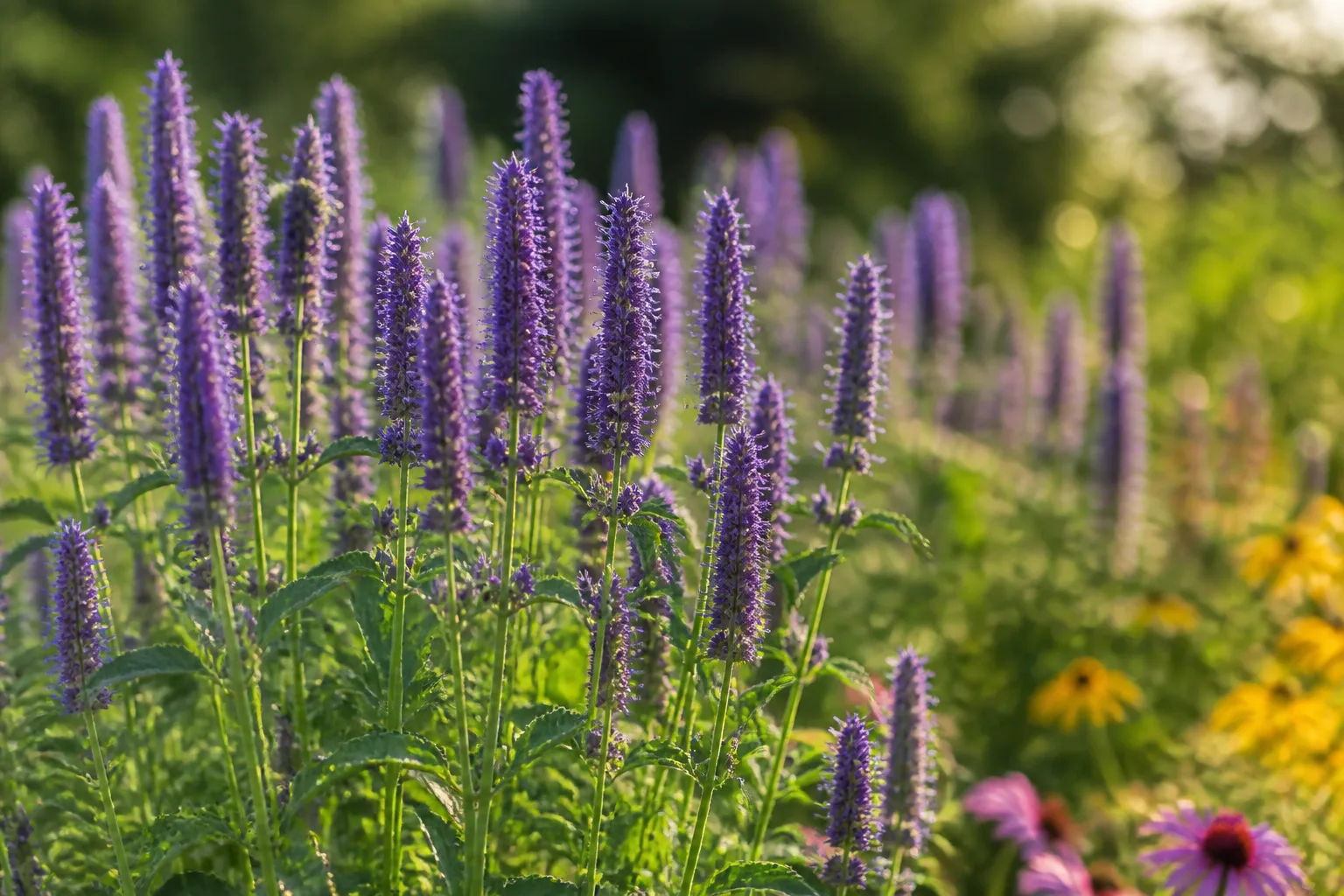
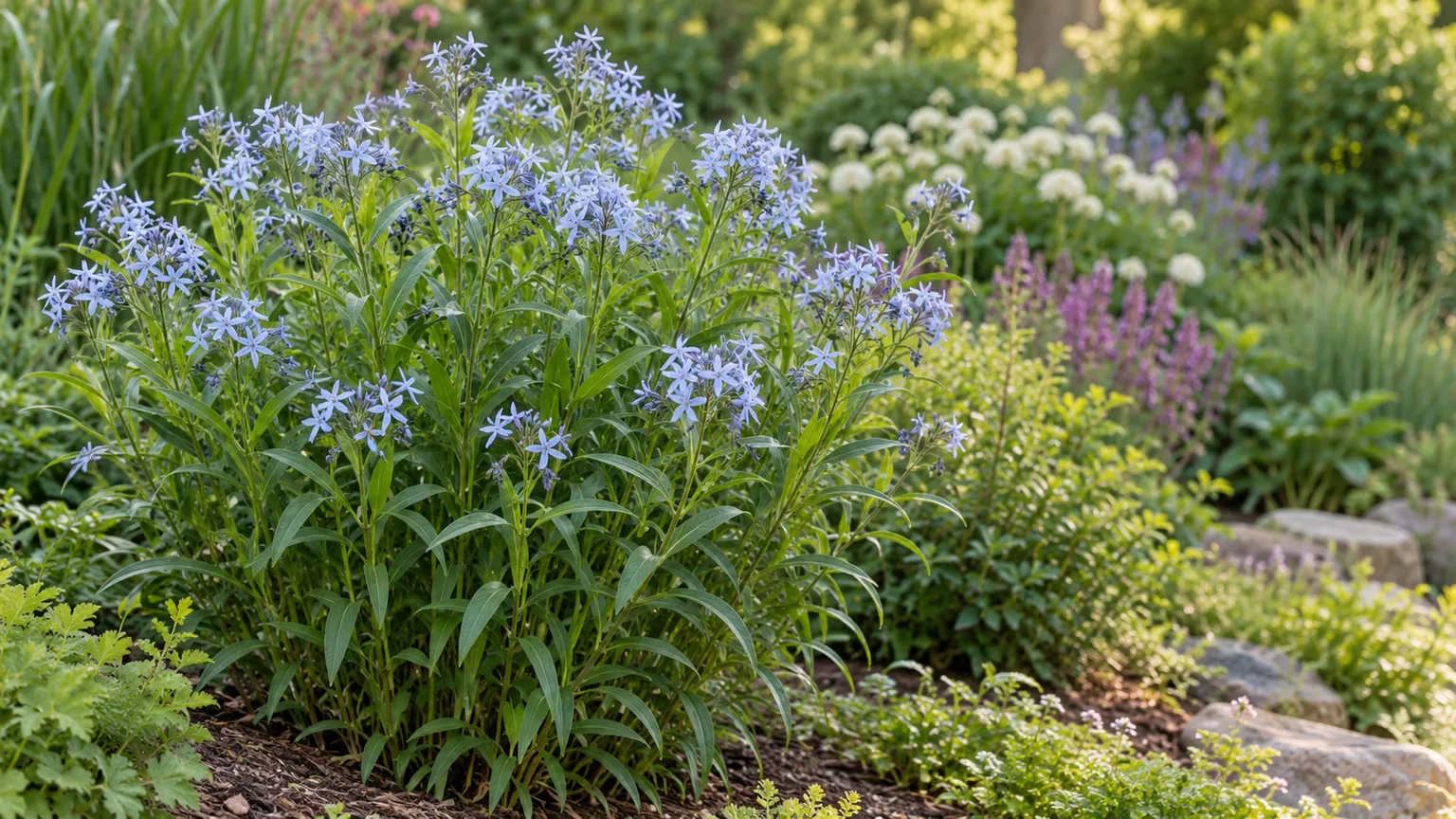
Anise hyssop (Agastache foeniculum) is a hardy, upright perennial for a sunny bed, meadow edge, herb garden, or large container. Give it sun, sharp drainage, and a careful first season of watering and it can produce fragrant foliage and purple-blue flower spikes for weeks while bees, butterflies, and hummingbirds work the blooms.
The most important care decision is not fertilizer or pruning. It is where the crown sits in winter. Anise hyssop tolerates dry soil once established, but a plant that stays cold and saturated is much more likely to decline than one that goes briefly thirsty. The guide below explains how to choose the site, plant from a nursery pot or seed, manage water, select cultivars, and diagnose problems without treating every brown flower as a crisis.
Anise hyssop is a clump-forming herbaceous perennial in the mint family, not a true anise and not a true hyssop. The common name comes from the licorice-like scent of the bruised leaves and the plant’s superficial resemblance to hyssop. Its square stems, toothed leaves, and upright spikes of tubular flowers make it easy to recognize once it is growing.
The species is associated with prairies, open upland woods, and north-central to northern North America. Mature plants commonly reach about 2 to 5 feet tall, depending on soil, light, and cultivar, with a narrower clump that expands gradually rather than behaving like aggressive culinary mint. Flower colors across the broader Agastache group include blue, purple, pink, red, orange, and white; the straight species is best known for lavender to purple-blue flowers.
NC State Extension describes Agastache as a low-maintenance, fragrant perennial for full sun, well-drained soil, pollinator gardens, rock gardens, and naturalized areas. Its plant profile also records the genus as deer- and rabbit-resistant, heat- and drought-tolerant, and vulnerable mainly to pests such as spider mites, thrips, aphids, whiteflies, and slugs rather than a long list of inevitable diseases (NC State Extension’s Agastache profile).
Choose the Right Site Before You Plant
Anise hyssop is forgiving after its roots are established, but it is not forgiving of a fundamentally wrong site. Before planting, watch the area after a hard rain. If water remains pooled into the next day, the location is a poor match unless you can raise the bed, improve the drainage structure, or use a container.
Also check the mature height. A two-foot nursery plant can become a four-foot flowering anchor, and a clump placed in front of a short edging plant may shade or visually swallow its neighbors. Put it in the middle or back of a border, at the sunny end of a herb bed, or where its flower spikes can rise without blocking a window or path.
Light: Aim for Six or More Hours
Give anise hyssop at least six hours of direct sun for compact stems, strong flowering, and the best scent. It can tolerate some afternoon shade, especially in a hot climate, but shade is not a free improvement: too little light tends to produce long, weak stems and fewer flower spikes.
If your only option gets morning sun and bright afternoon light, try it rather than abandoning the plant. Use wider spacing and avoid rich, constantly moist soil, both of which can make soft growth more pronounced. If the plant leans toward a window or flops after rain, light is one of the first conditions to reassess.
Soil: Drainage Matters More Than Richness
The ideal soil is well-drained loam or sandy soil that can hold some moisture without staying saturated. Ordinary garden soil is acceptable if it drains freely. Gravelly or shallow rocky soil can work, while heavy clay needs a raised position, a slope, or a carefully built planting area rather than a small handful of compost mixed into the hole.
Do not create a rich, water-holding pocket in otherwise poor soil. A deep hole filled with loose organic material can act like a bowl around the root ball. Instead, plant at grade or slightly high, break up the surrounding soil, and direct excess water away from the crown. NC State lists good drainage as essential for Agastache and specifically recommends a raised bed or container when winter wet is a problem.
Soil pH does not need to be perfect. The species can grow in mildly acidic through neutral soil, so test before adding lime. A drainage correction is usually more valuable than chasing a narrow pH number.
Planting Anise Hyssop Step by Step
Plant nursery-grown anise hyssop in spring after the soil can be worked and severe frost has passed, or in early summer while there is still time for roots to settle. Fall planting can work in mild climates, but avoid putting a small plant into cold, waterlogged ground just before a wet winter. Use your local extension frost information as a starting point, then read the label for the exact species or cultivar because Agastache hardiness varies across the genus.
For a reliable planting sequence:
- Confirm that the site gets enough direct sun and drains after rain.
- Water the nursery pot before planting so the root ball is evenly moist.
- Dig a hole about as deep as the root ball and at least twice its width.
- Loosen circling roots gently, then set the crown at the same level it grew in the pot.
- Backfill with the soil you removed; do not bury the main stems.
- Water slowly until the entire root zone is wet, then allow excess to drain.
- Add a thin organic mulch layer several inches away from the crown.
Space plants according to the label’s mature width, commonly around 18 to 24 inches for a medium clump. Use more room in a humid climate or where irrigation is frequent. Air moving between stems helps the foliage dry and makes the planting look better as the plant fills out.
How to Plant Nursery Starts
A nursery start is the best choice when you want flowers quickly or when your growing season is short. Choose a plant with firm stems, evenly colored leaves, and roots that are not circling into a dense mat. A plant in flower can be transplanted, but remove only damaged flowers; do not strip every leaf just to make the move look tidy.
After planting, shade the plant temporarily only if the weather is unusually hot and the root ball is small. The goal is to reduce transplant shock while roots expand, not to train a full-sun perennial to live in permanent shade. Check the soil a few inches down every few days during the first two weeks, because a dry surface does not always mean the root ball is dry and a damp surface does not guarantee water reached its center.
How to Grow Anise Hyssop From Seed
Seed is economical and lets you grow unusual selections, but it asks for patience. Seeds are tiny, so press them onto moist seed-starting mix or cover them only lightly. Burying them deeply is a common reason for poor germination. Keep the mix evenly moist, bright, and never waterlogged until seedlings emerge.
You can sow indoors several weeks before your last frost date and transplant young plants after they have developed a sturdy root system, or direct-sow in spring once the soil is workable. Some gardeners scatter seed outdoors in fall so natural cold and winter moisture do the timing work; the Philadelphia Orchard Project describes both spring propagation and fall scattering as practical options for this perennial (its anise hyssop cultivation notes).
Expect seedlings to be smaller and slower than a flowering nursery plant. Give them steady moisture during their first month, then begin allowing the surface to dry slightly between waterings as roots develop. If you collect seed from a hybrid cultivar, the seedlings may not look like the parent. For a named flower color or a uniform height, buy a true-to-name plant or propagate a selected clump instead.
Watering in Year One and After Establishment
Water a new plant deeply when the top few inches of soil begin to dry, usually weekly in the absence of rain during its first month. Hot, windy weather, sandy soil, and container culture may require more frequent checks. Water the root zone rather than sprinkling the foliage every day; frequent shallow watering encourages a surface-rooted plant that is less prepared for drought.
Once established, anise hyssop can tolerate dry spells, but drought tolerance is not the same as a no-water rule. During a prolonged heat wave, water slowly when the root zone is dry and the plant is beginning to wilt or flowering is stalling. A deep drink followed by a drying interval is usually better than keeping the soil constantly damp.
In heavy soil, reduce the volume and improve the site rather than watering on a fixed schedule. A wilted plant in saturated soil is not asking for more water; its roots may be short of oxygen. If the crown is soft, the lower stems darken, or decline follows a wet winter, stop irrigation and inspect drainage before doing anything else.
Feeding and Mulching Without Floppy Growth
Anise hyssop does not need a high-nitrogen feeding program. Excess fertilizer can produce lush, soft stems and leaves at the expense of a sturdy shape, and rich growth often demands more water. If the soil is average, top-dress lightly with finished compost in spring every year or two, keeping it away from the crown.
Skip feeding a plant that is struggling with wet roots, severe drought, or a pest outbreak. Fertilizer cannot repair damaged roots and may increase stress by pushing new growth before the plant can support it. If flowering is weak, check light, drainage, and the age of the clump before reaching for a product.
Use a thin mulch layer to moderate soil temperature and reduce weed competition, but leave an open ring around the stems. A thick, wet blanket over the crown is exactly the condition you are trying to prevent. In a dry, sharply drained bed, gravel mulch can preserve the open character of the site; in a regular border, shredded leaves or composted bark are fine if they do not stay soaked.
Pruning, Deadheading, and Winter Cleanup
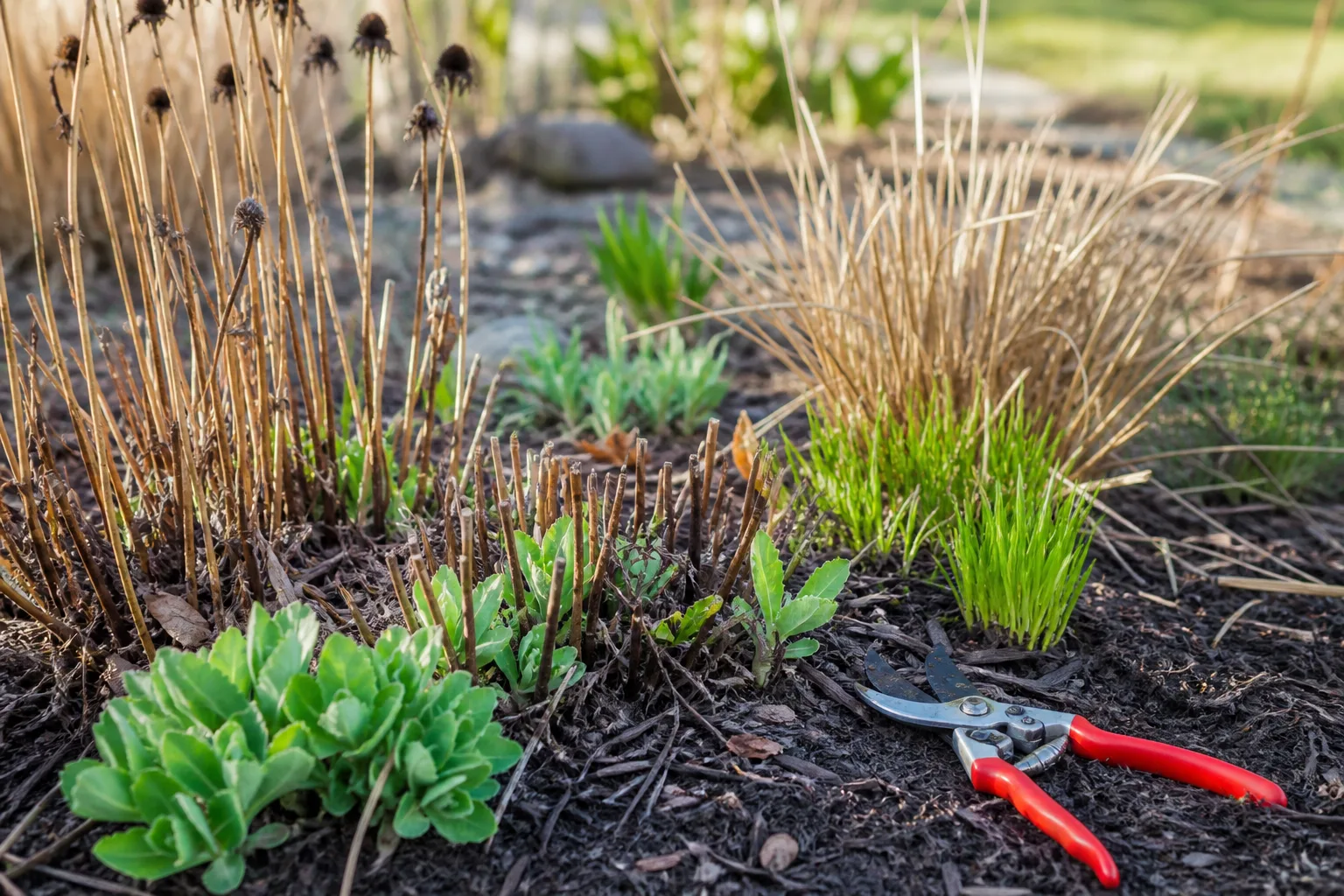
There are three different jobs people call pruning. Deadheading removes finished flower spikes during the growing season. Shaping cuts back selected stems to encourage a fuller plant. Winter cleanup removes old top growth after the season or in spring. Choosing the right job prevents unnecessary cutting.
To deadhead, follow a finished flower spike down to the first strong pair of leaves or a side shoot and cut just above it with clean shears. This redirects the plant toward side growth and can encourage a longer display. Do not deadhead every spike if you want seed for birds, volunteer seedlings, or a more natural winter silhouette.
In early spring, remove dead stems once new growth is visible at the base. Spring cleanup protects the crown through winter and leaves hollow stems available to insects longer than a fall cutback would. If your garden is very wet in winter, remove diseased material and keep fallen leaves from matting over the crown, but do not excavate or disturb the living crown.
Anise Hyssop in Containers
Anise hyssop grows well in a container when the pot is deep, stable, and equipped with real drainage holes. Choose a container roughly as wide as the mature plant and deep enough to support a tall root system; a large pot is preferable to a narrow one that dries quickly or tips in wind. Mother Earth Living recommends giving container-grown anise hyssop substantial root room because the flowering stems can grow more than two feet tall (its herb-container guidance).
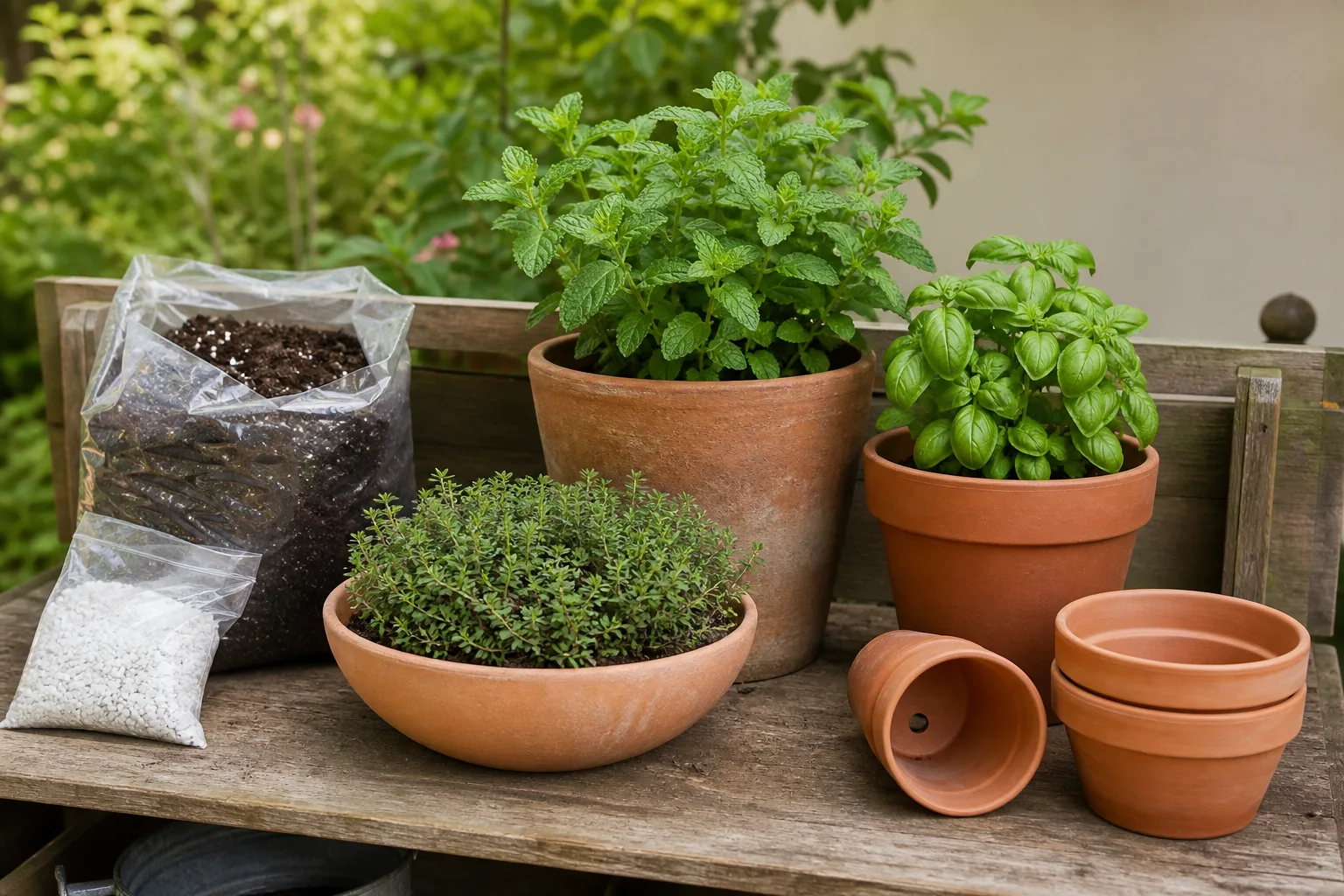
Use fresh commercial potting mix rather than garden soil, which compacts in a pot. A mix with structural materials that keep air spaces open is more important than a heavily fertilized mix. Set the pot where it receives six or more hours of sun, and turn it occasionally if stems begin leaning.
Containers need more frequent monitoring than in-ground beds, but do not turn that into constant moisture. Water thoroughly when the mix has begun to dry, let excess drain, and empty any saucer. In winter, protect the pot from repeated freeze-thaw exposure where necessary, but keep the dormant crown on the dry side. A sheltered, unheated location is often safer than a warm indoor room that breaks dormancy prematurely.
Cultivars: Choose for Color, Size, and Climate
The name “Agastache” covers species and hybrids with different habits. Treating every plant labeled hummingbird mint as identical is a recipe for disappointment, especially in humid summers or cold, wet winters. Read the cultivar label for mature height, flower color, hardiness, and whether it is described as a sterile hybrid.
For dependable blue to purple spikes, look for A. foeniculum selections and hybrids such as ‘Blue Fortune’ or ‘Blue Boa’. ‘Black Adder’ offers dark buds and violet-red flowers. ‘Acapulco Orange’ brings warm orange flowers, while ‘Kudos Ambrosia’ and other modern selections offer pink, peach, or mixed tones. NC State’s cultivar list includes these and notes that choices such as ‘Blue Fortune’, ‘Blue Boa’, and the Acapulco group can be useful where hot, humid southeastern conditions test less-adapted Agastache.
If your winters are wet, prioritize drainage and a cultivar known to suit your climate over a flower color that looks good on a tag. If your site is compact, choose a shorter selection and space it by mature width. If you want a uniform border, choose a named hybrid; if you want genetic variety and volunteer seedlings, grow the straight species and let a few spikes mature.
Propagating by Division and Cuttings
Division is the most predictable way to make another plant that resembles the original. Divide in spring as new shoots emerge, when the plant can recover quickly. Dig around the clump, lift it with as much root mass as practical, and separate it into sections with healthy roots and several shoots. Replant at the original depth, water thoroughly, and keep the divisions evenly moist while they reestablish.
Divide when the center of a mature clump becomes weak, flowering declines despite good light, or you want to reduce the plant’s footprint. There is no benefit to dividing a newly planted specimen just because the calendar says so. A young plant needs time to build roots.
Seed is the easiest method for making many plants, but offspring may vary. Let a few spikes dry, collect the small seeds into a labeled envelope, and store them cool and dry. Sow lightly because seedlings can be crowded. Stem cuttings are possible for some Agastache selections, but they are less useful for a home gardener than division unless you are trying to preserve a particular plant and have suitable soft new growth.
Anise hyssop is not the same spreader as Mentha, but it can self-sow when seed falls onto open soil. Pull unwanted seedlings while small or deadhead before seed matures. This is a manageable design choice, not a reason to plant it in a bed where every volunteer would be a problem.
Harvesting Leaves and Flowers Safely
The leaves and flowers have a sweet, anise-like to minty aroma and can be used in small culinary amounts, such as a garnish, salad accent, or herbal infusion. Harvest young leaves before or during flowering for the freshest flavor. Cut stems after morning dew dries, then use them fresh or hang small bundles in a dry, airy place until the leaves are crisp.
Only eat a plant you have identified with confidence as Agastache foeniculum, and only if it has not been treated with an ornamental pesticide or systemic product that is not labeled for edible crops. The Philadelphia Orchard Project specifically cautions readers to verify wild or unfamiliar edible plants with a health professional, introduce new foods slowly, and keep plant material away from children (its edible-use disclaimer and species notes). This guide does not recommend anise hyssop as a treatment for coughs, infections, mood, or any other medical condition.
Do not harvest every flower from a small plant. Leaving some spikes supports pollinators and lets you collect seed or enjoy the late-season structure. A useful compromise is to harvest a few leafy stems early, deadhead selected spikes for rebloom, and leave the final flush standing.
Pollinators, Deer, and Garden Placement
The tubular flowers are a strong fit for a pollinator garden because they remain available through a season when some early perennials are fading. Bees and butterflies visit the spikes, and hummingbirds may use them as part of a broader nectar-rich planting. A single plant is useful, but several plants grouped together create a clearer visual target and make the bloom display more substantial.
Combine anise hyssop with plants that share its sun and drainage needs, such as coneflower, yarrow, salvia, thyme, or suitable goldenrod. For a layered border, place low plants in front, anise hyssop in the middle or back, and later-blooming asters behind or beside it. Our late-summer pollinator flower guide shows how overlapping bloom windows make a bed more useful than a collection of plants that all flower at once.
The aromatic foliage is commonly avoided by deer and rabbits, but no plant is animal-proof in every yard. Young plants may still be nibbled, particularly when preferred food is scarce. Use scent resistance as one layer of a planting plan, not as a promise that fencing or other protection will never be needed.
Common Pests and Diseases
Anise hyssop is generally robust when planted in the right soil. The most serious cultural problem is often crown or root rot caused by prolonged wetness, especially in winter. Keep irrigation off the foliage when possible, space plants for airflow, and remove badly affected material rather than repeatedly treating a site that stays saturated.
Aphids, spider mites, thrips, whiteflies, and slugs may appear. Inspect the undersides of leaves and the newest growth weekly during warm weather. A few insects do not automatically justify a pesticide; first check whether beneficial insects are already controlling them and whether the plant is otherwise growing normally. For any pesticide, follow the product label and confirm it is legal and appropriate for the crop and situation.
Why Leaves Turn White, Spotty, or Distorted
White, powdery patches on leaves are more consistent with powdery mildew than with a watering shortage. Improve spacing and airflow, avoid wetting the foliage late in the day, and remove heavily affected leaves from the garden. If the white material is fine webbing and leaves look stippled, inspect for spider mites instead.
Dark spots can follow prolonged leaf wetness, splash, crowding, or other stress. Distorted new growth is more suggestive of sap-feeding insects than a simple nutrient problem. Look closely before treating: leaf symptoms overlap, and a generic spray can harm pollinators without addressing the cause.
When Flower Spikes Turn Brown
One older spike turning brown from the bottom upward is usually a finished bloom, not a dying plant. Anise hyssop flowers are temporary structures; the plant may be sending fresh side spikes while the oldest one fades. Gardenish’s practical diagnostic distinguishes normal spent spikes from browning that reaches fresh flowers or appears across the plant (its anise hyssop bloom guide).
Deadhead a finished spike and watch the newer growth. If flower tips crisp during extreme heat, check soil moisture and give the plant a deep drink if the root zone is dry. If browning follows several days of rain and humid weather, improve airflow and remove spoiled spikes. If fresh spikes, leaves, and stems all decline together, investigate root health, drainage, pests, and recent fertilizer before cutting the plant back.
Troubleshooting: What to Check First
Use the symptom and the site together rather than diagnosing from one leaf. This quick order prevents the most common wrong fixes:
| What you see | Check first | Better next action |
|---|---|---|
| Tall, floppy stems with few flowers | Light and nitrogen | Move or divide only during a suitable season; stop heavy feeding and increase sun. |
| Wilting in wet soil | Drainage and roots | Pause irrigation, improve drainage, and inspect the crown instead of watering again. |
| Wilting in a new plant | Root-ball moisture | Water the root zone deeply, then check more often until roots spread. |
| Brown old flower spikes | Bloom age | Deadhead selected spikes and wait for side blooms. |
| Powdery leaf coating | Airflow and leaf wetness | Thin crowded growth, water at the base, and remove severe leaves. |
| Few blooms but healthy leaves | Sun, cultivar, and season | Give more direct light, verify mature expectations, and avoid excess nitrogen. |
| Seedlings everywhere | Uncut seed heads | Deadhead earlier or transplant wanted volunteers while small. |
When the plant declines after winter, do not assume it needs a stronger spring feeding. Scratch the surface near the crown and look for firm new shoots. If there is no healthy growth and the crown is soft or foul-smelling, replace the plant only after correcting the drainage problem. Otherwise, wait for late spring warmth; some crowns break dormancy later than impatient gardeners expect.
Conclusion
Growing anise hyssop well is mostly an exercise in matching a prairie-leaning perennial to the right place. Plant it in full sun or bright partial sun, give the crown fast drainage, water consistently while the root system is young, and then let the soil dry between deep drinks once the plant is established.
Choose cultivars for your climate and mature size, not flower color alone. Deadhead when you want a tidier, longer display, leave some stems and seed heads when wildlife value matters, and divide only when a mature clump needs rejuvenation. With those few decisions in place, anise hyssop becomes the kind of perennial that earns its space: fragrant, long-flowering, useful to pollinators, and genuinely low-maintenance after establishment.