8 Weed-Killing Mistakes to Avoid in Your Yard
Weed control keeps failing? Match the method to the weed, site, and life stage, then avoid mistakes with herbicides, roots, timing, and seedheads.
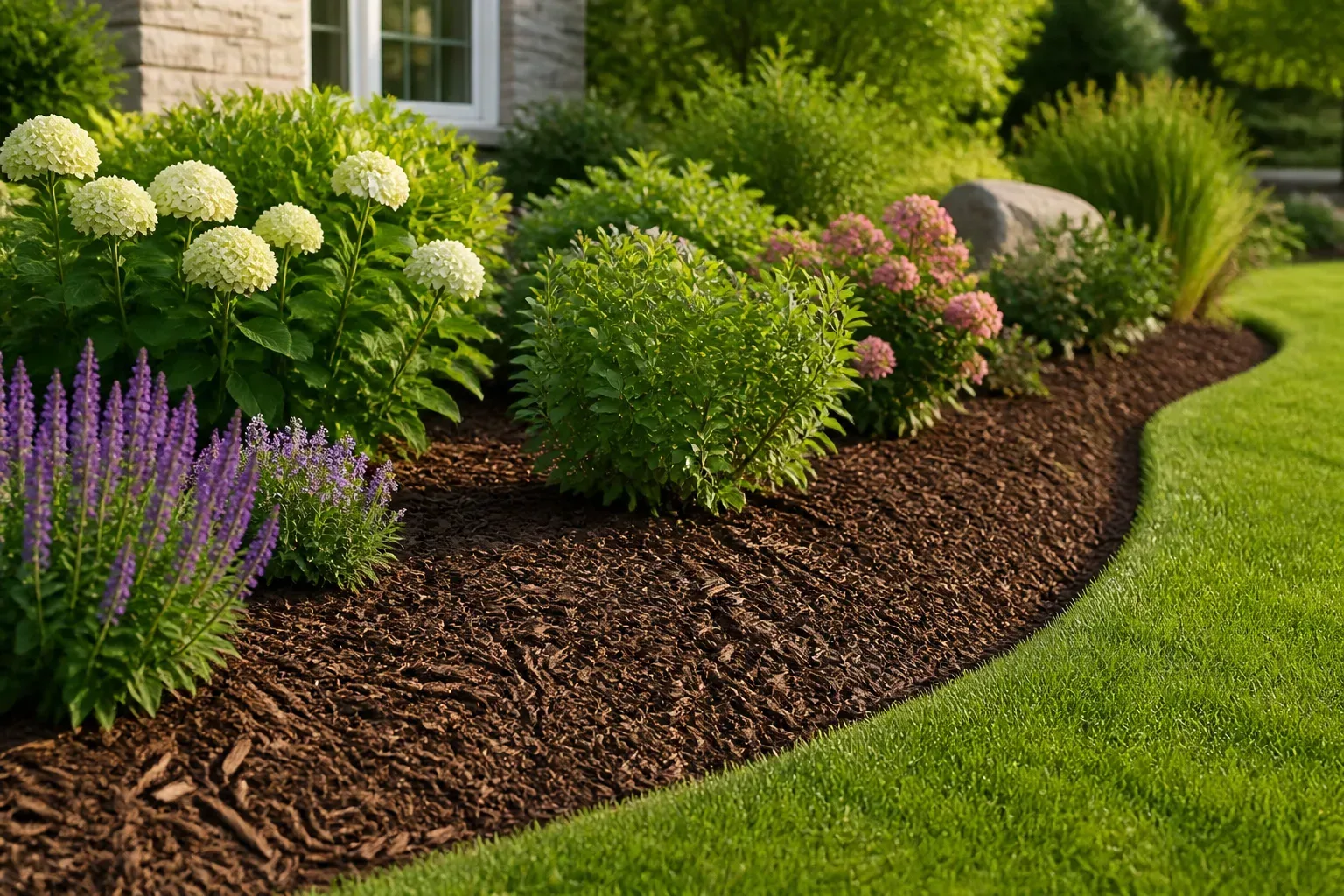
The fastest way to waste time on weeds is to pick a product before you know what is growing, where it is growing, and how it spreads. A spray that scorches a small annual seedling may leave a deep-rooted perennial ready to return; a lawn product that controls broadleaf weeds may damage flowers or vegetables. Better control starts with a short diagnosis, followed by the least disruptive method that fits that exact spot.
These eight mistakes explain why common fixes fail, how to correct them, and what to do next. “Weed” is a gardening judgment rather than a botanical category: a dandelion in a pollinator patch may be welcome, while the same plant in a newly seeded lawn may be unwanted. Decide what you want to keep before you reach for a tool or herbicide.
A 30-second check before you reach for a tool
Pause long enough to answer four questions: What plant is this? Is it in turf, a planted bed, or pavement? Is it a seedling, a flowering plant, or a persistent perennial? What nearby plants, people, pets, drains, or water features could be affected by the control method? Those answers narrow the options and prevent the common mistake of treating every patch as if it were the same problem.
If identification is uncertain, take a clear photo of the leaves, stem, growth pattern, and any flower or seedhead, then check a regional extension weed guide or ask a local extension office. Do not pull an unfamiliar plant simply because it appeared where you did not expect it; desirable flowers also self-seed. Once you have a likely identification, confirm that a proposed herbicide label lists both the target site and the weed or weed group before using it.
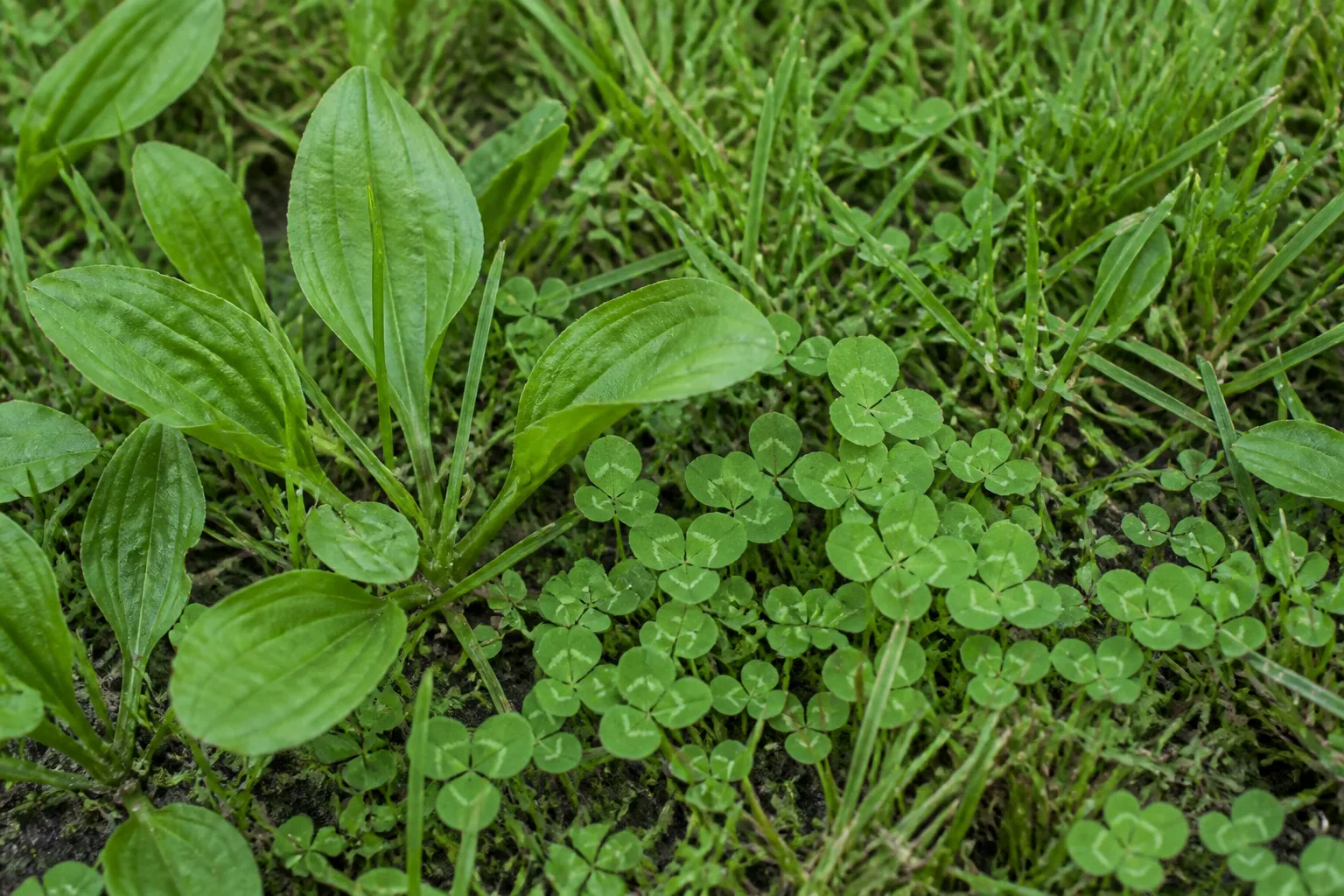
1. Using bleach, vinegar, salt, or soap as a universal weed killer
A household ingredient can damage green leaves and still be a poor weed-control plan. Vinegar and bleach may burn exposed foliage, but a quick brown top does not show that a perennial’s crown, taproot, or underground stems are dead. Salt can persist in the soil and injure plants beyond the spot you meant to treat. Dish soap is formulated for cleaning, not for controlling weeds; adding it to a homemade mixture does not make the mixture reliably selective or safe.
“Natural” describes an origin, not a guarantee of low risk. Strong vinegar can burn skin and eyes, hot liquids can cause serious burns, and any liquid sprayed onto a wanted plant can injure it. A University of Illinois Extension weed-control review cautions against homemade mixtures and explains that vinegar often damages top growth without killing perennial roots. That is why the plant may return even when the first application looks dramatic.
For a few weeds, use a hand tool or pull them when the soil is workable. For a larger patch, first decide whether mowing, smothering, digging, or a registered herbicide is appropriate for that site. If using a pesticide, choose a product labeled for the location and target, use it exactly as directed, and do not add ingredients or increase the dose. A tested label gives you a defined use; a kitchen recipe does not.
2. Pulling off the top and leaving the part that regrows
A quick tug can remove leaves while leaving the plant’s growing point below the soil. This is especially likely when soil is dry and hard, the stem breaks easily, or the plant has a deep taproot. Perennials such as dandelion can regrow from a surviving crown or root, while creeping weeds may spread through rhizomes, stolons, tubers, or root fragments. The right goal is not “pull harder”; it is to identify how that weed survives.
For a small taprooted weed, loosen the soil beside the crown with a narrow fork or weeder, then lift the root with steady pressure rather than yanking the stem. Moist soil after rain or watering is often easier to work, but avoid digging when soil is waterlogged because it compacts and smears. In a dense flower bed, work carefully around desired roots; disturbing a large area can bring buried seeds to the surface and create a new flush of seedlings.
The BBC Gardeners’ World guidance on chemical-free weeding emphasizes tracing perennial roots and repeating removal when complete extraction is impractical. For spreading weeds, remove what you can without chopping underground stems into pieces, then revisit the area as new growth appears. Bag seed-bearing material rather than dropping it into a cool home compost pile unless your composting process reliably destroys viable seeds.
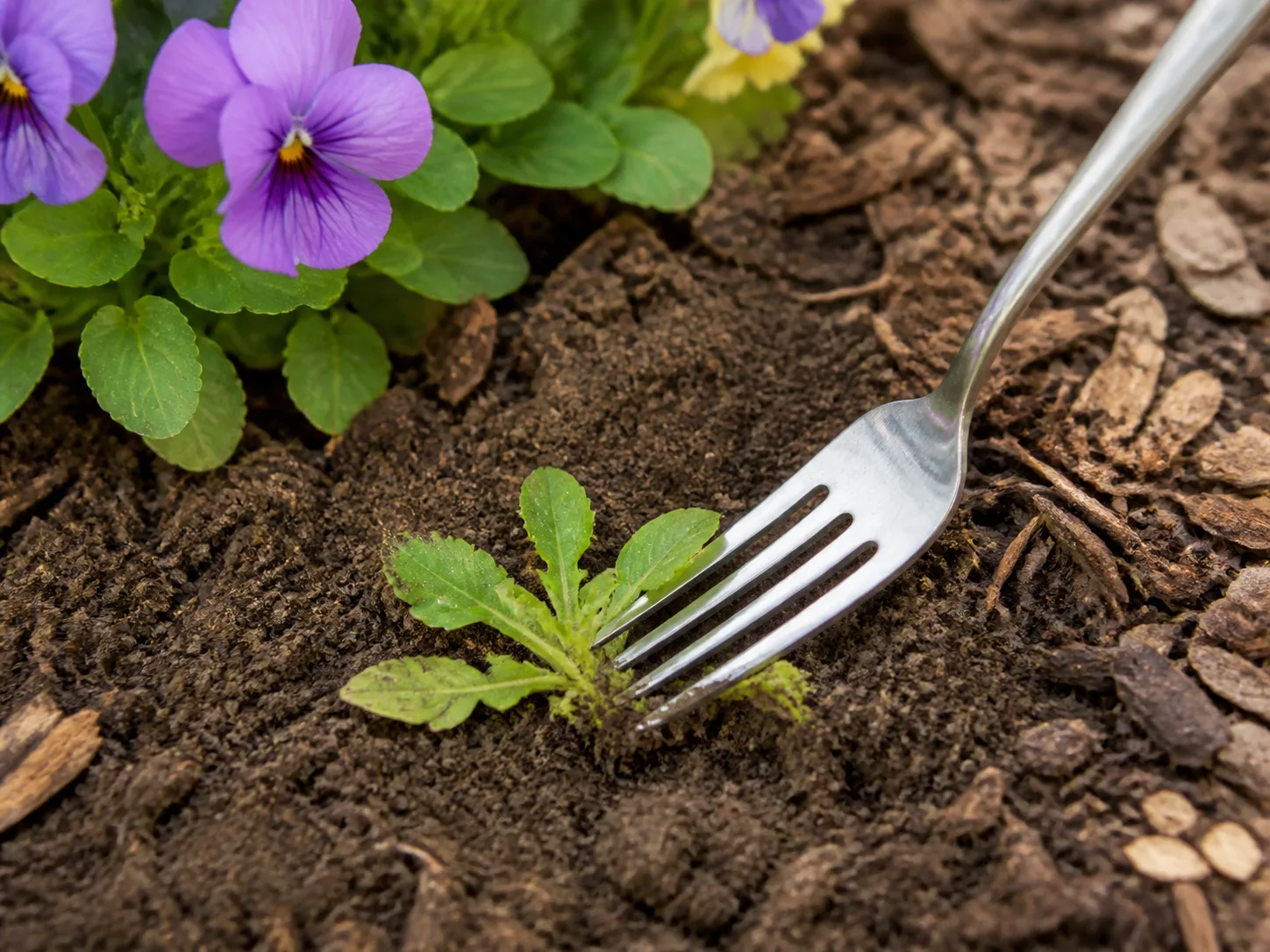
3. Using a pre-emergent on weeds you can already see
Pre-emergent herbicides are intended to prevent susceptible weed seeds from establishing as they germinate; they are not a rescue spray for mature leaves. If visible weeds are already growing, applying a pre-emergent may leave those plants untouched while using time and money on the wrong stage. Conversely, a post-emergent product is meant for emerged weeds and may not prevent later seedlings unless its label also specifies residual or pre-emergent activity.
Match product timing to the weed’s life stage
Start with the weed’s life cycle and the label’s directions, not a month printed on a generic calendar. Many pre-emergent products need to be applied before the target seeds germinate and then watered in or left undisturbed as specified. Timing varies by weed, climate, turf type, and product. A spring application aimed at a warm-season annual will not solve every perennial weed or a winter annual that has already established.
Pre-emergent products can also interfere with desirable seed germination, including lawn reseeding, vegetable seed, or flowers planted directly into a treated bed. Check the label for the time interval before seeding, the sites where use is allowed, and any restrictions around roots of desirable plants. If you need to overseed, do not assume that a weed preventer and grass seed can be applied together; choose the sequence the label permits or use nonchemical control in the meantime.
UGA Extension describes home-lawn herbicides as one part of a broader plan and notes that products control only certain weed species. If the weeds are already up, identify them and decide whether hand removal, mowing, improving turf, or a labeled post-emergent treatment makes sense. Repeating the wrong product at a higher rate does not correct a timing mismatch.
4. Applying a contact product to soil or a foliar product to the wrong place
Herbicides do not all enter a plant the same way. A foliar treatment must reach the leaves or other labeled target tissue; pouring or spraying it onto bare soil may miss the route needed for control. A soil-applied pre-emergent works differently: it is placed where the label directs to form a barrier against susceptible germinating seedlings. Confusing those jobs can make an otherwise suitable product ineffective or expose non-target plants unnecessarily.
Read the active ingredient and the directions for use, but do not rely on the ingredient name alone. Formulation, concentration, site, weed species, application method, and the label all matter. The University of Illinois Extension’s examples of failed control show why: a product intended for leaf uptake will not work when placed on the ground, and systemic products may need time to move through the plant before visible symptoms appear.
Do not cut, pull, mow, or cultivate immediately after a treatment unless the label says to do so. Removing the foliage too soon can interrupt a product that needs uptake and movement; waiting longer than necessary can also be a poor choice if weeds are nearing seed. Use the stated interval and evaluate the result at the label’s recommended time. If the weed survives, reassess identification and application rather than assuming that more product is the answer.
5. Spraying too broadly or in weather that carries droplets
Overspray can injure the plants you are trying to preserve. Drift happens when droplets or vapors move beyond the target area, and risk depends on the product, equipment, temperature, wind, humidity, and surrounding vegetation. A broad-spectrum product can damage turf, flowers, vegetables, shrubs, or tree foliage if it contacts them. A “weed patch” next to a garden is not a suitable place for careless broadcast spraying.
A safer spot-treatment sequence
Read the entire label before mixing or spraying, including weather limits, protective equipment, rain-free periods, re-entry directions, and restrictions around water or edible plants. Do not apply when conditions violate those directions; avoid gusty or unstable weather, and do not assume a calm moment at ground level means the air is safe for spraying. Penn State Extension’s herbicide-drift guidance explains that small droplets can travel away from the target and that drift damage can appear well beyond the treated plant.
For an isolated weed, use the smallest labeled application that can reach it: a directed stream, a shield, or an approved wipe-on method if the product label permits it. Keep the nozzle close enough for control without brushing desirable foliage, and stop if the spray begins to move off target. Do not spray over a flower bed and expect a cardboard shield to fix every risk; use a shield only as an added precaution, not a substitute for label compliance or a suitable method.
Protect people and pets by following the label’s instructions for keeping them away and for when the area may be used again. Store and dispose of product and rinse water exactly as directed; never pour leftovers into a storm drain or waterway. If the target sits under a valued shrub or among edible plants, hand removal or repeated cutting may be safer than spraying.
6. Waiting until weeds are flowering or spreading seed
Letting a weed mature can turn one plant into a much larger future problem. Annuals finish their life cycle by making seed, while some perennials spread both by seed and underground growth. A single mowing or spray after seedheads have formed may not prevent spread if mature seed is already viable. Inspect before the flowers dry and loosen, then remove or cut seedheads and contain them before they scatter.
There is no universal twice-a-year schedule that catches every weed in every climate. Winter annuals can set seed before summer, while warm-season annuals appear later; persistent perennials may need repeat control throughout their growing period. A short weekly walk during active growth is more useful than waiting for a single spring and fall cleanup. Focus first on isolated new weeds, invasive species, and plants close to paths or bare soil where seed can move easily.
Not every flowering plant needs removal. Some plants people call weeds can provide pollen or seed for wildlife, and a low patch in a lawn may be less harmful than repeated herbicide use or bare soil. Choose a tolerance level: remove weeds that threaten desired plants, produce unwanted seed, or create a safety concern, and leave harmless plants where they fit your goals. If a seedhead is present, bag it rather than spreading it with clippings or unfinished compost.
7. Choosing a treatment before identifying the weed
A broadleaf lawn weed, a grassy annual, a sedge, and a creeping perennial do not respond to the same control. A selective herbicide can control some weeds while sparing a particular turf species when used as labeled; it will not be selective across every grass, ornamental, vegetable, or shrub. A nonselective product may kill nearly any green plant it contacts. Without identifying both the weed and the desirable plant, you cannot know whether the product fits.
Lawn, bed, and pavement call for different tools
In lawn turf, start by asking whether the weed is filling a thin area because the grass is stressed. If a lawn is sparse, wet, compacted, mown too short, or shaded beyond the grass’s tolerance, spot-killing one weed may simply open space for the next. UGA Extension recommends cultural practices—such as suitable mowing, irrigation, soil testing, and maintaining a vigorous stand—as the foundation for making a lawn less open to weeds. The right details vary with grass type and region, so do not copy a height or fertilizer schedule from another climate.
In a planted bed, hand removal, shallow hoeing, and mulch are often better starting points than a lawn herbicide. On paths and pavement, a narrow scraper or hand tool can remove growth without affecting turf, but persistent roots along the edge may return. Identify the plant before choosing any herbicide, and confirm that the labeled site includes the exact place you intend to treat. A product labeled for lawns is not automatically suitable for a vegetable bed, gravel path, or area around tree roots.
If you are unsure whether a weed is grassy, broadleaf, or sedge-like, look at the leaf shape, stem, growth habit, flowers, and how it spreads. Extension identification services can help turn a vague “green patch” into a manageable diagnosis. When the plant is potentially invasive or harmful to touch, wear appropriate protection and seek local guidance before digging or composting it.
8. Pulling a volunteer seedling before you know what it is
Young weeds and wanted seedlings can look remarkably similar, especially before true leaves appear. A plant may also be a deliberate self-seeder—such as a flower or herb you want to keep—or a native volunteer that supports wildlife. Pulling first and asking later can remove the plants you intended to grow, and it may leave a bare patch that weeds quickly occupy.
Mark where you sowed seeds, keep a simple bed map, and wait until the plant has enough leaves or growth habit to identify it if there is no immediate risk. Photograph it beside a ruler or coin and compare details such as leaf arrangement, margins, stem shape, and growth pattern with a regional guide. If you still cannot tell, lift a single seedling with a little soil rather than clearing the whole patch. Put it in a pot to observe or ask an extension office to identify it.
If the seedling is in a lawn or a bed where it must come out, remove it when the soil is moist and keep the crown or root intact where possible. But if it is an invasive species or has irritating sap, avoid handling it casually. You can reduce this mistake by labeling crops and flowers when you plant and by weeding around the labels only after confirming what has emerged.
A practical control plan for lawn, beds, and hardscape
Once you identify the target, choose a method by site rather than searching for one product to treat the entire yard. Start with prevention, then use mechanical control for small or isolated patches. Reserve herbicides for cases where the target, location, timing, and product label all align, and reassess before repeating a treatment that did not work.
In turf: restore the conditions the grass needs
Mow according to the grass species and season, avoid removing too much leaf at once, and water deeply enough for the turf without keeping the surface constantly wet. Repair bare patches with an appropriate seed or sod plan, but check whether a recent herbicide application restricts seeding. If the lawn is dominated by a weed the grass cannot compete with, a renovation or a different groundcover may be more realistic than repeated spot treatment.
A selective herbicide is an option only when the product is labeled for the turf species, target weed, and season. Treating a few leaves carefully is generally a more controlled decision than broadcasting a mixture over the entire yard. Keep records of what you applied and where; this helps explain later injury and prevents duplicate applications.
In beds: shade the soil and protect desired roots
Remove the largest weeds before adding mulch, especially those with established roots or seedheads. Then apply a suitable mulch evenly over exposed soil, keeping it away from plant crowns and woody stems and refreshing it as it decomposes. Farmers’ Almanac describes organic mulches as a way to block light and suggests a general layer of a few inches; actual depth depends on material, climate, and the plants in the bed. Mulch reduces many seedlings but does not stop every rhizome or weed emerging from seed carried in the mulch.
Avoid deep cultivation around established plants because it can damage roots and bring buried seeds toward the surface. In tight spaces, use a hand fork or carefully cut weeds at soil level, then revisit the spot as growth returns. Covering a large unused area with cardboard or opaque material may suppress plants, but secure it and monitor moisture, pests, and the condition of nearby shrubs or trees.
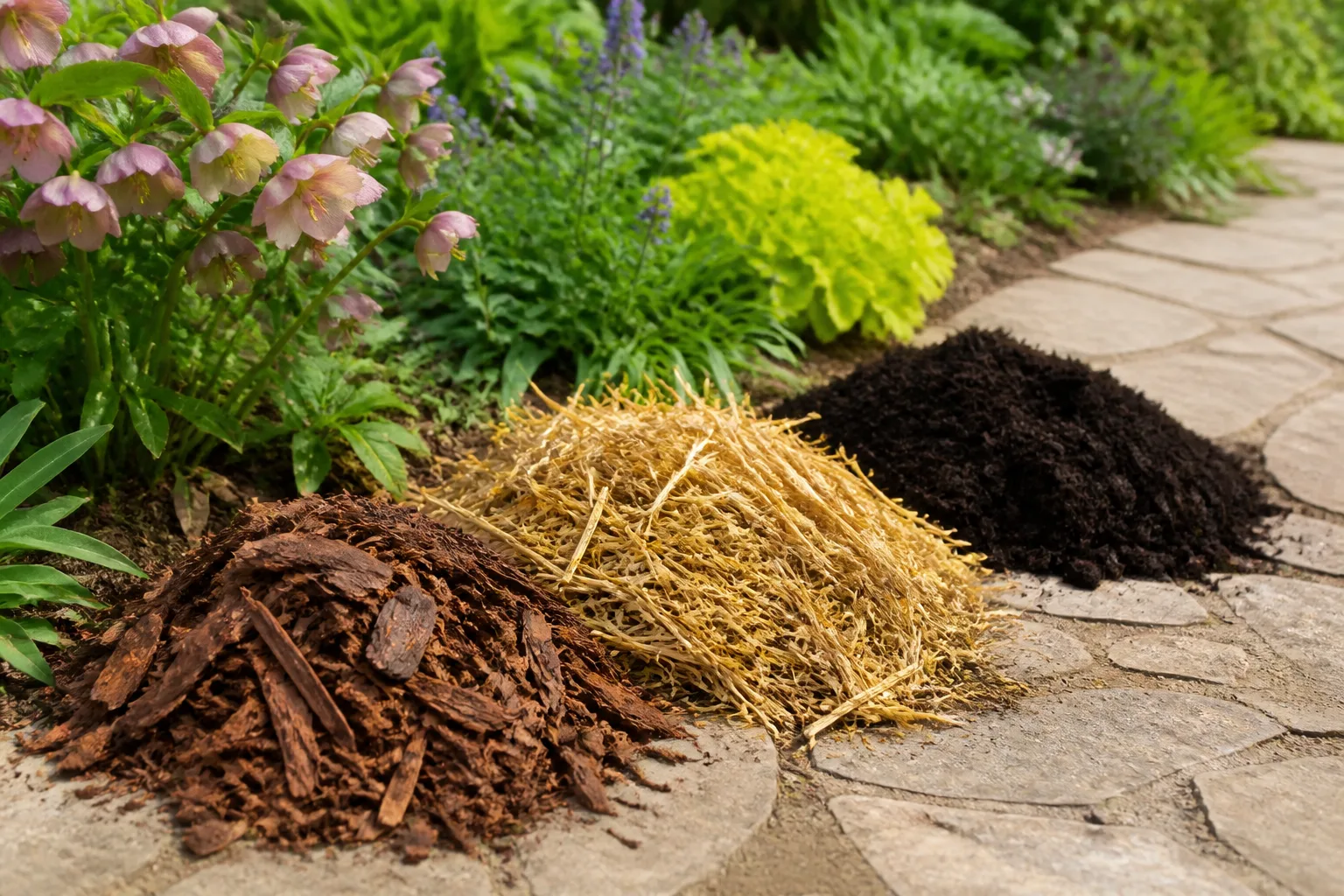
On paths and cracks: remove the crown and watch the edges
Use a narrow weeding knife or scraper to sever growth at the crack, then remove loose roots and debris. Avoid salt, bleach, or repeated high-strength vinegar applications; runoff can reach soil, drains, and plants beyond the paving. If a product is labeled for hard surfaces, check restrictions on runoff and nearby planting before using it.
The work is not complete when the visible top disappears. Seeds can lodge in a crack, and roots may extend under a path from a lawn edge or bed. Sweep soil and organic debris from joints, repair wide gaps if practical, and check the border after rain. Small follow-up removals are usually easier than waiting until the crack is packed with mature growth.
Conclusion
When a weed treatment fails, do not immediately repeat it or increase the dose. Check whether you identified the plant correctly, matched the method to its growth stage and site, and gave the chosen control enough time to work. A pre-emergent cannot be expected to erase established foliage, a leaf-applied product cannot be replaced by drenching bare soil, and cutting the top of a perennial may only pause its growth.
For most yards, the reliable routine is simple: identify before removing, prevent seed production, keep turf and beds vigorous, mulch exposed soil appropriately, and use labeled herbicides only when the target and site match. Revisit treated areas and adjust the method if new growth appears. Repeated, precise control usually works better than one aggressive application that harms the plants you meant to keep.



