Topsoil: What It Is and How to Use It
Learn what topsoil is, how it differs from compost and garden soil, how much to buy, and how to use it in beds, raised beds, and lawns.
The quick answer: what topsoil is
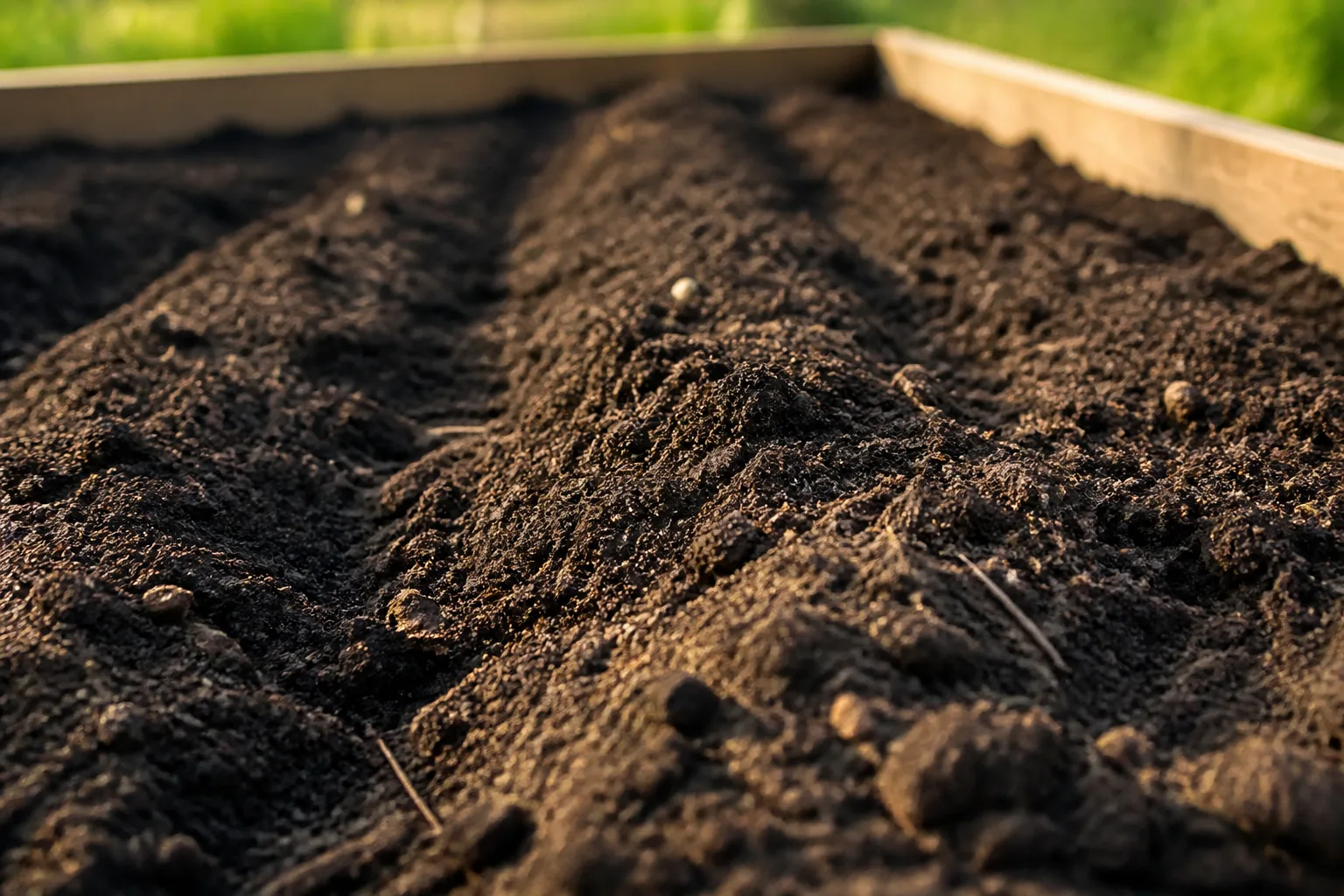
Topsoil is the upper layer of a natural soil profile, where most plant roots, organic matter, air, water, earthworms, and microbial activity are concentrated. In a garden center or landscape delivery, “topsoil” usually means a screened or unscreened mineral soil product sold to create depth, level ground, fill a landscape, or improve an outdoor bed. The bag name does not guarantee that it is fertile, weed-free, or suitable for every planting job.
That distinction matters. You already have topsoil in the ground, but it may have been eroded, stripped during construction, compacted by foot traffic, or mixed with poor subsoil. Buying more can restore a missing growing layer. It cannot automatically repair a perched water table, contaminated site, buried rubble, or a bed whose plants need a different pH.
The most useful rule is simple: use topsoil to add outdoor soil volume and improve a workable root zone; use compost to add concentrated organic matter; use potting mix for containers; and use fill dirt for volume beneath the root zone when fertility is not the goal.
Topsoil vs. garden soil, compost, potting mix, and fill dirt
These products overlap in everyday language, but they are not interchangeable. Topsoil is generally a mineral soil taken from or made to resemble the upper ground layer. It may contain sand, silt, clay, and decomposed organic matter, but the amount and quality vary by source. Garden soil is commonly a blended outdoor product with topsoil plus compost, bark, manure, or other amendments, often marketed as ready for beds.
Compost is not soil. It is decomposed organic material used to improve soil structure, water-holding, and nutrient supply. Compost is valuable in a bed, but a pile of compost by itself can settle, dry unevenly, or release nutrients too quickly for some plants. Mix it into mineral soil or use it as a surface amendment rather than treating it as a complete replacement for the soil profile.
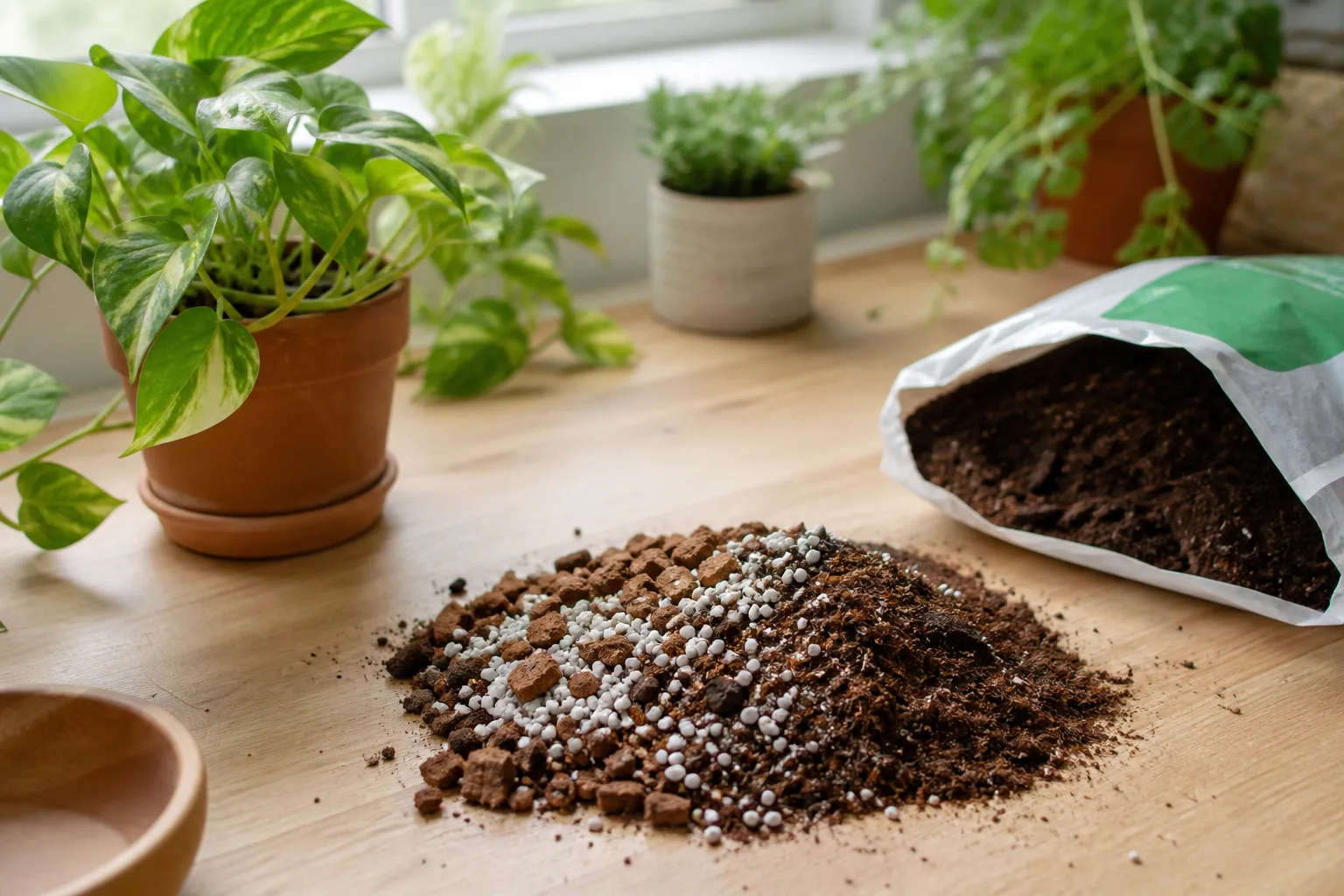
Potting mix is designed for containers, where roots have a small volume of media and depend on a stable balance of water-filled and air-filled pores. Garden soil and topsoil are usually too heavy and compactable for that setting. A useful comparison from Homes & Gardens is that topsoil belongs to outdoor beds, lawns, and landscape projects, while container plants need a purpose-built mix.
Fill dirt is the economical material for raising a grade or filling a deep depression below the productive root zone. It may contain subsoil, sand, stones, or other mineral material and is not intended to feed vegetables or establish a lawn at the surface. If you need to raise a site by a foot, do not spend topsoil money on the bottom 8 inches: use an appropriate clean fill, then finish with a tested, plant-friendly layer.
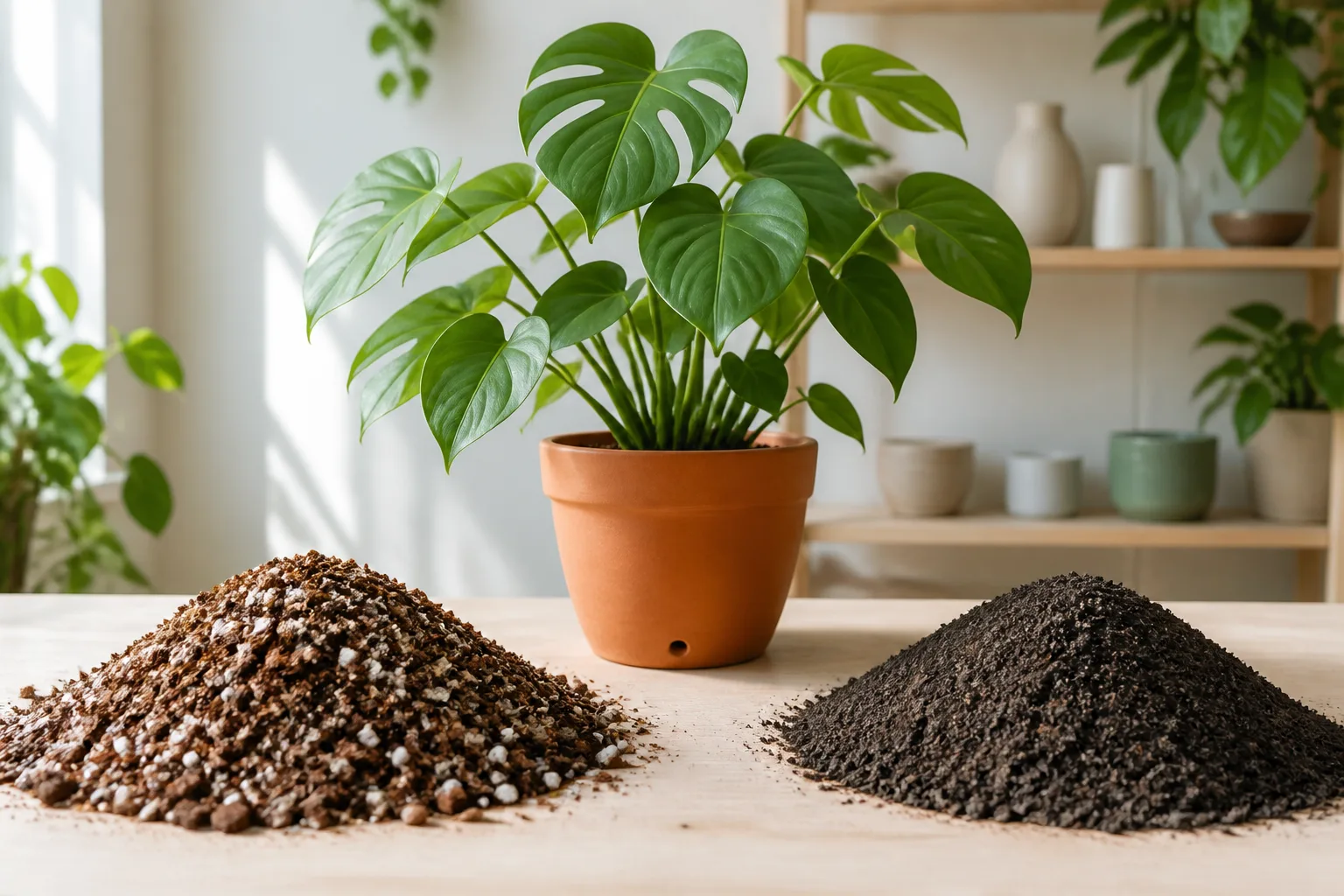
What topsoil is made of
Natural topsoil is a living mixture, not just “dirt.” It includes mineral particles weathered from rock, decomposed plant and animal material, water, air, roots, fungi, bacteria, and small animals. Gardening Know How describes the soil profile as a series of layers: the dark, organic-rich topsoil horizon sits above layers with more mineral subsoil and, eventually, weathered or solid rock.
Texture: sand, silt, clay, and loam
The mineral fraction controls texture, meaning the relative amount of sand, silt, and clay. Sand feels gritty and drains quickly but stores fewer nutrients. Silt feels smooth and can be fertile, yet it compacts and erodes easily. Clay has very small particles and a large surface area: it can hold nutrients and water, but dense clay drains slowly, seals at the surface, and becomes difficult to work when wet.
Loam is not a magic ingredient or a synonym for black soil. It is a balanced texture in which sand, silt, and clay work together, usually with organic matter and good structure. The RHS soil-types guide emphasizes the trade-off: sandy soils warm and drain quickly but lose water and nutrients, clay soils hold resources but compact and stay wet, and loams avoid many of those extremes.
Texture is difficult to change in an entire yard. Structure is more responsive. Roots, compost, mulch, earthworms, and careful traffic management can create better-connected pores even when the underlying texture remains sandy or clay-heavy. That is why adding a thin layer of lovely dark soil over a compacted base often gives a short-lived improvement: the old structure is still underneath.
Organic matter, air, water, and soil life
Organic matter helps mineral particles form stable crumbs. Those crumbs create a mixture of large pores that admit air and drain excess water, plus small pores that hold moisture for roots. As organic matter decomposes, it also supports soil organisms and contributes nutrients, but it does not replace the need for a suitable texture or a drainage path.
Look for the difference between fertility and physical condition. A soil can contain plenty of nitrogen and still suffocate roots because it stays waterlogged. It can drain well and still grow poorly because it is nutrient-poor or has an unsuitable pH. Topsoil helps when it supplies an adequate, clean growing layer with workable structure; it is not a cure-all fertilizer.
Decide whether you need topsoil
Start with the problem, not the product. Dig a small inspection hole and look at the top 8 to 12 inches. Is there a dark, root-friendly layer, or do you hit pale subsoil, rubble, construction fill, bedrock, or a compacted plate? Does water soak in after rain, or sit on the surface? Is the soil shallow because it eroded, or is it simply low in nutrients?
If the bed has enough depth but poor fertility, a soil test and compost may be more efficient than importing a truckload. If it is compacted, loosen the soil only when it is moist enough to crumble and add organic matter over time. If it is badly drained because of a high water table or a hardpan, extra soil may raise the surface but will not remove the water problem.
Topsoil is most useful when you need clean volume: a new bed over poor ground, a lawn base, a raised bed’s lower fill, or a shallow area that needs a modest grade correction. It is also useful when construction stripped away the original surface and left plants trying to grow in subsoil. Do not assume every struggling plant needs new soil; plant choice, light, irrigation, compaction, and pH may be the real constraint.
The best uses for topsoil
New beds and stripped or poor ground
For a new border or vegetable bed, quality topsoil can create enough depth for roots to establish, especially where the original topsoil was removed. Blend it with the existing soil at the interface rather than making a perfectly separate layer that roots must cross. Add finished compost according to the soil test and plant requirements, then protect the surface with mulch.
The right depth depends on the plants and the site. The RHS recommends at least 4 inches (10 cm) for laying lawns and about 8 inches (20 cm) or more for new beds; its topsoil buying guide also distinguishes these use cases from general landscape fill. Treat those as starting points, not a universal prescription. Deep-rooted crops and shrubs need more usable soil, while shallow-rooted annuals can manage with less if the underlying ground is healthy.
Raised beds
Topsoil is a practical way to reduce the cost of filling a raised bed, but it should not be the only material by default. Use clean, quality topsoil for the bulk of the volume, then blend in compost or a tested garden soil so the root zone has organic matter and workable structure. A common planning ratio is roughly 60% topsoil, 30% compost, and 10% garden soil, but local products vary, so treat a ratio as a starting framework rather than a guarantee.
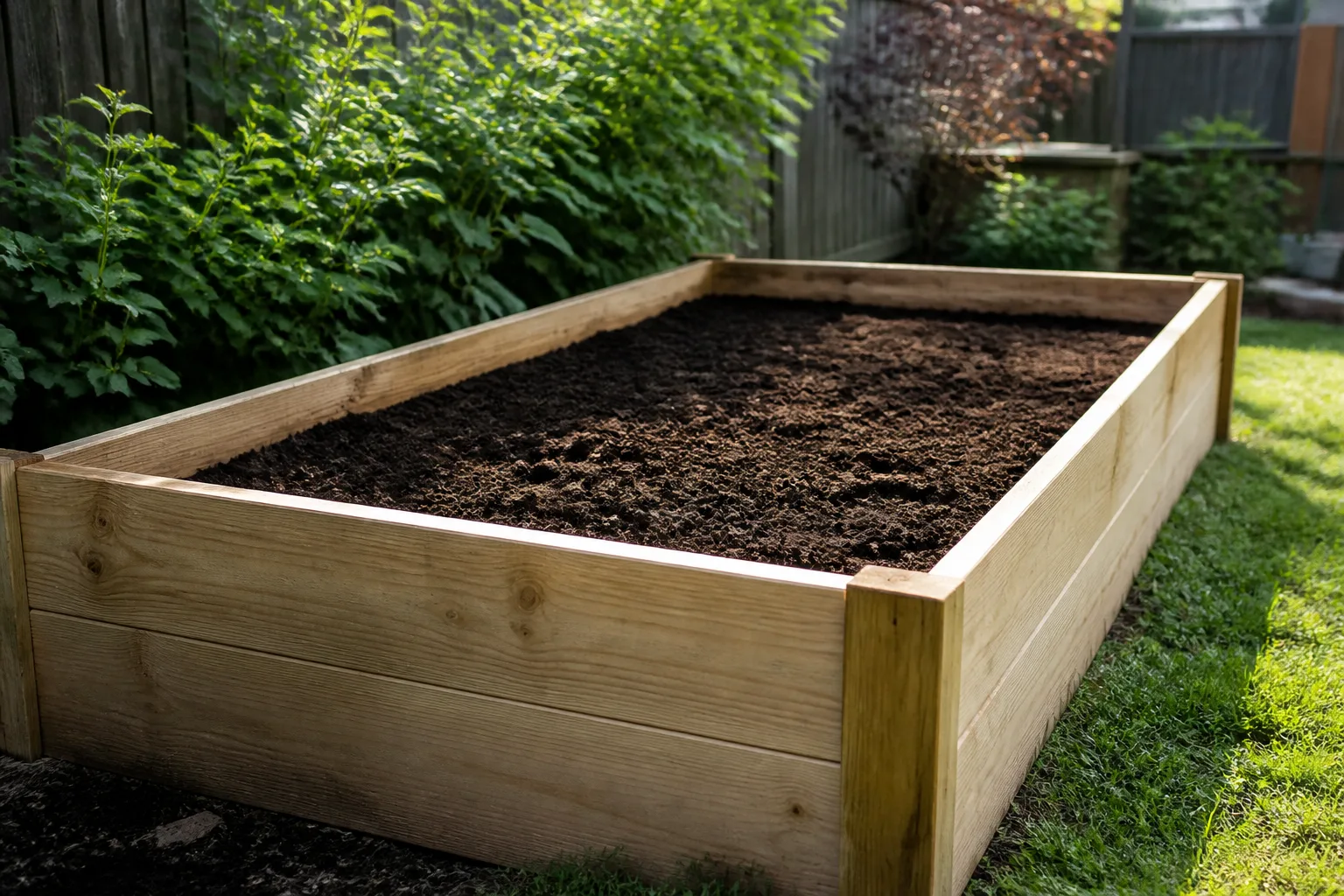
For a tall raised bed, reserve the best, finest mix for the upper root zone. Do not bury a layer of landscape fabric, gravel, or impermeable plastic beneath the soil unless the bed design specifically requires it. On a solid patio, drainage needs to exit through the bed or planter. On open ground, loosen the native surface and remove perennial weeds before filling so the new soil can connect with the site.
Lawns and shallow grade correction
Topsoil works well as a base for grass seed or turf when the existing ground is cleared, level, and able to drain. Rake it into a fine, even layer, break up clods, and avoid creating a sharp boundary over hard soil. For small lawn dips, use thin top-dressing applications rather than burying grass under a deep blanket. Let the grass grow through between applications.
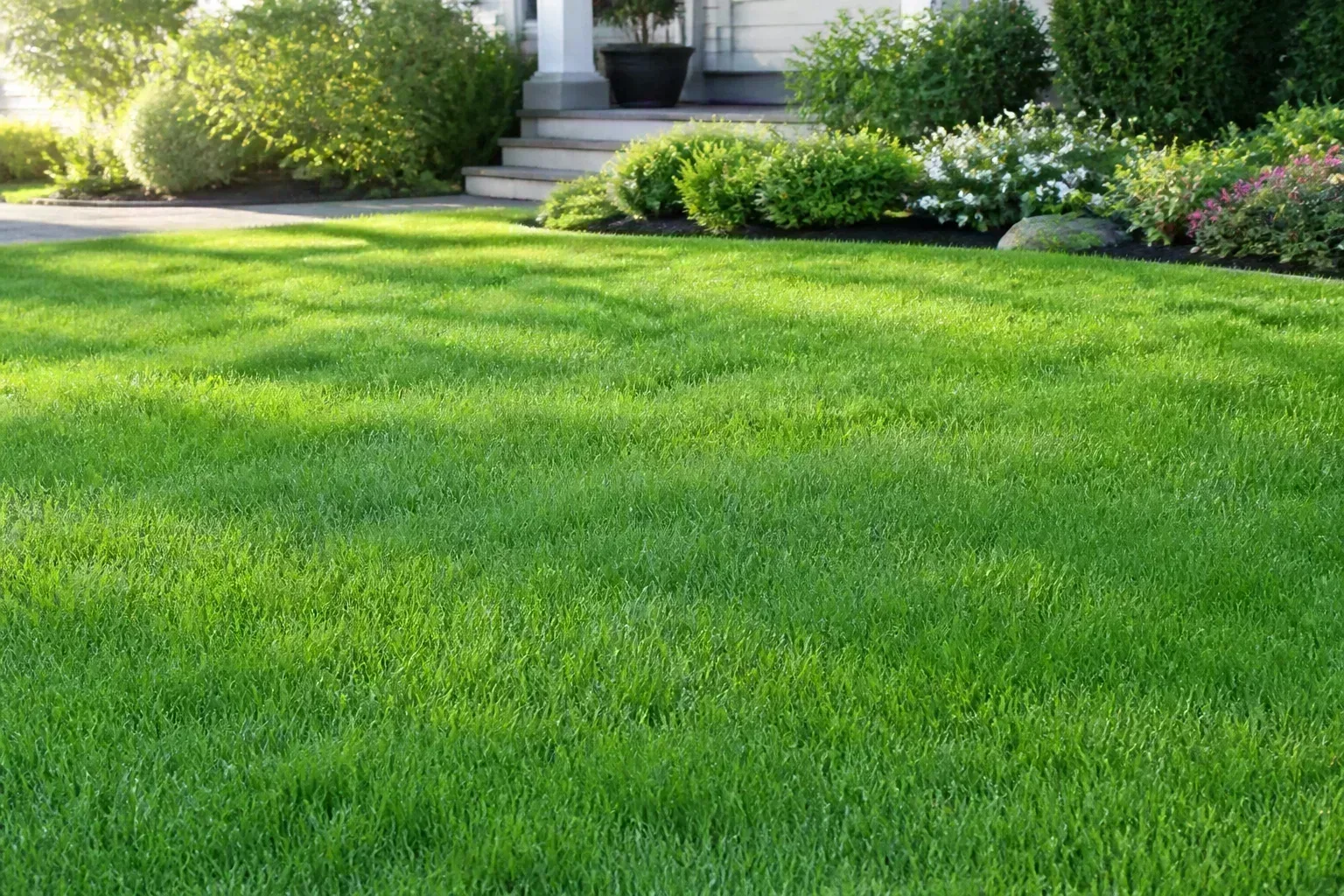
Topsoil is also useful for filling a shallow depression, but do not hide a drainage route or bury a tree’s root flare. For large or repeatedly wet low spots, correct the grade or investigate the source of the water first. A supplier guide may suggest adding topsoil and sand to a swampy area, but covering standing water without fixing the outlet can simply move the problem to the next rain.
How to choose topsoil that will help
Read the label, ask where the soil came from, and inspect it if possible. A good product for planting should have a consistent texture, an earthy smell, limited stones, no glass or construction debris, and no obvious chunks of plastic, roots, or invasive weed rhizomes. “Natural,” “organic,” “premium,” and “black dirt” are not enough information on their own.
Choose screened topsoil for beds, lawns, and areas where you need an even finish. Screening removes much of the rock, sticks, and coarse debris, although it does not necessarily remove every weed seed or guarantee a particular nutrient level. Unscreened or “as dug” soil can be economical for deep landscape fill, but you may need to sort out stones and roots before planting.
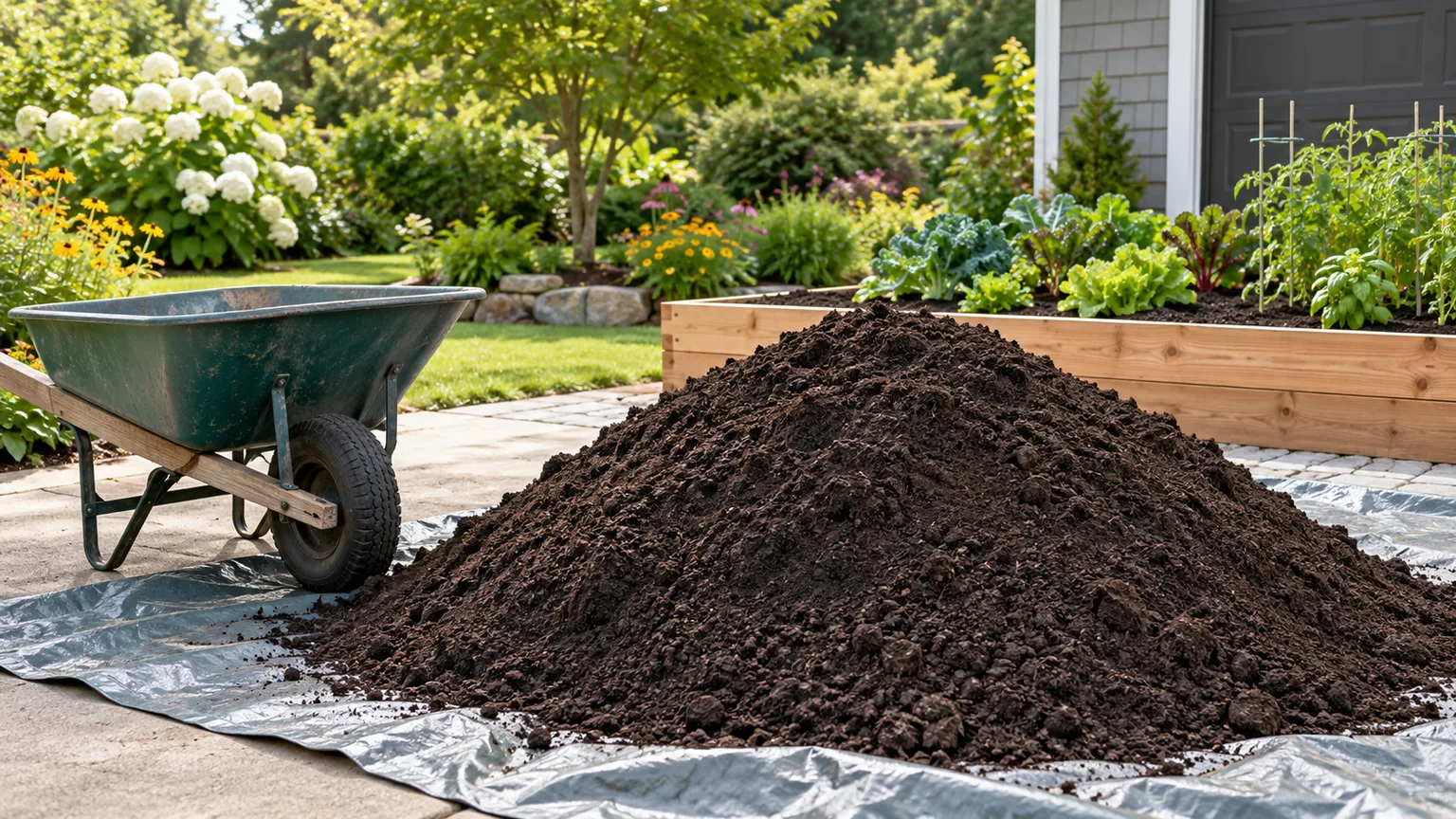
For bulk deliveries, ask the supplier for the source, whether the load is consistent, and any available soil analysis. The RHS specifically advises checking for stones, thick roots, weeds, and contaminants and asking whether the material all comes from the same origin. Soil taken from building sites can be variable. Imported soil can also introduce unwanted weeds or invasive plants, so inspect a delivery on a tarp before spreading it across a bed.
Bagged soil is easier to inspect in small quantities and makes sense for a few containers or a small bed, but bags are expensive for large areas. Bulk soil usually costs less per volume, yet delivery access, moisture, settling, and inconsistent loads matter. Buy a sample or a single bag first when you cannot see the bulk pile.
How much topsoil to buy
Measure the area in the same units. The basic formula is length × width × depth = volume. For a rectangular bed measured in feet, multiply those three numbers to get cubic feet, then divide by 27 to convert to cubic yards. For a 12-by-4-foot bed receiving 8 inches of topsoil, calculate 12 × 4 × 0.67, or about 32 cubic feet—approximately 1.2 cubic yards.
For an irregular bed, divide it into rectangles or triangles and add the volumes. Bag labels typically list cubic feet, litres, or coverage at a stated depth, so compare the actual volume rather than the number of bags. Add a modest allowance for settling and uneven ground, but do not order a huge excess “just in case”; stored soil can become wet, compacted, or weedy.
Measure the finished depth after the old soil has been loosened and the new material has been blended. If you need to raise the bed by 8 inches, the delivered volume is not all available root depth once it settles. Leave clearance below paths, edging, siding, and tree trunks, and keep soil away from building surfaces where it could trap moisture.
How to use topsoil in a garden bed
A practical application sequence
- Inspect the site. Remove construction debris, perennial weeds, compacted clods, and standing water. Check whether the bed is actually deep enough for the plants you plan to grow.
- Test representative soil. Take samples from the existing bed or from a blended sample of the material you intend to use. For a garden, Penn State Extension recommends cores 6 to 8 inches deep from 8 to 10 random spots, mixed in a clean plastic bucket before sending the sample. Its soil-testing guidance explains that a test can measure available nutrients, pH, organic matter, and lime or fertilizer needs.
- Improve the base. Loosen the top few inches of native soil when it is crumbly, not sticky. Add finished compost or another appropriate amendment only after considering texture, pH, and the plants’ needs. Do not aggressively till wet clay.
- Spread in layers. Place topsoil evenly, then rake it without walking repeatedly across the bed. For a deep build, add and lightly settle successive layers rather than dumping the entire load in one compacted mound.
- Blend the interface. Mix the new topsoil into the upper portion of the existing ground so roots are not stopped by a sudden change in density. In a no-dig bed, a surface layer can work, but expect roots and soil organisms to integrate it gradually.
- Settle and observe. Water lightly to settle dust and reveal low spots; do not turn the bed into mud. Let excess water drain, top up shallow areas, and recheck the level after a few days.
- Finish with mulch. Once planted, use a suitable organic mulch on the surface, keeping it away from stems and trunks. Mulch protects the new layer from erosion and drying, while the soil beneath develops better structure.
Do not fertilize automatically just because new soil looks dark. A dark color can come from organic matter, moisture, or the source material, not a measured nutrient balance. Use the test report and the crop’s feeding needs. Overfeeding a fresh bed is harder to undo than waiting for a clear deficiency.
What about topsoil in containers?
For ordinary pots, do not use topsoil as the main growing medium. It is heavy, settles under repeated watering, and can leave too little air around roots. A pot with a drainage hole still cannot behave like open ground: water moves through a limited column of media and can remain perched above a dense layer. Roots may wilt from low oxygen even while the surface appears dry.
Choose a container potting mix formulated for the plant. If a very large outdoor planter needs inexpensive bulk below the root zone, follow the planter maker’s design and keep the actual planting zone in a suitable potting medium. Do not put a few inches of gravel beneath topsoil and call that drainage; a gravel layer can create a perched-water zone instead of improving flow.
Common topsoil mistakes to avoid
The most expensive mistake is buying soil before identifying the job. Topsoil may add depth, but it does not automatically fix poor drainage, salt buildup, contamination, extreme pH, or compaction below the surface. Dig first, observe water movement, and test before you commit to a large delivery.
Avoid these shortcuts:
- Covering a wet area with soil. Fix the grade, outlet, or drainage condition before raising the surface.
- Using fresh manure or unfinished compost as a substitute. Immature organic material can heat, settle, tie up nitrogen, or damage roots.
- Adding a thin layer over a hardpan. Blend the interface or address the compacted layer; do not create a shallow bowl that holds water.
- Assuming “premium” means weed-free. Ask what screening, testing, and source controls actually mean for that product.
- Working wet clay. Walking or tilling it when sticky destroys structure and creates long-lived plates.
- Burying stems, trunks, or crowns. Soil piled against woody trunks or plant crowns creates moisture and disease problems.
- Using topsoil in houseplant pots. Outdoor mineral soil is not a cheaper potting mix.
- Following fertilizer advice on the calendar. Nutrient requirements vary by crop, soil, climate, and test result.
Test, feed, and adjust after adding topsoil
Topsoil and compost change the soil you test, so sample the finished root zone rather than relying on an old report. Test before adding lime or large fertilizer doses, and allow amendments time to mix before retesting. The RHS notes that testing soon after adding lime, fertilizer, or organic matter can give misleading results; its pH and soil-testing advice recommends representative sampling and laboratory analysis when accuracy matters.
Most general garden plants tolerate a moderately acidic to near-neutral soil, but the best pH depends on the crop. Blueberries and rhododendrons need a more acidic setting than many vegetables, while some plants are adapted to alkaline or chalky ground. Do not use topsoil to force every plant into the same pH. Match the plant to the site when that is more practical than repeatedly acidifying or liming it.
Fertilizer is a separate decision from soil volume. If a soil report shows adequate nutrients, adding more fertilizer can create excesses without improving growth. If nutrients are low, follow the report’s crop-specific rate and incorporate organic matter as a long-term structure strategy, not as a reason to skip measurement. Watch how the bed behaves through a wet period and a dry period; drainage and water-holding are performance tests that a bag label cannot replace.
If the new soil does not solve the problem
Give the bed a structured diagnosis instead of adding another layer. If plants wilt while the soil is wet, inspect drainage, root oxygen, and compaction. If the surface dries immediately and repels water, check for crusting or hydrophobic organic material and water slowly enough to re-wet the profile. If growth is pale but the soil drains normally, test pH and nutrients before feeding.
If weeds appear, remove them while young and identify whether they came from the imported soil, wind, or disturbed native ground. If stones or debris surface after rain, rake and remove them rather than burying them again. If the soil settles far more than expected, top up with a compatible material and reduce foot traffic while the structure develops.
A new bed can also fail because the plants are wrong for the conditions. Clay-rich topsoil is not automatically bad; it may be productive when improved with organic matter and planted with species that tolerate its seasonal wetness. Sandy topsoil is not automatically superior; it may need mulch and careful irrigation. Let the site’s texture, light, water, and climate guide the planting plan.
Conclusion
Topsoil is the productive upper layer of outdoor soil and a useful landscape material—not a universal replacement for garden soil, compost, potting mix, or fill dirt. Use it when you need clean, plantable volume for a new bed, raised bed, lawn base, or modest grade correction. Choose it by source, texture, screening, cleanliness, and analysis rather than by a dark color or premium label.
The best application is deliberate: inspect and test the site, solve drainage and compaction issues first, calculate the volume, spread the soil evenly, blend the interface, settle it gently, and feed only from evidence. That sequence turns topsoil from an expensive pile of dirt into a useful part of a functioning root zone.