7 Things That Can Save Your Plants If You Left Them Out in the Cold
Left a potted plant outside in the cold? Learn how to triage freeze damage, inspect roots, manage pests, adjust light and water, and support recovery indoors.
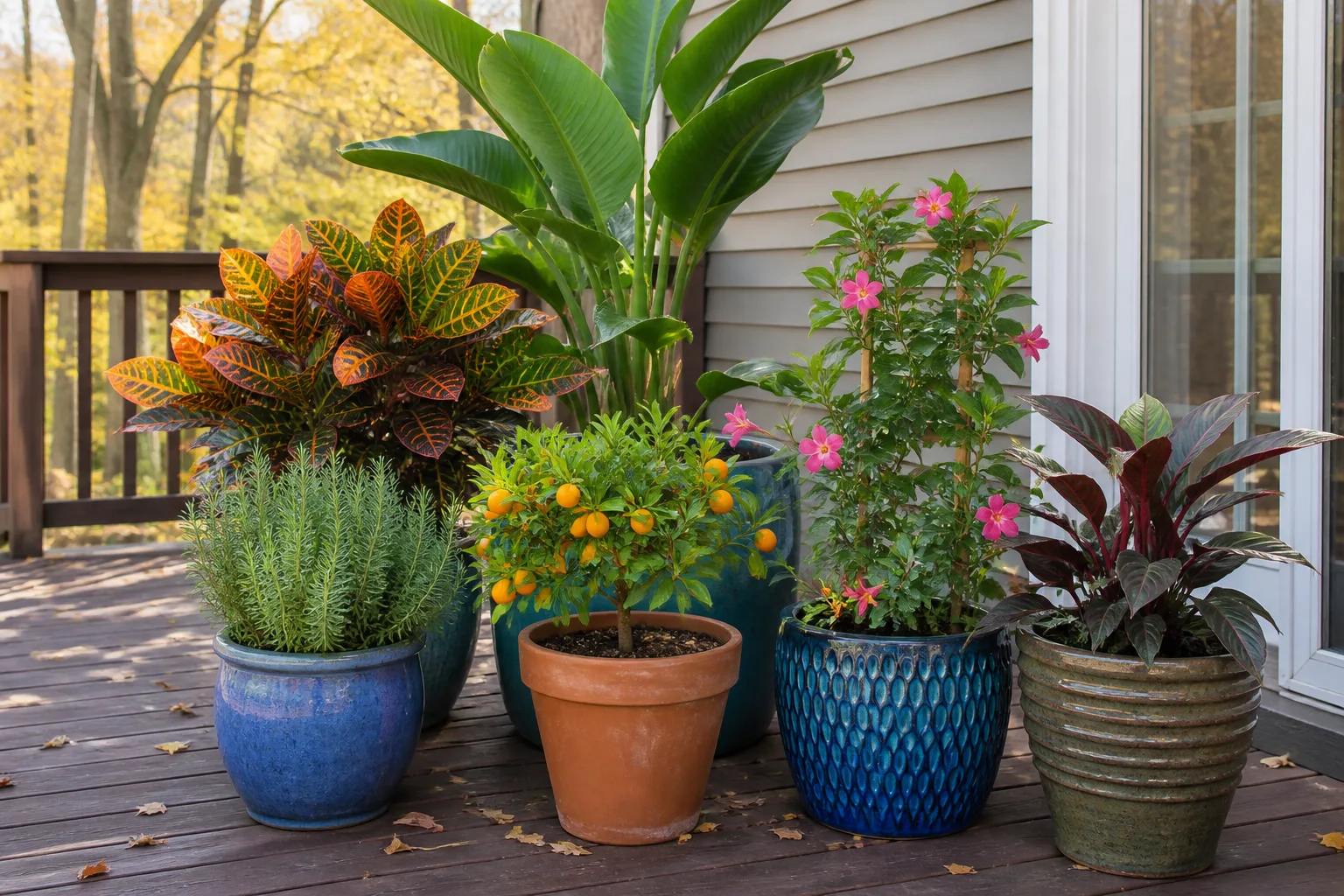
You remembered the plants only after the temperature dropped. Before you decide that a limp, blackened, or leafless plant is lost, separate the emergency from the aftermath: protect it from more cold first, then assess what is still alive.
The best rescue plan is deliberately boring. Move tender plants out of exposure, let frozen tissue thaw without a blast of heat, check the roots and pot, remove obvious pests, and then give the plant several weeks of stable light and careful watering. Some plants recover from damaged leaves; others have lost their growing point or roots and will not.
Can a Plant Recover From a Cold Night?
Yes, sometimes. A plant can lose leaves and still recover if its stems, crown, or roots contain living tissue. The odds are better after a brief, light frost than after hours of hard freezing, and they are better for a plant that was watered normally and protected from wind than for a dry container exposed on all sides.
Cold injury is not one single problem. Tender tropicals such as hibiscus, coleus, citrus, and bougainvillea may be injured by chilling temperatures before the air reaches 32°F, while a hardy perennial may lose its top growth and still regrow from a protected crown. Rutgers New Jersey Agricultural Experiment Station explains that container roots can be more vulnerable than roots in the ground because the growing medium is exposed to near-ambient air temperatures, so a plant can look acceptable above the soil while its root system has been harmed (Rutgers NJAES).
Use the growing point as your first reality check. A flexible green stem, firm crown, living bud, or pale, healthy root is encouraging; a sour-smelling root ball, mushy crown, or completely brown and brittle stem is a much worse sign. Do not make the final call from one collapsed leaf.
Sort the Plant by Cold Risk Before You Act
The correct destination depends on what the plant is, not simply on how dramatic its leaves look. A tropical patio plant may need a warm, bright room, while a hardy deciduous shrub in a pot may be safer in an unheated garage or sheltered porch than beside a radiator.
| Plant or condition | What the cold may have done | Safest next destination |
|---|---|---|
| True houseplant or tender tropical | Chilling injury, leaf collapse, stem damage, or root injury | Frost-free indoor spot with steady warmth and bright light |
| Succulent or drought-tolerant tender plant | Cold plus wet soil can damage roots quickly | Bright, dry, frost-free space; let the mix approach appropriate dryness |
| Hardy perennial or deciduous shrub in a container | Top growth may be dormant or damaged; roots remain exposed | Sheltered outdoors, cold frame, or cool garage depending on forecast |
| Plant that is still frozen, waterlogged, or in a cracked pot | Mechanical and root damage may worsen during another freeze | Protected holding area while you inspect and stabilize it |
Texas A&M AgriLife Extension’s practical rule is simple: move potted plants when a hard freeze is expected, and cover them when moving is not possible. Its guidance also notes that tropical plants may be damaged even when temperatures do not reach freezing (Texas A&M AgriLife Extension).
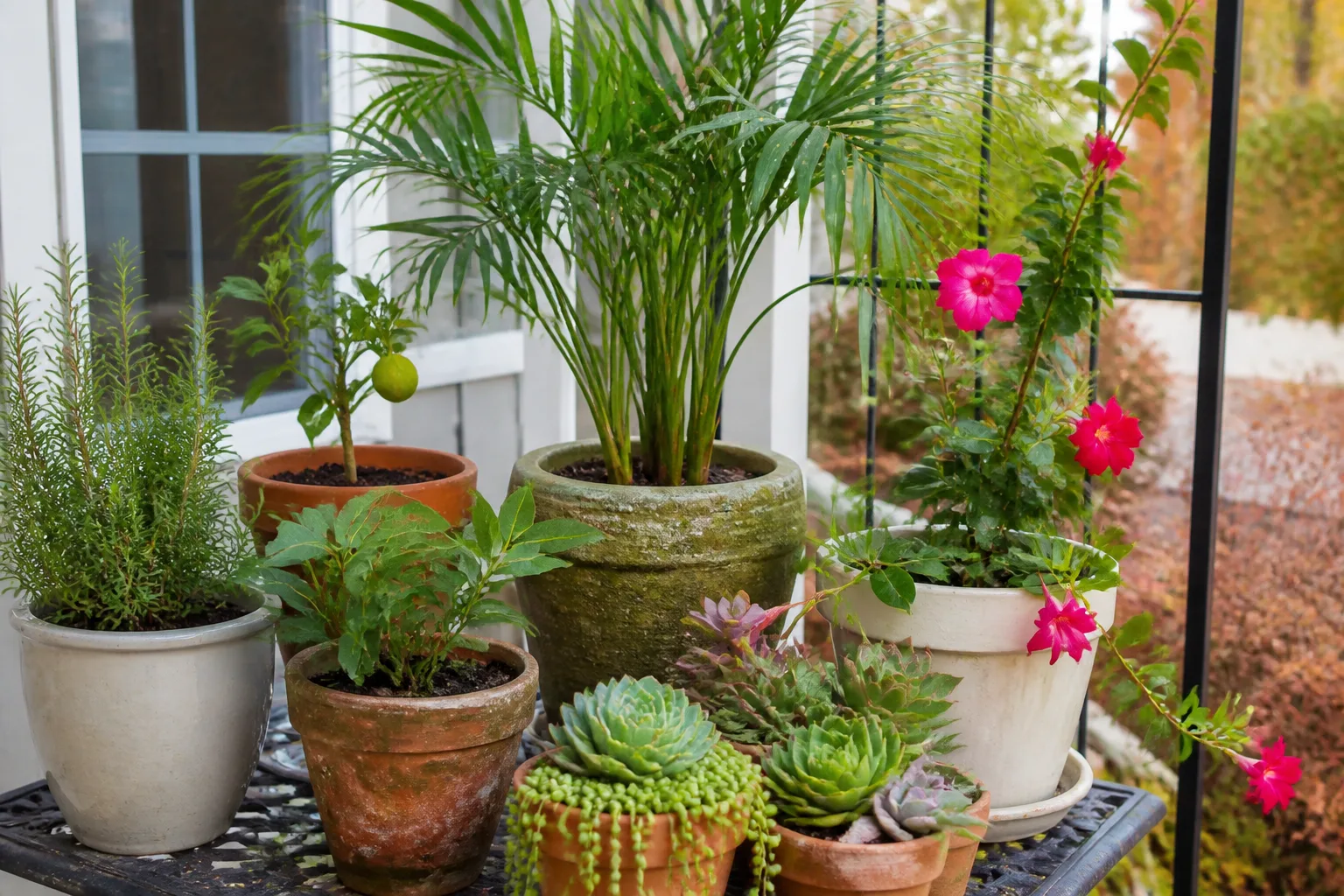
Do not force every plant into the warmest room in the house. Warmth can wake a dormant hardy plant too early, and a dark, heated room can make a tender plant stretch while its roots stay wet. If you are unsure of the species, look at the plant tag or identify it before choosing a long-term winter location.
Move It Out of Wind and Let Frozen Tissue Thaw Slowly
If the plant is still outside, move it out of wind and away from the next forecasted freeze. A covered porch, enclosed entry, cool garage, greenhouse, or bright indoor room can work, but the best choice depends on whether the plant is tender or hardy. Do not drag a frozen plant through the house while its leaves are stiff and brittle if you can avoid it; support the pot and let the foliage thaw gradually.
Avoid placing a cold plant directly against a radiator, heat vent, fireplace, or space heater. A sudden temperature swing dries foliage while frozen tissue is already unable to regulate water, and warm air can trigger growth before the plant has enough light. Set it somewhere stable, with room around the leaves and no direct blast of heat.
If frost is visible, do not rub it off. Once the plant has thawed, remove loose ice or dead debris gently, but wait before judging the damage. Tissue that looks water-soaked or wilted immediately after thawing may darken over the next few days; that delay is one reason a rushed pruning session can remove living buds that would have pushed new growth.
Check the Pot, Root Ball, and Soil
The container deserves as much attention as the foliage. Look for a cracked terracotta or ceramic pot, blocked drainage holes, soil that has frozen into a solid mass, and water sitting in the saucer or cachepot. A freeze followed by a warm, wet indoor room is a fast route to root loss.
Lift the pot carefully. If it feels unusually light and the mix is dry several inches down, the plant may have been drought-stressed before the cold arrived. If it feels heavy and the mix is cold and saturated, do not add water simply because the leaves are drooping. Roots need oxygen as well as moisture, and a stressed plant cannot use a wet root ball efficiently.
For a container that stayed outside, raise it on pot feet, bricks, or a slatted surface once it is in a protected area so excess water can drain. Gardeningetc’s container-frost guidance recommends sheltering tender plants in a frost-free location and insulating hardy pots without covering the compost surface; it also warns that waterlogging can damage both roots and pots when temperatures drop again (Gardeningetc).
Do not repot immediately just because the plant looks unhappy. Repot only if the container is broken, the root ball is rotting, or the soil has become a dangerous, persistent swamp. Root disturbance adds another stress while the plant is trying to recover, so wait for active growth when possible.
Wash, Isolate, and Quarantine for Pests
Any plant that spent time outside should be treated as a possible pest carrier before it joins your indoor collection. Check leaf undersides, stem joints, new growth, pot rims, saucers, and the soil surface for aphids, mealybugs, whiteflies, scale, spider mites, slugs, and egg clusters. Cold weather does not guarantee that pests are gone; a sheltered pot can carry insects indoors where they reproduce quickly.
While the plant is still outside or in a washable holding area, rinse the foliage with a gentle stream of lukewarm water. Let the leaves dry before bringing the plant beside other plants. Wipe visible insects and cottony clusters with a damp cloth or cotton swab, and remove badly infested leaves only if the plant has enough healthy foliage left to support recovery.
Keep the rescued plant separate from your collection for at least two weeks, and inspect it several times during that period. If treatment is needed, use a product labeled for the plant and pest, follow the label, test a small area first, and never spray a cold, wilted, or sun-stressed plant indiscriminately. A stressed plant needs an accurate diagnosis more than a blanket pesticide application.
Remove Only Tissue That Is Clearly Dead
Wait until the plant has thawed completely before pruning. Then remove broken stems, tissue that is leaking or mushy, and leaves that are fully brown, black, or detached. Use clean, sharp pruners and cut back to firm tissue; if the cut surface is brown and dry, move lower in small increments rather than stripping the whole plant at once.
Leave firm stems and partially green leaves alone for now. They may look unattractive, but they can still photosynthesize and may protect dormant buds from further drying. Texas A&M AgriLife Extension notes that cold injury can appear as blackened tissue and that damage may not be obvious right away, while Rutgers describes delayed symptoms in stems, foliage, crowns, and buds as plants become active again (Texas A&M AgriLife Extension).
Do not use pruning as a way to make the plant look recovered. Severe pruning reduces the remaining energy-making surface and can expose live tissue to indoor dryness or another cold event. Recheck in five to seven days, then prune again only where the boundary between dead and living tissue has become clear.
Give the Plant the Right Indoor Transition
Moving from outdoor sun and moving air to a room changes several conditions at once: light intensity, temperature range, humidity, airflow, and drying speed. That combination can cause yellow leaves, drooping, or leaf drop even when the cold did not kill the plant.
Start a tender plant in bright, indirect light or a bright window rather than placing it immediately in the darkest convenient corner. If it came from full sun, use a sheer curtain or a little distance from the glass for the first few days, especially if the plant is already damaged. After it stabilizes, move it closer to the window or add a grow light based on the plant’s light needs.
Avoid crowding a newly rescued plant into a dense plant display. Give it airflow and enough space to inspect every leaf, but keep it far enough from heaters, exterior door drafts, and cold glass that the temperature stays reasonably even. A stable, slightly imperfect location is usually better than a bright spot with repeated hot-cold swings.
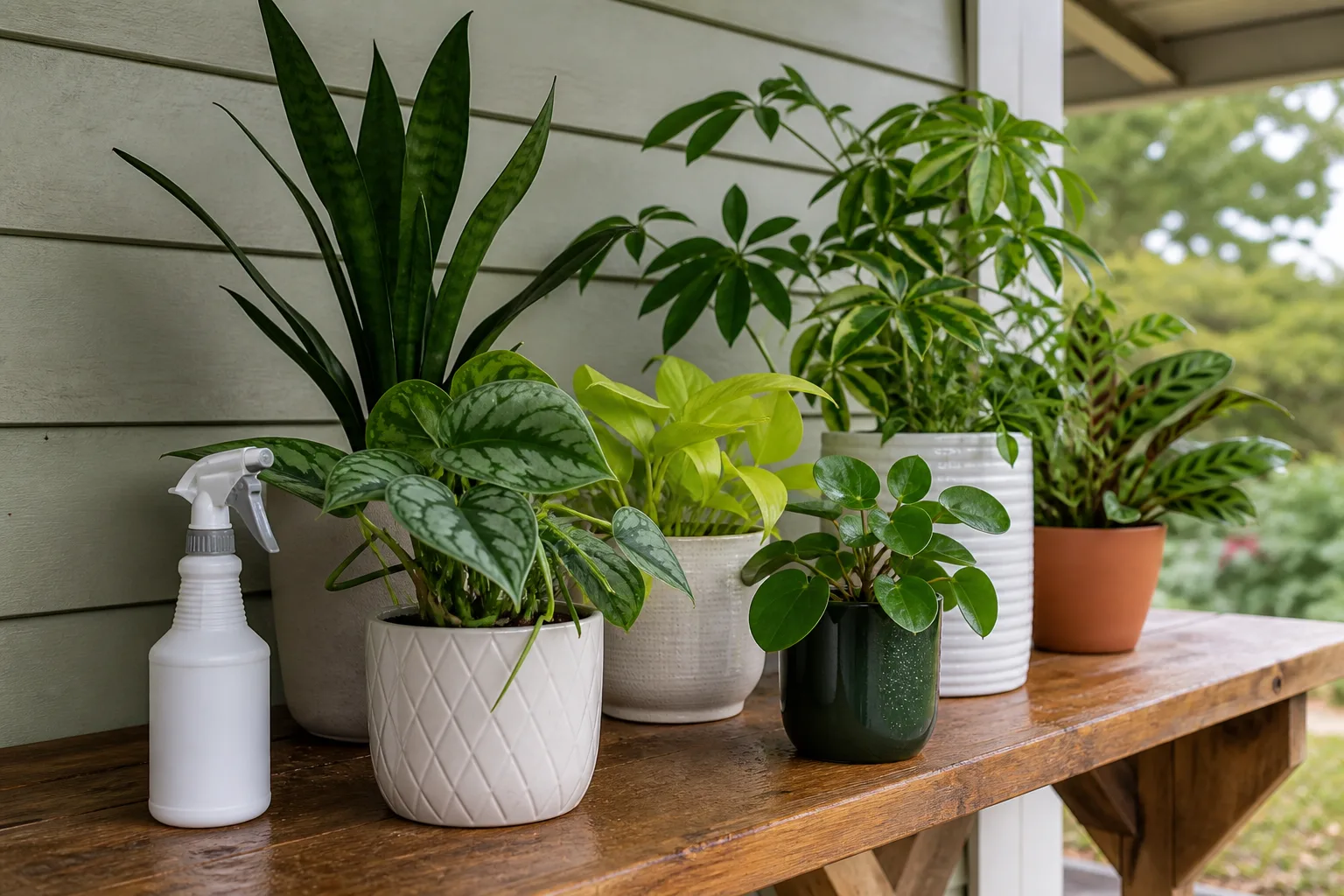
Choose Light Based on the Plant’s New Growth
Use the plant’s response rather than a fixed indoor schedule. If new stems become long and weak, leaves turn unusually pale, or the plant leans strongly toward the window, it needs more usable light. If leaf edges bleach or scorch, increase distance from intense sun or grow lights and make changes more gradually.
Outdoor light is often much stronger than a window provides, even when the window looks bright to your eyes. A plant that survived summer sun may therefore shed a few older leaves indoors while it reallocates resources to lower-light conditions. That is a transition cost, not automatically a sign that the rescue failed.
Add a Grow Light When a Window Is Not Enough
A grow light can help when the only available window is dim, blocked by winter shade, or too far from the plant. Use a suitable full-spectrum LED fixture, keep it at the distance recommended for that fixture, and give the plant a consistent day-night cycle rather than leaving the light on continuously.
Light should support recovery, not force growth. A plant with frozen roots or a rotting crown cannot use extra light to compensate for damaged tissue, so solve the temperature and root problem first. Once the plant is stable and producing or maintaining healthy tissue, supplemental light becomes more useful.
Reset Watering After the Move
Stop using the outdoor watering schedule. Indoors, lower light, less wind, cooler soil, and a smaller evaporative demand usually mean that the root ball dries more slowly. The top of the soil may feel dry while the center remains wet, especially in a large pot or a heavy mix.
Check moisture at more than one point with a finger, wooden skewer, or moisture meter, and compare that reading with the pot’s weight. Water only when the plant’s normal care requirements and the actual root-zone moisture agree. When it is time to water, moisten the mix thoroughly until a little drains from the holes, then empty the saucer.
If the soil is cold, saturated, or smells sour, wait. If the plant is a dry, actively growing tropical in a warm room, water may be appropriate even though the calendar says winter. Texas A&M AgriLife Extension likewise advises reducing indoor watering and allowing drainage, while its freeze guidance warns that soggy conditions can damage roots (Texas A&M AgriLife Extension).
Do not try to fix cold damage by misting constantly. Wet leaves in poor airflow can encourage disease, and misting does not replace a functioning root system. If dry winter air is the secondary problem, a humidifier or a well-spaced plant grouping is easier to control than keeping foliage wet all day.
Skip Fertilizer Until You See Active Growth
Cold-stressed plants are not asking for a meal; they are trying to maintain living tissue. Fertilizer salts can accumulate when growth and water use slow, and feeding a plant that has damaged roots can make the root-zone problem worse.
Hold fertilizer until the plant has settled, the roots are functioning, and you can see active new growth. For a hardy plant held cool and dormant, wait until its normal spring growth begins. For a tender tropical that remains warm and visibly grows indoors, resume a light, label-directed feeding schedule only after the recovery signs are consistent.
When you restart, use the plant’s normal product and dilution rather than a stronger dose meant to “speed up” recovery. New leaves require a functioning root system, adequate light, and appropriate moisture; fertilizer cannot substitute for any of those.
Choose a Stable Winter Location
The best spot is a compromise between light, temperature, humidity, and access for inspection. Keep the plant away from heating vents, radiators, exterior doors, and cold panes. Avoid placing it directly above a heater or in a drafty hallway simply because that is where there is floor space.
Tender tropicals generally need a frost-free, bright location with enough warmth to avoid repeated chilling. Hardy deciduous plants may prefer a cool, sheltered space where they can remain dormant, while evergreen plants still need light and may lose water through their leaves during dry winter weather. A plant’s hardiness rating describes the species in a landscape; it does not guarantee that its exposed container roots will tolerate the same minimum temperature.
A humidity tray can modestly improve the immediate air around a plant if the pot sits above the waterline on pebbles, but it cannot replace light, airflow, or correct watering. A room humidifier is more useful when several plants need higher humidity, provided the room still has airflow and surfaces do not remain damp.
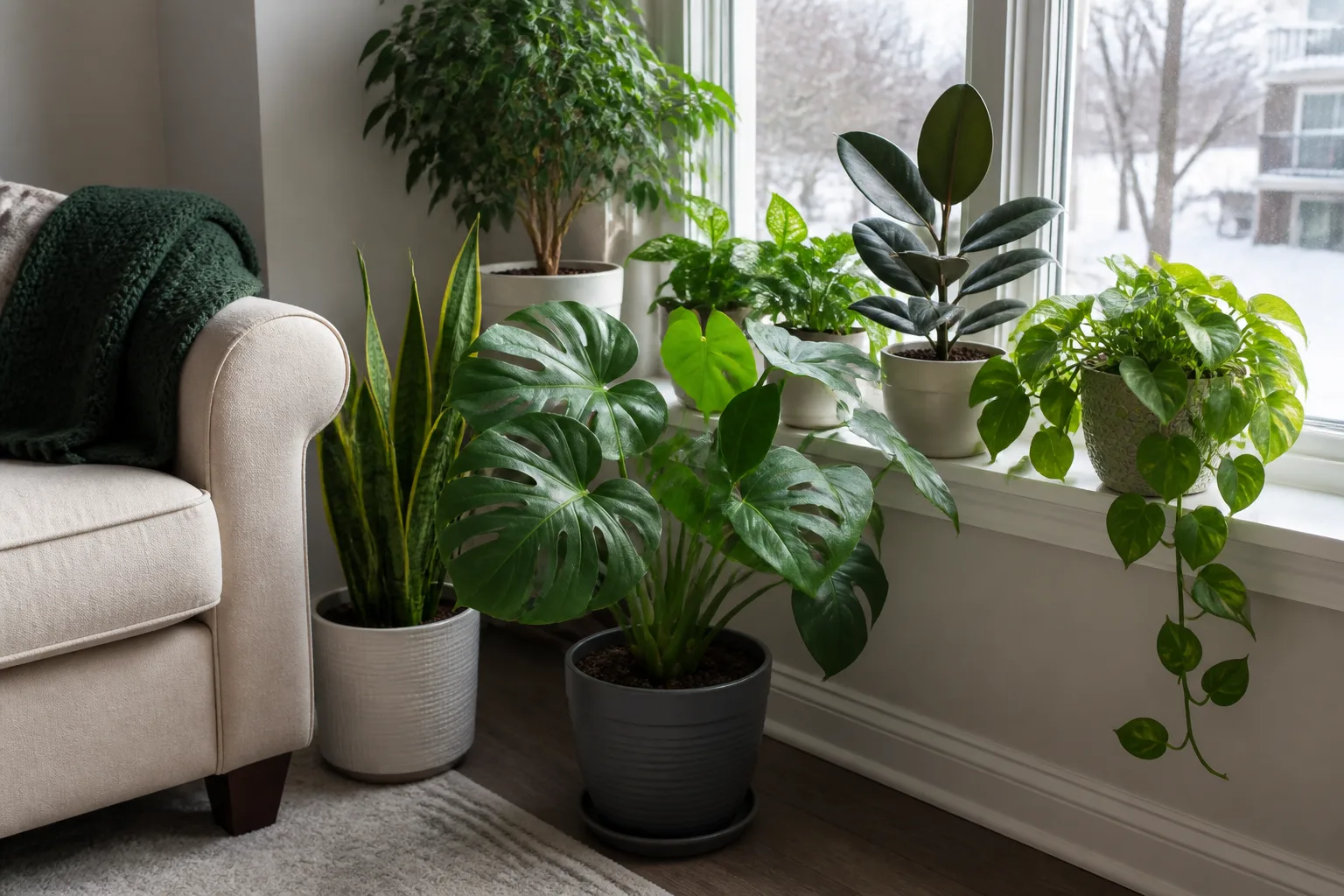
Treat Leaf Drop as a Symptom, Not a Verdict
Leaf drop after the move may come from cold injury, lower light, a change in humidity, root damage, or several of those at once. Ficus, hibiscus, citrus, and other plants that dislike abrupt changes can shed leaves even when their stems and roots remain alive.
Look at the pattern. A few older leaves dropping while stems stay firm and the soil dries normally is a watch-and-wait situation. A rapidly expanding collapse, soft stem base, sour soil, blackening at the crown, or leaves falling from a perpetually wet pot points toward a more serious root or stem problem.
Do not respond to every dropped leaf with more water, more fertilizer, or a darker hiding place. Keep a simple weekly note of soil moisture, light position, pest observations, and new growth. That record separates a one-time adjustment from a decline that is still progressing.
Watch the Recovery Signals for 2 to 6 Weeks
Recovery is usually easier to judge by tissue than by appearance. During the first two weeks, look for firm stems, a living bud, a crown that is not soft, roots that are not gray and mushy, and damage that stops spreading. During the next several weeks, look for swelling buds, small new leaves, root activity, or steady maintenance of the remaining foliage.
An indoor plant may take weeks to show new growth after a cold event, especially if the season is naturally dim or the plant is entering dormancy. No new leaf does not mean no recovery. A plant that is stable but quiet needs time; a plant that is getting progressively softer, darker, or smellier needs a closer root inspection.
If only the top growth died but the crown or roots remain alive, cut back in stages as the boundary becomes clear and keep the plant in its appropriate light. If the whole crown is dead, take a healthy cutting only if the species can be propagated from viable material; do not keep watering a pot of fully rotted tissue in the hope that it will restart.
Reacclimate It to the Outdoors in Spring
A rescued plant is not ready to return outside simply because the forecast has one warm afternoon. Wait until the risk of another damaging cold snap has passed, nighttime temperatures suit the species, and the plant is showing stable growth or has entered an appropriate dormant phase.
Reverse the indoor transition gradually. Begin with a sheltered, bright-shade location for a short period, then increase outdoor time over roughly one to two weeks. Protect tender foliage from strong midday sun, cold wind, and sudden temperature drops, and bring the plant back in whenever the forecast falls below its safe range.
Check pests again before the plant rejoins the outdoor collection, and do not move a plant from a dim indoor window straight into full sun. Homes & Gardens’ winterization guidance emphasizes preparing tools and protective materials before frost; applying that same idea to the spring exit means having shade cloth, a sheltered landing spot, and a weather check ready before you move the pot (Homes & Gardens).
Conclusion: Stabilize First, Prune Later
Leaving a plant outside in the cold is not automatically a death sentence, but the rescue window is not a reason to panic. Protect the plant from more exposure, thaw it slowly, sort it by cold tolerance, inspect its roots and container, quarantine pests, and make only the cuts you can justify.
Then give it the conditions it can actually use: steady temperature, appropriate light, a drying-and-watering rhythm based on the root ball, and no fertilizer until growth resumes. If the plant is stable, patience is part of the treatment; if the crown and roots are gone, an honest diagnosis will save you weeks of ineffective care and help you prepare better for the next cold snap.



