When Does Grass Stop Growing? Temperature and Timing
Grass growth slows at different times by species and region. Learn the temperature clues, last-mow test, and care changes that help your lawn enter dormancy.
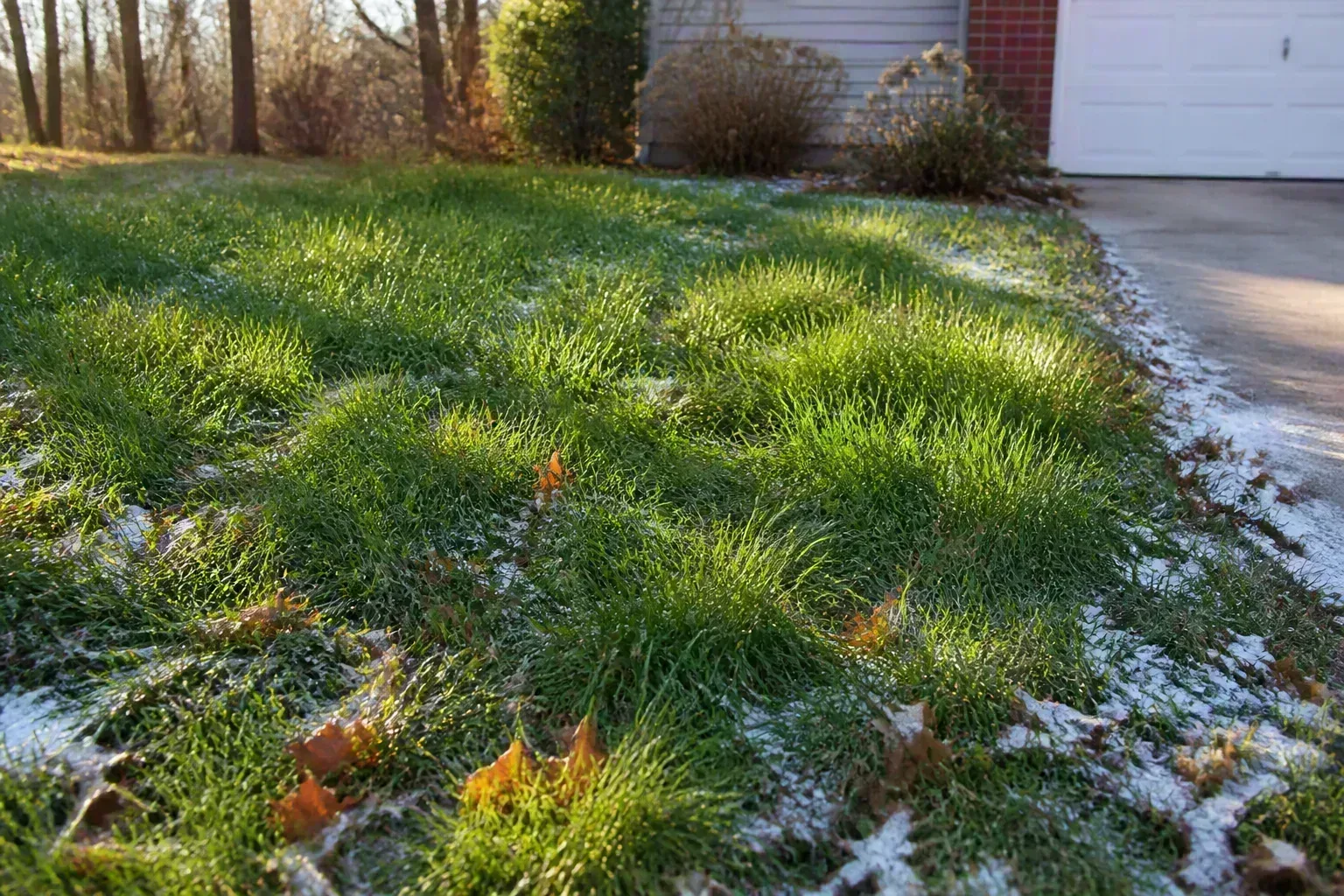
Grass does not stop growing on one date or at one air temperature. It slows when conditions move outside the range that suits its species, and a lawn may pause during summer heat or winter cold. The best clue is what your own turf is doing: if the lawn is still adding enough height to leave clippings, it is still growing and may need mowing. If it has stopped, do not keep mowing by habit.
For a quick seasonal guide, cool-season lawns such as Kentucky bluegrass and tall fescue often grow most vigorously in spring and fall, while warm-season lawns such as bermudagrass and zoysia grow through warm weather and slow as autumn cools. A single frost does not switch off every lawn. Grass type, root-zone temperature, rainfall, sun, and local weather all shape the timing.
The short answer: growth slows with the grass type and weather
Grass growth tapers when the plant cannot photosynthesize and build new leaves at its usual rate. Temperature is a major driver, but it works alongside light, water, soil condition, and the turfgrass species. In a cold climate, warm-season turf may lose active growth well before winter; a cool-season lawn nearby may continue to grow through mild fall weather. In a hot, dry summer, cool-season grass may temporarily stop adding leaves even though the calendar says it is still growing season.
That is why “grass stops growing at 50 degrees” is a rough simplification, not a dependable lawn-care rule. Some reference points describe when a species grows well or begins to slow, but they do not predict the exact day your lawn will need its last cut. A shaded lawn, a sunny slope, a watered area beside a driveway, and the rest of the yard can respond differently to the same forecast.
Use temperature as a clue. Use the grass type and visible regrowth to make the decision. If you do not know which grass you have, identify it before relying on species-specific timing; many lawns are mixtures, and local extension guidance can help narrow it down.
Identify your lawn’s grass type first
The most important first question is whether the lawn is primarily cool-season or warm-season turf. Cool-season grasses include Kentucky bluegrass, tall and fine fescues, and perennial ryegrass. They are widely grown in northern regions and in parts of the transition zone, and they tend to recover well when hot summer weather eases. Warm-season grasses include bermudagrass, zoysiagrass, St. Augustinegrass, centipedegrass, buffalograss, and bahiagrass. They are common in warmer regions and generally grow most actively when both days and soil are warm.
Look at a seed label, lawn-care record, sod invoice, or local extension turf guide if you have one. If the lawn was seeded with a blend, more than one cool-season species may be present. Grass blade shape alone can be hard to identify accurately, especially when turf is mowed short. A county extension office or a clear photo sent to a local master gardener program may be more useful than guessing from color.
Mixed lawns complicate timing. A cool-season grass overseeded into warm-season turf may remain green after the permanent lawn begins to brown. That does not mean the warm-season grass is still actively growing. Likewise, a patchy lawn may contain different species with different growth rates. Make the decision based on the dominant grass and the areas that need care, rather than forcing every square foot onto the same calendar.
Temperature ranges explain slowdown—but not an exact stop date
The useful question is not “What is the magic temperature?” but “Is the temperature moving out of the range that supports this grass’s active growth?” UMass Extension’s turf best-management guide notes that cool-season turf shoots grow best when air temperatures are about 60–75°F, while roots grow best when soil temperatures are about 50–65°F. Growth slows or stops outside those favorable ranges, but the figures describe favorable conditions, not an on/off switch for every lawn.
| Grass group | Common examples | Typical seasonal pattern | What a temperature change can signal |
|---|---|---|---|
| Cool-season | Kentucky bluegrass, fescues, perennial ryegrass | Stronger growth in cool spring and fall weather; heat can slow it in summer | Warm spells may trigger growth in fall; hot, dry conditions can cause a summer pause |
| Warm-season | Bermuda, zoysia, St. Augustine, centipede | Stronger growth in warm late spring and summer weather; slows as fall cools | Cool nights and declining soil warmth often precede yellowing and winter dormancy |
The ranges vary by species, cultivar, soil moisture, and exposure. A practical gardening overview from LawnStarter uses roughly 50–55°F as a broad signal for slowing growth, while Ideal Home’s temperature guide also emphasizes that the grass type changes the answer. Treat those figures as context, not a forecast or a mowing command. Track whether your lawn is growing from week to week.
Cool-season grasses usually slow in summer heat and grow again in fall
Cool-season lawns have two common slow periods. In a hot summer, high temperatures combined with dry soil can reduce growth, turn leaves dull or straw-colored, and send the grass into a protective rest. When rain and cooler weather return, some lawns green up and resume growth. This summer pause can be mistaken for the lawn’s annual winter dormancy, but it is a different response to heat and water stress.
In fall, cool-season grasses often recover and grow actively as temperatures moderate. In Kansas, K-State Research and Extension identifies September as a favorable growth and recovery period for tall fescue and Kentucky bluegrass, while stressing that site conditions matter. That is a regional example rather than a national date. Farther north, active fall growth may taper earlier; in mild areas, a cool-season lawn can keep growing well into winter between cold spells.
If a cool-season lawn is still producing new blades in autumn, continue mowing as needed. Do not stop just because leaves are falling or the first frost has arrived. Conversely, if a lawn has browned during a dry heat wave, avoid forcing recovery with repeated close mowing. Check soil moisture and the crown before deciding whether it is temporarily dormant or injured.
Warm-season grasses slow as autumn cools
Warm-season turf is adapted to warm weather. Bermuda, zoysia, St. Augustine, centipede, and similar grasses usually grow most actively from late spring through summer, then slow as day length shortens and soil cools. Depending on the species and local winter, the turf may yellow or turn brown and remain dormant until warm conditions return. A brown warm-season lawn in winter can be normal even when the crowns and underground stems remain alive.
The transition is gradual. UGA Extension’s guidance for warm-season lawns describes reducing practices that push new growth as the season advances and notes that grass type and local soil conditions affect fall care. The county guidance is tailored to Georgia; homeowners in another region should use their own extension calendar for fertilizer and winter preparation. The broader lesson is to let warm-season turf slow naturally rather than trying to keep it lush with late nitrogen.
Warm-season grasses can also show temporary summer stress, especially during drought or extreme heat. Some species tolerate heat well but still slow when water is limited or roots are stressed. If a patch turns brown while nearby turf remains green, check irrigation coverage, drainage, and traffic before attributing the change to seasonal dormancy.
Why air and soil temperatures tell different stories
Weather apps report air temperature, but grass roots live in soil. Soil warms and cools more slowly than air, so a brief cold night may not immediately change root-zone conditions. A sunny south-facing lawn can also stay warmer than a shaded low spot, and pavement can create a warmer edge. These small differences help explain why growth tapers unevenly across one property.
When timing a seasonal task, use a run of weather rather than one cold morning. Look at daytime highs, overnight lows, recent rainfall, and whether the lawn is producing new leaf growth. If soil temperature is important for a local recommendation, use a nearby extension weather network or measure the root zone consistently; UMass Extension notes that soil temperatures and site microclimates can help guide turf-management timing.
Air and soil measurements answer different questions. Air temperature helps explain whether leaves are experiencing cool or hot weather. Soil temperature is more relevant to root activity and to some local lawn-care thresholds. Neither replaces observation. A soil reading from a bare garden bed or a sun-baked sidewalk edge may not represent the lawn’s average root zone.
Regional timing: use seasons as clues, not calendar dates
A broad U.S. pattern is useful: cool-season lawns tend to keep growing later into fall in northern states, while warm-season lawns in the South often begin slowing before winter. But regional boundaries are not neat lines. The transition zone can support both grass groups, sometimes in the same neighborhood. Elevation, coastal influence, shade, irrigation, and a warm spell can shift growth by weeks.
Even lawns on the same street can have different last-mow dates. A south-facing slope warms earlier in spring. A tree-shaded yard may stay cooler and damp longer. A compacted strip beside a driveway may dry faster than the center of the lawn. A recently seeded patch may need closer monitoring because young grass is less established than a mature stand.
For a useful local calendar, start with the species recommended for your area by a land-grant extension service, then watch your lawn. Regional timing should tell you when to pay attention, not dictate a final mow. If the lawn keeps growing after a date in a guide, the lawn’s condition takes precedence over the date.
Heat and drought can pause growth before autumn
Grass can stop adding noticeable height during summer even while the rest of the yard is flourishing. Cool-season turf is especially likely to slow under heat and drought. It may conserve resources by entering dormancy, and its leaves can become tan or brown. If the crowns and roots remain alive, green growth may return after conditions improve; if stress is severe or prolonged, sections can die instead.
Do not respond to summer browning by mowing lower. Keep blades sharp, avoid removing more than about one-third of the leaf height in a single cut, and reduce foot traffic on stressed turf. If you water, follow local water restrictions and aim to moisten the root zone rather than sprinkling briefly every day. Newly seeded turf and established lawns have different water needs, so follow local extension advice for your grass and soil.
Drought dormancy is not identical to winter dormancy. A lawn that is dry in July may resume after dependable rain, while warm-season grass turning brown in winter may be following its normal seasonal cycle. Check the pattern: drought stress often follows exposed or poorly irrigated areas, while seasonal color change may appear more uniformly across a warm-season lawn after sustained cooling.
Other reasons a lawn may stop adding height
Temperature is only one growth limit. Deep shade reduces the light available for photosynthesis. Compacted soil restricts roots and water movement. Poor drainage can leave roots waterlogged, while a shallow or sandy root zone can dry quickly. Nutrient deficiencies, unsuitable soil pH, pests, disease, close mowing, and repeated traffic can also produce weak or uneven growth. UMass Extension lists low temperature, drought, flooding, shade, compaction, and close mowing among potential turf growth stressors.
Look for a pattern before changing care. If only the strip under a large tree has stopped growing, shade and root competition may be more plausible than a seasonal shutdown. If a low area is thin and soft after rain, drainage may be involved. If brown patches spread irregularly or show lesions, residue, or root damage, ask a local extension service to help identify disease or pest pressure.
Fertilizer is not a universal restart button. Applying nitrogen to a lawn that is dormant, water-stressed, or poorly rooted can create more problems than growth. Test soil when a persistent nutrient concern is plausible, and use fertilizer timing suited to the species and region. The right diagnosis can save money and reduce runoff from applications the turf cannot use.
How to tell whether your grass is still growing
Use a simple repeatable check instead of judging by color alone:
- Choose a representative patch. Check a sunny, healthy part of the lawn, not just the driest edge or deepest shade. If the yard contains different grass types, check each area separately.
- Measure a few blades. Mark the location with a small stake or take a close photo beside a ruler. Avoid measuring a patch immediately after mowing or during a heat wave when growth is erratic.
- Wait about a week. Keep ordinary care consistent and note rainfall or watering. A warm spell can cause a short flush; one observation is not enough to establish a seasonal stop.
- Compare leaf height and clipping volume. New height and a fresh layer of clippings mean active growth continues. Little change across two checks, combined with cool weather for warm-season turf or sustained heat and drought for cool-season turf, points to a slowdown.
This test does not need laboratory precision. It answers the practical question: will the lawn grow enough to need another cut? If one zone is still growing, mow only that area or keep the mower set to the appropriate height. A lawn with mixed species may never behave as one uniform block.
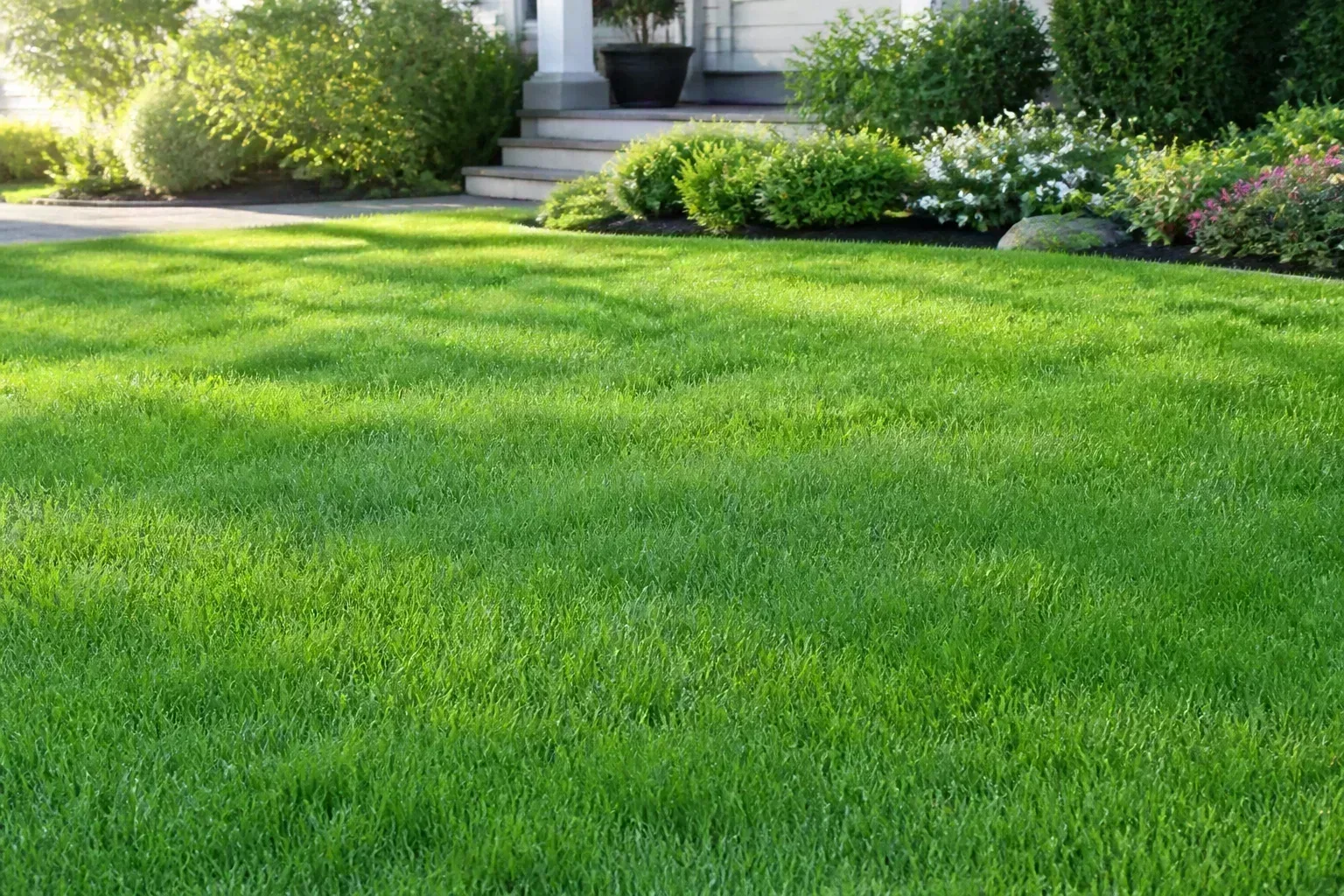
Dormant, stressed, or dead? How to tell
Color is not a reliable diagnosis by itself. Dormant grass may look tan or brown but still have living crowns and roots. Heat- or drought-stressed turf can also look brown, yet recover when moisture and temperature improve. Dead turf usually fails to produce new green growth when the season becomes suitable, and the affected patch may have weak or damaged crowns, roots, or underground stems.
Check a small area gently. Part the blades and inspect near the base for firm, pale or green tissue rather than relying on the leaf tips. You can lift a small plug with a trowel to see whether roots remain attached and whether the crown is firm. Avoid repeatedly pulling up large sections: a quick tug test is inconclusive because healthy roots can be shallow in dry soil, and damaged turf may still resist pulling because thatch holds it together.
If the lawn is dormant, it should respond when its species gets suitable warmth and water, though spring green-up can be uneven. If the same sections remain bare after neighboring turf resumes growth, inspect irrigation, drainage, traffic, pests, and disease. For a large or recurring patch, send photos or a soil/turf sample to a local extension diagnostic service before reseeding; the cause determines what will prevent a repeat.
When to stop mowing
Stop routine mowing when the grass has stopped adding enough height to need a cut, not on the day of the first frost or a holiday weekend. If the lawn produces clippings at the normal interval, it is still growing. If it has not changed across repeated checks and local conditions are moving into the species’ dormant season, put the mower away until growth resumes.
For the last cut, stay near the normal mowing height for your grass. Do not scalp the lawn in an attempt to “put it to bed”; removing too much leaf area can weaken turf and expose soil. If the grass became long during a mild spell, bring it down gradually over more than one mowing rather than removing a large amount at once. A dense mat of long, wet grass can be difficult to manage, but a drastic cut is not a safe shortcut.
UMass Extension’s turf guidance advises continuing fall mowing until growth stops in conditions where winter disease is a concern. LawnStarter’s last-mow overview also connects the last cut to observed growth rather than a fixed date. If your region has persistent snow cover, use local extension guidance on final height and leaf cleanup because disease pressure and snow duration vary.
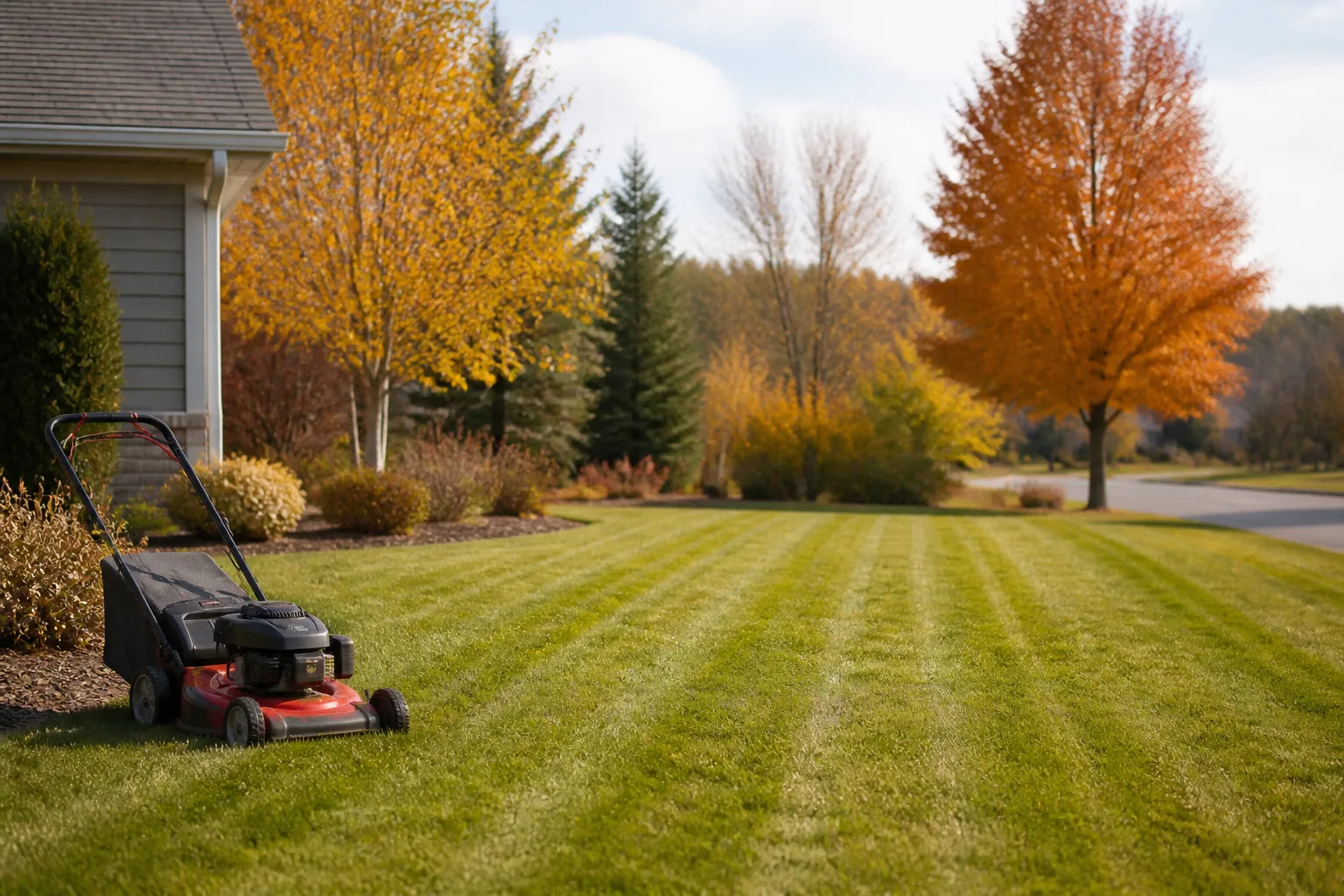
Fertilizer, irrigation, and fall care as growth slows
As growth tapers, match care to grass type instead of trying to keep the lawn green at any cost. Cool-season turf often has a strong fall recovery period, but fertilizer timing and amount should follow local extension guidance and a soil test. Kansas State Research and Extension notes that fall fertility can support cool-season turf recovery when timed to site conditions, while warm-season grasses approaching dormancy should not be pushed into excessive late growth.
For warm-season lawns, UGA Extension’s seasonal guidance cautions that late nitrogen can delay natural dormancy and increase vulnerability to cold injury in its Georgia context. Do not transfer an exact date or rate to another region; use the current local lawn calendar and product label. If you do not have a soil test or a clear nutrient need, skipping an unneeded application is often the more responsible choice.
Watering needs also change with weather. Dormant turf does not need the same schedule as actively growing turf, and frequent shallow watering is rarely a substitute for checking soil moisture. If a prolonged dry spell threatens a dormant lawn, local recommendations may call for occasional irrigation when the ground is not frozen. Avoid watering saturated soil, during a freeze, or in a way that violates local restrictions. Remove heavy leaf accumulations so they do not smother grass, and limit traffic on frozen or waterlogged turf.
When to expect grass to start growing again
Warm-season lawns typically begin active growth after sustained spring warmth returns to both the air and soil. Cool-season lawns often green up earlier, especially during mild periods, although hard freezes may pause visible growth again. The timing varies by species, climate, exposure, and winter severity. Do not use one warm afternoon as proof that the season has restarted.
Watch for consistent new leaf growth in several parts of the lawn. Once growth is steady, resume mowing at the normal height and frequency for that species. If a dormant lawn is dry and local conditions allow, water appropriately; if the soil is already moist, extra water will not make cold grass grow. Delay fertilizer until the local seasonal window and the lawn’s condition support it.
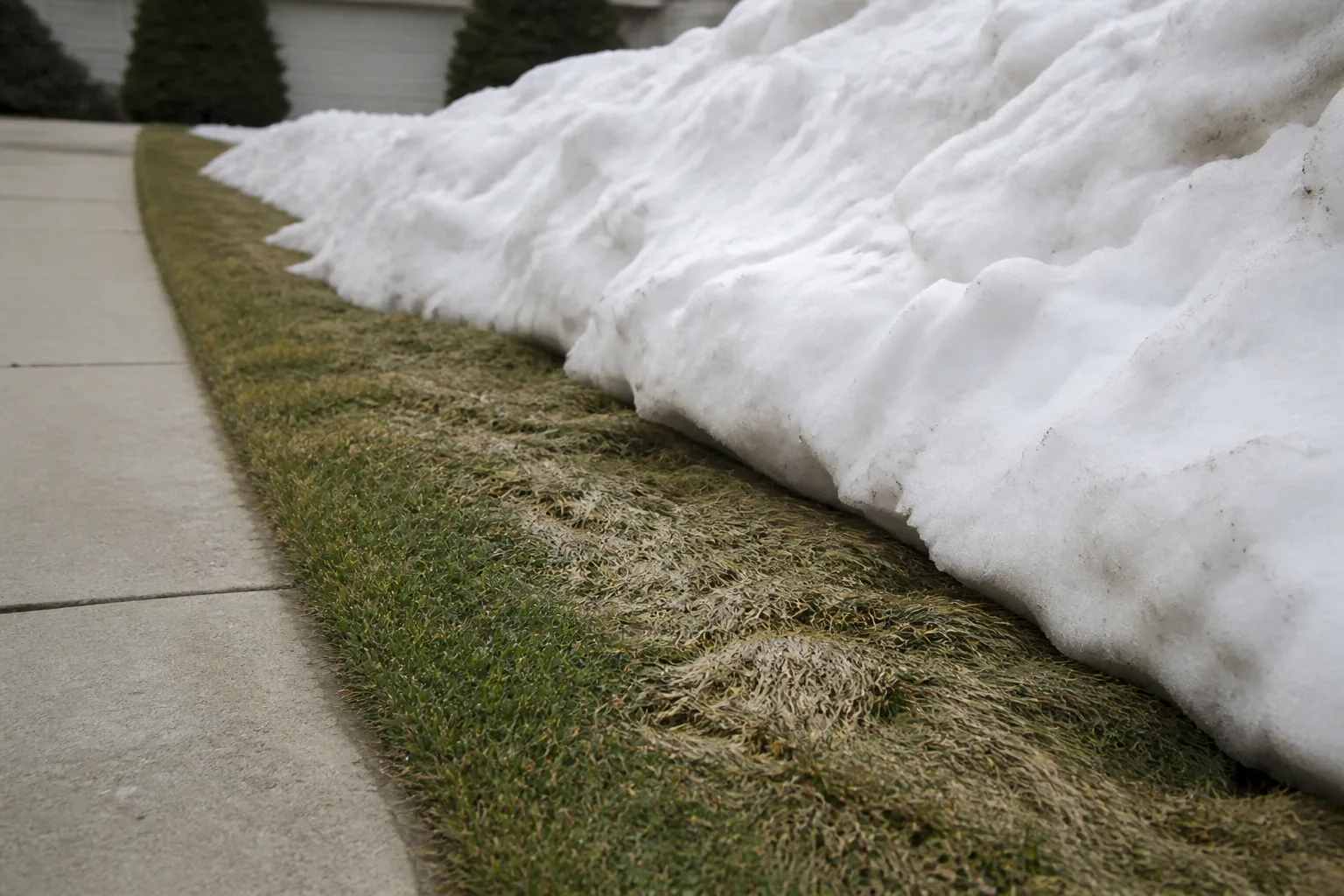
If the lawn does not green up as expected, give it a reasonable period of suitable weather, then investigate rather than applying several products at once. A soil test, irrigation audit, and extension diagnosis can distinguish winter injury from disease, traffic, or drought damage. The most useful spring plan is based on what survived and why thin areas developed.
Conclusion
Grass stops growing when its species and local conditions no longer support active growth, so there is no universal date or single temperature for the last mow. Cool-season turf may pause in summer heat and grow again in fall; warm-season turf usually slows as autumn cools. Soil temperature, moisture, sun, and microclimate all affect the transition.
Identify the dominant grass, check for measurable regrowth over a week, and use local extension guidance for seasonal care. Keep mowing while the lawn is growing, avoid scalping the last cut, and do not mistake brown dormant turf for dead grass. Those checks give you a more reliable answer than a calendar alone.