When to Prune Roses: A Guide by Type and Climate
Find out when to prune roses by type and climate, what you can still cut after spring growth starts, and why missing the main window rarely ruins a healthy bush.
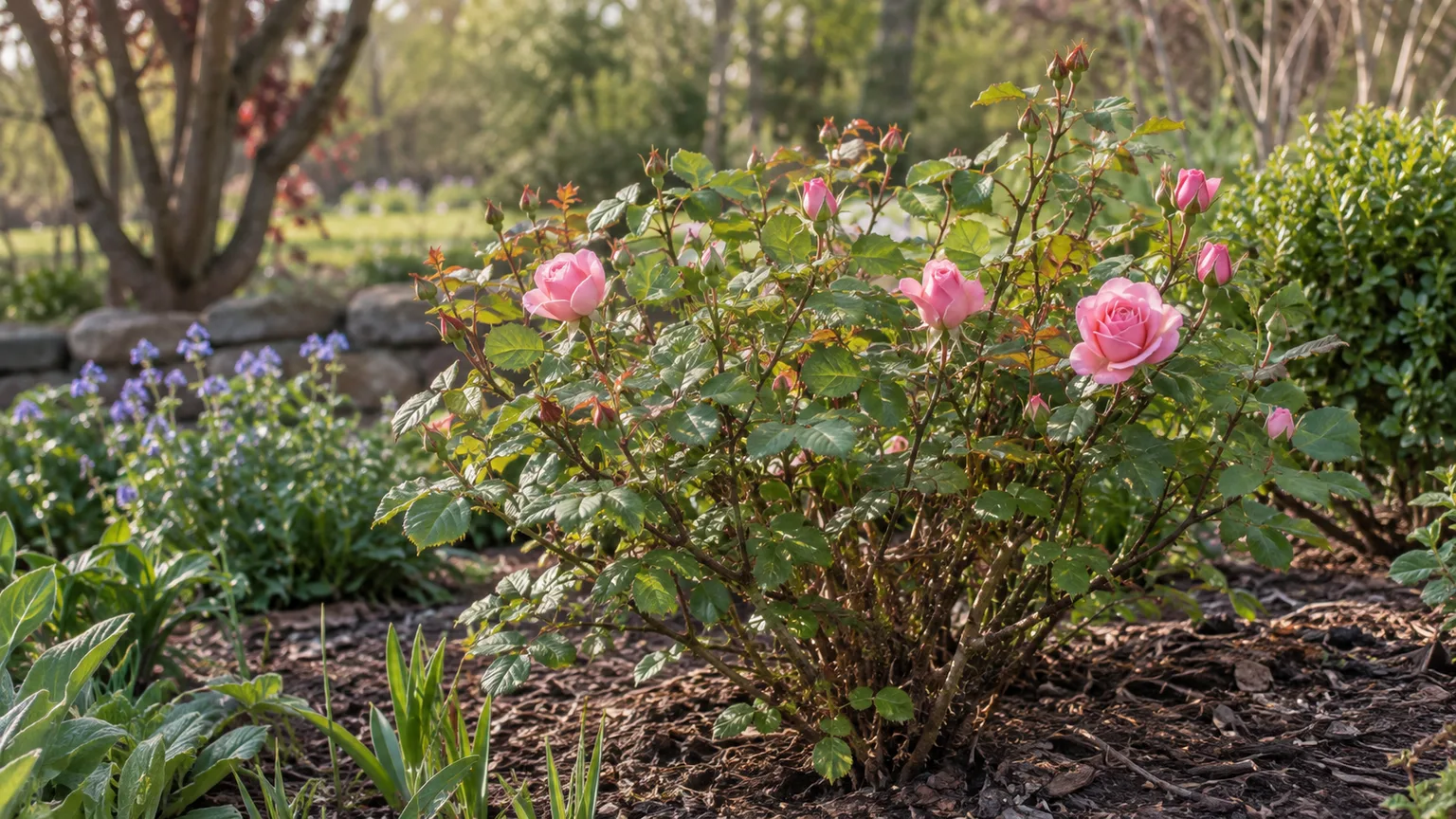
If you missed the usual rose-pruning window, it is rarely too late to help the plant. The right next step depends on what kind of rose you have, whether it blooms on old or new wood, how far spring growth has progressed, and how severe your winters are. Remove a dead or diseased cane when you find it; postpone a major shape-changing cut if the rose is already leafing out or carrying buds.
That distinction matters more than a date on a calendar. A rose pruned a few weeks late may flower later or less heavily, but a healthy established plant usually survives a mistimed cut. The bigger risk is pruning the wrong kind of rose at the wrong stage and removing the wood that would have carried its next flowers.
The quick answer: there is no universal cutoff
For many modern repeat-blooming bush roses, the main pruning is done in late winter or early spring, just before vigorous new growth begins. Once-flowering old roses and ramblers are generally pruned after their display, because cutting earlier can remove buds on last season’s stems. Climbing roses need their own approach: repeat-flowering climbers are often pruned in the dormant season, while once-flowering ramblers are handled after flowering. The label, cultivar, and local extension advice can refine those broad groups.
If your rose has already leafed out, do not panic or automatically cut it back hard. Take out dead, broken, hazardous, or clearly diseased wood, then leave healthy flowering stems alone until the first flush fades. If you have not made any cuts, a modest late prune can still tidy a vigorous repeat bloomer, but expect to trade some early flowers for a later flush.
It helps to name the job before deciding whether the timing is late. Removing a dead cane is cleanup, clipping a faded bloom is deadheading, and reducing a healthy framework is structural pruning; each has a different reason and season. A missed shaping date is not a reason to leave a hazard or spreading disease in place, and a cleanup cut does not mean the whole bush needs a haircut.
Read the climate before the calendar
“Late winter” does not land in the same week everywhere, and the right timing for a rose in one climate can be poor advice in another. Look at local winter severity and the plant itself: a dormant rose with buds just beginning to swell is a different pruning subject from one already pushing soft leaves through a cold snap.
In cold-winter gardens
Where winter freezes are severe, roses may suffer cane dieback even when you have pruned correctly. Many gardeners wait until the worst cold has passed and the buds are beginning to swell, then shorten canes back to sound wood. In Colorado, for example, a local Colorado State University Extension garden calendar recommends pruning roses at the end of April; that is a regional cue, not a date to transfer to every state. Colorado State University Extension’s local calendar gives the example, while its rose selection and planting guide explains that harsh Colorado winters can damage previous-year growth on some climbers.
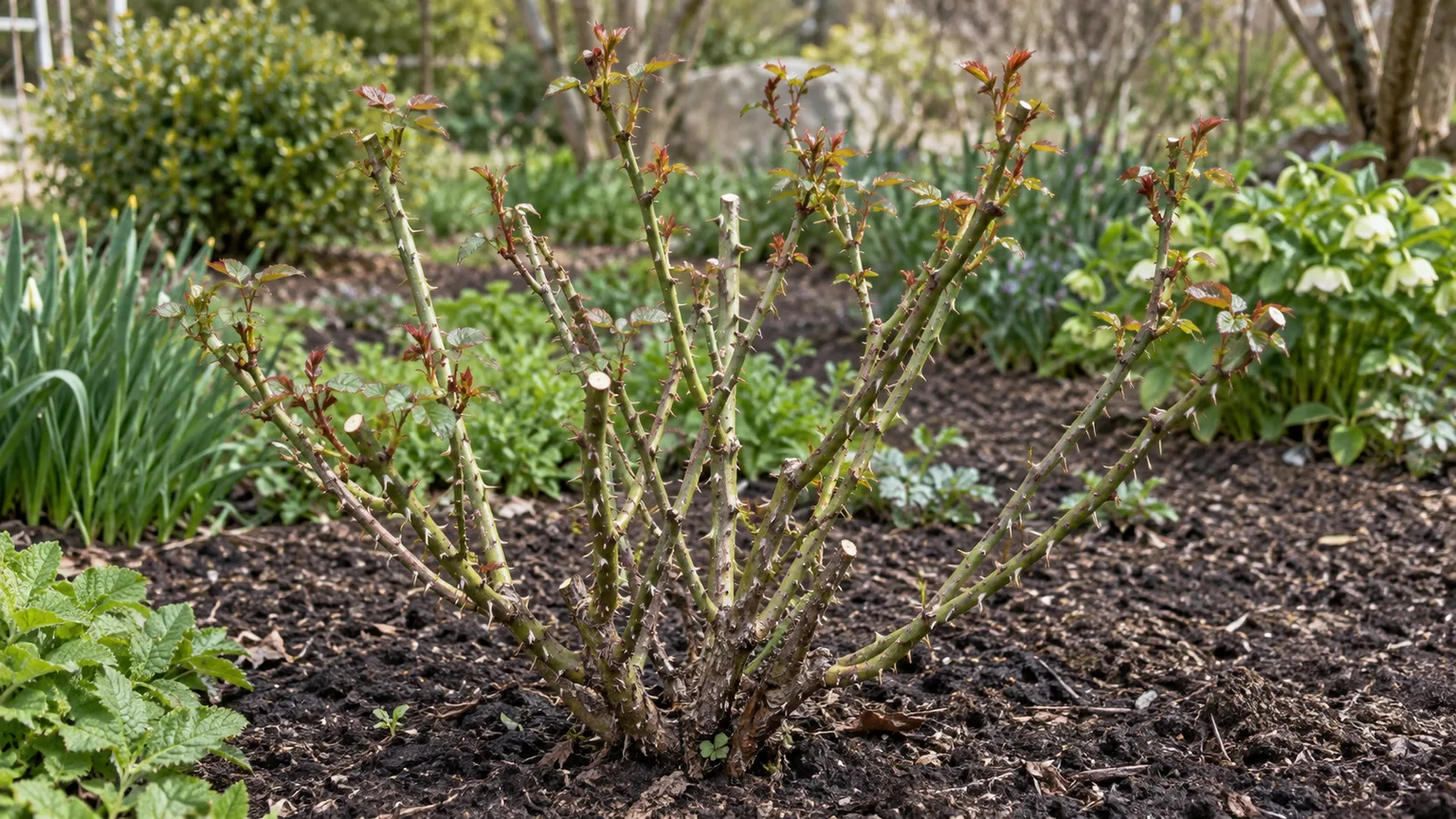
If spring growth has begun but another cold spell is possible, avoid a severe cut based only on a warm afternoon. You can wait until the local rose-pruning window or make a light cleanup cut and reassess after the weather settles. If frost later blackens new tips, wait until the injury is visible and cut back to healthy tissue rather than preemptively removing every cane.
Hardiness zone is only a starting point: a south-facing wall, a windy hill, snow cover, elevation, and the rose’s own cold tolerance all change how much cane survives winter. That is why the best local cue may be a regional extension calendar or an experienced rose society, rather than a national date chart. In a very cold garden, leave healthy upper canes until you can see which portions have made it through winter.
In mild-winter gardens
In regions with mild winters, gardeners may prune while roses are still dormant or just as growth resumes, often earlier than gardeners in colder areas. That does not mean every rose should be cut in midwinter: the rose’s bloom habit still matters, and a once-flowering shrub can lose its spring show if you remove last year’s flowering wood.
Horticultural calendars from the U.K. are useful for understanding rose groups, but not for copying month names into a different climate. The RHS, for example, places many repeat-flowering bush roses in late winter to early spring and once-flowering shrub roses after their summer bloom; its guidance itself shifts the timing within the U.K. according to whether a garden is southern or northern. Use your local extension service, rose society, or cultivar instructions to translate those cues to your weather.
In places where winters are mild or irregular, roses may never become fully leafless, and a long warm spell can be followed by a sharp freeze. Use a restrained approach: remove damaged wood and shorten only what interferes with access or support, then do the main shaping at the locally recommended point before strong growth. A region that can prune in January is not automatically a model for a garden with a colder winter, just as waiting until April everywhere can be unnecessarily late in a mild coastal climate.
Identify the rose before making a major cut
If you know the cultivar, look up its pruning instructions before reshaping it. If you do not, use the flowering pattern and growth habit as clues: one spectacular flush suggests an old rose or rambler, while flowers arriving in waves through summer point toward a repeat-blooming shrub, bush, or climber. This is a useful first sort, not a perfect identification key; some shrub roses bloom once, and some climbers bloom repeatedly.
Check a plant tag, nursery record, or old garden plan before relying on a name heard secondhand. Also notice where flowers appear: a cane that carried the only flush this year may be the cane that supplies next year’s flowers, while a repeat bloomer keeps forming new flowering shoots. If the pattern is still unclear, mark a healthy cane and watch the next season’s bloom before making a renovation cut.
Repeat-flowering bush and shrub roses
Hybrid teas and floribundas are modern bush roses that flower on new growth made during the growing season. Their routine structural prune is generally done in late winter or early spring, before strong shoots have lengthened. The RHS places them in its late-winter-to-early-spring pruning group, and BBC Gardeners’ World likewise describes winter or early-spring pruning for most bush roses. RHS guidance for hybrid teas and floribundas and Gardeners’ World’s rose-pruning guide both distinguish these roses from ramblers.
Repeat-flowering shrub roses are not simply oversized hybrid teas. Many carry a natural arching framework and need lighter renewal pruning, not a severe haircut to the same height every year. The RHS recommends maintaining a balanced framework and shortening the previous season’s growth for repeat-flowering shrub roses. If yours is already flowering, remove dead or damaged stems but wait to do structural shaping until after the flush or the next dormant-season window.
For an unknown bush rose that flowers repeatedly, start conservatively: remove dead, damaged, and inward-rubbing shoots, then shorten only what is needed to keep the plant in its space. Hybrid teas and floribundas tolerate a more purposeful annual reduction than many old shrub roses, but exact height depends on the cultivar, vigor, and climate. A very hard cut is a size-control choice, not a universal requirement for more flowers.
Once-flowering old roses
Many old garden shrubs, species roses, and ramblers make flower buds on wood produced the previous year. For these, the safest routine window is usually after their main bloom, when you can remove spent flowering stems without cutting off the display you have waited for. A light late-winter cleanup may still be possible, but it should not become an automatic hard prune before the plant flowers.
“Old rose” is a broad label, so avoid assuming every old cultivar gets the same treatment. The RHS separates single-flush shrub roses from repeat-flowering shrub roses and recommends pruning the former after flowering; its shrub-rose guide also emphasizes preserving a natural framework. For a named cultivar with a specific pruning group, follow that group’s instructions. If the rose is unidentified and healthy, remove only dead or diseased growth until you see when it flowers.
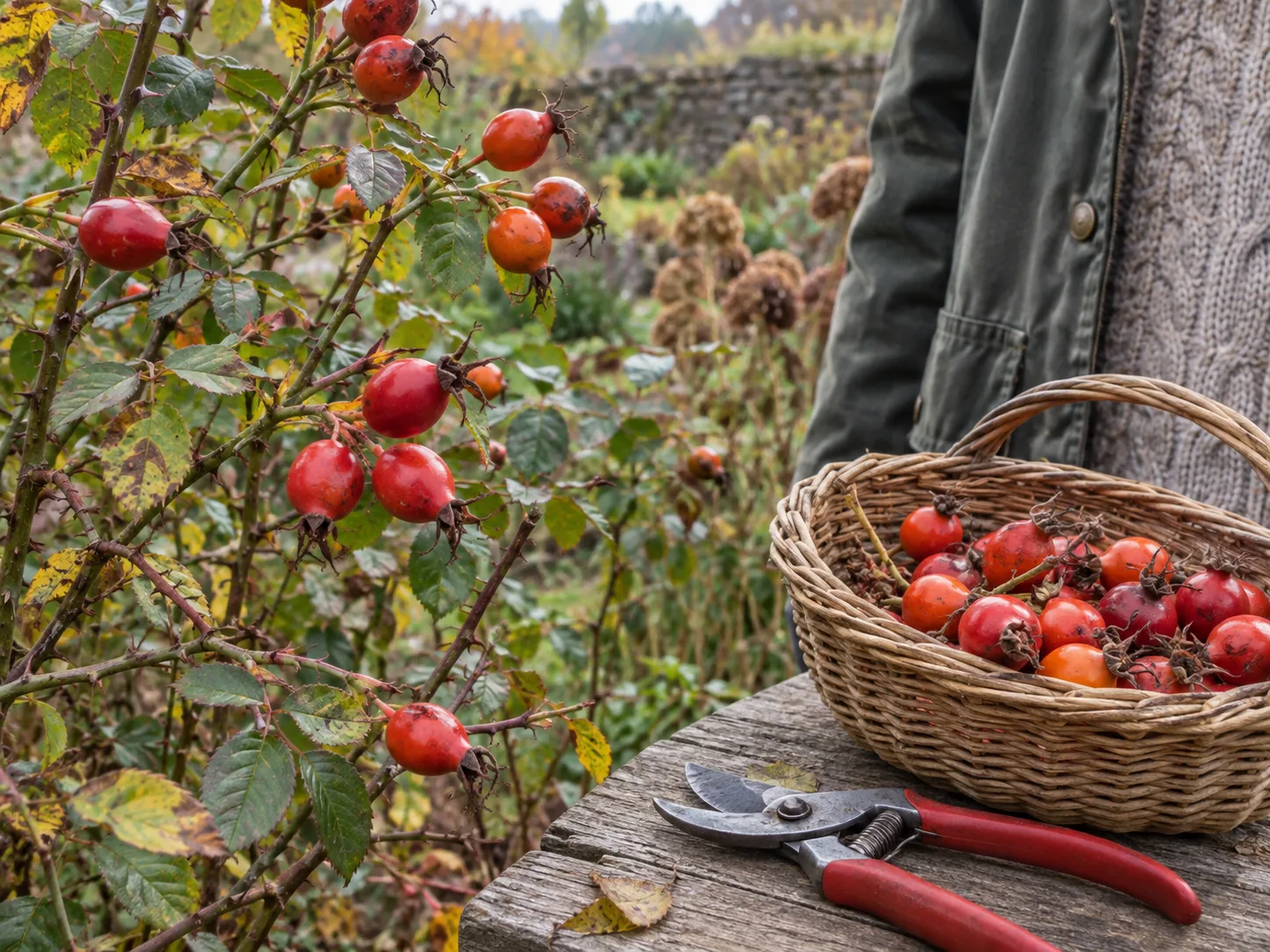
After the petals fade, a once-flowering shrub usually needs selective thinning more than a uniform trim. Remove spent flowered tips if they spoil the shape, take out a small number of the oldest congested stems at the base when renewal is needed, and keep healthy younger shoots that will mature before the next season. If hips are part of the reason you grow the plant, leave some spent flowers instead of deadheading every cane.
Climbing roses and ramblers
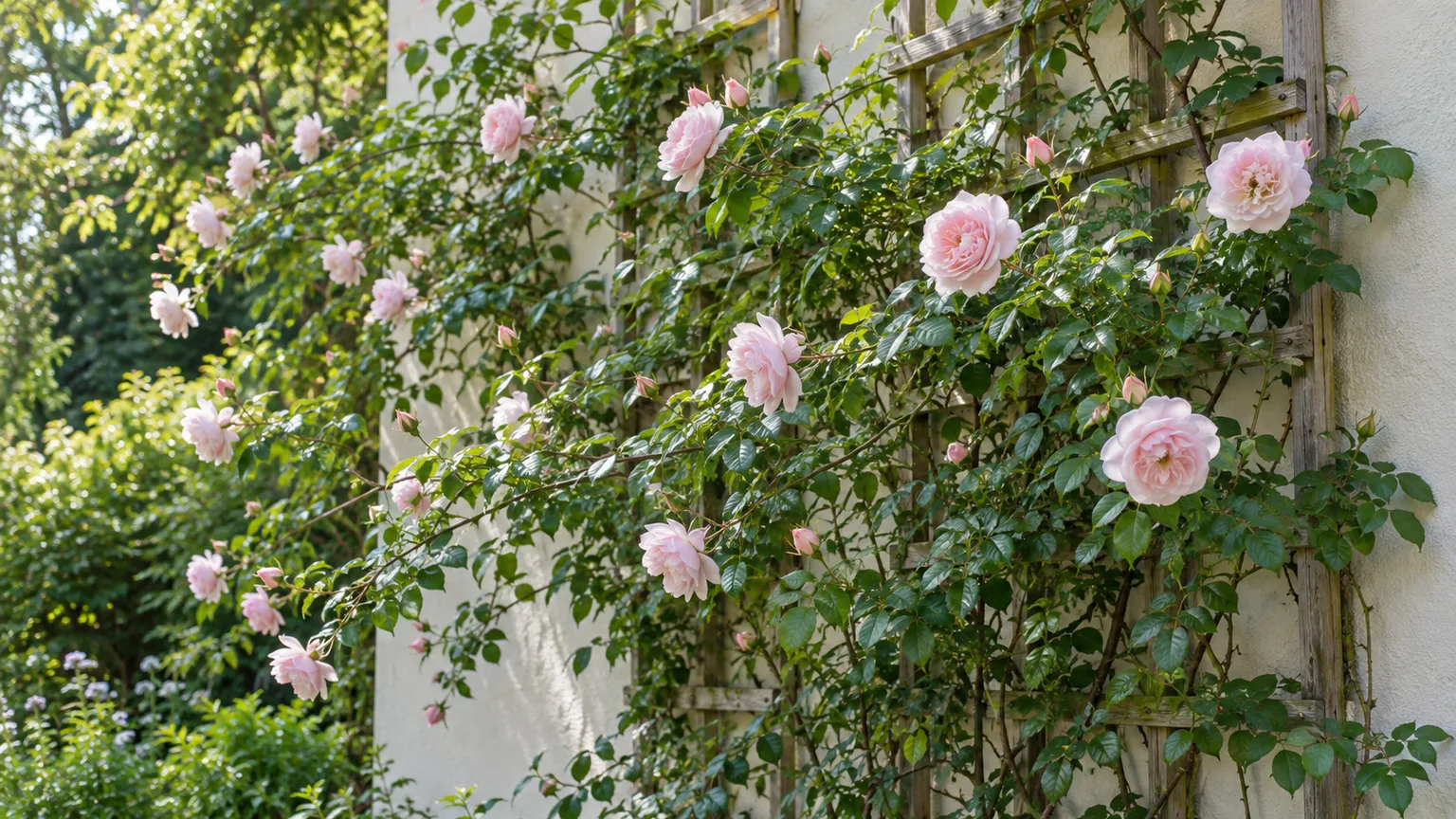
Do not treat every rose on a trellis as the same plant. Repeat-flowering climbers usually keep a framework of long main stems and flower on shorter side shoots; routine pruning shortens those side shoots while preserving the framework. The RHS recommends routine winter pruning for climbers and notes that long, whippy shoots can be tied in or shortened in autumn where strong winds could damage them. Its climbing-rose guide explains the framework-and-sideshoot method.
Ramblers are often vigorous and once-flowering. Prune them after their display, removing some of the oldest flowered stems if the plant is congested and training suitable new canes into place. The RHS suggests late-summer routine pruning for ramblers, with renovation reserved for late autumn through late winter. Its rambler-rose guidance makes the distinction clear. If you cannot tell a climber from a rambler, wait until flowering reveals the habit before making a large cut.
Young climbers and ramblers need time to build their supporting framework, so do not strip out strong new canes just because they look untidy. Tie flexible stems onto a trellis or wire where possible, and prune the side shoots or oldest spent stems according to the plant’s flowering cycle. On an established climber, preserving several sound main canes is often more important than making the whole plant look evenly short.
What “too late” means for the flowers and the plant
There are two different deadlines gardeners often combine. The first is the best window for the intended result: shaping a modern repeat-blooming rose before its strongest spring growth, or pruning a once-blooming rose after its flowers fade. The second is a point after which pruning becomes dangerous to the plant. For most established roses, missing the first window is more common than crossing the second.
Pruning a repeat bloomer after buds have formed can reduce or delay the first flush because you remove developing shoots. Pruning a once-bloomer before its show can remove flower-bearing canes, even if the plant itself remains healthy. A hard cut late in the growing season can also encourage soft new shoots that may not mature before cold weather. These are reasons to adjust the size and purpose of your cut, not reasons to assume the rose is doomed.
Think of “too late” as a mismatch between the cut and the plant’s next job. If the goal is a spring flower display, protect the buds that are already set; if the goal is removing a cane infected with a spreading disease, sanitation may take priority over bloom. In very hot weather, heavy pruning can also expose previously shaded canes to strong sun, so postpone a large shape change until the plant is under less stress.
If you missed the main pruning window
Use this simple triage:
- Remove urgent problems now. Cut out dead, broken, rubbing, or clearly diseased wood, even if the ideal shaping window has passed.
- Protect this season’s flowers. If the rose has healthy buds or flowers, do not make a hard cut just to match a calendar. Deadhead repeat bloomers as needed, while leaving hips on varieties grown for their fruit or winter display.
- Schedule the structural prune for the next appropriate stage. For a once-bloomer, that is usually after flowering; for a repeat-blooming bush rose, it is the next local late-winter/early-spring window.
If you already pruned too late, stop cutting and give the plant time to respond. Keep it watered during dry spells, avoid piling on fertilizer to force a quick rebound, and wait to judge the result until you can see what growth survives. The most likely consequence of a late but clean cut is fewer or later flowers, not instant plant failure. The RHS and Gardeners’ World both describe roses as vigorous plants that generally recover from imperfect timing, although a weak, newly planted, drought-stressed, or winter-injured rose has less margin for a hard cut.
If you missed spring and the rose is a healthy repeat bloomer, let the current flush develop, then remove spent flowers and any damaged canes. Do not make a severe summer cut simply to catch up: the rose needs time to replace leaves and ripen new stems before winter. If the plant is an old, once-flowering rose and you have not seen its main display yet, keep the healthy canes; you can do the planned shaping as soon as flowering is finished.
Make only the cuts the rose needs
Pruning is easier when you decide the goal before picking up the shears. Sanitation removes dead or diseased tissue; deadheading removes spent flowers; shaping manages size and direction; renewal pruning removes selected older canes to encourage younger growth. These jobs can happen at different times. Doing them all at once is often unnecessary.
Before you start, step back and inspect the whole plant. Look for a dead central cane hidden by healthy leaves, stems rubbing at a tight fork, or a main climber that is doing useful work across its support. Clean, sharp tools make controlled cuts; if you have just cut diseased material, clean the blade before it touches another rose so you do not carry contaminated sap or plant debris along the row.
Remove dead, broken, or diseased canes first
Start with canes that are obviously dead, broken, or crossing and rubbing against another stem. Follow a damaged cane downward until you reach healthy-looking tissue, then make a clean cut. If a cane has a dark or diseased patch, cut below it into sound wood and clean the blade before moving to another rose; dispose of diseased material according to local garden guidance rather than leaving it under the plant.
When it is not clear whether a cane is dead, do not remove it just because its bark looks older than the rest. Look for buds, flexibility, and live tissue farther down the stem; a cane with no growth may still be slow to wake in a cold spring. You can wait until nearby shoots begin growing, then cut only the portion that remains dead. This avoids losing a useful cane while you are trying to tidy the plant.
Colorado State University Extension’s Pueblo County Master Gardener guidance calls for removing dead, diseased, and crossing rose growth and keeping tools clean. It also advises removing diseased leaves rather than adding them to compost. The local rose-care article is especially relevant when black spot, canker, or other disease is the reason for a cut. Do not confuse healthy green growth with a problem just because it appeared after a late prune.
Place each cut above a sound bud
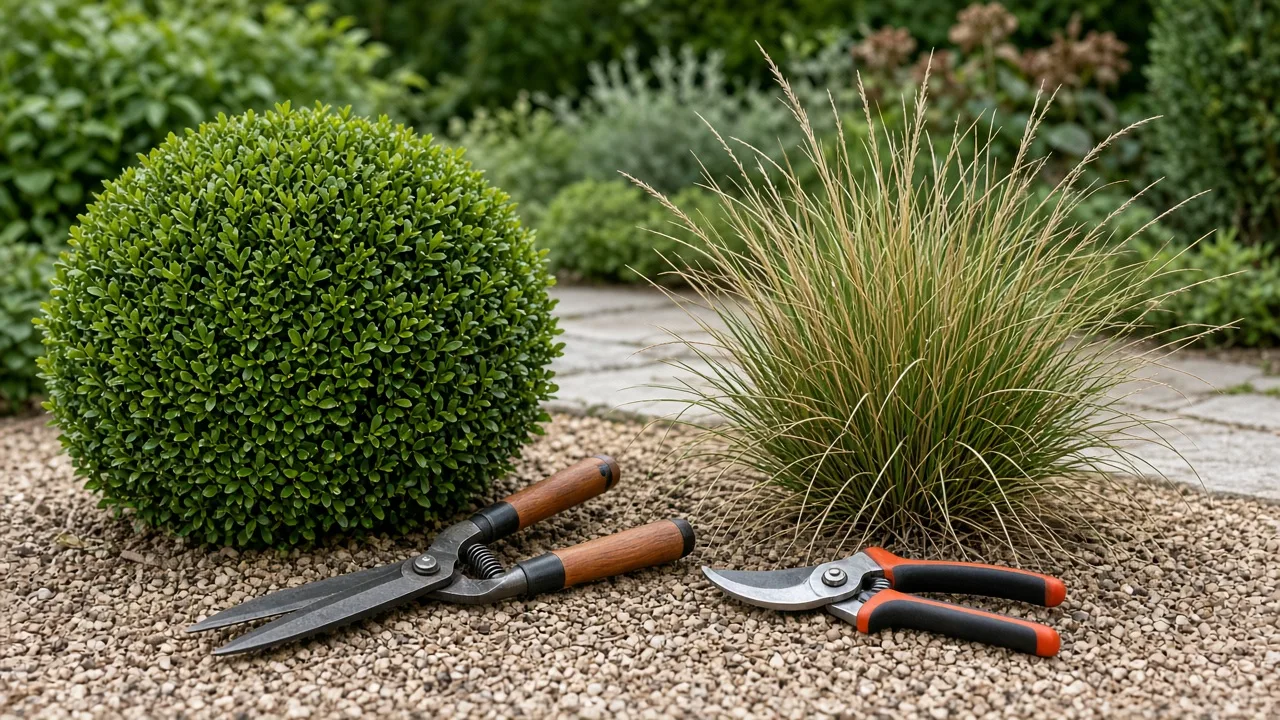
Use sharp bypass pruners on small canes and loppers or a pruning saw for stems too thick to cut cleanly by hand. Make the cut just above a healthy bud or leaf node, with a slight angle away from the bud; avoid leaving a long stub that will die back. Colorado State University Extension describes cuts about a quarter to three-eighths of an inch above a bud eye on newly planted roses, while the Pueblo County guidance illustrates a similar angled cut. The exact distance is a guide, not a measurement worth sacrificing a clean cut to achieve.
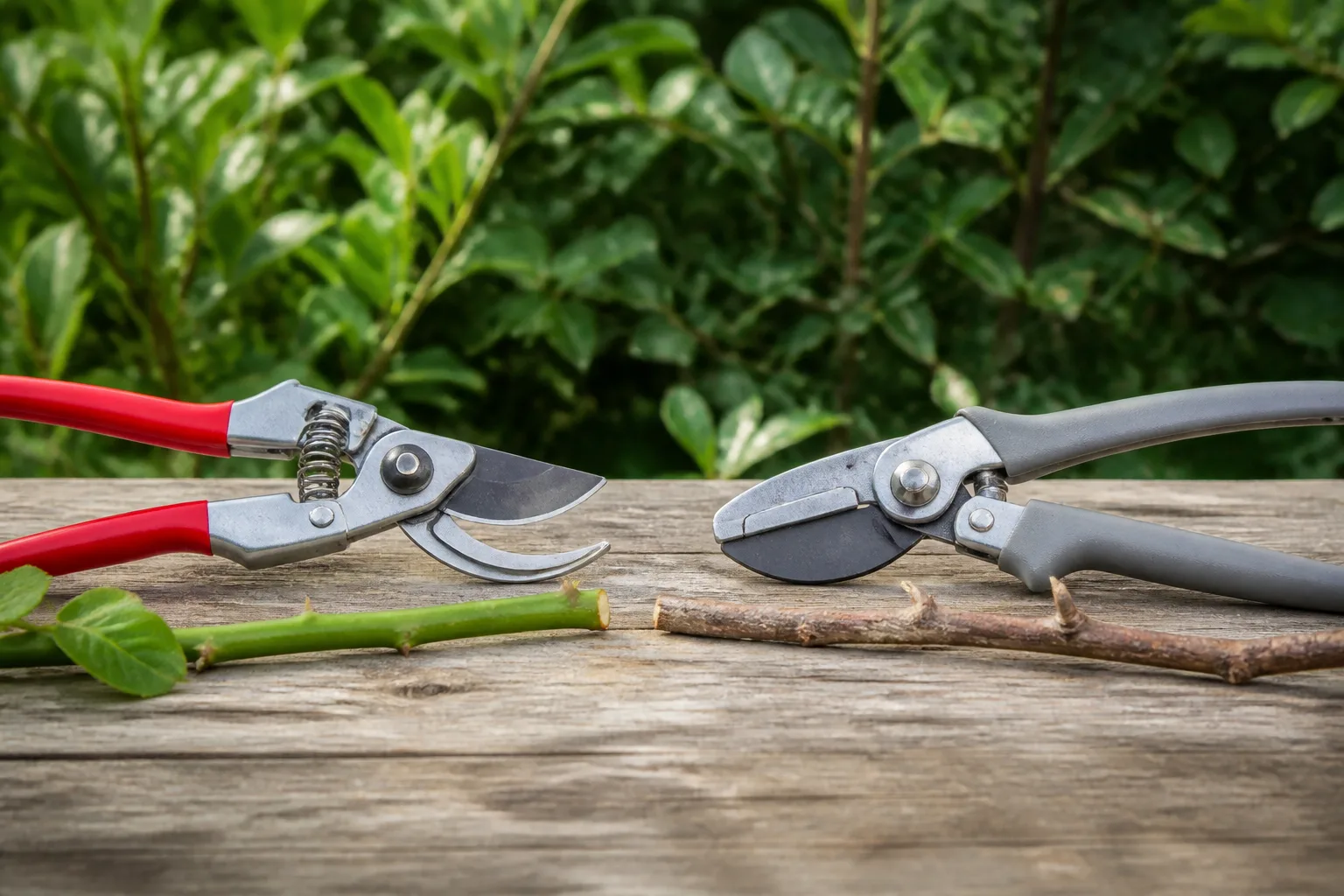
When you choose a bud, an outward-facing one can help direct growth away from a crowded center, but the plant’s existing framework matters too. Do not remove a healthy main cane merely because its bud points inward if that cane is important to a climbing framework. Wear gloves, keep your free hand out of the cutting path, and make the cut in one controlled motion rather than crushing the stem.
Why a hard fall prune is usually the wrong reset
A late-season hard cut is not a substitute for spring pruning. In areas with cold winters, removing a lot of healthy cane can expose the plant to more winter injury and may stimulate tender growth if conditions stay warm. In a mild region, local rose guidance may permit winter pruning, but that does not make a hard cut appropriate for every variety or for a once-blooming rose whose canes carry next year’s flowers.
If long canes are flopping into a path or whipping in wind, secure them or shorten only the vulnerable tips where local guidance recommends it. Leave the main framework intact until you know the rose group and the right routine window. If winter cleanup is your goal, remove fallen diseased leaves and clearly dead material, then do the shaping when the rose’s bloom habit and local season point to it.
There is no need to remove every hip or faded bloom before winter. Some roses are grown for their hips, and the old flower heads can remain attractive; removing them all also turns a light cleanup into extra cutting with no clear benefit. If your aim is simply a neater bed, tidy loose debris and tie in canes rather than cutting healthy stems down to a uniform height.
Conclusion
It is usually not too late to prune a rose in the sense that one missed date will kill it. It may be too late for the cleanest shape or fullest early bloom, and the cost of a late cut depends on whether the rose flowers on new shoots or older canes. Identify the rose, read the local climate, and choose between a necessary cleanup cut now and a larger structural prune later.
For a repeat-blooming bush rose, aim for late winter or early spring as growth resumes in your region. For a once-flowering rose or rambler, wait until after the main display before removing flowering wood. If you are uncertain, remove only dead, broken, or diseased canes, keep the healthy framework, and confirm the cultivar’s pruning group before making a hard cut.