When to Apply Weed and Feed in Spring: Timing Guide
Spring weed-and-feed timing depends on pre- vs post-emergent chemistry and your grass type. Get extension-backed windows, weather rules, and a week-by-week plan.
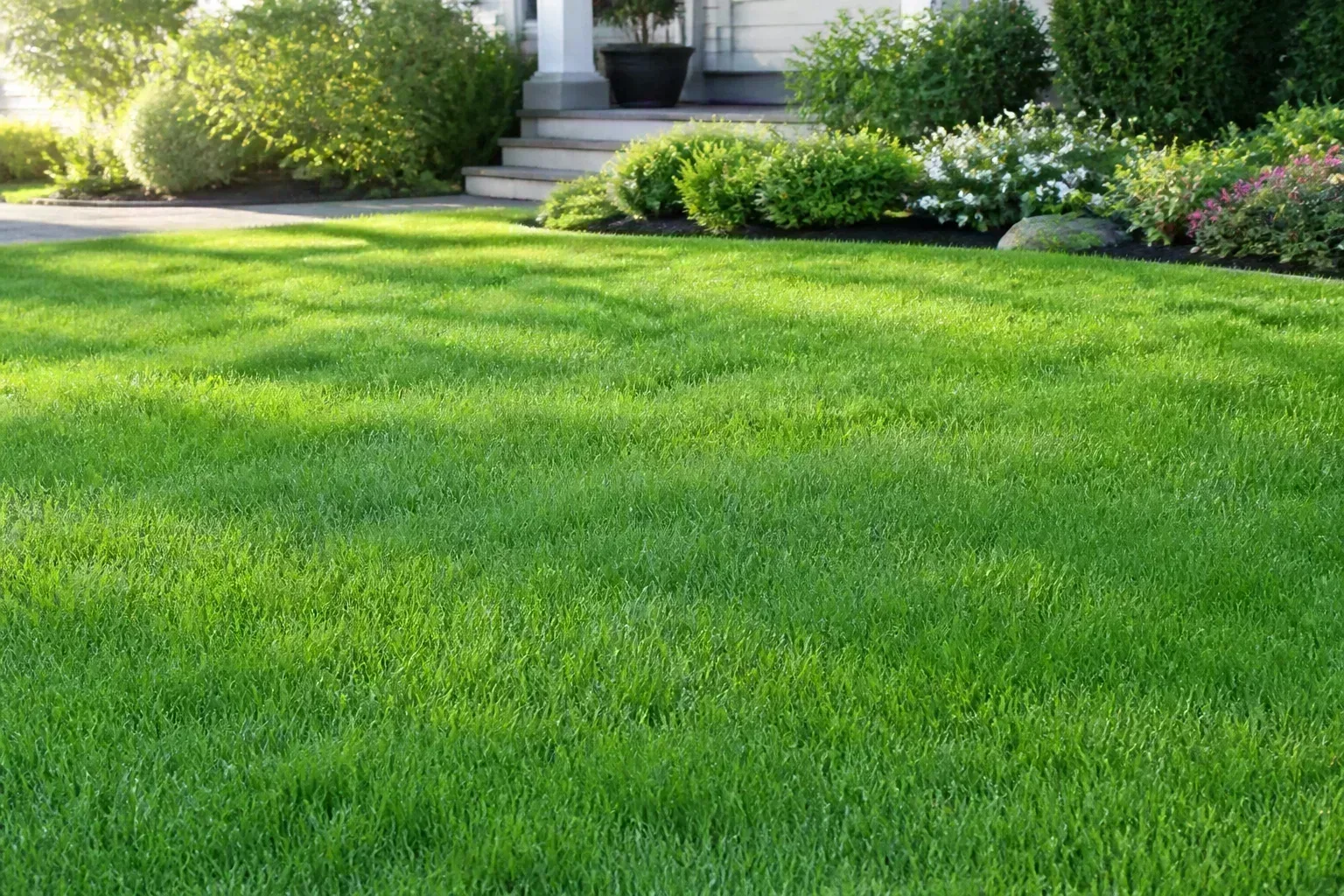
Spring arrives, the hardware store endcap fills with green bags, and the same question hits every mailbox lawn: when do I put weed and feed down? The honest answer is not one date on the calendar. It is a stack of conditions—your grass type, whether weeds are already up or still in the seed bank, soil temperature, recent mowing, and what chemistry is actually in the bag. Nail the timing and one pass can green turf while knocking down dandelions or blocking crabgrass. Miss it and you risk scorched grass, weeds that laugh off the herbicide, or a lawn you just paid to fertilize the wrong plants.
This guide walks through the decision rules extension turf specialists use, translated for a Saturday morning with a broadcast spreader. If you still need help picking a specific bag, pair this page with our best weed and feed comparison—timing and product choice are two halves of the same job.
The Short Answer
Apply spring weed and feed when your grass is actively growing, the weed stage matches the product chemistry, and weather is mild—not during a heat wave, drought, or heavy rain window. For pre-emergent formulas that stop crabgrass and other annual grassy weeds, spread before soil temperatures at a 2-inch depth hold near 55°F for several days—often late February through mid-March in the South and March through early April in the North, depending on year and microclimate. For post-emergent broadleaf weed-and-feed, wait until weeds have leaves to absorb herbicide and turf has been mowed two or three times, with dew or light moisture on weed foliage at application. Daytime air temperatures between 60°F and 85°F are the practical sweet spot for most 2,4-D-based combos.
Cool-season lawns (Kentucky bluegrass, tall fescue, perennial ryegrass) often get a late-spring post-emergent pass in April through June and a stronger fall window for perennial broadleaf weeds. Warm-season lawns (bermuda, zoysia, centipede, St. Augustine) should wait until full spring green-up—usually after the second mow—before any herbicide-plus-nitrogen combo, and pre-emergent timing rarely lines up with when those grasses want fertilizer. That mismatch is why many turf experts prefer separate fertilizer and herbicide steps.
What “Weed and Feed” Actually Means
Weed and feed is marketing shorthand, not one product. Every bag is a specific fertilizer carrier plus a selective herbicide—or sometimes two herbicide modes in one. The fertilizer is usually nitrogen-heavy (typical analysis runs 20–30% nitrogen) because nitrogen drives green color and leaf growth fast. The herbicide half targets either weeds already growing (post-emergent) or seeds about to germinate (pre-emergent). Treating those as interchangeable is the number-one timing mistake homeowners make.
Pre-Emergent vs Post-Emergent Timing
Pre-emergent weed and feed creates a chemical barrier in the soil that interrupts weed seed germination. It does not kill mature crabgrass already tillered across the yard, and it does not touch established dandelions with deep taproots. Timing is entirely about the seed: you must apply before target weeds sprout. University of Georgia Extension recommends pre-emergent herbicides for summer annual grasses such as crabgrass prior to soil temperatures reaching 55°F—roughly March 1–20 in north Georgia and February 15–March 15 in south Georgia as reference dates, adjusted for your local soil thermometer readings.
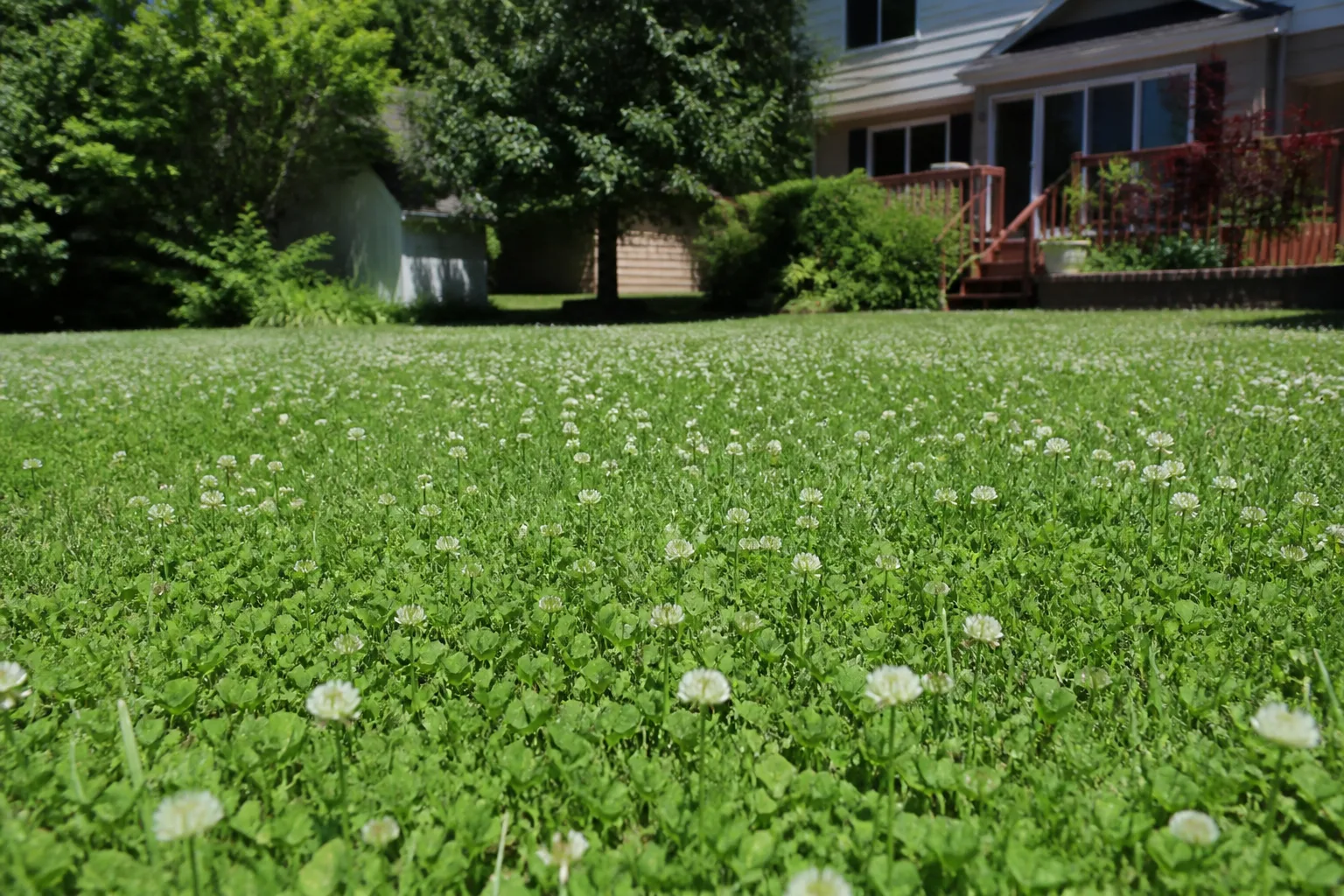
Post-emergent weed and feed kills broadleaf weeds—dandelion, clover, chickweed, plantain—that are actively growing and have enough leaf surface to absorb granules or spray. Apply when weeds are visible, turf is out of dormancy, and temperatures are moderate. Once weeds are tall and seeding, control drops sharply. If you can see yellow flowers on dandelions, you are in post-emergent territory, not pre-emergent.
Why Fertilizer and Herbicide Timelines Often Conflict
Here is the part bag art rarely explains: the month you should fertilize is not always the month you should treat weeds. UGA Extension states plainly that pre-emergence and post-emergence herbicides are applied at different times of year for best results, and weed-and-feed products that contain nitrogen should be avoided until 4-inch soil temperature is consistently 65°F. Some combination products use potassium-only carriers for late-winter pre-emergent work—a detail worth reading on the label.
Centipedegrass is the textbook conflict. It should not receive spring nitrogen until complete green-up, but by then many summer annual weeds have already emerged—making a standard pre-emergent weed-and-feed too late. Warm-season lawns waking from dormancy face the same tension: crabgrass prevention wants early March action while bermuda or zoysia may still be half brown. When the calendar disagrees with itself, split the jobs—pre-emergent without heavy nitrogen early, fertilizer when grass is actively growing, liquid broadleaf spray only where weeds appear.
Spring Timing Rules by Grass Type
Grass species sets the ceiling on what you can apply and when. Herbicides labeled for Kentucky bluegrass may injure St. Augustine. A product safe on bermuda may yellow centipede. Always read the grass compatibility list before you open the bag; timing rules below assume the chemistry matches your turf.
Cool-Season Lawns (Fescue, Bluegrass, Ryegrass)
Cool-season turf hits its spring growth surge in April and May in most of the northern U.S. A practical spring sequence:
| Window | Job | Product type |
|---|---|---|
| Late winter–early spring | Crabgrass prevention | Pre-emergent (often 0-0-7 or low-N carrier) before soil hits 55°F |
| After 2nd–3rd mow | Broadleaf cleanup | Post-emergent weed-and-feed when dandelions and clover are actively growing |
| Late spring | Light nitrogen feed | Separate fertilizer if you skipped combo products |
UGA Extension notes post-emergent herbicides work best in fall and late spring when air temperatures are cooler and perennial broadleaf weeds are actively translocating herbicide to roots. For hard-to-kill perennials like dandelion, a September–November pass often outperforms a rushed April application—Kansas State Research and Extension emphasizes fall for dandelion and other perennial broadleaf control because plants store carbohydrates downward before winter.
If your lawn is mostly clean and you are chasing a greener May lawn, a late-spring post-emergent weed-and-feed after the second mow is reasonable. If crabgrass was a problem last July, the pre-emergent window already passed by the time you are admiring fescue color—plan for next February, not next weekend.
Warm-Season Lawns (Bermuda, Zoysia, Centipede, St. Augustine)
Warm-season grasses stay dormant until soil and air temperatures climb. Applying nitrogen-heavy weed-and-feed on half-green bermuda is how you feed weeds and stress turf at the same time. Wait until:
- The lawn has fully greened across the yard—not just sunny patches
- You have mowed twice at the recommended height for your species
- Nighttime lows are mostly above 55°F
- You are past the worst of the spring transition period when warm-season turf is easily injured by phenoxy herbicides like 2,4-D
Pre-emergent for crabgrass still needs to go down before soil reaches 55°F— which may be before your bermuda is awake. That is another vote for a pre-emergent-only application (sometimes without nitrogen) at the correct soil-temperature window, then fertilizer plus post-emergent broadleaf control after green-up. St. Augustine and centipede are especially sensitive to 2,4-D; use low rates, spot sprays, or formulations labeled for southern grasses rather than a heavy northern weed-and-feed at the wrong temperature.
Soil Temperature and Weather Triggers
Calendar dates are backup cues. Soil temperature is the trigger that matters. Buy an inexpensive soil thermometer or use local extension soil-temperature maps for your state.
55°F at 2-inch depth (sustained several days): upper limit for effective crabgrass pre-emergent; after this, crabgrass seeds germinate and pre-emergent value drops fast. 65°F at 4-inch depth (consistent): UGA’s threshold before applying nitrogen-containing weed-and-feed on most lawns. 85°F daytime air: avoid 2,4-D-based post-emergent applications—UGA Extension warns against applying when air temperatures are expected to exceed 85°F within 24 hours on sensitive warm-season grasses. Below 60°F: weed uptake slows; you waste herbicide and risk lingering product on leaves.
Weather on application day matters as much as the month. Skip application when:
- Heavy rain is forecast within 24 hours (granules wash off; pre-emergent washes away unevenly)
- A heat wave is arriving the same week
- The lawn is drought-stressed (herbicide injury spikes on thirsty turf)
- Heavy dew is absent on post-emergent granular products—more on that below
The Mowing Signal: When Your Lawn Is Ready
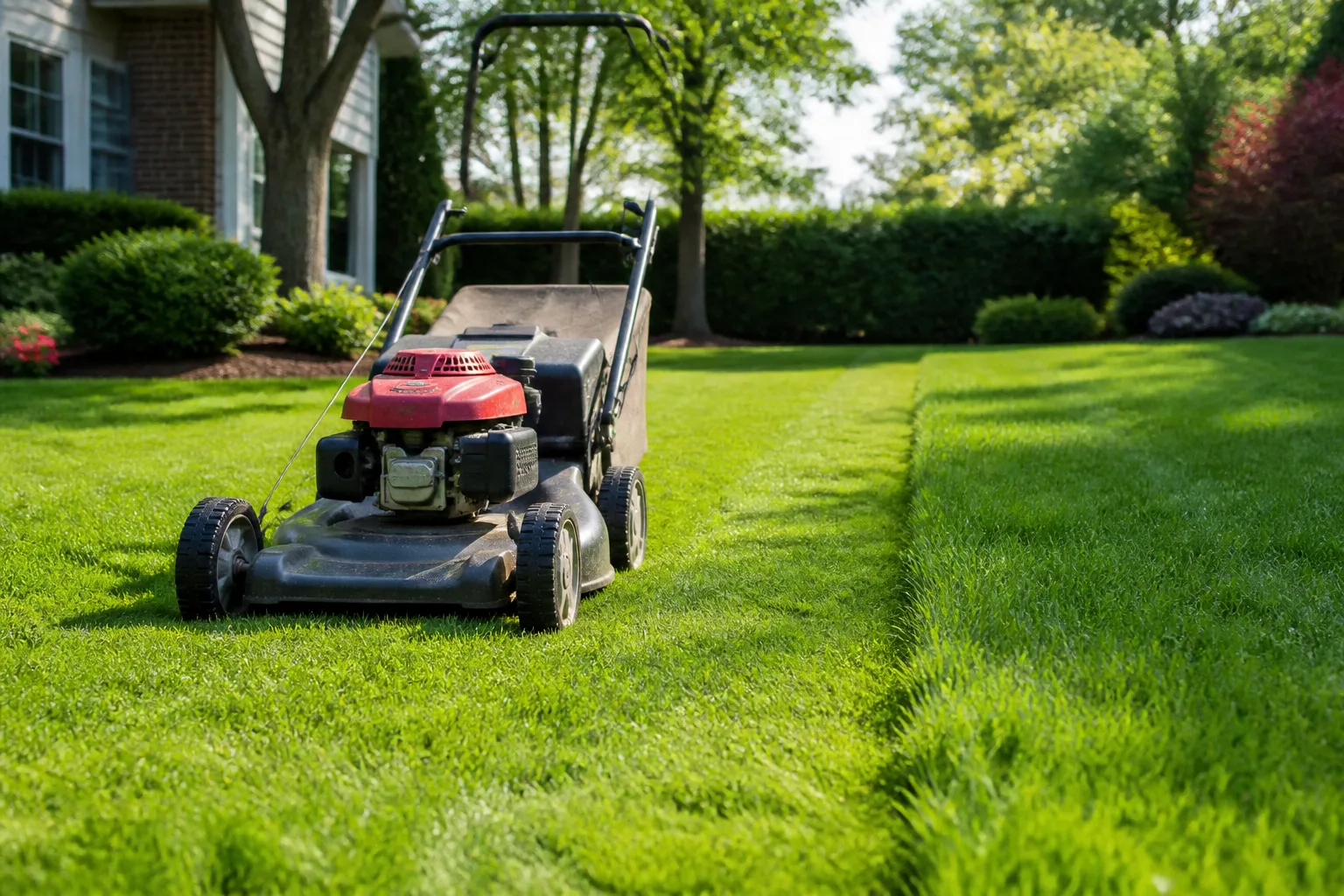
“Mow once or twice, then spread” is common advice for a reason. Mowing proves the grass is actively growing enough to tolerate herbicide and metabolize fertilizer. It also trims weed foliage to a height where granules can contact leaves—especially on post-emergent products.
Practical mowing rules before weed-and-feed:
- Do mow 1–2 days before application on post-emergent broadleaf products so weeds are uniform height and grass is actively growing
- Do not mow immediately before post-emergent if you are removing the leaf surface herbicide needs—wait until 3–5 days after application before mowing again so weeds absorb the chemical
- Keep blades sharp; torn grass tips stress turf already handling herbicide
- Never drop mowing height below one-third removal in a single cut during herbicide weeks
For pre-emergent, mowing timing is less critical because the target is soil, not leaves. What matters is getting granules down before crabgrass emerges and watering in lightly per label so the barrier forms in the top inch of soil.
Pre-Emergent Weed-and-Feed: Beat Crabgrass Before It Sprouts
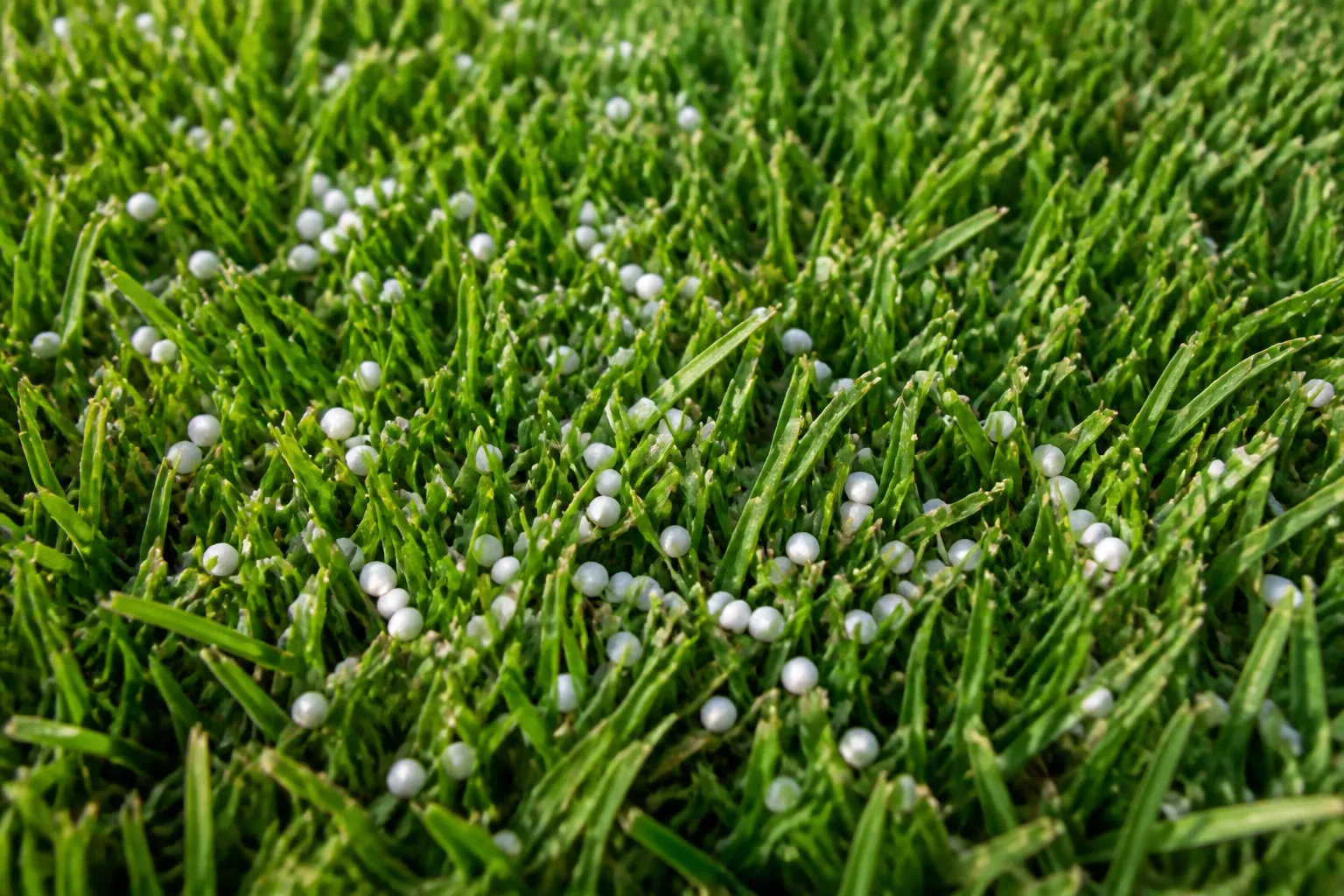
If last summer’s lawn photos show light green, spreading grassy patches with seed heads at mower height, assume crabgrass will return unless you block it early. Pre-emergent weed-and-feed (or standalone pre-emergent on fertilizer carrier) needs to be on the ground before crabgrass seedlings appear.
Target window: when forsythia blooms in your area, soil is often approaching the 55°F mark—use that folk signal as a backup to a thermometer, not a replacement. In practice:
- Upper South / transition zone: mid-February through March
- Mid-Atlantic / lower Midwest: mid-March through early April
- Northern tier: late March through mid-April, with year-to-year swing
After application, most labels call for 0.25–0.5 inch of irrigation or rainfall within a few days to move the herbicide into the soil profile. Without that, you get a patchy barrier and streaky crabgrass later. Do not confuse pre-emergent with “water weeds in”—you are anchoring chemical in soil, not washing product off foliage.
Critical limitation: pre-emergent also blocks desirable grass seed from establishing. If you plan to overseed thin areas this spring, a standard pre-emergent weed-and-feed is the wrong tool unless you use a product explicitly labeled for seeding timing (rare) or you seed in fall instead.
Post-Emergent Weed-and-Feed: Knock Down Visible Broadleaf Weeds
When dandelions, clover, and chickweed are up and photosynthesizing, switch to post-emergent chemistry. Granular broadleaf weed-and-feed products typically combine 2,4-D, MCPP, and sometimes dicamba—effective on many broadleaf weeds, weak on mature crabgrass and useless on nutsedge.
Timing checklist for post-emergent weed-and-feed:
- Weeds are actively growing, not drought-dormant
- Grass has been mowed at least twice this season
- Weed leaves are moist from early-morning dew or a very light irrigation—Iowa State Extension stresses that granules must stick to moist weed foliage; dry leaves shed granules and waste herbicide
- Air temperature 60–85°F with calm wind
- No rain forecast for 24–48 hours after application (unless label specifies otherwise)
- Stay off the lawn until granules have settled and any dew has dried
Watering after post-emergent granular: unlike some liquid sprays, you generally do not immediately soak the lawn after a granular broadleaf weed-and-feed—you want herbicide residue on leaves long enough for uptake. Follow your specific label; many post-emergent granules should not be watered in for 24–48 hours. This is the opposite of pre-emergent logic and the source of much homeowner confusion.
Products containing dicamba add another rule: dicamba is absorbed through roots as well as leaves, which improves weed kill but can injure ornamental trees, shrubs, and flowers whose root zones overlap the lawn. UGA Extension warns not to apply dicamba-containing weed-and-feed over the root zones of ornamentals. Keep a 5–10 foot buffer or use a product without dicamba near landscape beds.
When NOT to Apply Weed and Feed
Sometimes the strongest weed-control move is waiting. Do not apply spring weed-and-feed when:
- New grass seed or sod is less than established—wait until new turf has been mowed three to four times (often ~8 weeks) before post-emergent herbicide; pre-emergent blocks germination entirely (UGA Extension)
- Overseeding is planned within 8–16 weeks—pre-emergent will stop your seed
- Drought or extreme heat is stressing turf
- Spring transition on bermuda, zoysia, or centipede—avoid phenoxy herbicides while turf is half dormant
- Wind is strong—granular and spray drift damage ornamentals and vegetable gardens
- Weed type does not match chemistry—2,4-D will not fix nutsedge, wild violet, or mature crabgrass; you need the right active ingredient, not another bag of the same combo
- The lawn is mostly weed-free—broadcasting herbicide across clean turf adds risk without benefit; spot-spray instead
If you already missed the pre-emergent window and crabgrass is up, a weed-and-feed bag is not a time machine. Switch to a post-emergent crabgrass-specific product or hand-remove young plants, then mark your calendar for next year’s soil-temperature trigger.
How to Apply Weed and Feed Without Burning or Wasting Product
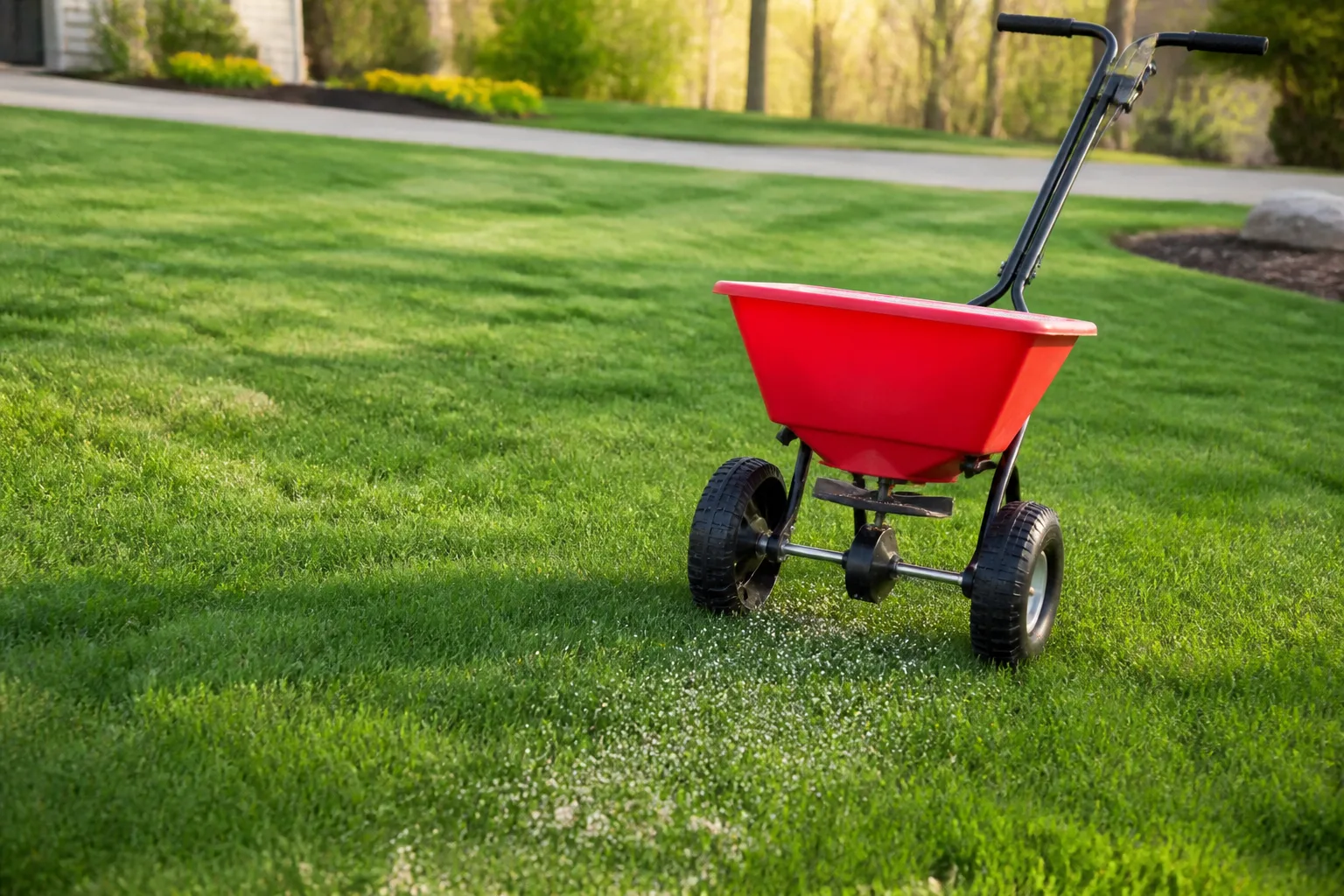
Application technique separates even coverage from zebra-striped regret. You need a broadcast or drop spreader, gloves, closed shoes, and a calm morning.
Step-by-step:
- Read the label for your grass type, rate per 1,000 sq ft, and spreader setting
- Measure the lawn—guesswork causes double-dosed stripes
- Fill the hopper on pavement, not grass, so spills do not create herbicide hotspots
- Apply in two directions at right angles to each other—UGA Extension recommends splitting the product in half and walking a grid pattern to prevent skips and overlap burns
- Close the hopper before stopping or turning
- Sweep stray granules off driveways and sidewalks—they wash into storm drains and can damage adjacent plants when wet
- Stay off the lawn until product has settled per label timing
- Clean the spreader before using it for plain fertilizer later—herbicide residue in a hopper is an easy way to damage a garden bed
Apply in the early evening on hot springs if label allows—grass has overnight to metabolize before peak sun. Avoid midday on sunny days when fertilizer plus heat can tip-burn leaf blades even without obvious “scorch.”
Moisture, Spreader Calibration, and Overlap
Moisture: match the product. Pre-emergent needs water-in within the label window. Post-emergent granular needs dew on weeds at spread time, then dry, rain-free hours afterward. If you irrigate heavily the night before post-emergent, you may wash granules into the soil before weeds absorb them—light dew is the goal, not a soaking.
Calibration: spreader dial settings on the bag are starting points. If your spreader model is not listed, use the manufacturer’s conversion chart. Walking speed affects rate—maintain a steady pace and mark your path mentally.
Overlap: slight overlap on spreader passes is intentional; double-passing the same stripe dumps double herbicide and causes yellow arcs that persist for weeks. The two-direction grid method fixes skips without overloading one strip.
Weed-and-Feed vs Separate Fertilizer and Herbicide
Weed-and-feed is convenient when timing aligns and weeds are widespread. It is the wrong default when:
- Only 10–20% of the lawn has broadleaf weeds—spot-spray liquid selective herbicide instead
- Pre-emergent month ≠ fertilizer month on your grass type
- You need different chemistry for different weeds (crabgrass vs clover vs nutsedge)
Extension turf specialists increasingly recommend fertilizing when grass needs nitrogen and treating weeds when weeds are vulnerable—two decisions, two trips. That approach uses less herbicide, reduces ornamental exposure to dicamba, and lets you hit a superb fall broadleaf window without forcing spring nitrogen on dormant centipede. Weed-and-feed still earns its place on a weedy, established, cool-season lawn in late spring when dew, temperature, and weed stage line up. Treat it as a tool, not a ritual.
Choosing the Right Product for Your Weed Problem
Timing fails when chemistry fails. Before you worry about the week on the calendar, confirm the bag matches the weed:
| Weed situation | Product direction | Spring timing note |
|---|---|---|
| Crabgrass prevention | Pre-emergent (pendimethalin, dithiopyr, prodiamine) | Before soil 55°F; water in |
| Visible dandelion/clover | Post-emergent 2,4-D + MCPP (+/- dicamba) | After 2nd mow; moist weed leaves |
| Crabgrass already up | Post-emergent quinclorac or mesotrione products—not standard weed-and-feed | Young plants only; read label |
| New seed planned | Avoid pre-emergent; use siduron if labeled for seeding | Specialized timing |
| Southern St. Augustine | Southern-formulation, low 2,4-D rates | After full green-up; avoid heat |
Our best weed and feed product guide breaks down nine common bags by NPK, grass restrictions, and weed target. Use this timing page to pick the week; use that guide to pick the bag.
Spring Calendar: Week-by-Week Decision Framework
Use this as a flowchart, not gospel—adjust for soil thermometer readings and your zip code’s spring weirdness.
Late winter / very early spring (soil still cool, grass semi-dormant):
- If crabgrass was a problem last year → pre-emergent now, before 55°F soil
- If lawn is clean and cool-season → optional low-N pre-emergent only; save nitrogen for April
Early spring (first mow becoming possible):
- Mow when grass is tall enough to cut, not because the calendar says March 1
- Do not apply post-emergent weed-and-feed on first green blush alone
Mid-spring (2nd–3rd mow, weeds visible, soil warming):
- Best post-emergent weed-and-feed window for many cool-season lawns
- Warm-season lawns: only if fully green and past transition injury risk
Late spring (soil 65°F+, steady growth):
- Nitrogen response peaks; post-emergent broadleaf control still works if temps stay below 85°F
- If you skipped pre-emergent, scout for crabgrass seedlings—hand-pull young plants while small
Early summer handoff:
- Stop phenoxy herbicides before heat waves
- Shift to irrigation and mowing height management; plan fall broadleaf pass for perennials
Common Timing Mistakes and How to Fix Them
Mistake: Pre-emergent in May. Crabgrass is already up. Fix: use labeled post-emergent crabgrass control on young plants, or tolerate and pre-emergent next February.
Mistake: Post-emergent on dry weeds at noon. Granules bounce off leaves. Fix: apply at dewy morning or after very light misting; wait for dry calm day.
Mistake: Weed-and-feed before green-up on bermuda. Yellow, stressed turf. Fix: wait for full green and two mows; split pre-emergent and fertilizer if needed.
Mistake: Fertilizing and pre-emergent on new seed. Seedlings die or never sprout. Fix: wait until three to four mowings on new grass; use overseeding-safe products only if label explicitly allows.
Mistake: One bag for every problem. Creeping Charlie, nutsedge, and mature crabgrass laugh at standard 2,4-D weed-and-feed. Fix: identify the weed, choose specific chemistry, consider fall timing for perennials.
Mistake: Ignoring the forecast. Rain washes; heat magnifies injury. Fix: reschedule—herbicide timing is measured in days, not pride.
Conclusion
Spring weed-and-feed timing is not a single date printed on a bag—it is a match between grass physiology, weed life stage, soil temperature, and weather. Put pre-emergent down before crabgrass seeds wake at 55°F soil. Apply post-emergent weed-and-feed when weeds have moist leaves, turf has been mowed twice, and air temperatures sit in the 60–85°F band. Warm-season lawns wait for full green-up; cool-season lawns often get their best broadleaf kill in fall as well as late spring.
When fertilizer month and herbicide month disagree—and on centipede, bermuda, and any lawn you plan to seed, they often do—split the jobs instead of forcing one combo pass. Measure your lawn, calibrate your spreader, read the grass-type restrictions, and keep herbicide away from ornamental root zones. Get the week right and weed-and-feed earns its shelf space. Get it wrong and you have paid to stress your grass and feed the weeds you meant to kill.



