Prep Garden Beds in Winter for Spring Blooms
Don't wait for March. Learn which winter garden-bed prep jobs actually help spring flowers—and which ones damage wet soil or dormant plants.
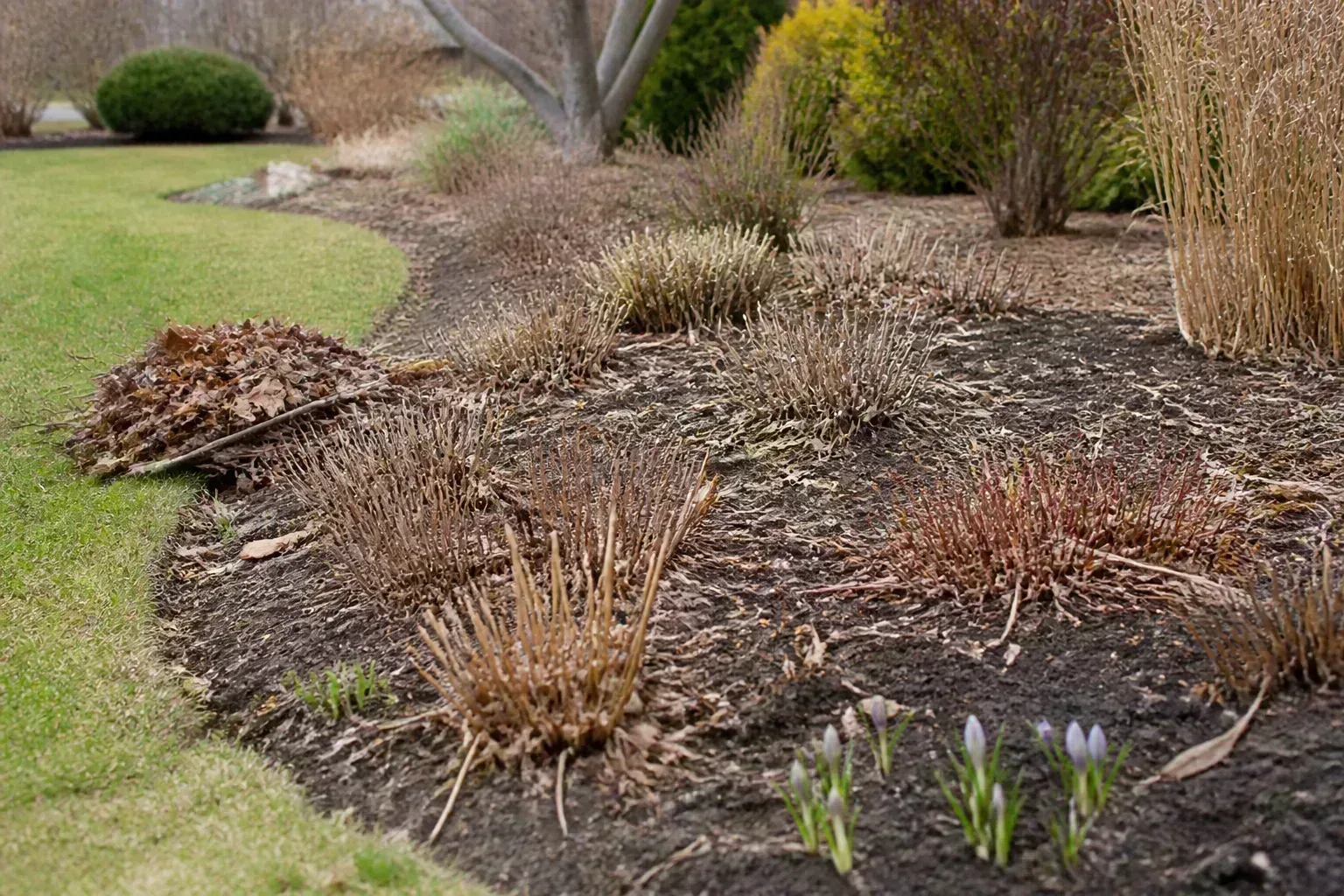
Spring planting still feels months away, yet a string of mild winter days can pull you outside with pruners and a wheelbarrow before you have a plan. That impulse is useful—late winter is one of the best windows to prep garden beds for stronger spring blooms—but only if you match each job to soil moisture, dormancy, and your local frost pattern. The five tasks below are the highest-return jobs you can do now without turning beds into compacted mud or pruning away this year’s flowers.
Why Warm Winter Days Are Your Secret Head Start
Unseasonably warm afternoons between hard freezes are not a trick of the calendar; they are working weather. Beds are visible, plants are dormant or semi-dormant, and you can tackle sanitation, soil testing, structural pruning, drainage fixes, and rodent control while the garden is quiet. Come April, those same chores compete with planting, weeding, and the first flush of growth.
The payoff shows up in blooms, not just tidiness. Clearing diseased debris reduces spores that attack tender spring shoots. A winter soil test lets you order lime or sulfur and plan amendments before nurseries get busy. Dormant pruning shapes summer-blooming shrubs and roses without stealing energy from opening buds. Drainage repairs stop saturated roots from rotting during spring rains. And breaking a vole population cycle now protects tulip bulbs and young bark before green tissue wakes up and becomes bait.
Match Each Task to Ground and Weather Conditions
Not every warm day is a green light. Frozen ground limits digging and amending—you can still prune, test soil from unfrozen pockets, pull weeds from soft surface soil, and inspect drainage from the surface. Saturated soil is the bigger trap: working wet beds destroys structure, squeezes air from root zones, and kills the soil biology that feeds spring growth. Epic Gardening’s winter prep guidance emphasizes balancing neat beds with keeping organic material that supports healthy soils and overwintering habitat—this page applies that same balance with explicit stop rules.
Use a simple gate before any task that disturbs soil: if water pools on the surface, if footprints leave shiny smears, or if a shovelful sticks together in a slick ball, stick to above-ground work only. If the top few inches are crumbly and you can walk the bed without sinking, proceed. Your last frost date still governs planting; these tasks prepare the stage, not the show.
Task 1: Clear Debris Without Stripping Winter Protection
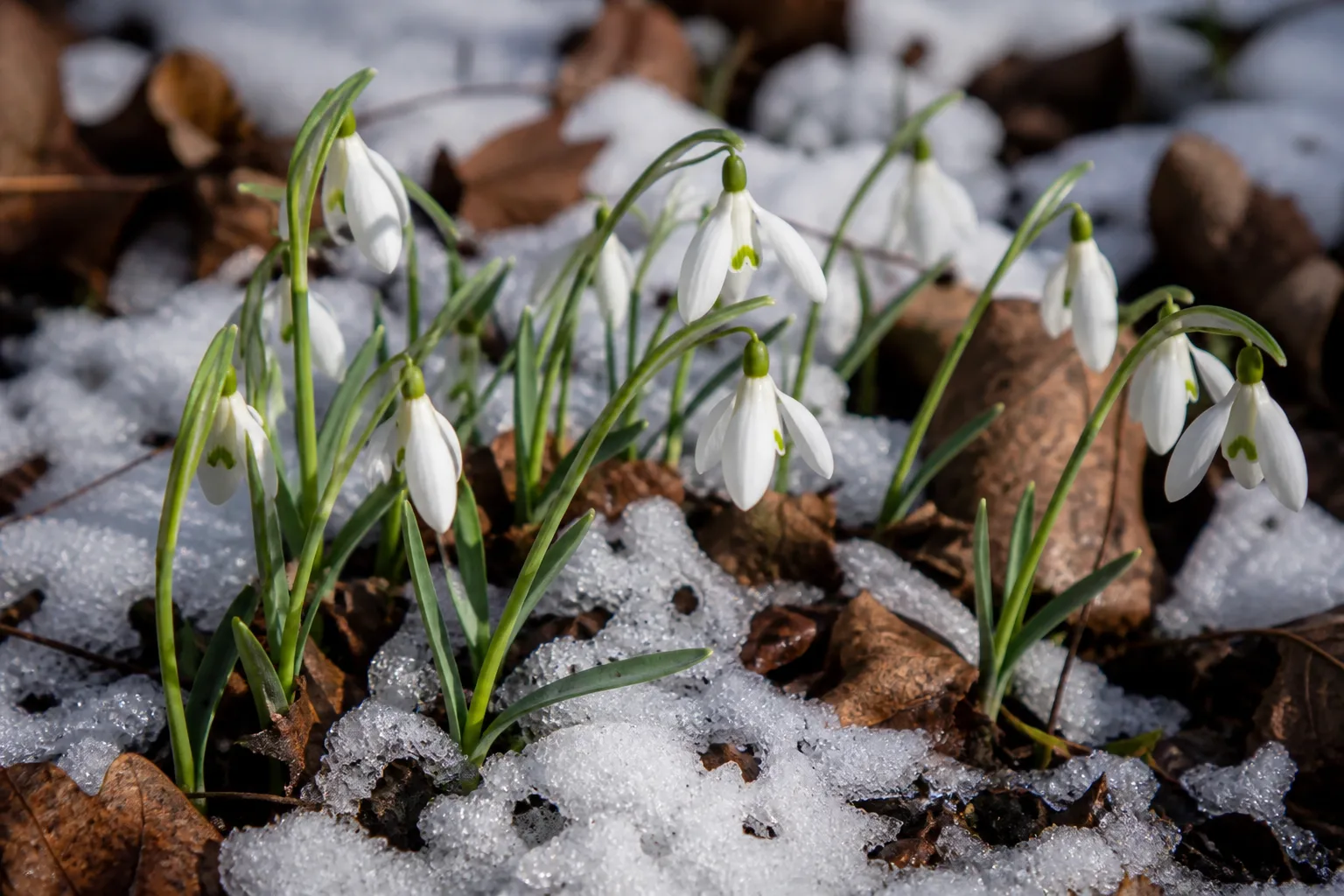
Bed cleanup is the first job most gardeners reach for on a sunny January afternoon, and it deserves nuance. Remove what harbors disease and pests; keep what insulates roots and feeds soil life. That split is what separates a productive sweep from a bare bed that heaves in freeze-thaw cycles and dries out in wind.
Start with sticks, fallen branches, and matted piles of dead foliage you missed in fall—especially around roses, garden phlox, bee balm, and hostas where fungal spores and slug eggs overwinter in damp litter. Epic Gardening’s winter bed prep advice recommends focusing cleanup on disease-prone areas and discarding that material away from compost rather than recycling pathogens back into the pile.
What to Remove Now vs Leave Until Spring
Remove now: broken stems, collapsed annual skeletons, diseased leaves, trash, and matted wet piles that touch crowns. Cut spent perennial stems to a few inches if they were diseased or if you need sight lines for weeding—but you do not need a scalped bed.
Leave for now: standing seedheads on coneflowers, rudbeckia, and grasses that feed birds; semi-evergreen hellebore and fern foliage; and leaf mulch that is loose and dry, which insulates roots and breaks down into organic matter. Rake leaves away from early ephemerals—crocus, snowdrops, grape hyacinth, and hellebores pushing through soil—so light and air reach new growth. If January blooms are already up in your yard, see our guide to flowers that should be blooming in January for species-specific crown clearance.
When snow mold or matted turf is a concern in cold climates, remember that spring recovery starts with gentle raking—not winter scalping. Our snow mold explainer covers when to intervene on lawns adjacent to beds.
Pull Winter Weeds Before They Set Seed
Cool-season weeds like chickweed and henbit germinate in fall and grow through mild spells, often blooming before you notice. Pull them now while roots are shallow and soil is soft. Each plant you remove prevents thousands of seeds from joining your spring weed load. If wet soil makes pulling messy, wait for a dry stretch or loosen lightly with a hand fork without turning the whole bed.
For lawn edges creeping into beds, coordinate with a broader weed strategy—our lawn weed control guide explains how perimeter weeds seed into flower borders.
Task 2: Test Soil Before You Guess at Amendments
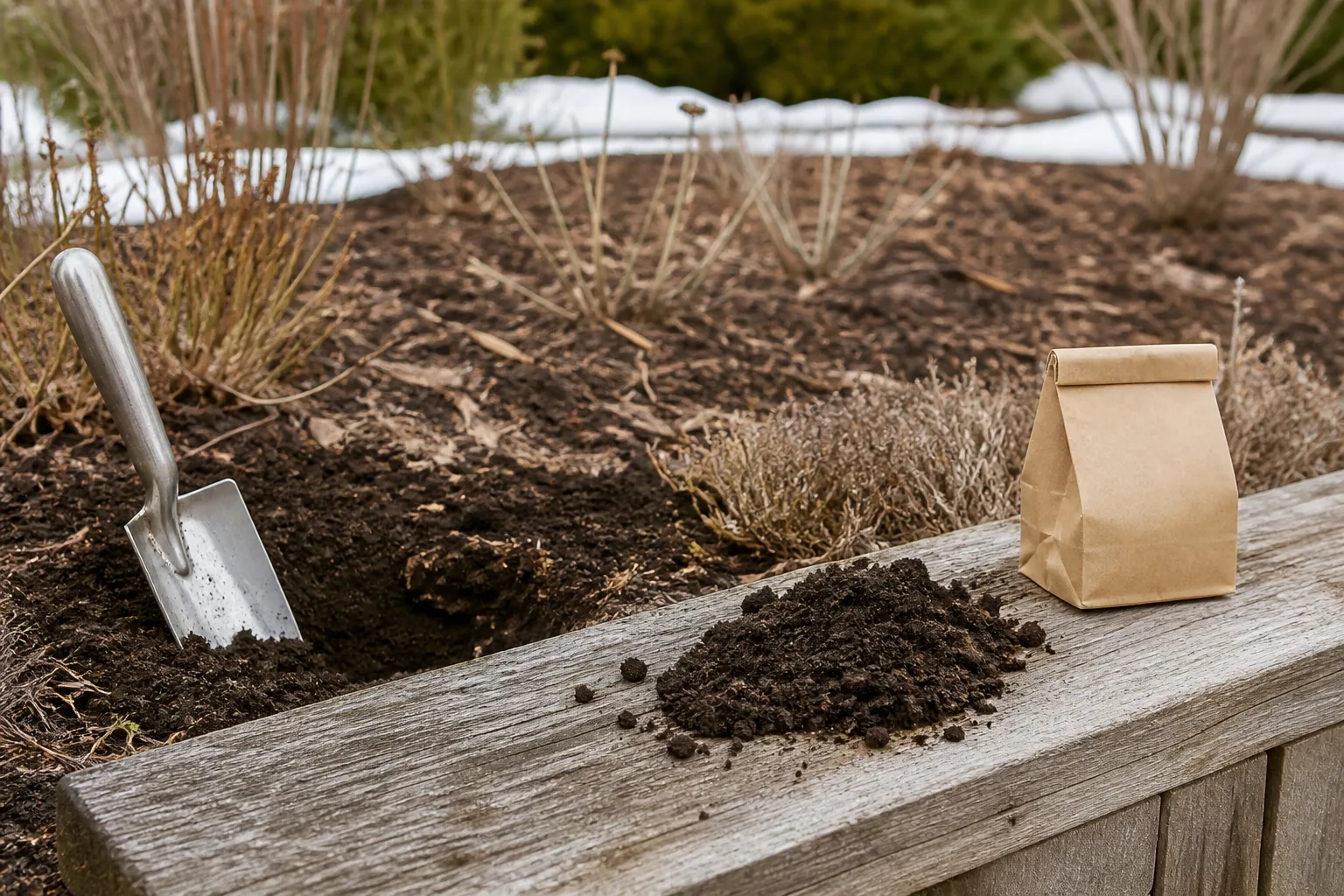
pH and nutrient availability decide whether spring fertilizer helps or hurts. Most gardeners guess wrong because they amend by habit—extra lime on lilacs, acidifier near hydrangeas—without knowing baseline numbers. Late fall through early spring is the standard window to submit samples; labs are less backlogged, and you have time to order amendments before planting rush.
Penn State Extension describes soil testing as the way to measure plant-available nutrients and determine fertilizer or lime needs. Collect subsamples from 6 to 8 inches deep across the bed—not one rich corner near an old compost pile—and mix them into one bag per bed or crop zone. Retest every three to five years, or sooner if you fight chronic yellowing or failed acid-lovers.
Reading pH for Acid-Loving vs Alkaline Plants
Most ornamental perennials and vegetables perform well near pH 6.0 to 7.0 (slightly acidic to neutral). Acid-loving spring bloomers—azaleas, rhododendrons, camellias, gardenias, and blue hydrangeas in acidic soil—want roughly 5.0 to 5.5. Alkaline-tolerant plants like lavender, lilac, and many clematis cultivars often prefer 6.5 to 7.5. Test results let you match plants to beds instead of fighting chemistry all season.
If pine needles or evergreen duff accumulate on acid beds, raking a thin layer back around ericaceous shrubs before spring growth can supplement surface acidity—but it is not a substitute for a lab test when pH is unknown. Apply granular fertilizer only when soil is workable and roots are dormant or barely stirring; a light feeding on unfrozen ground can help early bulbs and evergreen shrubs in late winter, but never guess rates without a report.
The Fist Test for Working Wet Soil Safely
Warm days tempt you to dig in compost early. Resist when soil is wet. Working saturated clay or loam compacts pore spaces, limits oxygen to roots, and damages fungal networks that support spring uptake. The classic field check still works: dig a handful from 6 to 8 inches, squeeze it, and open your hand. If it holds a ball that cracks apart with a poke, moisture is acceptable. If it smears shiny or drips, wait.
When the fist test fails, you can still top-dress compost on frozen or firm ground lightly and let freeze-thaw cycles incorporate it—better than rototilling soup. Plan major tilling for the first dry week when soil crumbles in your palm.
Task 3: Prune for Structure While Plants Are Dormant

Dormancy is your permission slip to see branch architecture without leaves in the way. Winter pruning builds the frame that carries summer and autumn flowers, removes dead wood before sap runs, and shrinks disease entry points on open cuts in cold air. The critical rule: prune after bloom for spring-flowering woodies; prune before bloom for summer-flowering woodies.
Late-Winter Roses and Summer-Blooming Vines
Roses and summer-blooming clematis (Group 3 types that flower on new wood) are classic late-winter projects—typically February into early March in many temperate zones, before bud swell. Remove dead, crossing, and inward-facing canes; shorten remaining canes to outward-facing buds at a height that matches your climate (lower in cold zones where dieback is common). Summer vines like Dutchman’s pipe and native honeysuckle that bloom on current-season growth also benefit from dormant thinning so you do not cut off this year’s flower buds later.
For ornamental trees with tight branch angles, dormant season is when you can evaluate structure without foliage—similar logic to Japanese maple winter pruning limits, where timing and cut size matter as much as technique.
Perennials and Shrubs You Should Not Cut Back Yet
Do not wholesale cut spring-blooming shrubs—forsythia, lilac, quince, viburnums that flower on old wood— in late winter unless you accept losing this year’s display. Trim dead tips only. Among herbaceous perennials, leave late-season performers (asters, sedums, Russian sage, goldenrod) standing until late winter if you want winter interest and crown protection; cut them to 1 to 2 inches when you are ready for a clean sweep, ideally before new basal growth appears.
Summer-blooming shrubs—potentilla, many spireas, butterfly bush in hardy zones—can be shaped now while dormant. When in doubt, look up bloom time: if it flowers before July on last year’s stems, wait until after bloom to hard prune.
Task 4: Fix Drainage and Winter Watering Gaps
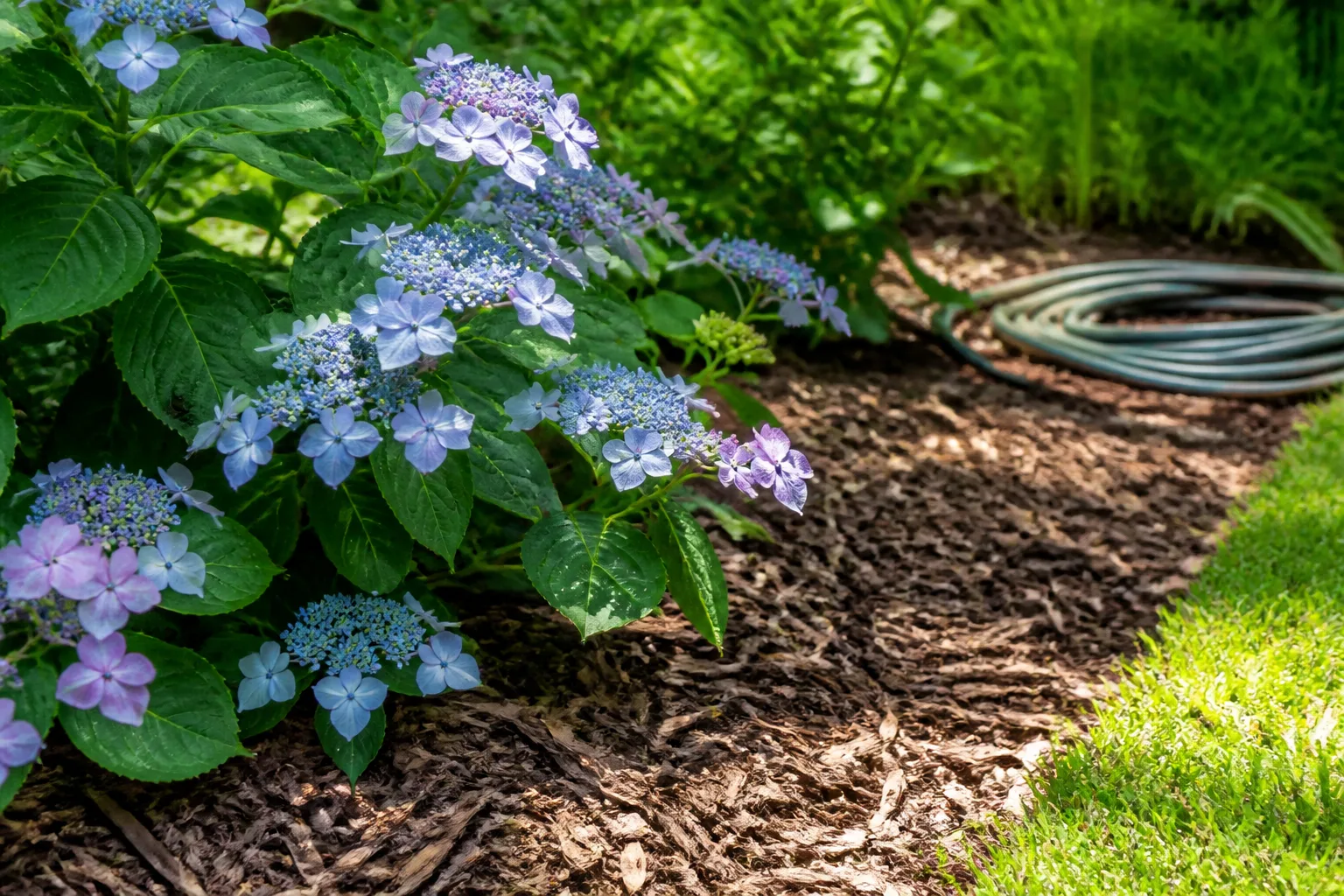
Spring bloom failure often starts with roots that sat in ice water all winter or desiccated in dry wind without you noticing. Drainage evaluation and supplemental winter watering belong in the same task because both manage water at the root zone.
Spotting Low Spots and Hydrophobic Patches
Walk beds after rain or snowmelt and mark pooled areas, downspout dumps, and paths where runoff concentrates. Low spots suffocate roots and favor crown rots on perennials waking in spring. Fixes—regrading, extending downspout extensions, French drains, rain barrels on overflow routes—are easier to plan now than during mud season.
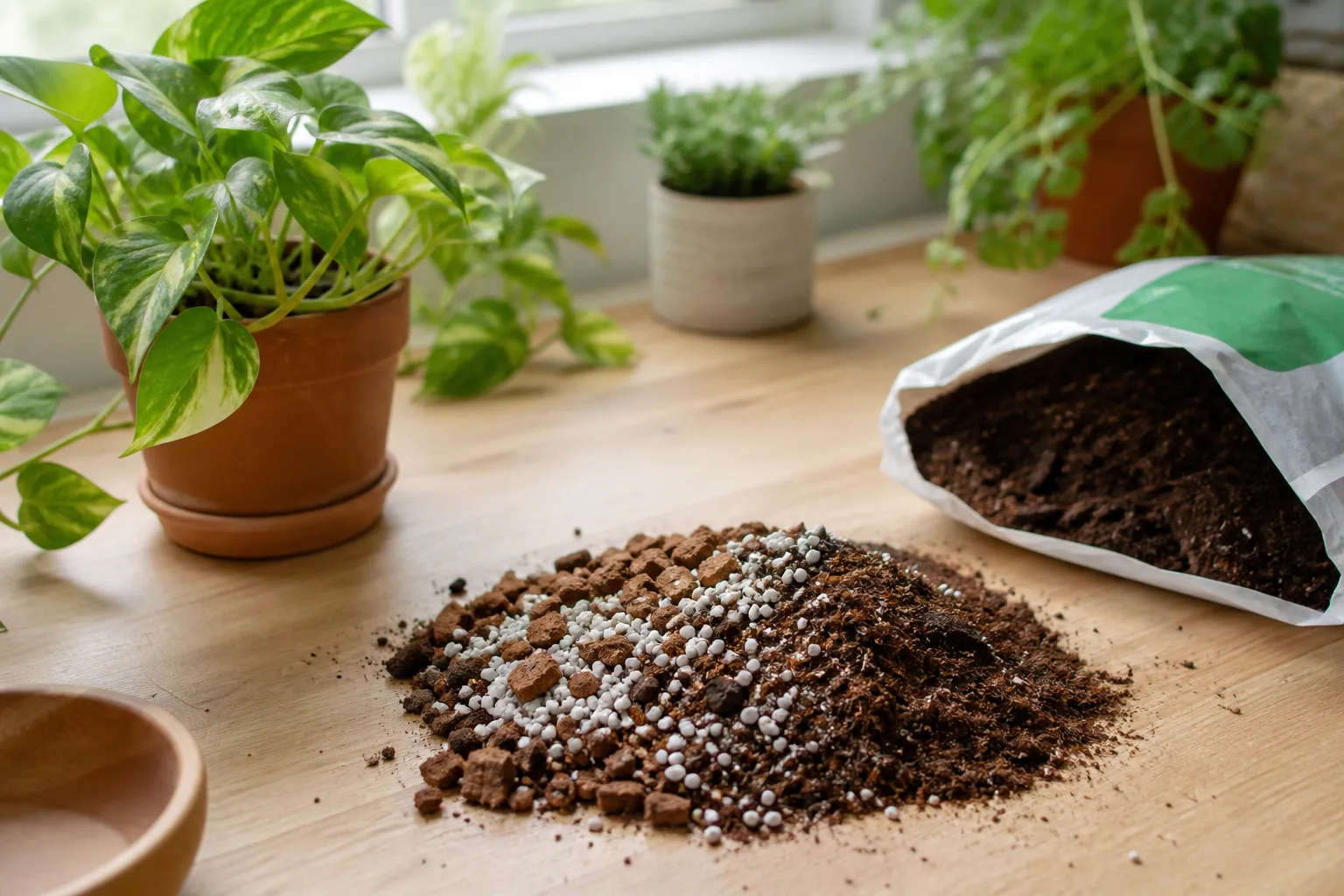
At the opposite extreme, hydrophobic or sandy beds shed water despite looking dry on top. Organic matter—compost, shredded leaves, aged bark—is the durable fix; perlite or vermiculite can improve container mixes but are secondary in open ground. Top-dress thinly on workable days rather than digging wet clay.
When Dormant Plants Need a Deep Soak
Snow cover and winter rains supply plenty of moisture in many climates, but dry winters with desiccating wind stress evergreens, newly planted trees and shrubs, and spring bulbs rooting below frost line. Check moisture monthly by probing near bulb zones and new transplants. Water on days above freezing when soil is not frozen solid, soaking deeply in the morning so surfaces dry before night freezes.
Prioritize broadleaf evergreens, young woody plants, and beds under eaves where rain never lands. Skip routine watering when soil is frozen or already saturated—ice around roots causes different damage than drought.
Task 5: Break the Rodent Cycle Before Roots Wake Up
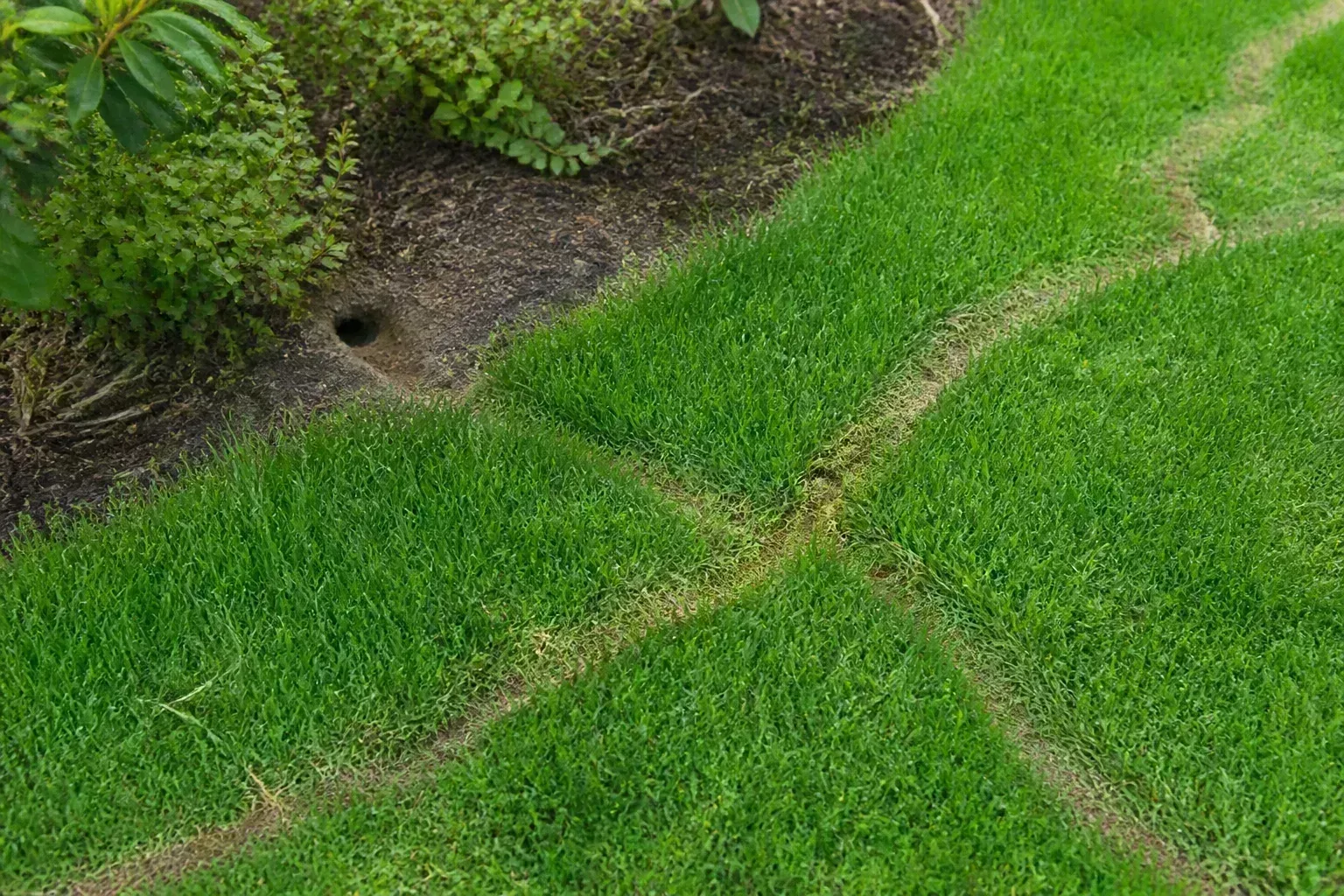
Moles, voles, and chipmunks do not vacation in winter. Voles—small meadow mice—stay active under snow, tunneling through mulch and eating roots, bulbs, and bark. Moles disturb soil hunting insects but rarely eat plants; chipmunks cache bulbs and gnaw selectively. Misidentifying the pest wastes traps and bait.
Utah State University Extension notes voles create surface runways in turf and mulch, prefer heavy ground cover, and strip bark and chew roots—damage that peaks when other food is scarce. They occasionally wander into garages but do not infest houses like mice.
Voles vs Moles—and What Actually Works in Winter
Voles: 1- to 2-inch-wide runways, small holes without soil mounds, gnaw marks at plant bases, disappearing tulips. Moles: raised ridges and volcano-shaped mounds from deeper tunnels. If you see dirt piles, moles are the story; runways without mounds point to voles.
Winter IPM that actually reduces spring losses:
- Reduce cover: pull mulch back from trunks; thin matted leaves where voles nest; mow adjacent turf short.
- Trap active runways: mouse snap traps set perpendicular with triggers in the path, checked daily.
- Protect high-value plants: 1/4-inch hardware cloth cylinders around young trees, buried several inches below soil line.
- Avoid random bait without identification; rodenticides have non-target risks and label restrictions.
For a full trapping and barrier playbook, see our vole control guide. Address populations now—before bulb shoots and tender bark become easy calories.
Your Late-Winter Prep Timeline by Month
January: debris sweep on dry days, winter weed pulls, soil sample mailing, vole scouting, drainage observation after thaws, indoor seed starting if you want a head start (how to start seeds indoors and January bulb forcing pair well with outdoor prep).
February: dormant pruning for roses and summer-blooming woodies; apply soil amendments per lab results on workable soil; install drainage fixes; trap voles; deep-water dry beds during warm spells.
March: final cutback of late perennials; refresh mulch after soil firms; avoid walking beds while wet; shift toward planting as frost dates approach.
Adjust forward or back two to four weeks by USDA zone and microclimate—coastal mild zones run earlier; inland cold zones compress February work into a short thaw window.
Conclusion
Better spring blooms rarely come from one heroic March weekend. They come from five disciplined winter tasks done when conditions allow: selective debris cleanup, soil testing with safe digging rules, bloom-time-aware pruning, drainage and winter watering checks, and rodent IPM before bulbs and bark flush. On your next warm afternoon, walk the beds with this list, run the fist test before you dig, and stop when soil says no. The flowers you protect in January are the ones you photograph in May.