How to Get Rid of Voles in the Yard
Voles chew roots, girdle trees, and leave maze-like lawn runways. Learn to identify voles vs moles, trap them safely, install barriers, and prevent the next population surge.
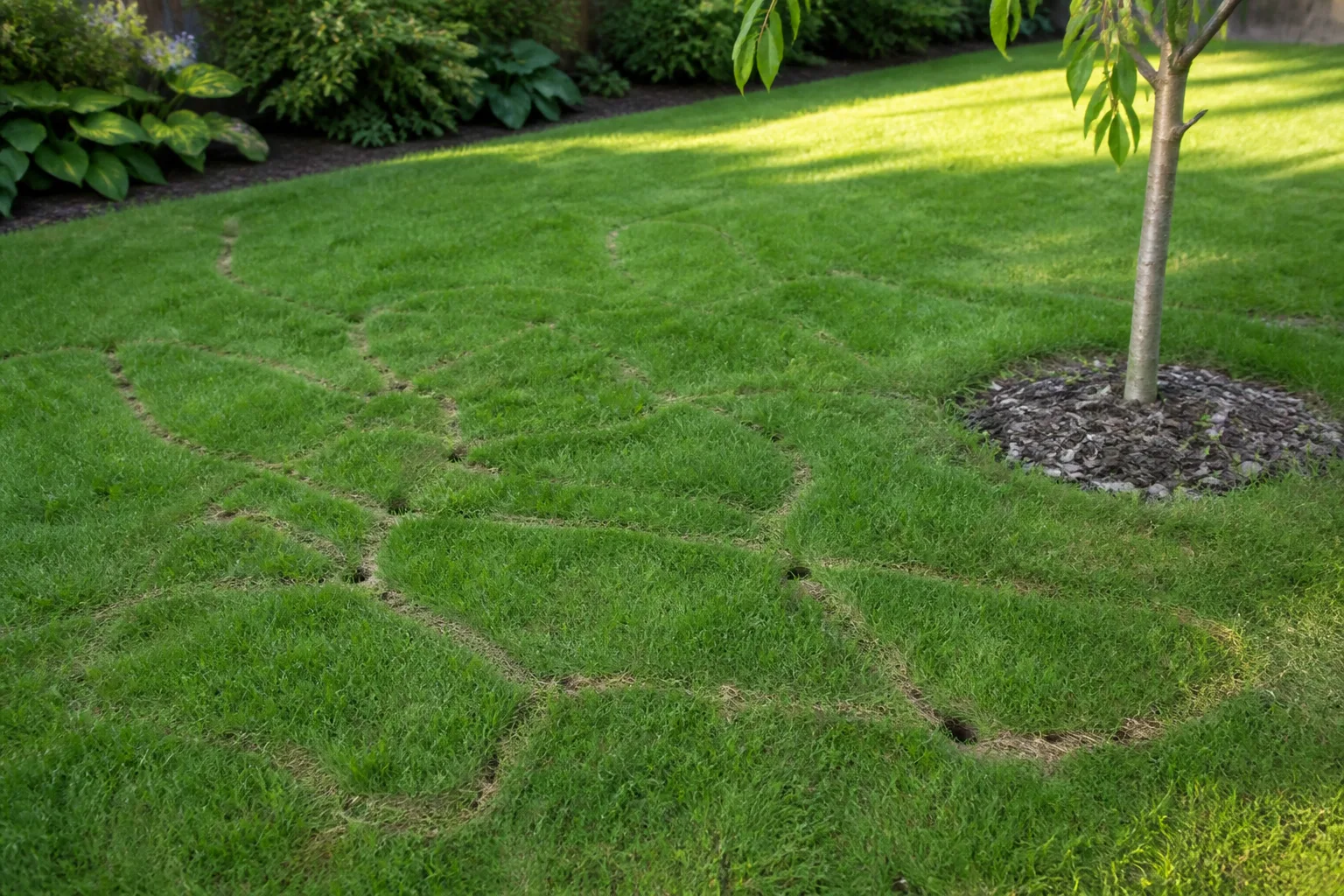
You noticed winding paths through the grass, a young shrub leaning at an odd angle, or tulip bulbs that vanished before they bloomed. The damage often appears overnight—but the culprit is usually not a mole. Voles are stocky, mouse-like rodents that stay at or just below the soil surface, eating grass, roots, bulbs, and bark. They do not hibernate, breed fast, and can surge in population every few years. Getting rid of them takes integrated pest management (IPM): confirm the pest, remove cover, trap active runways, protect vulnerable plants, and repair damage before the next winter.
What Voles Are—and Why They’re Not Moles
Voles—often called meadow mice or field mice—are small rodents in the genus Microtus. Adults measure about 4 to 8 inches including a short, scantily haired tail, weigh under 3 ounces, and have blunt faces, small dark eyes, and ears often hidden in brown or gray fur. According to Utah State University Extension, they build surface runways and shallow burrows in turf, mulch, and dense ground cover. They occasionally wander into garages or sheds by accident but do not establish indoor colonies the way house mice do.
Moles are a completely different animal: insectivores with paddle-like digging feet, pointed snouts, and nearly invisible eyes. Moles leave raised ridges and volcano-shaped soil mounds from deep tunneling while hunting earthworms and grubs. Voles leave no mounds. Their signature is a network of 1- to 2-inch-wide runways trampled through grass, connecting small burrow openings. If you see dirt piles, you are fighting moles, not voles—and the control strategy changes entirely.
House mice have larger ears and eyes, more pointed snouts, and tails nearly as long as their bodies. Voles look chunkier, with shorter tails and a low, ground-hugging profile built for runway travel.
Quick Identification Checklist
Before buying traps or poison, walk the yard and confirm voles:
- Surface runways through lawn or ground cover, often hidden until snow melts
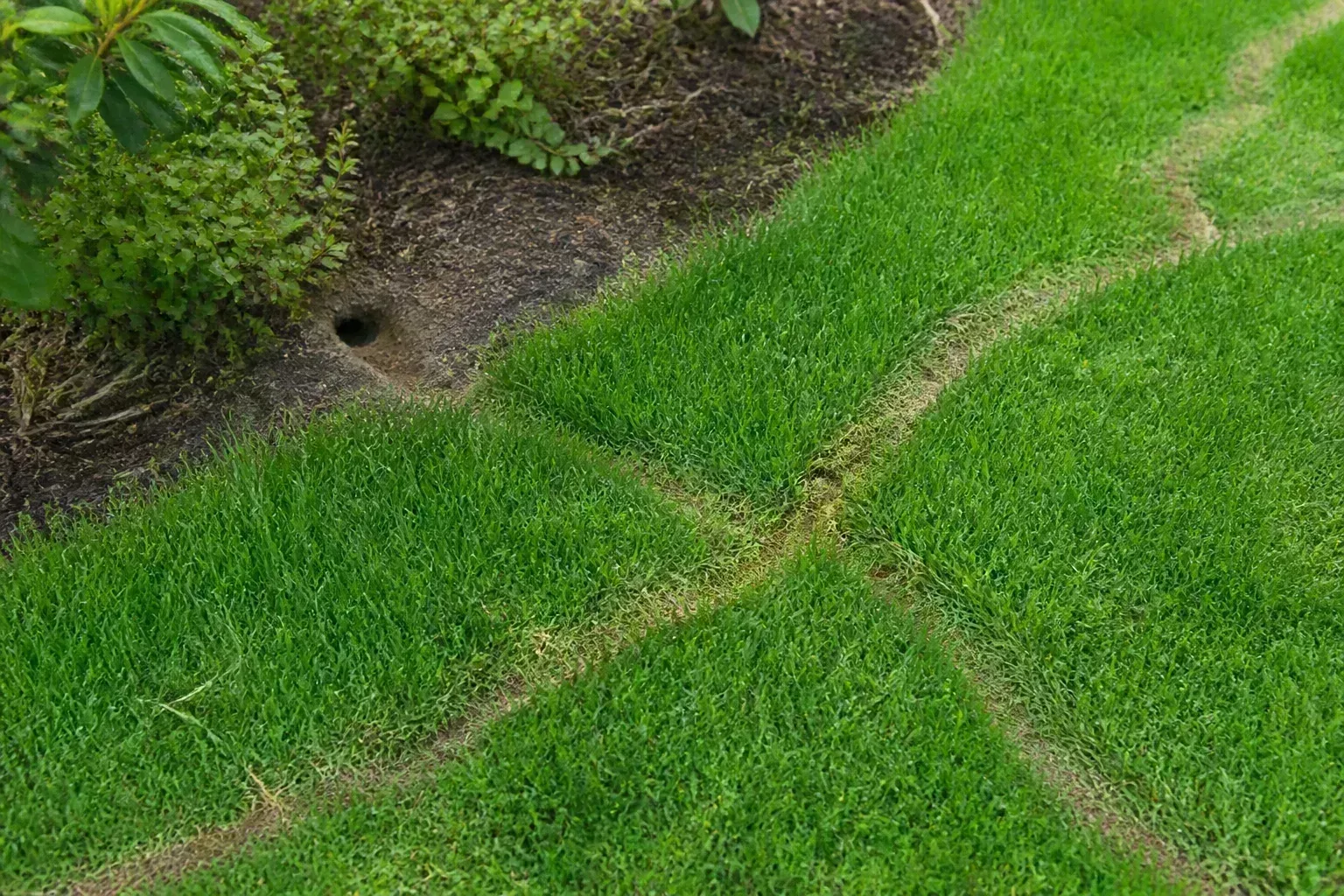
- Small oval burrow holes (about 1–1.5 inches) with no excavated soil mound
- Gnaw marks at the base of trees and shrubs, sometimes hidden under mulch or snow
- Brown or dead grass patches along runways from root feeding
- Droppings along paths and near burrow entrances
- Nests of dry grass and leaves, roughly 6–8 inches across, in thick vegetation
If several of these signs line up, proceed with vole-specific control—not mole traps, grub treatments, or flooding tunnels that will not reach vole runways.
Signs of Vole Damage in Lawns and Gardens
Vole damage is easy to miss until it is severe, because these rodents work under cover—literally. They are active day and night year-round and often do their worst work under snow, when bark chewing and root feeding go unnoticed until spring.
Runways, Burrows, and Girdling
The most visible lawn symptom is a lattice of shallow runways where grass has been clipped and trampled flat. Burrow openings appear along these paths, sometimes near rocks, walls, or ornamental bed edges. In garden beds, voles tunnel among perennials and consume bulbs, tubers, and roots. Hostas, tulips, potatoes, and carrots are frequent targets.
Tree and shrub damage is the expensive problem. Colorado State University Extension describes vole girdling as irregular gnaw marks about 1/16 to 1/8 inch wide, often concentrated in a band at or below the snow line on young trunks. Voles also chew roots underground. A tree with sudden crown dieback, leaning, or unexplained “disease” may actually be girdled at the base.
Do not confuse vole chewing with rabbit browsing (stems clipped at a clean 45-degree angle with wider tooth marks) or deer damage (ragged, torn edges higher on the plant).
What Attracts Voles to Your Yard
Voles need food plus cover from predators. Yards that offer both become vole real estate.
Dense vegetation is the biggest draw: unmowed grass along fences, weedy edges, thick ground covers, tall ornamental grasses, and brush piles all provide runway systems and nesting sites. CSU Extension notes that high populations cannot persist without abundant ground cover and food.
Thick mulch deeper than 2 inches creates a protected tunnel zone. Mulch piled against tree trunks is especially risky—it hides bark gnawing through winter.
Snowy winters amplify damage. Voles travel their grass runways under snow cover, eating bark and roots while you cannot see them. Damage peaks in years with heavy, persistent snowpack.
Population cycles matter. Vole numbers often surge every three to five years, with densities ranging from a few per acre to hundreds in extreme outbreaks. A single female can produce multiple litters per year with three to six young each, so a “new” problem may be a cyclical spike rather than something you caused.
Food sources include clover and chickweed in lawns, spilled bird seed, fallen fruit, vegetable gardens, and succulent young plantings. Moist soil and standing water help voles stay hydrated but are secondary to cover.
Reducing attractants is not optional—it is the foundation every other method builds on.
Build Your Vole IPM Plan
Integrated pest management for voles means combining tactics in a logical order instead of reaching for poison first. For a typical suburban backyard with visible runways and a few damaged shrubs, this sequence works:
- Confirm voles (not moles or rabbits) using runway and gnaw-sign evidence
- Modify habitat—mow short, thin mulch, clear weedy borders, clean under bird feeders
- Protect high-value plants with hardware cloth before the next fall/winter
- Trap active runways with snap traps in fall or late winter
- Add repellents only as a short-term supplement, not a standalone fix
- Consider rodenticides only for large properties, legal compliance, and when exclusion plus trapping cannot keep up—always with bait stations and label restrictions
- Repair damage and maintain open, mowed buffers so voles do not re-establish
Map Active Runways Before You Trap
Walk the yard at dawn or dusk when voles are most visible, or trace runways after snow melt in spring. Mark heavily traveled paths—wider runways with fresh droppings, clipped grass, and obvious wear. These are your trap lines.
Focus protection on young trees, fruit plantings, bulb beds, and vegetable gardens first. A mature oak may tolerate minor gnawing; a three-year-old apple tree girdled in February may not.
Best timing: Fall, when runways are clear before snow, and late winter, when food is scarce and traps draw more interest. Voles do not hibernate—waiting for winter to “solve” the problem usually makes spring damage worse.
Snap Trapping for Backyard Control
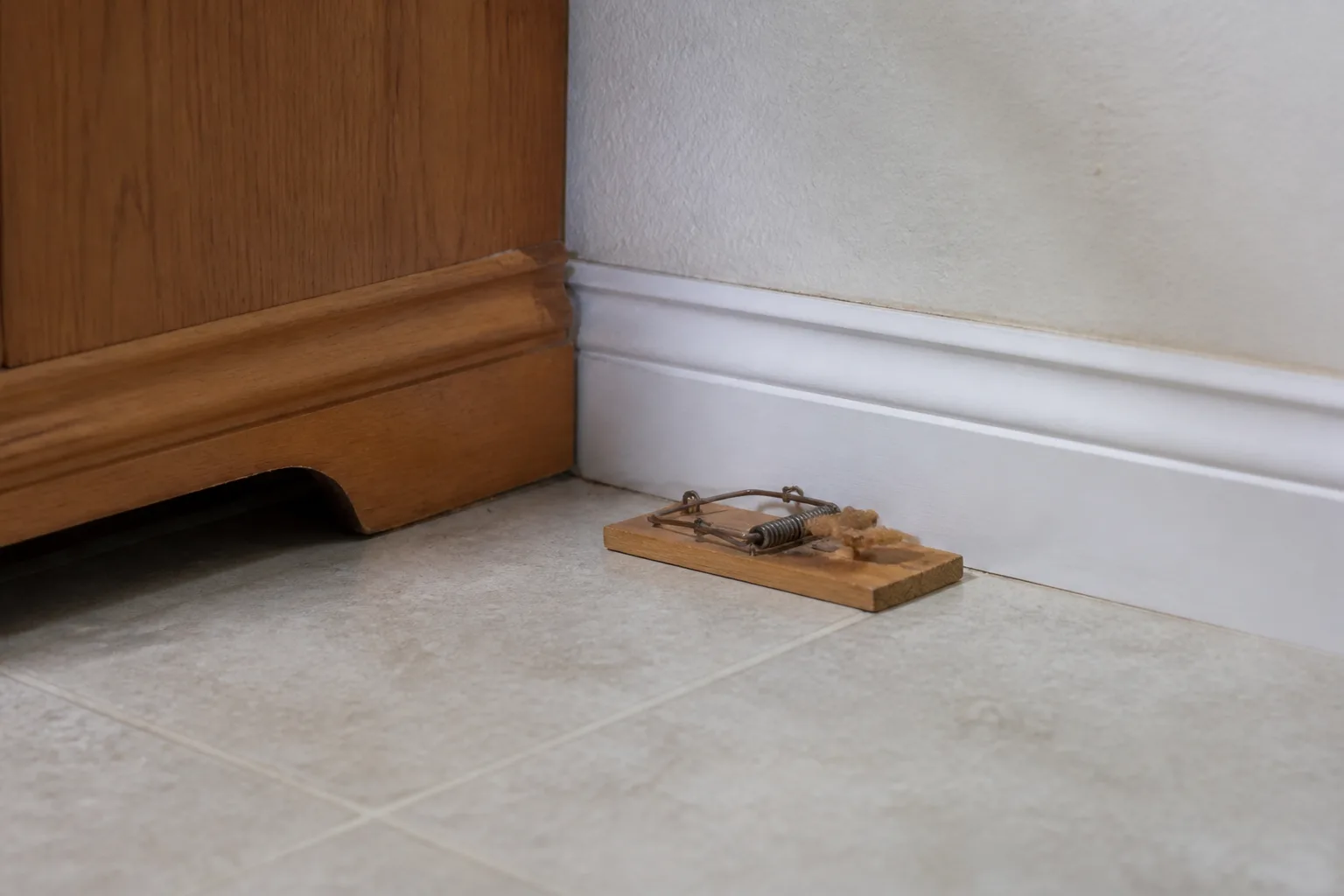
For small yards and moderate populations, mouse snap traps are the fastest, most reliable vole control—cheaper and more targeted than poison, with no risk of a vole dying inside a wall cavity. CSU Extension recommends standard snap traps placed perpendicular to runways with the trigger end directly in the path. Bait lightly with peanut butter, rolled oats, or apple slices, but runway placement matters more than gourmet bait.
Set multiple traps along each active runway—not one trap for the whole yard. Check traps daily, reset as needed, and wear gloves when handling traps and carcasses. Dispose of dead voles in sealed bags.
Live traps (such as Havahart-style boxes) can work for very small numbers, placed along runways parallel to the path. Relocation is restricted or illegal in many states and municipalities, so verify local wildlife regulations before trapping and moving voles. Even where legal, relocation must be far enough that voles cannot return—often cited as five miles or more in open habitat.
Cover snap traps with an upside-down box, bucket with vole-sized entry holes, or PVC tunnel to reduce risk to birds, pets, and non-target wildlife while keeping the runway accessible.
Trap Placement, Bait, and Safety
Place traps only in active runways—not randomly in the lawn. The widest, freshest paths with droppings indicate heavy traffic. In fall, set traps before snow arrives so you reduce the population that would otherwise feed under cover all winter.
If you have outdoor cats or dogs, trap in areas they cannot access, or use covered trap stations. Teach children that set traps are not toys.
Trapping alone is impractical on large acreage or during peak population explosions—you cannot trap your way out of hundreds of voles per acre. At that scale, habitat modification across the property plus professional baiting may be necessary.
Physical Barriers That Hold
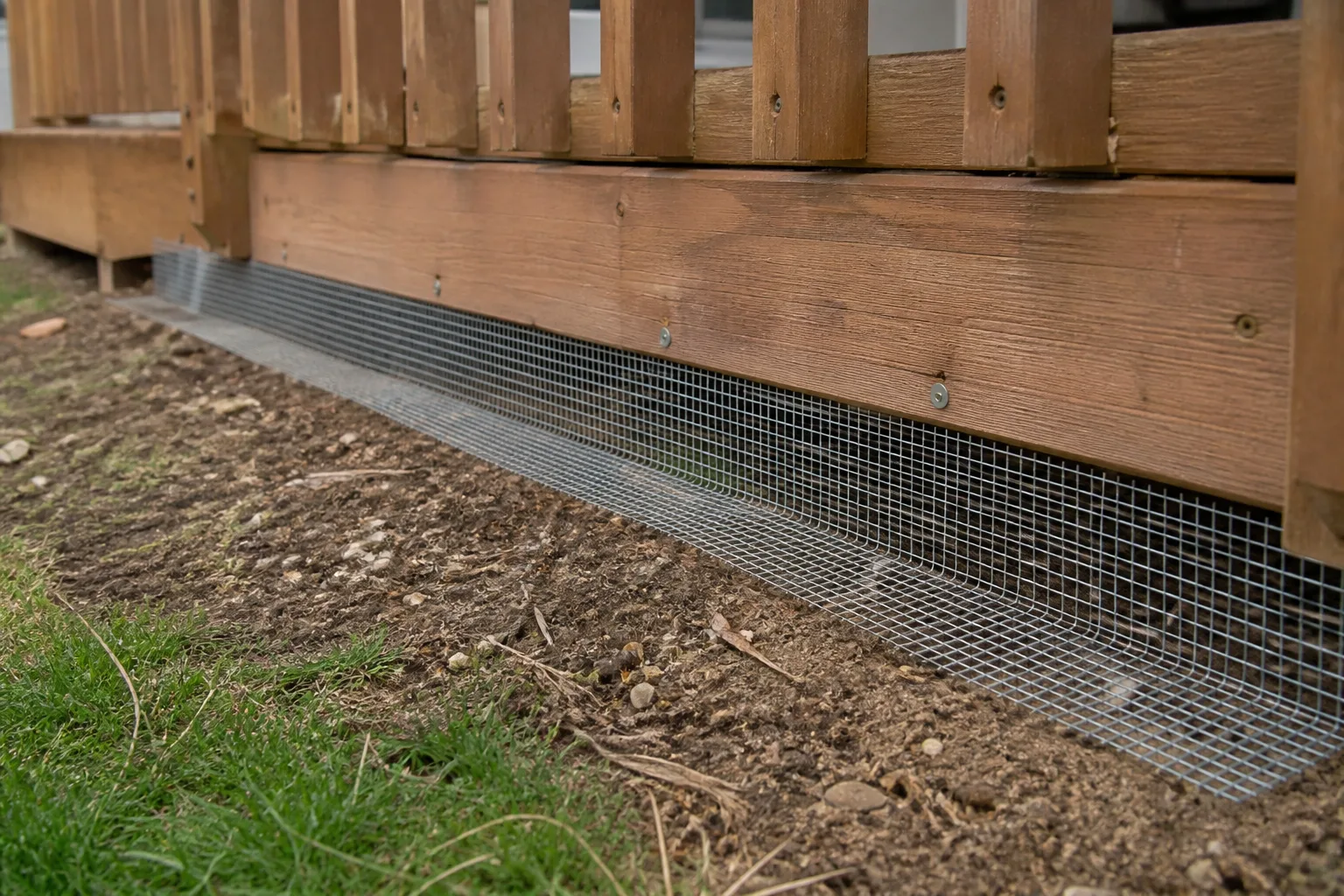
Exclusion is the most dependable long-term defense for trees, shrubs, and garden beds you cannot afford to lose. Voles are poor climbers, so vertical barriers work when installed correctly.
Use 1/4-inch hardware cloth (not chicken wire with larger openings). CSU Extension recommends cylinders around young trees extending 18 inches above ground and 3 to 6 inches below the soil surface so voles cannot burrow underneath. Leave room for trunk growth and check periodically that voles have not nested inside the guard.
For vegetable beds and bulb plantings, bury mesh 6 to 10 inches deep along the perimeter with at least 12 inches above ground. Bend the top outward at a 90-degree angle to discourage climbing.
When planting bulbs or perennials in vole-prone beds, mix coarse gravel or sharp grit into the planting hole and create a gravel moat around the crown. Voles dislike digging through abrasive material, as Garden Design notes in their barrier recommendations.
Clear a 2- to 4-foot open buffer around tree trunks—no mulch volcano, no dense ground cover against the bark. Voles prefer feeding where cover meets bark.
Habitat Modification and Repellents
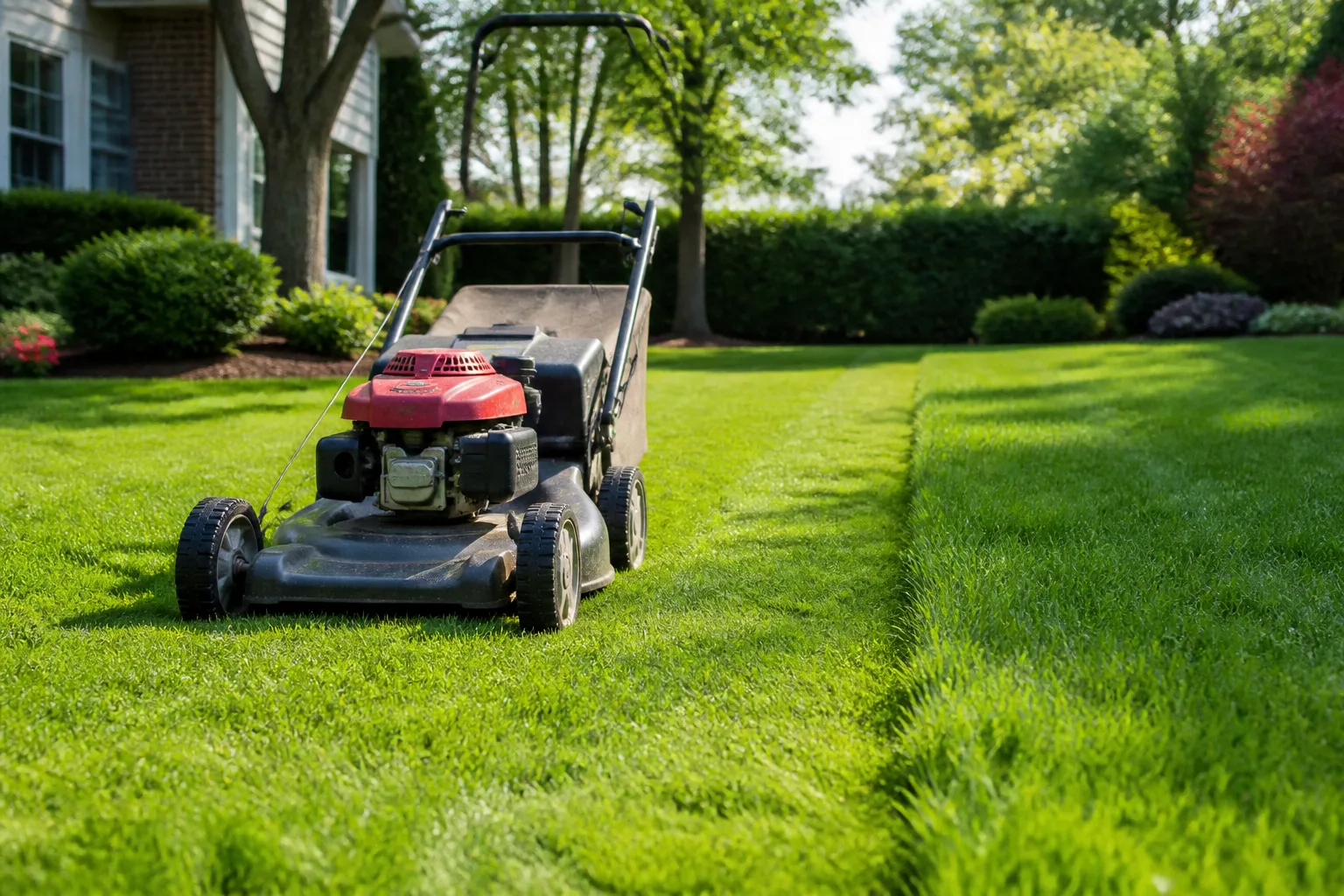
Habitat modification is the highest-return prevention tactic and the one most homeowners skip because it is not a product you can buy. Mow lawns regularly, especially along fences, sheds, and bed edges. Keep mulch to 2 inches maximum and pull it back from trunks. Remove brush piles, unused lumber stacks, and tall weeds. Rake leaves from thick mats in ornamental beds. Close compost bins and sweep bird seed spillage daily.
Replace vole-friendly ground covers in problem zones with low, open plantings or mowed grass buffers. If you rely on dense ground covers for erosion control, see our guide on fast-growing groundcovers for options—but avoid mat-forming junipers and thick mats right against vulnerable plantings in vole-heavy areas.
Plant selection helps at the margins. Voles tend to avoid daffodils, snowdrops, crown imperial (Fritillaria imperialis), ornamental alliums, garlic, onions, iris, hellebores, and salvia, according to Garden Design. They happily eat tulips, hostas, and most vegetable roots. Resistant plants are a deterrent layer, not a fence—hungry voles in peak years will eat less-preferred species too.
Repellents—castor oil sprays, capsaicin (hot pepper) products, thiram-based formulas, garlic sprays, and predator urine granules—can push voles away from a treated area short term. They wash off in rain, require frequent reapplication, and voles habituate after repeated exposure. CSU Extension notes that repellents are relatively expensive and provide short-term protection at best.
Use repellents to protect a newly planted bed while traps and barriers do the heavy work—not as your only strategy. Do not apply thiram to edible garden plants during the growing season; follow label restrictions on fruit trees (typically dormant season only). Homemade pepper or garlic sprays may burn tender foliage—test a few leaves first.
Skip ultrasonic stakes, vibrating solar spikes, and flooding burrows. Research consistently shows voles adapt to sonic devices, and flooding shallow vole tunnels wastes water without reaching nest chambers. Fumigation is generally ineffective for voles because their tunnel systems are shallow, open, and extensive—not the sealed deep tunnels moles use.
Natural predators—owls, hawks, snakes, foxes, and outdoor cats—help keep vole numbers in check over time. Install owl boxes or leave perches in rural properties, but do not expect a single owl to clear an established runway network without habitat changes.
Rodenticides: Legal Use and Realistic Limits
Poison grain baits (often zinc phosphide formulations) can reduce voles on large orchards, nurseries, and acreage where trapping is impractical. These are frequently restricted-use pesticides requiring licensed applicators or strict label compliance—not casual backyard products.
The risks are real: secondary poisoning of hawks, owls, foxes, cats, and dogs that eat poisoned rodents; accidental exposure to children and pets; and voles dying in inaccessible spots. CSU Extension emphasizes reading labels, using enclosed bait stations, limiting bait to tunnel systems inaccessible to non-target animals, and combining rodenticides with habitat modification rather than relying on poison alone.
Residential rat poison is not a smart vole shortcut. Voles may ignore bait formulations designed for rats, die in tunnels where they cause odor problems, and create the same secondary poisoning hazard. Many jurisdictions restrict consumer rodenticide use. Trapping plus exclusion is safer and equally effective for typical yards.
If you are considering bait, contact your local cooperative extension office for species-specific products legal in your state and whether prebaiting or seasonal application windows apply.
Repairing Damage After Voles Leave
Once trapping and habitat work reduce activity, repair runways so new voles are not invited into established paths. Rake dead grass, overseed bare strips, and keep repaired areas mowed short through the growing season. Lightly fertilize and water new seed to outcompete weeds that would recreate cover.
For girdled trees, assess whether bark is removed more than halfway around the trunk—that level of girdling is often fatal for young trees. Partial damage may heal if cambium remains intact on one side; keep the tree mulched (pulled back from the trunk) and watered while monitoring. Replace severely girdled specimens before the next winter.
In vegetable gardens, rotate crops and consider hardware cloth-lined beds for root crops like those in our potato growing guide if voles have taken tubers before.
Destroy unused burrow entrances by tilling or collapsing them with a shovel so the runway system does not persist as a ready-made highway for the next colonizers.
When to Call a Professional
DIY IPM handles most suburban vole problems within one to two weeks of consistent trapping and cleanup. Call a licensed pest control or wildlife management professional when:
- Runways and damage cover large areas (multiple acres, orchards, golf-course-scale turf)
- Tree girdling is widespread and you cannot physically barrier every specimen before winter
- Trapping, barriers, and habitat work for two to three weeks show no reduction in fresh runways or gnawing
- You need legal rodenticide programs with proper bait stations and carcass monitoring
- You are unsure whether the pest is voles, moles, gophers, or rabbits—and misidentification is costing you time
A pro should start with inspection and IPM, not a blanket poison application. Once populations are knocked down, you can usually maintain control with the mowing, trapping, and barrier habits outlined above.
For related rodent signs indoors or in outbuildings, see our guide on signs that you still have mice or rats—voles are a yard problem first, but overlapping rodent issues sometimes need separate strategies.
Conclusion
Voles are manageable when you treat them as an IPM problem, not a single-product pest. Confirm the surface runways and absence of mole mounds, strip away the dense cover they need, trap active paths in fall and late winter, and armor young trees with buried hardware cloth before snow arrives. Repellents and predator habitat help at the margins; poison belongs only where scale and law allow, with eyes open to wildlife risk.
The hardest vole lesson is timing: much of the damage happens unseen under winter snow. The homeowners who fare best act in autumn—trapping, mowing short, clearing mulch from trunks, and installing guards—so spring reveals repaired lawn stripes instead of girdled trees and vanished bulbs. Start with habitat, add traps on the busiest runways, protect what you cannot replace, and repair damage fast so the next population cycle meets a yard that is no longer an easy home.