25 Types of Dracaena Plants You Should Know
Compare 25 dracaena types by leaf shape, variegation, size, and light needs. ID charts, pet safety, indoor vs outdoor picks, and links to species care.
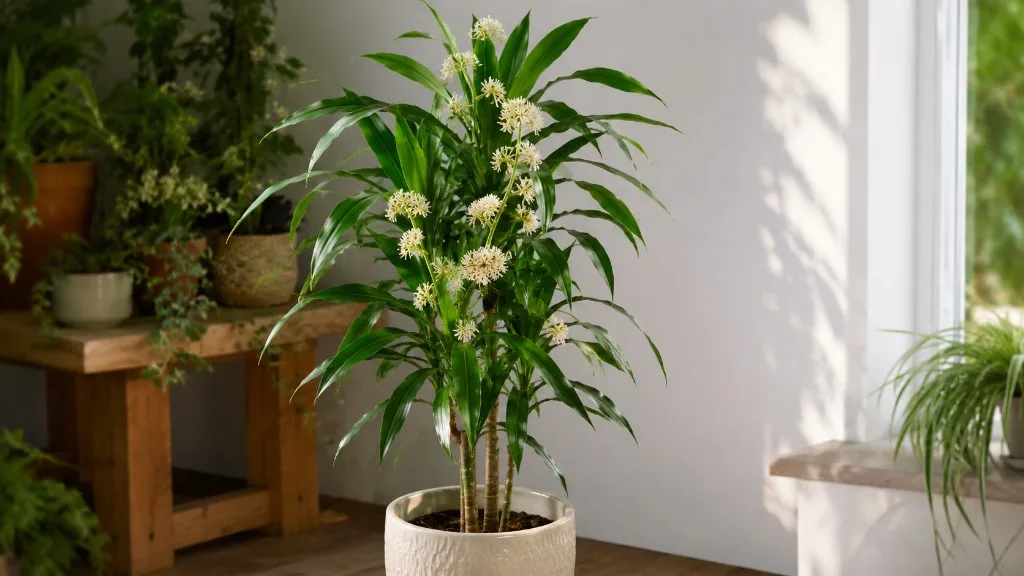
Walk into a plant shop and dracaena might mean a pink-edged dragon tree, a yellow-striped corn plant, a spiral of lucky bamboo in pebbles, or a stiff snake plant labeled with the same genus name. Botanists recognize 170 or more species in Dracaena, mostly from Africa and southern Asia, yet nursery tags collapse that diversity into a single care card. That works until you place a light-hungry Colorama in a dim hallway, or water a snake plant on the same schedule as a Mass Cane—then the pot fails for reasons that have nothing to do with your attention.
This guide covers 25 dracaena types you are most likely to encounter, grouped by species so identification and care differences actually stick. For watering rhythms, fluoride-safe water, and troubleshooting brown tips across the genus, start with our Dracaena overview care guide; the Dracaena plant hub links species-specific light, watering, soil, and propagation pages when you are ready to go deeper on one plant.
How to Identify a Dracaena Before You Buy
Nursery labels are unreliable. Wholesale growers reuse generic tags, and cultivar names shift between Deremensis group, fragrans, and marketing nicknames like “Janet Craig.” Identification starts with three visible traits you can check without a microscope.
Leaf Width, Stem Form, and Variegation Patterns
Run through this order every time:
- Wide strap leaves on a thick cane → Dracaena fragrans group (corn plant, Mass Cane, Janet Craig, Warneckii, Lemon Lime). Leaves often arch from rosettes atop woody stems. NC State Extension describes D. fragrans as a slow broadleaf evergreen resembling a cornstalk, with sweetly fragrant flowers when conditions allow. (NC State Extension)
- Narrow, grass-like leaves on branched slim stems → Dracaena marginata (Madagascar dragon tree and cultivars like Colorama and Tricolor). The RHS lists marginata among the most recommended woody house dracaenas. (RHS)
- Short alternating leaves with chartreuse edges → Dracaena reflexa (Song of India and Song of Jamaica types).
- Thin stems in water or gravel → Dracaena sanderiana (lucky bamboo)—not a true bamboo.
- Thick upright sword leaves from rhizomes, no cane → Dracaena trifasciata (snake plant)—recently moved from Sansevieria; water like a succulent, not a cane dracaena.
Variegation pattern narrows cultivars: center stripe (Massangeana), edge stripe (Lindenii, many marginata forms), solid dark green (Janet Craig), or speckled gold (Florida Beauty).
Why Nursery Labels Still Say “Deremensis”
You will still see tags reading Dracaena deremensis or “Deremensis group.” Modern taxonomy places these cultivars under Dracaena fragrans. Warneckii, Lemon Lime, Limelight, Dorado, and Janet Craig (Compacta) all belong here. When shopping, match leaf pattern and width, not the outdated species name on the sticker. If two pots look identical but one costs more, compare stripe placement and stem count—multi-cane specimens are often older stock, not a different species.
Shared Care Rules Every Dracaena Type Needs
Cane-forming dracaenas share a baseline. Snake plants and lucky bamboo break some rules—those exceptions are flagged in their sections.
| Factor | Cane dracaenas (fragrans, marginata, reflexa) | Notes |
|---|---|---|
| Light | Bright indirect; gentle morning sun OK | Variegation needs more light than solid green |
| Water | Soak when top 2 inches dry | Wet cold soil = rot |
| Water quality | Rainwater or filtered preferred | Fluoride/salts cause brown tips (RHS) |
| Soil | Slightly acidic, airy mix | Peat-free ericaceous + perlite works |
| Temperature | 65–80°F (18–27°C) | Below 50°F (10°C) damages tissue |
| Humidity | 40–60%; higher in dry winter heat | Group pots or pebble trays help |
| Fertilizer | Monthly spring–summer; skip winter | Overfeeding burns tips |
| Flowers | Rare indoors; fragrant white clusters possible | More common on mature outdoor plants |
Gardening Know How notes that dracaenas tolerate moderate indoor light but grow best with consistent warmth and indirect brightness—exactly where variegated cultivars either hold color or slowly revert to green. (Gardening Know How)
First action when a cane dracaena looks unhappy: check light and soil moisture together. Dim rooms keep mix wet; bright rooms dry faster. Adjust placement before repotting, fertilizing, or trimming.
Pet Safety: What Every Dracaena Owner Should Know
ASPCA lists Dracaena spp. as toxic to dogs and cats, with saponins as the toxic principle. Reported signs include vomiting (occasionally with blood), depression, anorexia, hypersalivation, and dilated pupils in cats. (ASPCA) That covers cane types, lucky bamboo, and snake plants sold under the same genus.
Keep pots on stands out of reach, discard pruned leaves promptly, and call ASPCA Poison Control at (888) 426-4435 or your veterinarian if a pet chews any part of the plant. There is no “pet-safe dracaena” cultivar—only placement and substitute species.
Dracaena marginata Cultivars (Dragon Trees)
Dracaena marginata is the Madagascar dragon tree: slim woody stems, often branched, topped with narrow arching leaves. Indoors it typically stays under 6 feet with pruning; native habitats reach much taller. It tolerates moderate light better than pink-variegated forms demand. Full species care lives on the Dracaena marginata hub.
Colorama, Tricolor, Magenta, and Tarzan
Dragon tree ‘Colorama’ (D. marginata ‘Colorama’) — Pink, white, and green striped leaves. Needs very bright filtered light; without it, pink fades toward green within a few months. Best near an east window or filtered south exposure. Indoor height commonly 5–6 ft.
Dragon tree ‘Tricolor’ (‘Tricolor’) — Green centers with cream or pink edges. Slightly less demanding than Colorama but still a high-light cultivar. RHS awards Garden Merit to related marginata cultivars for reliable performance in good conditions. (RHS)
Dragon tree ‘Magenta’ (‘Magenta’) — Green leaves with magenta-red margins. Palm-like silhouette; prune stems to control height around 6 ft indoors.
Dragon tree ‘Tarzan’ (‘Tarzan’) — Wider, thicker, spikier leaves than typical marginata—useful ID mark when labels are missing. Same light class as other dragon trees: bright indirect, no harsh midday sun.
When not to buy: Any pink- or cream-heavy marginata for a north-facing room or distant corner. Choose Janet Craig or Mass Cane instead.
Dracaena fragrans Cultivars (Corn Plant Group)
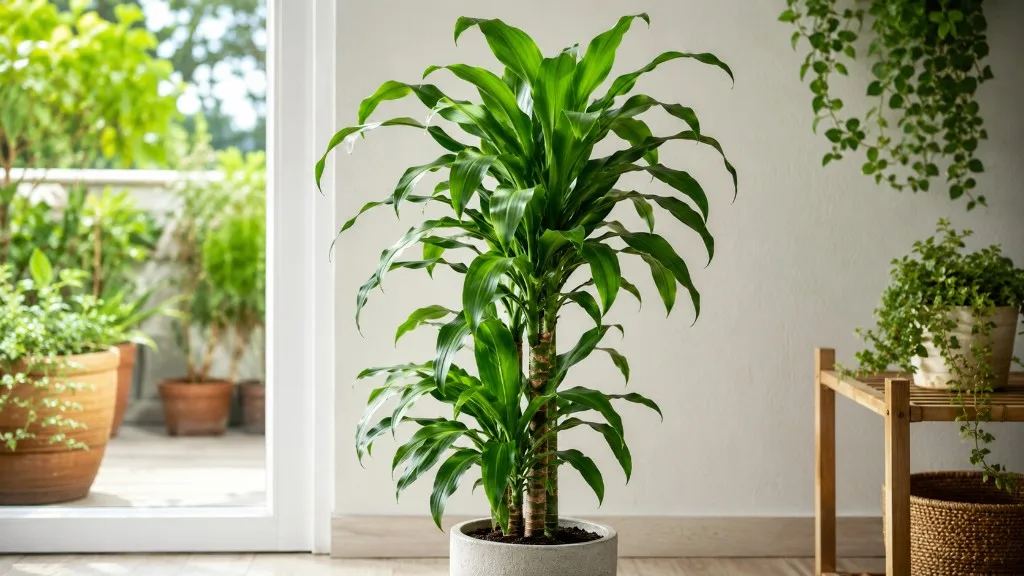
Dracaena fragrans is the corn plant species: wide glossy leaves on thick canes, often sold as multi-stem “staggered” specimens. Our corn plant care guide covers watering, fluoride issues, and propagation in depth.
Mass Cane, Janet Craig, Warneckii, and White Jewel
Mass cane (D. fragrans ‘Massangeana’) — The most common floor dracaena in offices and malls. Yellow-green center stripe on wide leaves; woodier stem than the species type. Height ~6 ft indoors. Tolerates moderate light; stripe narrows in dim conditions.
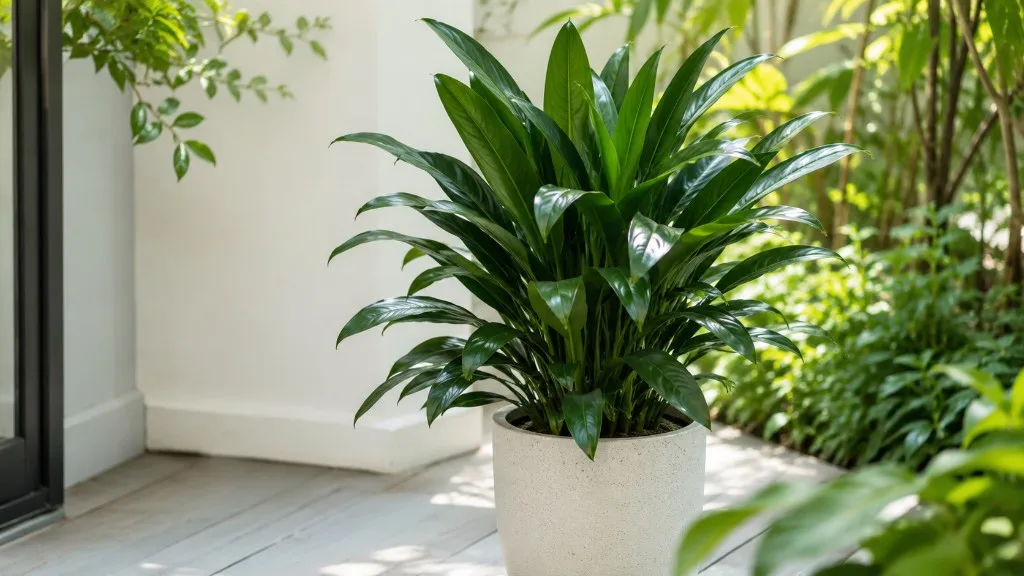
Janet Craig (D. fragrans ‘Compacta’) — Solid dark green, wavy-margined leaves on a compact cane. The best low-light cane dracaena on this list—still prefers bright indirect, but survives dimmer spots better than variegated cousins. See Janet Craig care and the Dracaena compacta hub. Height 3–6 ft.
Warneckii / Warnock (D. fragrans ‘Warneckii’) — Gray-green leaves with white stripes, bushy upright habit. Often mislabeled “striped dracaena”—many dracaenas stripe. Identify by wide leaf plus white longitudinal bands. Dracaena Warneckii hub. Height ~5 ft.
White Jewel (‘White Jewel’) — Dark green leaves with bold white stripes and lighter green traces. Bright indirect light keeps contrast sharp. Height 4–6 ft.
Cintho (D. fragrans steudneri ‘Cintho’) — Shorter ~3 ft multi-stem look; emerald and lime-green stripes on broad leaves. Good tabletop-to-floor transition plant when you want fragrans foliage without immediate ceiling height.
Lemon Lime, Limelight, Dorado, and Hawaiian Sunshine
Lemon Lime (D. fragrans ‘Lemon Lime’) — Cream, yellow-green, and lime stripes on sword-shaped leaves crowning bare stems. RHS Award of Garden Merit cultivar in the Deremensis group. Needs bright light to hold chartreuse tones. Dracaena Lemon Lime hub. Height 5–10 ft over years.
Limelight (‘Limelight’) — Yellow-green leaves that mature toward lighter lime. Slow-growing; good when you want a softer solid-ish look without a heavy center stripe.
Dorado (‘Dorado’) — Dark green leaves with lime edges that curl downward; dense foliage around the stem. Compact visual weight compared to open Mass Cane canes.
Hawaiian Sunshine (‘Hawaiian Sunshine’) — Narrow upright habit for tight spaces; glossy green stripes. Can summer outdoors in partial shade when nights stay above ~55°F (13°C)—acclimate gradually.
Dracaena reflexa, sanderiana, and surculosa
These species look unlike corn plants or dragon trees but share saponin toxicity and indoor popularity.
Song of India, Lucky Bamboo, and Gold Dust Types
Song of India (Dracaena reflexa) — Shrubby multi-stem habit; green leaves with gold edges. Needs brighter light than plain green houseplants to keep yellow margins. Dracaena reflexa hub. Height 3–6 ft.
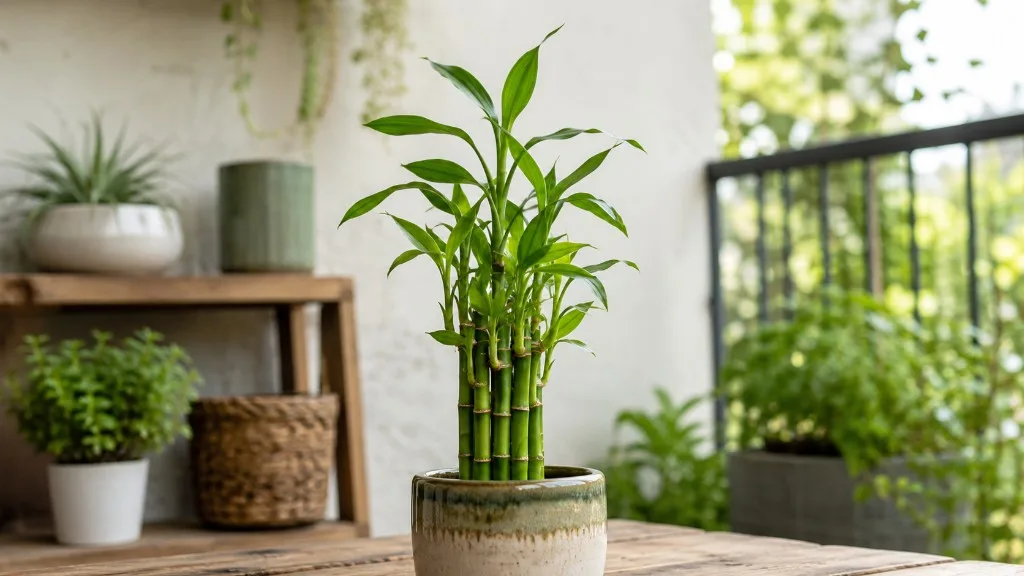
Lucky bamboo (Dracaena sanderiana) — Not bamboo; thin stalks often grown in water or pebbles. Sensitive to chlorine and fluoride in tap water like cane types. Lucky bamboo hub. Height 3–4 ft when soil-grown.
Ribbon dracaena (D. sanderiana ‘Silver Ribbon’) — Twisted leaves with silver-green stripes; same water culture rules as lucky bamboo.
White Stripe (D. sanderiana ‘White Stripe’) — Deep green leaves with creamy white edges; popular in water arrangements.
Gold dust dracaena (Dracaena surculosa ‘Florida Beauty’) — Creamy yellow speckles on broad leaves—“gold dust” pattern. Compact ~2 ft; bright indirect light. Keep evenly moist but never soggy.
Milky Way (D. surculosa ‘Milky Way’) — White central band on elliptic leaves; clumping arching stems. Rare in big-box stores; treat as a collector’s compact dracaena (~1 ft).
Green zebra plant (Dracaena goldieana) — Native to West Africa; dark green leaves with gray banding. Indoor height modest; outdoor potential ~10 ft in USDA zones 11–13 in partial shade.
Snake Plant and Other Succulent Dracaenas
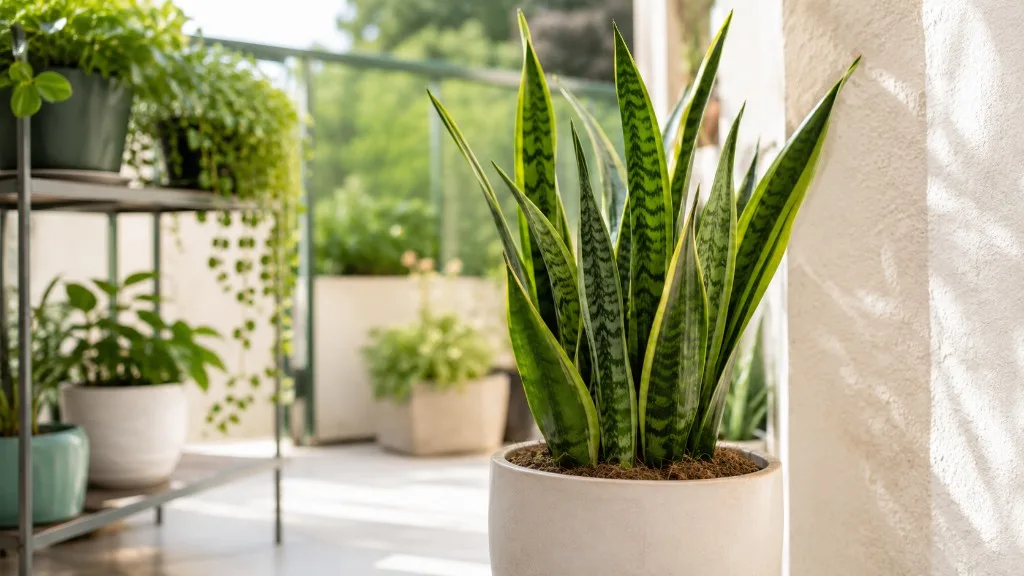
Snake plant (Dracaena trifasciata, formerly Sansevieria trifasciata) — Stiff upright leaves, rhizomatous base, no woody cane. Among the most popular houseplants for low light and neglect tolerance—but not identical care to corn plants. Water sparingly; use succulent-style mix; avoid fluoride-heavy drenching schedules meant for D. fragrans. Snake plant hub. Height 6 in. to 8 ft depending on species and pot.
DNA research merged Sansevieria into Dracaena, but your watering can should not merge with cane dracaenas. Think drought-tolerant succulent, not tropical cane.
Outdoor and Specimen Dracaenas
Most dracaenas on this list are houseplants first. These types skew outdoor or seasonal in temperate climates:
Dracaena tree / slender dragon tree (Dracaena arborea) — Palm-like crown on a thin upright trunk. Outdoor USDA zones 10–11; indoor specimen only if you have ceiling height and strong light. Height ~15 ft outdoors.
Spikes (Dracaena indivisa ‘Proven Accents’) — Annual or container foliage in zones 7–11; sword leaves for bed contrast. Heat-tolerant patio plant, not a long-lived indoor tree.
Red blood dragon tree (Dracaena draco) — Canary Islands native; “dragon’s blood” sap. Outdoor zones 9–12; indoor plant stays much smaller than the 15 ft landscape potential.
Socotra dragon tree (Dracaena cinnabari) — Iconic umbrella crown; essentially botanical-garden climate (zones 10–11, full sun, arid warmth). Not a realistic indoor target for most homes.
Janet Craig in low light, Mass Cane in offices, Colorama in bright living rooms, snake plant in bedrooms, lucky bamboo on desks—match the type to the room before you match the pot to the shelf.
Quick Pick Chart: Best Dracaena for Your Room
| Your situation | Best types | Avoid |
|---|---|---|
| Dim office, north window | Janet Craig, Mass Cane, snake plant | Colorama, Lemon Lime, Pink marginata |
| Bright living room, showpiece | Colorama, Tricolor, Lemon Lime, Song of India | — |
| Narrow corner, vertical habit | Hawaiian Sunshine, marginata, arborea (if height OK) | Mass Cane spread |
| Desk / small surface | Milky Way, gold dust, lucky bamboo, small snake plant | Multi-cane Mass Cane |
| Pet-free beginner | Mass Cane, Janet Craig, snake plant | — |
| Cats or dogs in the home | None without elevation—toxic genus-wide | Any dracaena at pet level |
| Summer patio (temperate) | Hawaiian Sunshine, reflexa, spikes | Direct afternoon sun on fragrans |
| Outdoor frost-free garden | draco, cinnabari (specialized), goldieana | fragrans in full desert sun |
When you have identified your plant, jump from this list to the matching /plants/dracaena/ cluster page rather than guessing care from generic “houseplant” advice.
Conclusion
Twenty-five dracaena types share a genus name but not a single care recipe. Wide-leaf fragrans cultivars dominate living rooms; marginata dragon trees bring height and color when light is strong; reflexa, sanderiana, and surculosa fill smaller niches; trifasciata behaves like a succulent; and draco / cinnabari belong to outdoor dreams in warm climates. Identify by leaf width, stem form, and stripe pattern, then apply cane-dracaena basics—bright indirect light, fluoride-aware watering, airy acidic mix—while adjusting for snake plants and water-grown lucky bamboo.
If your pot is already home, compare it to the groups above, then open the Dracaena overview care guide for troubleshooting brown tips, propagation, and repotting timing. The right type in the right room is the difference between a decade-long floor plant and a slow decline you blame on your thumb.