When to Harvest Beets: Best Size, Signs, and Timing
Learn when to harvest beets by checking root size, variety, and season. Test-dig one plant, pick greens without stunting roots, and store the crop well.
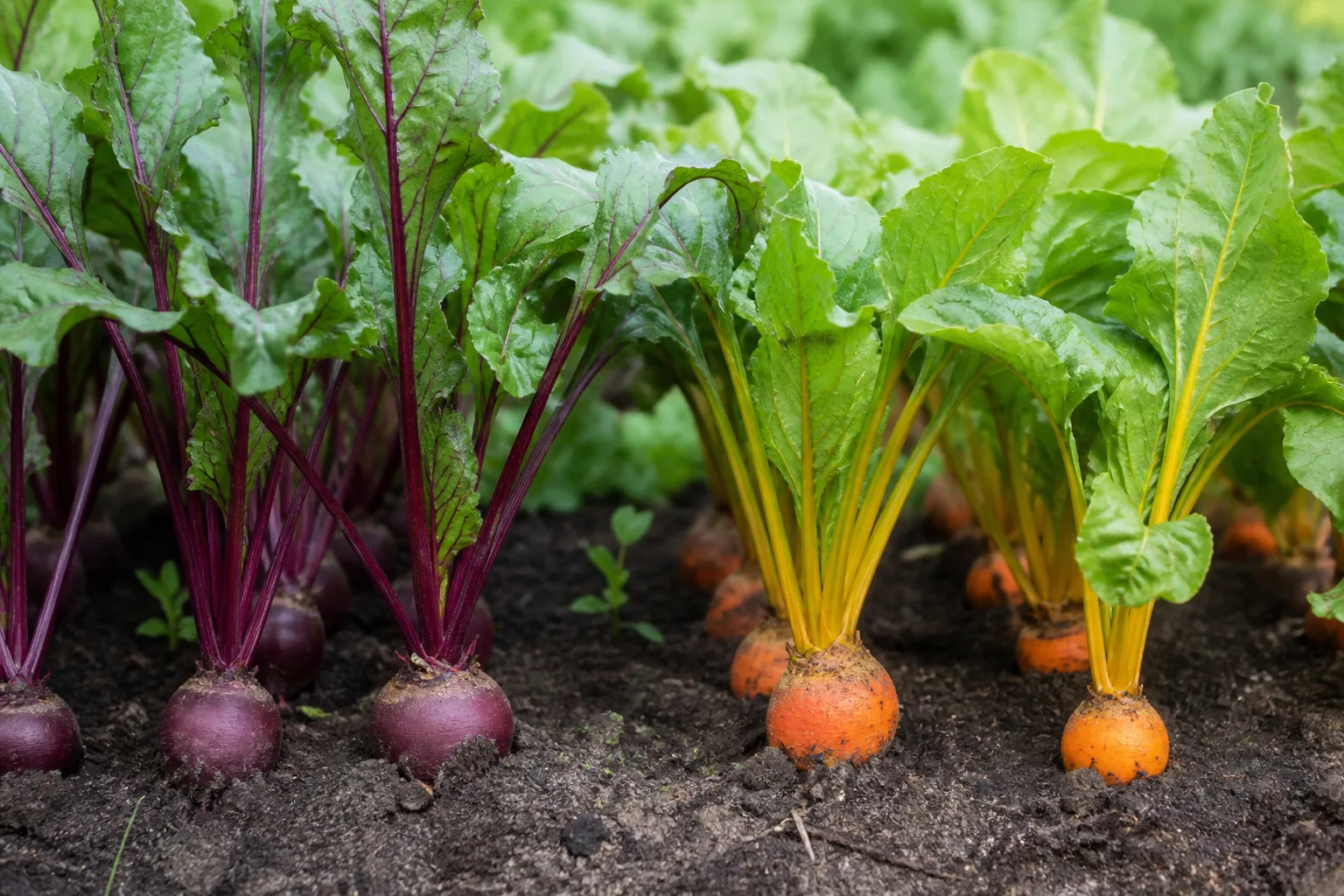
For most round beet varieties, begin checking roots when they are about 1 to 1½ inches across, then harvest at the size you prefer—often 1½ to 3 inches in diameter for tender, full-size roots. The date on the seed packet helps you know when to start looking, but root size and a test dig are better guides than the calendar or the leaves alone.
Beets can be harvested young, and you do not have to lift the whole row at once. Exposed shoulders can show that a root is swelling, while healthy tops tell you the plant is still growing; neither sign confirms the size underground. Check one beet, compare it with the expected size for its variety, and leave smaller roots to grow if the weather and soil are still favorable.
Quick Answer: Use Root Size, Then Test One
Most gardeners harvest beets when their roots reach roughly 1½ to 3 inches wide. The Royal Horticultural Society recommends harvesting beetroot around 4–7 centimeters (roughly 1½–2¾ inches) across for good flavor and texture; Utah State University Extension notes that roots generally mature 60–80 days from sowing, depending on variety, and tend to become more fibrous as they get larger. Some gardeners pick golf-ball-size roots earlier because they are tender, while long-rooted cultivars may be ready at a different shape and depth than round types. RHS Utah State University Extension
Use this order when you are unsure: check the seed packet for the variety’s expected size and maturity window, look for a root shoulder beginning to show at soil level, then gently brush away soil or test-dig one plant. If the root is the size you want, lift the largest beets and let the rest continue. If it is still small and healthy, replace the soil and check again in about a week rather than uprooting the row prematurely.
Read the Root, Not Just the Leaves
Beet tops are useful, but they do not tell the whole story. Large, vigorous leaves can grow while roots are still small, especially when plants are crowded or have had conditions that favor foliage. Conversely, some varieties have modest tops and still form good roots. Treat the foliage as a clue about plant health, not as a measurement of the beet underground.
A beet’s exposed shoulder—the rounded top of the root where it meets the leaf stems—can help you judge whether the root is swelling. A visible shoulder is a reason to inspect, not a signal to pull every plant. Soil can cover a nearly mature root, and a seedling’s crown can also sit above soil level before the root has filled out.
Check the shoulder at the soil line
Brush mulch and loose soil away from the base of one plant with your fingers. Do not scrape or cut into the root. A round beet shoulder that is beginning to show gives you a place to estimate width; measure across the widest part rather than the exposed height. If the root is mostly buried, ease away just enough soil to see its outline, then cover it again if you decide to wait.
The shoulder cue works best with round or globe-shaped beets. Cylindrical varieties such as ‘Forono’ grow longer and can be ready even when their visible tops do not look like a classic round beet. Yellow, white, and striped beets may also look different from the familiar deep-red type. Check the variety name on your seed packet or seed supplier’s description before deciding that a root is too small based on appearance alone.
Treat days to maturity as a window
The “days to maturity” number on a packet gives you a starting point, not a harvest appointment. Depending on the variety, beets may be ready in around 50–80 days from sowing; the RHS notes that some can be ready sooner, while Utah State University Extension gives 60–80 days as a general range. Soil temperature, light, moisture, spacing, and summer heat all affect how quickly a root reaches usable size. RHS Utah State University Extension
Count from the sowing date and begin checking before the estimated maturity date, especially if you want baby beets. Some seed companies count maturity from sowing and others may describe timing differently, so follow the information supplied with your variety. If you did not keep the packet, use size and a test dig rather than relying on a generic 55- or 60-day rule.
Choose a Harvest Size for How You’ll Eat Them
There is no single size that makes a beet “ripe” for every kitchen. A small root is ready if you want tender, quick-cooking beets; a larger root can work well for roasting, grating, or pickling, provided its texture remains firm and it has not been left through heat or stress for too long. Choose the size around your intended use, then harvest in stages rather than waiting for every beet to match.
For a first check, a root near golf-ball size is a practical early harvest. Many gardeners prefer a width of about 1½–2½ inches for a balance of tenderness and yield, while the broader 1½–3-inch range accommodates different preferences and cultivars. Epic Gardening describes the seed packet as the best way to judge expected variety size and notes that flavor and texture can change as roots grow past their ideal stage. Epic Gardening
Pick baby beets for tender roots
Baby beets can be harvested as soon as they are large enough to use, often around 1–1½ inches across. They usually have a tender texture and need little trimming; their skins may be thin enough that peeling is unnecessary after a thorough wash. Pull only the plants you plan to eat and leave neighboring roots undisturbed so they can continue sizing up.
Small roots are a good choice when the growing season is short, the bed is crowded, or you want a mild, quick-cooking crop. If the root is much smaller than a golf ball, it can still be eaten, but the harvest may be more effort than yield. Let it grow if the plant is healthy and there is no approaching heat wave, hard freeze, or other reason to clear the bed.
Let storage beets size up without overgrowing
For a larger kitchen harvest, allow roots to reach the variety’s expected mature size, often about 2–3 inches for round types. Do not keep every root in the ground simply because bigger seems better. Utah State University Extension cautions that larger roots can become more fibrous; the RHS also advises against letting beetroot grow much beyond a large ball because the texture may turn woody. These are quality warnings rather than a strict maximum: cultivar, weather, and personal preference matter.
If you want to store beets, harvest firm, sound roots before they become oversized or the ground freezes. Storage depends on healthy roots and cool, humid conditions, so leaving the crop in the soil for weeks past its best size does not automatically improve keeping quality. If you prefer small beets, take them small; if you want more yield, take them near mature size while the weather remains moderate.
Test-Dig Before You Lift a Whole Row
A test dig protects both your harvest and your confidence. Choose a plant whose shoulder looks largest, because it is more likely to represent the row’s most advanced roots. If that beet is still smaller than you want, most of the others will need more time; if it is a good size, you can start picking selectively.
Move the mulch aside and loosen the soil around the beet with a hand fork or trowel. Keep the tool a few inches away from the crown, then lift soil gently until you can see the root’s width. If it is ready, pull it and use it; if it is not, ease the soil back around the root and water the bed evenly. Do not repeatedly excavate the same beet—each inspection disturbs fine roots and can slow the plant.
A small sample also tells you more than one visual clue can. You can check whether the root is round or elongated, whether its skin is firm, and whether the variety has reached the size you want. If the first sample is unusually small, inspect another only if the row is uneven; a cold corner, shade, compacted patch, or seed cluster that was never thinned may have produced a different growth rate.
Harvest Roots Without Cutting or Bruising Them
Harvest when the soil is workable rather than sticky and saturated. If the bed is very dry and hard, water it lightly the day before so the soil loosens; if it is wet and clings heavily to tools, wait for it to drain. The goal is to lift the root with as little force as possible, not to pry against it or wrench the stem until it snaps.
Loosen soil before pulling
Place a garden fork or narrow trowel several inches from the beet, angle it down beside the root, and gently lever the soil upward. Avoid stabbing directly over the crown, where the root widens. Once the soil is loose, hold the plant near the base of its stems and lift steadily. If it resists, loosen the soil again from another side rather than pulling harder.
Remove clods with your fingers and set the beet aside without tossing it into a basket. Cuts, bruises, and broken roots shorten storage life. Trim the leaves promptly, leaving about an inch of stem attached; cutting flush to the crown can make the root bleed and dry more quickly. Keep greens in a separate container because they wilt sooner than the roots.
Pick selectively for a longer harvest
Beets do not all need to come out on the same day. Lift the largest roots first and leave smaller ones in the row with their foliage intact. This staggered approach gives you fresh beets over several weeks and reduces the chance of bringing in more than you can use.
Work down the row without stepping on the soil around plants you want to keep. Beet seeds commonly produce more than one seedling, so crowded patches may contain roots at very different sizes. If you are thinning young plants, use the pulled seedlings as greens and keep the strongest plants spaced apart; do not assume a crowded cluster will form several full-size beets.
Harvest Beet Greens Without Sacrificing Roots
Beet leaves are edible, but the plant needs its foliage to keep growing the root. For a small amount of greens, snip one or two outer leaves from each plant and leave the central leaves and growing point intact. Do not strip a plant bare if you still want a large root; repeated heavy cutting reduces the leaf area available to support root growth.
For tender salad greens, harvest young leaves a few inches long. Savvy Gardening recommends picking leaves around 2–3 inches for fresh eating, while more mature leaves are better cooked because their texture can be tougher. Wash leaves soon after cutting and refrigerate them separately from the roots; use the tender tops promptly. Savvy Gardening
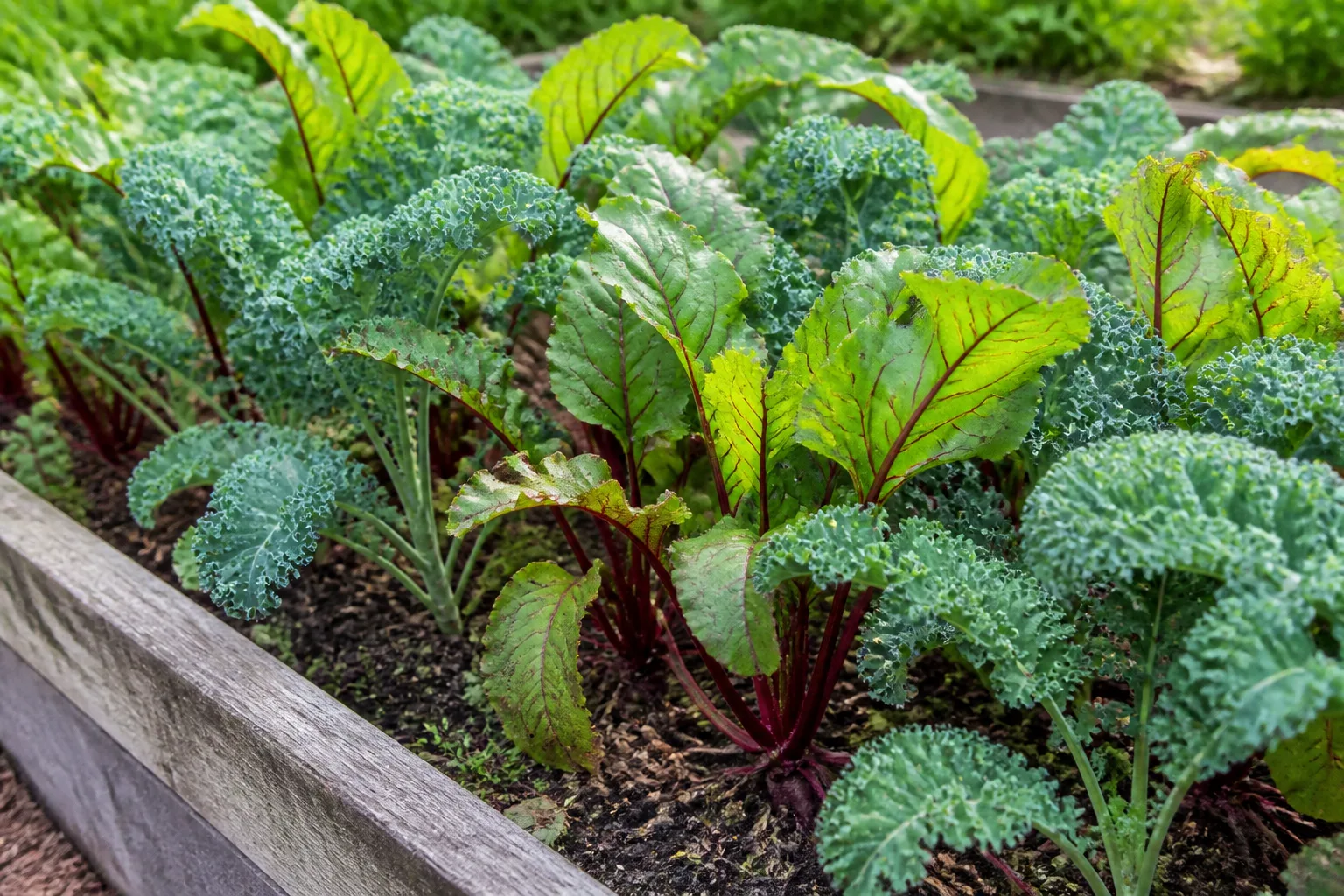
If greens are your main crop, you can harvest them more often and accept smaller roots. If roots are the priority, take only occasional outer leaves, especially while the roots are still sizing up. Leaves with minor insect holes can still be usable after inspection and washing; discard leaves that are slimy, badly damaged, or diseased rather than leaving them to decay among the remaining plants.
Adjust Timing for Spring Heat and Fall Cold
Beets are cool-season vegetables, so the same planting can behave differently in early spring and late summer. Moderate weather gives roots time to size up, while hot, dry conditions can interrupt growth and reduce quality. Use the forecast alongside the crop’s size: an appropriately sized beet is ready to lift even if the estimated calendar date has not arrived.
Finish spring roots before heat slows quality
Spring-sown beets can be harvested from late spring into summer, depending on local planting dates and variety. If temperatures rise and the soil dries quickly, check the row more often. Keep moisture steady rather than alternating between very dry and soaked soil; Utah State University Extension notes that moisture fluctuations can crack roots, and that water stress can contribute to poor growth. Utah State University Extension
If the roots are still small before a hot spell, water deeply and consistently, use a light mulch to reduce rapid drying, and harvest the largest ones as they reach the size you want. Do not flood a dry bed to “catch up”; sudden swings can make roots split. In a climate with a short cool spring, choose an early-maturing variety and sow when conditions suit that cultivar rather than waiting for leaves to look large.
Respond if plants send up flower stalks
A beet that starts sending up a central flower stalk is shifting from root growth toward flowering and seed production. This can happen after chilling, especially when plants are sown too early for local conditions; Utah State University Extension notes that chilling can trigger beet flower stalks. A flowering plant does not mean the root is unsafe, but it is a reason to check it now rather than expect it to keep swelling normally. Utah State University Extension
Brush the soil back from the crown and test the root. If it is large enough to use, harvest it while the texture is still acceptable; if it is undersized and already woody or fibrous, the plant may not recover into a tender storage beet. Use what is edible and re-sow when the season permits. For the next crop, follow the seed packet’s sowing window and avoid an early planting that exposes seedlings to a prolonged chill.
Plan fall roots around hard freezes
Late-summer or fall beets can stay in the garden as temperatures cool, but lift the crop before the soil freezes hard or a prolonged freeze threatens the roots. A brief cool night is different from frozen ground; the concern is leaving mature roots trapped in soil that freezes and later thaws. Utah State University Extension recommends harvesting before heavy frosts or freezes. In mild-winter regions, gardeners may extend the harvest with protection, but inspect the forecast and soil rather than assuming every beet can overwinter safely.
If a freeze is approaching and the beets are still small, harvest usable roots anyway instead of risking loss. Smaller beets are fine for roasting whole, steaming, or adding to salads. If the crop is abundant, lift firm roots before the weather turns and keep only unblemished beets for longer storage.
What to Do With Small, Woody, or Cracked Beets
Small roots are not necessarily a failure. They may simply need more time, or they may have been crowded, shaded, dry, or grown in compacted soil. If plants look healthy and temperatures are still favorable, leave the roots and improve even watering. If the season is ending, harvest them at their current size and use them whole.
Oversized or woody roots are less pleasant raw but can still be useful cooked, grated, or added to soup. Toughness can come from overmaturity, heat, or water stress, so do not judge every large beet by diameter alone. Cut one open: a firm root with a good interior may still roast well, while a dry, fibrous, or hollow root is better composted.
Cracked roots often follow uneven moisture. Use cracked beets soon after harvesting and avoid storing damaged roots with sound ones, because breaks can dry out or decay. If many roots split, check whether the bed has been cycling between dry and heavy watering; consistent irrigation and mulch can help reduce future cracking, though they cannot repair roots that have already split.
Trim and Store Roots and Greens Separately
Separate the leaves from the roots as soon as possible. Leave about an inch of stem on each beet, brush off loose soil, and keep roots dry until you are ready to cook them. Wash only the roots you plan to use soon; wet roots can be harder to keep in good condition if moisture remains trapped in a storage bag.
For everyday use, place unwashed roots in a breathable or perforated bag in the refrigerator crisper and check them regularly. Store greens separately in a bag or container with a slightly damp towel and use them first. A home refrigerator does not always reproduce commercial or root-cellar conditions, so do not assume that the ideal storage life in an extension guide applies to every crisper drawer.
Utah State University Extension describes 32°F and about 95% relative humidity as suitable conditions for storing beets for several months. That is a cool, humid storage environment, not a guarantee for a typical refrigerator. For longer keeping, use only firm, uncut roots and a reliably cool, humid space; remove any that soften or show decay. Utah State University Extension
Conclusion
When deciding when to harvest beets, start with the root size you want, compare it with the variety’s expected size, and confirm with one careful test dig. Days-to-maturity and exposed shoulders help you know when to check, but the beet itself tells you whether it is ready for your kitchen.
Lift the largest roots first, leave smaller plants to grow when the season allows, and take only a few outer leaves if you want both greens and roots. Harvest before heat or hard freezes compromise quality, trim the tops promptly, and store roots and greens separately. That approach gives you a better-timed harvest without sacrificing beets that could still use a little more room to size up.



