When to Harvest Jalapeños: Green or Red?
Find out when jalapeños are ripe, whether to pick them green or red, how heat changes, and how to protect fruit from rot, cracking, and frost.
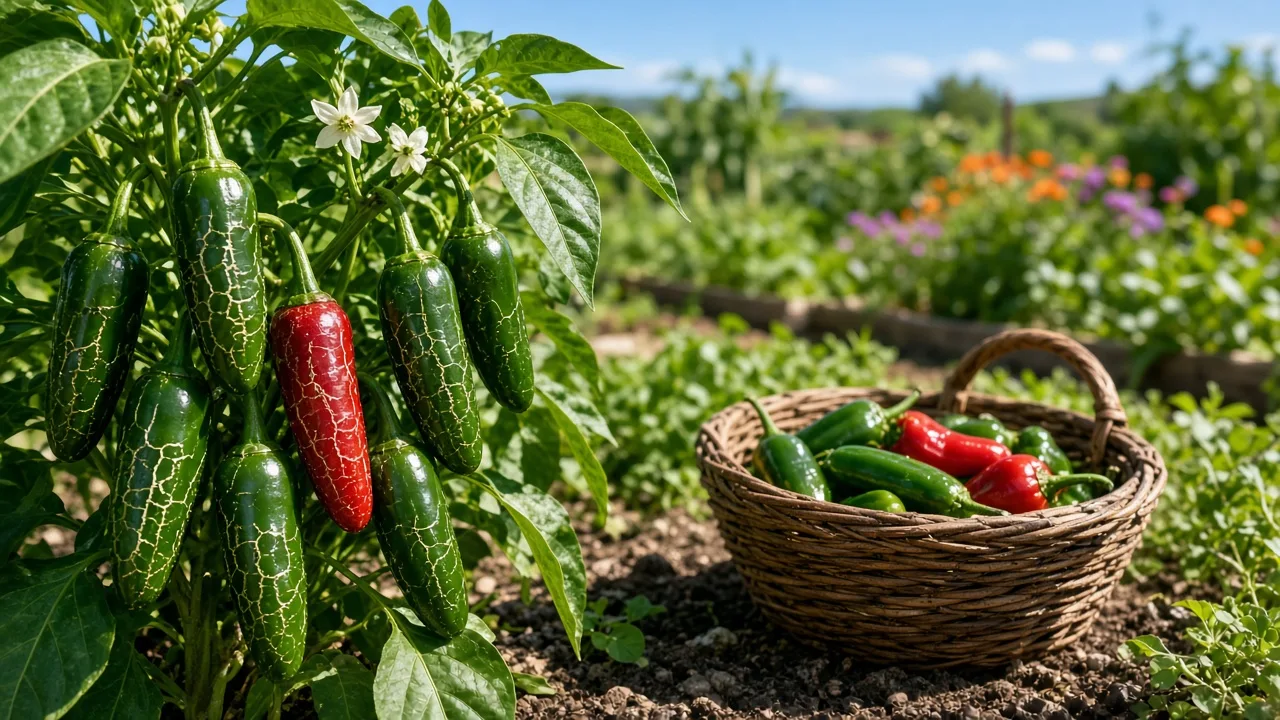
The best time to harvest jalapeños depends on two choices: whether the fruit has reached its mature size for the cultivar, and whether you want the crisp green stage or the sweeter red stage. Most home gardeners pick jalapeños while they are firm and deep green, but a healthy fruit can stay on the plant longer and ripen fully to red.
Use the calendar to tell you when to start checking, not when to cut every pepper. Weather, planting method, crop load, and variety all change the schedule. The reliable harvest decision comes from combining the label’s expected size with the fruit’s firmness, color, surface condition, and the weather forecast.
Start with the flavor and use you want
Choose the kitchen job before you judge the pepper. A mature green jalapeño is crisp, bright, and vegetal, which makes it a good fit for fresh salsa, pickles, nachos, stuffing, and everyday cooking. A red jalapeño has remained on the plant longer, so it usually brings a sweeter, fruitier flavor and a softer texture that suits hot sauce, drying, smoking, and ripe-pepper recipes.
There is no prize for making every fruit reach the same color. Harvesting a portion green gives you usable peppers and can reduce the time each fruit occupies the plant, while leaving a few healthy, well-placed fruits to ripen red lets you compare stages. That mixed strategy is often the most useful choice for a home garden because it provides steady harvests without giving up fully colored fruit.
Jalapeño heat is also a range, not a promise printed on the color. UF/IFAS lists jalapeños at about 2,000 to 8,000 Scoville Heat Units, and cultivar genetics, growing conditions, fruit position, and maturity can all affect the experience. If a household needs reliably mild peppers, choose a mild cultivar rather than trying to make a young pod do a job it was not bred to do.
The four signs a jalapeño is ready
Before you snip, inspect the fruit in this order: expected size, filled-out firmness, desired color, and sound skin. If three signs point to harvest and the fourth is only a small cosmetic mark, the pepper is usually ready; if softness or active decay is present, color and size do not make it good to eat.
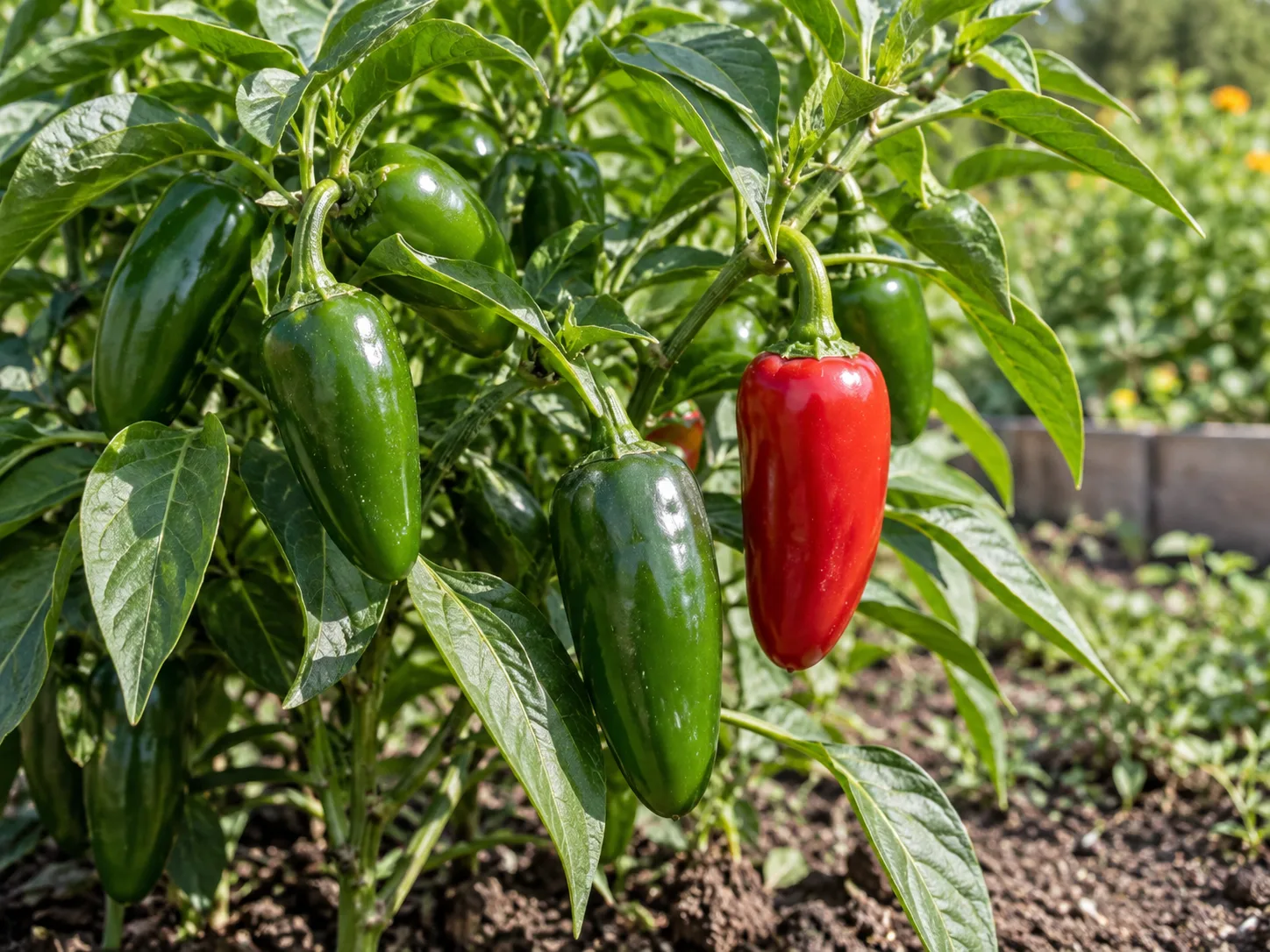
The Utah State University Extension harvest guidance describes quality peppers as firm, plump, and smooth-skinned, with fruit picked as it matures. That combination is more dependable than relying on one visual cue, especially when a plant is carrying pods at several ages.
Check the cultivar’s mature size
Start with the seed packet, nursery label, or breeder description. Common jalapeños are often a few inches long, but early types, compact varieties, large stuffing jalapeños, purple selections, and specialty hybrids do not all finish at the same measurement. A short, fully filled-out pepper may be ready while a longer, thin pepper of another variety still needs time.
Days to maturity can help you find the first likely harvest, but it does not replace the description for your specific cultivar. If you saved seed without recording the name, compare several fruits on the plant and use the earliest fruits that are firm and filled out as your working reference for the rest of that plant.
Do not pick tiny pods simply because you are worried about heat. Very young fruit has less usable flesh and a less developed flavor. The exception is an approaching freeze: an undersized but sound jalapeño is still useful fresh, cooked, frozen, or pickled, even if it lacks the sweetness and full texture of a mature pod.
Feel for firm, filled-out walls
Handle the pepper gently near the middle. A ready green jalapeño should feel firm and substantial for its size, with a filled-out shoulder near the calyx rather than a narrow, flimsy shape. Mature red fruit can be slightly softer than green fruit, but it should still feel solid and hold its shape.
Softness is a condition warning, not a ripeness signal. A fruit that is collapsed, water-soaked, leaking, fuzzy, or deeply wrinkled may be overripe, injured, frozen, or rotting. Put it in the problem category even if the color looks perfect, because a red skin cannot reverse tissue damage.
Look at color and the shoulder
Deep green is the familiar harvest color for jalapeños. The skin often looks glossy when the fruit is well hydrated and mature enough for fresh use, although gloss alone is not a requirement and can change with weather. When the fruit is left on the plant, it may pass through darker shades before developing its mature red color; some cultivars also show yellow, orange, or purple stages.
Look at the pepper as a whole rather than waiting for one patch to match a photograph. The shoulder around the stem should look developed, the fruit should remain firm, and the color change should be gradual across healthy tissue. A single pale or bleached patch is more likely to be injury than a useful maturity signal.
Separate corking from damage
Fine tan or brown lines that run along the skin are commonly called corking. They are dry, healed-looking marks that can appear as the fruit expands quickly, and they are often a normal surface pattern on mature jalapeños. Savvy Gardening describes corking as a cosmetic growth response rather than spoilage, but the lines should still be judged alongside firmness and smell.
Corking is not a reliable heat meter. It can tell you that the skin has stretched and healed, but it cannot guarantee that one pepper will be hotter than another. Harvest a corked fruit when it has reached the size and color you want; do not leave it indefinitely just to collect more lines.
Treat a mark as suspicious when it is soft, wet, sunken, foul-smelling, fuzzy, or expanding. A dry surface line and a leaking lesion are not the same problem, even if both are brown. When only a small dry scar is present and the rest of the fruit is firm, trim the scar while preparing the pepper; when decay is extensive, discard the whole fruit.
Green, red, and specialty color stages
Color is a decision about flavor and use, not a simple edible-versus-inedible switch. Green jalapeños are commonly harvested before full biological ripeness, while red jalapeños have stayed on the plant longer and completed more of their color development.
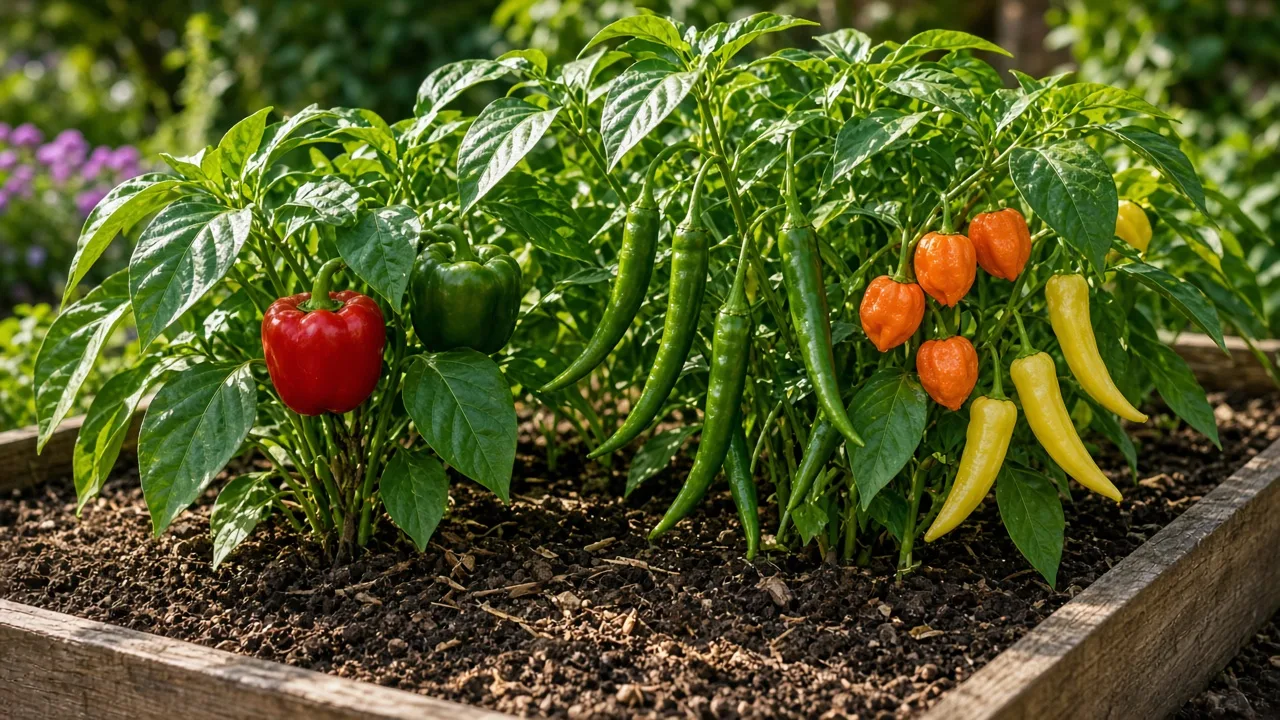
Different cultivars and pepper species can pass through different colors, shapes, and surface patterns. Use a specialty variety’s description to identify the target color, and do not assume that a nearly black stage means every jalapeño is spoiled or that every dark fruit is ready.
Pick green for crisp texture and steady production
Pick a green jalapeño once it has reached the cultivar’s mature size, feels firm, and has the texture you want. You do not need to wait for a red blush to appear. University of Minnesota Extension advises harvesting peppers at mature size and notes that many varieties are useful while green, which is why green jalapeños are a standard garden harvest rather than an unfinished failure.
Green fruit is usually the better choice when you want crunch, a fresh vegetal flavor, or a continuing supply from the same plant. Pick selectively instead of stripping every pod: remove the firm, full-sized fruit you can use now and leave small pods to develop. If the plant is healthy and temperatures remain suitable, that rhythm can support a longer sequence of flowers and fruit.
Leave select fruits to ripen red
Leave only sound, well-formed fruits on the plant when you want red jalapeños. They need time, warmth, and a healthy plant, and they should be checked often because ripe fruit is more exposed to cracking, insect damage, sun injury, and softening.
Red fruit generally tastes sweeter and fruitier, and ripe jalapeños can be dried or smoked for a chipotle-style flavor. However, red does not guarantee a specific heat level. Let a few fruits ripen as an experiment, then use your own harvest notes to decide which stage works best for your recipes next season.
Leaving every pepper until red can also slow the pace of new harvests. Colorado State University’s jalapeño guidance notes that commercial yield may be maximized when harvest is delayed until a small share of fruit has turned red; for a home gardener, that is a useful trade-off to understand rather than a rule to copy. If your goal is green peppers for immediate meals, waiting for red on all fruit is working against that goal.
Use the calendar as a scouting cue
Many jalapeño plants begin producing harvestable fruit roughly 70 to 85 days after transplanting, but the number depends on the variety and on what the seed company means by “days to maturity.” Direct-sown plants usually take longer than transplants, and a cool start, transplant shock, heavy crop, drought, or extreme heat can move the first harvest later.
Write the transplant date and cultivar name on a garden label. When the estimated window approaches, inspect every day or two rather than picking by date. The first fruit may be ready while flowers and tiny pods are still forming elsewhere on the plant.
The same principle applies to containers. A pot can warm and dry faster than a garden bed, so fruit development and plant stress may not match the calendar from an in-ground planting. Check the fruit itself and keep the root zone evenly moist; deliberate severe drought is a poor shortcut to more heat because it can reduce flowering, fruit set, and plant health.
How to pick without breaking branches
Use clean, sharp scissors, harvest snips, or small hand pruners. Hold the branch or fruit with one hand and cut the stem with the other, leaving a short piece of stem attached to the pepper. Do not twist, yank, or pull until the stem snaps: pepper branches are brittle, and that motion can tear a branch or dislodge younger fruit.
Harvest during the cooler part of the day when practical, then move the peppers out of direct sun. A shallow basket prevents a heavy pile from crushing the bottom fruit. Sort as you go: sound green fruit, sound colored fruit, fruit for immediate cooking, and fruit with active decay should not all share the same container.
Wear gloves if you are handling many peppers, cracked fruit, or a large batch that will be cut later. Capsaicin can irritate skin and eyes even though the intact fruit is edible. Wash hands carefully before touching your face or contact lenses, and wash harvested peppers under cool, clean running water immediately before eating or preparing them.
What to do with a large harvest
Decide how quickly you can use the peppers before choosing a storage method. Fresh green jalapeños have the best crisp texture soon after picking, red fruit is useful for ripe-flavor projects, and damaged fruit should be handled separately rather than stored in the main batch.
Keep fresh peppers cool and dry
For short-term storage, keep sound peppers dry and unwashed in the refrigerator’s crisper drawer or another cool place, then wash them immediately before use. A paper bag or a loose wrap helps contain the peppers without trapping the wetness that encourages decay. Check the batch every few days and remove any fruit that becomes soft or moldy.
Extension recommendations vary because commercial holding rooms and home refrigerators are different. Utah State University Extension describes roughly 50–55°F as a useful holding range for one to two weeks, while Colorado State University discusses longer quality under controlled storage and warns that peppers are sensitive to chilling injury. At home, a crisper drawer is practical for a short period; use the peppers promptly if the skin begins to wrinkle.
Do not seal warm, wet peppers in an airtight container after picking. Let them cool, keep moisture under control, and avoid storing a sound pepper beside one that is already leaking. If a pepper smells fermented or rotten, has spreading soft tissue, or shows mold, discard it rather than trying to rescue the batch by washing.
Choose freezing, drying, or pickling
Freezing is the simplest way to save extra green jalapeños. Wash and dry them thoroughly, leave them whole or cut them into portions, and freeze them in an airtight container or freezer bag. Frozen peppers lose some crispness, but they work well in cooked dishes, sauces, soups, and casseroles.
Drying concentrates flavor and gives you flakes or powder later. Choose fully sound fruit, cut it only with gloves, and use a dehydrator or another reliable method that dries the peppers until the skin is papery and the interior is no longer moist. Store dried peppers in an airtight container in a cool, dark, dry cupboard and discard them if they develop moisture or mold.
Pickling is a good use for firm green fruit, while ripe red jalapeños can bring a deeper flavor to sauces or smoking projects. For any shelf-stable canning or pickling, follow a tested recipe with its specified acidity, salt, jar size, and processing time; a ripe-looking pepper does not make an improvised preservation method safe.
Diagnose black, brown, or cracked peppers
A change in color is not automatically a disease, and a green pepper is not automatically healthy. Compare the affected fruit with other peppers on the same plant, then check whether the dark area is dry and firm or wet and collapsing.
Normal darkening and sunscald
Some jalapeños develop dark purple, nearly black, or brownish areas as they move through their color stages. Specialty cultivars may be dark by design, and healthy fruit can show uniform pigmentation while the plant and other pods look normal. A firm pod with consistent coloration is less concerning than a single fruit with a rapidly expanding lesion.
Sunscald is another possibility, especially after heavy pruning, storm damage, or a sudden loss of leaf cover. The exposed side may look pale, bleached, tan, papery, or later darkened and dry. Utah State University Extension identifies sunscald as an exposure problem linked to direct sun on fruit; preserve healthy leaf cover and avoid removing foliage simply to expose every pepper.
Do not use an umbrella, shade cloth, or emergency cover as an excuse to leave fruit through a freeze. Shade can reduce intense sun exposure, but it cannot turn a frost-sensitive pepper into a cold-hardy crop. Weather and tissue condition still determine the final harvest decision.
Signs of rot, disease, or blossom-end injury
Be more cautious when blackening is accompanied by softness, water-soaked tissue, a sunken spot, fuzzy growth, a foul smell, leaf spots, stem lesions, or rapid spread. In that situation, cut the fruit away from the plant, dispose of it, and inspect neighboring pods and foliage. Do not compost diseased material unless your compost system reliably reaches pathogen-killing temperatures.
Dark tissue at the blossom end can also reflect blossom-end injury rather than a ripening color change. Utah State University links blossom-end rot with inconsistent water management and describes the affected fruit as dry, brown, or black at the flower end. Improve moisture consistency for future fruit, but do not expect a damaged pod to recover.
Cracks can be harmless when they are dry, narrow, and healed, especially when they follow the length of the skin. Cracks that gape, leak, attract insects, or expose soft flesh should be treated as an entry point for decay. When the weather is wet or the crop is overripe, harvest sound fruit sooner and keep the canopy as healthy and airy as possible.
Frost and end-of-season decisions
Jalapeños are warm-season, frost-sensitive plants. If a hard freeze is forecast, pick all usable fruit before the temperature drops rather than gambling on another day of color development. Colorado State University reports that transplanted jalapeños may reach harvest in about 75–85 days and that fall production runs until the first frost, but the forecast matters more than an average once cold weather is close.
Harvest mature green and slightly undersized but sound peppers before the freeze. They may be crunchier and less sweet, but they can still be cooked, frozen, or preserved. Fruit exposed to a true freeze can become water-soaked and mushy, which is a quality failure rather than a useful late harvest.
Row cover can help with a short, light cold event when it is installed correctly and removed as temperatures rise, but it is not a guarantee against a hard freeze. If your plant is in a container, moving it to a protected location can buy time, yet the same checks still apply: keep usable fruit, remove damaged fruit, and do not assume indoor color change equals the flavor of fruit ripened on the plant.
Conclusion
Harvest jalapeños when the fruit has reached the mature size for its cultivar, feels firm and filled out, and shows the color stage that matches your intended use. Deep green fruit delivers the familiar crisp, vegetal character, while red fruit offers a sweeter, more developed flavor; neither color guarantees an exact heat level.
Clip rather than pull, sort fruit by condition, and inspect corking, blackening, and cracks by texture as well as color. Pick sound fruit before frost, store it cool and dry for short-term use, and choose freezing, drying, or a tested pickling method for the surplus. The best harvest date is the point where the plant, the pepper, the recipe, and the weather agree.