When to Prune Shrubs: What Bloom Time Can Tell You
When to prune shrubs depends on flowering wood, evergreen type, climate, and your goal. Choose a safe window and avoid cutting off next season’s blooms.
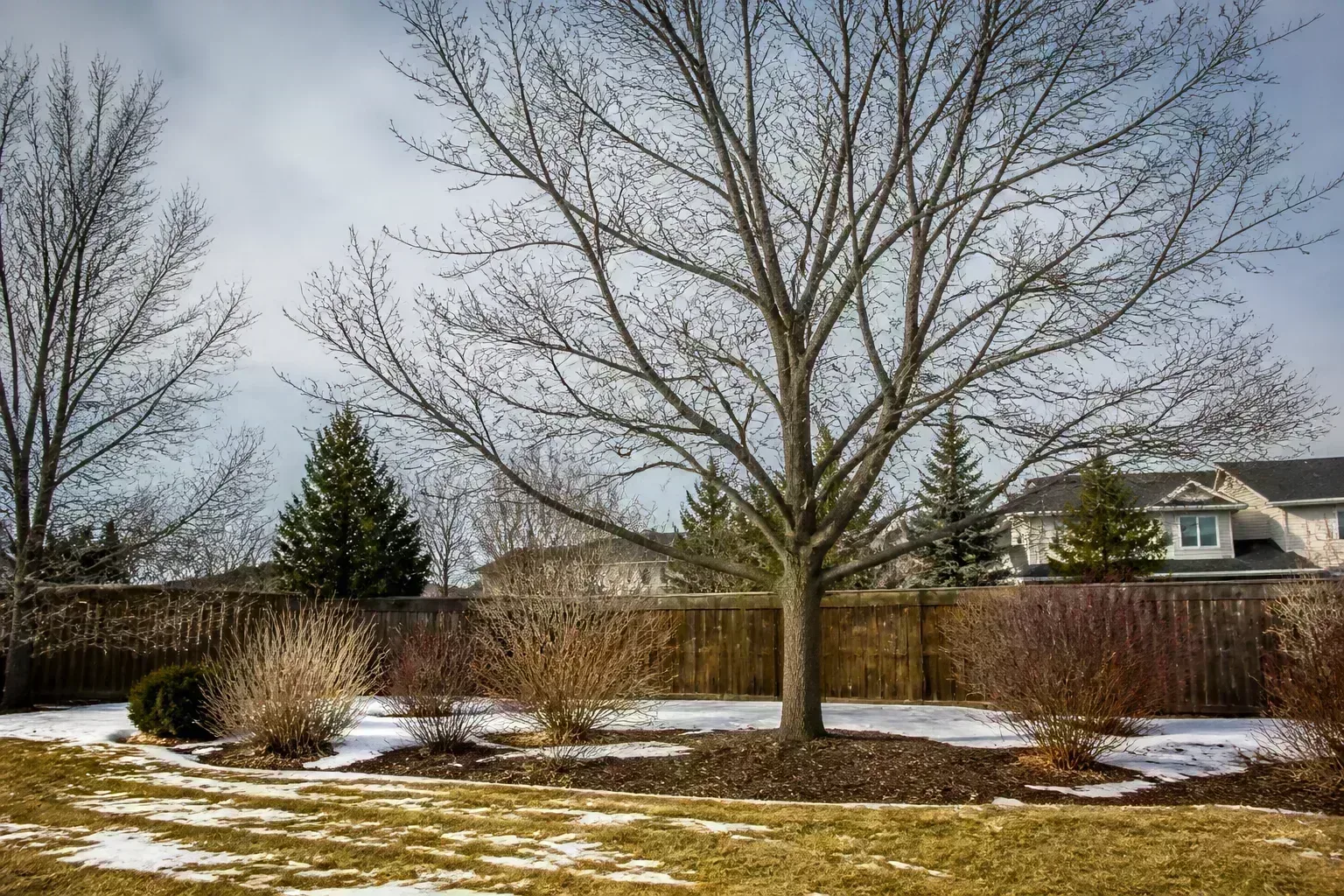
The best time to prune a shrub is usually after it flowers if it blooms in spring, or in late winter to early spring if it blooms later on new growth. That is a starting rule, not a universal calendar. Evergreen shrubs, conifers, hedges, recently planted shrubs, and plants being renovated can all need a different window.
Before you cut, identify what the plant is, what you want the pruning to accomplish, and what the next season’s display depends on. If you do not know the variety, remove only clearly dead or damaged wood and observe the shrub through a full flowering cycle. Waiting one season to learn when it blooms is usually safer than guessing and removing next year’s buds.
Quick answer: identify the shrub and the job first
Use this sequence before choosing a day to prune:
- Name the shrub. Check its plant tag, a reliable local plant database, or an extension service. A common name can cover several species with different habits.
- Note when it flowers. Spring bloom often means buds formed on stems grown the previous year. Later bloom often means flowers will form on new shoots in the coming season.
- Look at the wood and foliage. A deciduous shrub without leaves is not automatically ready for a hard cut; a broadleaf evergreen may not regrow from bare old stems.
- Choose the job. Removing a broken limb, shortening one stray branch, renewing an overgrown shrub, and clipping a hedge have different costs and timing.
- Check local conditions. Use local frost patterns and visible bud development rather than copying the month from a different climate.
| Shrub or job | A useful starting window | What to check |
|---|---|---|
| Spring-flowering shrub | Soon after flowering ends | Many carry next year’s buds on growth made this season |
| Summer- or fall-flowering deciduous shrub | Late winter or early spring, before active growth | Confirm the species and how much live wood the pruning will remove |
| Spring-flowering broadleaf evergreen | Usually after bloom, with light selective cuts | Protect buds and avoid cutting into bare interior wood |
| Conifer or needle-leaved evergreen | Species-specific; often light trimming around a growth flush | Many will not refill from old brown wood |
| Dead, broken, or hazardous branch | When it is safe to make the cut | Remove only the affected wood; urgent risk can outrank ideal seasonal timing |
| Formal hedge | During its appropriate growth and flowering cycle | Repeated shearing may remove flowers and create a dense outer shell |
These are categories, not promises. The Royal Horticultural Society groups shrubs by pruning response and flowering habit, while Kansas State University Extension emphasizes that timing for deciduous shrubs depends on whether they bloom on new growth or on older wood (RHS pruning groups; Kansas State University Extension). Use a species-level guide before a major reduction.
Let flowering habit set the main pruning window
“Old wood” means stems produced during the previous growing season; “new wood” means shoots that will grow during the current season. The terms describe where flower buds develop, not whether a branch looks old or young. If you cut off old-wood buds before they open, the shrub may remain healthy and leafy but give you few flowers that year.
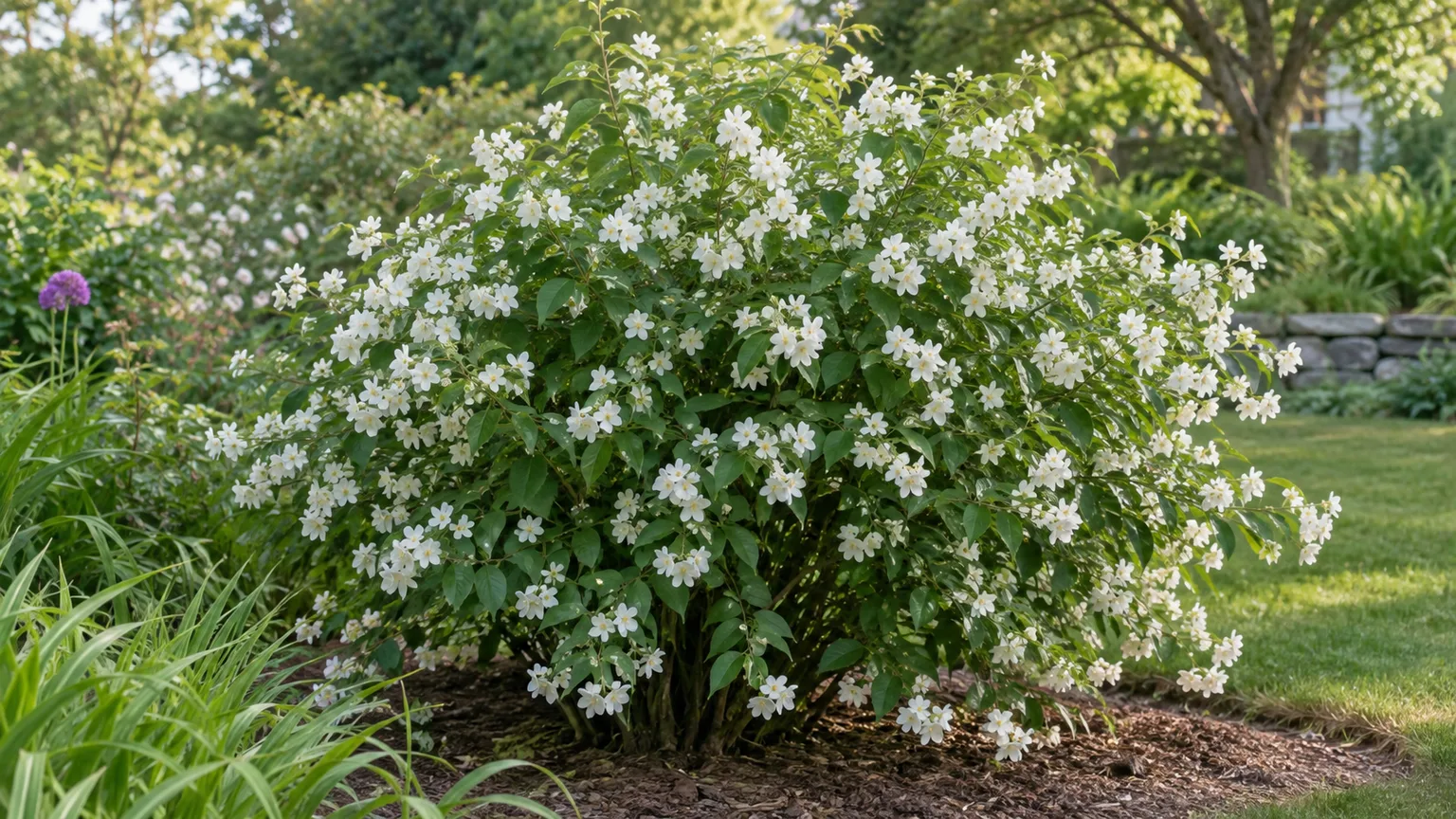
Spring-flowering shrubs usually bloom on older wood
Many shrubs that flower in spring set buds on stems during the summer or fall before they bloom. Forsythia, lilac, mock orange, flowering quince, weigela, and several viburnums are familiar examples; many azaleas and rhododendrons also carry buds before the next season’s flowers open. For most of these plants, do elective shaping soon after the flowers fade, while there is still time for replacement shoots to grow and mature.
You do not need to race outside the day the last petal falls. The useful window is the stretch soon after bloom and before the shrub has set the next round of buds. If the shrub has finished flowering and needs one or two branches removed, make those selective cuts then. If it is healthy and its shape suits the space, skip pruning altogether; flowering shrubs do not need an annual haircut simply because a calendar says it is time.
Pruning an old-wood shrub in late winter can still be reasonable if your priority is size or structure. The trade-off is a reduced or missing flower display on the stems you remove. Colorado State University Extension explains that the buds on spring bloomers form on the previous season’s wood, while Wisconsin Extension lists lilac, forsythia, viburnum, mock orange, and weigela among shrubs to prune after flowering (Colorado State University Extension; University of Wisconsin Extension).
Summer- and fall-flowering shrubs often bloom on current-season growth
Many shrubs that bloom later in the year form flowers on shoots produced during the current growing season. They can usually be shaped in late winter or early spring before new growth gets underway, giving the plant time to produce flowering stems. Japanese spirea, panicle hydrangea, smooth hydrangea, Rose of Sharon, and butterfly bush are common examples, but confirm the exact species or cultivar when bloom is important.
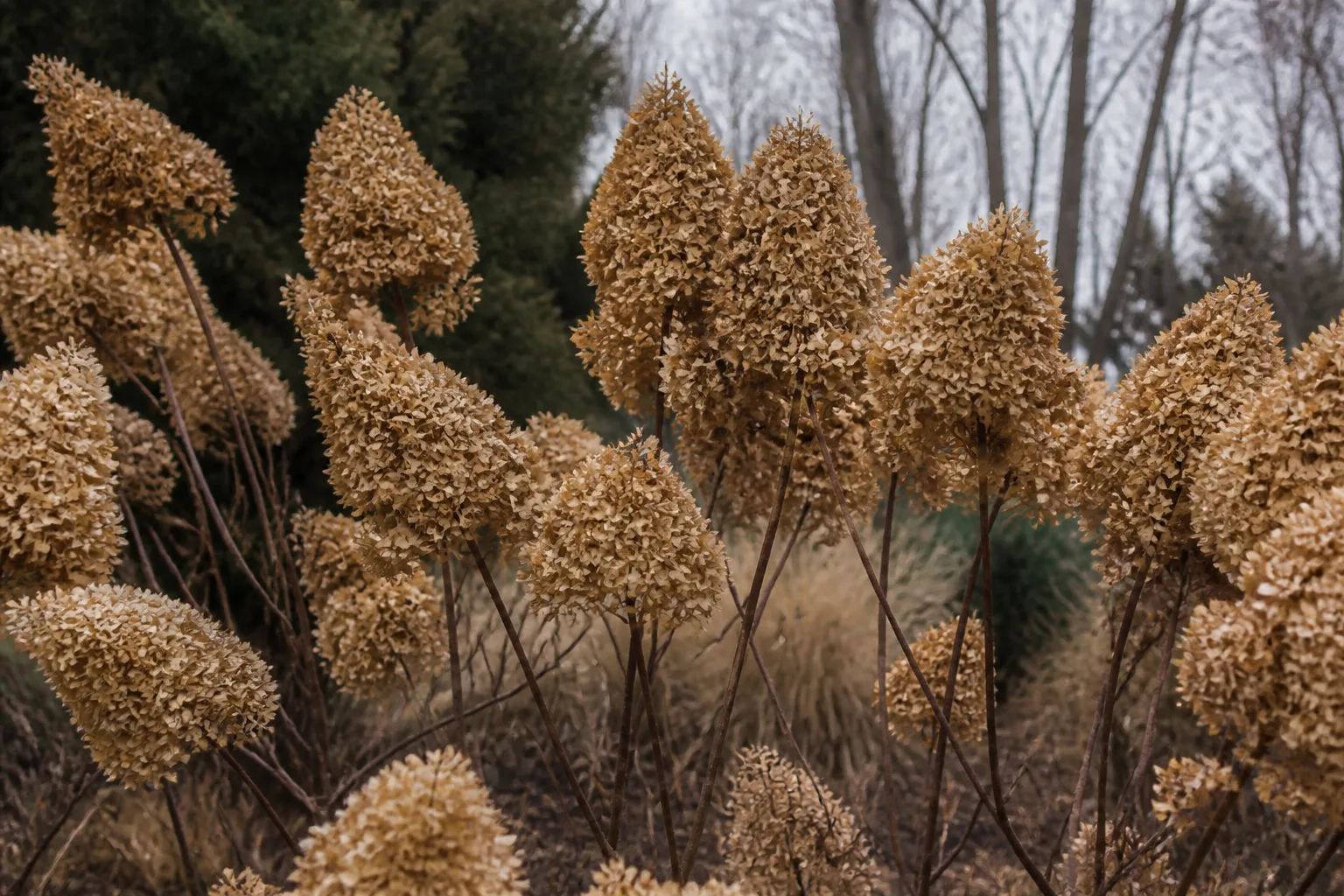
For these shrubs, waiting until shoots are long and full of buds can remove the very growth that would have flowered later. On the other hand, pruning hard during a dry, hot spell may leave a stressed shrub with less leaf area, and pruning very late in a cold-winter region can encourage soft regrowth with little time to harden. “Before growth begins” is more useful than “in March”: the right date depends on where the plant grows and how soon it breaks bud.
Use hydrangeas as a reminder that a common name is not enough. Many bigleaf and lacecap hydrangeas bloom on old wood and need a lighter, later cut than panicle types, which generally flower on new growth. Reblooming cultivars may flower on both old and new growth, so pruning can change the timing or abundance of the first flush without preventing every later bloom. If you want a dependable hydrangea display, identify the species and cultivar before shortening live stems.
Recognize exceptions before using the old-wood/new-wood shortcut
Flowering habit is a helpful first filter, not an identity test. Some shrubs bloom over a long season; some flower on both older and current shoots; and selections within the same genus can respond differently. A shrub that blooms twice may tolerate a light cut at one point in its cycle but lose its first flush after a deep reduction.
Broadleaf evergreens such as rhododendrons, azaleas, and camellias complicate a simple “spring flower, then prune” rule because they can set next season’s buds soon after flowering. Keep any necessary shaping modest and early enough to avoid removing the developing display. The RHS separates early-flowering evergreen shrubs from deciduous spring bloomers in its pruning guidance, and its plant-specific categories are a good reason to verify the plant rather than rely on bloom season alone (RHS guidance for early-flowering shrubs).
If a nursery tag gives a pruning group or cultivar name, use it. Otherwise, keep a note of when flowers appear and when new shoots emerge. One season of observation will often answer the practical question more accurately than a generic “spring” or “fall” recommendation.
Adjust for the shrub’s plant type
Flowering habit covers many deciduous shrubs, but foliage, stem color, leaf retention, and growth form also affect how much and when you should cut. A plant that can replace stems from its base is a different renovation candidate from an evergreen with a bare interior that stays bare.
Deciduous shrubs grown for foliage, stems, or fruit
For a deciduous shrub grown mainly for leaf color, colored winter stems, or fruit, late winter can make the branch structure easy to see. That does not mean every bare shrub should be cut hard. Decide whether you want to remove a few crossing stems, renew old canes, keep berries, or simply leave a natural framework intact.
Shrubs grown for bright young stems are often pruned to encourage new colored shoots, but the exact timing and severity depend on the species and the display you want. Fruit-bearing shrubs present another trade-off: pruning may remove flower buds or the branches that would carry fruit. If the berries feed wildlife or are the shrub’s main ornamental feature, wait until the display has passed before taking elective cuts.
The larger question is whether the plant’s mature size fits the site. Colorado State Extension cautions that pruning has limits as a way to keep a shrub that is simply too large for its location; replacing it with a better-sized plant can be more sustainable than repeatedly removing a large share of its growth (Colorado State University Extension).
Broadleaf evergreen shrubs
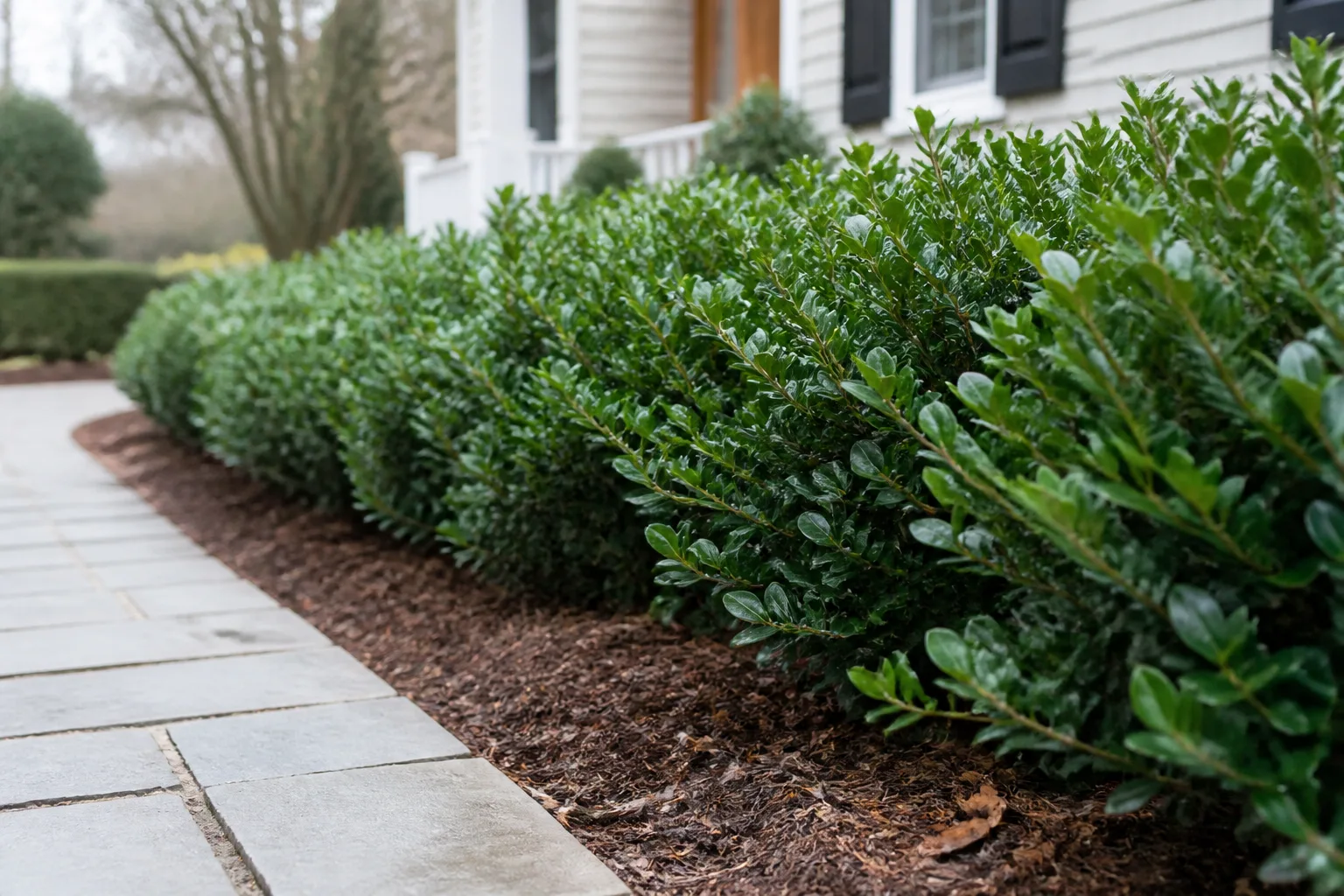
Many broadleaf evergreens need little pruning once they are established. If you want to maintain a natural shape, use selective cuts that disappear into the foliage instead of shearing the outside into a tight surface. Spring-flowering types should usually be shaped after bloom if preserving flowers matters, while nonflowering hedge plants may be lightly clipped according to their own growth cycle.
Do not assume an evergreen will sprout from every bare branch. Rhododendrons, evergreen hollies, and Oregon grape holly are examples where cutting back into leafless inner wood can leave a permanent gap. Wisconsin Extension recommends selecting branches back to a side branch so remaining foliage can hide the cut, and cautions against shearing broadleaf evergreens or cutting them into older non-leafy areas (University of Wisconsin Extension). For holly in particular, the timing depends on whether you are protecting flowers and berries, maintaining a hedge, or taking a few stems for seasonal decor; see our guide to when to prune holly.
Needled evergreens and formal hedges
“Evergreen” does not describe one pruning response. Yew can tolerate more shaping than many conifers, while juniper, arborvitae, pine, and spruce vary in how well they replace growth after a cut. Some needled plants do not reliably fill in from old brown wood. Before making a deep cut, identify the plant and determine whether the intended cut leaves green growth or viable buds below it.
For a formal hedge, distinguish a light seasonal trim from renovation. A small trim can maintain an established outline; repeated cuts at exactly the same surface may create a thick leafy shell that shades and weakens the interior. Wisconsin Extension recommends reserving shearing for formal hedges and keeping the base wider than the top so light reaches the lower foliage (University of Wisconsin Extension). A hedge grown for spring flowers may need to bloom first, so a neat outline and maximum flowers may not be compatible goals.
Shift the calendar to your local climate and plant stage
The same shrub can be ready for pruning weeks earlier in one region than another. A mild coastal garden may begin active growth while a higher-elevation or northern garden is still dealing with hard freezes. In a hot, dry climate, the main concern may be pruning a stressed shrub during heat; in a cold-winter region, it may be whether a late cut will be followed by enough frost-free growing time for new shoots to mature.
Use observable cues alongside local advice. For a new-wood summer bloomer, look for the end of dormancy and swollen buds, but make the main cut before shoots elongate. For an old-wood spring bloomer, mark when it finishes flowering and prune while new shoots still have the growing season ahead. A month printed in a source written for Kansas or the UK can illustrate the pattern, but it is not a date to copy in every U.S. climate.
Avoid major elective work when a shrub is in extreme heat or cold, drought-stressed, recently planted and struggling, or still recovering from a severe cut. If weather makes the ideal window unsafe or inaccessible, wait for suitable conditions unless a broken branch poses a hazard. Homes & Gardens’ gardening experts likewise distinguish spring growth windows from heat, cold, and late-season risks; their practical recommendations are useful context, but local extension guidance should resolve regional timing (Homes & Gardens).
Choose a window that fits your pruning goal
The best date changes when the goal changes. A small maintenance cut can fit inside a broader season than a full renovation, and the best time to preserve flowers may not be the best time to reduce size.
Remove dead, broken, diseased, or hazardous branches
Do not leave a dangerous or badly broken branch in place just to reach a preferred pruning month. When it is safe to work, remove the damaged section back to healthy growth or to its point of origin, making a clean cut without leaving a stub. If a large limb is near a person, structure, or utility line, stop and get qualified help rather than climbing or cutting beyond your tools.
For ordinary dead twigs or a branch torn in a storm, the timing is secondary to a safe, limited cleanup. This exception does not mean a stressed shrub should be heavily reshaped at the same time. Remove the problem wood, then postpone elective cuts until the plant has recovered and you have identified its pruning window.
Shape lightly without sacrificing the display
For a shrub that is generally healthy but slightly out of bounds, choose a window that balances its flowering cycle with the change you want. On a spring bloomer, shape soon after flowers fade; on many new-wood summer bloomers, make the main correction before spring growth starts. Take individual branches back to a suitable side branch or outward-facing bud so the plant keeps a natural shape.
Shears are useful for a formal hedge, but they are not the default tool for every shrub. Repeated shearing can remove flowering tips, concentrate growth at the outside, and leave the center shaded. A few selective cuts may take longer than an even haircut, yet often preserve more flowers and reduce the need to keep correcting an artificially dense outline.
Renew an old shrub gradually or with a planned hard cut
If a shrub has become crowded, woody, or bare at the base, choose between gradual renewal and a one-time renovation. Gradual renewal removes some of the oldest stems at the base over several seasons while retaining younger growth; it preserves more of the shrub’s outline and may retain some flowers. A hard cut is much more disruptive and works only for suitable, vigorous, often multi-stemmed shrubs that can resprout from the base.
Do not treat the “one-third rule” as a quota or a guarantee. Extension and gardening publications often use it as a conservative guide for renewal pruning, but the appropriate amount depends on species, health, and the type of cut. Some shrubs respond to a planned hard renovation; others, particularly plants with sparse dormant buds on old wood or broadleaf evergreens with a bare interior, may not recover into an attractive form.
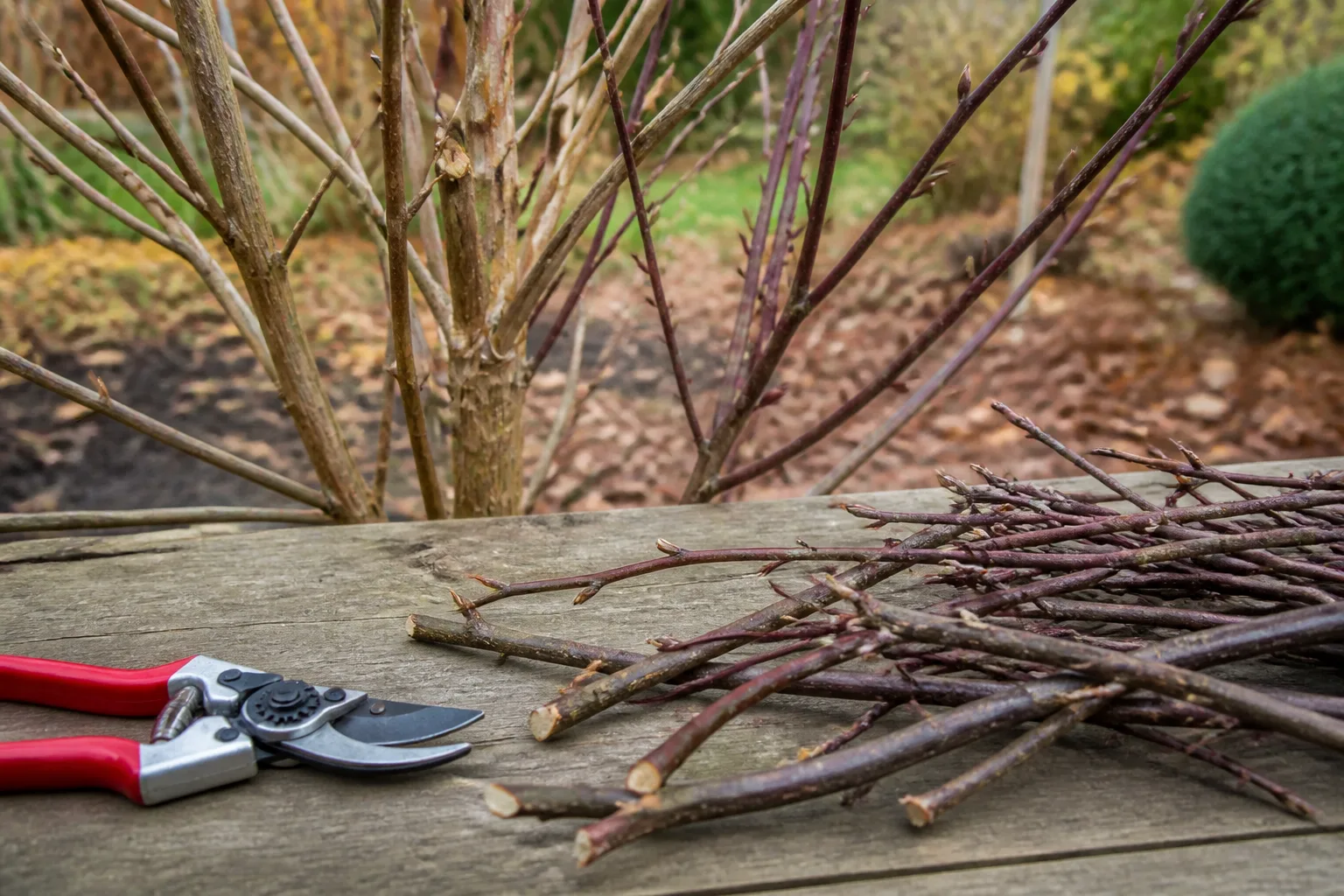
Fine Gardening’s horticulturist Mark Dwyer distinguishes renewal pruning over several years from severe rejuvenation and notes that spring-flowering shrubs cut back hard will forgo that year’s flowers. The article also names Japanese spirea, smooth hydrangea, ninebark, and elderberry as candidates, while emphasizing that response varies by plant (Fine Gardening). For specific instructions on the spring- and summer-flowering varieties, use our guide to when and how to prune spirea.
When late-summer or fall pruning is a poor fit
Heavy pruning late in the growing season can prompt tender growth that has little time to harden before freezing weather. It can also remove buds already forming for the following spring, or fruit the gardener wanted to leave through winter. These risks are most important in regions with early frosts and on shrubs whose flowers or berries depend on wood you would remove.
That is a reason to avoid routine hard fall pruning, not a rule against every cut after summer. A small correction, deadwood removal, or removal of a broken branch is different from reducing most of the canopy. Some species have special timing exceptions, and extension recommendations vary with climate and pruning purpose; check the plant’s guidance before treating “never prune in fall” as absolute.
The opposite blanket rule—“all shrubs should be cut in late winter”—fails for a different reason. It can remove the flowers on old-wood shrubs, strip berries from winter-interest plants, or leave evergreens with permanent gaps. Timing by plant response is a better safeguard than choosing one season for the whole yard.
What to do when you cannot identify the shrub
If the label is missing, do not guess at a hard cut. Note whether the plant keeps leaves in winter, whether it has a single trunk or many canes rising from the base, when it flowers, and whether buds are already visible. Photograph the shrub through the year and ask a local extension service or qualified nursery to help identify it.
Until you know more, limit live-wood work to what is clearly necessary. Remove dead, broken, or rubbing branches if the cut is straightforward; avoid cutting into leafless old wood, shearing an unknown flowering shrub, or reducing a large portion of its canopy. This cautious approach may leave the plant a little untidy for a season, but it preserves options while you learn what it is.
Common timing mistakes that cost flowers or structure
- Using the same month for every shrub. A spring bloom on last year’s stems and a summer bloom on this year’s shoots call for different windows.
- Pruning spring bloomers before they flower. The shrub may survive, but the cut can remove buds that have been waiting all winter.
- Treating all hydrangeas alike. Panicle, smooth, bigleaf, lacecap, and reblooming types do not share one pruning response.
- Cutting every evergreen back to brown wood. Many will not refill bare sections, so confirm that the cut leaves viable green growth.
- Turning a small shaping job into a full renovation. Decide the goal and amount before the first cut; stop when that goal is met.
- Pruning during stress or extreme weather. Heat, drought, severe cold, or recent transplant shock make recovery harder.
- Assuming pruning can solve a size mismatch forever. If the shrub outgrows the site every year, a smaller mature-size plant may be the better long-term fix.
Conclusion
Prune shrubs according to how they flower, what kind of plant they are, your local growing conditions, and the result you want. For many spring-flowering shrubs, wait until bloom ends; for many later-flowering deciduous shrubs, prune before new spring growth begins. Those rules narrow the window, but they do not replace identifying the species.
If you are unsure, make the first cut no cut: observe the shrub, check its label, and remove only genuinely damaged wood when needed. A little patience can preserve a season of flowers and prevent a small maintenance job from turning into an unnecessary renovation.



