Plant Lily Bulbs at the Right Time for Summer Flowers
True lilies flower in summer, not spring. Find the best planting window for your climate, choose the right depth, and help bulbs establish without rot.
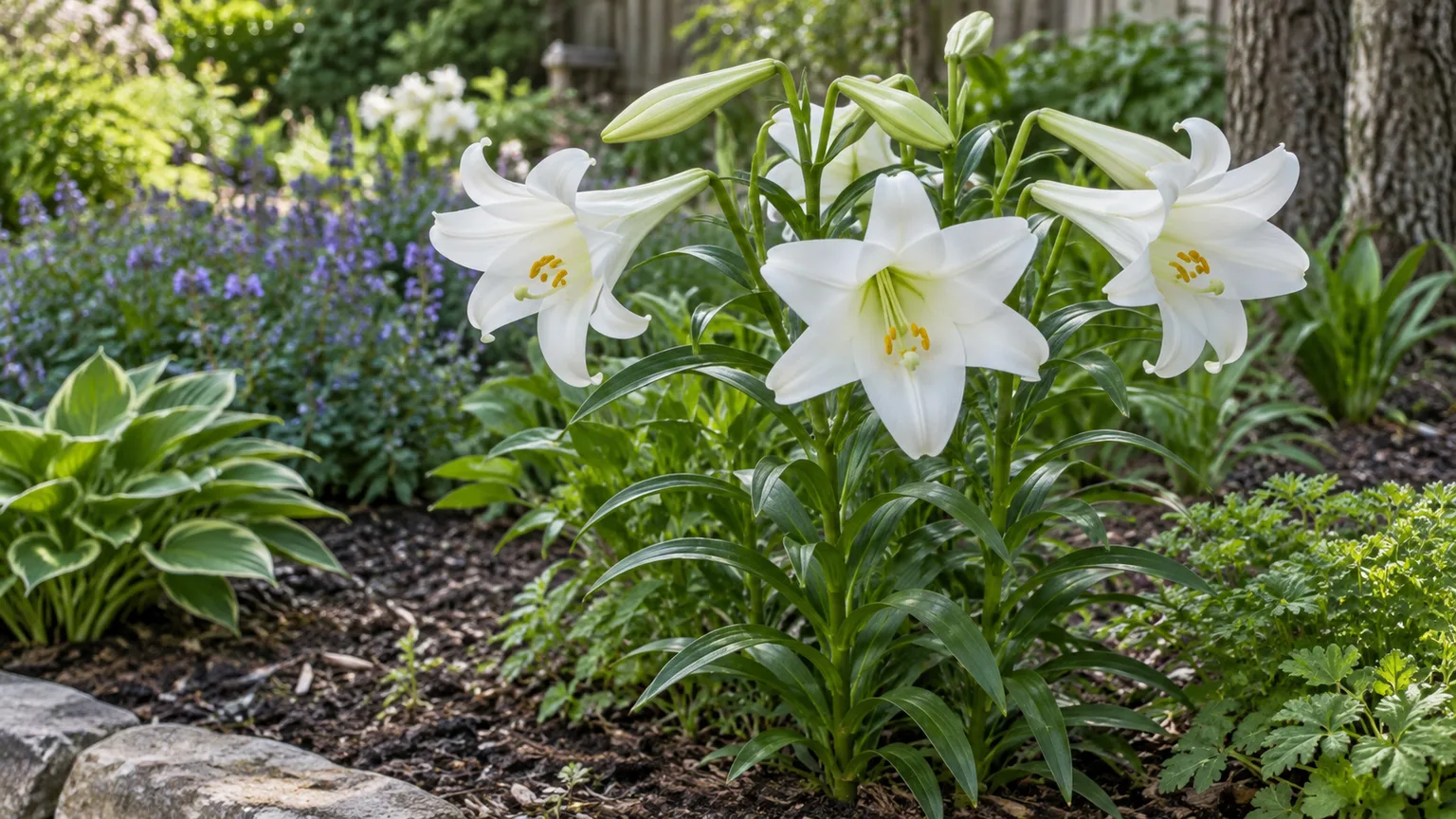
If you mean true lilies, fall or early spring is the time to plant their bulbs—but the flowers usually arrive in summer, not spring. Planting a lily in autumn gives its roots a head start before winter; it does not turn a summer-blooming Lilium into a spring flower. North Carolina State Extension describes common garden lilies as blooming from June through August, with the exact timing varying by type and climate. If early spring color is the goal, crocuses, daffodils, and tulips are better choices; those spring-flowering bulbs are commonly planted in fall. (North Carolina State Extension; Utah State University Extension)
For lilies, the useful question is whether a fresh bulb can go into cool, workable, well-drained soil now. Fall is an excellent window in many gardens, and spring is a sound alternative where autumn is too short, wet, or unpredictable. The best choice depends on the bulb’s condition, your winter, the soil’s drainage, and the instructions for the particular lily.
First, Make Sure You Mean a True Lily
This guide is about lilies in the genus Lilium: Asiatic, Oriental, trumpet, Martagon, and other garden lilies grown from fleshy bulbs. An Asiatic hybrid or a fragrant Oriental lily can follow broadly similar seasonal advice, although its preferred soil and planting depth may differ. The Easter lily is also a true lily; its greenhouse-timed spring display is an exception to the outdoor flowering calendar, not proof that garden lilies normally bloom in spring. (North Carolina State Extension; Royal Horticultural Society)
“Lily” in a common name does not always mean Lilium. Daylilies are Hemerocallis and grow from fleshy roots rather than true lily bulbs. Calla lilies, peace lilies, and lily-of-the-valley also have different structures and planting needs. If the package identifies one of those plants, use its own planting directions instead of applying the bulb depths and timing below.
When to Plant Lily Bulbs
Plant lily bulbs in early fall or early spring. In fall, aim to get a fresh bulb into the ground while the soil is still workable and there is time for root establishment before the ground freezes. In spring, plant as soon as the soil has thawed, drains well, and is no longer muddy. The Royal Horticultural Society recommends early autumn as the ideal time for lilies, while also advising gardeners to plant bulbs when they are available in spring and soon after purchase so they do not dry out. (Royal Horticultural Society)
A rule such as “four weeks before the first frost” can help as a rough fall deadline, but it is not a universal planting date. First-frost averages vary across a yard, and frost itself is not the main factor that makes a bulb fail; frozen ground prevents planting, while soggy soil encourages rot. If your bulb arrives with clear instructions, follow the grower’s timing and depth over a generalized calendar. Horticultural guidance also treats both fall and spring as valid windows, with climate and soil conditions deciding which one is safer. (Epic Gardening; Gardenia)
A Planting Calendar by Climate
Use the calendar as a prompt to check your soil, not a command to plant on a particular weekend. Lily bulbs can establish in either season, but each climate gives you a different margin for error.
Cold-Winter Gardens
Where winter arrives early, plant in fall only if the bulbs are in hand and the soil remains easy to work. Early fall gives roots more time to develop before the ground freezes; planting into frozen or already waterlogged soil adds stress without improving establishment. If you have missed that window, keep the bulbs cool as directed by the supplier and plant them in early spring as soon as the bed is workable. Do not wait for warm weather or for every frost risk to pass: the bulb can go in while the soil is cool, provided it is not frozen or saturated.
A deep winter does not automatically mean a lily cannot overwinter outdoors. Many garden lilies are hardy perennials, but hardiness varies among species and cultivars. A sheltered bed with good drainage is more dependable than an exposed, wet pocket, and a bulb planted in a pot is more exposed to freezing than one in the ground. Check the cultivar label or a local extension recommendation if your winter conditions are extreme.
Mild-Winter Gardens
In regions with a long autumn and workable winter soil, early fall is often the easiest time to plant. Bulbs can settle in before their stems begin growing, and you avoid keeping delicate scales in storage for months. The goal is not to hit a precise number of days before a frost; it is to plant while the soil drains and roots can begin forming.
Spring still works if you receive bulbs late or the bed was too wet in fall. Planting promptly matters more than trying to force a nominally ideal season. In a mild climate, a bulb left in a warm shed or garage can dry or deteriorate while you wait for the calendar to feel “right.”
Hot-Summer or Wet-Winter Gardens
In hot-summer regions, give lilies morning sun and consider afternoon shade, particularly where the bed heats and dries quickly. A thick mulch can keep roots cooler after growth begins, but mulch cannot make a poorly drained site safe. If winter rain leaves your soil saturated, plant in a raised bed or a large container with open drainage rather than setting bulbs in a low spot.
Warm-winter climates also vary in which cultivars thrive. Do not assume that a zone number alone answers whether a particular lily will perform well; the type, local summer heat, winter pattern, and drainage all matter. When uncertain, select a lily recommended by a regional nursery or extension service, then use the season printed on that bulb’s label.
Fall or Spring? Choose the Better Establishment Window
Choose fall when you have fresh bulbs, several weeks of workable soil ahead, and a planting bed that drains through winter. Choose spring when fall has passed, the site is too wet in autumn, or you garden where a short fall leaves little time before a hard freeze. Either season can work; delaying a bulb in poor storage is often a worse choice than using the second-best season.
A practical decision check is:
| Condition | Better choice |
|---|---|
| Bulbs arrive in early fall and the bed drains well | Plant now, while the soil is workable |
| Fall is nearly over and a hard freeze is close | Keep bulbs according to supplier directions; plant in early spring |
| Autumn soil stays waterlogged | Improve drainage or use a raised bed; spring may be safer |
| Bulbs arrive in spring and remain firm | Plant promptly once soil is thawed and drainable |
| Bulb is already sprouting | Plant promptly and avoid breaking the shoot |
This is why “always plant in fall” is not a useful rule by itself. Fall is convenient and gives roots time to form, but a wet bed can undo that advantage. Spring avoids very late fall planting, but a spring bulb that is stored carelessly can lose moisture before it reaches the soil. The best window is the one that puts a firm bulb into a suitable site with the least delay. (Gardenia; Epic Gardening)
When Will the Lilies Bloom?
Most hardy garden lilies flower in summer. Asiatic hybrids often bloom earlier than many Oriental hybrids, while specific varieties can extend the display into later summer; weather, local climate, planting depth, light, and bulb maturity also affect the schedule. Planting earlier can give a bulb more time to root, but it does not change the cultivar’s natural flowering season. (North Carolina State Extension)
A fresh, large bulb planted in spring may flower during that summer if it establishes well, but no one can guarantee a first-season bloom. A small or stressed bulb may produce foliage only while it rebuilds reserves. Do not dig it up because it fails to bloom immediately: leave healthy leaves in place until they yellow naturally so they can replenish the bulb for the next year.
If a seller promises “spring lilies,” check what plant is actually being sold. Retailers may use a greenhouse-grown Easter lily to create a spring holiday display, while the same Lilium longiflorum grown outdoors follows its normal outdoor season. For a garden that opens before summer, combine lilies with genuinely spring-flowering bulbs rather than expecting a fall-planted lily to fill that role.
Buy Fresh Bulbs and Plant Them Promptly
A lily bulb is a cluster of fleshy scales attached to a basal plate; it does not have the dry papery tunic that protects a tulip bulb. That exposed surface can lose moisture, so choose bulbs that feel firm and full rather than shriveled, mushy, or badly damaged. Plant them as soon as practical after purchase. If you must wait, use the supplier’s storage instructions and keep the bulbs cool, ventilated, and protected from drying rather than leaving them loose in a sunny room. (Royal Horticultural Society; Epic Gardening)
A small sprout is not a reason to discard a bulb. Plant it as soon as the soil is workable, orient the shoot upward, and handle it gently during backfilling. Breaking the sprout can cost the bulb its first visible growth; it may still produce a replacement, but the season’s performance becomes less predictable. Do not bend the shoot into a hole that is too shallow—make the planting hole large enough to accommodate the bulb and its emerging growth.
Avoid soaking lily bulbs for a long period to “wake them up.” They are already living storage organs, and prolonged exposure to stagnant water can encourage decay. A quick rinse to remove loose soil is different from leaving the bulb submerged. When a shipment arrives dry or damaged, contact the seller promptly and ask how to handle that particular variety instead of trying several home remedies.
Choose a Site With Sun and Fast Drainage
Most garden lilies grow best in sun or partial shade, with enough light for strong stems and flowers. In hot climates, morning sun with some afternoon shade can reduce heat stress; in cooler regions, a sunnier position generally produces sturdier growth. Many gardeners pair lilies with lower plants that shade the soil around the bulbs while leaving the lily stems in brighter light. (North Carolina State Extension; Royal Horticultural Society)
Drainage is the non-negotiable part. Lily roots need moisture, but bulbs can rot in soil that stays saturated. Avoid hollows where rain collects, compacted ground that drains slowly, and pots without drainage holes. If your bed is heavy clay, improve its structure with organic matter across a broad planting area or use a raised bed; adding a little sand to one planting hole does not reliably fix clay and can make the soil harder.
Soil preference varies by group. Oriental lilies generally prefer acidic conditions, while Asiatic hybrids tolerate or prefer more alkaline soils; many trumpet and longiflorum hybrids accept a broader range. Check the plant name and packet before adding lime or sulfur. Unless a soil test or cultivar direction gives you a reason to change pH, focus first on drainage and steady moisture rather than trying to hit a narrow number. (Royal Horticultural Society)
How Deep to Plant Lily Bulbs
There is no single depth that suits every true lily. Some lilies form roots from the base of the bulb only; others also produce roots along the stem above the bulb, so those stem-rooting types need deeper planting. Package directions should take priority, and the depth convention can vary: check whether the instruction measures from the bulb’s base or describes soil cover above it. The RHS recommends planting basal-rooting lilies, or uncertain types, at about the bulb’s height, and planting stem-rooting types at roughly two and a half times the bulb’s height. (Royal Horticultural Society)
| Lily or rooting habit | Practical starting point |
|---|---|
| Basal-rooting lilies, including many Asiatic hybrids | About one bulb-height; go a little deeper in light, sandy soil |
| Stem-rooting lilies | Roughly 2.5 bulb-heights, unless the packet gives a different depth |
| Unknown garden hybrid | Check the packet; if there is no guidance, use the basal-rooting recommendation and avoid an unusually shallow placement |
| Madonna lily (Lilium candidum) | Special shallow planting; follow species-specific instructions rather than the general rule |
Depth matters because it helps the plant anchor and gives stem roots room to develop, but burying a bulb too deeply in wet clay does not improve drainage or protect it from rot. If you cannot identify the lily, save its label and ask the seller or a local extension office before planting a large group. Space bulbs according to the package; for many garden hybrids, roughly 8 to 12 inches apart is a workable starting range, while taller or larger cultivars may need more room.
How to Plant Lily Bulbs in a Garden Bed
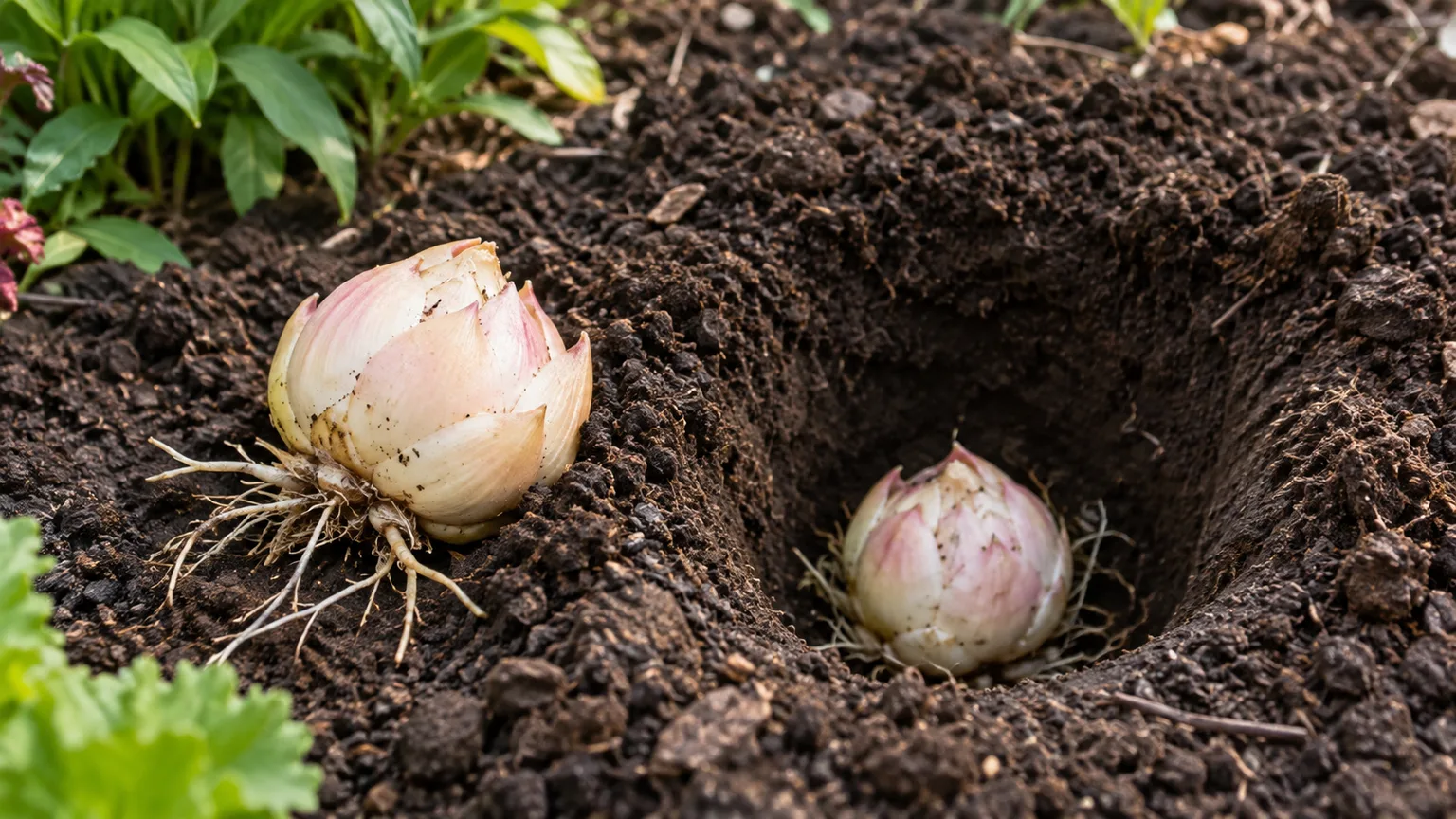
Prepare the whole planting area, not just a series of narrow holes. Loosen the soil to the depth the bulbs need, remove stones that prevent good contact, and mix in a modest amount of finished compost if the soil is poor. This gives the roots room to spread and improves structure without creating a rich, water-holding pocket directly around each bulb. If a tall cultivar will need a stake, place the stake before planting so you do not drive it through the bulb later.
Set each bulb with its basal plate and roots down and its scales or point facing up. If you see a shoot, keep it upright and do not force it into a shallow hole. Backfill gently, firm the soil enough to remove large air gaps, and water once to settle it around the bulb. The surface should drain afterward; do not repeatedly soak a dormant bulb just because it was planted.
Lilies look more natural in small groups than in a strict row. Plant three or more bulbs together if you want a fuller display, but keep enough space between them for mature stems and airflow. Mark the planting location and variety so spring digging does not slice through dormant bulbs. A simple label can also tell you whether a late-emerging plant is a lily or a weed.
Growing Lilies in Containers
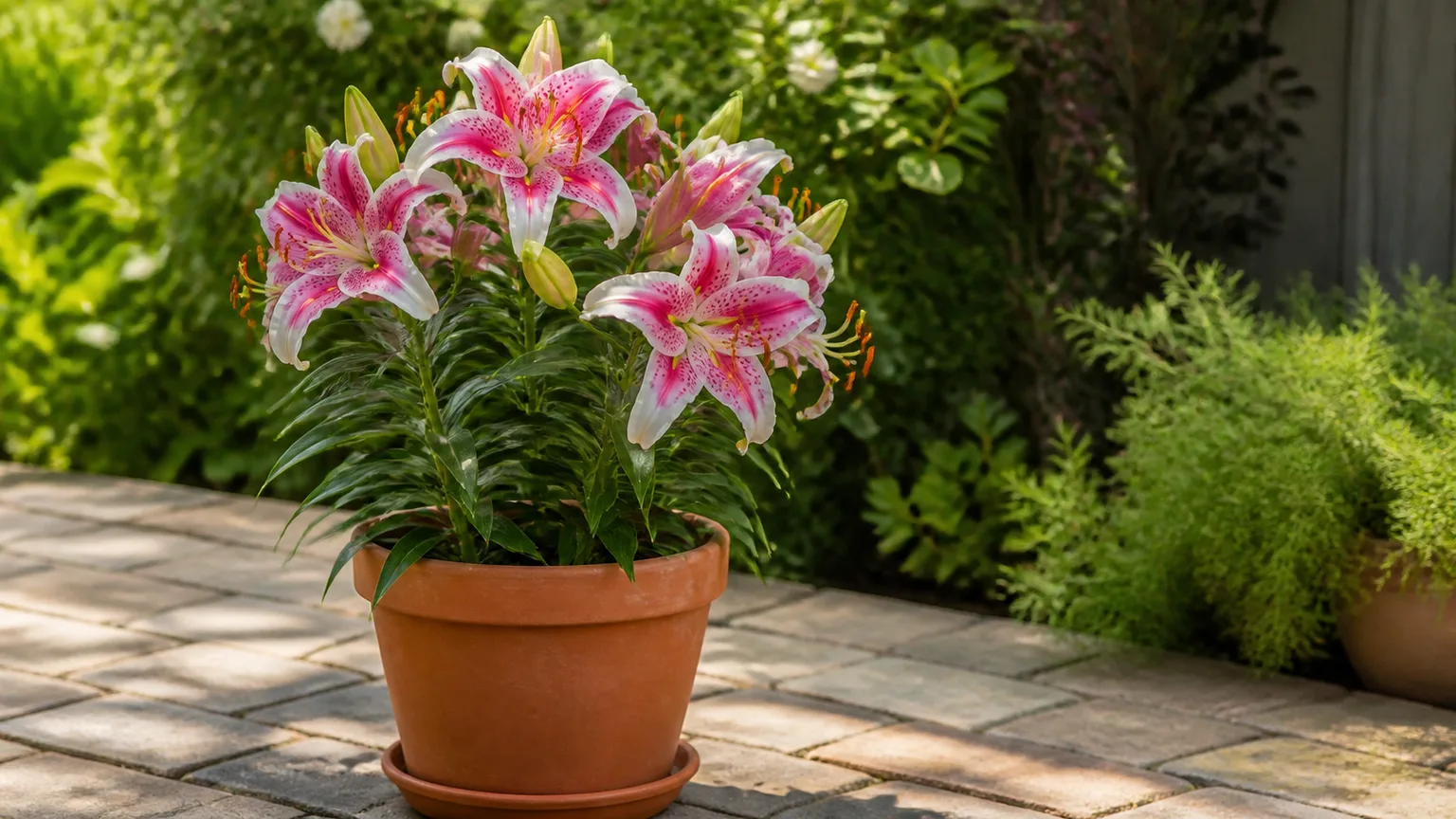
Use a deep, sturdy pot with several open drainage holes and enough room for the variety’s roots and mature height. A light, quality potting mix drains more reliably than dense garden soil; do not put a layer of gravel in the bottom as a substitute for drainage holes. Place bulbs at the depth recommended for their type, and leave room between them and the pot’s sides so roots can develop.
Container timing follows the same fall-or-spring logic as garden beds, but the winter risk is greater because the entire root zone is exposed to cold. In a severe-winter climate, move the pot to an unheated but protected place or insulate the container after the foliage dies back; do not bring a dormant hardy lily into a warm living room. In wet climates, keep the pot where rain can drain freely rather than letting it sit in a full saucer.
Water and Protect Bulbs After Planting
Water after planting to settle the soil and remove dry pockets around the bulb. After that, keep the soil lightly moist when the plant is actively growing, but let excess water drain away. In fall and winter, rainfall may be enough; check the soil instead of following a weekly schedule. A plant in sandy soil or a pot can dry faster than one in a cool, loamy bed.
Once the soil cools, a light mulch can moderate temperature swings and reduce weeds. Use a loose layer rather than a thick, wet blanket over the planting spot, especially where winter is rainy. In spring, pull mulch back if it is holding water against emerging shoots. Leave the stems and leaves intact after flowering until they yellow; cutting green foliage shortens the time the bulb has to rebuild.
Timing Mistakes That Cause Lily Bulbs to Fail
Planting by frost date alone can send bulbs into the ground when the soil is either too wet or too close to freezing. Check the bed itself: if it smears into a dense lump or water stands in the planting hole, wait or choose a raised site. Conversely, do not hold a healthy bulb for months just to reach a preferred calendar week. Its exposed scales can dry while it sits in storage.
Another common mistake is using tulip advice for every plant called a lily. A daylily division, a calla rhizome, a peace lily, and a true Lilium bulb are not interchangeable. Confirm the botanical or cultivar name on the package before setting a date, deciding depth, or expecting a bloom season.
Finally, avoid planting a bulb too shallow because the package’s number seemed inconvenient, or too deep because a general bulb rule said “three times tall.” Lily rooting habits differ, and species such as Lilium candidum are exceptions. When instructions are missing, ask the supplier or a regional horticulture source rather than guessing across an entire bed.
If You Missed the Fall Window
If the ground is frozen, saturated, or already difficult to dig, do not force a late planting just to beat a frost forecast. Keep the bulbs in their original packaging and follow the supplier’s storage instructions, then plant in early spring as soon as the soil is workable and drains. Check stored bulbs occasionally; if they begin to shrivel or sprout, shorten the delay and plant at the first suitable opportunity.
If you receive bulbs in spring, plant promptly rather than waiting for a warmer week. A cold snap after planting does not automatically mean the bulb is lost, but a bulb left exposed above ground is more vulnerable to drying and physical damage. After planting, record the location and let the plant’s growth, not a calendar deadline, tell you whether it has established.
Keep True Lilies Away From Cats
True lilies are a serious cat-safety concern. The ASPCA warns that Easter, Asiatic, Stargazer, and Oriental lilies in the genus Lilium can cause severe kidney injury in cats; all parts of the plant are toxic, and pollen or water from a vase can also be hazardous. If a cat lives in or visits your yard, do not treat an outdoor bed as automatically out of reach. Choose plants that are safer for your household instead of relying on a fence or a cat’s usual habits. (ASPCA)
If you suspect that a cat has chewed a leaf or flower, brushed against pollen and groomed it off, or drunk water that held a lily, contact a veterinarian or animal poison-control service immediately. Do not wait for symptoms. This warning applies to true lilies and daylilies; the ASPCA explains that peace lilies have a different toxin and a different risk profile, which is another reason to identify the plant by its botanical name.
Conclusion
For most fresh Lilium bulbs, plant in early fall while soil is workable, or in early spring once it thaws and drains. Choose the season that gives the bulb good soil and the least time in storage, then follow the variety’s instructions for depth. True lilies reward that planning with summer flowers; they are not spring-blooming bulbs, however early you plant them.



