Stop Centipedes in Your Home and Keep Them Out
Centipedes in your bathroom or basement? This guide explains what draws them inside, how to dry and seal your home, cut off their food supply, and stop repeat visits.
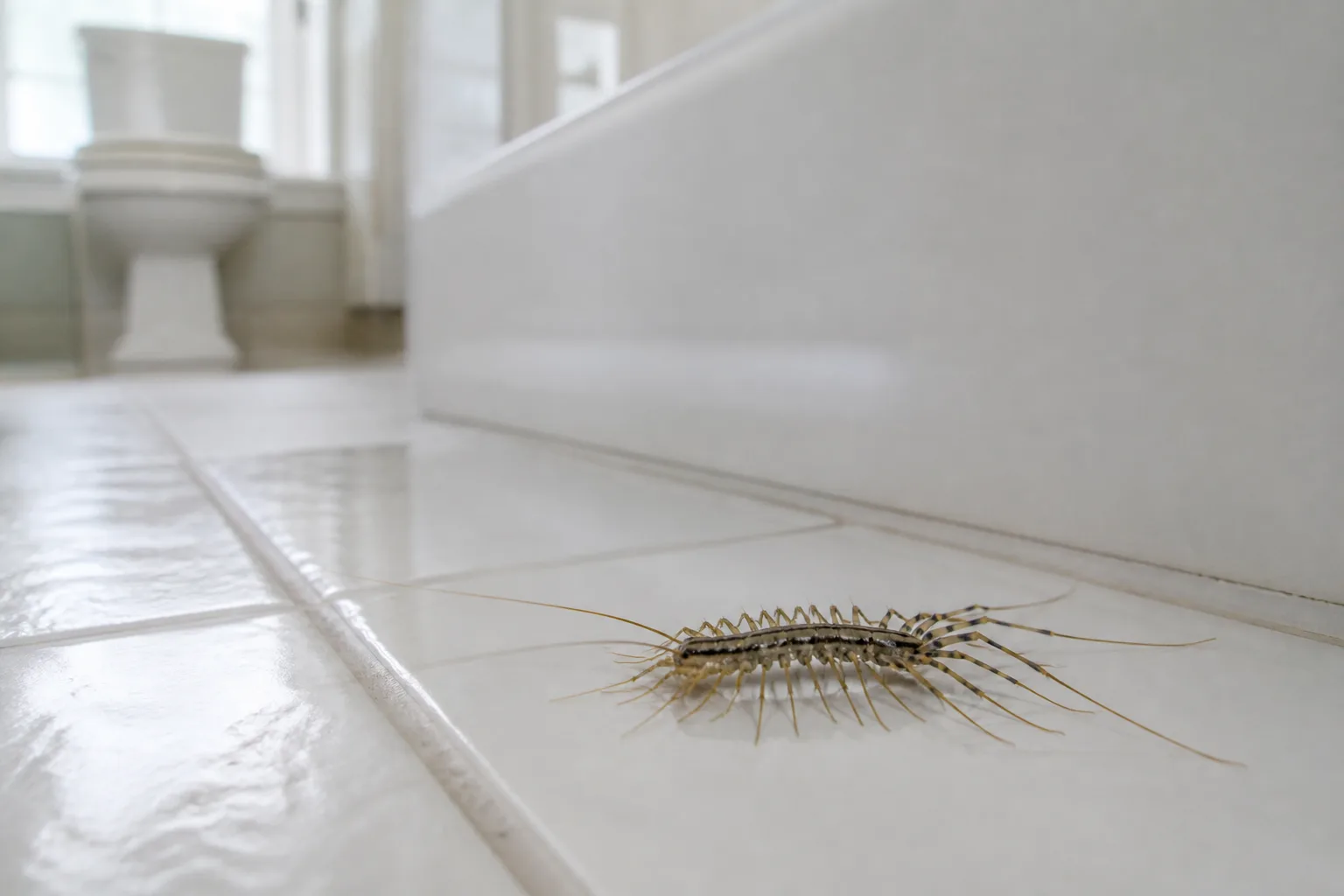
You flip on the bathroom light and a yellow-gray streak vanishes behind the toilet base—dozens of legs moving faster than seems possible. House centipedes (Scutigera coleoptrata) startle almost everyone, yet they are usually harmless predators that wandered inside because your home offered food, moisture, or shelter. The fix is not panic spraying. It is integrated pest management: shrink their prey population, dry damp zones, seal how they enter, and only then use targeted low-toxicity tools if needed.
This guide walks through identification, why sightings spike, how to tell a random visitor from a recurring problem, and the step order that actually keeps centipedes out long term.
The Quick Answer: Prey, Moisture, and Open Doors
Centipedes enter homes to hunt other arthropods and to stay in humid, dark refuges. The fastest durable fix is a three-part sequence: reduce prey insects (spiders, silverfish, cockroaches, ants), lower humidity in basements and bathrooms, and seal cracks, drains, and door gaps that connect your living space to slab voids and crawl areas. One centipede in an older basement is often normal. Weekly sightings in multiple rooms, clusters in one damp corner, or translucent shed skins suggest an ongoing population—and usually an underlying bug buffet worth addressing.
What You’re Actually Seeing: House Centipede Identification
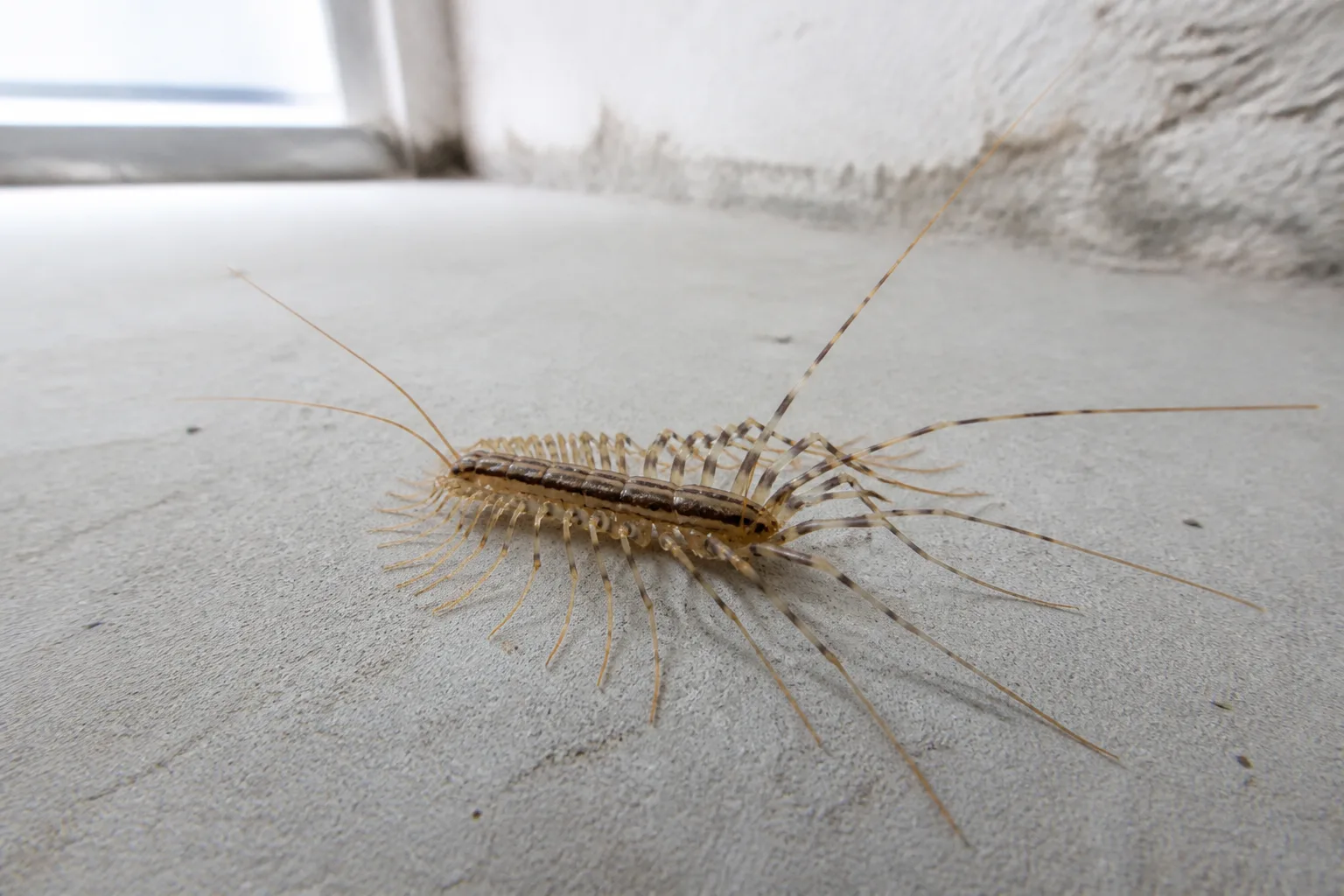
Before you treat the wrong pest, confirm you are dealing with a house centipede, not a millipede, cricket, or soil centipede dragged in on shoes.
Adult house centipedes have 15 pairs of long, banded legs with the rear pair nearly twice the body length, plus long antennae. The body itself is only about one to one-and-a-half inches, but with legs and antennae the animal looks three to four inches overall. Color is dirty yellow with three dark stripes running lengthwise. They move in sudden bursts and are strongly nocturnal, which is why most people meet them at night near plumbing or in basements (Penn State Extension).
Immature house centipedes are rarely seen but tell a useful story: hatchlings start with four leg pairs and gain pairs through molts (5, 7, 9, 11, 13, then 15 at adolescence). Finding small, fewer-legged juveniles means breeding is happening somewhere inside—not just a single wanderer.
House centipede vs. garden or soil centipedes
Garden or soil centipedes (class Diplopoda relatives like millipedes, or other chilopods from mulch beds) are usually shorter-legged, slower, and darker. Millipedes have two leg pairs per body segment and curl when disturbed; centipedes have one pair per segment and run. House centipedes are built for speed on smooth indoor surfaces. If the creature came from a potted plant or firewood stack, note whether it matches the indoor hunter profile above or a chunkier outdoor species—outdoor types often die quickly in dry rooms, while Scutigera thrives in heated buildings year-round in cold climates.
Why Centipedes Keep Showing Up in Your House
Centipedes are not plotting a takeover. They respond to calories, water, and cover the same way every night.
They’re hunting the bugs you already have
House centipedes are predators, not scavengers of crumbs. Penn State Extension lists their prey as silverfish, firebrats, carpet beetle larvae, cockroaches, spiders, and other small arthropods. If those insects are present, centipedes follow—or stay. Frequent centipede sightings often mean another pest is abundant, and removing centipedes alone without shrinking prey is like mopping a floor while the faucet runs.
This is why exterminators and extension educators emphasize sticky insect monitors before broad spraying: the traps show what is feeding the centipedes (Penn State Extension). Spiders clustering in late summer, fungus gnats around overwatered houseplants, or silverfish in stored paper all keep the food chain active indoors. If you are already fighting indoor plant pests or noticing more spiders in late summer, centipedes are a secondary symptom worth connecting.
Humidity and damp zones pull them indoors
Unlike many insects with waxy cuticles, centipedes lose moisture easily. They favor dark, damp, undisturbed areas: under sinks, behind washing machines, in sump pits, and in crawl spaces with poor vapor barriers. Bathrooms and basements are classic because of condensation, slow leaks, and poor exhaust.
Extension guidance ties long-term control to dehumidification, fixing leaks, and grading soil away from the foundation so water does not pool near slab edges (Penn State Extension). Weather matters too: heavy rain, cold snaps, and heat waves can push outdoor populations toward foundations and through expansion cracks as they seek stable humidity—similar to how other arthropods migrate indoors seasonally.
Signs You Have More Than a One-Off Visitor
One fast centipede does not automatically mean infestation. Older homes with basements often host the occasional hunter. Escalate your response when you see patterns:
Repeated sightings in the same damp zone (under one sink, one basement corner, or a laundry room) suggest a harborage plus food combo, not bad luck. Several centipedes grouped in one spot often means they found prey or a microclimate they can defend.
Translucent shed skins (molts) are a sharper clue. Centipedes grow by molting; the cast exoskeleton looks like a dull, empty, many-legged ghost of the live animal. Molts mean growth and survival—and usually regular meals nearby. When you find molts, inspect for spider webs, silverfish, roach droppings, or ant trails in the same zone.
Other pest problems at the same time—ants at the pet bowl, roaches in the garage, spiders in every ceiling corner—signal that centipede pressure may persist until the broader insect load drops.
Should You Kill Them or Leave Them?
House centipedes do not damage structures, clothing, or food stores, and they do not breed in open living rooms the way flies do. They can bite if handled, but bites are rare and typically comparable to a mild bee sting in sensitive individuals—not a medical crisis for most people (Penn State Extension).
Many entomologists treat them as free pest control: one centipede consumes large numbers of cockroach nymphs and spiders over its lifespan. If sightings are rare and prey is under control, tolerance is reasonable.
Remove them when frequency disrupts daily life, molts keep appearing, children or phobic household members need peace of mind, or you are already treating a prey infestation and want the predators gone too. The goal is not zero arthropods in a 100-year-old house—it is predictable, low-frequency sightings after you fix moisture and food.
Step 1: Cut Off Their Food Supply
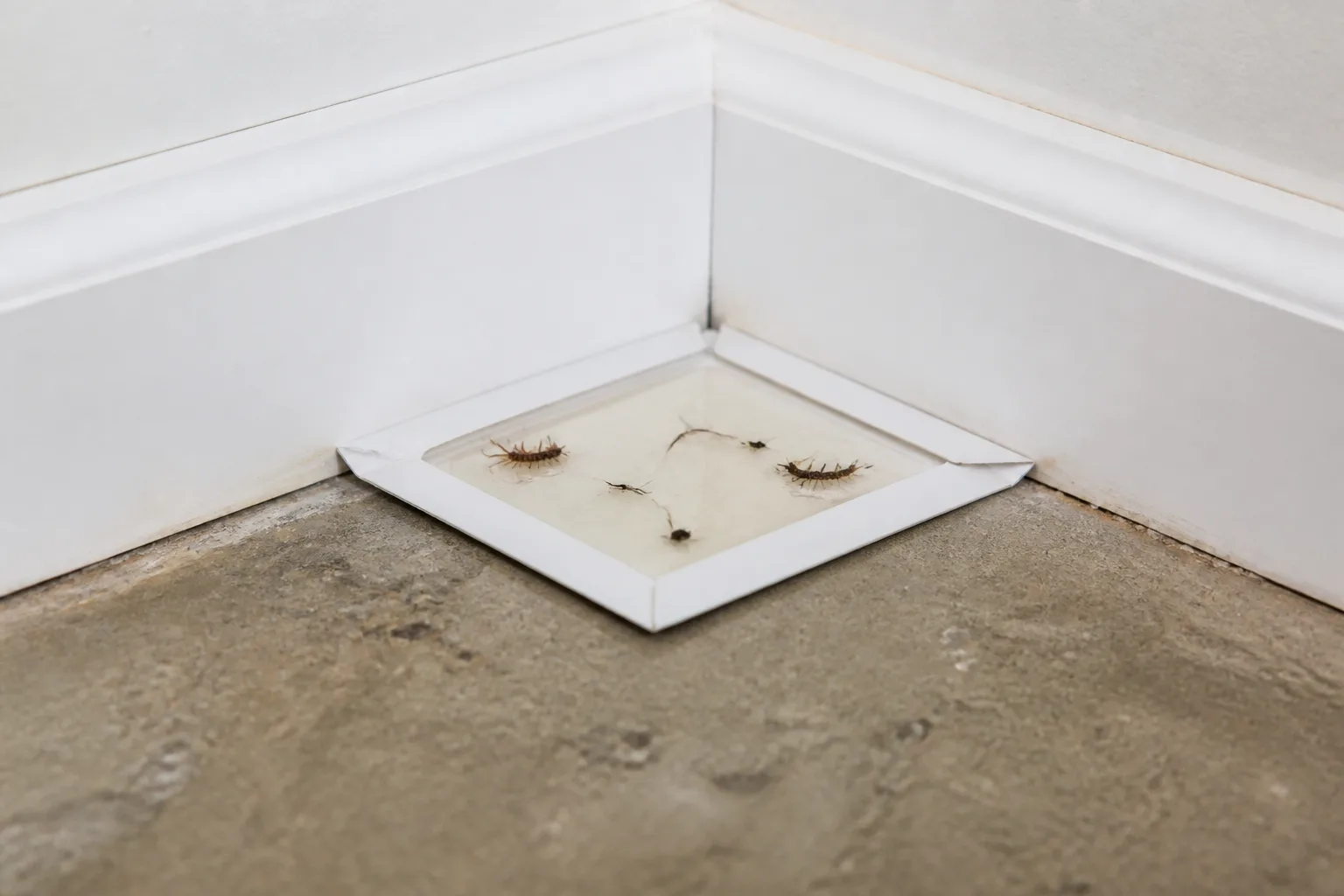
Prey reduction comes first in any durable centipede plan. EPA integrated pest management (IPM) prioritizes prevention and non-chemical tactics before pesticides (EPA IPM).
Place sticky insect monitors along baseboards in the basement, bathroom, kitchen, and garage for one to two weeks. Check what sticks: spiders, cockroaches, silverfish, crickets, ants. Target those species with the appropriate tactic—vacuum webs, fix sanitation, address fungus gnats on houseplants, store dry goods in sealed bins, and reduce outdoor lights that pull flying insects to windows.
Vacuum live centipedes when you see them, but empty the canister or bag into an outdoor trash bin immediately so they do not crawl back out. Regular vacuuming along baseboards also removes small prey and egg cases centipedes hunt.
Avoid leaving pet food out overnight and wipe sticky spills under appliances. In garages and mudrooms, seal recycling bins and rinse containers—organic residue feeds flies and roaches, which feed centipedes.
Step 2: Dry Out Damp Zones

Once you know what they eat, remove the moisture that keeps both predator and prey alive.
Run bathroom and kitchen exhaust fans during and after showers or boiling water. In basements and crawl spaces, use a dehumidifier sized for the square footage and aim for relative humidity below roughly 50% where feasible—enough to make centipedes uncomfortable without turning the house into a desert.
Fix leaky faucets, sweating pipes, and failed wax rings promptly. Insulate cold water lines that drip condensation onto floor cavities. Clean gutters and downspouts so rain does not saturate foundation soil; extend downspout discharge at least several feet from the wall.
Inside, pay special attention to floor drains without water traps or with dry sumps—centipedes enter from slab voids through those openings. Install drain screens or periodically refill traps with water or mineral oil in little-used basement drains (Penn State Extension). Pouring vinegar or baking soda down drains can help break organic film that feeds drain flies and small prey, but never mix vinegar and bleach.
Step 3: Seal Cracks and Entry Routes
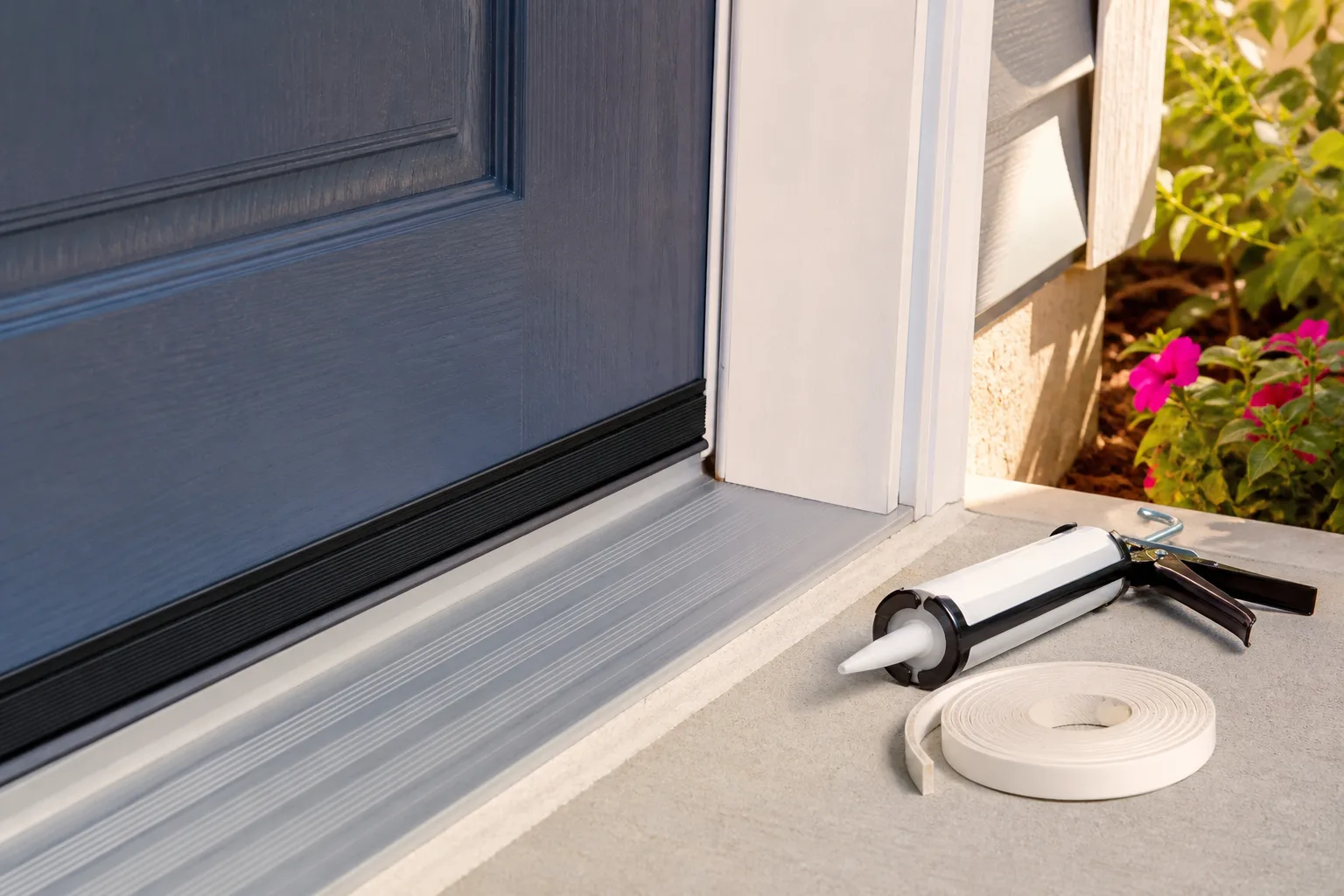
Centipedes squeeze through surprisingly small gaps. Walk the interior and exterior perimeter with a flashlight.
Caulk cracks in basement walls, around window frames, and where utility pipes and cables penetrate siding. Fill expansion joints in concrete slabs and gaps at sill plates with appropriate sealant or backer rod plus caulk. Install door sweeps on basement and garage doors; replace compressed weatherstripping on exterior doors.
On the exterior, seal foundation cracks, gaps where siding meets brick, and openings around outdoor faucets and AC lines. Screen crawl space vents if local code allows, and ensure vapor barriers cover soil in crawl spaces to reduce ground moisture.
Remember slab pathways extension bulletins emphasize: centipedes move from beneath concrete slabs through expansion cracks, sump openings, and uncapped block cores (Penn State Extension). Sealing only interior baseboards misses half the highway.
Step 4: Remove Harborage and Clutter
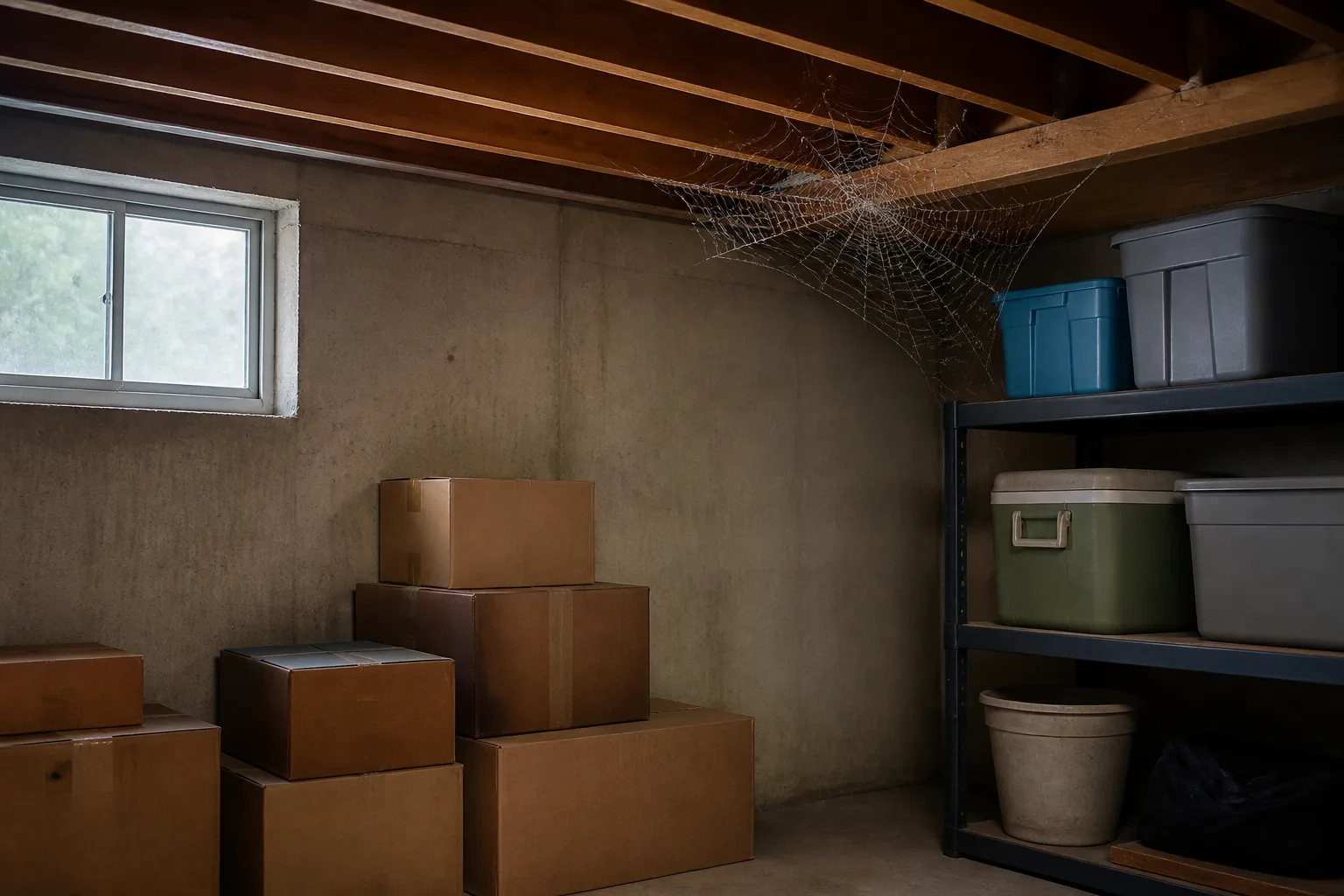
Centipedes need undisturbed dark zones to rest by day. Reduce them.
Move cardboard boxes off bare basement slabs onto pallets or metal shelving—cardboard directly on concrete is a known harbor (Penn State Extension). Declutter closet floors, laundry piles, and storage under sinks. Pull furniture slightly away from damp exterior walls during a deep clean.
In garages, store firewood away from the house and inspect logs before carrying them indoors. Shake out outdoor rugs, planters, and Halloween decorations before they sit in a living room corner for months.
Outdoor mulch piled against siding creates moisture bridges for centipedes and their prey. Leave a dry gravel or soil gap between mulch and foundation.
Natural and Low-Toxicity Removal Options
After prey, moisture, and exclusion work, these tools handle stragglers without fogging the whole house.
Food-grade diatomaceous earth (DE) applied as a thin dry line in cracks, behind appliances, and along inactive baseboards damages the waxy layer on centipedes and many prey insects through desiccation. Reapply after vacuuming or if it gets wet—wet DE does not cut. Wear a dust mask during application; inhaling fine powder irritates lungs.
Boric acid dust in hidden voids (wall plate gaps, inactive crawl corners) works similarly but is more toxic if ingested in quantity—keep away from children and pets, and follow label directions.
Essential oil sprays (peppermint, tea tree) may repel centipedes temporarily along thresholds, but they do not replace prey and moisture fixes and can stain finishes if overused.
Sticky traps along centipede runways catch hunters and document shrinking populations. Place them flat against walls in basement corners and bathroom edges; replace when full.
When Pesticides Make Sense (and When They Don’t)
Broad foggers and whole-room sprays are poor centipede tools. Centipedes hide in voids foggers do not reach, and killing predators while prey rebounds can worsen sightings within weeks.
If non-chemical steps fail after four to six weeks of consistent effort, labeled crack-and-crevice treatments with pyrethroids (cyfluthrin, deltamethrin, lambda-cyhalothrin, permethrin, and similar actives) applied to suspected harborages—slab cracks, block wall crevices, utility penetrations—are the homeowner formulations extension lists (Penn State Extension). Dust formulations of DE or boric acid in voids often outlast sprays in dry cavities.
Read the entire label, treat only permitted sites, and store products out of reach of children and pets. Pesticides are poisons; more product is not faster success.
Outdoor Yard Work That Keeps Centipedes Outside
Centipedes live in leaf litter, mulch, stones, and rotting wood outside. Reduce pressure at the foundation:
Rake leaf buildup away from basement window wells. Trim ground-cover plants touching siding. Repair downspout splash blocks and negative grade that pond water against the house. Store compost bins and recycling away from entry doors.
During wet seasons, expect more foundation-adjacent activity; that is when door sweeps and dehumidifiers earn their keep indoors.
Common Mistakes That Keep Centipedes Coming Back
Spraying living rooms while ignoring the basement dehumidifier leaves the habitat intact. Killing centipedes only without sticky-trap prey ID repeats the cycle. Sealing interior trim but leaving slab expansion joints open misses a primary entry class.
Cardboard storage on damp slabs, dry floor drains, and mulch volcanoes against siding are three harborage mistakes extension sources repeat—and homeowners overlook. Mixing bleach and vinegar in drains creates dangerous fumes without solving entry.
Over-reliance on essential oils can mask the smell of a roach problem still feeding centipedes nightly.
When to Call a Pest Professional
DIY IPM handles most house centipede situations. Call a licensed pro when:
- Sticky monitors show heavy cockroach or rodent activity you cannot control safely
- Centipedes appear daily in multiple rooms after six weeks of moisture, sealing, and prey work
- You rent and need landlord-level slab or plumbing repairs
- Sewer backups or chronic sump failures create untreatable moisture
- Anyone in the home has severe arachnid or centipede phobia requiring rapid clearance
Pros should identify prey on monitors, recommend structural fixes, and use targeted void treatments—not monthly perimeter fogging by default.
Conclusion
Centipedes show up because your home offers hunting grounds and humidity, not because the walls are failing. Identify Scutigera coleoptrata, decide whether you are seeing a lone hunter or a molt-dropping population, then work in order: cut prey with monitors and sanitation, dry basements and bathrooms, seal slab and wall pathways, and clear clutter harborage. Low-toxicity dusts and crack treatments handle what is left; pros are for entrenched prey or structural moisture you cannot fix alone.
Fix the bug buffet and the damp corners, and centipedes stop treating your hallway like a nightly safari—without turning the house into a chemical fog.