12 Flowers That Can Trigger Pollen Allergies
See 12 garden plants linked to pollen allergies, how to tell airborne pollen from skin or scent reactions, and practical ways to reduce exposure.
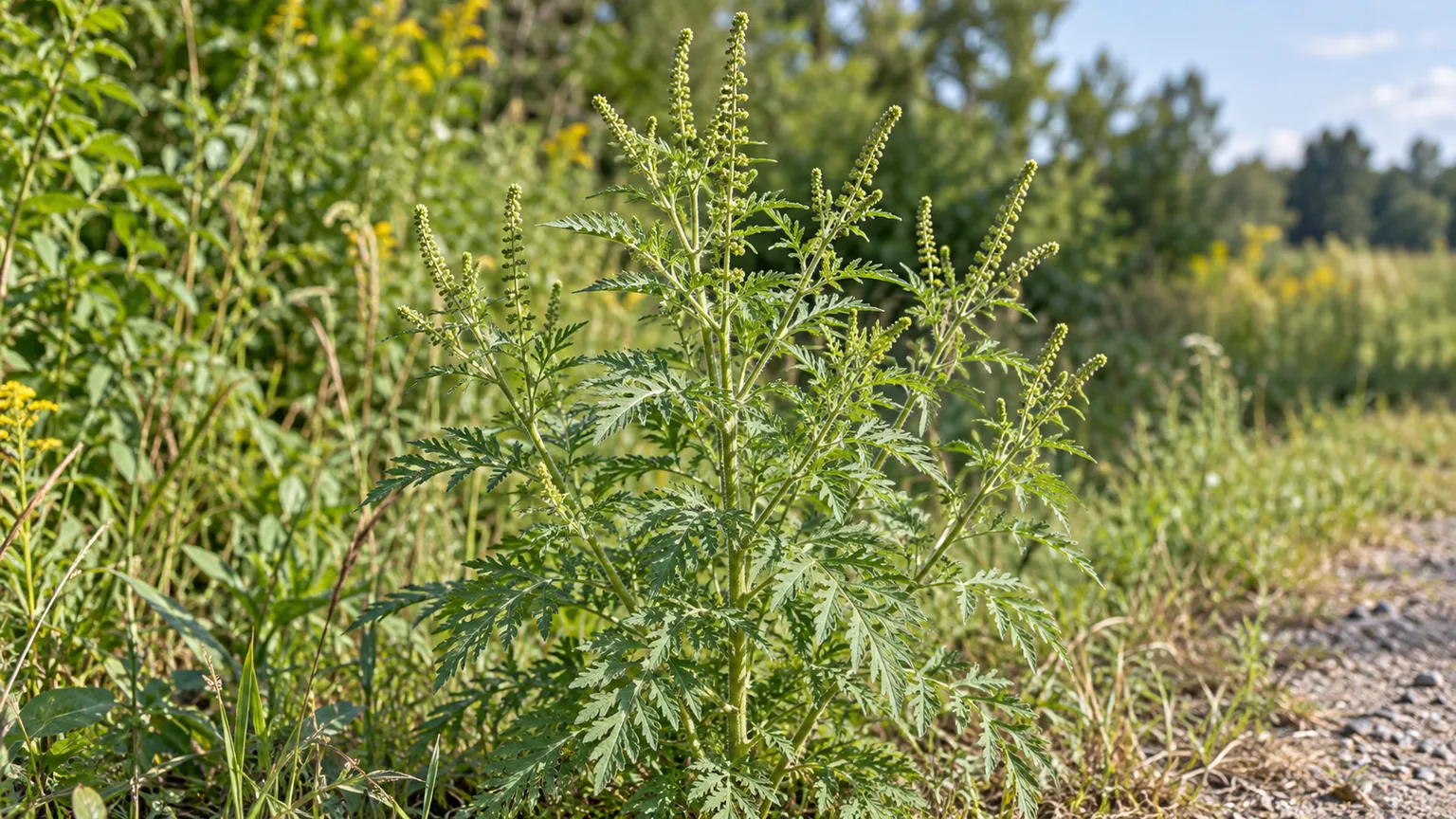
The flowers most likely to worsen seasonal hay fever may not look like flowers at all. The pollen that commonly reaches people’s noses and lungs comes mainly from wind-pollinated trees, grasses, and weeds. Many colorful garden blooms rely on bees and other insects to carry heavier pollen, so they are less likely to fill the air with the kind that triggers allergic rhinitis.
That distinction changes what to look for. A ragweed plant with small green flowers can release pollen across a neighborhood, while a bright rose may have conspicuous pollen but little airborne exposure for most people. There is no medically supported, universal ranking of the 12 worst ornamental flowers: reactions depend on which pollen a person is sensitized to, local plants, weather, and season. This guide names 12 flowering plants and pollen sources worth checking first, then separates hay fever from skin and scent reactions that can make other flowers feel like culprits.
How Flower Pollen Reaches Your Nose
Plants make pollen to reproduce, but they do not all move it the same way. Wind-pollinated species release small, light grains in large amounts so air currents can carry them to another plant. That strategy makes pollen more likely to drift into eyes and airways. Insect-pollinated plants generally use sticky or heavier pollen that clings to visiting pollinators rather than floating freely. The American Academy of Allergy, Asthma & Immunology describes trees, grasses, and weeds as the main sources of allergy-causing airborne pollen; showy insect-pollinated flowers are less often the cause of seasonal allergic rhinitis.
“Less often” is not “impossible.” A person may react to a particular flower, handle pollen at close range, develop a skin rash after touching plant material, or feel irritated by fragrance. Those effects are not interchangeable. Hay fever usually brings sneezing, congestion, a runny or itchy nose, and watery eyes after breathing in a trigger; contact dermatitis appears on skin that touched an allergen, while fragrance sensitivity can cause irritation without a pollen allergy. The CDC’s pollen-health overview also notes that pollen can worsen asthma in people for whom it is a trigger.
Timing and location matter as much as a plant name. In much of the United States, tree pollen is most noticeable in spring, grass pollen in late spring and summer, and weed pollen from late summer into fall, but warmer regions and local weather shift those windows. A hot, dry, breezy day can keep more pollen airborne; rain often temporarily washes pollen down. The AAFA pollen guide and MedlinePlus both emphasize that triggers vary by person and region. A list can point you toward likely sources, but it cannot diagnose your allergy.
12 Flowering Plants and Pollen Sources to Watch
These are not ranked from worst to mildest. The strongest clues are the pollen type confirmed in your area and whether your symptoms line up with the plant’s pollen season. Some entries are garden or lawn plants; others are weeds and trees whose flowers are easy to overlook. They are included because their airborne pollen is a more established concern than the pollen from many popular showy flowers.
1. Common Ragweed
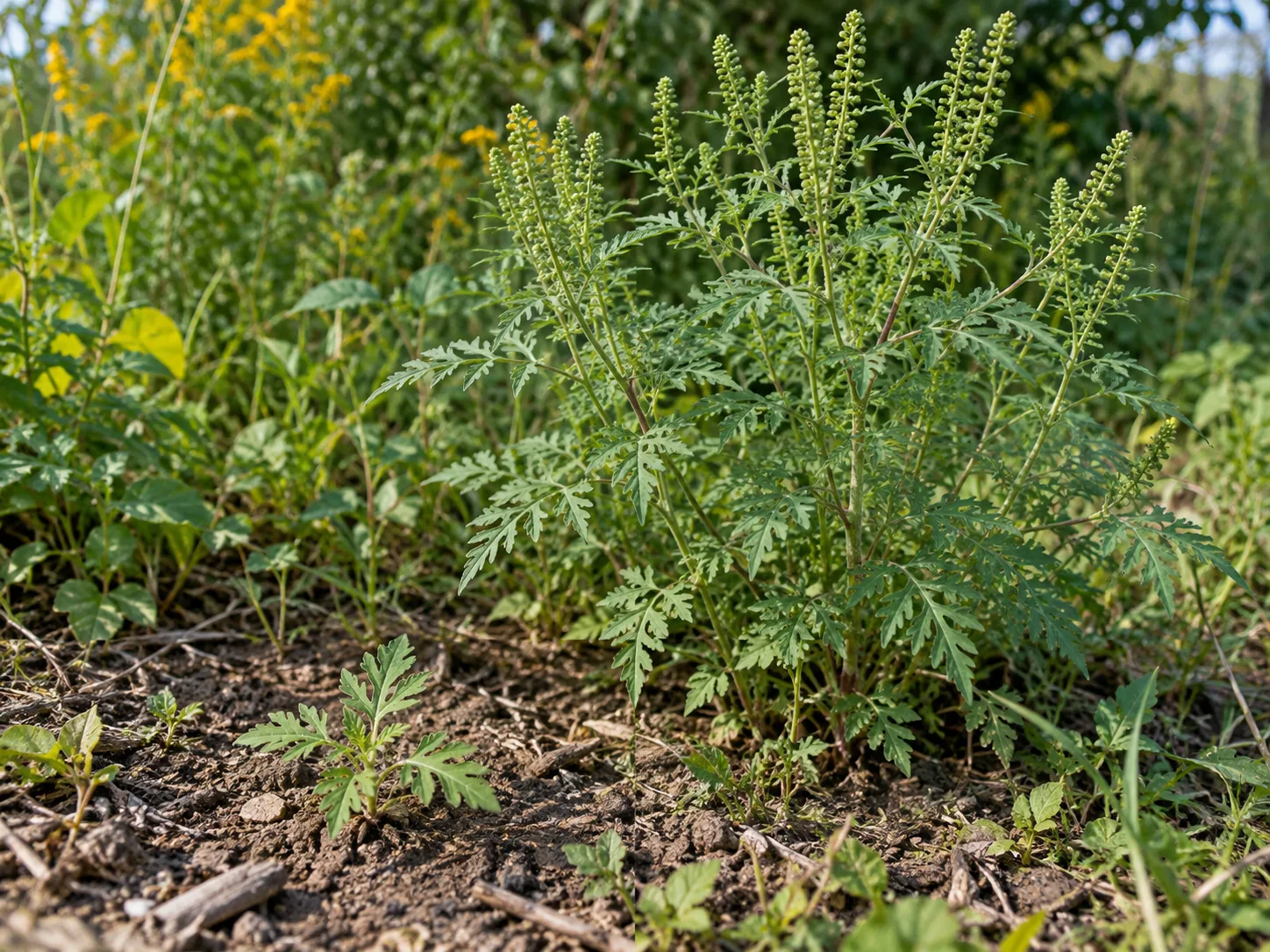
Common ragweed (Ambrosia artemisiifolia) is one of the clearest late-season plants to investigate if symptoms arrive from late summer into fall. Its flowers are small, greenish, and clustered at the top of stems, rather than showy. A single plant can be easy to miss at the edge of a path or in disturbed soil, even though its male flowers release wind-carried pollen. North Carolina State Extension identifies common ragweed as a hay-fever weed and describes its late-summer-to-fall pollen release.
Ragweed also complicates garden planning because its pollen can travel far beyond the plant. Removing a patch near a patio may reduce close exposure, but it will not stop pollen blowing in from vacant lots or roadsides. Learn the leaf shape and flower spikes before pulling it; if a large patch is in bloom and symptoms are severe, ask someone else to handle removal or wait until pollen release has ended. The NC State Extension profile describes the plant and its flowering habit.
2. Timothy Grass
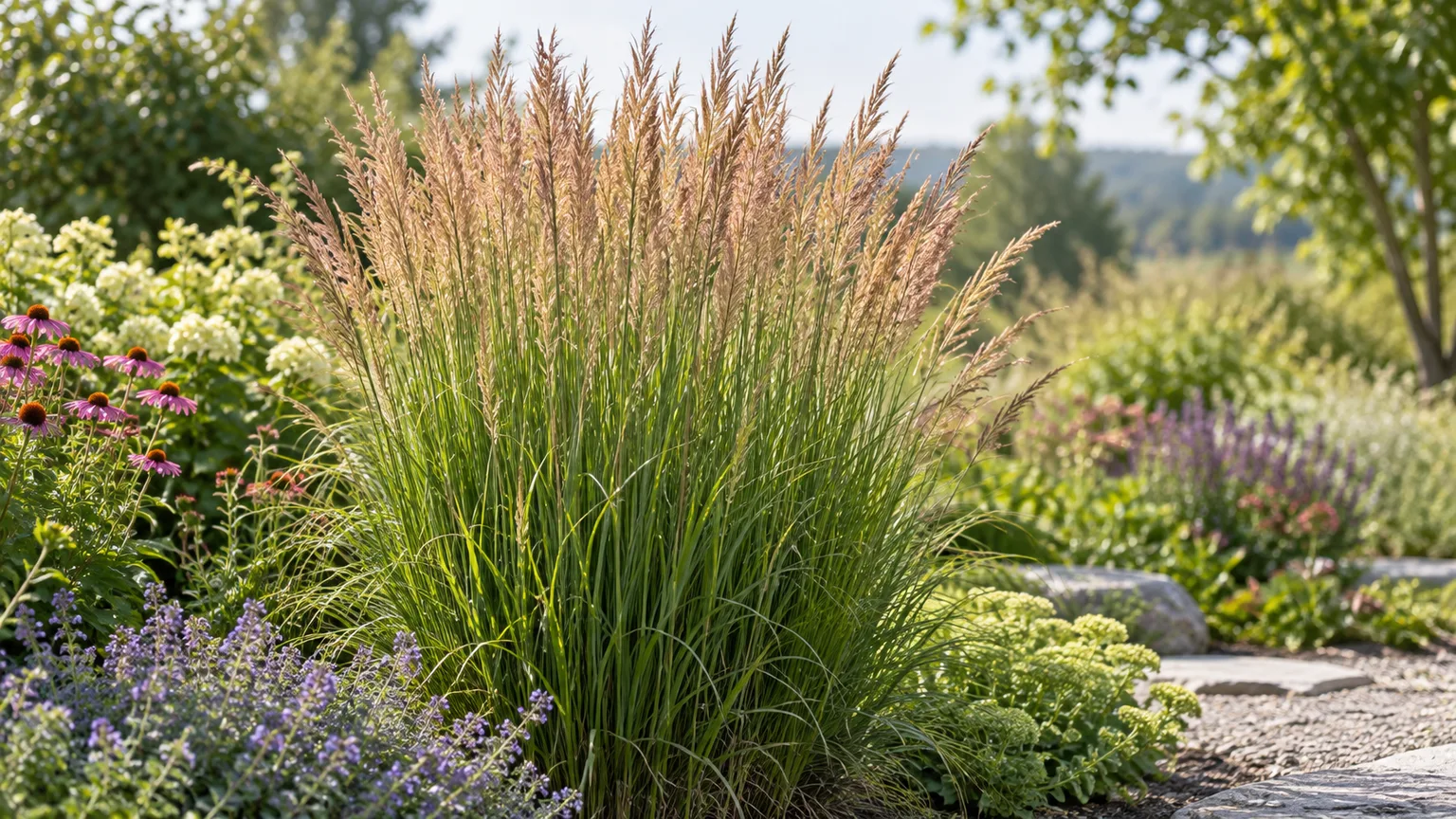
Timothy grass (Phleum pratense) is a tall meadow grass grown for hay and sometimes found along roadsides or in uncultivated corners. Its flowering head is a compact cylinder, but during bloom it releases pollen into the air. AAFA includes Timothy among the grass pollens that can cause seasonal symptoms. If your nose and eyes flare in late spring or early summer, a flowering grass stand may be more relevant than the roses or annuals beside it.
The practical clue is the timing: grassy seed heads appear above the leaves, and symptoms may increase after mowing, walking through a meadow, or spending time near an unmown verge. Grass pollen seasons differ by region and year, so check a local pollen report rather than assuming a calendar date. If Timothy is part of a hay field or nearby natural area, you may not be able to remove the source, but you can limit close exposure while its pollen is active.
3. Bermuda Grass
Bermuda grass (Cynodon dactylon) is a warm-season lawn grass that thrives in heat and is widely used in warmer parts of the United States. Its flowers are small spikelets held on finger-like branches, not petals that attract attention. AAFA lists Bermuda among grasses that can provoke pollen symptoms. The lawn may be the closest source if symptoms worsen during mowing or while the grass is flowering, though pollen from surrounding lawns can also travel into a yard.
Keeping turf short can reduce the time seed heads remain, but mowing itself can stir up pollen, dust, and other irritants. If you have asthma or strong symptoms, let someone else mow during high pollen periods or use a mask if mowing is unavoidable, following medical advice for your situation. MedlinePlus recommends avoiding lawn cutting when possible for people whose asthma is triggered by pollen. The aim is to reduce exposure, not assume that a particular lawn variety is harmless once trimmed.
4. Orchard, Rye, and Other Lawn Grasses
Orchard grass (Dactylis glomerata), rye grasses (Lolium spp.), Kentucky bluegrass (Poa pratensis), fescues, and several other turf or pasture grasses can produce allergenic pollen. The genus and species matter: “grass pollen” is not one identical allergen, and a person may react to some grasses but not others. AAFA lists orchard grass, rye, Kentucky bluegrass, and fescue among common grass triggers, along with Timothy and Bermuda.
In a home landscape, lawn seed mixes can include more than one species, and nearby fields add another unknown. If symptoms are consistent each year, noting where you garden and what is flowering may help your clinician interpret formal testing. Don’t dig up a healthy lawn based on a broad internet list alone. First confirm whether grass pollen is actually one of your triggers, then consider a lower-pollen groundcover or a mowing and seating layout that keeps you farther from flowering turf.
5. Pigweed and Ornamental Amaranth
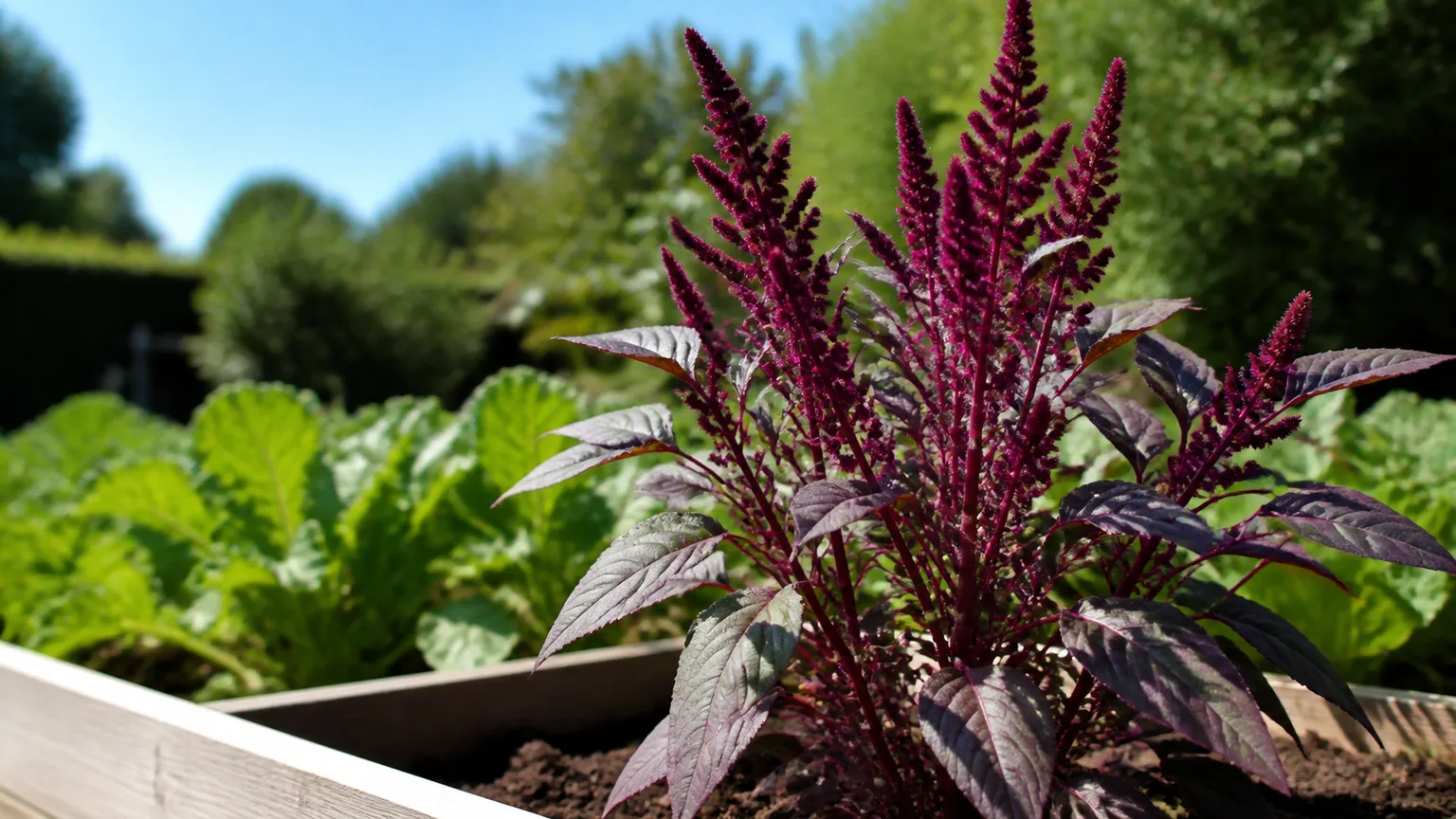
Pigweeds are members of the Amaranthus genus, which also includes cultivated grain and ornamental amaranths. Their tiny flowers are often packed into dense upright or drooping clusters and can release fine pollen. AAFA includes pigweed among weeds that cause pollen-allergy symptoms. A cultivated amaranth in a border is not automatically the same exposure as a large patch of weedy pigweed, but the genus and local pollen counts can be useful clues if your symptoms occur in late summer.
Look closely at the plant before deciding what to remove. Ornamental amaranths are intentionally grown for colorful foliage or tassels, while weedy pigweeds often appear in bare, disturbed ground. The common names overlap, and species vary; avoid treating the entire genus as a guaranteed trigger for every person. If an amaranth is flowering close to a seating area and symptoms repeatedly coincide, moving or cutting it before pollen shed may be a sensible trial, provided you can do so safely.
6. Lamb’s-Quarters
Lamb’s-quarters (Chenopodium album) is a common annual weed with small green flower clusters that can blend into the foliage. AAFA includes it among weed pollens that may cause symptoms. It often grows in vegetable beds, compost edges, and recently disturbed soil, where a gardener may brush past it while weeding. That close contact can increase exposure even when a plant is not especially tall or visually striking.
The useful first step is identification rather than blanket removal of every green volunteer. Lamb’s-quarters has a dusty or mealy-looking coating on young leaves and inconspicuous clusters near the stem tips. If it is present in a bed you tend often, remove it before flowering when practical, using gloves and avoiding dry, windy conditions. If symptoms continue after the patch is gone, remember that pollen can arrive from other yards and roadsides, and that several other weeds release pollen in the same season.
7. Mugwort
Mugwort (Artemisia vulgaris) is a perennial weed in the daisy family. Its flowers are small and subdued, appearing in branching clusters, and its pollen is an established weed allergen in many regions. It can spread along roadsides and neglected edges, so the plant affecting you may not be in your own garden. Related Artemisia plants occur in different regions; the exact species and local pollen calendar matter.
Mugwort is also a reminder that plant family alone does not predict airborne risk. Ragweed and mugwort are both in Asteraceae, but the main hay-fever concern is not that their blooms resemble daisies; it is the amount and dispersal of their pollen. If you notice symptoms in late summer or early fall, record nearby flowering weeds and ask an allergist whether weed pollen is a plausible trigger before removing ornamental members of the same family.
8. Sagebrush
Sagebrush (Artemisia tridentata and related species) is a native shrub of western and interior North American landscapes. Its flowers are small and inconspicuous, and local populations can contribute to seasonal weed pollen. AAFA lists sagebrush as one of the weeds that may cause pollen-allergy symptoms. That regional detail matters: a plant that is a major outdoor exposure in one part of the West may be irrelevant to someone gardening in a humid eastern state.
Sagebrush often occupies dry, open land beyond a home gardener’s control, so replacing a single garden shrub will not remove the broader pollen source. For people who live or travel in areas where sagebrush blooms, local pollen reporting and clinician-guided testing are more useful than a general flower blacklist. If you are landscaping in sagebrush country, choose garden plants based on local conditions and your confirmed triggers, and avoid disturbing flowering plants on dry, windy days.
9. Russian Thistle and Tumbleweed
Russian thistle (Salsola tragus) is a broad, branching annual weed that dries into the familiar tumbleweed shape. Its small flowers do not look like garden blooms, yet AAFA includes Russian thistle among the weeds whose pollen can trigger symptoms. The plant grows in disturbed and arid ground and is most relevant in drier western regions. A dry, windy afternoon can also lift plant debris and dust, adding irritation on top of pollen exposure.
Do not assume a tumbling dry plant is harmless because it has finished looking green. If it is still flowering, avoid shaking or dragging it through the garden. For nuisance plants close to paths or seating, arrange removal before pollen release when possible, and use gloves because the stems can be rough. If the plants are on unmanaged land, treat them as an outdoor regional source and focus on reducing time in the area during the local pollen peak.
10. Cocklebur
Cocklebur (Xanthium species) is a coarse annual weed found in disturbed soil, fields, and damp edges. Its flowers are small and easy to overlook; the spiny burrs that cling to clothing form later. AAFA names cocklebur among weeds associated with pollen allergy, so it may be worth identifying when late-season symptoms coincide with weedy areas. The risk is not that every cocklebur plant will trigger every passerby, but that it is part of a recognized group of airborne weed-pollen sources.
Because the mature burrs attach to fabric and animal coats, clearing a patch after seed formation can spread burrs as well as disturb dry plant material. Where it is safe and practical, manage young plants before they flower and set seed. Wear gloves and cover exposed skin, and do not handle a flowering patch during high-pollen weather if you already know weed pollen triggers your symptoms. A persistent or extensive infestation may be better handled by a local landscape professional.
11. Birch
Birch trees (Betula species) release pollen from hanging catkins, which are their flowers. Those catkins often appear before or with new leaves, so pollen can arrive while a garden still looks sparse. AAFA lists birch as a common tree-pollen trigger, especially in spring. A tree near a window, patio, or path may create a concentrated local source when it is shedding, but pollen can also travel from trees outside your property.
If you are choosing a new tree, first find out which species are common and allergenic in your area, and whether birch pollen has been confirmed as your trigger. Do not remove a mature healthy tree just because a general guide names it: the tree may not be the source of your symptoms, and its pollen is only one part of the regional mix. A local arborist, extension office, or allergist can help make the decision more specific to your yard and health.
12. Juniper
Junipers (Juniperus species) are evergreen shrubs and trees that produce pollen from small reproductive structures rather than showy petals. Some junipers are wind-pollinated, and AAFA includes juniper among tree pollens associated with allergic symptoms. Depending on climate, juniper pollen may be present in late winter or spring, before many ornamental flowers open. Regional names can be confusing because “cedar” is used for several unrelated trees, so identify the actual species rather than relying on a nursery’s common name.
A hedge that releases pollen close to a doorway may be worth discussing if symptoms repeatedly start during its bloom period. But the visible hedge is not proof: pollen counts and allergy testing can help distinguish juniper from tree pollen arriving from elsewhere. If you are planting a screen, choose a species suited to your region and avoid adding a confirmed trigger right beside a frequently used patio or open window.
Why Showy Flowers Get Blamed
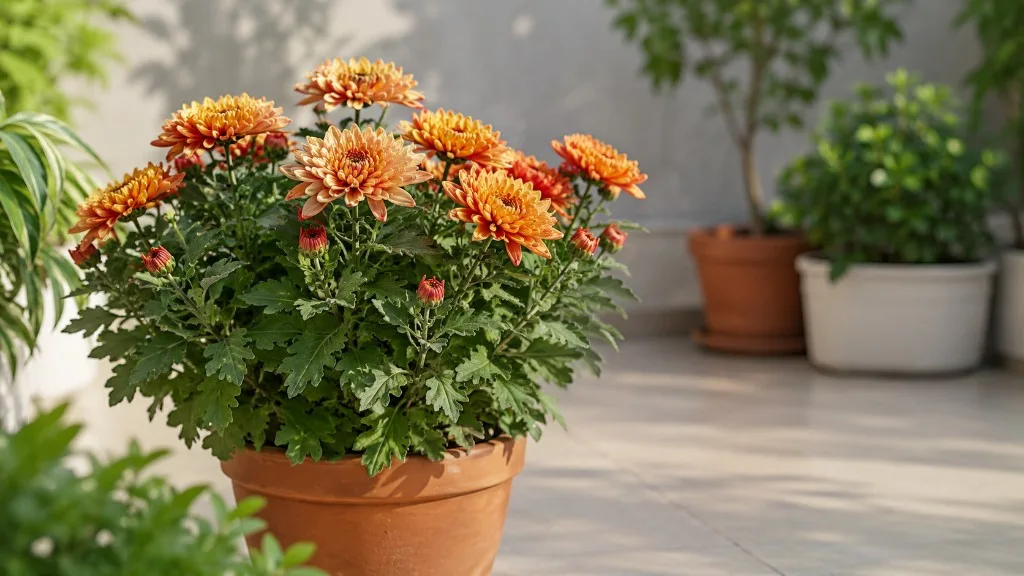
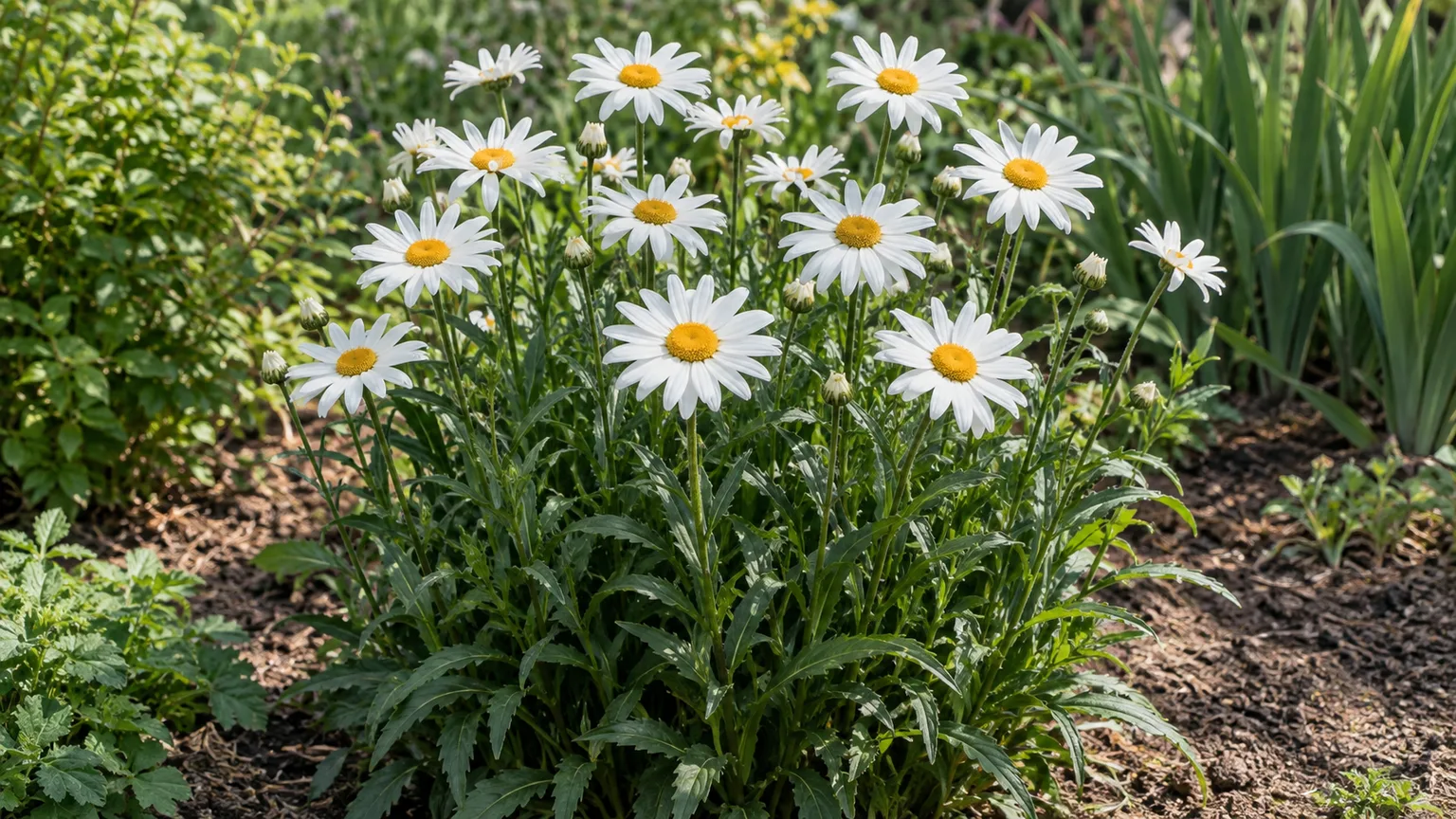
Asters, daisies, dahlias, and chrysanthemums are often grouped together because they belong to the Asteraceae family. That relationship does not mean that all of them release pollen into the air like ragweed. Many showy members rely on insects to move pollen, which generally lowers airborne exposure. Asters or daisies may still bother someone who handles them at close range or has a specific sensitivity, but family resemblance is not enough to label an entire bed as a hay-fever hazard.
Chrysanthemums deserve a separate note for a different reason. DermNet describes chrysanthemum contact dermatitis associated with sesquiterpene lactones on the plant’s leaves and flowers; gardeners and florists can develop an itchy rash after contact. That is a skin reaction, not evidence that mums are among the leading windborne hay-fever sources. If handling them repeatedly causes a rash, use gloves, avoid direct contact, and ask a clinician about persistent or spreading symptoms. The DermNet chrysanthemum guide explains the contact-allergy distinction.
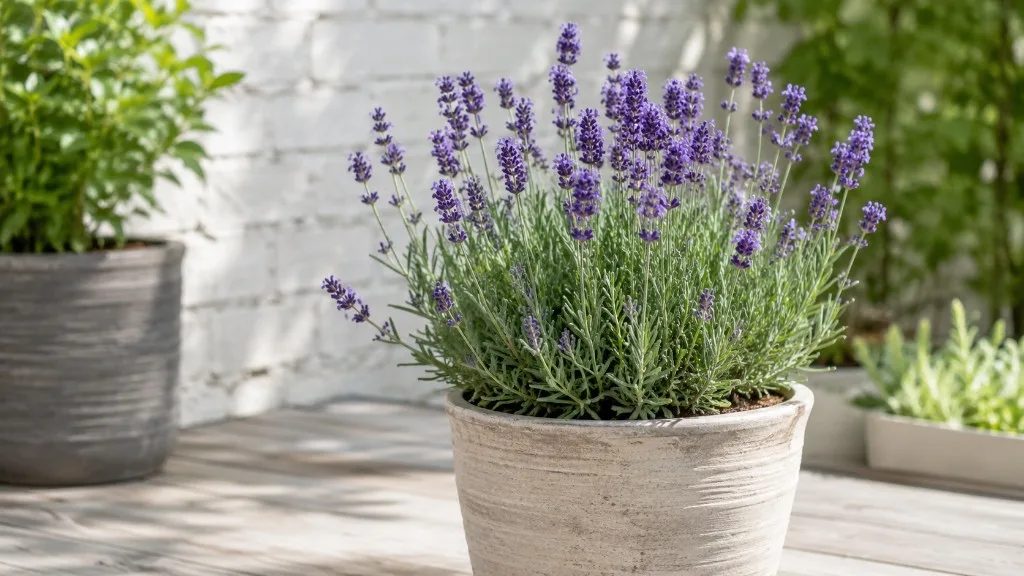
Lavender is insect-pollinated; its strong scent may bother people sensitive to fragrance, but that is not the same as a pollen allergy. Chamomile and other Asteraceae can be relevant to a person with a known individual allergy, especially with direct handling or ingestion, but a listicle cannot determine that from the flower’s name. Sunflowers, baby’s breath, and double-flowered dahlias also should not automatically be treated as wind-pollen plants. Their pollen may be present close to the bloom or in cut-flower arrangements, yet an airborne allergy risk is different from scent irritation, skin contact, or a personal reaction. Master Gardener Sheryl Normandeau’s low-allergen garden overview likewise separates pollination style from fragrance, molds, and skin irritation.
How to Lower Pollen Exposure in a Garden
Start with the pollen that matches your symptoms rather than trying to make a garden “allergy-free.” Keep a simple seasonal note: when symptoms begin, what is flowering nearby, whether they worsen after mowing or weeding, and whether they improve after rain or time indoors. This is not a substitute for diagnosis, but it gives an allergist or primary-care clinician better information than a long list of plants you may have seen online. A peer-reviewed review of allergy-aware urban planting recommends paying attention to wind-pollinated trees and grasses while still balancing health with the ecological value of green spaces.
For garden changes, prioritize close and manageable sources. Remove weedy pollen producers near a frequently used seat before they flower, keep flowering turf away from patios if grass pollen is a confirmed trigger, and place any unavoidable high-pollen plants farther from doors and outdoor living areas. If choosing new ornamentals, many large, insect-pollinated blooms are reasonable lower-exposure options; roses, peonies, poppies, and tubular flowers are common examples. “Lower exposure” does not mean “safe for every person,” and flowering plants still support pollinators. A named horticultural article by Thomas Leo Ogren in Cappers Farmer highlights why proximity and individual exposure belong in a garden decision, while a recent editorial in eClinicalMedicine cautions that setting a harmless pollen threshold is difficult because sensitivities vary.
Change the timing of chores when counts are high. Check a local pollen report, avoid mowing or handling flowering weeds on hot, dry, windy days, and consider gardening after rain or later in the day if that fits your local conditions. If someone else can mow, ask them to do it; if you must mow, follow your clinician’s advice about a mask and other precautions. After working outdoors, change clothes and shower so pollen on hair and fabric does not follow you indoors. The CDC and MedlinePlus recommend checking forecasts, limiting outdoor time when pollen is high, and reducing pollen carried inside.
If you are planning a larger landscape, don’t remove mature trees or entire plant families based on a generic ranking. Start by confirming the pollen type, then evaluate the sources closest to the places where you spend time. Local extension services can help identify unfamiliar plants and suggest region-appropriate alternatives. A thoughtful planting plan can lower the exposure you control and preserve flowers, shade, and habitat; it cannot block pollen blowing in from the wider landscape.
When to Get Help Identifying a Trigger
If symptoms happen every season, recur around specific plants, or interfere with sleep and normal activities, speak with a health professional. An allergist can evaluate the pattern and use appropriate testing alongside your history; a positive test alone does not prove that a plant caused your symptoms. The pollen type, timing, symptoms, and local environment all need to fit together. Avoid trying to confirm an allergy by deliberately handling or inhaling a suspected plant.
Take asthma symptoms especially seriously. If pollen exposure is associated with wheezing, chest tightness, shortness of breath, or a worsening asthma pattern, follow your existing action plan and contact your clinician about what to do. Severe breathing difficulty needs urgent medical care. Plant removal is not treatment for asthma or allergic rhinitis, and garden changes should complement—not replace—medical guidance.
For a skin reaction, note which part of the plant touched you and where the rash appeared. Wash exposed skin and avoid further contact; use gloves when handling plants that have caused a rash, and seek medical advice for persistent, spreading, blistering, or severe reactions. This approach helps distinguish pollen inhalation from contact dermatitis and reduces the chance of removing useful plants for the wrong reason.
Conclusion
The most dependable way to choose what to avoid is to follow the pollen, not the flower’s color. Ragweed, grasses, several weeds, birch, and juniper are more established sources of airborne pollen than many familiar showy garden blooms, but the exact trigger depends on where you live and what you are sensitized to. Keep a symptom-and-season record, identify the plants closest to your daily spaces, and confirm persistent triggers with an allergist.
A lower-pollen garden can still be a colorful garden. Favor insect-pollinated flowers when they fit your conditions, manage confirmed pollen sources near patios and doors, and treat scent or skin reactions as separate clues. No planting list can promise a pollen-free yard, but a few evidence-led changes can make it easier to enjoy the garden you have.



