Amla Watering Guide: When, How Often & How Much
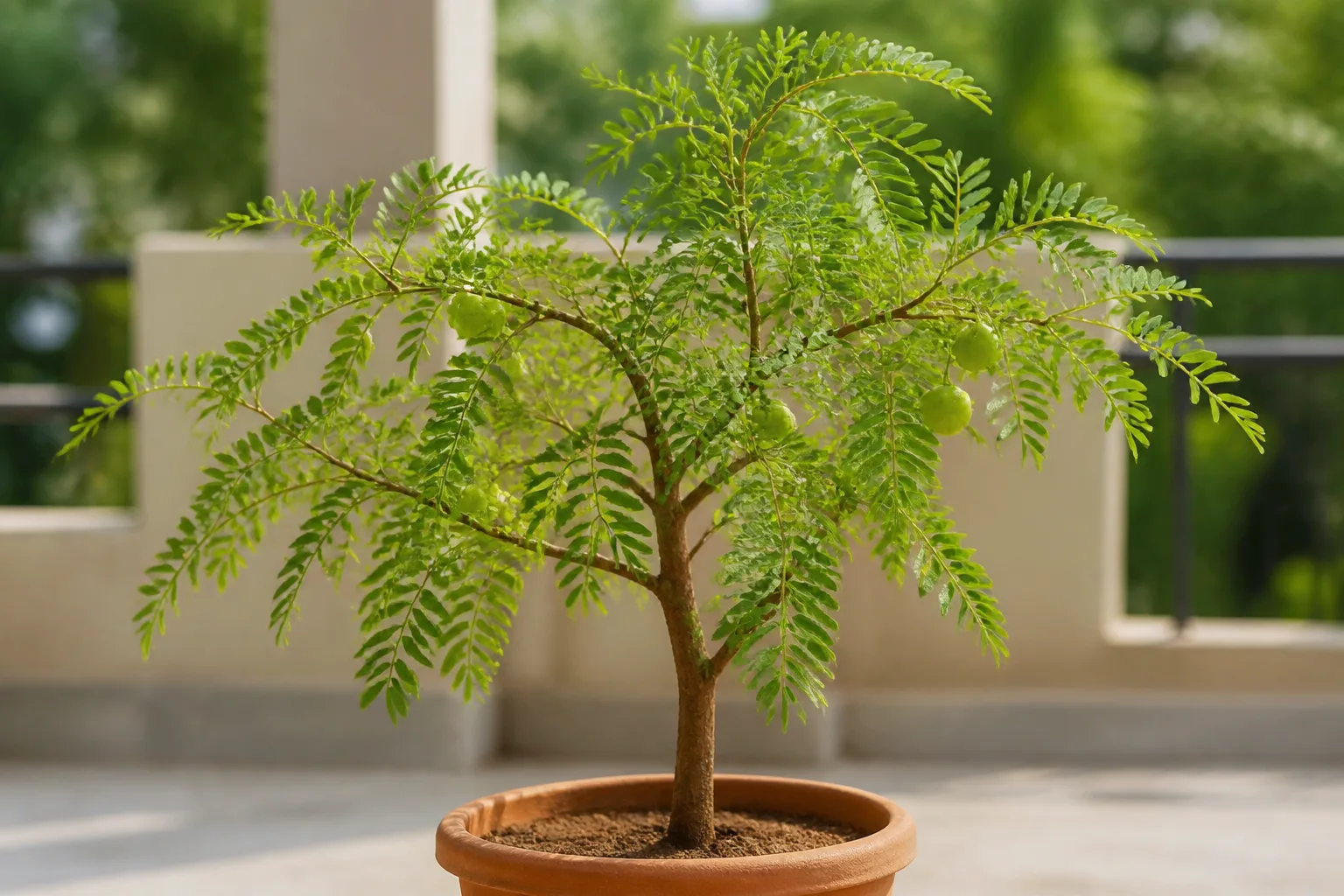
Amla Watering Guide: When, How Often & How Much
Amla Watering Guide: When, How Often & How Much
Amla watering is less about a fixed calendar and more about matching a deciduous tropical fruit tree’s rhythm. Phyllanthus emblica (also sold as Indian gooseberry, Aonla, or Amalaki) evolved across tropical and southern Asia, where wet and dry seasons alternate and soils that drain well keep roots oxygenated. Once established in the ground, Amla tolerates drought better than most kitchen-garden fruit trees. In a balcony pot, the same biology still applies — but a small soil volume swings from bone-dry to waterlogged much faster, so your checks have to be tighter.
The practical rule for home growers is simple: water deeply when the top 3–5 cm of soil are dry, then let excess drain completely. Keep young and container plants more evenly moist during active growth. Ease off in cool weather and during the flowering pause used in Indian orchard practice. Chronic wet roots kill Amla faster than a short dry spell — yellowing, out-of-season leaf drop, and sour soil are louder warnings than a few wilted tips on a hot afternoon.
This guide covers how often to water Amla, how to test dryness, summer versus monsoon and winter adjustments, over- and underwatering signs, and how pot mix and Amla soil choice change the interval. Pair watering with strong sun from the Amla light guide — shade slows water use and makes overwatering more likely.
What Amla Watering Really Means for This Tree
Amla is a sun-loving deciduous tree, not a constantly moist houseplant. Plants For A Future describes emblic as thriving in regions that are too dry and on soils too poor for many other fruit crops, as long as the ground is well-drained. It prefers dry or moist soil and can tolerate drought; it does not want stagnant water around the roots. That is the core watering philosophy: wet thoroughly, then allow oxygen back into the root zone.
In India, National Horticulture Board guidance for aonla orchards treats irrigation as a seasonal tool, not a daily habit. Irrigation is typically given at an interval of 15–20 days in dry summer, with little or no irrigation needed in the rainy season and winter for field trees. Home pots in full sun on a terrace dry faster than an orchard basin, so your personal interval will often be shorter than NHB’s field schedule — but the logic is the same: water when demand is high and the profile is dry, not because the date on your phone says so.
Seasonal leaf drop is normal for this deciduous species. Sudden yellowing or drop while the soil stays wet is usually a root-aeration problem, not a cue to water again. Start diagnosis with the finger test and pot weight before you change fertilizer or prune.
How Often to Water Amla in Warm Weather
There is no single honest answer to how often to water Amla, because pot size, mix, sun exposure, wind, and plant age all change drying speed. Use these ranges as starting frameworks, then let dryness decide:
In active warm growth, many container Amla plants need a deep soak roughly every 5–10 days once the top 3–5 cm are dry. In cooler months or when growth slows, the same pot may stretch to every 10–14 days. Orchard-style field trees under NHB guidance often sit closer to 15–20 day summer intervals when rainfall is absent. If fruit is setting and heat is extreme, check more often — drought during fruit fill shows up as premature drop and stalled shoot growth.
Never treat those numbers as automatic. A large ceramic pot in humid monsoon weather may stay wet for two weeks after one soak. A fabric grow bag on a windy south balcony may need water twice a week in May. Track two full wet-to-dry cycles and write down the dates; that log beats any generic schedule.
Young plants and container Amla
Young Amla and anything in a pot lacks the deep rooting of a landscape tree. Keep the mix evenly moist but never swampy during the first growing seasons. Water immediately after transplanting or repotting, then return to the dry-down check. Commercial cultivation notes often recommend watering young plants regularly at about a 10–15 day interval in summer, with somewhat wider spacing once fruit is establishing — useful as orchard context, not as a rigid home rule.
In containers, volume matters more than calendar age. A 30–40 cm pot in full sun can dry in three hot days; a deep 60 cm planter may hold moisture for more than a week. Always confirm with a finger test at 3–5 cm before you pour.
Established garden trees
Once Amla is rooted into deep, draining ground, short dry spells are normal. Established trees handle drought better than chronic irrigation that leaves basins muddy. Follow NHB’s dry-summer interval as a ceiling for field trees, skip routine irrigation in monsoon when rainfall already recharges the profile, and avoid watering just because foliage looks thin in winter — deciduous rest is not the same as thirst.
Mulch the basin with organic matter to slow evaporation in arid spells, but keep mulch off the trunk flare so bark stays dry. If water is scarce, deep, infrequent soaks beat frequent shallow sips that never wet the active root zone.
How to Check Dryness Before You Water
Surface colour lies. Mix can look pale on top while staying cool and damp near the roots — especially in peat-heavy blends. Use at least one of these checks every time:
Finger test: Push a finger 3–5 cm into the mix. If it feels cool or soil clings, wait. Dry at that depth means you can water. In very small pots, also check near the bottom by gently tipping the plant or using a wooden skewer.
Pot weight: Lift the container after a full soak and again each day until it feels clearly lighter. Weight is often more honest than the top centimetre in deep planters.
Skewer test: A dry wooden stick pushed toward the pot base should come out clean and dry. Dark or muddy residue means moisture remains.
Do not water because the calendar pinged. Do not water because a leaf tip browned while the pot still feels heavy. Do not leave Amla sitting in a saucer of yesterday’s runoff — empty it within 20–30 minutes.
The Deep-Soak Method That Matches Amla Roots
Amla responds best to one thorough irrigation followed by a dry-down, not daily teaspoons of water. Partial top watering keeps the upper layer damp, encourages shallow roots, and can leave the lower third of a pot wet and anaerobic — the exact pattern that leads to root decline.
When you water, apply slowly across the surface until water runs freely from the drainage holes. That confirms the whole root ball is wet. For in-ground trees, soak the basin until the top 20–30 cm of soil is moist, then stop. Orchard practice increasingly favours drip irrigation because it improves canopy growth and can bring earlier yields than conventional flood irrigation on gravelly soils — the home-grower takeaway is the same: deliver water to the root zone efficiently, then allow air back in.
After draining, do not water again until the dryness checks pass. The dry phase is part of the method, not a failure of care.
Seasonal Rhythm: Summer Heat, Monsoon, and Cool Months
Summer / hot dry spells: Check often. Heat, wind, and full sun raise demand. Young pots may need water every few days; established ground trees still follow a wider interval if soil stays moist at depth. Prefer morning watering so foliage and surface soil dry during the day.
Monsoon / rainy season: Cut back hard. NHB notes that field aonla generally needs no irrigation during the rainy season. In pots, rain plus irrigation is a common overwatering trap — move containers under a roof edge if they stay soggy, and confirm drainage holes are clear.
Cool months / winter rest: Reduce frequency. Deciduous Amla uses less water when growth slows. Many containers stretch to 10–14 days or longer. Overwatering in cool, dull weather is a frequent way to lose a terrace plant that sailed through summer.
Flowering pause and fruit-set watering
Indian horticultural guidance is specific about flowering: do not irrigate during the flowering period, typically mid-March to April in many growing regions, and resume after fruit has set when summer heat returns. First seasonal irrigation is often timed with manure and fertilizer application in January–February rather than with leaf flush alone.
For fruit set and fill, keep moisture more consistent without flooding. Premature fruit drop can follow drought stress — but it can also follow waterlogging, cold snaps, or nutrient imbalance. Check soil moisture before you assume the tree is “thirsty.” If you are feeding, coordinate with the Amla fertilizer guide so you are not pouring water onto a stressed, wet root system just to deliver nutrients.
Signs You Are Overwatering Amla
Overwatering is the faster failure mode for container Amla. Watch for yellowing leaves, leaf drop outside the normal deciduous season, soil that smells sour or swampy, and a pot that stays heavy for many days after watering. Soft, dark roots and stalled new growth despite wet mix point to oxygen starvation at the root zone — the same mechanism described in general overwatering guidance from Missouri Botanical Garden: saturated soil deprives roots of air, roots die, and the plant wilts even though the mix is wet.
If several signs stack together, stop watering. Improve light and airflow, empty saucers, and only consider a soil refresh or repotting once you confirm the mix is staying anaerobic. Do not “perk it up” with another drink.
Signs Your Amla Needs Water
Underwatering looks different. Leaves may wilt in heat, tips dry, new growth stalls, and fruit may drop early when the root zone has been bone-dry for too long. The pot feels very light; soil may pull away from the pot walls. A single dry episode rarely kills an established Amla — rehydrate with one full soak, drain, and return to the check-based cycle.
If leaves wilt and the mix is still wet, you are not dealing with simple drought. That is usually root damage from excess moisture. Fix drainage and dryness first; more water will make it worse.
Pot Size, Soil, and Drainage Decide the Interval
Watering advice fails when the mix cannot drain. Amla wants deep, well-draining sandy loam or loam enriched with compost — see the Amla soil guide for mix ratios. Dense clay, sealed decorative pots without holes, and blocked drainage turn even careful watering into root rot. If the pot stays wet longer than your usual interval, fix the medium or pot before changing how often you water.
Larger containers buffer mistakes; tiny nursery pots swing hard. Upsize gradually when roots circle or the mix dries within a day in heat. After a soil change, expect a new drying rhythm for a week or two while roots re-explore the volume.
When to Use This Page vs Other Amla Guides
Use this watering page when you need to decide whether to water today, how deeply to soak, or how to read wet- versus dry-stress symptoms. Switch to Amla light if the plant sits in shade and the mix never dries — light often drives the watering problem. Use Amla soil when water sits on the surface or the pot smells sour even after you cut irrigation. Use Amla fertilizer only after roots are healthy and growth is active. Use Amla repotting when drainage has failed or roots have filled the pot. For species identity, sun, and overall setup, start with the Amla overview.
Common Amla Watering Mistakes
Watering on a fixed weekday without checking dryness is the most common error. The second is treating Amla like a fern or peace lily that wants constant moisture. The third is irrigating through flowering when orchard guidance says to hold water, then flooding again when fruit drops for unrelated reasons. The fourth is leaving pots in saucers through monsoon. The fifth is stacking fertilizer, hard pruning, and a soil change on the same week you are already correcting wet roots — stabilize watering and light first.
Related Amla Guides
- Amla overview — identity, climate fit, and full-care summary
- Amla light — full-sun placement that drives drying speed
- Amla soil — drainage-first mixes for pots and beds
- Amla fertilizer — feeding after roots are healthy
- Amla repotting — when wet mix or circling roots need a reset
- Amla propagation — aftercare moisture for grafts and seedlings
Conclusion
Water Amla the way a drought-tolerant tropical fruit tree wants: deep soak when the top 3–5 cm are dry, drain fully, and wait. Young pots need steadier moisture in heat; established trees forgive short dry spells and hate waterlogging. Follow a tighter check in summer, cut back in monsoon and winter, and respect the flowering pause used in Indian aonla orchards. If you are unsure, feel the soil before you pour — a slightly dry Amla recovers; a chronically wet one often does not.