Amla Propagation: Grafting, Budding & Seed
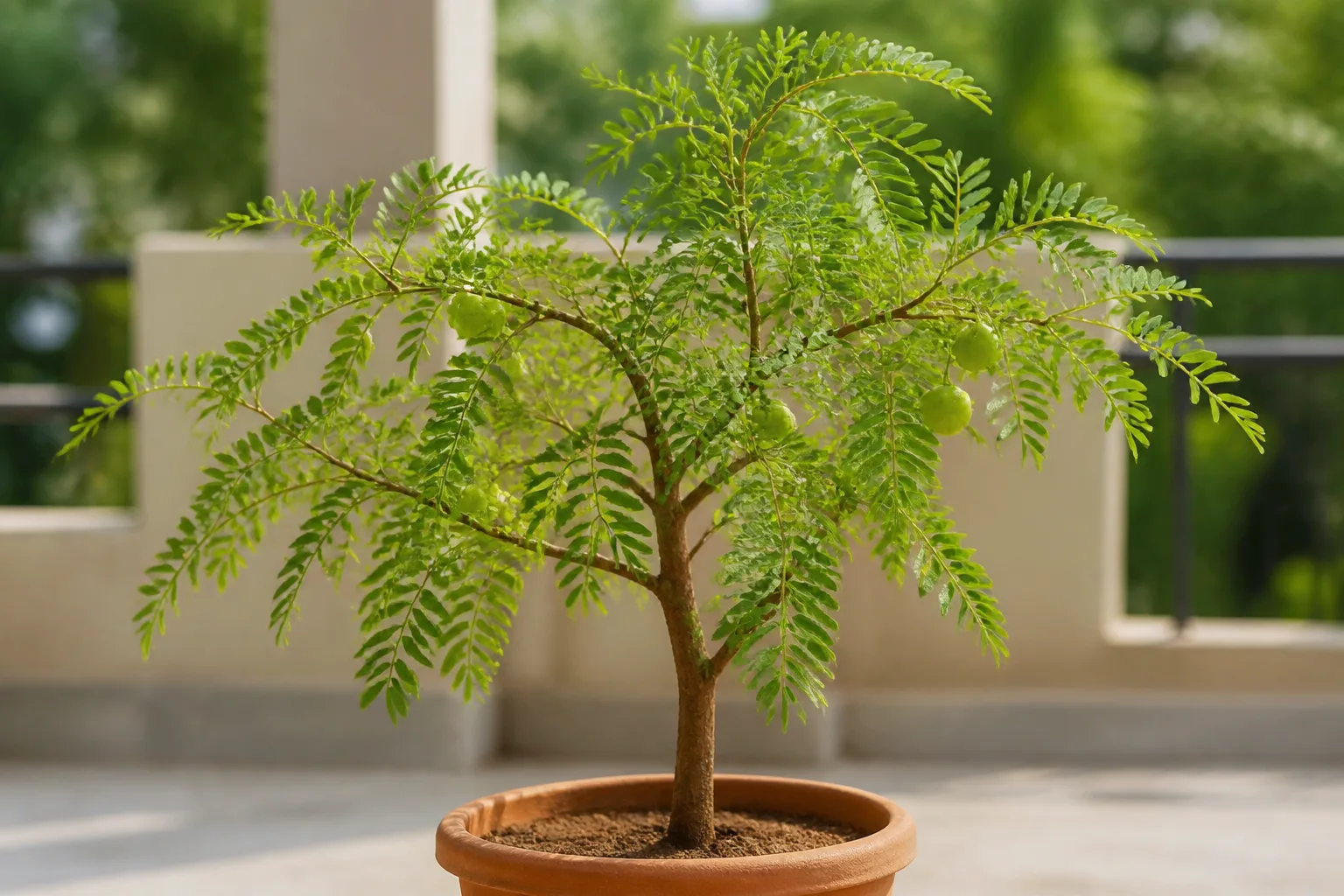
Amla Propagation: Grafting, Budding & Seed
Amla Propagation: Grafting, Budding & Seed
Propagating Amla (Phyllanthus emblica, also sold as Indian gooseberry, aonla, or amalaki) is less about rooting a casual houseplant cutting and more about matching method to fruit goals. This deciduous subtropical fruit tree is commercially multiplied by budding or softwood grafting onto seedling rootstock so named cultivars stay true and start bearing sooner than chance seedlings. (National Horticulture Board)
If you want reliable fruit on a terrace or in a home orchard, plan around grafted or budded plants. Use seed when you need rootstock, want genetic diversity, or are experimenting. This guide covers method choice, softwood grafting and patch budding, fresh-seed starts, aftercare, and the failures that usually track moisture, timing, or dead seed — not “bad luck.”
Why Amla Propagation Favors Grafting Over Seed Alone
Amla is a slow-growing, sun-loving tree of tropical and southern Asia. Plants For A Future notes that seedlings often take about 10 years to begin bearing, while the species more generally may fruit at 6–8 years depending on how it was raised. (Plants For A Future) Horticulture cultivation summaries for aonla likewise put vegetatively propagated trees into commercial bearing around 6–8 years, with seedling trees often needing 10–12 years [Flagged: no authoritative extension/.gov source found for the specific 10–12-year seedling figure; PFAF cites about 10 years for seedlings]. That gap is why nurseries and orchards default to clonal methods for named types such as Kanchan (NA-4), Krishna (NA-5), NA-6, NA-7, and NA-10. (National Horticulture Board)
Seed also brings variability. Reviews of vegetative aonla propagation emphasize that seed-raised plants are inconsistent in fruit quality and that dormancy can slow or block germination even under decent nursery conditions. Softwood grafting, by contrast, has been reported with success rates approaching 86% when season and environment line up. (Academia.edu vegetative review) An Indian Journal of Agroforestry nursery trial on softwood grafting of Chakaiya scions recorded up to 85% success under controlled conditions versus lower take in open nursery air during an off-season March run. (Indian Journal of Agroforestry / ICAR ePubs)
PFAF also flags that the plant is not self-fertile, so fruit set on a single isolated tree can disappoint even when vegetative growth looks fine. (Plants For A Future) Propagation success does not replace pollination planning once trees flower.
Choose Grafted Stock, Budding, Seed, or Cuttings
Pick the method that matches your goal before you cut a branch or open a seed packet. The National Horticulture Board’s aonla production note states plainly that planting material is raised by budding or softwood grafting. (National Horticulture Board) That is the commercial default for fruiting trees. Home growers still use seed for rootstock and for experimental plantings.
When to buy or make a grafted or budded plant
Choose a grafted or budded plant when you want a named cultivar’s fruit type, earlier bearing, and less genetic surprise. Softwood grafting and patch budding (often June–September in Indian dry-subtropical belts) are the usual nursery paths. Buy stock with a clean graft union, firm scion growth, and soil that does not smell sour. Prefer plants already hardened to full sun rather than shade-house stock you must acclimate overnight.
If you graft at home, treat it as a skill project: sharp tools, matching cambium, moisture control, and a warm season matter more than fancy tape. Controlled or protected environments often improve take compared with hot, drying open air. (Indian Journal of Agroforestry / ICAR ePubs)
When seed still makes sense
Choose seed when you need seedling rootstock for later budding or grafting, want many plants for a hedge or farm planting, or accept longer waits and variable fruit. PFAF records that emblic can be grown from seed, ring budding, or veneer grafting, and that seed does not store well — sow promptly after ripening. (Plants For A Future) Within about four months, vigorous seedlings can reach roughly 8 mm stem diameter and become candidates for budding or grafting. That makes seed a nursery input, not only a “grow your own fruit tree someday” path.
Cuttings and other secondary methods
Semi-hardwood cuttings from vigorous mid-shoot wood of young trees, stuck in warm beds around 33°C, have been reported to root at rates up to about 84% in horticultural references summarized by PFAF. Greenwood cuttings, layering, and grafting are also listed. (Plants For A Future) For most Indian home growers chasing edible fruit of a known type, cuttings are secondary to buying or making a grafted plant. Use cuttings when you want a genetic copy and cannot source budwood for grafting, and keep media airy so woody bases do not sit in stagnant water.
Softwood Grafting and Patch Budding Step by Step
Commercial aonla culture leans on these two vegetative routes. Softwood grafting joins a leafy softwood scion to a seedling rootstock; patch budding transfers a bark patch with a bud onto a matching rootstock window. Both aim for a cambial union that sprouts the cultivar above a hardy seedling base.
Timing for Indian climates
NHB planting guidance places orchard planting mainly in July–August, with grafted or budded plants set about 4–5 m apart (wider spacings appear in some university cultivation notes). (National Horticulture Board) Patch budding is commonly scheduled through the warm monsoon window (often cited as June–September). Softwood grafting success is strongly seasonal and environment-sensitive; protected nursery structures can salvage “off-season” attempts that fail outdoors. Align your grafting week with active sap flow, warm nights, and high humidity — not peak dry heat that desiccates exposed cambium.
Rootstock and scion selection
Raise rootstock from healthy local or “desi” seed sown into deep, free-draining mix — the same drainage logic as adult Amla soil. Select scion wood from disease-free, true-to-type mother trees of the cultivar you want (NA-7 is widely used as a reliable orchard type in Indian literature). Trials comparing scion-stick bud counts found six-bud sticks slightly outperforming four-bud sticks under controlled softwood grafting. (Indian Journal of Agroforestry / ICAR ePubs) Match rootstock and scion diameters as closely as you can; large mismatches slow union and increase dieback.
Aftercare until the union takes
After tying the graft or bud, keep the union shaded from harsh midday sun for the first weeks, maintain even moisture without waterlogging, and remove competing sprouts from the rootstock so energy goes to the scion. Watch for soft rot at the wrap — that is stem failure from excess moisture, not a reason to drown the pot. Once the scion pushes several healthy leaves, harden the plant into brighter light and shift watering toward the adult rhythm: deep soaks when the top few centimetres dry. Pair that with the Amla watering and repotting guides before you move a successful graft into a final large container.
Growing Amla From Fresh Seed
Seed is still useful — especially for rootstock — if you treat it as a short, warm-season project with fresh fruit.
Collecting, cleaning, and the float test
PFAF advises sowing as soon as seed is ripe because storage is poor. Extract seed from over-ripe fruit that has been sun-dried to ease stone removal, or cut fruits through the stone. Give cleaned seed a float test: sinkers are the viable lot; PFAF reports that essentially all sinkers germinate under good practice. (Plants For A Future) Floating seed is low-odds material — do not build a nursery plan on it. If germination still lags after using sinkers, mechanical scarification or GA₃ soaks appear in research on aonla seed dormancy, but home growers should first confirm freshness and warm sowing conditions before chasing hormone protocols. (Academia.edu vegetative review)
Sowing mix, depth, and early seedling care
Sow into a sandy, well-aerated mix in deep pots or nursery bags so taproots can run. Keep the medium lightly moist, bright, and warm — Amla seedlings resent cold, stagnant, waterlogged trays. Damping-off fungi thrive when seedlings stay wet and poorly ventilated; use clean media, avoid overwatering, and give airflow rather than a sealed humid box for weeks on end. (NC State Extension) Once true leaves expand, ease toward stronger light and the dry-down watering pattern adult Amla prefers. Do not fertilize hard until roots fill the starter pot; stressed seedlings need light and drainage first, not high nitrogen. When plants reach budding caliper (often within a few months under good growth), you can either keep them as seedling trees or convert them to grafted cultivars.
Common Propagation Failures and First Fixes
Empty seed trays usually mean old seed, floaters sown by mistake, deep sowing in cool weather, or chronic wet mix. Re-run the float test with fresh fruit and sow shallow in warm conditions.
Grafts that brown and die back usually failed cambial contact, dried out before union, or rotted under a tight, wet wrap. Re-graft in a better humidity window with cleaner cuts and lighter moisture. Buds that push then collapse often lost the race to rootstock suckers — rub those off early.
Seedlings that flop at the soil line point to damping-off or soft stem rot; discard collapsed plants, refresh media, and water less often. Sudden wilt after potting up is classic transplant shock — shade for a few days, keep roots damp but not flooded, and avoid stacking fertilizer, hard pruning, and full sun exposure in the same week. If a young plant stalls despite good grafting technique, audit light and soil drainage before assuming the cultivar is “weak.”
When to use this page vs other Amla guides
Use this propagation page when you are multiplying plants, raising rootstock, or deciding between seed and grafted stock. Use the Amla overview for identity, mature size, and whole-plant expectations. Use light when a young graft stays sparse or etiolated. Use watering when seed trays stay wet or grafts wilt on a schedule. Use soil when drainage fails in nursery bags. Use fertilizer only after unions take and active growth resumes. Use repotting when moving successful plants into larger containers. Use pruning for training form after the plant is established — not as a substitute for a failed graft.
Related Amla guides
- Amla care hub — species profile, placement, and pet-aware notes
- Amla overview — growth habit and when sibling guides apply
- Amla light needs — full-sun requirements for grafts and seedlings
- Amla watering — dry-down rhythm that prevents nursery rot
- Amla soil mix — drainage for bags, pots, and pits
- Amla repotting — moving young plants without stalling growth
Conclusion
Amla propagation rewards clear goals. For earlier, true-to-type fruit, start with softwood grafting or patch budding onto seedling rootstock — the same path Indian commercial guidance emphasizes. Use fresh seed for rootstock and experimental plantings, trusting the float test and prompt sowing because stored seed fades quickly. Keep unions and seedlings warm, bright, and free-draining; most failures are moisture and timing problems, not mysterious species quirks. Once a young plant takes, shift it into the same full-sun, well-drained culture the mature tree needs, and give grafted stock the seasons it needs before you judge fruiting.