How to Fertilize a Bay Leaf Plant
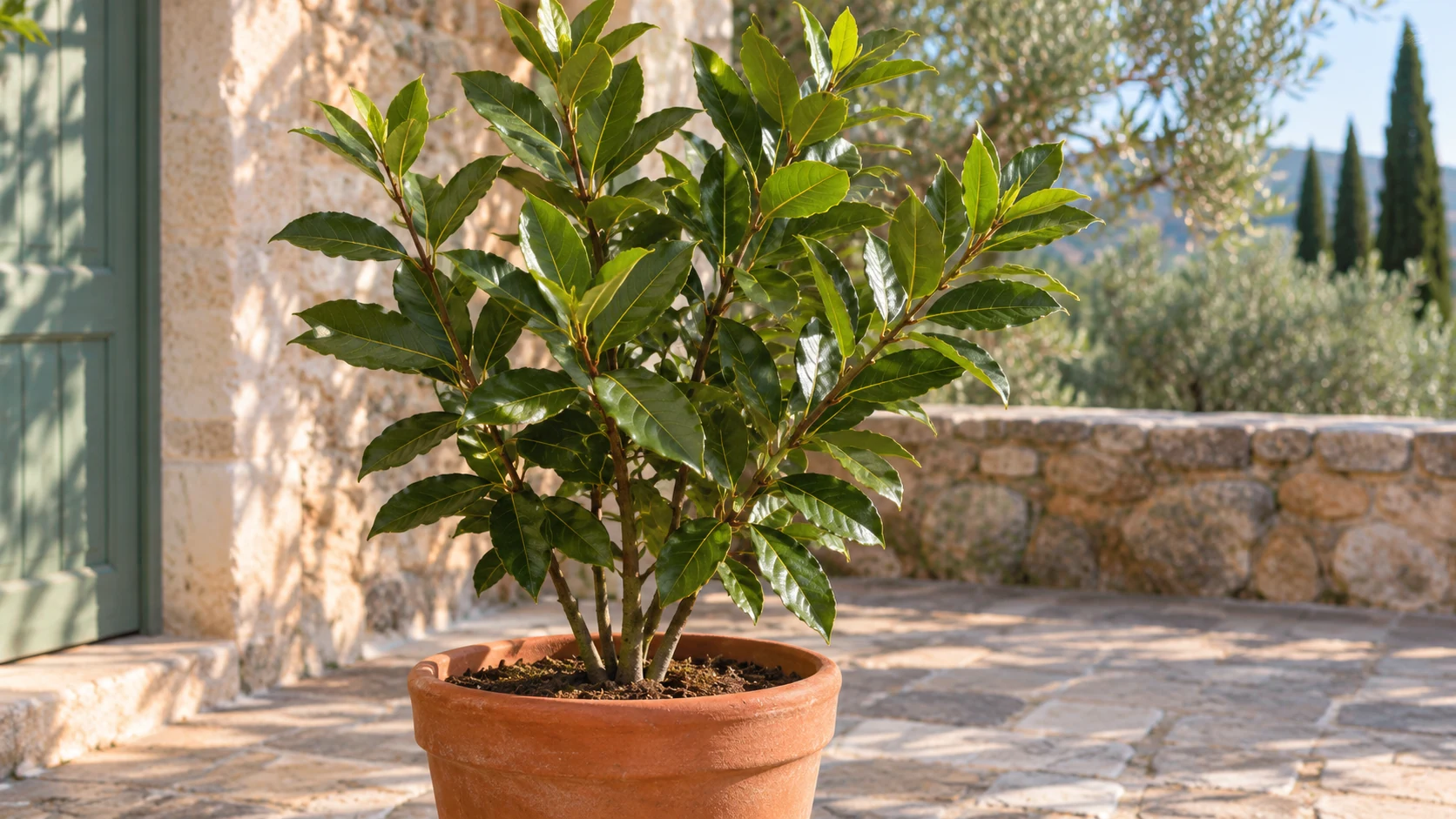
How to Fertilize a Bay Leaf Plant
How to Fertilize a Bay Leaf Plant
First, check whether your bay laurel is growing in the ground or in a pot. An established garden tree often needs little or no routine fertilizer, while a container plant can benefit from a modest spring feeding because its growing mix is limited. For potted Laurus nobilis, use a balanced fertilizer according to its label during active growth, then stop when the plant slows for winter. More fertilizer will not correct poor drainage, low light, or damaged roots.
Bay laurel fertilizer at a glance
Feed container-grown bay lightly in spring and, if the label and active growth support it, continue through the growing season. Do not apply routine fertilizer to an established landscape tree unless soil testing or clear growth conditions point to a need. Avoid feeding a dry, waterlogged, recently stressed, or dormant plant. The right product and timing depend on how the plant is grown.
Start with the plant’s setting
Bay can be a garden shrub or a long-term container tree. Outdoor soil provides a much larger root zone, and a settled plant may obtain nutrients without regular additions. A pot has a finite volume of mix, so repeated watering can gradually reduce available nutrients. The Bay Leaf plant hub identifies the species and links to its care topics; if yours is in a container, the soil guide helps check whether the mix itself needs refreshing.
Does bay laurel need fertilizer?
Not always. The Spruce says garden-grown bay generally needs little or no fertilizer, while container plants can receive a balanced spring feeding. Nature & Garden describes garden bay as low-maintenance and says compost is not essential at planting, supporting a conservative starting point for established trees. That is not a diagnosis for every garden. If a tree grows poorly, inspect light, root conditions, watering, and soil before assuming it lacks nutrients.
Why container bay may need an occasional feed
A container limits the amount of soil and organic material available to roots. Regular watering can also carry some soluble nutrients out through drainage. This does not mean a potted bay needs constant feeding: the plant is relatively slow growing, and accumulated fertilizer salts can harm roots. The watering guide explains why drainage water should not be mistaken for a reason to increase fertilizer concentration.
Choose a balanced fertilizer
A balanced, general-purpose fertilizer is a practical choice for a potted bay. Better Homes & Gardens suggests a balanced organic product, and The Spruce lists options such as fish emulsion or kelp. The RHS also allows controlled-release granules or liquid feed. Choose one product type and follow its label; combining several fertilizers at once makes it easy to overapply nutrients.
Fertilizer for bay in the ground
For an established bay planted in ordinary garden soil, skip routine feeding unless a soil test or a horticultural professional identifies a nutrient need. NC State describes sweet bay as slow growing; that supports avoiding attempts to force rapid leaf production with extra fertilizer. Mature compost used as a soil amendment is different from applying concentrated fertilizer, but it should still be used in moderation. The Bay Leaf watering guide and soil guide cover common root-zone issues that can resemble nutrient problems. Do not spread fertilizer against the trunk or onto dry soil.
When a soil test is useful
If an in-ground bay remains weak after you have checked drainage, light, and watering, a soil test is more informative than applying fertilizer at random. A test can help show whether pH or particular nutrients are outside a suitable range. For a container, a soil test is less useful if the mix is old, compacted, or waterlogged; replacing poor mix may solve the more basic problem. Avoid changing soil chemistry or adding several products based on leaf color alone.
If you do receive a test report, follow the recommendations for the soil type and plant area tested, and apply only the nutrients identified as low. A lawn fertilizer schedule or a neighbor’s product is not a substitute for a result from your own bed. Retest only at the interval recommended by the testing service; frequent amendments can make an acceptable soil harder to manage.
When to fertilize a potted bay
Begin feeding in spring when the plant is actively growing. The RHS suggests controlled-release fertilizer or a liquid feed every two weeks from mid-spring to late summer; use the product label because formulas and strengths differ. In mild climates where growth continues longer, do not extend feeding automatically if the plant is slowing or temperatures are falling. Growth, season, and label directions should agree before you feed.
Stop feeding when growth slows
Do not fertilize a cool, dormant bay in winter. Gardener’s Path recommends withholding fertilizer while Laurus nobilis is dormant and resuming after warm weather and new growth return. Wisconsin Horticulture describes cool indoor overwintering, where the plant may slow or rest and needs very little water. A warm indoor tree may continue growing, but use its actual growth and the product label instead of applying outdoor seasonal dates to every home.
Liquid feed or controlled-release granules?
Liquid feed gives you a measured application with watering, while controlled-release granules supply nutrients over a longer period according to the label and temperature. Use either one as directed, and do not layer a liquid fertilizer on top of recently applied granules unless the labels explicitly allow it. If you have lost track of the last feeding, wait and observe rather than applying a catch-up dose.
Follow the label, not a stronger guess
Use the product’s stated dilution and frequency. Do not assume a woody herb needs a stronger concentration because it grows slowly, and do not double the dose to make up for a missed application. A conservative label rate reduces the chance of salt buildup around container roots. If the instructions are designed for a different plant type, choose a clearly labeled general-purpose fertilizer or seek local horticultural advice.
Fertilizing a newly planted or repotted bay
A newly planted bay needs stable roots and suitable moisture before it needs extra food. Avoid fertilizing immediately after transplanting unless the potting mix or product label specifically calls for it. Many prepared mixes include starter nutrients, and fresh fertilizer can add stress to disturbed roots. Once the plant resumes steady growth, return to the usual spring routine. The repotting guide covers fresh mix and aftercare.
Compost, top-dressing, and fertilizer are different
A thin layer of mature compost or fresh container mix can refresh the root zone, but it is not a substitute for diagnosing a problem. Keep top-dressing thin, leave it away from the stem, and do not scrape into roots. For full mix replacement, use the repotting guide.
Signs of too much fertilizer
White crust on the pot or mix, brown leaf tips after feeding, or a sudden decline can be consistent with excess soluble salts, but other causes are possible. Stop additional feeding, water the mix thoroughly so excess can drain, and empty the saucer. If symptoms persist, inspect roots and drainage rather than repeatedly flushing the plant. Avoid aggressive fertilizer treatments while roots are compromised; a damaged root system cannot use nutrients normally.
Yellow leaves do not prove a nutrient shortage
Yellowing may be related to waterlogging, drought, cold, inadequate light, pests, or nutrient availability. Bay’s growth is naturally not as fast as many soft-stemmed houseplants, so a lack of rapid new leaves alone is not evidence that it needs food. Check the light guide and watering guide first. If you suspect a nutrient deficiency, compare symptoms across the plant and use a soil test when one is practical.
Feeding bay grown indoors
An indoor bay kept warm and bright may continue active growth, while one overwintered in a cool room may slow considerably. The Missouri Botanical Garden describes bay as suitable for container cultivation; match any feeding to active growth, not simply to the fact that the plant is inside. Keep fertilizer away from foliage and use normal watering to distribute it through the root zone. Do not feed a cool, resting plant to compensate for winter leaf loss.
Harvesting and shaping do not require extra feeding
Picking a few mature leaves or lightly shaping bay is not a reason to apply additional fertilizer. If repeated harvest removes a large amount of foliage, allow the plant to recover in suitable light and moisture before considering the next scheduled feeding. The pruning guide explains how to maintain a manageable canopy, and propagation covers growing new plants from cuttings or seed.
Related Bay Leaf guides
Use the Bay Leaf plant hub for species-wide care and seasonal context. Pair this page with soil and watering before changing fertilizer. For container decisions, read repotting; for growth management and new plants, see pruning and propagation.
Conclusion
Feed bay laurel lightly and only when its growth and setup call for it. Established garden plants usually do not need routine fertilizer; a container bay can receive a balanced product in spring and during active growth according to the label. Stop feeding when growth slows or the plant enters cool dormancy. If leaves look unhealthy, check light, water, drainage, and roots before adding nutrients.