The Best Soil for Bay Laurel
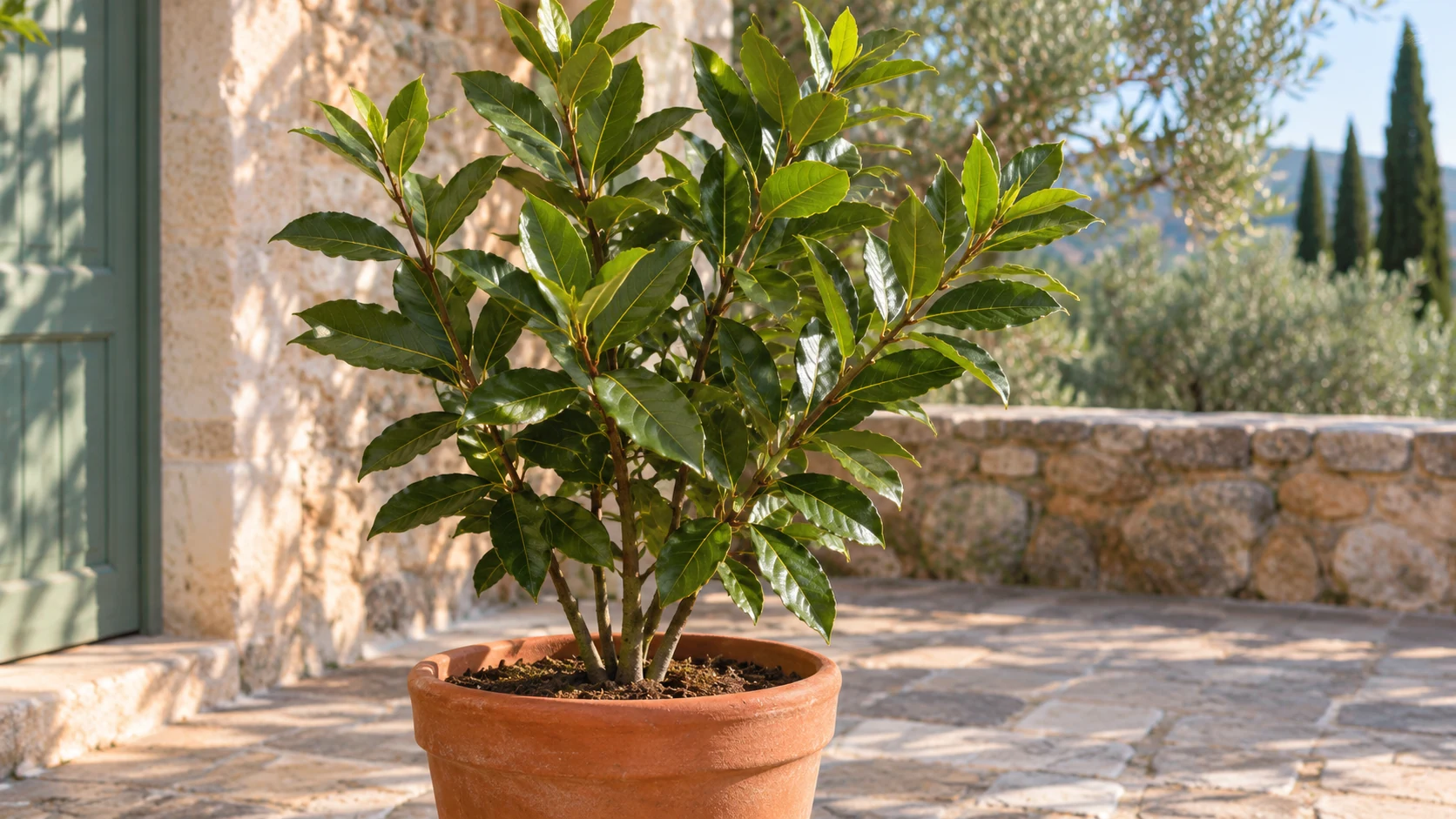
The Best Soil for Bay Laurel
The Best Soil for Bay Laurel
True bay laurel (Laurus nobilis) is adaptable, but it needs soil that drains freely after watering. NC State Extension describes sweet bay as growing in well-drained soil. A garden bed can be loamy, sandy, or another ordinary soil type as long as water does not sit around the roots for long periods. For a container, use a quality potting mix that holds some moisture yet leaves air spaces and has open drainage holes. Bay does not need a special proprietary blend or constant amendments; check how the soil behaves before changing it.
Bay laurel soil at a glance
Choose a well-drained soil that stays lightly moist after watering but does not remain saturated. In a garden, improve drainage across the planting area if heavy clay holds water. In a pot, use a general-purpose mix with structure and avoid a container without drainage. The Spruce lists a broad pH tolerance, so test soil before trying to adjust it. The Bay Leaf plant hub introduces the species and links to the whole care cluster.
Start with the growing setup
Soil needs depend on whether bay grows in the ground or in a pot. Garden soil has a large volume and can draw on surrounding moisture; potting mix is confined, dries and warms differently, and needs a container that lets excess water escape. Wisconsin Horticulture describes bay as a container plant that can be moved indoors for winter. A bay kept indoors or moved seasonally also depends on a mix that will not remain cold and wet for weeks. The watering guide explains how to judge moisture in each setting.
What soil texture does bay prefer?
Bay tolerates a range of soil textures. NC State Extension describes sweet bay in well-drained soils and notes tolerance for several soil types; The Spruce also discusses sandy, loamy, and heavier garden soils. The practical requirement is that water can move through the root zone. If your garden soil is moderately fertile and drains after rain, there is usually no need to replace it with a highly specialized mix. Avoid treating a particular texture label as more important than how wet the soil stays.
Drainage matters more than a recipe
The same potting ingredients can behave differently depending on particle size, compaction, and container shape. Focus on the finished mix: it should accept water, drain surplus, and retain some usable moisture around the roots. The Royal Horticultural Society recommends a soil-based, peat-free compost or soilless compost with extra grit for stability and drainage. A general commercial potting mix can also work when it stays open rather than collapsing into a dense, wet mass.
Best soil for a bay tree in a pot
Use a good-quality multipurpose potting mix that drains freely. If your current mix stays wet for a long time, blend in a coarse mineral amendment such as horticultural grit or pumice, following the product guidance and changing only enough to improve structure. The RHS describes adding grit to a peat-free compost, while Nature & Garden suggests a porous substrate for potted laurel. Avoid a very fine seed-starting mix as the long-term medium for a woody shrub.
Can bay laurel grow in regular potting soil?
Often, yes. Better Homes & Gardens recommends well-draining soil and a potting mix for indoor bay, and The Spruce likewise says container bay can use commercial potting mix. Check the bag for a loose, porous texture and confirm the finished pot has drainage holes. If water drains too quickly and the root ball dries repeatedly, the mix may be excessively coarse or the pot may be too small. Adjust the balance gradually rather than replacing the entire mix each time.
Soil for bay planted in the garden
In-ground bay can grow in average garden soil if excess water can leave the root zone. Before planting, observe the site after a heavy shower: does water soak away, or remain in a low spot? The Missouri Botanical Garden describes bay as preferring rich, moist, well-drained soil. If your bed is compacted, loosen a broad planting area and incorporate mature organic matter sparingly to improve structure. Avoid making a small pocket of very different soil that traps water around the root ball.
Improve heavy or poorly drained ground
If clay or a low site stays soggy, choose a better-drained position, plant on a broad raised mound, or improve a wider bed rather than pouring gravel into the bottom of a narrow planting hole. The important change is to keep roots out of standing water and help the whole root zone drain. Gardener’s Path stresses free drainage for bay, especially where cold weather keeps soil wet. If persistent waterlogging cannot be corrected, a container may be a more manageable choice.
Soil pH for bay laurel
The Spruce describes an ideal soil pH around 6 to 7, and Better Homes & Gardens notes that bay tolerates a broader range, approximately 4.5 to 8.3. That flexibility means you usually do not need to test or adjust pH when the plant is growing well. Test before adding lime, sulfur, or other pH-changing materials. A leaf symptom is not enough to diagnose an unsuitable pH; check drainage, roots, watering, and nutrient history too.
Should you add gravel to the bottom of a pot?
Do not use a gravel layer as a substitute for drainage holes or a sound potting mix. The water still needs a route out of the container, and a different-sized layer below the mix does not correct a blocked outlet. Keep the bottom open, use a mix appropriate for a woody container plant, and raise the pot on feet if its holes sit flush against a patio. Empty the saucer after watering so the root zone is not left standing in water.
Organic matter and compost
A moderate amount of mature compost can improve the structure of garden soil and add organic matter, but bay does not require a rich layer of fresh material around its trunk. For containers, use finished potting compost or a prepared mix rather than heavy garden soil that may compact in a pot. The RHS describes peat-free soil-based composts and soilless options, with added grit where needed. Keep any surface dressing away from the stem and avoid burying the root flare.
Mulch around a garden bay
A thin organic mulch can help conserve soil moisture and reduce temperature swings around the root zone. Keep it a little away from the trunk so the bark is not constantly damp, and do not let mulch build into a deep mound. In cold regions, winter mulch may also protect roots, but it should be a porous material that does not trap standing water. The light guide covers seasonal placement; for cold-weather care, use the profile hub as the starting point.
How to test drainage before planting
Dig a broad test hole, moisten the soil, and watch whether water drains away rather than sitting for an extended period. A simple observation after rainfall is useful too. If the site is soggy, do not assume a gravel layer in the planting hole will solve it; choose a raised location or a container. At an existing plant, check whether water pools at the surface or runs off compacted ground. Improving a broad area is more effective than changing only the soil next to the trunk.
Refreshing soil in a container
Potting mix breaks down and compacts with time. If a bay remains in the same container, remove loose material from the surface and replace it with fresh mix without scraping or burying the woody stem. A top refresh cannot fix a root-bound plant or a mix that has become waterlogged throughout. The repotting guide covers when to replace more of the root medium and how to choose the next pot.
Soil and watering problems
If bay leaves yellow while the mix stays wet, check drainage and roots before adding fertilizer. If the entire root ball dries quickly, compare the pot size, sun exposure, and texture of the mix. Soil conditions and watering are linked: a heavy mix needs longer to dry, while a small porous pot dries faster. Read the watering guide alongside this page, and use the fertilizer guide only after basic root conditions are stable.
Soil for new bay plants and propagation
A young plant needs a medium that holds enough moisture for roots to establish while still providing air and drainage. Seedlings and cuttings benefit from a clean propagation medium; once rooted and growing, they can move into a more durable potting mix. Do not use a heavy garden soil in a small propagation pot. The propagation guide explains the separate needs of seeds and cuttings, and pruning covers shaping the mature plant.
Conclusion
Give bay laurel a well-drained root zone that holds some moisture without staying saturated. Ordinary garden soil can work when it drains; a quality container mix can work when the pot has open drainage holes and the mix stays porous. Check pH before trying to change it, and improve heavy soil across a broad area rather than relying on a gravel layer. When symptoms appear, inspect moisture and drainage before changing the soil recipe.