Bay Laurel Light Needs: Sun, Shade, and Windows
Bay Laurel Light Needs: Sun, Shade, and Windows
Bay Laurel Light Needs: Sun, Shade, and Windows
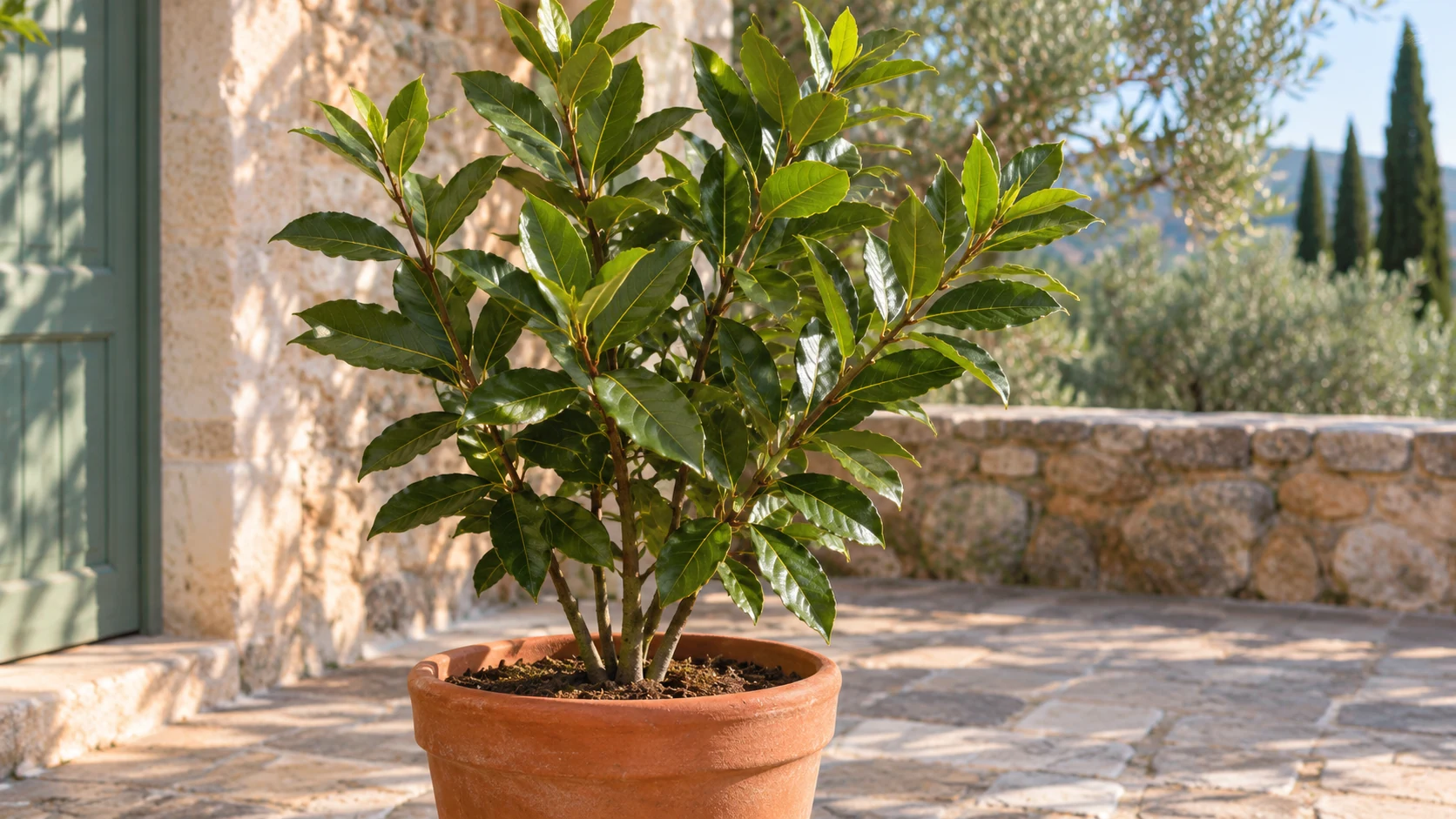
True bay laurel (Laurus nobilis) grows well in full sun to partial shade, so there is no single window or exposure that fits every home. Start with the plant’s setting: an established tree in a mild climate can take strong outdoor sun, a container in a hot summer may benefit from afternoon relief, and an indoor bay needs the brightest stable place you can provide. Wisconsin Horticulture and NC State Extension both describe a range from full sun to partial shade, while the Royal Horticultural Society emphasizes choosing a bright, sheltered position.
Bay laurel light at a glance
For an outdoor tree, aim for a sunny position with some tolerance for part shade. In hot climates, protect a pot from the harshest afternoon heat if leaves show stress. Indoors, use a bright window that gets several hours of direct sun when possible; a cool winter room is a special case because bay may slow down or become dormant there. When moving the plant between indoor and outdoor conditions, acclimate it gradually rather than taking it from a dim room straight into midday sun.
Start with the setting
Check whether your bay is planted in the ground, growing in a container outdoors, or kept indoors year-round. A rooted garden tree has access to a larger soil volume and can settle into its site. A pot heats up and dries faster, and it can be moved when the seasons change. A warm indoor bay also has different light needs from one held in a cool, bright room for winter. The Bay Leaf plant hub covers the species’ overall care and helps you decide which setup matches your climate.
How much sun does bay laurel need?
Use full sun as a useful starting point, not a rigid rule. Better Homes & Gardens recommends at least six hours of sunlight for outdoor bay, and NC State Extension lists full sun as six or more hours while also accepting partial shade. The Missouri Botanical Garden likewise describes Laurus nobilis as suitable for full sun to part shade. If your plant is growing steadily with healthy foliage, do not move it only to meet an exact hour count.
Full sun outdoors in mild climates
In regions with mild summers, place bay where it receives direct sun for a large part of the day. Choose a site that is easy to protect from cold and wind if your climate requires winter shelter. Wisconsin Extension notes that container-grown bay in the Midwest can thrive in full sun after it has adjusted from indoor conditions.
Give hot sites some afternoon relief
Bay tolerates partial shade, which is useful where summer sun is intense. In warmer climates, Wisconsin Horticulture says a container may benefit from light shade; Nature & Garden also describes bay as suited to sunny or partly shaded positions. A spot with morning sun and lighter afternoon exposure is a sensible trial if a pot overheats or leaves scorch after a move. Keep the shade light enough that the tree still receives bright ambient daylight for much of the day.
Light for a bay tree indoors
Place an indoor bay near the brightest suitable window. The Spruce recommends a sunny window, while the Missouri Botanical Garden advises bright light when container plants are brought indoors to overwinter. A bay kept in a warm living space is still growing and needs more light than a plant resting in a consistently cool room. Avoid putting the plant deep in a room simply because the window looks bright to people; observe how far direct daylight reaches during the day.
Choose the right window
A south- or west-facing window in the Northern Hemisphere generally receives stronger direct sun than a north-facing window, but nearby buildings, trees, glass coatings, and latitude change the result. Start with the brightest window available and watch the plant for several weeks. If the only window is dim, move the pot closer to the glass and consider a horticultural grow light. Keep foliage from pressing against cold glass in winter, and avoid a position where a heater blows directly onto the leaves.
Summer light for container-grown bay
A potted bay can go outdoors in suitable warm weather. The movement gives it more natural light, but a shaded indoor plant should not be placed in full midday sun immediately. Wisconsin Extension advises acclimating indoor-grown bay before giving it outdoor full sun. Begin in bright shade, then add short periods of morning sun over several days. A stable, bright outdoor position is better than repeatedly moving the plant between a dark interior and intense sun.
Acclimate an indoor plant before full sun
Move bay outdoors for a short first interval in a sheltered, bright-shade location. Increase the amount of direct morning sun gradually over about a week, adjusting more slowly if the leaves are thin, pale, or newly flushed. If the plant begins to bleach or develop dry patches on the sun-facing side, return it to lighter shade and let it recover before increasing exposure again. This gradual transition is especially important after winter indoors, when window light is less intense than open sky and midday sun.
Winter light and dormancy
Bay may be overwintered in a cool room where growth slows. Wisconsin Horticulture describes a cool range of about 35–60°F for dormancy and says the plant then needs little light and very little water, just enough to keep the mix barely moist. By contrast, a warmer indoor room calls for regular care and as much sun as practical. The Missouri Botanical Garden recommends bright light for container-grown trees overwintering indoors. Use the plant’s temperature and growth state to guide placement rather than applying one winter rule to every home.
How to recognize too little light
A bay receiving too little light may make sparse, weak growth, stretch toward the nearest window, or retain fewer leaves on the shaded side. These signs develop gradually and do not prove that light is the only problem. Check whether the plant has been moved recently, whether roots are crowded, and whether watering changed after the season shifted. The Bay Leaf watering guide explains how to adjust moisture when indoor conditions change.
Separate light stress from watering problems
Yellowing or leaf drop can follow a sudden change in light, but bay also reacts to persistently wet or completely dry roots. Before moving a plant again, feel the top layer of mix and check whether the pot drains freely. If the soil stays wet for days, solve the moisture problem before adding more sun; if it dries unusually fast in a hot window, adjust watering as well as exposure. Use the Bay Leaf soil guide when drainage or mix structure is part of the problem.
Prevent sun scorch after a move
Brown, crisp patches on the window-facing or sun-facing leaves may follow a sharp increase in exposure, especially after winter. Move the container back to bright shade rather than cutting away healthy foliage immediately. Once new growth appears, increase sun in smaller steps. If the damage is accompanied by dry soil or hot pot walls, shift the plant away from peak afternoon heat and stabilize watering before making another move.
Keep the light stable during seasonal moves
Bay is evergreen, but container plants are often moved indoors before cold weather and back outside when conditions become suitable. Place the indoor pot close to a bright window, and choose an outdoor site with similar light where possible. Gardener’s Path and Wisconsin Extension both discuss seasonal shelter for container bay; a consistent transition helps prevent sudden changes in temperature and light. The Bay Leaf repotting guide can help if a heavy, crowded pot makes the seasonal move difficult.
Light and leaf harvest expectations
More sun does not mean you should harvest heavily from a young plant. Let the tree establish, keep the canopy healthy, and take only mature leaves once it is growing well. Better Homes & Gardens notes that bay leaves can be harvested year-round but recommends taking the larger, older leaves for the best flavor. The Bay Leaf pruning guide explains how to shape the canopy without removing too much at once.
When to use this page vs other Bay Leaf guides
Use this page to choose a sunny or partly shaded position and to manage indoor-outdoor moves. Use the Bay Leaf watering guide for soil checks, the soil guide for drainage, and the fertilizer guide for feeding container plants. For a crowded pot, read repotting; for harvesting or shaping, use pruning.
Related Bay Leaf guides
Start with the Bay Leaf plant hub for species identification, seasonal care, and pet-safety notes. For propagation, see the Bay Leaf propagation guide. The watering and soil pages explain how root conditions interact with light, while the repotting guide covers container size and seasonal handling.
Conclusion
Give true bay laurel the brightest practical position, then adjust for climate and the way you overwinter it. Full sun works well in mild outdoor settings, while partial afternoon shade can help a container in hotter climates. Indoors, favor a sunny window; if the tree spends winter in a cool dormant room, keep the mix barely moist and provide the light level appropriate to its rest. Acclimate it gradually whenever you move it between indoor shade and outdoor sun.