How to Propagate Carrots from Seed
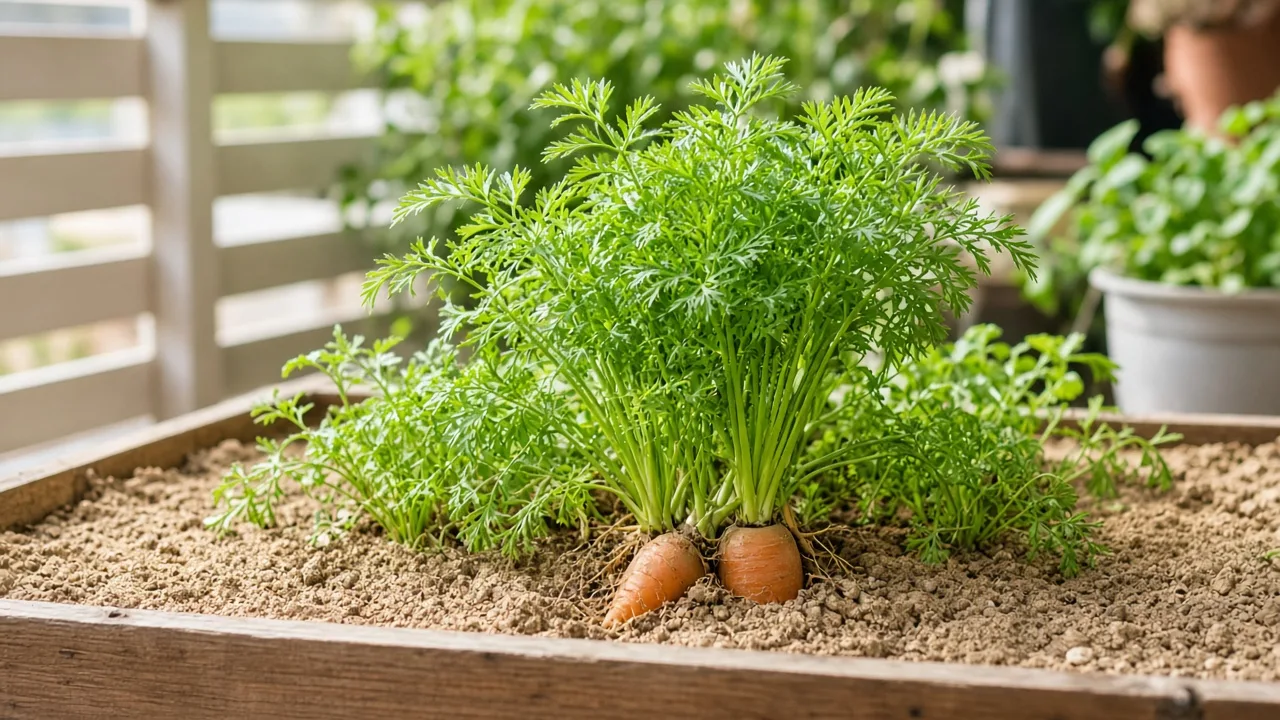
How to Propagate Carrots from Seed
How to Propagate Carrots from Seed
Garden carrot (Daucus carota var. sativa) is propagated only from seed sown where the taproot will mature. Unlike many leafy herbs, you cannot root a stem cutting, divide a crown, or plant a supermarket root and expect a full-sized carrot to form underground. The RHS growing guide is explicit that carrots should be sown directly outdoors because transplanting disturbs roots and leads to forked or distorted harvests. That single constraint drives every other decision on this page: final site selection, sowing depth, germination moisture, and how you thin without breaking neighboring taproots.
Best propagation method for Daucus carota
Direct sowing into loose, stone-free soil in full sun is the reliable propagation method for carrots. One carrot seed yields one plant and typically one main taproot when spacing, soil, and moisture cooperate. UF/IFAS Gardening Solutions describes carrots as a cool-season crop that needs a deeply loosened, obstacle-free root zone—propagation success is really seed-to-root establishment, not rooting vegetative pieces.
For how this species fits your garden overall, start with the carrot overview.
Why cuttings and root pieces do not work
Carrots are biennial taproot vegetables grown as annuals for eating. They do not produce adventitious roots from stem or leaf tissue the way a mint or coleus might. Chopping a mature root or burying pieces of harvested carrot does not regenerate a plant with a new straight taproot; any green shoots you see are drawing on stored reserves in the old root, not building a marketable carrot underground.
What regrowing a carrot top can and cannot do
Kitchen-science tutorials that suspend a carrot top in water may produce feathery leaves and, in rare long-term experiments, eventually flowers. That is not a practical propagation shortcut for roots. If flowers appear on a biennial plant and set seed, you could save seed for a future sowing—but hybrid cultivars may not breed true, and carrots need a cold period before flowering. For predictable harvests, buy fresh seed and direct sow instead of treating tops as clones.
When to sow carrot seed
Timing is about cool weather and steady soil moisture, not a single global planting date. Carrots germinate once soil warms above roughly 10°C and grow most steadily in roughly 13–24°C air temperatures, as noted in the carrot plant profile on LeafyPixels. Heat that pushes soil and air well above the mid-20s °C often stalls root filling and can worsen flavor even when tops look green.
Cool-season windows in India and similar climates
In warm Indian lowlands, sow during the cooler months when nights are mild and you can keep the seedbed evenly moist without baking the surface. At elevation or during a mild winter, you may have a longer window; on hot terraces, prioritize afternoon shade on containers and twice-daily moisture checks during the first three weeks after sowing. UF/IFAS staggers plantings through its cool season—adapt that rhythm to your local cool slot rather than copying temperate spring calendars verbatim.
Succession sowing for steady harvests
Because individual roots mature over many weeks, sow small batches every three to four weeks during your cool season so harvests do not arrive all at once. The RHS recommends regular small sowings from early spring onward in its climate; in yours, stop succession sowings once heat makes germination unreliable.
Why garden carrots resist transplanting
Carrots develop a straight taproot early. Lifting even a small seedling tears or kinks that root, and the plant often responds with branching, stunting, or slow recovery. Extension guides consistently pair carrots with direct seeding rather than module starts for this reason. If you already bought cell-pack seedlings, treat them as a rescue with minimal root disturbance—but expect forked roots and lower yield compared with an in-place sowing.
This is why the carrot repotting guide focuses on choosing the right first container depth, not moving plants between pots.
Match cultivar depth to beds or containers before you sow
Propagation fails when the final root zone is too shallow or too rocky, not when seed is “weak.” Short or round cultivars suit pots around 20 cm deep; standard types need roughly 25–30 cm of loose mix. Decide the cultivar and container before sprinkling seed so you are not fighting forked baby carrots in a shallow planter. Deeper preparation guidance lives in the carrot soil guide.
Prepare the seedbed for direct sowing
Work soil 20–30 cm deep, remove stones and clods, and rake to a fine tilth. Anything that blocks the growing tip—gravel, old roots, compacted layers—encourages forked or split roots even when germination was perfect. Moisten the bed before sowing so irrigation does not wash tiny seed into deep cracks. Avoid fresh high-nitrogen manure that favors leafy tops over root development; fertility timing is covered in the carrot fertilizer guide.
Step-by-step: direct sow carrots
- Choose the final sunny site — full sun supports stocky tops and steady root growth; see the carrot light guide if balcony shade is unavoidable.
- Mark a shallow drill — a pressed furrow helps place seed at even depth; UF/IFAS suggests using a hoe handle indent before covering seed lightly.
- Sow 6–13 mm (¼–½ in) deep — UGA extension guidance cites about ¼ inch of loose soil over seed; the RHS uses about 1 cm. Firm gently without compacting the row into a crust.
- Cover and water lightly — mist or gentle irrigation until the surface stays evenly damp, not flooded.
- Label sowing date and cultivar — slow emergence makes it easy to forget where rows are; radish markers in the same row are optional but can show row location until carrots appear.
- Plan thinning before overcrowding — crowded seedlings compete for diameter and twist around each other underground.
Spacing rows and handling tiny seed
Space rows roughly 25–40 cm (10–16 in) apart in beds, or follow packet spacing for your cultivar. Carrot seed is small and easy to over-sow; seed tape or pelleted seed can help on balconies. Utah State University extension recommends sowing seeds about an inch apart in the row, then thinning to wider final spacing after emergence.
Germination timing, temperature, and moisture
Carrot seed is notoriously slow. Plan for up to two to three weeks to emergence in cool soil, and sometimes longer if temperatures dip or the surface dries. Epic Gardening’s carrot guide summarizes extension advice that seed can be planted once soil reaches about 40°F (4°C) but germinates faster when soil is roughly 55–75°F (13–24°C); temperatures above about 80°F (27°C) reduce germination success.
The critical propagation window is moisture: do not let the top centimeters dry out until seedlings are up. UF/IFAS warns that hot, dry weather may require light irrigation every day or two during germination. After seedlings appear, shift to the deeper moisture checks in the carrot watering guide rather than constant surface soaking.
Thin seedlings by snipping, not pulling
Once seedlings reach about 8 cm tall with several true leaves, cut extras at soil level so remaining plants stand roughly 5–7.5 cm (2–3 in) apart. Pulling one seedling can break the taproot of its neighbor—the most common reason for twisted pairs underground. The RHS ties overcrowding directly to distorted roots and recommends thinning to at least 5 cm.
Aftercare from emergence to harvest size
Uniform moisture without wild wet–dry swings keeps roots smooth and reduces cracking. Most cultivars mature in about 65–75 days after sowing under good cool-season conditions, though heat or stress can extend timing. Keep weeds out while tops are small; once canopies shade the row, light mulch can help hold moisture if your climate dries quickly.
Protect young stands from slugs and persistent pests if they are problems in your area; mesh covers may be warranted where carrot fly is common, as noted in RHS pest guidance linked from their carrot page. Ongoing leaf management—not propagation—is covered in the carrot pruning guide.
Saving carrot seed at home (biennial flowering)
Carrots are biennials: they flower and set seed in the second growing season after vernalizing through cold. Leave selected healthy roots in the ground or store them cool and replant in spring, then allow umbels to mature and dry on the plant. Home-saved seed is viable when fully dry, but open-pollinated and hybrid cultivars behave differently—hybrids may not match the parent roots. Isolate varieties if you need predictable types, and never confuse garden carrot with toxic wild look-alikes when foraging foliage.
Common propagation failures and first fixes
No emergence after three weeks: soil was too hot, too dry, or crusted on top. Scratch the row gently, resow fresh seed, and cover with fine compost while keeping moisture even.
Seedlings vanished at the soil line: suspect damping-off in wet, stagnant trays or beds—improve airflow and avoid saturating the surface. Extension resources on damping-off in vegetable seedlings describe collapse at the hypocotyl when fungi attack overwatered starts.
Forked or hairy roots despite good germination: stones, fresh manure bands, or transplanting—not bad seed. Deepen and clean the root zone before the next sowing.
Stalled growth in heat: roots stop filling; provide afternoon shade on containers or wait for your next cool sowing window.
When to use this page vs other Carrot guides
Use this propagation guide for seed sowing, germination moisture, thinning technique, succession timing, and seed-saving basics. Use the carrot overview for identity, mature size, and seasonal expectations. After plants are established, move to watering, soil, light, and fertilizer for ongoing care.
Use repotting to understand why carrots stay in their first deep container, and pruning for top trimming—not for creating new plants.
Related Carrot guides
- Carrot care overview — cultivar choice, cool-season habit, and straight-root basics
- Carrot light needs — full sun for stocky seedlings and steady root growth
- Carrot watering — even moisture through slow germination and root swell
- Carrot soil — stone-free depth and mixes for taproots
- Carrot fertilizer — avoiding lush tops at the expense of roots
- Carrot repotting — final container depth instead of transplanting
Conclusion
Propagate carrots by direct sowing sound seed into a loose, stone-free root zone in cool weather, then guard the seedbed moisture until slow seedlings emerge. Thin by snipping, never yank neighbors, and match cultivar length to pot or bed depth before you sow. Cuttings, root chunks, and kitchen-top experiments do not replace seed for edible roots; save seed only if you accept biennial flowering and possible hybrid variability. When germination or spacing goes wrong, fix the seedbed and resow in the next cool window rather than transplanting stressed seedlings.
Related tool
Try the Propagation Success Calculator with carrot pre-selected to estimate needs for your setup.