Citronella Propagation: Divide Clumps for New Plants
Citronella Propagation: Divide Clumps for New Plants
Citronella Propagation: Divide Clumps for New Plants
Propagating citronella (Cymbopogon nardus) is a grass job, not a soft-herb job. This clumping tropical grass multiplies from the crown: each usable piece needs living roots plus active green tillers at the base. Slice a fountain clump correctly in warm weather and you can fill several pots in an afternoon. Stick bare blade tips in water like a basil cutting and you usually get rot, not a plant.
This guide covers when to divide citronella in Indian and similar tropical climates, how large each section should be, what to do with seed or cuttings, and how to nurse fresh divisions through the first weeks. Use it when you want more plants from a healthy parent—not when you need a full citronella overview.
Why Citronella Propagates Best by Clump Division
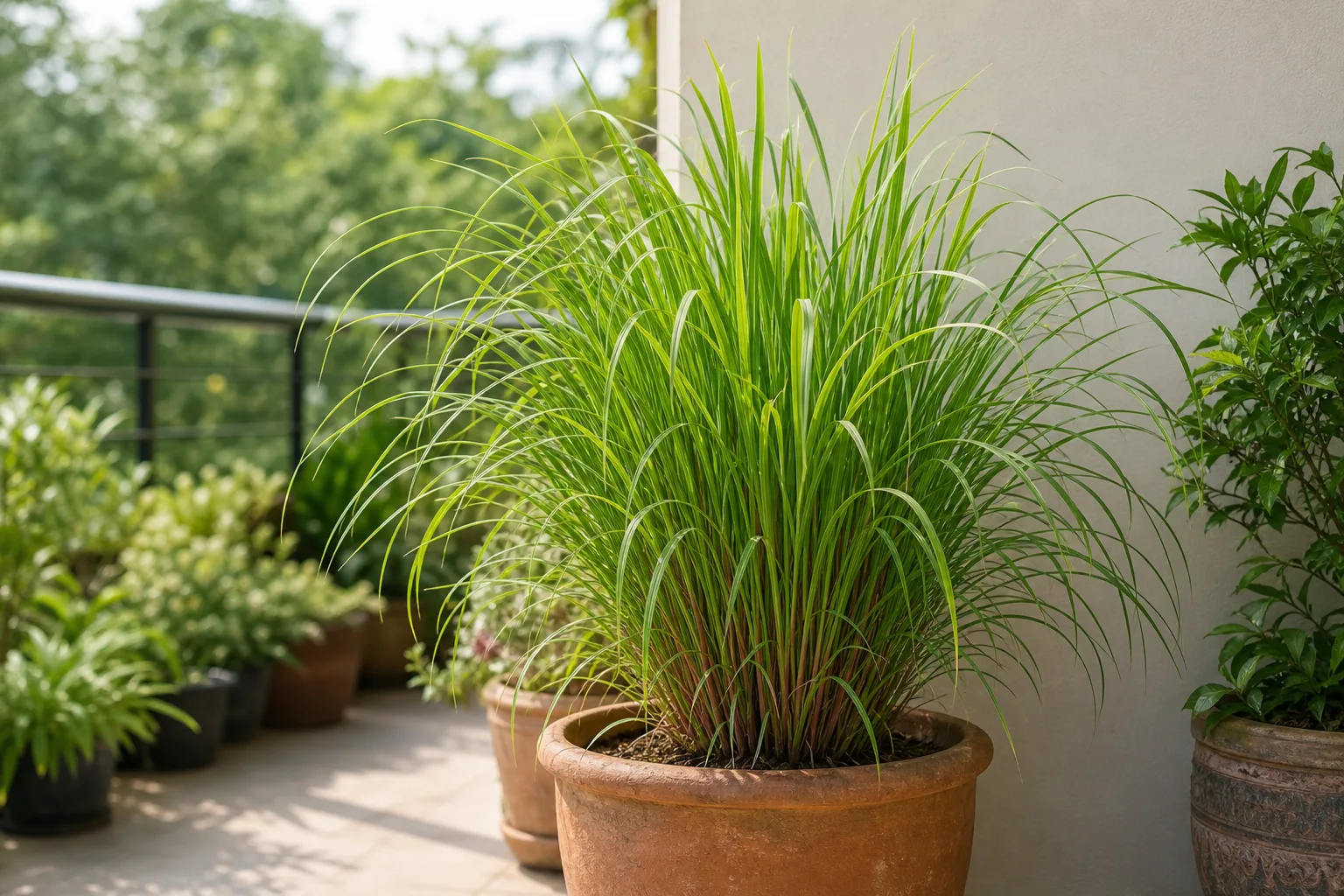
Citronella grass is a tufted perennial in the grass family (Poaceae). New shoots (tillers) rise from a fibrous crown rather than from long, easy-to-root aerial stems. Horticultural profiles list seed, cutting, or division as possible routes, but for home growers the dependable path is division of an established clump. (Gardenia)
That matches how related Cymbopogon species are handled. University of Wisconsin Extension notes that culinary lemongrass is propagated by root or plant division, and it also identifies related citronella grass (C. nardus) as the commercial citronella-oil species—same genus, same tillering habit. (Wisconsin Horticulture)
The Royal Horticultural Society groups warm-climate ornamental grasses as plants that are best divided in late spring, once growth is moving, and recommends keeping divisions as large as practical so each piece can re-establish quickly. (RHS ornamental grasses: dividing) Citronella fits that warm-climate pattern: it wants heat and full sun, and tiny, root-poor wedges stall or rot.
Mature clumps are large. Expect roughly 150–240 cm tall and 90–150 cm wide in good outdoor conditions, which is why container growers often divide before the root mass cracks the pot. (Gardenia) Success looks like firm new tillers and a strong citrus-camphor scent when you crush a blade—not edible kitchen stalks.
How Citronella Differs From Culinary Lemongrass
Confirm the parent before you multiply it. Citronella grass (Cymbopogon nardus, also called Ceylon citronella) is grown for aromatic foliage and distilled oil. Culinary lemongrass (Cymbopogon citratus) is the kitchen species. Java citronella (Cymbopogon winterianus) is another oil grass sometimes sold nearby. Wisconsin Extension explicitly separates related citronella grass (C. nardus) from the lemongrass species used for cooking. (Wisconsin Horticulture)
Also watch for scented geraniums marketed as “mosquito plants.” Those are a different genus. Propagating the wrong plant wastes a season and spreads nursery confusion. Crush a leaf: true citronella grass smells sharp lemon-camphor; culinary lemongrass is softer lemon; geraniums smell floral-lemon and have broad, lobed leaves, not a fountain of narrow blades.
Best Time to Propagate Citronella in India
Divide in spring to early summer once nights stay warm—typically March through June in most of India, earlier in consistently hot coastal zones, later if a cool spell is lingering. Warm-climate grasses should not be split while they are still cold-stalled; RHS timing for warm-climate grasses is late spring, after growth resumes. (RHS ornamental grasses: dividing)
Avoid hard division in peak monsoon sogginess if pots sit waterlogged, and avoid winter or cool-night splits. Citronella prefers roughly 21–35°C active growth [Flagged: no authoritative source found for this exact temperature band] and does not tolerate frost; profiles place it in warm hardiness bands and note it will not take temperatures below freezing. (Gardenia) Cool, wet crowns after division are the fastest path to soft rot.
If the parent plant is stressed—yellow blades from the base, sour-smelling mix, or a shaded, floppy clump—fix light and watering first. Propagating a failing crown multiplies problems.
How to Divide a Healthy Citronella Clump
Treat division like a short surgery: work in shade, keep roots from drying, and replant the same day. RHS perennial-division guidance applies cleanly here—lift carefully, split into sections with healthy shoots, and water in afterward. (RHS perennials: dividing)
Tools, Parent Plant Prep, and Section Size
Water the parent lightly the day before so the root ball holds together without being muddy. Wear gloves; grass blades can nick skin. You need a sharp spade or knife, clean pots with drainage holes, and a sandy-loamy mix that matches adult citronella soil needs (fast drainage, not heavy compost brick).
Aim for sections that each include several active green tillers plus a solid wedge of roots. RHS grass advice is to keep divisions as large as possible; pieces larger than about 12.5 cm across can often go straight into garden soil or a full pot, while smaller pieces are better potted up to bulk first. (RHS ornamental grasses: dividing) For citronella, prefer fist-sized or larger crowns over single thin shoots.
Discard dead brown centers, mushy black roots, and any section that smells sour. One strong division beats three weak ones.
Step-by-Step Division and Replanting
- Tip the pot or dig around an in-ground clump and lift the root mass. Shake or rinse enough mix to see the crown.
- Insert two forks back-to-back, or cut straight through with a spade or knife, as RHS describes for fibrous clumps. (RHS ornamental grasses: dividing)
- Trim shredded outer roots and cut tall blades back by about one-third so each section loses less water while roots recover.
- Pot each piece at the same crown depth it had before—never bury the growing points under extra centimeters of mix. Use a wide pot; citronella expands laterally.
- Water thoroughly once, then set the pots in bright light that builds toward full sun over several days. Do not leave newly cut crowns in deep shade with wet feet.
If you are also refreshing a crowded parent, combine this work with repotting rather than splitting and then changing soil again two weeks later.
Can You Propagate Citronella From Seed or Cuttings?
Yes on paper, rarely as a first choice at home. Gardenia lists seed and cuttings alongside division, but does not rank them for reliability. (Gardenia) For cultivated oil-type clumps, seed is often slow or uneven, and bare blade cuttings lack the basal plate that related Cymbopogon need to root well.
When Seed Is Worth Trying
Try seed if you want genetic variety, are growing outdoors in a warm region, or cannot obtain a parent clump. Use fresh seed, a sterile or clean seed mix, warm temperatures, and bright light. Sow thinly—crowded trays invite damping-off. NC State Extension explains that damping-off fungi attack germinating seed and seedlings especially under poor drainage, thick stands, and unfavorable moisture, and that prevention (clean trays, good drainage, proper density, rapid emergence) beats rescue sprays. (NC State Extension)
Expect a longer wait than division. If nothing useful emerges after several weeks in warm conditions, switch to buying or borrowing a clump to divide.
Why Bare Stem Cuttings Often Fail
Citronella is not a houseplant stem that roots from a mid-blade node. Related lemongrass roots when enough of the basal root plate remains on a tiller; Wisconsin Extension notes grocery stems can root in two to three weeks only if that base is intact. (Wisconsin Horticulture) Floating leaf tips without a crown usually ferment.
If you experiment with single tillers, take them with roots attached from the outer edge of a clump—essentially mini-divisions—not mid-leaf snips. Skip closed water jars for long periods; stagnant water plus warm rooms favor soft rot at the cut.
Aftercare for Fresh Divisions
The first two to three weeks decide whether a division settles or collapses. Keep the mix evenly moist but never swampy at the crown. Water when the top couple of centimeters begin to dry, using the same logic as the watering guide, then ease toward the adult rhythm as new tillers push.
Place pots where they receive strong light. Citronella wants full sun for dense clumps; deep shade after division produces pale, floppy growth that stays wet too long. Native-range and tropical profiles describe southeast Asian origin and a preference for full sun with regular watering that still allows slight dry-down between drinks. (TopTropicals)
Hold fertilizer for three to four weeks. Soft new roots burn easily; resume light feeding only after you see steady new blades, following the fertilizer guide. Do not stack division, hard pruning, and heavy feeding on the same day.
Keep divided plants out of reach of pets. ASPCA lists Cymbopogon species (including lemongrass) as toxic to cats and dogs. (ASPCA) Fresh divisions smell strongly when cut—curiosity risk goes up, not down.
Common Propagation Failures and First Fixes
Soft, sour crown within days usually means overwatering, heavy mix, or cool nights after a cut. Unpot, trim mush, move into brighter light and faster-draining mix, and water less often.
No new tillers for a month in heat often means the section was too small, roots were shredded, or light is too weak. Next time keep larger wedges and finish in full sun after a short hardening period.
Collapsed seedlings in a seed tray points to damping-off or abiotic stress. Thin the stand, improve airflow, reduce watering frequency, and use clean media—NC State’s prevention list is the playbook. (NC State Extension)
Yellow outer blades after a correct split can be normal transplant shock for a week or two if the crown stays firm. Remove only clearly dead tissue; do not keep cutting live green tillers just to “tidy” the pot.
When to use this page vs other Citronella guides
Use this page when your goal is more plants from an existing clump. Switch to watering if crowns are already soft before you divide. Use soil when the mix stays wet for days. Use light when clumps look pale and floppy in shade. Use repotting when the parent is root-bound but you only want one refreshed plant, not several. Use overview for identity, placement, and mosquito-plant expectations.
Related Citronella guides
- Citronella overview — identity, growth habit, and realistic uses
- Citronella light — full-sun placement for dense tillers
- Citronella watering — moisture rhythm that protects crowns
- Citronella soil — fast-draining mix for divisions and adults
- Citronella repotting — when to upsize versus split
- Citronella fertilizer — when to resume feeding after division
Conclusion
The reliable way to propagate citronella (Cymbopogon nardus) is spring or early-summer clump division: cut large sections with roots and green tillers, pot them at the original crown depth in fast-draining mix, and keep them warm, bright, and only lightly moist until new growth appears. Treat seed as a slow experiment and bare blade cuttings as a low-odds trial. Get the parent healthy first, divide generously, and you will fill pots faster than any herb-cutting myth promises.