Custard Apple Repotting: When & How
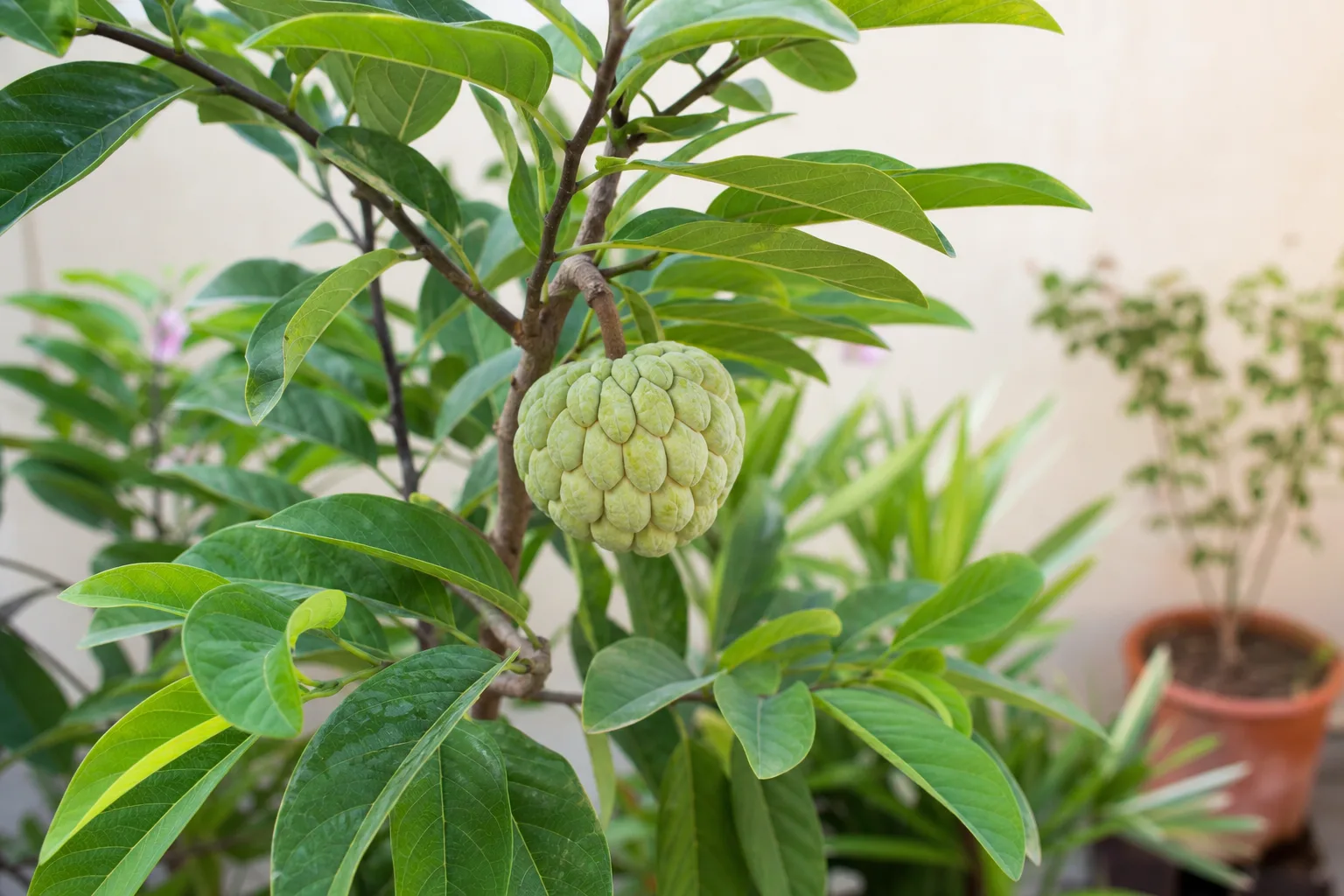
Custard Apple Repotting: When & How
Custard Apple Repotting: When & How
Repotting Custard Apple (Annona squamosa) — Sitaphal, sugar apple, or sweetsop — is a drainage and root-health job, not a race to the biggest tub on the terrace. This small tropical fruit tree is shallow-rooted and intolerant of waterlogging, so a move that leaves the root ball sitting in soggy, oversized mix can do more harm than a tight pot that still drains. The goal is to refresh tired soil, correct circling roots, and give young trees modest room to grow while keeping the root zone airy.
This guide covers timing, pot choice, mix, step-by-step technique, and calm aftercare for container Sitaphal in India and similar warm climates. If your tree is drying out in a day, rocking in the wind, or stalling despite full sun and sensible watering, start here before you add fertilizer or cut hard.
Why Custard Apple Repotting Is Not Houseplant Autopilot
Most houseplant advice assumes a bigger pot always helps. Custard Apple breaks that habit for a different reason than figs: it does not need a deep soil profile, and it declines quickly when drainage fails. Julia Morton notes that sugar apple performs on sand, limestone, and heavy loam when drainage is reliable, but prolonged saturation is intolerable. UF/IFAS reports that flooding for as little as 7 to 10 days can lead to root rot and plant death, with yellowing, wilting, dieback, and collapse as early warning signs.
So you repot to restore structure and oxygen in the root zone — not to bury a shallow-rooted tree in a deep, water-holding reservoir. A productive container tree in free-draining mix that still holds moisture through hot afternoons may only need top-dressing. A tree in collapsed peat, circling roots, or a pot without clear drainage needs action even if the canopy still looks acceptable.
Shallow Roots, High Flood Sensitivity
Morton describes the tree as shallow-rooted without needing deep soil. UF/IFAS adds that sugar apple has a relatively shallow and weak root system, which helps explain why top-heavy pots tip in wind and why waterlogged lower layers kill roots before the surface looks dry. Useful Tropical Plants summarizes the preferred container-friendly profile as moist but well-drained sandy loam near pH 6, with success on rocky alkaline soils toward pH 8 when structure stays open.
That biology drives every potting choice: prefer width and drainage over extreme depth, keep holes clear, and never leave the saucer full after a deep soak. Pair this page with the Custard Apple soil guide when you are redesigning the mix rather than only changing containers.
Signs Your Custard Apple Needs a Fresh Pot
Check the root ball once a year in late winter or early spring — even in years you decide not to upsize. Healthy active roots are firm and pale; sour smell, black mush, or a solid mat of circling roots means the current setup has failed.
Repot or refresh when several of these stack up: roots circling densely or exiting drainage holes; the pot drying within a day in warm weather despite normal watering; the tree becoming unstable or top-heavy; growth stalling despite full sun and appropriate water; water running straight through without wetting the center of the ball; yellowing leaves while the mix stays wet after rains. Nursery plants sold root-bound in small containers — UF/IFAS warns against large trees jammed in small pots with taproots circling the edge — should be freed and planted or pot-shifted promptly once you bring them home.
One stalled flush alone is not enough; rule out deep shade, cool snaps, and chronic overwatering first via the overview and light guides.
Best Season to Repot Sitaphal
Time the job for spring as warm active growth resumes and sap is rising — typically February through April in much of India, depending on your local heat wave. That window matches Morton’s culture note that judicious pruning belongs in spring when sap rises; the same logic favors root work while the canopy is waking, not while fruit is swelling or the tree is shedding leaves into a dry rest.
Avoid full midday summer heat transplants and avoid shifting a heavily fruiting tree mid-crop unless the pot is cracked or roots are clearly rotting. During monsoon, only repot if drainage has already failed and you can stage the plant under cover so new mix is not kept saturated for days. When the canopy is mostly leafless in a cool or dry rest, UF/IFAS advises reducing or stopping irrigation on dormant trees — that is a poor moment for a wet, stressful pot change unless you are correcting active rot.
If you must delay, top-dress with compost and wait for the next spring flush rather than forcing a midsummer move.
Choosing Pot Size and Material
Young nursery Sitaphal often arrive in roughly 3-gallon containers (about 11 L) at 2–4 ft tall. Move up one pot size at a time — about 5 cm (2 in) wider than the current pot for small containers, in line with general RHS potting step-up advice — rather than jumping into a half-barrel that stays wet in the core. Final terrace size for a managed fruiting tree is often a 40–50 cm wide, sturdy tub; unpruned trees can reach about 3–6 m (10–20 ft), so plan pruning and pot weight together.
Drainage holes are non-negotiable. Use a heavy pot base for wind stability — UF/IFAS notes toppling risk with the shallow root system — and raise pots on feet so water exits freely. Terracotta dries faster if you tend to overwater; thick plastic or fiber composites are lighter to move but need stricter finger-checks after monsoon rains. Never leave the tree in a solid decorative cachepot without a drain path.
When to Stop Upsizing and Root-Prune
Once the container is as large as you can safely move or your balcony will allow, stop chasing bigger pots. Every 2–3 years, slide the tree out, refresh the mix, and lightly root-prune circling mats while the plant stays in the same footprint. Young trees benefit from a fuller upsize every 1–2 years; mature specimens live longer in a fixed tub with soil refresh than in an oversized, soggy reservoir.
Trim only the outer 1–3 cm of matted roots and any soft, black sections. Match a heavy root trim with modest canopy reduction later through the pruning guide — do not stack hard structural cuts, a bare-root shock, and harsh afternoon sun in the same week.
Soil Mix for Repotting Custard Apple
Aim for moist but freely draining media. A practical container blend aligned with this plant’s profile:
- 50% quality potting mix or sandy loam
- 25% mature compost
- 25% coarse perlite, grit, or pine bark
That structure echoes Useful Tropical Plants’ sandy loam preference and Morton’s requirement for reliable drainage across soil types. Target roughly pH 5.5–7.5, knowing alkaline rocky soils toward pH 8 can work when air spaces remain. Skip straight heavy garden clay and skip pure peat that collapses into a sponge after one monsoon.
Do not plant on a buried compost “plug” under the root ball; UF/IFAS planting guidance for sugar apple is to keep the nursery soil line level with or slightly above the surrounding grade and mix amendments into backfill rather than creating a perched wet layer. Full mix details live in the soil guide.
Step-by-Step: How to Repot Annona squamosa
Work outdoors on a tarp. Wear gloves when handling soil that may contain crushed seeds from fallen fruit — Morton records seeds as acrid and poisonous, and seed powder is an eye irritant.
Prep, Lift, and Inspect Roots
Water the tree one to two days before so the ball holds together without dripping. Gather the new pot (or cleaned same pot), fresh mix, clean pruners, and a stake if the canopy is tall. Tip the pot and slide the root ball out; run a knife around the rim if it sticks — never yank by the trunk. Tease circling roots outward. Cut black, slimy sections back to firm tissue. Inspect for soft scale and mealybugs on stems while the canopy is accessible.
Set Depth and Settle the Mix
Add a base layer of fresh mix — no gravel “drainage layer” that creates a perched water table. Set the tree so the previous soil line sits slightly below the rim, leaving watering space, with the top of the old ball level with or just above the new surface. Fill in stages, firming lightly with knuckles to remove large air pockets without compacting the mix into concrete. Water thoroughly once to settle, then top up any sinkholes. Stake loosely only if the tree wobbles; remove the stake once new roots anchor.
If you are moving a nursery plant into the ground instead of a pot, follow the same depth rule and choose a site that does not flood after summer rains, in full sun with room for the crown.
Post-Repot Care for the First Month
Keep the plant in full brightness with afternoon shade for three to seven days if you repotted into a heat wave, then return it to the open sun Custard Apple needs. Water when the top 3–5 cm of mix dries, then soak until excess drains and empty the saucer — the same logic as everyday Custard Apple watering, but expect slightly faster drying while roots explore new mix.
Hold fertilizer until you see a clear flush of new leaves, usually two to three weeks. Jumping into a heavy feed on damaged roots invites burn; when you resume, follow the fertilizer guide. Mild leaf droop for a few days is common. Persistent wilt with wet soil means you overwatered or drainage failed — pause irrigation and confirm holes are open. Do not expect a full fruit crop the same season after a hard root prune; prioritize canopy recovery.
When Not to Repot
Skip or postpone when fruit is actively sizing on a healthy tree; when midday temperatures are extreme and you cannot shade the plant; when the mix is already waterlogged from monsoon and you cannot stage a covered recovery; when you plan major structural pruning the same week; and when the only “problem” is slow winter growth during natural leaf fall. Top-dress and wait for spring if the roots still look healthy when you check them.
When to Use This Page vs Other Custard Apple Guides
Use this page for container timing, pot size, root inspection, and post-move recovery. Use watering when the question is how often to irrigate between pot changes. Use soil when you need a deeper mix recipe or pH troubleshooting. Use pruning for canopy size control after the roots settle. Use propagation when you are starting seedlings or grafts rather than shifting an established tree. Use the overview for habit, sun, and first-month setup.
Related Custard Apple Guides
- Custard Apple overview — identity, climate fit, and first-month priorities
- Custard Apple watering — finger-test depth and seasonal irrigation
- Custard Apple soil — mix ratios, drainage, and pH
- Custard Apple light — full-sun placement after recovery
- Custard Apple fertilizer — when to resume feeding after repotting
- Custard Apple pruning — spring cuts once roots re-anchor
- Custard Apple propagation — seedlings, grafts, and potting up new plants
- Custard Apple plant hub — profile summary and care cluster
Conclusion
Repot Custard Apple to keep its shallow root zone draining and oxygenated, not to force deep, wet soil. Work in spring as growth resumes, upsize young trees modestly every 1–2 years, and switch to same-pot refreshes with light root pruning every 2–3 years once the tub is at final size. Use a sandy, open mix, plant at the old soil line, water only when the top few centimeters dry, and separate hard pruning from the transplant week. Done that way, Sitaphal recovers into the next flush instead of sliding into flood stress.