Dragon Fruit Fertilizer: NPK, Schedule & Tips
Dragon Fruit Fertilizer: NPK, Schedule & Tips
Dragon Fruit Fertilizer: NPK, Schedule & Tips
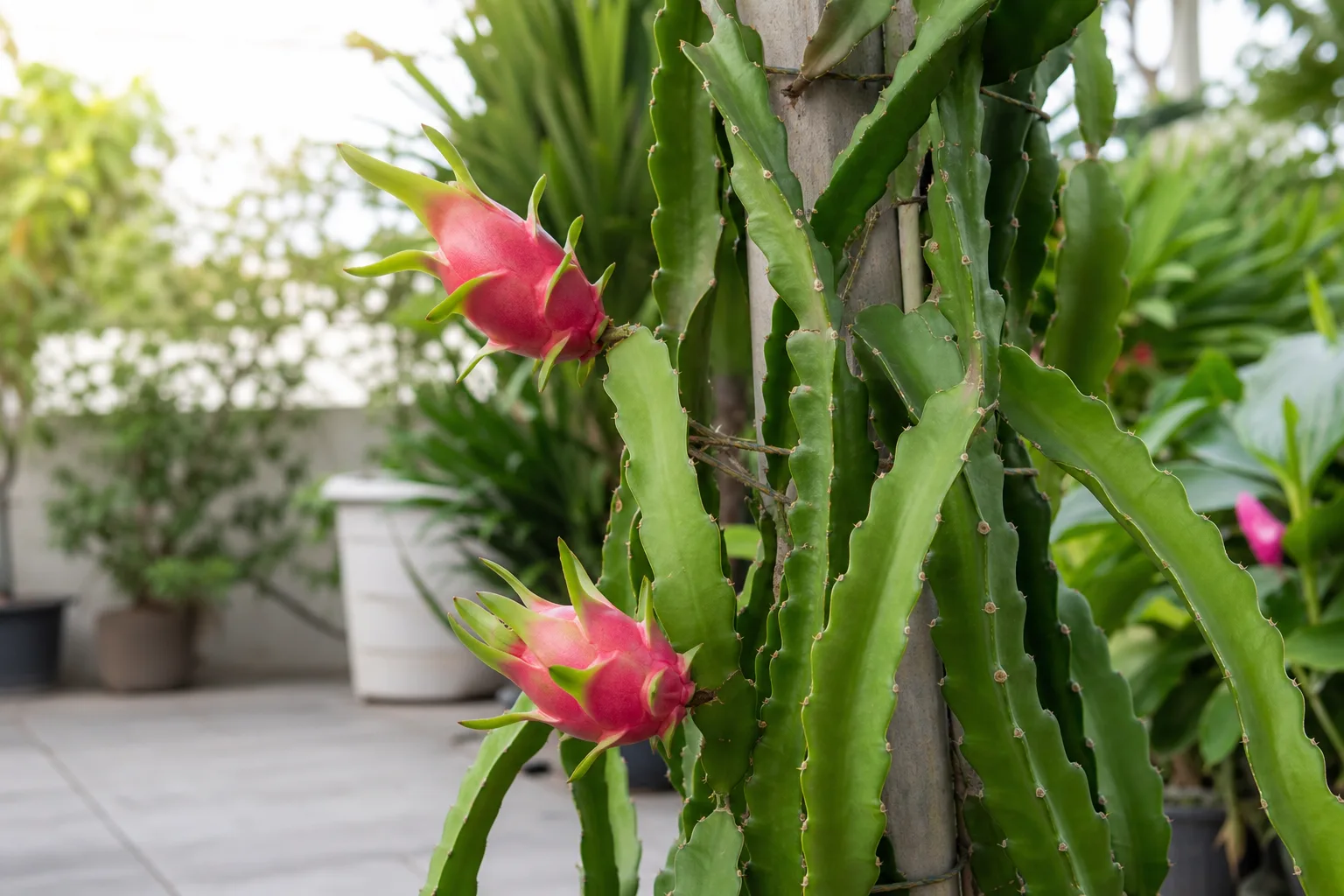
Dragon fruit fertilizer is less about “cactus food once a year” and more about steady, light nutrition while a climbing cactus is building stems, then flowers, then fruit. Selenicereus undatus (still widely sold and discussed as Hylocereus undatus, and commonly called pitaya or dragonfruit) is a fast-growing, night-blooming member of the cactus family that sprawls or climbs on trees, rocks, or a home trellis. NC State Extension notes that it prefers bright sun, well-drained loam or cactus mix, and that you should fertilize only during the growing season (NC State Extension – Selenicereus undatus). University of Florida IFAS goes further for home landscapes: wait about a month after planting, then feed on a light, frequent schedule with balanced or “palm special” NPK formulas plus organic matter and micronutrients (UF/IFAS – Pitaya Growing in the Florida Home Landscape).
That combination is the core of this guide. Dragon fruit is a cactus, so soggy roots and heavy winter feeds are still risky. It is also a fruiting vine with extensive stem growth, so lean desert neglect often produces weak, pale growth and sparse flowering. Feed while the plant is actively growing, match the rate to pot size or plant age, keep salts from building up, and fix Dragon Fruit watering and Dragon Fruit soil problems before you reach for a stronger fertilizer.
Why Dragon Fruit Needs Active-Season Feeding
Dragon fruit stores water in fleshy three-angled stems, but it does not store unlimited nitrogen, potassium, magnesium, and micronutrients for endless stem extension and fruit set. In habitat and commercial plantings it behaves like a vigorous climbing cactus: new stems thicken, branch, and eventually produce large nocturnal flowers and heavy fruit. UF/IFAS describes pitayas as fast growing with extensive growth, adapted to a wide range of soils if drainage is good, and thriving where soils are high in organic matter or where manure is added (UF/IFAS pitaya fertilizer and culture guidance).
In a home setting that biology shows up as two common failures. Underfed plants in depleted pots push thin, pale stems and stall before flowering. Overfed plants, especially in small containers or next to heavily fertilized lawns, can show tip burn, salt crust, and poorer fruiting. UF/IFAS specifically warns that heavy fertilization of lawn next to mature pitaya plants is not recommended because it may reduce fruiting or fruit quality. Fertilizer supports growth; it cannot replace bright light, a draining mix, or a dry-down rhythm that keeps roots oxygenated.
For India and similar tropical climates, treat the warm monsoon and post-monsoon months as the main feeding window, and treat cooler, shorter-day winter months as a taper or pause unless the vine is still pushing strong new stems under warm protected conditions. Pair feeding with the Dragon Fruit light the plant actually receives — a shaded balcony vine uses nutrients more slowly than a full-sun trellis plant.
When to Fertilize Dragon Fruit
Timing follows growth, not a marketing label on the bottle. Start only after new growth appears, stop or sharply reduce when stems go quiet, and never use fertilizer as a rescue for a soft, yellowing vine sitting in wet mix.
Year-One Establishment Schedule
UF/IFAS recommends waiting about one month after planting, or until plants begin to grow, before the first fertilizer application. In year one, fertilize every two months with light applications of about 0.25 lb (118 g) per plant using a 6-6-6, 8-3-9, or 8-4-12 (palm special) with 2%–3% magnesium, or a similar formula. Add about 4 lb (1.2 kg) of well-decomposed manure or compost around the base — not touching the stem — during the first year, and apply 4–6 minor-element sprays from late March through September in Florida’s calendar (warm-season equivalent elsewhere). High-pH calcareous soils may need chelated iron drenches; neutral to low-pH soils may need small amounts of ferrous sulfate instead (UF/IFAS HS303 fertilizer section).
For a newly rooted cutting in a pot, translate that advice: wait until you see firm new stem tips, then use a dilute liquid feed rather than dumping a full landscape dose into a 10–20 liter container. The principle is the same — light, frequent, and only after growth starts.
Years Two Through Maturity
In years two and three, UF/IFAS gradually raises dry fertilizer to about 0.3–0.4 lb (136–182 g) per plant every two months, increases manure or compost toward about 6 lb (2.7 kg) per plant, keeps the same minor-element spray count, and raises iron chelate soil drenches to about 0.75–1.00 oz (22–29 g) per plant where high-pH soils require them. From year four onward, apply about 0.50–0.75 lb (227–341 g) of the same NPK formulas three to four times per year, with manure or compost at about 5 lb (2.2 kg) twice per year, plus the same micronutrient and iron program (UF/IFAS cultural calendar for pitaya).
Their Florida home-landscape calendar spaces general NPK applications through the year on an every-other-month pattern (for example February, April, June, August, October, December), with micronutrient sprays concentrated in the warm months. Use that as a template, then adjust for your monsoon: front-load feeds during warm active growth, and skip calendar doses when the vine is not using water or producing new stems.
Cool-Season Pause and Monsoon Adjustments
NC State’s species profile is blunt: fertilize only during the growing season, reduce watering in winter without letting the plant go bone-dry for long stretches, and keep drainage excellent (NC State dragon fruit culture notes). In northern India winters, coastal dry spells, or cool hill nights, unused fertilizer salts stay in the root zone while growth slows — a classic path to tip burn. Pause synthetic feeds when nights are cool and stems are static. Resume when warm weather and longer days restart tip growth.
During heavy monsoon weeks, prioritize drainage and disease prevention over extra nitrogen. Dragon fruit needs moisture for flowering and fruit fill, but excessive soil moisture raises bacterial and fungal disease risk. If the mix stays wet for days, skip fertilizer until the root zone can breathe again, and review your Dragon Fruit watering rhythm before the next feed.
Best NPK Formulas for Dragon Fruit
You do not need a mystery “dragon fruit only” product. UF/IFAS’s recommended landscape formulas — 6-6-6, 8-3-9, or 8-4-12 with 2%–3% magnesium — tell you what the plant actually wants: balanced to moderate nitrogen, enough phosphorus for establishment and flowering, solid potassium, and magnesium support. Palm-special style blends often fit because they already carry magnesium and a fruiting-friendly NPK balance.
Clemson Extension’s fertilizer primer is useful context for any crop: choose the right nutrient, apply the right amount, at the right time, in the right place, ideally guided by a soil test, because excess nitrogen and phosphorus can harm plants and water quality when they are not taken up (Clemson HGIC – Fertilizer). For dragon fruit, that means matching IFAS-style rates to plant size, not pouring lawn fertilizer into the root zone “for faster fruit.”
If you only find a balanced houseplant liquid such as 10-10-10 or 20-20-20 for containers, use it at half label strength during active growth rather than full-strength weekly feeding. Prefer formulas that include magnesium when stems look chlorotic between veins despite correct watering. Avoid chronically high-nitrogen lawn feeds that push soft stem mass at the expense of flowering.
Compost and Well-Decomposed Manure
Organic matter is not optional decoration for this crop. UF/IFAS repeatedly ties pitaya performance to soils high in organic matter and to scheduled additions of well-decomposed manure or compost around the plant base, kept off the stem. Fresh, hot manure can burn tissue and invite rot at the collar, so only use material that is fully composted and crumbly. In Indian home gardens, well-rotted farmyard manure, vermicompost, or mature compost can supply a slow nutrient base between synthetic applications — especially helpful in sandy or repeatedly watered pots where nutrients leach quickly.
Refresh organic matter when you refresh the mix at Dragon Fruit repotting time, and keep mulch a short distance from the stem so the collar stays dry.
Micronutrient Sprays, Magnesium, and Iron
UF/IFAS recommends 4–6 minor-element sprays during the warm season, with nutritional sprays that include manganese, zinc, and other micronutrients, plus magnesium in the dry NPK program. Iron is handled separately by soil chemistry: chelated iron soil drenches for high-pH calcareous soils, and ferrous (iron) sulfate in small amounts for neutral to low-pH soils, applied in the rainy warm season when uptake is better (UF/IFAS HS303).
Interveinal yellowing on new growth while veins stay greener can point toward iron or related micronutrient issues in alkaline mixes — common in some Indian tap-water and builder’s-sand setups. Confirm drainage and root health first; then correct with the appropriate iron source rather than doubling nitrogen.
Fertilizing Dragon Fruit in Pots and Balcony Planters
Most LeafyPixels readers grow dragon fruit in containers, grow bags, or raised beds rather than Florida in-ground plantings. The UF/IFAS gram rates are landscape benchmarks, not a license to dump 100+ grams of granular fertilizer into a 12-inch pot. In containers, nutrients leave faster with drainage, but salt injury also arrives faster because roots cannot escape the pot.
Use a well-draining cactus or orchid-bark-amended mix, a pot with real drainage holes, and a feeding schedule that tracks new stem growth. A practical container starting point during warm active months is a half-strength balanced or fruiting liquid fertilizer every four to six weeks, plus a thin top-dress of compost two to three times a year. Increase frequency slightly for large fruiting plants in full sun that dry and leach quickly; decrease for shaded or cool rooms. If you use slow-release granules, choose a light rate and still watch for white crust on the surface.
Dilution and Application Technique
Water the plant so the mix is lightly moist before feeding. Apply fertilizer solution evenly across the surface until a little drains out, then empty the saucer. Never fertilize a bone-dry root ball — concentrated salts hit thirsty roots hardest. Never leave the pot standing in fertilizer runoff. If the surface shows white crust or the plant shows tip burn, flush with plain water several times and pause feeds for several weeks.
NC State’s soils and plant nutrients handbook reminds gardeners that plants need a balanced supply of mineral nutrients and that excesses create as many problems as shortages (NC State Extension Gardener Handbook – Soils and Plant Nutrients). In a pot, “balanced” usually means dilute, periodic, and paired with occasional leaching — not constant full-strength feeding.
Reading Deficiency Versus Fertilizer Burn
Pale new stems, slow tip growth, and poor flowering after you have already fixed light and water often mean the plant is underfed or sitting in exhausted mix. Older stems may stay firm while new growth looks thin and washed out. That pattern calls for a measured resume of the active-season program above, or a soil refresh if the mix is compacted and hydrophobic.
Fertilizer burn and salt stress look different. Watch for crispy brown stem edges or tips, white crust on the mix surface, wilt despite moist soil, and stalled growth after recent strong feeds. University extension guidance on fertilizer use emphasizes applying the correct amount for the crop and situation rather than “more equals greener” (NC State fertilizer use overview). For a container dragon fruit, first action is simple: stop fertilizing, flush the pot thoroughly with plain water, improve drainage if needed, and wait for new healthy tip growth before any half-strength feed.
Do not confuse disease or chronic wet feet with “needs more food.” Soft, yellowing stems in a heavy pot are a watering and aeration problem first. Sort that with the watering and soil guides before adding NPK.
Mistakes That Reduce Flowering and Fruit Quality
The most expensive mistakes are usually enthusiastic ones. Feeding a newly planted or newly cut plant before roots take hold wastes fertilizer and stresses tissue. Using high-nitrogen lawn fertilizer near the vine can reduce fruiting quality even when stems look lush. Feeding through a cool rest period builds salts. Feeding a dry pot burns roots. Stacking fertilizer, hard pruning, and repotting in the same week hides which stress actually hurt the plant.
Another subtle mistake is expecting fertilizer to force flowers in weak light. Dragon fruit needs strong sun and a sensible water rhythm to bloom; nutrients support that process but do not replace it. If stems are healthy yet flowerless, check light, season, and pruning before increasing NPK. For shape and flowering-related cuts, use the Dragon Fruit pruning guide rather than another round of bloom booster.
When to Use This Page vs Other Dragon Fruit Guides
Use this page when your question is about what to feed, when to feed, which NPK to choose, how to scale landscape rates for pots, or how to tell burn from hunger. Stay here for first-year versus mature schedules, manure and micronutrient notes, and monsoon or cool-season pauses.
Switch to Dragon Fruit watering if the mix stays wet, stems soften, or you are unsure when the root zone is dry enough to fertilize safely. Use Dragon Fruit soil when drainage, pH, or mix structure is the real limiter. Use Dragon Fruit light when pale thin growth is really a shade problem. Use Dragon Fruit repotting when the pot is exhausted, rootbound, or crusted with salts that flushing cannot fix. Use the Dragon Fruit overview when you need the whole care picture before specializing.
Related Dragon Fruit Guides
- Dragon Fruit care overview — hub profile and where each care topic fits
- Dragon Fruit overview guide — growth habit and baseline care summary
- Dragon Fruit watering — dry-down rhythm before and after feeding
- Dragon Fruit soil — drainage, organic matter, and mix structure
- Dragon Fruit light — sun levels that drive nutrient use and flowering
- Dragon Fruit repotting — refreshing depleted or salt-loaded pots
- Dragon Fruit propagation — aftercare for cuttings before first feeds
- Dragon Fruit pruning — canopy management that supports flowering
Conclusion
Feed dragon fruit like the vigorous fruiting cactus it is: wait for growth after planting, use light frequent applications in year one, scale up through maturity, and pause when the vine rests. UF/IFAS’s 6-6-6 / 8-3-9 / 8-4-12-with-magnesium program, plus compost or well-decomposed manure and warm-season micronutrients, is the clearest extension-backed template for ground plants. In pots, keep the same chemistry and seasonality but cut the dose, dilute liquids to half strength, and flush at the first sign of salt stress. Get light, water, and soil right first — then fertilizer becomes the quiet support that turns healthy stems into flowers and fruit rather than another way to burn a climbing cactus.