Oregano Pruning Guide: When and Where to Cut
Oregano Pruning Guide: When and Where to Cut
Oregano Pruning Guide: When and Where to Cut
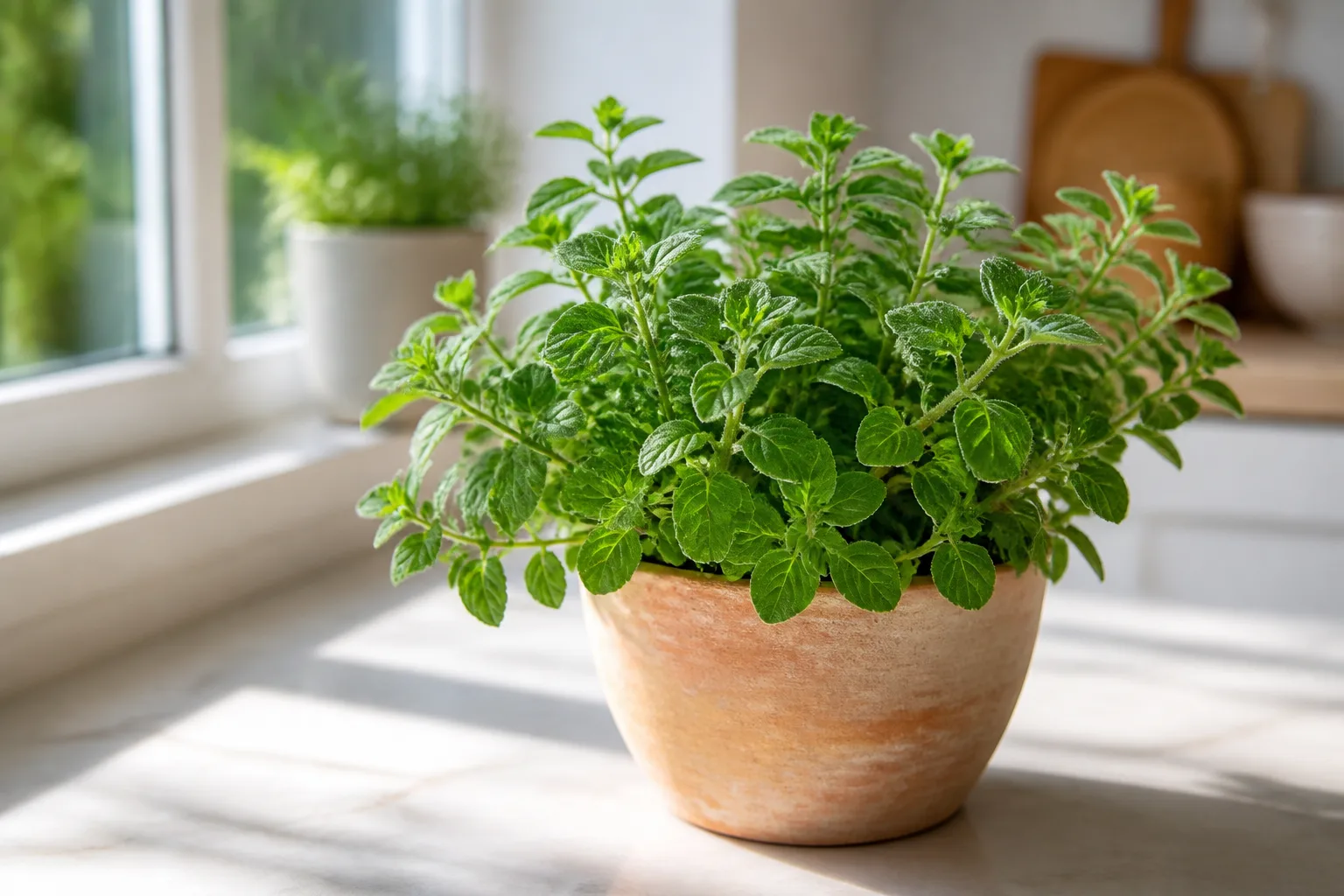
First, remove only stems that are clearly dead or broken, cutting them back to the nearest living growth or to the base if the whole stem is dead. Then look for healthy green shoots before you shape or harvest the rest. Oregano (Origanum vulgare) is a bushy, spreading perennial, so routine tip pinching and occasional renewal cuts can keep it leafy without treating every woody stem as a problem. The Oregano plant hub has the full growing profile.
Quick answer: remove dead stems before shaping
For a young oregano plant, pinch the growing tips once it is established and about 6 inches tall; Penn State Extension says this encourages more shoots. For a mature clump, trim leafy stems above a leaf pair when you want a compact shape, and reserve heavier cutting of old wood for late winter or early spring as fresh growth begins (Penn State Extension oregano profile).
If the plant is stressed, recently divided, or losing leaves because the soil stays wet, postpone shaping. Pruning cannot correct poor drainage or weak light. Check the Oregano watering guide and light guide before making structural cuts.
When to prune oregano
Use small pinches and harvest cuts during active growth, especially before flowering if your priority is leafy harvest. NC State Extension recommends shearing oregano before flowering to encourage new leaves and notes that leaf flavor is generally best just before flowers open (NC State Extension oregano profile). UC IPM also advises pruning before flowering to favor leaf growth (UC IPM oregano cultural tips). You do not need to remove every flower bud: let some stems bloom if you want flowers and pollinator activity.
For a broader cutback, follow the plant’s growth cycle rather than a fixed date. Penn State recommends removing old, leggy wood at the end of winter. In colder areas, wait until the risk of a hard freeze has passed; in mild, frost-free climates, use the start of active fresh growth as the cue. Avoid a large cut when the plant is wilted, in extreme heat, or about to face cold stress.
Inspect the clump before cutting
Pull the stems gently apart and identify three things: dead growth, green leafy shoots, and older brown stems. Penn State describes oregano’s creeping rootstock and upright stems; inspect low in the clump for live growth before considering a renewal cut (Penn State Extension oregano profile). If you cannot see healthy shoots near the base, avoid cutting the whole plant back to bare wood.
Also check what is causing a straggly shape. Long bare internodes may reflect insufficient sun, while collapse or yellowing can follow persistently wet mix. Correct the growing conditions before using pruning to mask the symptom; the Oregano soil guide explains drainage and the overview gives the whole-care picture.
Make the first cut on dead or broken growth
Use clean, sharp scissors for soft tips and bypass pruners for thicker, woody stems. Cut a fully dead stem low, where it joins living growth, and remove broken sections just above a healthy side shoot. Penn State’s general guidance for herbaceous plants recommends removing damaged plant material and clearing debris from the ground to discourage disease problems (Penn State Extension on pruning herbaceous plants).
Do not pull or tear stems from the crown. A ragged wound can damage nearby young shoots and makes it harder to tell which part is still alive. If you find diseased-looking foliage, remove it separately and clear the pieces from around the plant before moving to healthy stems.
Pinch tips and harvest leafy stems
Once oregano is growing strongly, pinch or snip the soft tip just above a pair of leaves. This leaves a node on each side of the stem, where side shoots can develop. Gardenary describes the same practical harvest cut: take the stem tip just above a leaf node when you want a bushier plant (Gardenary oregano growing guide).
For cooking, treat harvest as light pruning. Choose firm, leafy stems and cut above a healthy leaf pair rather than stripping leaves from every branch. Spread cuts around the clump so one side does not become bare. If you want oregano leaves for drying, take the larger harvest before the plant is in full flower; Penn State recommends harvesting in summer or early autumn before full bloom (Penn State Extension oregano profile). Harvest to Table also recommends keeping oregano pinched back to encourage bushier growth; its near-ground summer cutback is a more substantial reset than a routine pinch (Harvest to Table oregano guide).
Trim oregano that spills over a pot or bed edge
Oregano spreads outward as it grows, so decide whether you want the stems to trail over a container or stay within a bed edge. To keep a compact outline, shorten only the longest outer stems, cutting above a healthy leaf pair or side shoot; avoid shearing the whole perimeter into a flat shape. Gardenary distinguishes these lower outer-branch cuts from tip pinching, which is more likely to keep the plant bushy (Gardenary oregano growing guide).
If the outer stems have rooted where they touch the soil, they can be lifted and separated instead of discarded. Use the Oregano propagation guide for rooted layers or division, especially when you want to make another plant rather than simply reduce the clump.
Cut back old woody growth carefully
Oregano stems become woody as the clump ages. At the end of winter or when new growth is starting, remove old stems that are clearly dead or leggy, cutting to a healthy lower shoot where possible. Penn State specifically recommends cutting out old wood that has become leggy at the end of winter. Keep living stems that still carry useful leaves or buds; brown color alone does not prove that a stem is dead.
A healthy, very overgrown oregano can sometimes tolerate a more substantial renewal cut, but the result depends on its roots, climate, and how much live growth remains. JoyusGarden documents a heavily overgrown potted plant cut back near the start of the season, while also advising gardeners to keep up with lighter pruning rather than repeating a severe rescue cut (JoyusGarden oregano pruning example). Treat that as an example for a vigorous, established plant, not a default cut height for every oregano.
Thin dense growth without flattening the clump
When oregano has a congested center, look for dead, broken, or straggly stems that cross through the middle. Remove those selectively at their point of origin, one or two at a time, while keeping live leafy shoots around the crown. This opens the shape without stripping the whole plant or turning a rounded clump into a ring of bare outer stems.
The RHS recommends trimming established oregano in late spring to remove dead or straggly stems and encourage a flush of new growth (RHS oregano growing guide). If you cannot see healthy lower shoots, do not thin aggressively; wait for fresh growth or divide the clump when conditions are favorable.
Leave or remove oregano flowers
If your main goal is tender leaves, pinch developing flower buds before they open or cut leafy stems before flowering. NC State and UC IPM both connect pre-flowering cuts with new leaf growth. If flowers are welcome, leave some stems intact; oregano blooms are useful in a pollinator planting, and the RHS lists bees and butterflies among the visitors attracted to its flowers.
After most flowers fade, trim the dry flower stalks back to a leafy side shoot or down to the first healthy new growth. This tidies the clump without removing all remaining foliage. You do not need to deadhead every flower immediately unless you want to limit seed formation or prefer a neater appearance. The RHS also recommends a late-spring trim of established plants to remove dead or straggly stems and cutting flower stems back after blooms fade (RHS oregano growing guide).
How much to prune and when to wait
There is no single evidence-based percentage that fits every oregano plant. For routine shaping, make a light first pass: shorten a few stems, keep plenty of green growth, then step back and reassess the clump. For a larger harvest, spread cuts around the plant rather than taking all the leafy growth from one section.
Wait on structural pruning if the plant is newly divided or repotted, is wilting, has wet soil and collapsing stems, or has just been moved into a much harsher exposure. Remove dead or broken pieces as needed, but leave healthy foliage until the underlying stress is corrected. The Oregano propagation guide covers division and cuttings if renewal by pruning is no longer enough.
Care for oregano after pruning
Return the plant to its usual sunny position and water according to the soil, not the pruning event. A well-established oregano in the ground may need little extra water, while a pot can dry faster; check the watering guide if conditions are hot or windy. Do not automatically fertilize after a cut. If the plant is healthy, let it respond first; use the fertilizer guide only if its growing medium or growth shows a real need.
Look for firm new tips and branching as signs the trim suited the plant. A few old leaves may yellow as the clump settles, but continued decline, blackened bases, or persistently drooping stems point to root or moisture stress rather than a need for more pruning. Give it time before making another shaping cut.
Avoid common oregano pruning mistakes
- Shearing a stressed plant: fix light, water, or drainage problems before removing healthy stems.
- Cutting every stem to the ground: retain green shoots and avoid exposing the whole crown unless an established, vigorous plant clearly needs a renewal cut.
- Removing all flowers by default: keep some blooms if pollinators or seed are part of your goal.
- Taking all harvest from one side: spread cuts so the clump stays balanced.
- Pruning by calendar alone: use new growth, flowering, and local weather as cues.
When to use this page vs other Oregano guides
Use this page to decide which stems to pinch, harvest, or renew. The Oregano light guide helps address stretched growth, the watering guide covers moisture checks, and the soil guide is for drainage problems. If the clump has outgrown its pot, use the repotting guide before taking major cuts.
Related Oregano guides
Start with the Oregano plant hub for its profile. Use propagation to make new plants from a healthy clump, and the fertilizer guide only when feeding is relevant. Each guide focuses on a different part of oregano care.
Conclusion
For most oregano, start with dead or broken stems, then pinch healthy leafy tips above a pair of leaves when the plant is actively growing. Keep flowers if you value pollinators, and save larger renewal cuts for a vigorous established clump when new growth is returning. If the plant is weak or straggly, correct its light and drainage before taking more live growth.