Best Soil for Oregano: Drainage, Mix, and pH
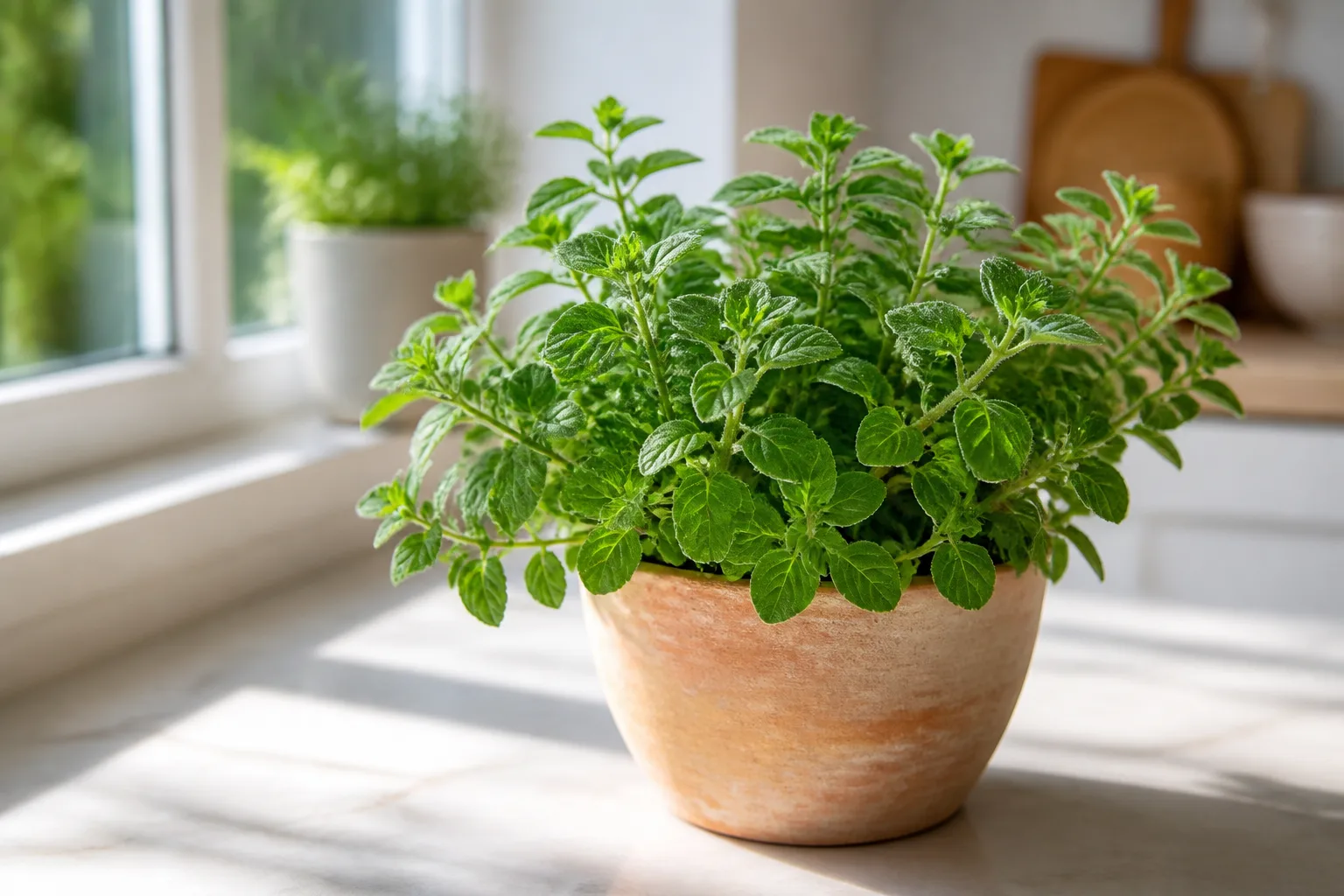
Best Soil for Oregano: Drainage, Mix, and pH
Best Soil for Oregano: Drainage, Mix, and pH
Oregano grows best in average soil that lets excess water drain away. It does not need a rich, constantly moist mix; a sandy loam or a free-draining peat-free container compost is a better starting point. If your garden bed stays wet after rain, grow oregano on a raised mound or in a pot rather than trying to fix the problem by feeding it more.
Quick answer: use soil that drains freely
Choose average or sandy-loam soil with good drainage. NC State lists oregano for average soil, including sandy loams, with dry-to-medium moisture and good drainage (NC State Extension). UC IPM also recommends well-drained, gritty sandy loam for oregano (UC IPM). The useful test is whether water moves through the root zone instead of remaining pooled around the crown.
Oregano can grow in a range of soil textures when drainage is adequate. Do not assume it needs a specialty “herb soil” with a long ingredient list. Start with a workable, open mix and improve drainage only if the bed or container stays wet too long.
Why oregano needs free drainage
Oregano is a sun-loving perennial herb that tolerates dry conditions once established. Its roots need oxygen as well as water; saturated soil fills the spaces between particles and leaves less air around them. NC State warns that root rot can occur in wet, poorly drained ground (NC State Extension).
This is why a watering problem can actually be a soil problem. If a pot remains heavy and wet long after watering, changing the schedule may not be enough; the mix may be compacted or the drainage hole blocked. The Oregano watering guide explains how to check moisture before adding more water.
Choose soil texture for a garden bed
A sandy loam is a useful target because it holds some moisture while allowing excess water to move through. UC IPM recommends gritty sandy loam and notes that damp soil surfaces can encourage root diseases (UC IPM). A bed does not have to look like beach sand; it should crumble rather than form a sticky, wet lump when handled. Gardenary likewise recommends sandy, well-drained soil and cautions against keeping oregano roots wet (Gardenary).
Greek oregano, a form of Origanum vulgare, is reported to tolerate several soil types, including sandy gravel and clay, but it still needs good drainage (NC State Greek oregano profile). That distinction matters: clay texture alone is not the only issue; compacted clay that remains saturated is the problem. Where heavy soil drains poorly, use a raised bed or container instead.
Avoid persistently wet or compacted ground
Do not plant oregano in a low hollow where rainwater collects or beside a downspout that keeps the soil saturated. If the surface forms a crust and water runs off without soaking in, loosen the planting area and add organic matter to improve structure, then raise the planting position if water still pools. Avoid burying the crown beneath a thick, wet mulch layer.
If your site stays damp through a rainy season, move oregano to a raised bed or pot. RHS recommends a raised bed or container where heavy or damp soil could cause root problems (RHS growing guide). This is often more predictable than repeatedly adding sand to a clay bed, which can create a dense mixture if the proportions are wrong.
Prepare a garden bed without over-amending
Before planting, remove weeds and loosen the bed so young roots can spread. If the soil is already reasonably open and drains after rain, leave it mostly as it is. Penn State describes oregano as growing in well-drained, average soil and gives pH 6.8 as its reference condition (Penn State Extension). That guidance does not mean you need to test and correct every garden bed before planting.
If the soil is heavy, make a raised row or mound with a free-draining blend rather than filling a small hole with a very different potting material. A sharp change in texture can hold water at the boundary. Plant the crown at the same depth it was growing before and let the amended soil settle before covering the bed with mulch.
Use a simple peat-free container mix
For a pot, use a peat-free, soil-based compost and mix in horticultural grit or coarse perlite to open the texture. The Oregano plant profile recommends soil-based compost with grit or perlite and a container with drainage holes. RHS similarly recommends a soil-based peat-free compost with horticultural grit for container oregano (RHS growing guide).
A practical starting blend is about three parts peat-free potting compost to one part horticultural grit or coarse perlite. The exact ratio can vary with the base compost: if water drains slowly, add a little more coarse mineral material; if the mix dries almost immediately, use less. Do not use dense garden soil by itself in a small pot.
Add grit or perlite for drainage
Horticultural grit and coarse perlite help create larger spaces in a container mix so water can drain and roots can breathe. RHS recommends mixing grit into container compost, while UC IPM describes oregano’s suitable soil as gritty and well drained (RHS growing guide, UC IPM). Use coarse material rather than fine sand, which may fill pore spaces instead of opening them.
Do not put a layer of stones at the bottom and expect it to solve poor drainage. The full mix should drain evenly from top to bottom, and the pot needs an open hole. For practical timing once the mix is set up, see the Oregano watering guide.
Choose the right pot and drainage hole
Select a pot with at least one clear drainage hole and enough room for oregano’s roots. RHS recommends a container at least 15 cm wide and deep for one young plant (RHS growing guide). Harvest to Table also describes oregano as suitable for containers and recommends a loose, well-drained mix (Harvest to Table). A pot that is far larger than the root ball can hold unused wet compost for too long, especially in cool weather.
If you use an outer decorative pot, empty it after watering. Do not let the inner pot sit in collected water. For a plant that dries out very quickly because roots fill the container, see the Oregano repotting guide rather than automatically switching to a water-retentive mix.
Do not chase one exact pH number
Published recommendations vary slightly. Penn State gives pH 6.8, while Harvest to Table describes a range around 6.0 to 7.0 (Penn State Extension, Harvest to Table). NC State lists oregano across acidic, neutral, and alkaline conditions. For most home growers, drainage and soil structure matter more than trying to make a bed hit one exact pH reading.
If oregano grows poorly and the drainage is already good, a soil test can help identify a wider nutrient or pH issue. Do not add lime or acidifying products without a test and a clear need. The Oregano fertilizer guide covers feeding; fertilizer will not correct waterlogged soil.
Refresh soil when growth or drainage changes
A container mix gradually settles and can become compacted. Refresh or replace it when water begins running along the sides without soaking in, the pot stays wet for too long, or roots fill the container. If the plant is crowded but otherwise healthy, divide it in spring and replant sections in fresh mix rather than moving the whole clump into an oversized pot.
For in-ground oregano, improve the site only when you see a real drainage or compaction issue. Frequent amendment can make a bed unnecessarily rich and may encourage softer growth. The Oregano overview explains how soil, sunlight, watering, and seasonal care work together.
Match watering and soil to each other
A free-draining mix does not mean oregano should be left completely dry. Water when the root zone has dried, then let the excess leave the pot. If a container dries very rapidly, check whether it is root-bound, exposed to intense heat, or filled with a mix that is too coarse before changing the whole soil recipe.
If the plant wilts while the compost is wet, suspect poor drainage or root stress before adding more water. If it wilts when the mix is dry, water thoroughly and observe whether the leaves regain firmness. The Oregano light guide can help when a sunny pot is heating up faster than the roots can use moisture.
Recognize soil-related stress
Persistent wetness, a sour smell, or a soft crown can point to a poorly drained root zone. Yellow leaves alone are not enough to diagnose soil trouble; check how long the mix stays wet and whether the drainage hole is open. NC State lists root rot among oregano’s risks in wet, poorly drained soil, and Epic Gardening similarly warns that soggy container soil can weaken or rot oregano (NC State Extension, Epic Gardening container guide).
If you need to replace a failing mix, remove only loose, dead material from the roots and repot into a free-draining blend. For a plant that has become woody or sparse, the Oregano pruning guide may be more relevant than changing soil.
When to use this page vs other Oregano guides
Use this page to choose a garden-bed or potting mix and solve drainage or compaction. Use the watering guide for how often to irrigate, the light guide for sun exposure and heat, and the fertilizer guide for feeding. The repotting guide is for crowded roots, while the propagation and pruning guides cover renewal.
Related Oregano guides
Start with the Oregano plant hub for the species profile and suggested mix. The overview connects soil to the rest of the plant’s care. For moisture and exposure, read watering and light; for crowded roots or a woody clump, use repotting and pruning.
Conclusion
Give oregano a root zone that drains freely without making it excessively rich. Use average or sandy-loam soil outdoors, or a peat-free soil-based compost with grit or coarse perlite in a container. Focus on drainage rather than chasing a narrow pH target, and move oregano to a raised bed or pot if the garden soil stays wet.