How to Propagate Oregano: Four Practical Methods
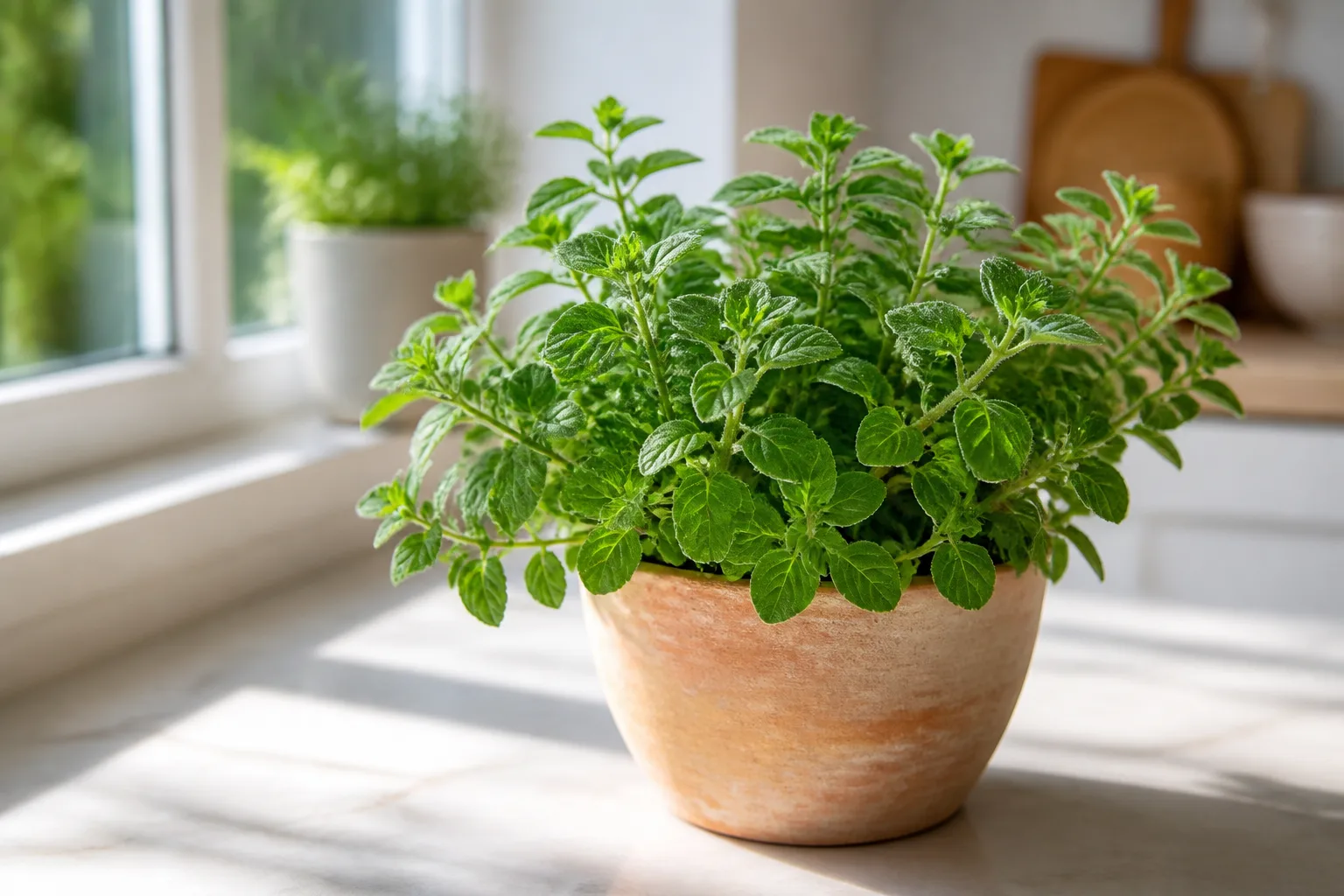
How to Propagate Oregano: Four Practical Methods
How to Propagate Oregano: Four Practical Methods
For the quickest dependable start, divide a healthy established oregano clump in mild weather; for a small number of plants with the same traits as a favorite, root a stem cutting. Oregano (Origanum vulgare) can also be layered or raised from seed, but seedlings may vary from the parent. Start with the Oregano plant hub to confirm the plant identity before choosing a method.
Choose a method before you start
Use division when the plant is mature, spreading, and already needs refreshing. Choose stem cuttings when you want a few clones without lifting the whole plant, and layering when a low flexible stem can reach a pot of mix or a patch of soil. Seed is useful for producing several plants at once, but it takes longer and may not preserve a named selection’s flavor or appearance.
| Method | Best fit | Main trade-off |
|---|---|---|
| Division | A mature clump with several rooted shoots | Disturbs part of the parent plant |
| Stem cutting | A small number of matching plants | Needs a healthy parent and even moisture while roots form |
| Layering | A low stem that can be pinned down | Slower and limited to stems that reach the soil |
| Seed | Many plants or an open-pollinated type | Seedlings can differ from the parent |
Decide whether you need a copy of the parent plant
A seedling inherits a mix of traits, so it is a gamble if you are trying to keep a particular oregano’s aroma, leaf shape, or habit. The Royal Horticultural Society notes that vegetative propagation produces plants like the parent, which is useful when a variety does not come true from seed (RHS oregano growing guide). NC State likewise notes that growers may take cuttings from oregano plants with superior aroma or taste rather than rely on seed (NC State Extension oregano profile).
This matters especially for Greek oregano and other named culinary selections. Gardening Know How explains that Greek oregano can vary when seed-grown and recommends cuttings when retaining a flavorful plant is the goal (Gardening Know How on Greek oregano). If the label gives a cultivar name and you want to retain it, choose division, a cutting, or a rooted layer instead of seed.
Time propagation for active growth
Choose a mild stretch when the parent plant is actively growing and can recover. Penn State places seed, cutting, and division propagation in spring, while the RHS also recommends summer softwood cuttings and spring or post-flowering division (Penn State Extension oregano profile, RHS oregano growing guide). Treat those as seasonal cues, not a universal calendar: in warm regions, avoid taking divisions or cuttings during a heat wave, prolonged rain, or when the parent is wilted.
For Indian and other frost-free climates, aim for a cooler part of the growing season when new growth is steady and the medium will not stay waterlogged. In places with a cold winter, wait until severe frost has passed for outdoor propagation. Seeds can be started indoors earlier, then moved outside only after seedlings are sturdy and acclimated.
Divide a mature oregano clump
Division is usually the most straightforward way to turn a well-established oregano into several plants. Look for rooted shoots around the edge of the clump, where the creeping rootstock may have produced separable sections. A division needs both healthy roots and live shoots; a loose piece of stem without roots is not a division. Harvest to Table also describes spring or autumn as workable times to divide oregano and recommends division when you want the new plant to retain the existing plant’s flavor (Harvest to Table oregano guide).
Water the parent lightly the day before if the soil is very dry, then lift only as much of the clump as needed. Shake or brush away loose soil so you can see where the roots and shoots join. Use your hands or a clean sharp knife to separate sections that each have roots and several healthy stems. Discard any portion that is hollow, badly damaged, or soft at the base.
Separate and replant divisions carefully
Prepare the destination first: a sunny spot or pot with drainage and loose soil. Set each division at about the same depth it was growing before, firm the mix around its roots, and water enough to settle the soil. Penn State recommends root division as one of the propagation options for oregano, and UC Agriculture and Natural Resources also lists seed, stem cuttings, and root divisions as ways to start the herb (UC IPM oregano cultural tips).
Keep the new division evenly but lightly moist while it re-establishes, allowing the surface to dry between waterings. Do not place it in a saucer of standing water or bury its crown under extra compost. If the leaves droop briefly after lifting, provide bright light without harsh midday sun and avoid additional pruning until new growth appears.
Root oregano from stem cuttings
Take cuttings from a healthy, established plant, preferably before it is flowering heavily. Penn State advises waiting until late spring, when new leaves are firm enough to resist wilting, and describes softwood shoots about 3–5 inches long with lower leaves removed before planting in a sandy medium (Penn State Extension oregano profile). Use a sharp, clean blade and select a non-woody tip with several leaf pairs.
Remove the leaves from the lower part of the stem so none will sit under the mix. Place the bare section into a small pot of moist, free-draining propagation mix, then gently firm it in place. A clear cover can reduce drying, but leave some airflow and remove the cover if condensation remains heavy. Gardenary notes that oregano cuttings can be rooted in water, soil, or sand; a free-draining medium makes it easier to manage moisture around the stem base (Gardenary oregano growing guide).
Keep the cutting in bright, indirect light and check the medium before adding water. Do not tug on it every day to test for roots; wait for visible new growth or gentle resistance. Penn State suggests repotting once cuttings are well-rooted. If the cutting blackens at the base or collapses, remove it and restart with a healthier shoot and less saturated mix.
Try layering low stems
Layering is a low-disturbance option when oregano has a flexible stem close to the soil. Bend a healthy section down, remove leaves from the point that will touch the soil, and pin that node under a shallow layer of loose mix while leaving the growing tip exposed. Keep that small area lightly moist, not the whole container or bed.
The RHS recommends layering oregano in spring or autumn and notes that stems may root naturally around the edge of the clump (RHS oregano growing guide). Check gently after roots have formed; once the layer can support itself, sever it from the parent just behind the rooted point and pot or plant it separately. If a stem cannot reach soil without bending sharply, use a cutting instead.
Start oregano from seed indoors
Oregano seeds are tiny. Fill a clean tray or small pot with fine, damp seed-starting mix, scatter a few seeds on the surface, and press them lightly so they contact the mix. The RHS says the seeds need not be covered and germinate well at about 20°C (68°F) (RHS oregano growing guide). Gardenary also recommends pressing the seeds onto the surface and keeping the mix moist until they sprout (Gardenary oregano growing guide).
Use a clear lid or bag only to slow drying, and ventilate it so the surface does not remain dripping wet. Keep the tray warm and bright, but out of direct hot sun that can overheat a covered container. Epic Gardening describes oregano seed as germinating in warm conditions and notes that young seedlings need closer moisture checks than established plants (Epic Gardening container oregano guide). Germination speed varies with seed freshness and temperature, so do not discard a tray just because nothing appears in a few days.
Direct-sow seed when conditions suit
Direct sowing avoids transplanting delicate seedlings, but it is harder to keep tiny seed evenly moist outdoors. Prepare a fine, weed-free patch, moisten it, scatter seed thinly, and press it onto the surface rather than burying it deeply. Mark the row so you do not mistake oregano seedlings for weeds.
In frost-prone climates, sow after the main frost risk has passed. In mild climates, use a cool, steady growing window and avoid the hottest or rainiest spell. UC ANR recommends sowing or transplanting oregano after spring frost risk has passed in California, while those dates are climate-specific and should not be copied as a calendar for other regions (UC IPM oregano cultural tips).
Pot up seedlings without overwatering
Wait until seedlings have several true leaves and are large enough to handle without crushing the stems. Lift them by a leaf, not by the fragile stem, and move each into a small pot with drainage. The RHS recommends moving young oregano seedlings into individual pots once they have several leaves, then growing them on in bright conditions (RHS oregano growing guide).
Water gently around the roots and let excess drain away. Seedlings need more consistent moisture than established oregano, but saturated mix can cause collapse. If the surface dries quickly, use a fine rose or water from below briefly, then empty the tray so the roots are not left standing in water.
Harden off and plant new oregano
Seedlings raised indoors need gradual exposure before they can handle outdoor sun and wind. Over several days, place them outside for short periods in a sheltered bright spot, extending the time each day; bring them in if the weather turns harsh. The RHS recommends hardening off indoor-raised oregano before planting it outside (RHS oregano growing guide).
Plant only after the seedling holds together well in its pot and the roots have begun to fill the mix. Choose sun and free-draining ground, or a pot with an open drainage hole. The Oregano light guide covers gradual sun exposure, while the soil guide explains how to keep the root zone from staying wet.
Give new plants steady aftercare
For the first weeks, keep the root zone from swinging between bone dry and soggy. Newly rooted cuttings and divisions need more observation than established plants; water when the growing medium begins to dry, then let excess drain. See the Oregano watering guide for how pot size and weather change that check.
Hold off on harvesting until a cutting, division, or seedling is making fresh growth. A small plant has limited leaf area to support root development, so take only a light pinch once it is clearly established. Do not apply strong fertilizer to compensate for slow rooting; check light, drainage, and moisture first. The fertilizer guide explains when a light feed is useful, and the pruning guide covers when to begin shaping or harvesting stems.
Troubleshoot slow or failed propagation
If a cutting wilts within a day, it may have lost too much moisture before roots formed. Take fresh material during a cooler part of the day, shorten the cutting slightly, remove lower leaves, and reduce direct sun. If its base turns dark or soft, the medium is likely too wet or the stem was damaged; discard it rather than trying to save decaying tissue.
If seed does not sprout, check that it was not buried, the mix has stayed gently moist, and the tray has not become cold or waterlogged. Surface mold is a reason to increase airflow and reduce persistent wetness. Seedlings that stretch or pale indoors usually need more light, while cuttings and divisions that stall may need time to recover; avoid repeatedly repotting them. For crowded parent plants that need a larger container, use the Oregano repotting guide after propagation rather than disturbing the same roots twice.
Propagate oregano in containers or indoors
A container is useful when garden soil is heavy, rainfall is persistent, or you want to contain a spreading clump. Divide or root cuttings into small pots first; an oversized pot stays wet longer and makes it harder to judge water needs. Use a free-draining mix and a pot with clear drainage, as described in the Oregano soil guide.
Indoors, give cuttings and seedlings the brightest available light and keep them away from cold drafts. A sunny window can work, but rotate pots so growth does not lean strongly in one direction. Indoor oregano can grow more slowly than outdoor plants, so judge readiness by new leaves and rooted growth rather than a fixed number of days.
When to use this page vs other Oregano guides
This page is for making additional oregano plants. Use the overview for a full care summary, the light guide for placement, and the watering guide for moisture checks. The soil guide covers mix and drainage, while repotting is for a root-filled or exhausted pot.
Related Oregano guides
After propagation, read the Oregano plant hub for the plant profile and main care recommendations. For day-to-day growing, use the light, watering, soil, fertilizer, repotting, and pruning guides as the plant establishes.
Conclusion
Choose seed when you want several plants and are comfortable with variation; choose division or a cutting when you want to preserve a plant you already value. Layering works when a flexible stem can root without separating it first. Whichever method you use, start with healthy oregano, keep the medium airy, and wait for new growth before treating the young plant like an established clump.