Pumpkin Fertilizer Guide: When to Feed Kaddu
Pumpkin Fertilizer Guide: When to Feed Kaddu
Pumpkin Fertilizer Guide: When to Feed Kaddu
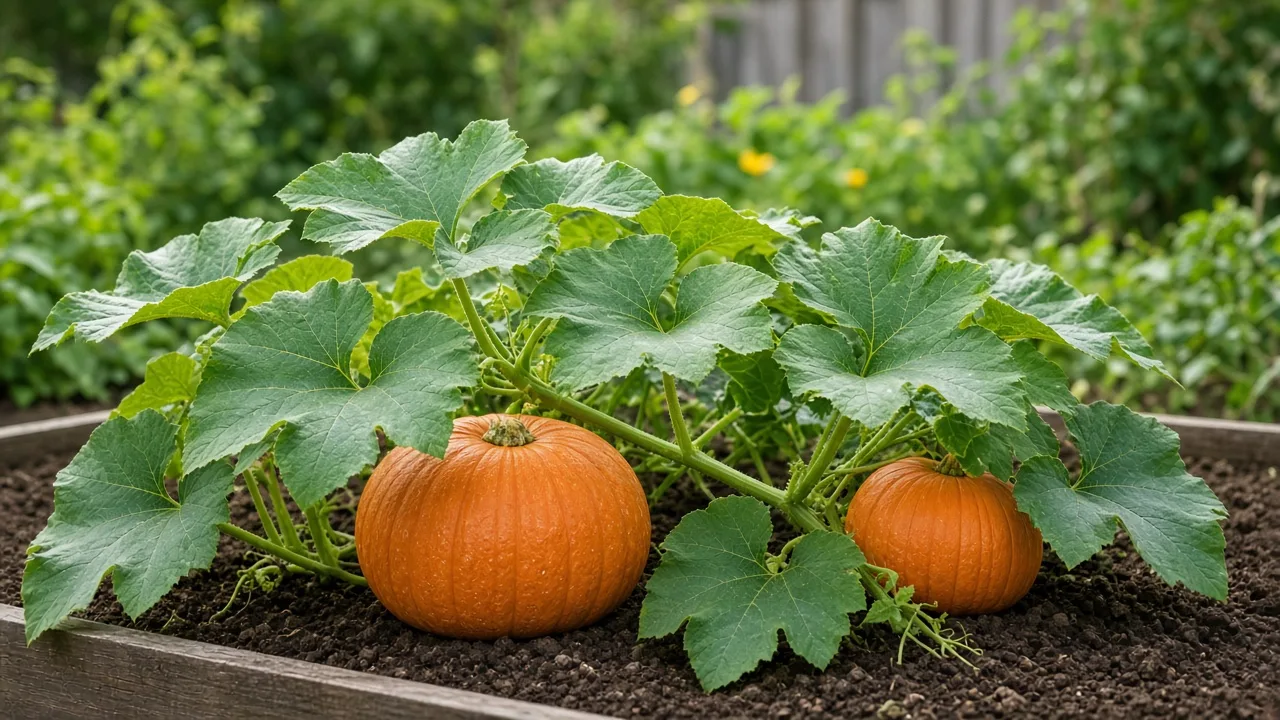
Pumpkin (Cucurbita pepo), or kaddu on many Indian seed racks, is a fast, spreading annual vine—not a small pot herb. It builds large leaves, long stems, and heavy fruit in a single warm season, so it pulls more nitrogen, phosphorus, and potassium from the root zone than a lettuce patch ever will. Feeding mistakes usually show up as either pale, stalled vines or jungle-green foliage with few pumpkins, and both outcomes trace back to timing and rate, not simply “more fertilizer.”
The practical rule for home growers is the same in a kitchen garden row or a 40-litre grow bag: incorporate mature compost or well-rotted organic matter at planting, then add bottled nutrients only to fill gaps you can see in vine color, flower set, or fruit swell. Pumpkins are described as heavy feeders in extension and garden references because they combine rapid vegetative growth with fruit that can weigh several kilograms when cultivars are sized for cooking or carving (Gardening Know How on feeding pumpkins).
Why pumpkin feeding follows vine and fruit stages
Unlike kale or spinach grown for repeated leaf harvests, pumpkin nutrition should shift with the crop’s calendar. Early in life the plant invests in roots, leaves, and running stems. After male and female flowers open, energy moves toward pollination, fruit set, and rind development. A single high-nitrogen product poured on all season often produces the classic complaint: beautiful vines, almost no fruit.
Not the same calendar as leafy greens or herbs
If you are used to steady nitrogen for salad greens in winter, pumpkin will feel counter-intuitive. Once vines are deep green and covering their allotted space, additional nitrogen mainly fuels more leaves. Garden writers commonly advise easing nitrogen as female flowers and young fruit appear, then emphasizing potassium while fruits swell (Savvy Gardening on pumpkin fertilizer timing). That pattern matches how Cucurbita pepo allocates growth in one finite warm window—exactly what the Pumpkin overview describes for days-to-harvest and cultivar choice.
Nitrogen, phosphorus, and potassium roles on Cucurbita pepo
The three numbers on a fertilizer label—N-P-K—describe percentages of nitrogen, phosphate, and potash in the bag, not what your soil already holds (NPK fertilizer numbers). Use the label to calculate dose; use plant stage to decide whether the first number should dominate.
Early nitrogen for vine and leaf power
Nitrogen drives chlorophyll and vegetative tissue. After transplant or when seedlings have two to three true leaves, a moderate nitrogen supply supports the leaf area that will later feed developing fruit. Apply granular or liquid feed at the soil surface several centimetres from the stem, never as a foliar drench on hairy cucurbit leaves, because concentrated nitrogen can burn vines. If plants are already dark green and racing across the bed, skip the next nitrogen-heavy dose and confirm spacing and sun from the Pumpkin light guide before assuming hunger.
Phosphorus and potassium as flowers and fruit arrive
Phosphorus supports root development and flowering; potassium supports fruit quality and stress tolerance as pumpkins size. Hobby guides often suggest a balanced or phosphorus-leaning formula (for example 5-10-5) around bloom, then extra potassium while fruit expands (feeding pumpkin plants — growth stages). The Royal Horticultural Society notes that most garden pumpkins do not need regular feeding unless you are chasing giant fruits or growing in containers; in those cases they recommend an organic-based, high-potassium liquid feed every 10 to 14 days once fruits start to swell (RHS pumpkin feeding).
Compost-first fertility in beds and large pots
Long before choosing a bottle, fix the root zone described in the Pumpkin soil guide. Cucurbita pepo prefers fertile loam with good drainage and a slightly acidic to neutral pH around 6.0–7.0, matching the plant profile for kaddu beds and terrace mixes. Dig in mature compost or well-rotted manure when you prepare planting holes or fill grow bags so slow-release nutrients and improved water-holding capacity do the heavy lifting through early vine run.
pH, organic matter, and when bottled feed is optional
On a rich kitchen-garden plot that received compost or manure in the prior season, extra fertilizer may be unnecessary until fruit load increases. NC State’s plant profile lists high organic matter among preferred site conditions for this species (NC State Cucurbita pepo). If lower leaves yellow while new growth stays pale green and vines are still short, test whether drainage, drought, or shade is limiting before stacking soluble feed—Pumpkin watering moves nutrients as much as any NPK ratio.
Picking and reading fertilizer products
Choose products labelled for vegetables or fruits, measure for the actual bed area or pot volume, and keep a single notebook note of dates and doses so terrace growers do not double-apply after rain leaches nutrients. Organic options—compost tea, fish emulsion, pelleted poultry manure used sparingly—release nutrients gradually. Soluble crystalline feeds act quickly but demand half-strength dilution unless the label specifies otherwise for young cucurbits.
Commercial field guides cite much higher total N-P-K than a balcony grower should blindly copy; Penn State’s pumpkin production overview lists broadcast recommendations on the order of 80-150-150 pounds of N-P-K per acre when soil tests are unavailable (PSU pumpkin production fertilization). Home gardeners should scale down to label rates for garden beds or containers, not those farm-acre figures.
When to feed from transplant through harvest
Think in three home-garden phases: establishment, bloom and fruit set, and fruit swell to maturity.
Vine establishment and first side-dress
At planting, blend compost with a measured dose of balanced granular vegetable fertilizer in the top 10–15 cm of soil rather than placing concentrate against the stem. Water thoroughly after application so salts move into the root zone. When vines begin to run and color is pale despite good moisture, a light side-dress of compost or a nitrogen-forward organic feed a hand-span from the crown—followed by irrigation—can support leaf expansion without saturating the crown.
Bloom through fruit swell
When female flowers (with a miniature fruit at the base) open regularly, pause aggressive nitrogen unless vines still look genuinely deficient. Shift toward balanced or potassium-leaning feeds as young pumpkins attach and begin to expand. On containers or semi-bush cultivars in grow bags, this is usually when supplemental feeding matters most, echoing RHS guidance to feed only while fruits swell if the plant is not in rich ground.
Stop chasing growth once vines senesce and rinds harden. Mature winter-type pumpkins are non-climacteric; they should finish on the vine, and late nitrogen will not improve storage quality after the crop has set its fruit load (see harvest notes in the Pumpkin overview).
Container and grow-bag feeding rules
Terrace pumpkins live in a tiny fraction of the soil volume an open bed provides, so nutrients wash out with every drainage event. Penn State Extension’s container vegetable guidance recommends slow-release fertilizer at planting plus soluble feeds on a two- to four-week schedule during active growth when the mix does not already include a long-term charge (container vegetable keys). Read the potting-mix label first; many blends already contain starter fertilizer, and doubling up is a common cause of seedling burn on hot paving.
Use the largest practical bag—often 40 litres or more for a standard vining type per the plant hub—and confirm drainage holes stay open. Fertilizer salts that cannot leach out crust the surface and scorch leaf margins; if that appears, pause feeding, flush with plain water only when the plant truly needs moisture, and resume at half strength after new growth looks normal.
Terrace and India timing cautions
On many Indian plains, kaddu is sown when nights are mild and soil is warm—often after heavy monsoon rain passes or during a frost-free cool window in hill districts, as outlined in the overview. Monsoon downpours leach soluble fertilizer from raised beds and grow bags just as quickly as they waterlog poorly drained mixes, so calendar feeding without checking vine color wastes product and can pollute runoff. Side-dress after sustained dry spells when vines are actively running, not automatically every week during cloud-wet weather.
Lowland summer heat can abort flowers even when nutrition is perfect. If blooms drop with wilting midday leaves, fix shade, airflow, and irrigation rhythm before increasing nitrogen. Semi-bush pie types in smaller spaces may need less total nitrogen than long-vined carving cultivars, so follow packet spacing and days-to-harvest rather than a neighbour’s giant-field recipe.
Deficiency, excess, and the first fix to try
Stalled pumpkin growth is not always hunger. Root compaction in an undersized pot, squash pests at the crown, or inconsistent moisture mimic deficiency. Walk the row or terrace pot: if multiple plants share the same pale color in cool active weather, nutrition rises on the suspect list; if one plant wilts while soil stays wet, drainage—not fertilizer—is the lever.
Pale growth versus lush vines with no fruit
Uniform paleness on older leaves with slow vine extension often points to nitrogen shortage on lean soil. Deep green, rampant vines with only male flowers for weeks may mean excess nitrogen or crowding; hold nitrogen feeds for seven to fourteen days and improve sun and pollinator access (Gardening Know How — nitrogen and flowering). On bee-scarce balconies, hand pollination from the Pumpkin propagation guide helps only after flowers are physiologically ready.
Burn, salt crust, and fruit quality risks
Brown leaf edges shortly after feeding, white crust on mix, or sudden wilt despite wet soil suggest soluble salt injury. Stop bottles, verify drainage, and let vines recover. Very fast fruit expansion from combined heat, water, and potassium pushes has been associated with skin splitting on large types; increase potassium modestly while fruits are young rather than in one megadose (Savvy Gardening — potassium and fruit size).
When to use this page vs other Pumpkin guides
Use this page to decide whether, when, and how much to fertilize. Use Pumpkin watering when wilting, saucer water, or fruit rot at the soil line dominates, because moisture carries nutrients. Use Pumpkin soil for mix recipes, compost ratios, and pH. Use Pumpkin repotting when moving seedlings into final grow bags—that transplant moment is often the best time to incorporate slow-release feed.
For pruning vine tips or limiting fruit number on small spaces, see Pumpkin pruning. Fertilizer cannot replace cultivar choice, pollination, or harvest timing covered in the Pumpkin plant hub.
Related Pumpkin guides
- Pumpkin overview — season, kaddu cultivars, spacing, and harvest maturity.
- Pumpkin watering — deep root-zone moisture without crown rot.
- Pumpkin soil — compost-rich mixes and drainage for heavy feeders.
- Pumpkin light — full sun for flowers and fruit set.
- Pumpkin propagation — sowing, transplant timing, and hand pollination.
Conclusion
Good pumpkin nutrition is staged and observable. Build fertility with compost at planting, use nitrogen mainly while vines establish, then emphasize phosphorus and potassium as flowers and fruit demand it, and ease off as rinds harden. In India’s variable rainfall, tie feeding to vine color and fruit load—not a rigid calendar—and treat containers as salt-sensitive systems that need measured, label-based doses.
When leaves are healthy, pollinators reach both flower types, and young pumpkins swell steadily, you have likely found the balance. When vines are either pale or excessively lush with no fruit, the next adjustment is usually timing and nitrogen restraint, not another full-strength bottle poured at the crown.
Related tool
Try the Fertilizer Dilution Calculator with pumpkin pre-selected to check dilution before feeding terrace vines.