Pumpkin Light Needs: Full Sun Hours, Shade & Grow Lights
Pumpkin Light Needs: Full Sun Hours, Shade & Grow Lights
Pumpkin Light Needs: Full Sun Hours, Shade & Grow Lights
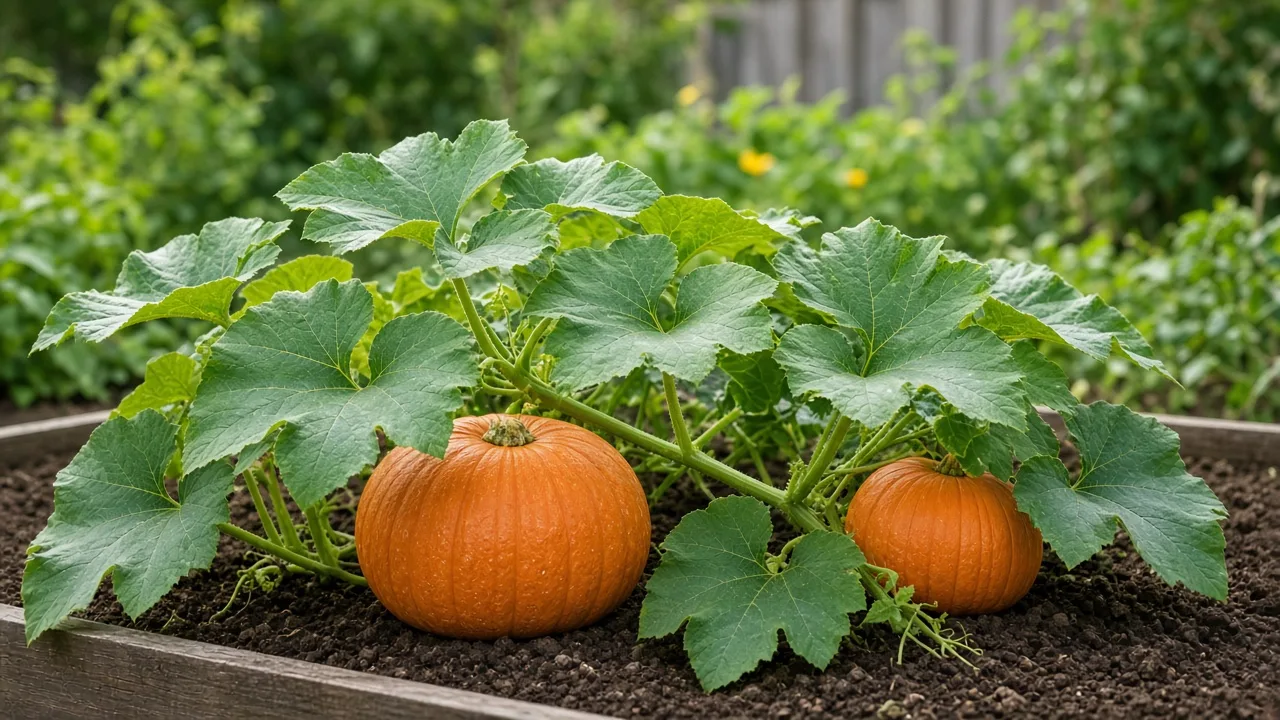
Pumpkin (Cucurbita pepo), the vining crop many Indian kitchens call kaddu, is not a dim-corner houseplant. It is a warm-season annual that builds long stems, huge leaves, and heavy fruit only when the canopy receives full sun—typically six to eight hours of direct light on a clear day (Epic Gardening). A shaded courtyard may keep a seedling alive for a few weeks, but it will not reliably produce the hard-rinded pumpkins you expect from an open terrace or kitchen garden row.
The practical rule is simple: give pumpkins the brightest outdoor spot you have for the entire growing season, then manage heat and pot size when midday sun becomes stressful. Light placement is a once-per-season decision on grow bags; you cannot fix a north-facing wall with extra nitrogen later.
Pumpkin Light Needs: The Quick Answer
For home gardens, treat full sun as the default: an open site with at least six hours of unobstructed direct sun, and ideally closer to eight during peak vine growth (Epic Gardening). NC State Extension describes Cucurbita pepo as an aggressive vine that prefers full access to sunlight when soils are warm—language that matches pumpkin and squash culture worldwide.
On an Indian terrace, that usually means an unshaded south- or west-facing rail, a rooftop bed without neighbouring walls blocking afternoon rays, or a garden row away from tree canopies. If you cannot count six sharp-shadow hours at soil level during the months your packet says the vine will run, choose a smaller cucurbit or accept a decorative vine with few fruits—not a failed fertilizer program.
Why Pumpkin Is a Full-Sun Vine Crop
Pumpkins photosynthesize through enormous leaves that also shade the ground—helpful for weed suppression but demanding in terms of daily light flux. The RHS notes pumpkins need a long, hot growing season so fruits ripen fully for storage; in practice, “hot” includes both temperature and bright radiation on those leaves.
Separate male and female flowers on the same vine mean early-season panic is normal: males often appear first. Persistent blossom drop or tiny fruits that abort more often trace to heat stress, drought, or vines running in shade than to missing pollinators alone—though enclosed balconies may still need hand pollination after you fix sun and watering.
How Much Direct Sun Pumpkins Need
Six to eight hours as the productive baseline
Extension and editorial guides converge on full sun for cucurbits. Epic Gardening’s pumpkin profile lists full sun exposure alongside moderate-to-high water needs (Epic Gardening). The RHS pumpkin guide opens with a warm sunny site sheltered from cold winds—sun for growth, wind protection for young transplants.
Below four hours of true direct sun, expect long internodes, pale leaves, and few female flowers. Between four and six hours, semi-bush pie types may set one or two small fruits on perfect moisture; long-vined carving types rarely justify the space.
What “full sun” means on a terrace
Full sun is not “bright ambient daylight” behind glass or bouncing off a painted wall. It is direct rays strong enough to cast a sharp hand shadow on the soil. Walled courtyards can look bright to your eyes while delivering only dappled or reflected light to the crown—fine for ferns, inadequate for kaddu.
Seasonal Light Strategy for Indian Growers
Post-monsoon and cool-season windows
On hot lowland plains, many growers sow after monsoon rains ease or during a frost-free cool window when days stay bright—exact month varies by city. The point is unchanged: pick the season when you can offer uninterrupted sun for 90–120 days (typical for many C. pepo pumpkins per the overview).
Copying a foreign “plant in July” date without checking local heat can bake seedlings in black grow bags. Copying “full sun” without checking your shadow map wastes bag space.
Harsh midday heat on containers
Lowland March–May sun can stress small containers even when light is “correct.” Dark plastic bags heat roots while leaves wilt at noon—a heat and moisture problem that mimics drought. Morning sun with afternoon shade for the pot (not for the whole season) may help leaves without replacing the need for a bright morning and midday exposure on open ground.
UF/IFAS Gardening Solutions stresses matching variety to season length; light and heat together determine whether a four-month pumpkin finishes before rains return.
Best Balcony, Terrace, and Garden Placement
Reading exposures
East-facing rails give strong morning sun and are excellent for hardening off transplants before they take a west or south position. South or west exposures deliver the winter and post-monsoon harvest sun Indian terraces need for fruit swell. North exposures with only sky glow are trial sites—expect stretchy vines unless you add supplemental lamps.
Spacing so vines do not shade each other
RHS spacing guidance recommends 90 cm (3 ft) between bush types and 1.5 m (5 ft) for trailers. Crowded vines shade their own lower leaves, increase mildew pressure, and hide developing fruit from pollinators. Follow soil and repotting spacing as a light rule: one large grow bag per standard plant, not three crammed on a single rail.
Direct Sun Tolerance and Heat Stress
Pumpkins love sun and warmth relative to cool-season greens—but leaf edges can crisp when sun, wind, and dry soil align. Epic Gardening notes midday wilting on moist soil can be normal as long as plants recover by evening (Epic Gardening). Chronic wilt with wet mix points to roots, not light—see watering.
Afternoon shade cloth over the pot, not permanently over the entire vine, is a heat tool for terraces. Do not park pumpkins under a permanent tree canopy all season and expect carving-sized fruit.
Low-Light Limits and Realistic Expectations
Shade triggers etiolation: stems lengthen, leaves thin, and the plant searches for light instead of filling female flowers. NC State tags C. pepo as full sun tolerant in the plant toolbox—there is no “shade-loving pumpkin” cultivar for production.
If your only site is a three-hour sun pocket, grow miniature types as an experiment or switch crops. Extra fertilizer on a shaded vine mostly feeds powdery mildew and aphids.
Cultivar and Vine Habit Differences
Semi-bush pie or ornamental types (for example some compact field pumpkins noted by UF/IFAS) tolerate slightly tighter quarters but still need open sky on the crown. Long runners for large kaddu or jack-o’-lantern types must not compete with taller crops for light—avoid planting under maize or trellised beans that cast afternoon shade unless you deliberately intercrop with sun gaps.
Read days-to-maturity on the packet before committing balcony space; a 120-day vine started late in a short sun window will not harden rinds before weather turns.
Light for Ripening Pumpkins on the Vine
Mature winter-type pumpkins are non-climacteric—they should ripen on the vine with a hard rind (RHS). The same RHS guide advises keeping developing fruits exposed to full sun to aid ripening, removing a few shading leaves if necessary—not defoliating the plant.
Place a tile or straw under fruit so soil moisture does not rot the rind while the upper surface sees sun. Curing after harvest still needs warmth and airflow; see the overview harvest section.
Seedlings, Windowsills, and Grow Lights
Indoor starts should sit in bright light until outdoor planting. RHS recommends keeping indoor-sown pumpkins in bright light for roughly six weeks before planting out after frost risk passes—adapt “after frost” to your warm-soil date on Indian plains.
Gardening Know How suggests placing germinated seedlings under a bright window or fluorescent lamp rather than a dim shelf. Stretchy, pale cotyledons mean more light now, not “wait for the terrace.” After propagation timing is right, harden off gradually: an hour of morning sun, then two, then full placement over seven to ten days to avoid scorch.
For lamps, run full-spectrum LEDs 14–16 hours daily (Iowa State Extension) while indoors, keeping foliage close enough to prevent reach—then move to outdoor full sun as the main source.
Measuring Light With a Simple Shadow Test
On a clear day near your sowing month, hold your hand 30 cm above the grow-bag soil. Count hours when the shadow is sharp. Repeat on a hazy monsoon-transition day; if sharp sun drops below six hours at the fruiting stage, relocate bags before vines run. Phone lux apps help compare two terraces, but seasonal shadow counts beat a single reading.
Warning Signs of Too Much or Too Little Light
Too little light shows as long bare stems, small pale leaves, male-heavy flowering, and fruits that stall at golf-ball size. Soil may stay wet because transpiration is low—do not drown the vine. Too much heat-linked sun on undersized pots shows midday flagging that recovers overnight, bleached leaf patches, and premature vine decline if roots overheat.
| Symptom | Likely issue | First action |
|---|---|---|
| Vine runs toward one direction | One-sided shade | Rotate bag or move to open sun |
| Many male flowers, no females | Youth or stress | Wait; then improve sun and moisture |
| Female flowers open but fruit aborts | Heat, drought, or shade | Full sun morning; check watering |
| Soft green pumpkin in full sun | Immature harvest timing | Leave fruit on vine until rind hardens |
| Seedlings fall over, thin stems | Low indoor light | Lower lamp or brighter window |
How Light Links to Watering and Pollination
Bright sun dries grow bags faster; shaded vines transpire less and may hide powdery mildew. Pair light fixes with the finger test in watering. Once vines see adequate sun and steady moisture, sealed balconies may still need hand pollination—but fixing shade comes before brushing every blossom.
Penn State Extension field guides emphasize field spacing and airflow for disease management—a commercial framing for home growers that translates to no cramming vines in permanent shade.
When to Use This Page vs Other Pumpkin Guides
Use this page when choosing terrace placement, interpreting leggy seedlings, or deciding whether afternoon shade is a heat tool versus a production killer. For moisture timing, open watering. For mix, pH, and bag size, see soil. For nitrogen timing once light is adequate, see fertilizer. For transplant and grow-bag moves, see repotting. For sow dates and indoor starts, see propagation. For vine trimming without stripping ripening fruit, see pruning. For identity and harvest biology, start at overview.
Related Pumpkin Guides
- Overview — kaddu identity, cultivar types, and India sowing windows.
- Watering — deep root-zone soaks that change with sun and wind.
- Soil — mixes and minimum volumes for sun-exposed grow bags.
- Propagation — indoor light bridges before full terrace sun.
- Pruning — selective leaf removal to expose fruit without defoliating.
Conclusion
Pumpkin light care is full outdoor sun for the whole season, honest limits in deep shade, and heat management on small hot containers—not houseplant “bright indirect” advice. Aim for six to eight hours of direct light, expose developing fruit to sun for hard rinds, and give seedlings bright starts before they face the open terrace. Watch new growth after every move; kaddu vines tell you quickly whether today’s light is building fruit or only stretching stems.