Pumpkin Repotting Guide for Grow Bags & Beds
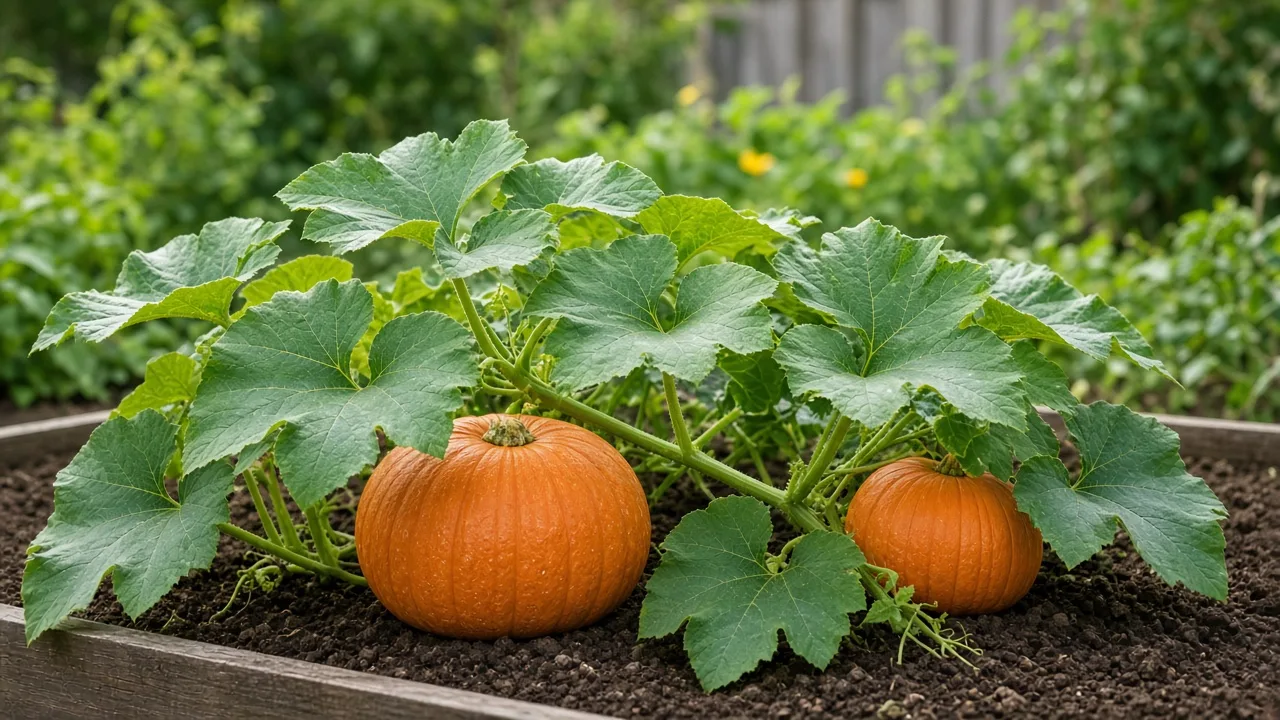
Pumpkin Repotting Guide for Grow Bags & Beds
Pumpkin Repotting Guide for Grow Bags & Beds
Pumpkin (Cucurbita pepo, kaddu in many Indian markets) is an annual vining crop, not a perennial you upsize every spring. Repotting here means a short seedling path: start in a small cell or pot, optionally move once into a slightly larger container while roots develop, then make one careful final transplant into a garden row, raised bed, or very large grow bag. After that, the vine should live out the season in place—shifting a flowering plant or a fruiting vine is a rescue mission, not routine care.
This page covers timing, pot volume, root handling, hardening off, and aftercare. For mix recipes and drainage tests, see the Pumpkin soil guide. For moisture once the plant is settled, use the Pumpkin watering guide.
Quick answer for kaddu growers
Plan one or two moves total, all before vines run hard. Pot up when seedlings have two to three true leaves and roots hold the plug together but have not formed a dense circling mat. Make the final move only when nights are reliably mild and the root zone is warm—cold, wet mix is the fastest way to stall or rot cucurbit roots. Standard carving and storage types need far more volume than herb pots—often 40 L or more in a grow bag or at least 45 cm (18 in) wide containers for compact bush cultivars, with open drainage. The RHS pumpkin guide describes sowing into small pots, repotting when roots fill them, and planting compact types into large containers or growing bags after the last frost.
Handle roots gently. Gourd-family seedlings tolerate root disturbance poorly compared with tomatoes; Epic Gardening’s pumpkin guide warns to disturb roots as little as possible when transplanting. Keep the soil surface at the same level as the original root ball—burying the stem invites rot. Harden seedlings for about a week, transplant in mild weather, water once to settle, and delay heavy feeding until new growth resumes.
Repotting, potting up, and final transplant are different jobs
Potting up moves a young seedling from a module or tiny pot into a modestly larger one so leaves and roots can grow a few more weeks indoors or on a sheltered terrace. Final transplanting places that hardened plant into the bed, mound, or grow bag where it will flower and fruit. Gardeners often say “repotting” for both, but treating them separately prevents the common mistake of placing a week-old seedling into a 50-litre bag that stays cold and soggy for days.
Why pumpkins are not houseplants
Perennial houseplant advice—annual upsizing, root pruning, refreshing the same pot for years—does not fit Cucurbita pepo. The species is a frost-tender annual that completes its life in one season NC State’s Cucurbita pepo profile. NC State notes that plants are easily grown from seed when soils are warm and may be transplanted in late spring or after the last frost. Once vines lengthen and female flowers appear, any unnecessary move risks transplant shock, blossom drop, and stalled fruit. Success means getting container size and site right before the plant becomes a sprawling vine.
When a pumpkin seedling needs a larger pot
Pot up after true leaves appear—not the smooth first cotyledons—and when the root ball is cohesive but not yet a white wall circling the cell. The RHS advises sowing one seed per 7.5 cm (3 in) pot or module to limit disturbance later, keeping seedlings at 18–21°C (65–70°F), watering regularly, and repotting into slightly larger pots once roots fill the current container before planting out after the last frost.
That pattern matches what Indian terrace growers need: a seedling tray for germination, one intermediate pot if monsoon or heat delays the final grow bag, then the last move into prepared mix. If the final site is ready and the seedling is stocky with a solid root ball, you may skip the intermediate pot—each move has a cost.
True leaves and root-ball checks
Slide one plant out while supporting the stem base. Ready signs include fine roots visible at the plug edge, the cell drying faster than neighbours, or growth pausing despite good Pumpkin light. Not ready if the plug crumbles with almost no roots, or if stems are tall, pale, and floppy—those often need more light before any pot change.
Hold seedlings by a leaf, not the fragile stem. Cucurbit stems bruise easily and can later invite damping-off if buried or crushed.
Signs you waited too long
Dense roots circling the bottom, roots emerging from drainage holes, or daily wilting in a small cup mean the plant needed more space days ago. Gently loosen only the outermost tight coil if you must; do not strip away healthy fine roots or bare the entire ball. Extremely root-bound seedlings may stall after transplant even with good care—starting a fresh seed batch is sometimes faster than rescuing a stressed vine.
Choosing the next pot or final grow bag
For the intermediate step, move up one practical size—often from a module into an 8–10 cm pot—rather than jumping to the season-long container. The new pot should have drainage holes and enough fresh mix around the ball to support a few weeks of growth without holding a huge reservoir of unused, wet compost.
Volume for bush types vs long vines
Match final volume to cultivar habit. The RHS states that most pumpkins fare best in the ground, while compact bush types can grow in growing bags or large containers at least 45 cm (18 in) wide filled with peat-free multipurpose or soil-based compost, with space around the pot for airflow. Long-vined carving and storage types on Indian terraces usually need grow bags of roughly 40 L or more for one vigorous plant, as noted in the Pumpkin overview and Pumpkin soil guide—shallow trays dry out in one hot afternoon and cannot anchor a heavy fruit load.
Epic Gardening cautions that pumpkins are not ideal for small container gardens compared with greens or peppers because of spread and water demand. If space is limited, choose a semi-bush or small pie type on the seed packet and still plan for a large final volume.
Best season and soil warmth before you move plants
Transplant only when weather and soil favour rapid root regrowth. NC State’s profile ties successful establishment to warm soils and frost-free conditions. Cold roots stop taking up water even if the air feels mild, which shows up as wilting on wet mix—a pattern that overlaps overwatering stress after a bad move.
Epic Gardening recommends hardening seedlings while avoiding nights below about 10°C (50°F) and transplanting after frost risk has passed. Germination indoors often needs warm trays—roughly 21–35°C (70–95°F) for even sprouting—before you ever move plants outside.
Sowing and transplant windows in India
Copying a foreign “last frost” date without checking local heat and rain often fails. On many plains, sow or transplant after heavy monsoon water has drained from beds and bags, when nights stay mild and soil warms in full sun. In cooler hill districts, a winter–spring cool window may work if you can protect young plants from cold nights. Always read days-to-harvest on the packet; starting a 120-day carving type too late on a short balcony season leaves immature fruit when heat returns.
Warm the grow bag in place before filling and planting. Cold, saturated bag mix on a shaded slab is a common reason transplants stall in October terrace setups.
How to pot up a pumpkin without tearing roots
Work with moist—not muddy—mix. Water the old cell an hour before the move so the ball stays intact.
- Fill the new pot partway with lightly moistened Pumpkin soil blend.
- Tap or press the seedling out; lift by a leaf and support the root ball from below.
- Set the plant so the soil line matches the original surface; backfill gently and firm only enough to remove large air gaps.
- Water once until excess drains, then empty any saucer.
- Return to bright light; shield from harsh midday sun for the first day if roots were exposed.
Do not apply a strong fertilizer dose immediately. Fresh mix and intact roots matter first; resume feeding per the Pumpkin fertilizer guide after upright new growth appears.
Final transplant into bed, mound, or mega-container
Prepare the destination before you lift seedlings. Enrich the whole planting area—not a teaspoon of compost in a deep hole—so lateral roots that form along stems can access better ground. On heavy clay, a raised mound or deep bag improves drainage during monsoon weeks, similar to hilling advice in Epic Gardening’s pumpkin guide.
Dig a hole about the size of the root ball. Slide the plant out with minimal handling, place it at the same depth, backfill, and water thoroughly. Space according to the seed packet; long vines may need 90 cm or more between plants, while bush types can sit closer if air still circulates. Install trellis or ground space for runners before stems lengthen.
Planting depth and stem-rot risk
Unlike tomatoes, pumpkins should not be buried deeply. Keep cotyledons and the stem base above the mix. Epic Gardening’s transplant steps emphasise keeping the soil surface level with the root ball to avoid stem rot or damping off. If a seedling is leggy, improve light on the next sowing rather than planting the stem deep.
Hardening off before outdoor planting
About four to seven days before the final move, gradually expose seedlings to outdoor light, wind, and temperature swings. Epic Gardening suggests starting hardening a week ahead while protecting plants from cold nights. Begin with sheltered morning sun, increase hours daily, and bring plants in if a cold snap threatens. Well-hardened foliage looks slightly tougher and darker; soft, watery leaves scorch when thrown straight onto a west-facing terrace.
Aftercare for the first two weeks
The fortnight after transplant sets the tone for flowering and fruit. Keep moisture even at the root zone—soak when the top 5–8 cm dries, not on a blind calendar. Mulch with dry straw or clean mulch once stems toughen, keeping the crown slightly open. Avoid overhead sprinkling late in the day when humidity is high.
Expect a brief pause in growth. If leaves wilt midday but recover overnight, check depth of watering before assuming disease. If wilting persists on wet mix, suspect cold roots or damage from rough handling rather than immediate fertilizer shortage.
When not to repot or transplant
Skip moves when plants are already flowering or setting fruit, during extreme heat or dry wind, when soil is waterlogged, or when pests have weakened the vine. Do not repot to “fix” powdery mildew or pest issues—address those directly. If the season is too far gone for your cultivar’s days-to-maturity, starting a new sowing in a fresh bag beats transplanting a stressed giant.
Pumpkins do not need autumn repotting for root refresh. Compost the vine after harvest and plan a new site next season, rotating away from recent cucumber, melon, or zucchini plantings when disease has been an issue, as noted in the Pumpkin overview.
Moving an established vine (last resort only)
Relocating a running vine with open flowers is risky. If you must—construction, flooding, or severe shade—dig a wide soil ball, move on a cool, overcast day, water deeply, and shade for several days. Trim no more than necessary; expect dropped blossoms and delayed fruit. For most growers, protecting the current spot with mulch, a tile under young fruit, or a trellis redirect is safer than digging mature Cucurbita pepo roots mid-season.
When to use this page vs other Pumpkin guides
Use this page when you are moving seedlings or choosing final container volume. Open the Pumpkin propagation guide for seed starting, direct sowing, and hand pollination—not repot timing. Use Pumpkin soil for mix ratios, pH, and drainage tests before you fill bags. Pumpkin watering covers daily moisture checks after transplant; Pumpkin light helps if seedlings stretch before any move. The Pumpkin overview ties season, spacing, and harvest together.
Related Pumpkin guides
- Pumpkin overview — identity, kaddu naming, and full-season habits
- Pumpkin soil — compost blends, grow-bag fill, and drainage checks
- Pumpkin watering — deep root-zone soaking without crown rot
- Pumpkin light — full sun needs and seedling stretch prevention
- Pumpkin fertilizer — when to feed after transplant shock passes
- Pumpkin propagation — raising the next crop from seed
Conclusion
Pumpkin repotting is a short, careful seedling sequence, not a repeating houseplant chore. Pot up when true leaves and roots justify it, harden plants before outdoor nights, and make one final move into a bed or grow bag sized to your cultivar—large for long vines, still generous for bush types. Keep the root ball intact, match planting depth to the original soil line, and transplant only in warm, draining conditions. Once kaddu vines run and bloom, leave them in place; steady water, sun, and pollination matter more than another pot. Plan the final container before you sow, and you will rarely need to rescue a cucurbit mid-season.