Sansevieria Moonshine Watering Guide: Schedule, Checks
Sansevieria Moonshine Watering Guide: Schedule, Checks, and Fixes
Sansevieria Moonshine Watering Guide: Schedule, Checks, and Fixes
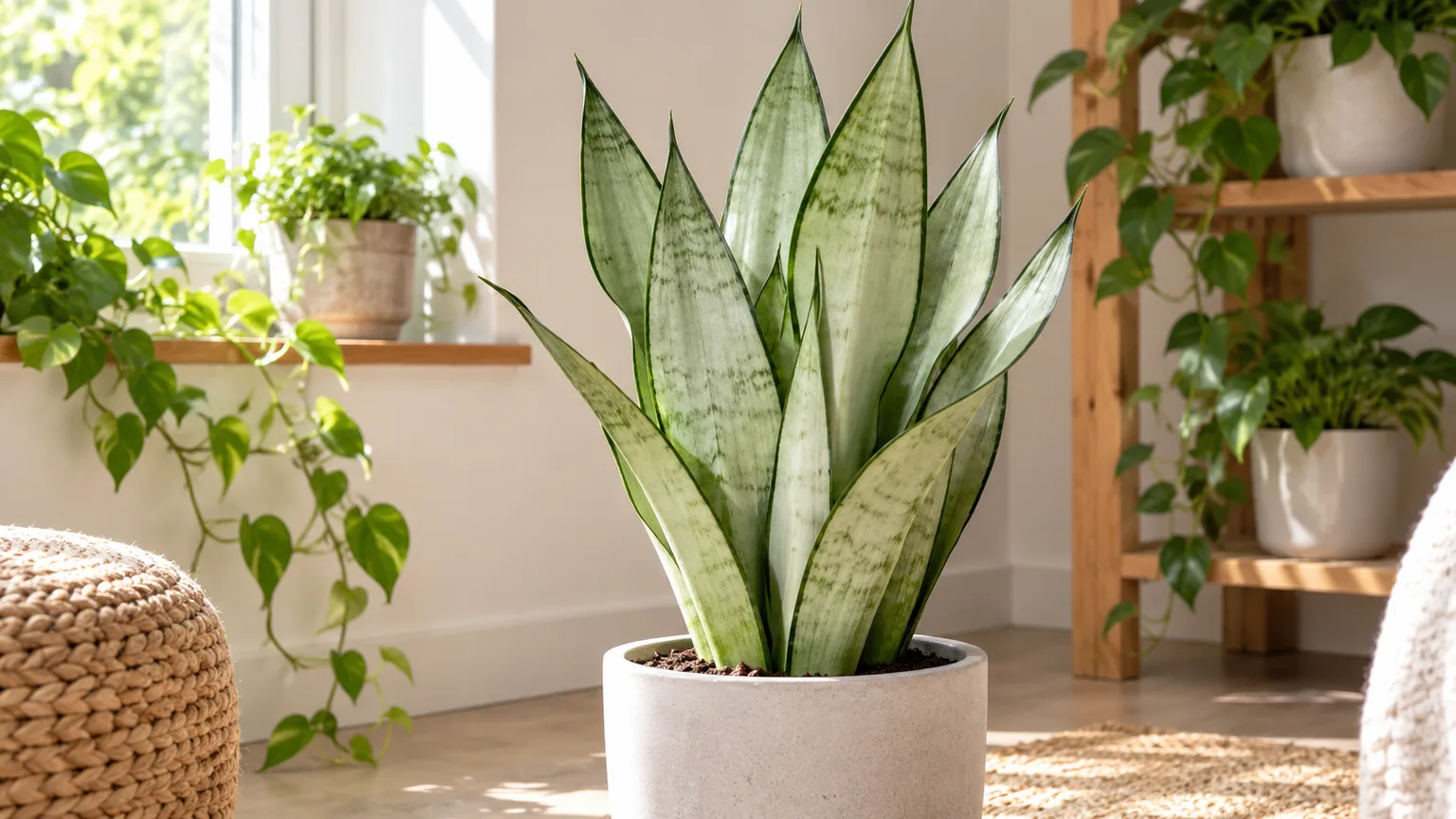
Dracaena trifasciata ‘Moonshine’ is sold as an easy, low-maintenance snake plant — and that is mostly true. What the label rarely mentions is that Moonshine is also a light-hungry silver cultivar whose watering rhythm depends on how bright your room actually is. Water on a fixed Tuesday schedule while the pot sits in a dim corner, and you get the classic failure pattern: soil that never fully dries, leaves that slowly revert from powdery silver to plain green, and mushy bases that smell wrong long before you admit the plant is drowning.
Moonshine shares the same drought-built biology as every other snake plant. The care difference is practical: pale, broad leaves in insufficient light use almost no water, so the interval between soaks stretches far longer than intuition suggests — yet many owners water as if the plant were in a bright window. This guide covers how often to water Sansevieria Moonshine, how to check dryness reliably, seasonal cutbacks, and what to do when silver foliage starts telling you the root zone is wrong.
Why Moonshine Stores Water Like a Succulent but Still Drowns Easily
Dracaena trifasciata evolved in the dry seasons of West Africa, where rain arrives in bursts and drains quickly through sandy ground. The plant stores moisture in thick leaves and underground rhizomes — swollen stems that act as a backup tank. That architecture lets a healthy Moonshine survive weeks without fresh water far more easily than days sitting in soggy mix.
When soil stays wet, roots lose oxygen. Fungi and bacteria move in, and rot spreads while leaves still feel firm because the plant is burning stored reserves. Penn State Extension notes you can neglect to water a snake plant for about a month with little harm, but killing it with too much water is easy and common. Moonshine is not exempt from that math.
Treat watering as a dry-soil decision: let the entire root zone go bone dry, then soak thoroughly. Your job is not to keep soil lightly moist like a fern. When in doubt, wait another week.
What Makes Moonshine Watering Different From Other Snake Plants
All trifasciata forms use the same soak-and-dry method. Moonshine adds two cultivar-specific wrinkles owners miss.
First, light demand. The RHS profile for ‘Moonshine’ lists full sun and well-drained loam or sand — brighter than the “survives anywhere” marketing implies. In dim rooms, growth stalls, silver fades toward green, and the pot dries slowly. Owners who water on a bright-window schedule in a dark hallway create the exact conditions for overwatering on Sansevieria Moonshine.
Second, leaf appearance. Broad, silvery blades hide early drought stress better than banded Laurentii leaves — wrinkling may arrive late. Pale foliage also shows crisp brown tips clearly when underwatering or salt buildup stresses the plant. Read the newest leaf for color and firmness, not only the oldest scarred blades.
If your Moonshine is darkening and soil stays damp for weeks, fix light placement and soil drainage before adding more water.
How Often to Water Sansevieria Moonshine
There is no universal calendar. A Moonshine in a 4-inch terracotta pot on a bright east windowsill in July might need water every ten to fourteen days. The same plant in a glazed 10-inch pot in a dim January hallway might go six to eight weeks without stress. NC State Extension advises allowing soil to dry between waterings from spring through autumn and checking moisture before each pour.
Use ranges as starting guesses, then replace them with dry-down data from your actual pot. Set a reminder to check weekly — not to water automatically.
Summer and Active Growth Intervals
During spring and summer, longer days and warmer rooms restart growth — new silvery leaves, pups at the base, faster water use. Most indoor Moonshines land around every two to four weeks, with bright light, small terracotta pots, and gritty mix pulling toward the shorter end.
Air conditioning complicates summer: sunny window zones may dry fast while cool back rooms hold moisture. Lift the pot before every pour. A still-heavy container means wait.
Winter Dormancy Intervals
Growth slows in fall and winter. The same soil volume holds moisture much longer. NC State Extension recommends watering only every one to two months in winter when growth slows. Moonshine in cool, dim rooms can stretch even longer if the dry-down test says wait.
This is when kindness kills. Owners who keep summer frequency through November never let soil fully dry. By January, yellow bases and sour mix appear. The RHS cultivation note for Moonshine is explicit: protect from winter wet. Cut back hard. An extra dry week is safe; an extra wet week is not.
The Dry-Down Test Before Every Pour
Surface dust on silver leaves does not tell you what is happening at the root ball. The top inch can look pale and dry while the center still holds moisture. Moonshine, like all snake plants, needs the entire root zone dry before the next soak — not just the surface.
Pick one or two methods and use them every time.
Finger, Skewer, and Pot-Weight Methods
Finger or skewer: Push into the drainage hole if reachable, or drive a chopstick deep through the top. Dark soil, clinging crumbs, or a damp stick means wait. Clean and dry at depth means go.
Pot weight: Lift the container right after a thorough watering and notice the heft. A light, almost hollow feel before the next session means dried down. Weight beats guesswork in plastic and glazed pots.
Moisture meters are optional. Read deep, not surface-only, and calibrate against skewer checks until you trust your hands.
How to Water Moonshine Correctly
When the dry-down says go, water thoroughly. Moonshine prefers an occasional deep soak and a long dry spell — not small sips every few days. Frequent light watering keeps the upper mix damp, fails to flush salts, and rots fine roots near the surface.
Deep Soak and Full Drain
Water slowly until runoff flows from drainage holes. Let the pot drain fifteen to thirty minutes, then empty the saucer or cachepot so the plant never stands in pooled water. Missouri Botanical Garden guidance for Dracaena trifasciata is dry to medium moisture with significantly reduced watering from fall to late winter — the seasonal soak-and-dry pattern, not constant dampness.
Avoid pouring into tight rosette crowns if water pools there. Room-temperature tap water is fine for most homes. Bottom watering works if you still drain fully and wait for complete dryness before repeating.
Overwatering Warning Signs on Silver Foliage
Rot develops underground while silver leaves look fine for weeks. Catch these early:
- Yellow leaves at the base, especially several at once, not one old leaf fading naturally.
- Soft, mushy leaf bases where blades meet soil. Healthy Moonshine leaves spring back when pressed.
- Soil wet more than forty-eight hours after watering, or damp when you expected dryness.
- Sour or musty smell from the pot — anaerobic decay has started.
- Wilting or drooping leaves despite moist soil — damaged roots cannot move water up even when mix is wet (root rot paradox).
- Leaves that detach easily at the base, often with black mush on the rhizome.
Two or more signs together mean stop watering, unpot if possible, and inspect roots. Firm white to tan roots are healthy; dark slimy roots need trimming and fresh fast-draining soil.
Underwatering Signs You Might Miss on Pale Leaves
Extended drought is less dangerous than rot but still stresses Moonshine. Watch for wrinkled or puckered silver blades, crispy brown tips, and leaves that feel less rigid than usual. Severe drought may curl older leaves inward as the plant sacrifices peripheral tissue.
Fix with one deep soak, full drain, then return to normal dry-down checks. Do not compensate with daily sips — that mimics overwatering at the surface. Mature plants in cool winter dimness can go four to six weeks without harm if leaves stay firm; in active summer growth, letting a small pot pass four weeks without a check is pushing luck.
Seasonal Rhythm Adjustments
| Season | Growth | Typical indoor interval | Key note |
|---|---|---|---|
| Spring (Mar–May) | Waking | Every 2–3 weeks | Resume checks as new silver growth appears |
| Summer (Jun–Aug) | Active | Every 2–4 weeks | Bright-window pots dry fastest |
| Fall–Winter (Sep–Feb) | Slow | Every 4–8+ weeks | Never keep summer autopilot |
Day length matters as much as the calendar. A Moonshine under fourteen-hour grow lights in January may need summer-style intervals; one in a north room with nine hours of gray daylight may need almost no water all winter. Adjust to actual dry-down, not the month on the wall.
Pots, Drainage, and Container Choice
Drainage holes are non-negotiable. Penn State Extension recommends containers with holes to prevent soggy soil — especially in low light where evaporation is slow.
Terracotta wicks moisture through porous walls and speeds dry-down — ideal if you tend to overwater Moonshine. Plastic retains water longer; rely on weight checks. Glazed ceramic behaves like plastic but heavier, which helps the lift test. Oversized pots hold unused damp soil around sparse roots — repot one size up only when rootbound.
The Light-Water Link for Moonshine Cultivars
This section matters more for Moonshine than for darker snake plant cultivars. Bright indirect light — the kind that keeps new leaves silvery rather than olive — also increases transpiration and soil dry-down. A Moonshine moved from a bright east window to a dim interior corner without changing water habits will sit wet twice as long.
If you lower light, extend the interval the same week. If you upgrade light per the Moonshine light guide, recheck dry-down after two weeks — you may need water slightly sooner. Humidity near 30–50% has little effect; misting does not hydrate roots.
Soil Mix and How Fast the Pot Dries
Water exits the root zone only as fast as the mix allows. Moonshine needs gritty, fast-draining soil — a cactus and succulent blend with extra perlite or pumice. Heavy peat-based indoor mix compacts, holds water at the center, and turns reasonable intervals into rot traps.
If nursery soil stays wet for weeks, the mix — not your calendar — is the problem. Penn State recommends cactus mix or perlite-amended soil because standard peat-heavy indoor soil stays wet too long around snake plant roots. Refresh tired mix every few years even when top growth looks fine.
Watering Fresh Repots and New Purchases
After repotting into dry mix, give one moderate watering to settle soil, drain fully, then wait for complete dryness before the next soak. Nursery plants often arrive in peat-heavy wet mix — quarantine, learn how fast that pot dries, and do not repot-and-soak on day one unless drainage is blocked.
Soggy welcome-home watering on already-wet store soil is a leading first-month failure. Weight the pot after purchase and track days until it feels light.
Propagations Need Different Moisture Rules
Established Moonshine uses soak-and-dry. Propagations do not. Fresh leaf cuttings or small divisions with minimal roots need lightly even moisture — not soaked, not bone dry — until roots form. That may mean a light top-water every five to seven days in warm bright conditions, always with drainage.
Once a pup resists a gentle tug, shift to adult dry-down checks. Leaf cuttings may root green pups that lose the silver cast — that is genetic, not watering — but keeping established pups on propagation moisture after rooting is a common overwatering path.
Recovering a Waterlogged Moonshine
Early catch — damp soil but mostly firm roots: stop watering, move to brighter indirect light if the plant was shaded, remove mushy outer leaves, pause fertilizer, and let mix dry completely. Recheck in seven to ten days.
Advanced rot — sour smell, black slimy roots, multiple soft yellow leaves: unpot, rinse, trim all decay, repot into fresh dry cactus mix with drainage, wait one to two weeks, then water cautiously once fully dry. Post-rescue intervals should be longer than before, not the same.
If most roots are gone, propagate firm leaf sections as backup. Snake plants forgive many sins through propagation — but only after you stop watering a drowning pot.
Conclusion
Sansevieria Moonshine watering succeeds when dryness is the signal and a deep soak is the response. Check the root zone with a skewer, finger, or pot-weight lift before every pour. In active growth, expect roughly every two to four weeks; in winter dormancy, stretch to every four to eight weeks or longer in cool dim rooms — and remember Moonshine in low light dries slower than marketing suggests.
Overwatering — not drought — is the enemy. Yellow mushy bases, sour soil, and wilting in wet mix mean stop and inspect roots. Match intervals to pot material, soil, light that keeps leaves silver, and season. Get the dry-down right and Moonshine becomes the striking, forgiving plant it was bred to be: pale blades that catch window light, asking little beyond patience and a dry pot.
When to use this page vs other Sansevieria Moonshine guides
- Sansevieria Moonshine overview — Whole-plant context, toxicity, and quick-care snapshot before this deep dive.
- Sansevieria Moonshine light — When silver fades to green or dry-down seems unpredictable; light and water move together for this cultivar.
- Sansevieria Moonshine soil — When the pot stays wet too long despite conservative watering.
- Sansevieria Moonshine problems hub — Symptom-specific fixes when adjusting water alone does not resolve the issue.
- Overwatering on Sansevieria Moonshine — Escalate when mushy bases and sour soil persist after you stop watering.
Related Sansevieria Moonshine guides
- Sansevieria Moonshine overview
- Sansevieria Moonshine light
- Sansevieria Moonshine soil
- Sansevieria Moonshine propagation
- Sansevieria Moonshine fertilizer
- Sansevieria Moonshine repotting
- Overwatering on Sansevieria Moonshine
- Underwatering on Sansevieria Moonshine
- Root Rot on Sansevieria Moonshine
- Wilting on Sansevieria Moonshine
- Drooping Leaves on Sansevieria Moonshine
- Mold on Soil on Sansevieria Moonshine