Indian homes often combine strong window light, AC-cooled bedrooms, monsoon humidity spikes, and irregular watering when travel or festivals interrupt routines. The best indoor plants for India tolerate heat, recover from missed waterings, and do not demand constant misting like cool-climate ferns.
This guide compares ten species by heat tolerance, monsoon performance, AC survival, and beginner care. See also Best Low-Maintenance Indoor Plants and Best Plants for Balcony.
The ten best indoor plants for India for most homes are Snake plant, Pothos, Money tree, Aglaonema, Rubber plant, ZZ plant, Spider plant, Peace lily, Philodendron, Monstera deliciosa. Indian apartments vary—Mumbai humidity differs from Delhi dry heat. These ten tolerate common indoor swings.
What Indian Indoor Conditions Demand
Many apartments receive bright indirect to direct light through clear glass—faster soil drying than temperate climates. AC bedrooms drop humidity; monsoon season raises it. Extension principles still apply: match light and drainage first. (University of Georgia Extension)
Use drain holes—monsoon dampness plus overwatering rots roots quickly in closed ceramic pots.
Quick Pick: Best Plant for Your Situation
For maximum heat and neglect tolerance, choose snake plant or ZZ plant.
For trailing easy green, choose pothos.
For AC bedrooms, choose aglaonema.
For auspicious floor tree, choose money tree.
How to Choose
Prioritize drainage, heat-tolerant leaves, and forgiving watering. Move succulents slightly back from hottest noon glass. Reduce watering in AC rooms during cool monsoon weeks when soil stays wet longer.
How We Selected These Ten
Selected for performance in warm indoor climates, nursery availability in Indian metros, and LeafyPixels care depth—not cool greenhouse specialists.
Comparison Table
Snake plant
Best for: Indian AC bedrooms
Difficulty: Easy
Light: Low–bright indirect
Water: Every 2–4 weeks
Best placement: Bedroom corner away from AC vent
Pet safety: Toxic if ingested
Typical indoor size: 1–4 ft
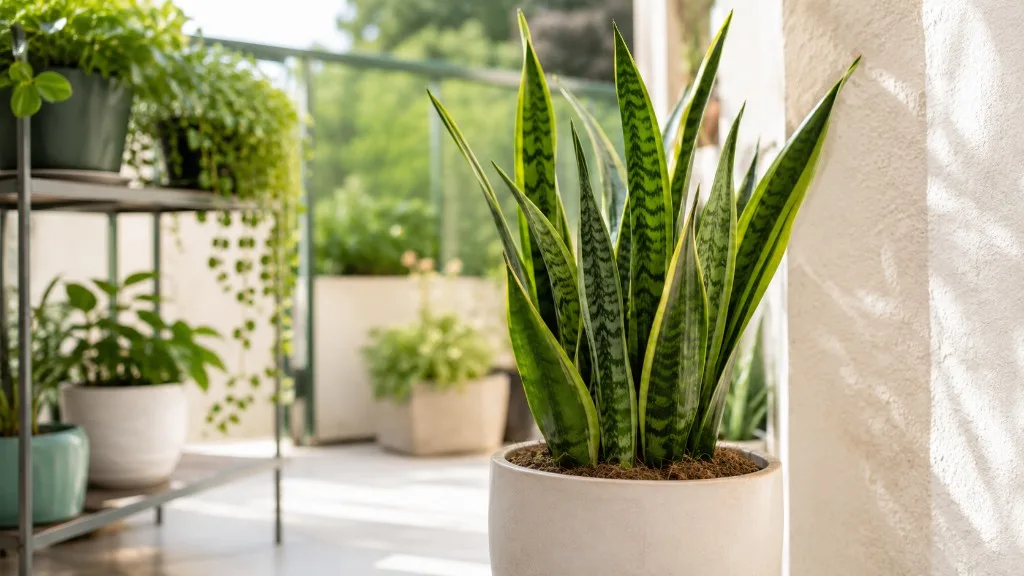
Snake plant handles dry AC air and warm apartments—ubiquitous in Indian homes for good reason.
Why it works: Top heat and AC survivor.
Who it is for: Busy professionals and travelers.
Care reality: Rot if overwatered in monsoon season.
Common mistake: Daily watering from household help.
Limitation: Toxic to pets.
Useful care guides:
Pothos
Best for: Indian trailing default
Difficulty: Easy
Light: Low–bright indirect
Water: When top 2 in. dry
Best placement: Shelf or stair landing
Pet safety: Toxic if ingested
Typical indoor size: Vines 6–10 ft
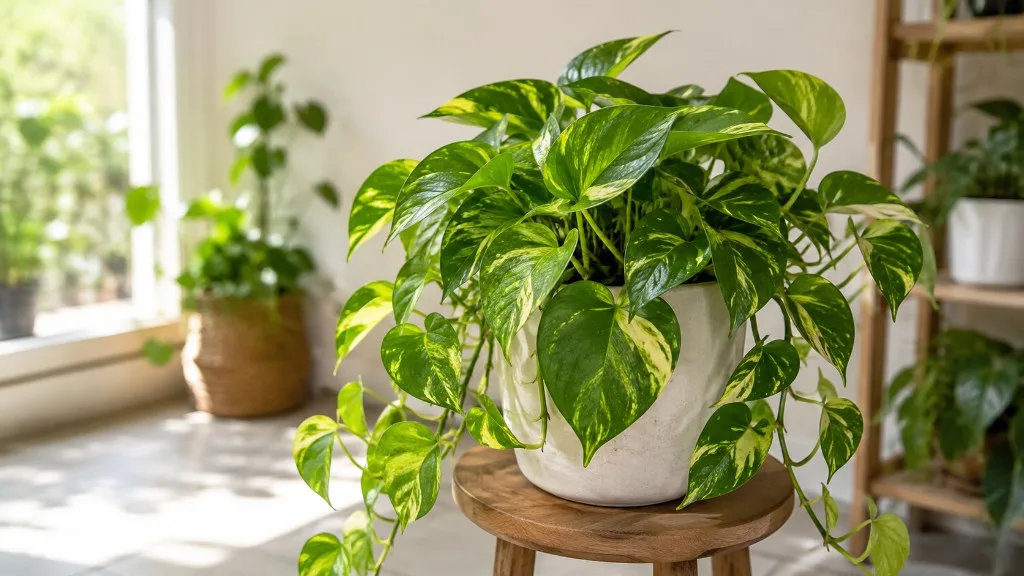
Pothos grows fast in bright Indian window light—standard first plant.
Why it works: Easiest vine for warm flats.
Who it is for: First-time plant owners.
Care reality: Trim to control length in compact flats.
Common mistake: Sealed pots without drainage in monsoon.
Limitation: Toxic to pets.
Useful care guides:
Money tree
Best for: living room statement
Difficulty: Easy
Light: Bright indirect
Water: When top 2 in. dry
Best placement: Living room near window
Pet safety: Non-toxic (ASPCA)
Typical indoor size: 4–6 ft
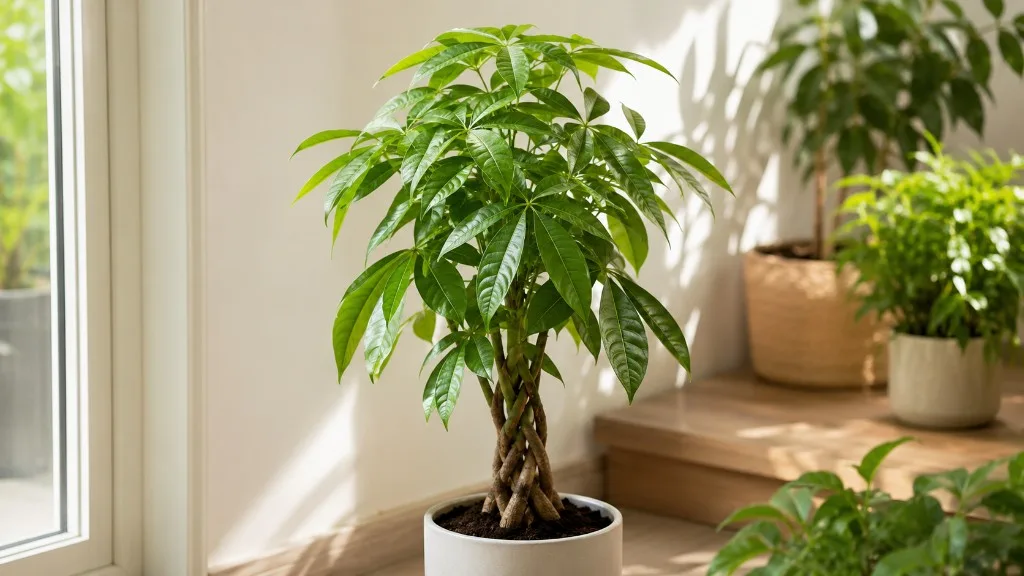
Money tree popular gift plant in Indian homes—tolerates warm rooms with drainage.
Why it works: Auspicious floor tree.
Who it is for: Living rooms with pets.
Care reality: Overwatering during monsoon.
Common mistake: Dark corner placement.
Limitation: Needs bright light.
Useful care guides:
Aglaonema
Best for: AC office desks
Difficulty: Easy
Light: Low–medium indirect
Water: When top 2 in. dry
Best placement: Office desk
Pet safety: Toxic if ingested
Typical indoor size: 1–3 ft
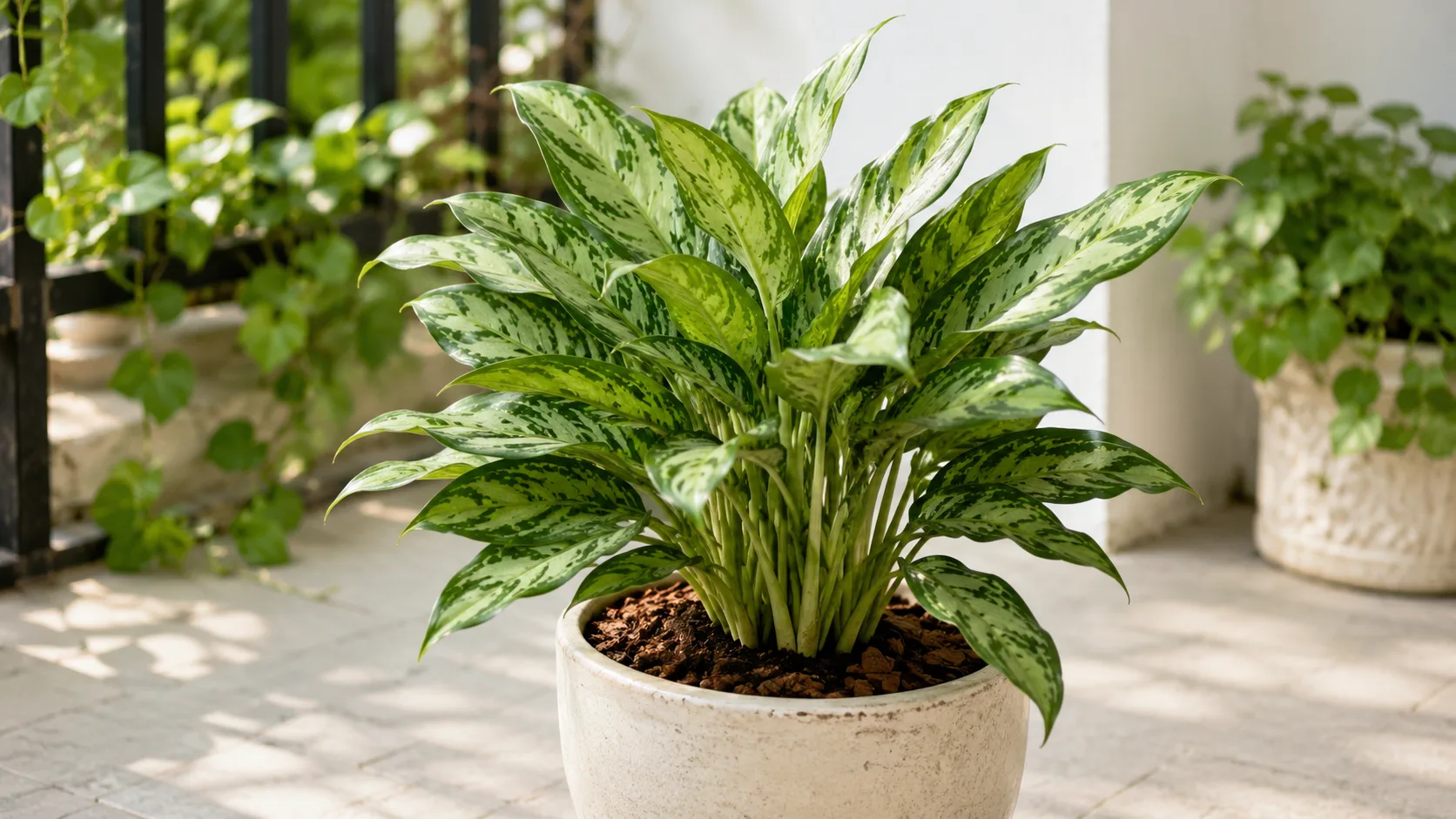
Aglaonema Chinese evergreen survives cooled offices and moderate home light.
Why it works: AC office classic.
Who it is for: Corporate desk growers.
Care reality: Cold AC vent causes leaf drop.
Common mistake: Variegated types in very dim corners.
Limitation: Toxic to pets.
Useful care guides:
Rubber plant
Best for: bright Indian living rooms
Difficulty: Easy
Light: Bright indirect
Water: When top 2 in. dry
Best placement: Near large window
Pet safety: Toxic if ingested
Typical indoor size: 4–8 ft
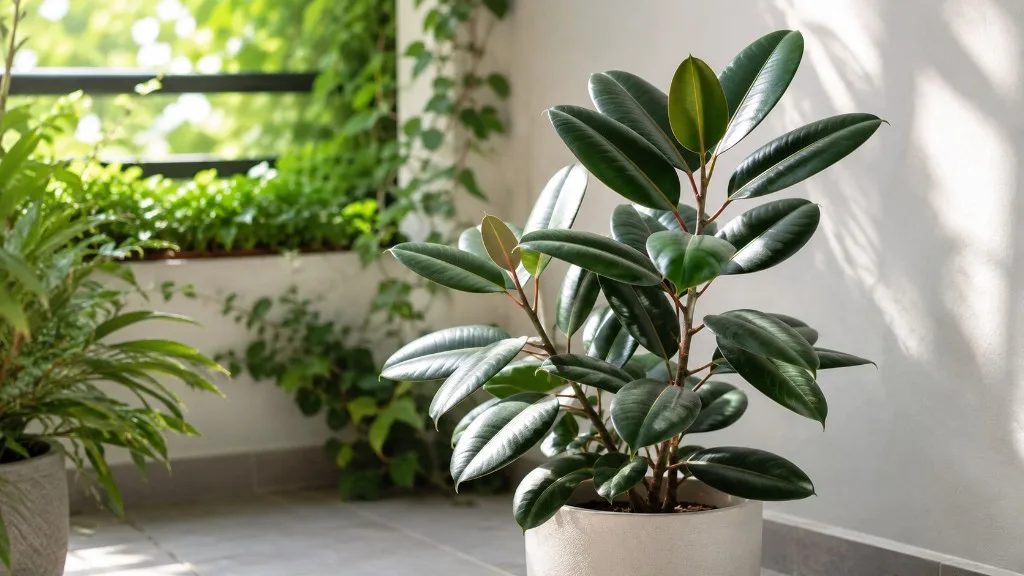
Rubber plant thick leaves use strong window light common in Indian apartments.
Why it works: Large glossy statement.
Who it is for: Bright living rooms.
Care reality: Wipe dust from leaves monthly.
Common mistake: Overwatering when soil dries slowly in monsoon.
Limitation: Toxic to pets.
Useful care guides:
ZZ plant
Best for: travel and festival gaps
Difficulty: Easy
Light: Low–medium indirect
Water: Every 2–4 weeks
Best placement: Bedroom or office
Pet safety: Toxic if ingested
Typical indoor size: 2–3 ft
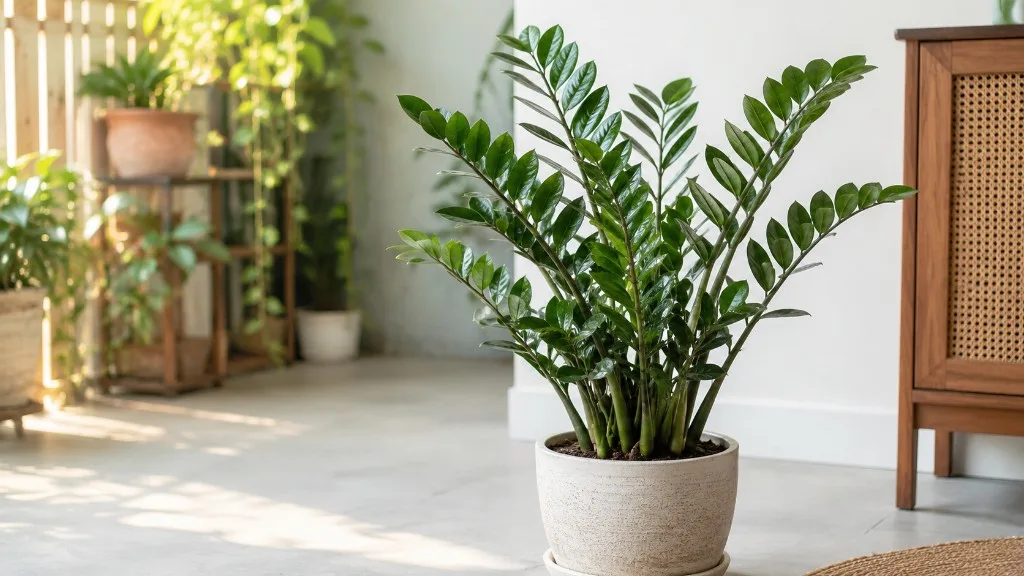
ZZ plant survives weeks without water during travel—festival season friendly.
Why it works: Festival-travel survivor.
Who it is for: Families away for holidays.
Care reality: Glossy leaves handle AC dryness.
Common mistake: Overwatering when help waters daily.
Limitation: Toxic to pets.
Useful care guides:
Spider plant
Best for: family flats with light
Difficulty: Easy
Light: Bright indirect
Water: When top 2 in. dry
Best placement: Hanging near window
Pet safety: Non-toxic (ASPCA)
Typical indoor size: 12–24 in.
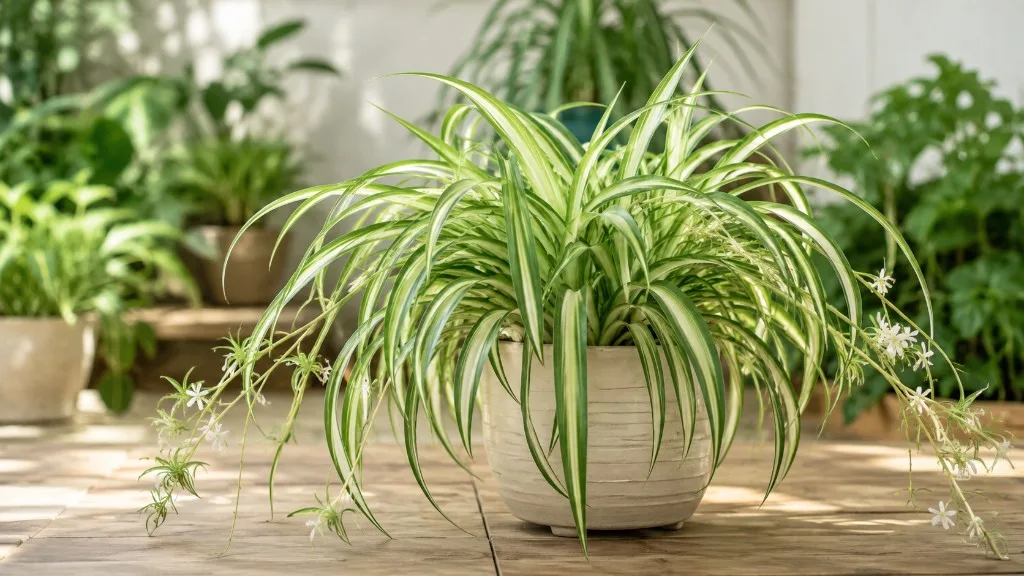
Spider plant fast grower in bright Indian window light—pet-safe bonus.
Why it works: Pet-safe fast grower.
Who it is for: Homes with kids and pets.
Care reality: Rot if monsoon keeps soil wet.
Common mistake: Dark interior rooms only.
Limitation: Needs reasonable light.
Useful care guides:
Peace lily
Best for: low-light Indian corners
Difficulty: Medium
Light: Low–medium indirect
Water: When top inch dries
Best placement: North or shaded corner
Pet safety: Toxic if ingested
Typical indoor size: 2–4 ft
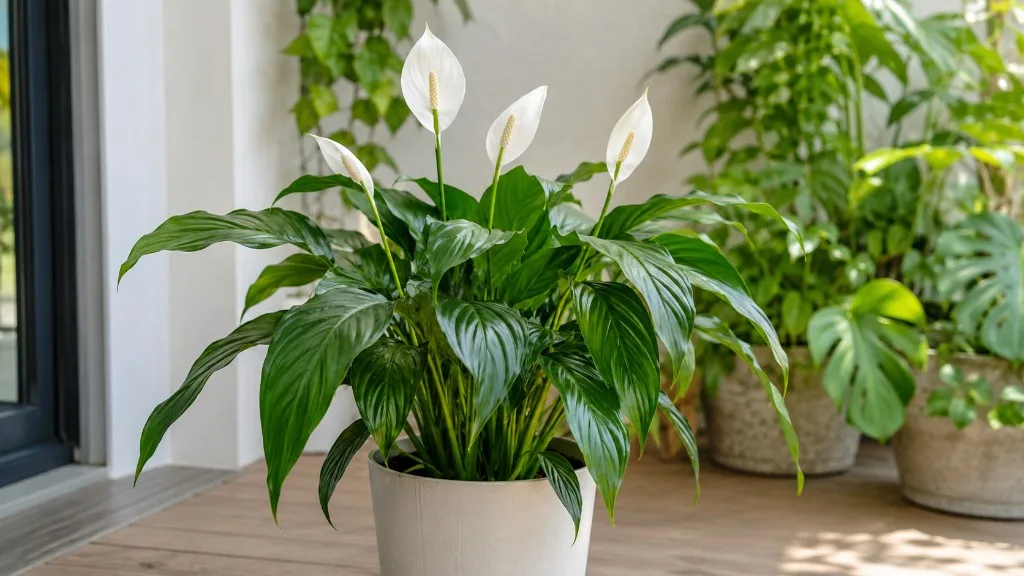
Peace lily tolerates lower light in Indian apartments—wilts clearly when dry.
Why it works: Wilt signals for irregular waterers.
Who it is for: Shaded room growers.
Care reality: Recovers from wilt; rot if always wet.
Common mistake: Keeping wet through monsoon without checking soil.
Limitation: Toxic to pets.
Useful care guides:
Philodendron
Best for: warm trailing landings
Difficulty: Easy
Light: Medium–bright indirect
Water: When top 2 in. dry
Best placement: Stair landing hook
Pet safety: Toxic if ingested
Typical indoor size: Vines 6–10 ft
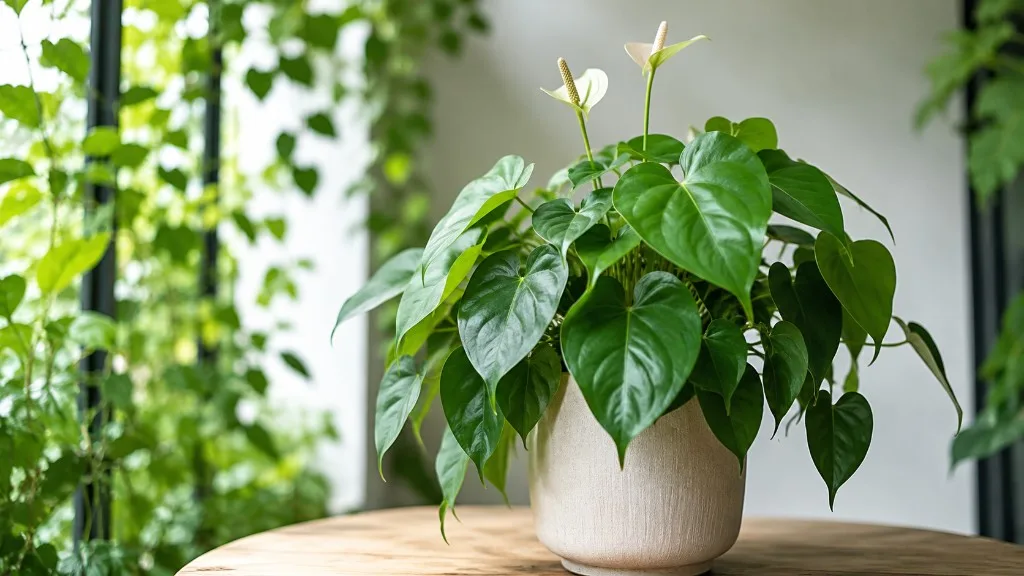
Philodendron explodes in warm bright Indian flats—easy propagation to share.
Why it works: Fast warm vine.
Who it is for: Multi-story home growers.
Care reality: Share cuttings with neighbors easily.
Common mistake: Low light legginess.
Limitation: Toxic to pets.
Useful care guides:
Monstera deliciosa
Best for: bright flat statement
Difficulty: Easy
Light: Bright indirect
Water: When top 2 in. dry
Best placement: Living room near window
Pet safety: Toxic if ingested
Typical indoor size: 6–10 ft
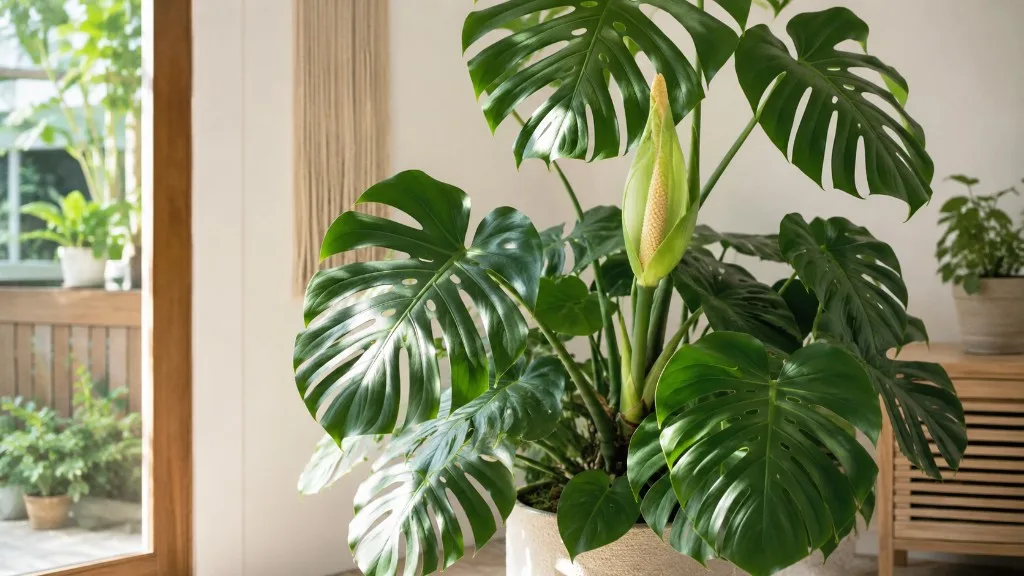
Monstera deliciosa uses strong Indian window light for split leaves—provide moss pole.
Why it works: Instagram-ready warm-climate icon.
Who it is for: Bright apartment statement seekers.
Care reality: Pull back from hottest noon glass.
Common mistake: North-only dark flats.
Limitation: Toxic; needs space.
Useful care guides:
Common Mistakes
No drainage because monsoon air feels humid. Soil still rots in sealed pots—use holes year-round.
Daily watering by household help. Snake plant and ZZ plant need dry cycles—train helpers or choose peace lily with clear wilt cues.
Placing succulents in hottest noon glass. Acclimate and use sheer curtain—heat through clear glass scorches leaves.
Choosing maidenhair fern for AC bedroom. Dry AC kills delicate ferns—aglaonema or snake plant fit better.
Conclusion
Indian indoor growing favors tough, bright-light-tolerant plants: snake plant, pothos, and money tree lead; ZZ plant survives travel; monstera rewards bright flats. Drainage first, then light.