Best Bathroom Plants for Humidity and Low Light
Choose 17 bathroom plants by light, humidity, watering, size, and pet safety—plus drainage and ventilation rules that prevent root rot.
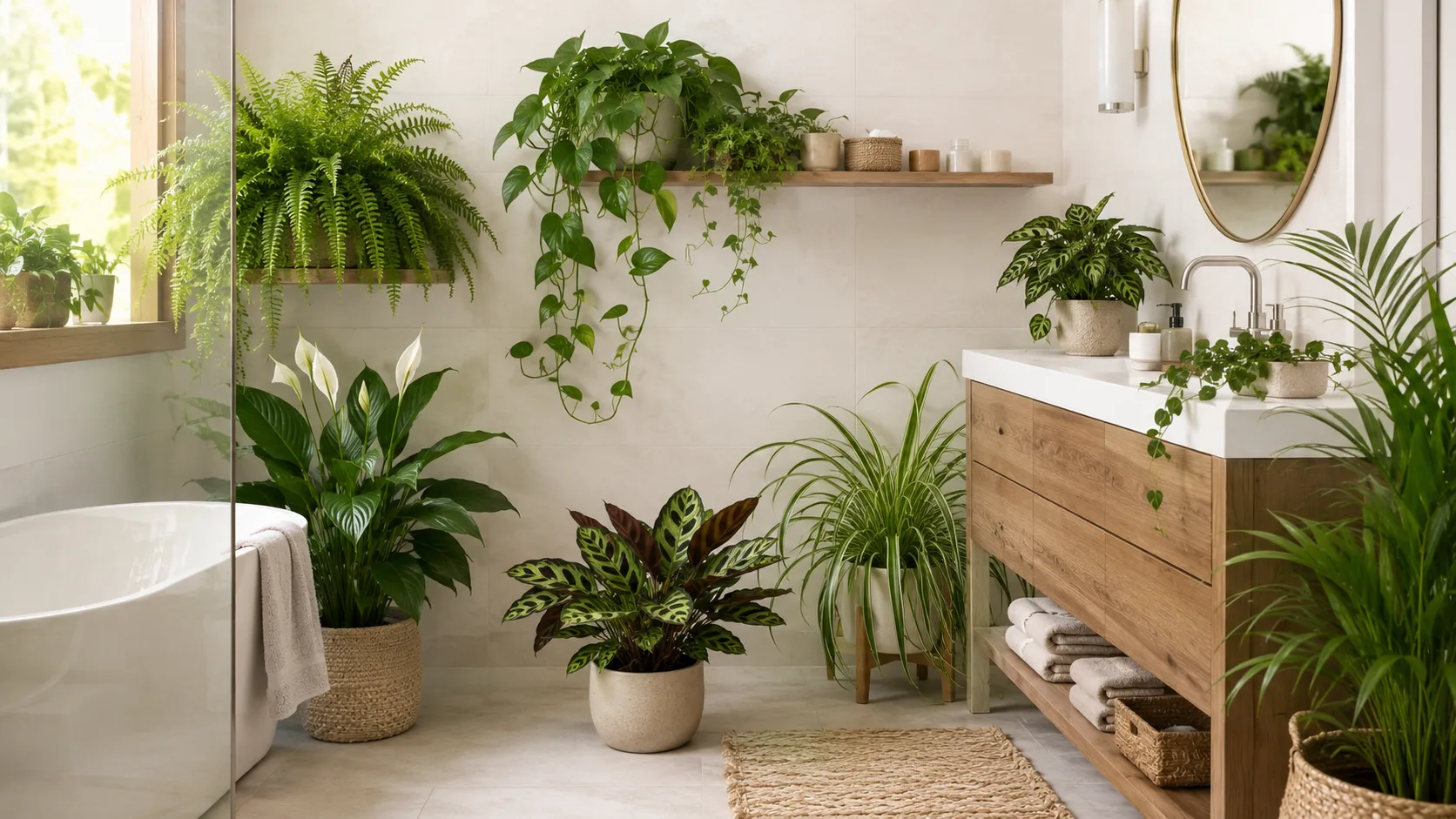
The best bathroom plants are not simply the ones that enjoy humidity. They are the ones that can handle your bathroom’s usable light, shower schedule, temperature swings, space, and watering habits at the same time. A bright bathroom with a clear window can support an orchid or Boston fern; a dim guest bath is a better home for pothos, a snake plant, or a cast-iron plant.
Start with light, then use humidity as the tie-breaker. Penn State Extension notes that bathroom humidity depends on how often the room is used, and that the room’s biggest drawback for plants is often inadequate light. Steam can soften dry-air stress for tropical foliage, but it does not water roots, correct a dark room, or make a pot without drainage safe.
Light Beats Humidity When Choosing a Bathroom Plant
Plants need light to photosynthesize, and “low light” means less light than a plant’s ideal, not darkness. A plant may remain green for months in a dim bathroom while slowly using stored energy, stretching toward the door, losing variegation, or producing no new growth. That is survival, not thriving.
The English Garden makes the same useful distinction in its low-light coverage: snake plants, ZZ plants, cast-iron plants, peace lilies, and some philodendrons tolerate dimmer rooms, but growth slows as light falls. If a bathroom has no usable daylight, install a plant grow light on a timer or rotate the plant to a brighter room; do not buy a humidity lover and expect shower steam to solve the light problem.
Use a 30-second light test before buying
Stand where you want the plant during the brightest part of the day, with the bathroom lights off. If daylight lets you read comfortably and you can see a soft shadow, choose from the medium-light group: ferns, peace lilies, calatheas, orchids, and bromeliads. If the room is visibly dim but still has diffuse daylight, choose pothos, snake plant, cast-iron plant, or Chinese evergreen.
If you need the overhead light to see clearly, treat the room as light-limited, even if it gets steamy. A grow light can make it workable, but ordinary ceiling bulbs are rarely positioned or timed to provide enough plant light. Keep any fixture away from splashing water, and run the light consistently rather than leaving it on for one long weekend.
Humidity is worth measuring if you are choosing between a demanding fern and a forgiving foliage plant, but do not chase one magic percentage. Penn State Extension notes that houseplants come from different environments and do not share one ideal humidity level. A small hygrometer placed near the proposed plant for several days can reveal whether the room stays humid or only spikes briefly after a shower.
That distinction changes the shortlist. A Boston fern in a frequently used bathroom may benefit from the room’s regular moisture, while the same fern in a rarely used powder room still needs close attention to soil moisture. Conversely, a snake plant does not need a humid bathroom at all; placing it there is a light-and-layout decision, not a humidity requirement.
Choose by Your Bathroom Type
Windowless bathroom: Use a grow light and select a tolerant plant such as pothos, snake plant, cast-iron plant, or Chinese evergreen. Gardening Know How likewise treats low light as the key constraint in bathrooms with small or nonexistent windows. Otherwise, rotate a plant into a bright room regularly and treat the bathroom as a short-term display location, not its permanent home.
Small or frosted window: Pothos, spider plant, peace lily, parlor palm, and darker-leaved aglaonema are dependable starting points. Put the plant as close to the window as the temperature and splash pattern allow, and move highly variegated plants closer to the light because pale leaf sections contribute less photosynthetic surface.
Bright clear window: Filter strong midday or afternoon sun with a sheer curtain. This is the right room for a Phalaenopsis orchid, Boston fern, calathea, bromeliad, or monstera, provided the plant is not pressed against cold glass or blasted by a heating or air-conditioning vent.
Daily-use shower room: Choose humidity lovers that also tolerate consistent care, such as Boston fern, bird’s nest fern, peace lily, or calathea. Rarely used guest bathroom: Choose plants that tolerate dry-down and irregular attention, such as snake plant, cast-iron plant, pothos, or peperomia; a room that never steams is not a tropical greenhouse.
Use the plant’s natural habit to solve the layout problem as well as the climate problem. A trailing pothos or heartleaf philodendron makes use of a high shelf, a snake plant or cast-iron plant fills a narrow floor corner, and a bird’s nest fern or peperomia fits a shallow vanity. Keep any plant far enough from the sink and shower that splashes do not land on the foliage or soil every day.
Some popular “bathroom” suggestions are only conditionally good. Aloe vera, jade plant, string of pearls, and other succulents prefer brighter light and a faster dry-down than a dim, steamy room usually provides. Gardenia may enjoy humidity, but it also demands strong light, stable temperatures, and acidic feeding; it is a project for a bright bathroom, not a default beginner plant. The right question is not whether a species can tolerate one humid afternoon, but whether its roots and leaves can handle the room week after week.
Best Easy Plants for Low and Medium Light
These are the forgiving choices for bathrooms where light is limited or care is not perfectly consistent. They tolerate humidity, but none should be planted in a permanently wet pot.
Pothos
Pothos (Epipremnum aureum) is the best all-around bathroom plant for a beginner who wants trailing growth. NC State Extension describes it as a low-maintenance vine that can survive long periods in low light, while bright indirect light keeps variegation and new growth stronger. Let the potting mix dry somewhat between thorough waterings, and prune above a leaf node when the vines become sparse at the ends.
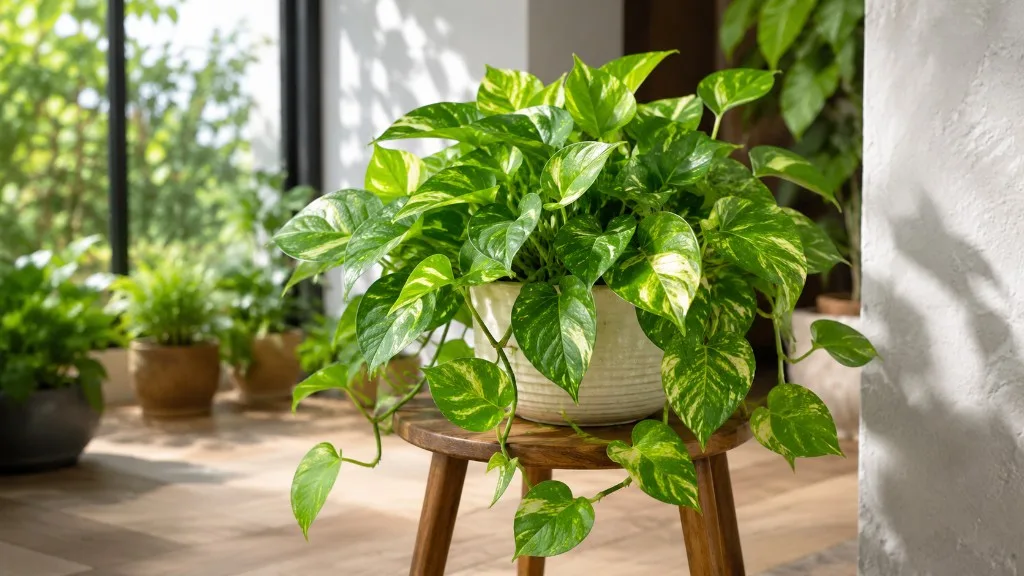
Its main limitation is safety, not care. The ASPCA lists pothos, also called devil’s ivy, as toxic to cats and dogs because of insoluble calcium oxalates, so keep trailing stems away from chewing height. If the bathroom is pet-accessible, choose a spider plant instead or hang pothos where a curious animal cannot reach it.
Snake Plant and Cast-Iron Plant
Snake plant (Dracaena trifasciata, formerly Sansevieria trifasciata) is a strong pick for the darkest naturally lit bathroom. Its upright leaves take little shelf or floor width, it tolerates low humidity, and NC State Extension specifically cautions that well-drained soil and careful watering are essential because overwatering causes root rot. Wait until the mix is dry through the root zone before soaking it, then empty the saucer.
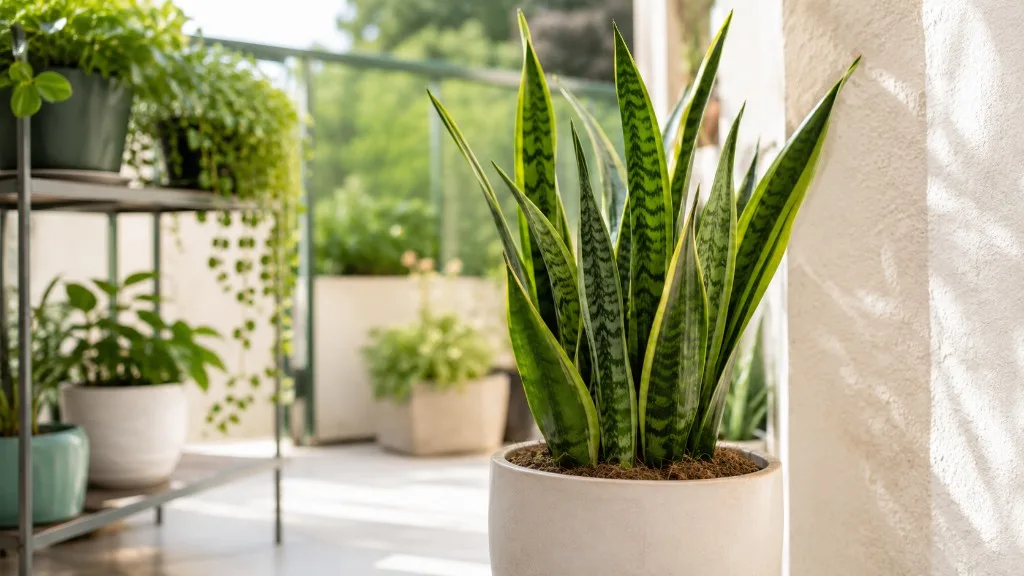
Cast-iron plant (Aspidistra elatior) is the better choice when the room is dim, cool, or lightly used and you prefer a leafy clump over vertical blades. It does not need high humidity to stay presentable, grows slowly, and dislikes harsh direct sun. Both plants are tolerant, but both are poor candidates for a decorative cachepot that holds water after every watering.
Spider Plant and Chinese Evergreen
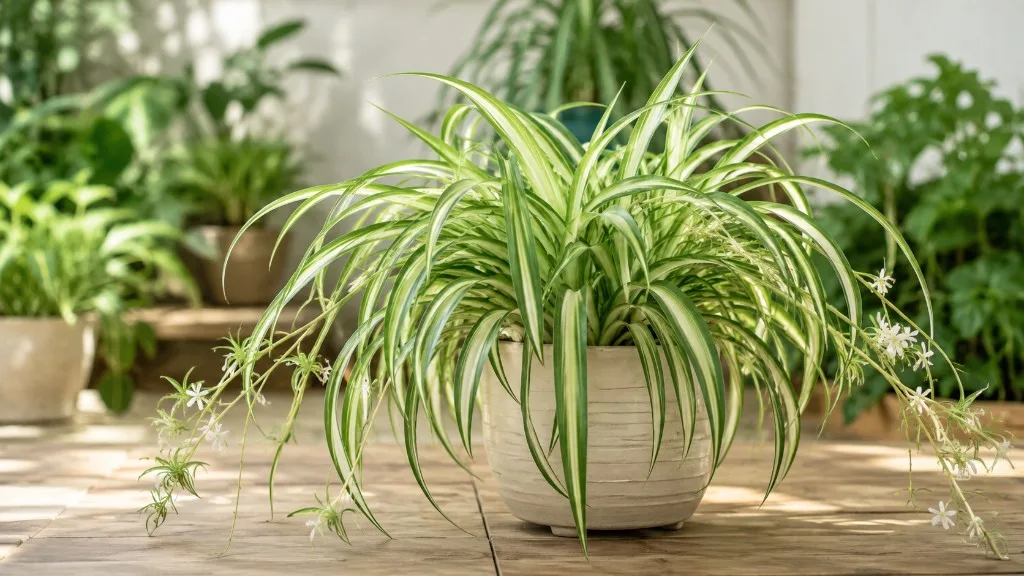
Spider plant (Chlorophytum comosum) brings arching leaves and dangling plantlets to a shelf or hanging basket. It handles a wide range of indoor light, though growth and baby plants slow in a dim bath. Let the surface of the mix dry before watering, and if brown tips persist despite good care, consider whether hard water or fertilizer salts are accumulating rather than assuming the room needs more misting.
Chinese evergreen (Aglaonema) is useful when you want broad leaves and color without committing to a fern’s constant moisture. Dark-green cultivars tolerate lower light better than heavily variegated ones, and the plant prefers a loose, well-drained mix with a little dry-down between waterings. Treat it as a look-but-don’t-chew plant until you have checked the exact cultivar’s pet-safety information.
Humidity Lovers for Bright Bathrooms
These plants benefit most visibly from a humid bathroom, but they still need enough light to use that moisture. They are satisfying choices for a bathroom used often, especially when you can see real daylight on the leaves.
Boston Fern and Bird’s Nest Fern
Boston fern (Nephrolepis exaltata) gives the classic lush, feathery bathroom look. It is happiest with bright to medium indirect light and consistently moist—not saturated—soil. Check the pot every few days during active growth; a bathroom’s steam may slow moisture loss from the leaves, but it will not keep the root ball hydrated.
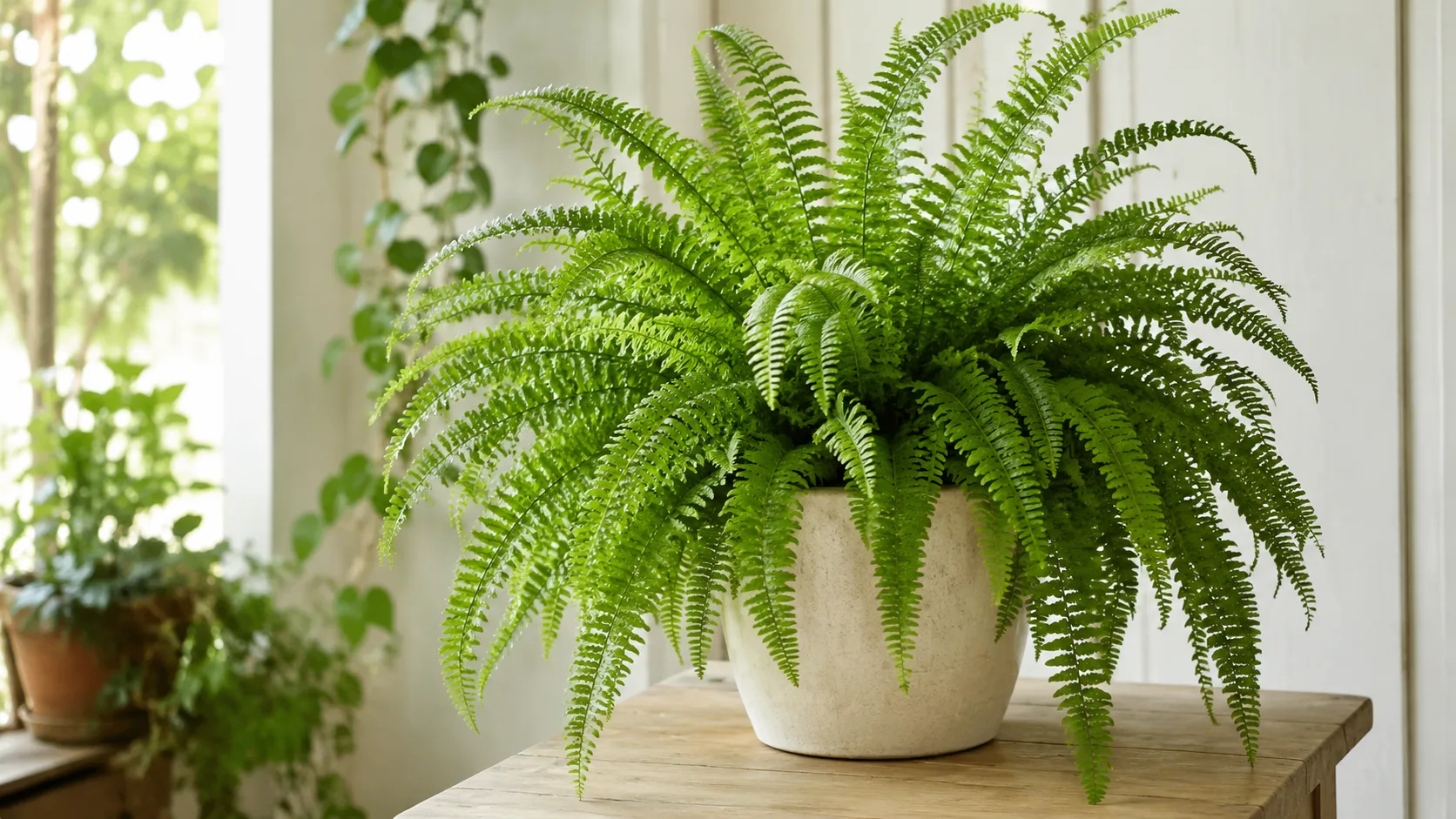
Bird’s nest fern (Asplenium nidus) offers a neater rosette for a shelf or vanity. Water the soil around the plant rather than pouring into the central crown, where trapped moisture can encourage rot. Both ferns should stay out of a direct shower stream, and both need better light than a genuinely windowless bathroom can provide without a grow light.
Peace Lily and Calathea
Peace lily (Spathiphyllum) is a practical flowering option for partial shade. NC State Extension recommends warm conditions, moist but not soggy soil, and protection from cold drafts; brighter indirect light encourages more flowers, while a dimmer room may produce foliage without many blooms. Its drooping leaves can signal thirst, but repeatedly waiting for a severe collapse is harder on the plant than checking the mix first.
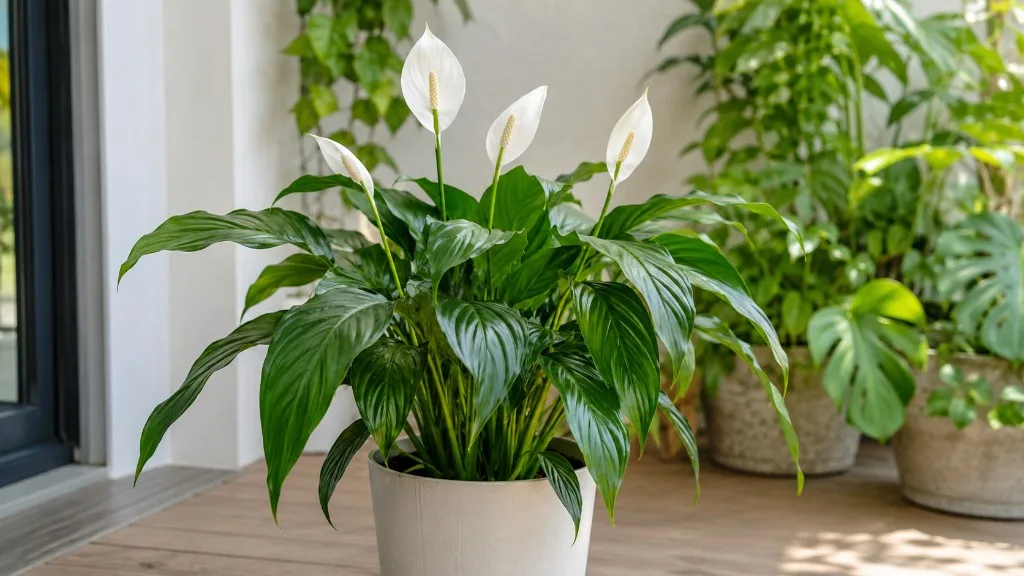
The plant is not pet-safe. The ASPCA lists peace lily as toxic to cats and dogs because of insoluble calcium oxalates, so use a high shelf only if it is genuinely inaccessible or choose a non-toxic alternative. Calathea is a better option for patterned leaves in a pet-aware home, but it is less forgiving: protect it from direct sun, keep the mix lightly and evenly moist, and avoid letting a vent dry the leaves.
Orchids and Bromeliads
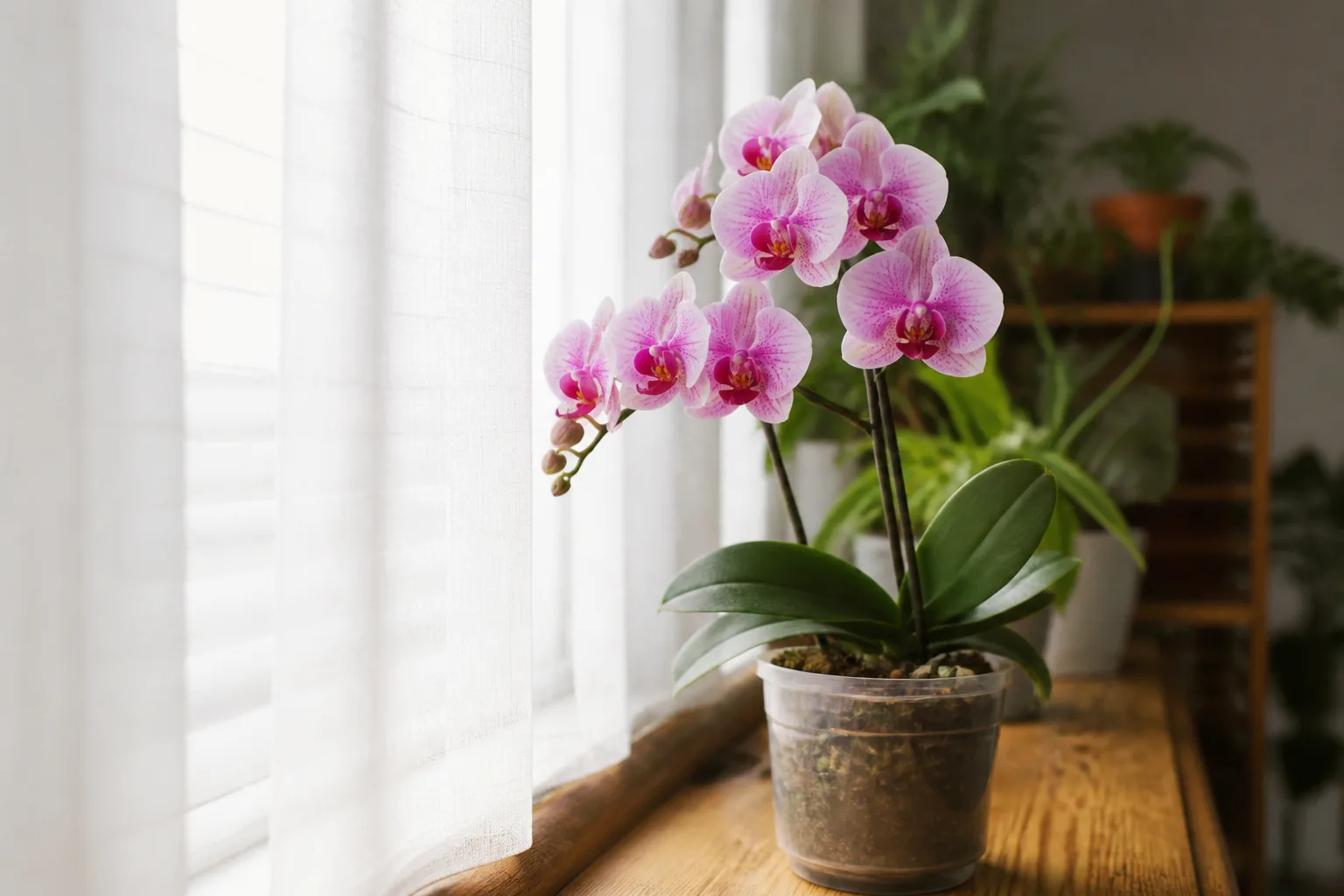
Phalaenopsis orchid is a good bathroom choice when the room has bright filtered light and a stable temperature. Its roots need air as well as water, so use orchid bark or another airy orchid medium, soak thoroughly when the mix is nearly dry, and let excess water drain completely. A clear window can provide the light needed for flowering, but the plant should not touch cold glass or sit in a saucer of water.
Bromeliads suit a bright bathroom because many form a water-holding central cup and some grow as epiphytes rather than ordinary soil-rooted plants. They still need air movement and a well-drained base, and care varies by genus, so identify the plant before applying a generic watering schedule. Rinse stagnant water from a central cup periodically and keep the plant out of direct shower spray.
Trailing and Statement Plants
Bathroom placement often favors a hanging basket, high shelf, or single floor accent. These plants can create a strong visual effect, but their mature size and watering needs matter more than the fact that they come from humid habitats.
Heartleaf Philodendron and Monstera
Heartleaf philodendron (Philodendron hederaceum) is a flexible trailing plant for a shelf or hanging pot. It tolerates lower light, though dim conditions produce longer spaces between leaves, and it prefers a drink after the upper layer of mix dries rather than a permanently wet root zone. Trim the vines to keep a fuller shape and keep the pot where splashing water and pets cannot reach it.
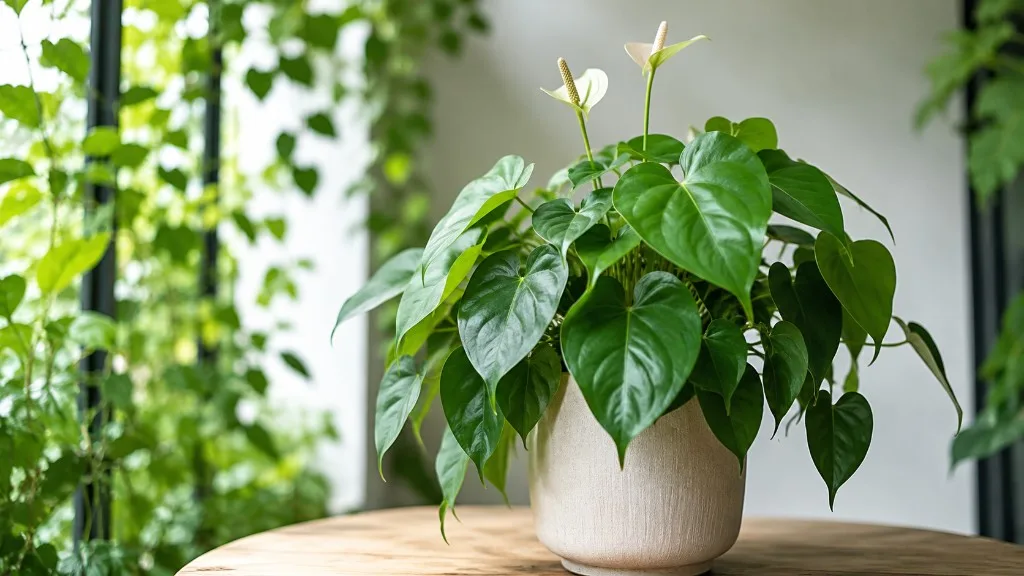
Monstera is a statement plant for a larger, brighter bathroom—not a substitute for a window. Monstera deliciosa needs room for broad leaves and climbing or support growth, and a cramped floor position quickly becomes a cleaning obstacle. Give it bright indirect light, a chunky but moisture-retentive mix, and enough space that leaves do not rub against wet walls.
Parlor Palm and Peperomia
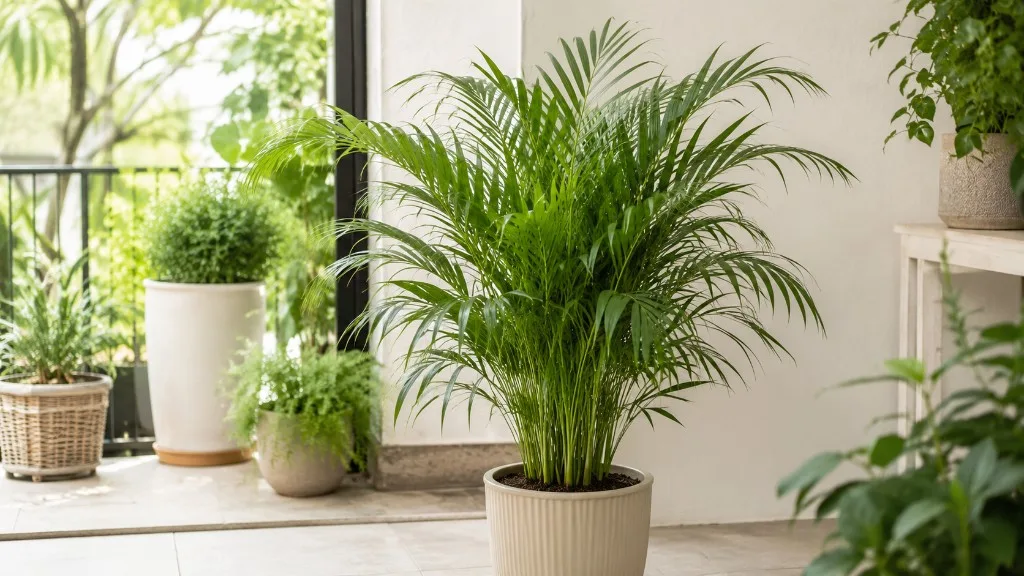
Parlor palm (Chamaedorea elegans) adds soft, arching texture without the extreme size of a majesty palm. It tolerates lower light and appreciates humidity, but the mix should drain freely and dry slightly at the surface before the next watering. Keep it away from cold glass and strong air-conditioning, which can turn leaf tips brown even when the bathroom feels humid after a shower.
Peperomia is a compact choice for a small shelf, especially a thick-leaved type that tolerates a little more dry-down than a fern. Bright indirect light keeps the plant compact and patterned, while soggy soil causes trouble quickly because the fleshy leaves already store water. It likes humidity but does not need a permanently wet pot to benefit from a bathroom location.
Lucky Bamboo and Staghorn Fern
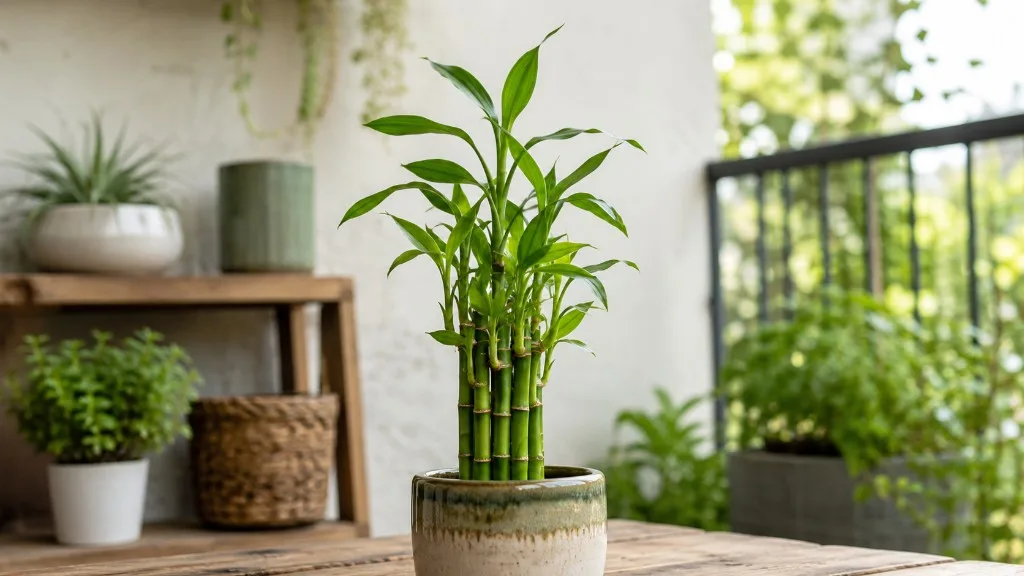
Lucky bamboo is often sold in water, which makes it convenient for a vanity or shelf, but water culture is not maintenance-free. Use clean water, keep the roots submerged rather than the entire stem, and change the water when it becomes cloudy or develops an odor. If grown in soil, use a draining pot and adjust watering to the mix instead of combining soil and standing water.
Staghorn fern is a dramatic mounted or basket-grown epiphyte for an experienced grower with a bright, humid bathroom. It does not belong in ordinary soggy potting soil; its growing medium and mounting must dry somewhat between thorough soaks. Use it as a focal display only when you can provide good light, enough airflow, and a secure mount away from the shower’s direct spray.
Bathroom Setup That Prevents Rot and Mold
Humidity is useful only when the rest of the setup lets the plant breathe. A bathroom can be humid in the air and dangerously wet in the pot, especially when a decorative container hides a drainage problem. Drainage, spacing, and ventilation are basic prevention for excess moisture and the root problems it can cause.
The room itself also needs protection. Run the exhaust fan during and after a shower according to the room’s normal ventilation needs, keep foliage from touching damp walls, and leave enough space between pots for air to move. Plants should make the bathroom greener, not create a permanently wet corner that encourages mold on surfaces.
Water, drainage, and airflow rules
Use a nursery pot with open drainage holes inside a cachepot, and lift it out to water at a sink when possible. Let the pot drain fully before returning it, and empty any saucer rather than allowing the base to sit in water. For a fern or peace lily, “moist” means the mix holds some water while excess drains away; it does not mean the bottom of the pot stays saturated.
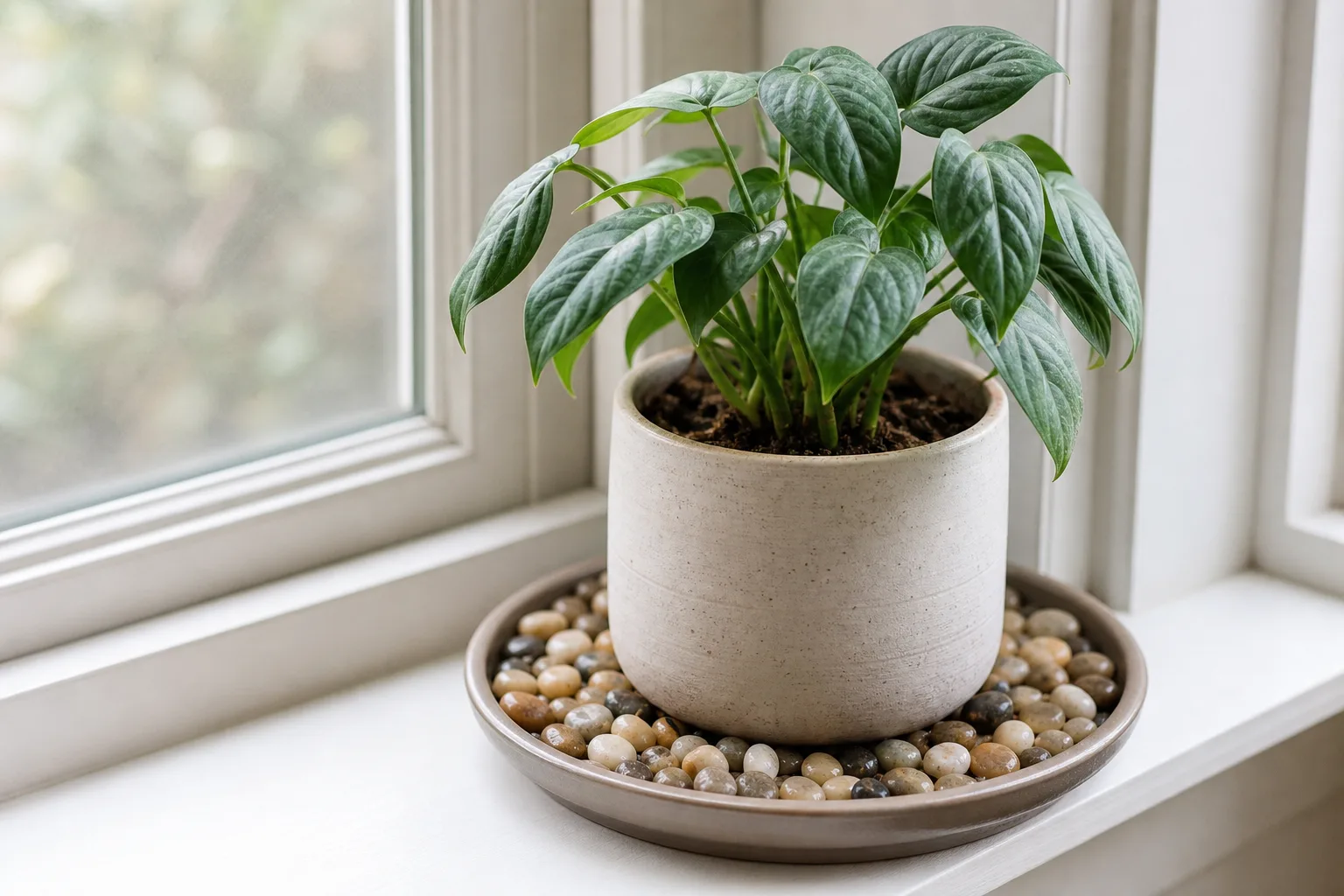
Do not rely on daily misting to raise humidity. Penn State Extension says the increase from misting can last only minutes, and it emphasizes that pebble trays have little effect on a room’s overall relative humidity. If you use a pebble tray as a small local buffer or a drip-catching setup, keep the pot above the water line and never let the drainage holes sit in the tray water. For a deeper look at the trade-off, see the houseplant humidity guide.
Water the roots based on the plant and potting mix, not on how steamy the room felt after your shower. Yellow leaves and a sour-smelling pot point toward poor drainage or excess moisture; crispy tips can also come from dry air, salts, inconsistent watering, or hot airflow. Change one condition at a time so you can tell whether the plant improves.
When a bathroom plant declines, diagnose the room before buying fertilizer. Check whether the soil is wet below the surface, whether the container has a real drain hole, and whether the newest growth is reaching toward a window. If the mix is wet and leaves are yellow, pause watering and improve drainage; if the mix is dry and the leaves are limp, water deeply and then shorten the interval only after observing how quickly the pot dries.
Brown tips deserve the same careful approach. They can reflect dry air, a missed watering, fertilizer salts, hard water, direct sun, or a heating vent, so cutting them off is cosmetic rather than corrective. Rinse accumulated salts from the mix when the plant tolerates it, use room-temperature water, move the pot away from hot or cold blasts, and remove only the damaged tissue with clean scissors. If spotting spreads while leaves remain wet, increase airflow and stop splashing the foliage; persistently damp leaves and crowded pots make fungal problems more likely.
Pet safety and cleaning-product placement
Humidity-loving does not mean pet-safe. Pothos, peace lily, snake plant, philodendron, and many other popular bathroom plants can cause problems if chewed; the ASPCA’s plant database is a useful first check, but it cannot replace veterinary advice after ingestion. Choose spider plant, parlor palm, Boston fern, bird’s nest fern, or calathea when you need a more pet-aware starting list, then still prevent chewing. Our pet-safe houseplants guide is a useful second pass for a home with persistent plant chewers.
Keep plants away from toilet spray, aerosol cleaners, bleach storage, and the direct stream of hair products. Wipe broad leaves occasionally with clean water if residue builds up, and rinse dust or hard-water spots gently rather than adding leaf-shine products. A plant that is easy to clean and safely out of the way will usually outperform a delicate specimen placed in the perfect-looking but impractical spot.
Conclusion
Choose the best bathroom plants by matching the plant to the room you actually have. Pothos, snake plant, cast-iron plant, spider plant, and Chinese evergreen are dependable for lower-light or irregularly used bathrooms; ferns, peace lilies, calatheas, orchids, and bromeliads reward brighter rooms with regular humidity; philodendron, monstera, parlor palm, peperomia, lucky bamboo, and staghorn fern cover trailing, compact, and statement displays.
Before bringing one home, check the brightest available daylight, confirm the pot drains, decide how often the room is used, and account for pets and cleaning routines. Once those basics fit, bathroom humidity becomes a helpful advantage rather than an excuse to ignore light, watering, airflow, or root health.



