Air-conditioned rooms are not just dry—they are cold, drafty, and cyclical. A ceiling vent blasting 55°F air across leaves at 2 p.m. damages plants that would otherwise tolerate low humidity. Soil in a cool AC corner stays wet longer than you expect, while soil six inches from a vent dries on one side only. The best AC-room plants have thick leaves, forgive irregular watering, and survive fluorescent or windowless desks.
This guide compares ten species by vent-draft tolerance, cool-soil watering habits, and office placement—not humidity alone. For winter heating dryness without mechanical cooling, see Best Indoor Plants for Dry Air. For small desks, see Best Office Desk Plants.
The ten best indoor plants for AC rooms for most homes are Snake plant, ZZ plant, Pothos, Aglaonema, Dracaena, Rubber plant, Spider plant, Cast iron plant, Jade plant, Haworthia.
AC Rooms vs. Dry Air: Not the Same Problem
Low humidity affects both heated winter rooms and cooled summer offices—but air conditioning adds mechanical stress dry-air guides do not cover:
Extension indoor guides list humidity among core success factors, but placement away from HVAC outlets matters just as much for cooled spaces. (University of Georgia Extension)
Practical takeaway: A plant that survives dry winter air near a radiator may still fail under a direct AC vent—even at similar humidity readings.
Where Cold AC Air Actually Hits Plants
Before choosing a species, map your room’s airflow:
- Ceiling supply vents — cold air sinks. Plants on tall shelves directly below often get brown patches on the vent-facing leaf half.
- Desk-level deflectors — cubicle vents blow horizontally across keyboard height—exactly where small pots sit.
- Return grilles — less cold but create constant low-grade draft; trailing pothos vines get crisp tips.
- Window AC units — cycle on/off loudly; soil dries fast when the unit runs, stays soggy when off.
Fix first, buy second: Redirect vents with deflectors, move pots three feet off the blast path, or group pots to buffer airflow slightly. No plant fully enjoys a direct cold jet on leaves eight hours a day.
AC Cycle Effects on Soil and Watering
AC changes watering math in ways that confuse new plant parents:
- Cool soil holds moisture longer. A dim AC bedroom corner may need water half as often as the same plant in a sunny kitchen—check depth, not the calendar.
- Vent-adjacent pots dry unevenly. One side of the soil block may be bone dry while the center stays wet—probe multiple spots or lift the pot.
- Night AC + closed blinds slows evaporation further. Snake plant in a cool dark office corner can go three to four weeks between water in winter.
Overwatering kills more AC-room plants than dryness—especially ZZ plant and snake plant in cool cubicles.
Selection Criteria for AC Rooms
We ranked these ten plants for:
- Cold-draft tolerance — leaves that do not brown when near (not on) vent paths
- Low-humidity performance — thick leaves or water storage
- Office-light flexibility — survival under fluorescents or partial window light
- Irregular watering forgiveness — species that survive weekend-only office care
- Realistic container size — desk-friendly to floor-scale options
Quick Pick: Best Plant for Your Situation
For maximum AC and neglect tolerance, choose snake plant or ZZ plant.
For trailing cubicle green, choose pothos.
For patterned leaves under fluorescents, choose aglaonema.
For pet-safe AC desks, choose spider plant or haworthia.
Comparison Table
Snake plant
Best for: AC bedrooms, offices, and server-room corners
Difficulty: Easy
Light: Low–bright indirect
Water: Every 2–4 weeks in cool AC
Best placement: Three feet off ceiling vent path
Pet safety: Toxic if ingested
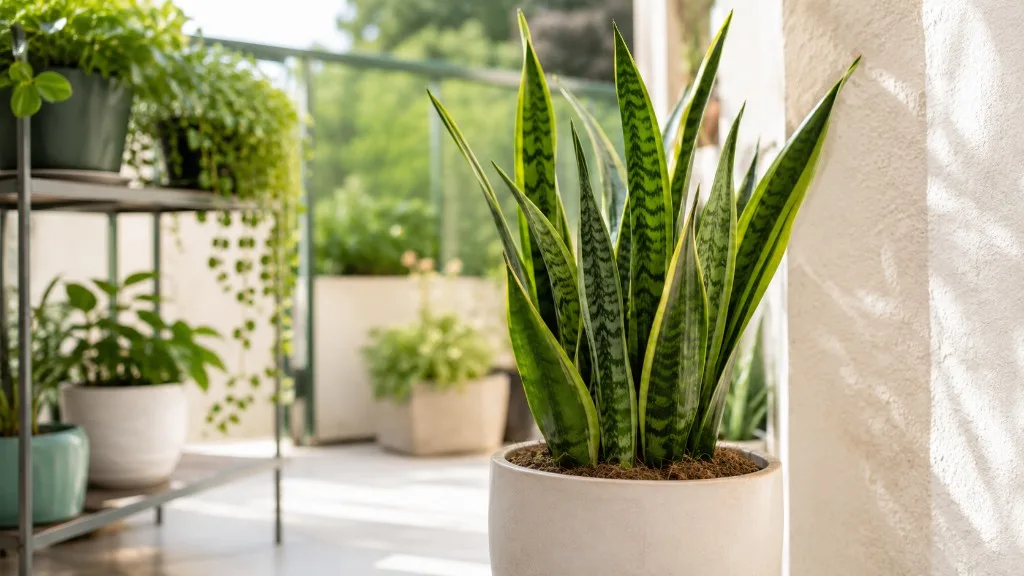
Snake plant is the default AC-room survivor: thick leaves ignore low humidity, and rhizomes tolerate cool soil that stays dry for weeks. Snake plant fails when coworkers water it weekly “because the office is dry”—in a cooled dim corner, that schedule rots roots.
Why it works: Tolerates both dryness and cool soil—rare combination.
Care tip: Use a narrow pot for desk snake plants—less soil volume means less overwatering risk in AC.
Common mistake: Placing directly under the ceiling vent because “it looks empty there.”
Avoid this plant if: You need pet-safe—snake plant is toxic if chewed.
Useful care guides:
ZZ plant
Best for: cubicles under constant AC
Difficulty: Easy
Light: Low–medium indirect
Water: Every 2–4 weeks
Best placement: Desk back corner away from vent
Pet safety: Toxic if ingested
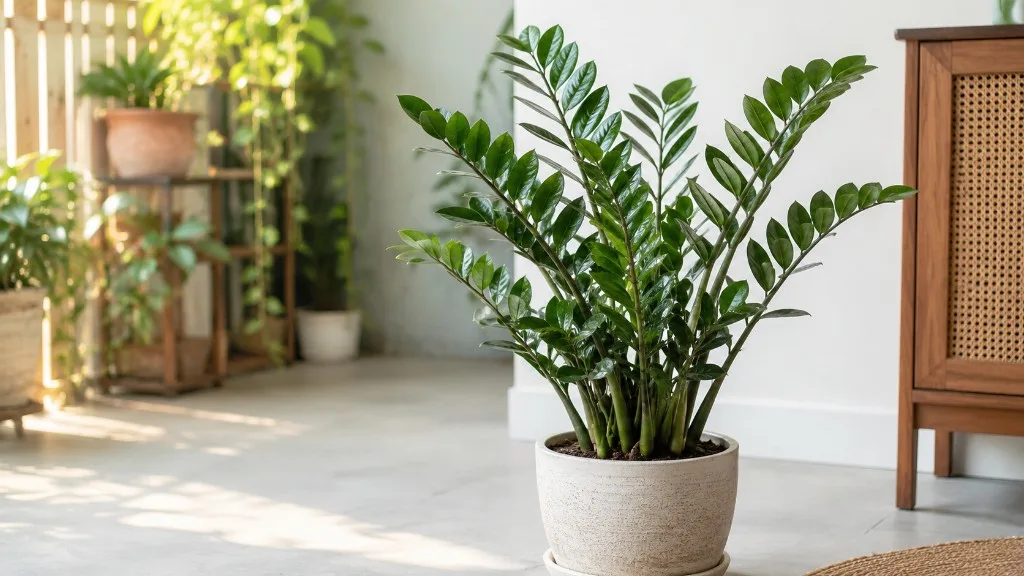
ZZ plant glossy leaves handle dry cooled air and fluorescent light—the office AC classic. ZZ rhizomes store water for missed weekends. The AC-specific failure mode is cold vent spotting: dark patches on leaves that face a desk deflector for eight hours daily.
Why it works: Glossy cuticle resists desiccation better than thin fern fronds.
Care tip: Wipe leaves quarterly—AC dust clogs pores and dulls gloss.
Common mistake: Treating ZZ like a tropical that wants daily misting.
Avoid this plant if: Pets chew desk plants—ZZ is toxic.
Useful care guides:
Pothos
Best for: AC trailing shelves and cubicle files
Difficulty: Easy
Light: Low–medium indirect
Water: When top 2 in. dry
Best placement: Shelf above vent height
Pet safety: Toxic if ingested
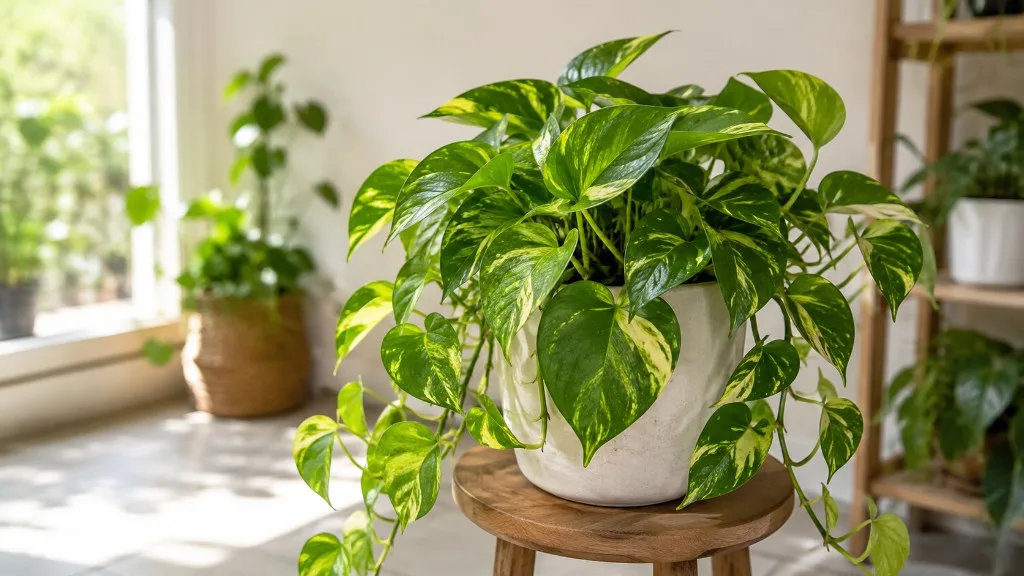
Pothos tolerates AC dryness better than ferns and soft calatheas—trailing vines add green without a humidifier. In AC offices, pothos vine tips are the early warning system: crisp brown ends usually mean vent draft, not thirst.
Why it works: Forgiving trailer that roots easily if a vent-damaged section is cut and propagated.
Care tip: Pin vines away from keyboard and vent paths—trim damaged tips promptly.
Common mistake: Misting daily instead of moving the pot off the blast path.
Avoid this plant if: You need pet-safe trailing plants—pothos is toxic.
Useful care guides:
Aglaonema
Best for: patterned AC office desks
Difficulty: Easy
Light: Low–medium indirect
Water: When top 2 in. dry
Best placement: Desk with ambient light, off vent
Pet safety: Toxic if ingested
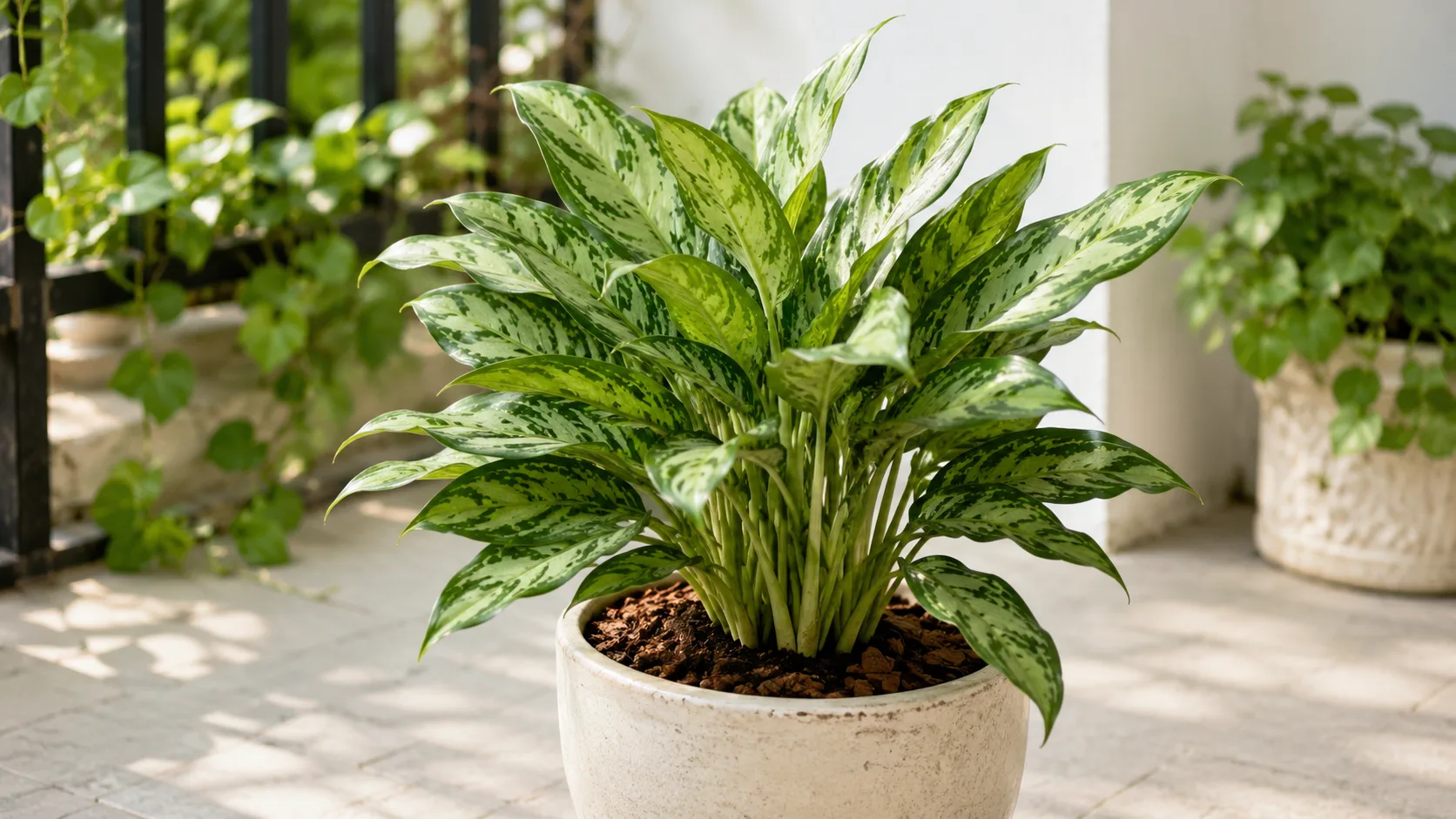
Aglaonema Chinese evergreen tolerates cooled offices better than calathea—similar look, far less humidity panic. AC drafts cause sudden leaf drop on aglaonema more than slow browning—if leaves fall overnight, check vent direction before watering more.
Why it works: Patterned foliage without greenhouse humidity trays.
Care tip: Rotate pot monthly—AC vents often blow from one side only.
Common mistake: Comparing to humid greenhouse calathea and assuming failure.
Avoid this plant if: The desk sits directly under a ceiling vent with no deflector option.
Useful care guides:
Dracaena
Best for: AC floor corners in living rooms
Difficulty: Easy
Light: Medium indirect
Water: When top 2 in. dry
Best placement: Corner away from return grille
Pet safety: Toxic if ingested
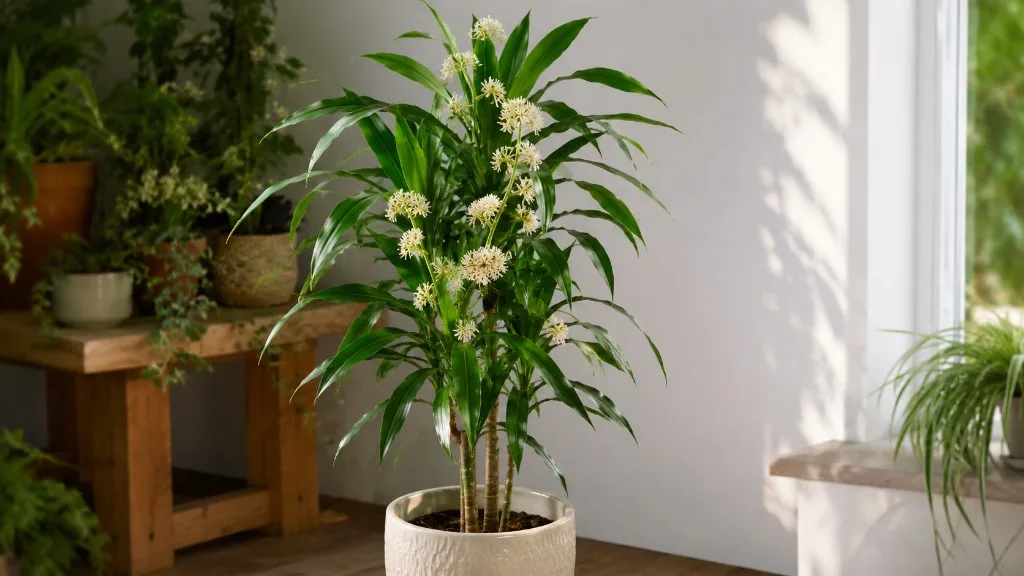
Dracaena upright canes suit cooled living rooms with medium light—slim footprint for AC apartments. Brown tips combine dry AC air and fluoride in tap water; trimming tips is cosmetic, but fixing vent blast and switching to filtered water helps new growth.
Why it works: Vertical form without wide humidity demands.
Care tip: Group dracaena with one other pot to raise local humidity one to two percent—small but free.
Common mistake: Overwatering because the room feels cool—soil may still be wet from last week.
Avoid this plant if: You want zero tip maintenance—dracaena needs occasional brown-tip trims in AC.
Useful care guides:
Rubber plant
Best for: bright AC living rooms with windows
Difficulty: Easy
Light: Bright indirect
Water: When top 2 in. dry
Best placement: Near window, off vent path
Pet safety: Toxic if ingested
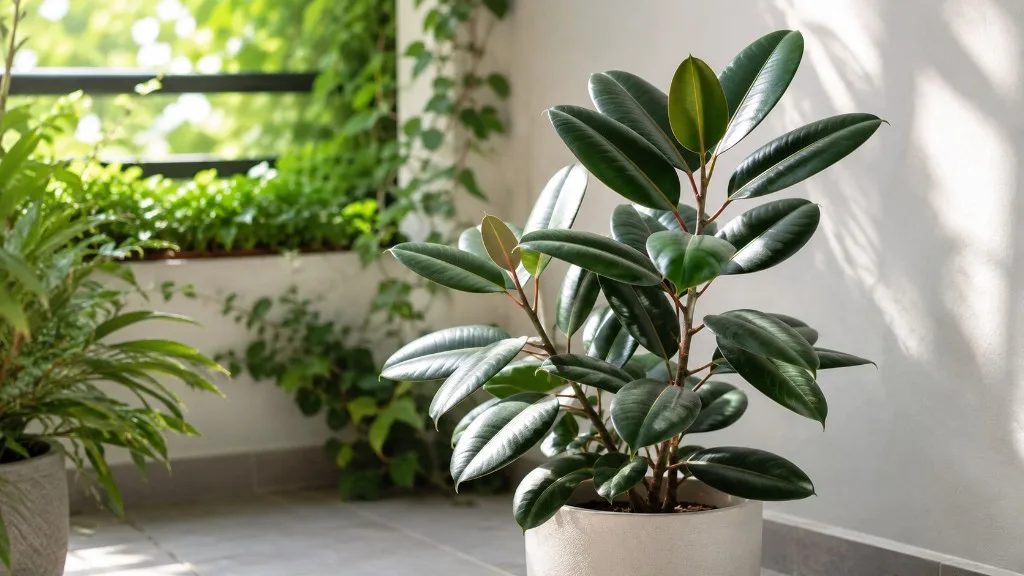
Rubber plant thick leaves handle average AC humidity if light is adequate—AC dim corners kill rubber plant faster than dryness. A west or south window three feet from a deflected vent is ideal; a dark cooled hallway is not.
Why it works: Glossy tree for cooled bright rooms—not windowless offices.
Care tip: Wipe leaves monthly—AC filters reduce dust but do not eliminate it.
Common mistake: Buying rubber plant for a windowless AC office because “it’s easy.”
Avoid this plant if: Your only AC room is a dark bedroom corner.
Useful care guides:
Spider plant
Best for: family rooms and pet homes with central AC
Difficulty: Easy
Light: Bright indirect
Water: When top 2 in. dry
Best placement: Hanging basket off vent path
Pet safety: Non-toxic (ASPCA)
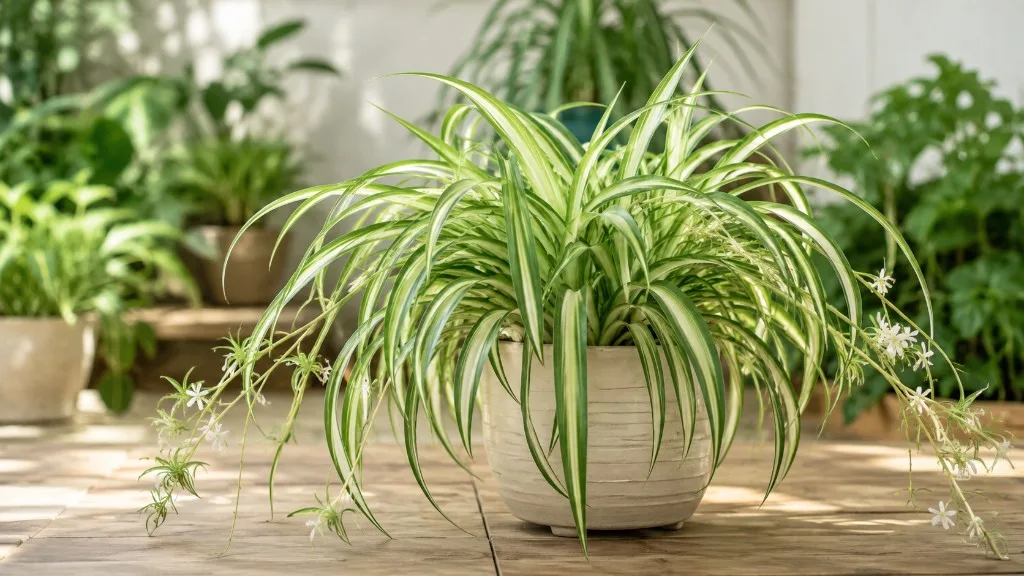
Spider plant handles AC better than ferns and adds a pet-safe option for cooled homes. Brown tips on spider plant in AC usually mean one-sided vent blast or fluoride—not always underwatering. Hang baskets above vent height when possible.
Why it works: Pet-safe arching form that propagates from plantlets if tips crisp.
Care tip: Trim brown tips with scissors—cosmetic only if roots are healthy.
Common mistake: Overwatering in cool soil because tips look “dry.”
Avoid this plant if: Cats will bat spiderettes—non-toxic but messy.
Useful care guides:
Cast iron plant
Best for: dim AC hallways and north bedrooms
Difficulty: Easy
Light: Low–medium indirect
Water: Every 2–3 weeks in cool AC
Best placement: Hall table away from vent
Pet safety: Non-toxic (ASPCA)
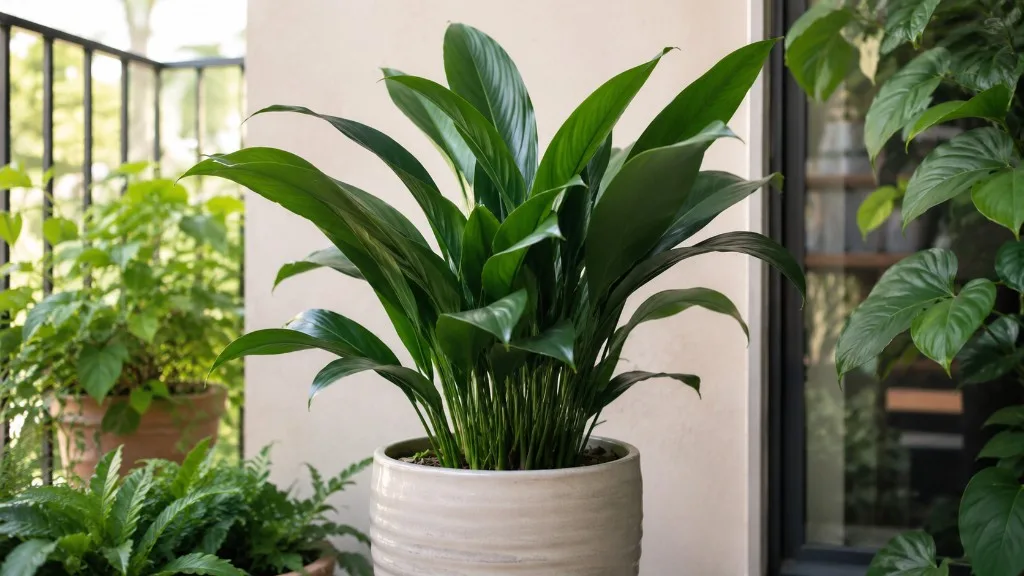
Cast iron plant tolerates AC, low light, and neglect together—the hallway pick when nothing else survives. Growth is very slow in cooled dim rooms—buy mature size if you want visual impact within a year.
Why it works: Combines low light and low humidity tolerance rare in one plant.
Care tip: Dust broad leaves quarterly—AC static attracts dust to wide surfaces.
Common mistake: Overwatering because leaves look tropical and thick.
Avoid this plant if: You want fast growth or showy flowers.
Useful care guides:
Jade plant
Best for: sunny AC windowsills
Difficulty: Easy
Light: Bright indirect to sun
Water: Every 2–3 weeks
Best placement: Sunny sill away from vent
Pet safety: Toxic if ingested
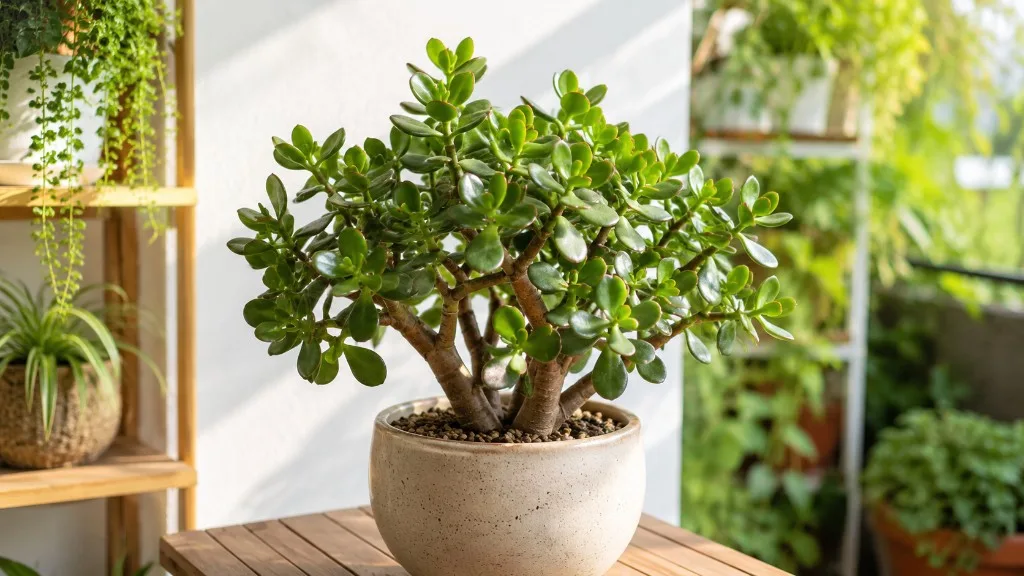
Jade plant succulent leaves suit dry AC air—if light is strong enough. Windowless AC offices leggy jade within months; sunny cooled bedrooms with deflected vents work well. Jade stores water for irregular care but cannot photosynthesize in dim fluorescents.
Why it works: Dry-air windowsill tree when AC runs all summer.
Care tip: Reduce winter water further when AC is off and growth slows.
Common mistake: Desk jade in a windowless cubicle—match species to light, not just dryness.
Avoid this plant if: You need pet-safe succulents—jade is toxic.
Useful care guides:
Haworthia
Best for: small AC desks near windows
Difficulty: Easy
Light: Bright indirect
Water: Every 2–3 weeks
Best placement: Desk near window, off vent
Pet safety: Non-toxic (ASPCA)
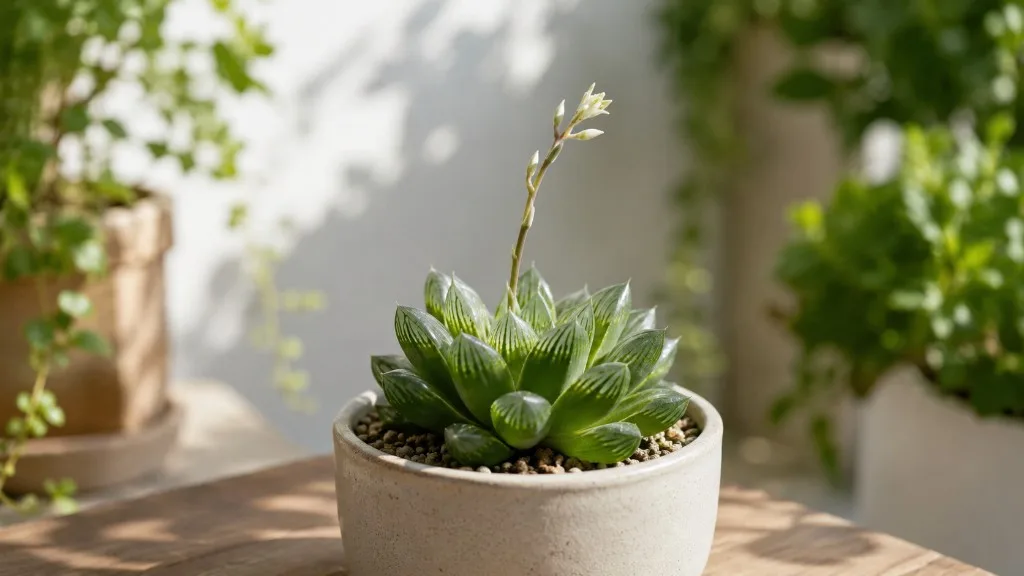
Haworthia compact rosettes thrive in dry cooled cubicles with window light—pet-safe and desk-sized. Haworthia rots when coworkers apply the same watering schedule as thirsty peace lilies. Cool AC soil plus weekly water equals mush.
Why it works: Pet-safe succulent footprint for AC desks.
Care tip: Use a small clay pot—dries faster than plastic in humid summer outside, stabilizes in AC.
Common mistake: Daily misting because “office air is dry.”
Avoid this plant if: Your desk has no window and only dim fluorescents.
Useful care guides:
Office AC Placement Checklist
Before you buy, verify:
AC-Room Mistakes to Avoid
Blasting leaves with cold AC vents. Brown patches and sudden leaf drop follow direct cold airflow—redirect before replacing the plant.
Choosing ferns for cooled offices. Boston fern needs humidity AC removes plus stable airflow—snake plant and ZZ plant are realistic defaults.
Overwatering because the room feels cool. Cool soil in dim AC corners stays wet longer—probe before watering.
Friday-only office plant pools. Snake plant survives irregular water; peace lily does not—match species to coworker habits.
Treating AC rooms like dry-air rooms only. Vent placement and cool-soil watering are AC-specific—see the comparison table above.
Conclusion
AC rooms favor thick leaves, vent-aware placement, and cool-soil patience—snake plant and ZZ plant lead, pothos trails on shelves above vents, haworthia and spider plant add pet-safe desks. Fix airflow before buying a humidifier, check soil depth in cool corners, and choose species for your light—not just your humidity reading.