A north-facing window delivers consistent but gentle light—no direct sunbeams, often the dimmest usable sill in the home. The best north-window plants maintain foliage there and grow when you add brighter months or supplemental light.
This guide compares ten species by low-light tolerance, watering rhythm, and pet safety. See also Best Low Light Indoor Plants.
The ten best indoor plants for north windows for most homes are Snake plant, ZZ plant, Pothos, Aglaonema, Dracaena, Parlor palm, Peace lily, Cast iron plant, Calathea, Philodendron. They differ in growth speed, pet safety, and how dim they can go before stretching.
What North Light Means Indoors
North windows provide indirect light all day without harsh sun. University extension guidance treats north exposure as low to medium indirect—enough for many foliage plants several feet from the glass. (University of Maryland Extension)
Use the shadow test: a soft readable shadow at noon suits pothos and parlor palm; barely any shadow suits snake plant and ZZ plant.
Quick Pick: Best Plant for Your Situation
For the dimmest sill, choose snake plant or ZZ plant.
For trailing green, choose pothos.
For pet-safe floor green, choose parlor palm.
For patterned leaves, choose aglaonema.
How to Choose
Prioritize true low-light tolerance over nursery tags. Match watering to slower evaporation in dim rooms—soil stays wet longer. Use drainage and let top inches dry for succulents-type picks.
How We Selected These Ten
Ranked from LeafyPixels metadata by documented north-window and low-light performance, not greenhouse maximum growth.
Comparison Table
Snake plant
Best for: dim corners and dry air
Difficulty: Easy
Light: Low–bright indirect
Water: Every 2–4 weeks
Best placement: North corner or bright sill
Pet safety: Toxic if ingested
Typical indoor size: 1–4 ft
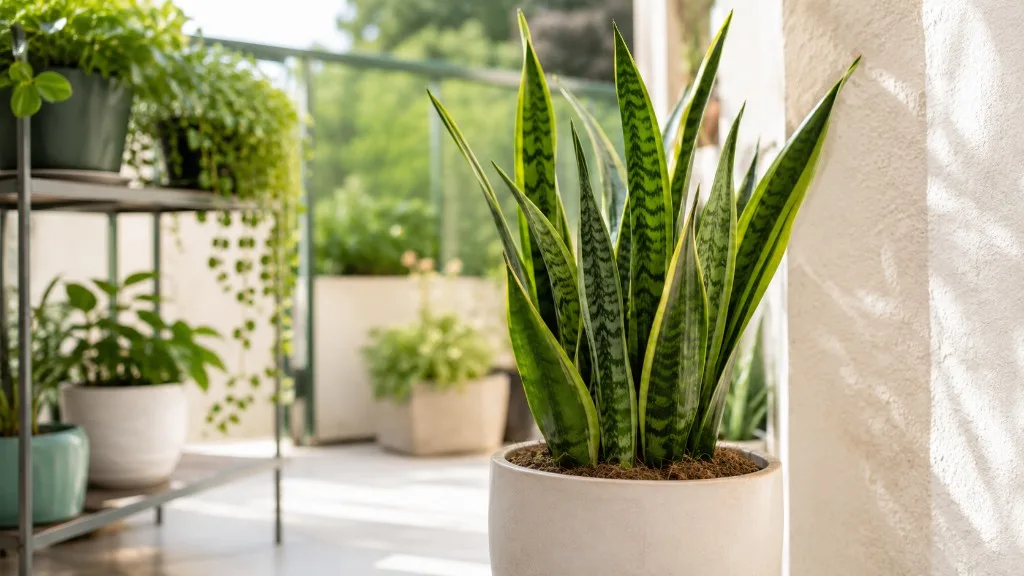
Snake plant stores water in thick leaves and tolerates north light better than most tropicals.
Why it works: Indestructible form for low light.
Who it is for: North-window beginners.
Care reality: Rot only when overwatered.
Common mistake: Weekly watering because other plants need it.
Limitation: Toxic to pets; slow in very dim spots.
Useful care guides:
ZZ plant
Best for: offices and north desks
Difficulty: Easy
Light: Low–medium indirect
Water: Every 2–4 weeks
Best placement: Desk or dim corner
Pet safety: Toxic if ingested
Typical indoor size: 2–3 ft
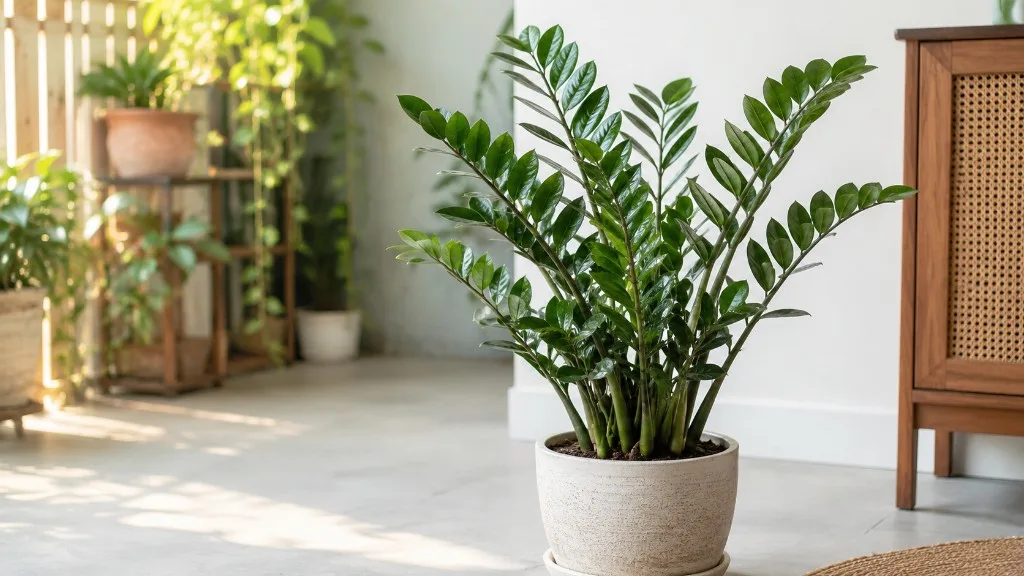
ZZ plant glossy leaves survive low north light and dry heated air.
Why it works: Glossy leaves in dim rooms.
Who it is for: Busy office growers.
Care reality: Thrives on neglect; rots when overwatered.
Common mistake: Placing in a closet with no light at all.
Limitation: Toxic; nearly stops growing in darkness.
Useful care guides:
Pothos
Best for: first north-window vine
Difficulty: Easy
Light: Low–medium indirect
Water: When top 2 in. dry
Best placement: Shelf on north sill
Pet safety: Toxic if ingested
Typical indoor size: Vines 6–10 ft
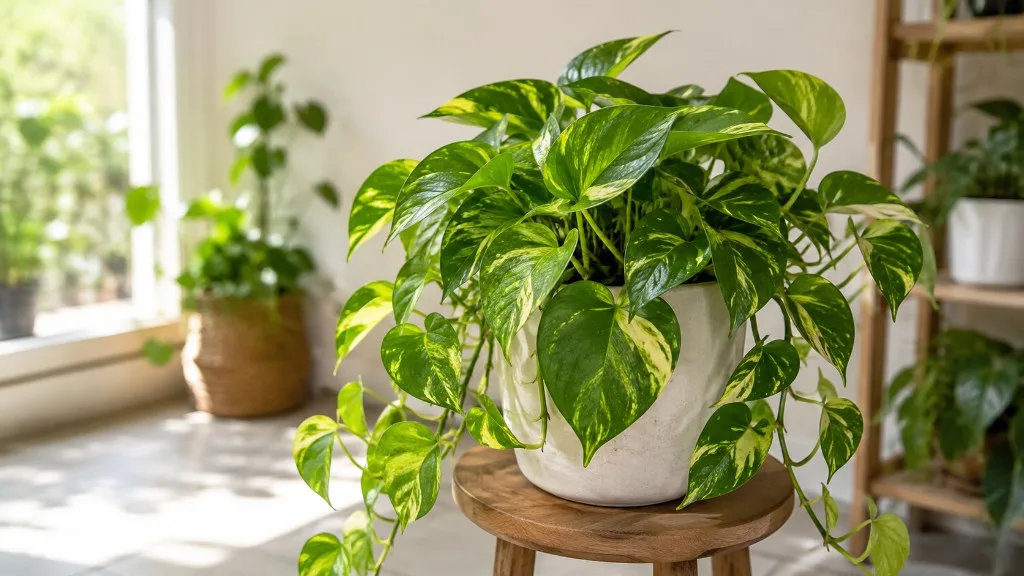
Pothos trails gracefully in north light—one of the most forgiving vines indoors.
Why it works: Highest forgiveness for dim windows.
Who it is for: Renters and beginners.
Care reality: Grows slower in north light but stays alive.
Common mistake: Expecting fast growth without bright months.
Limitation: Toxic to pets.
Useful care guides:
Aglaonema
Best for: patterned north sills
Difficulty: Easy
Light: Low–medium indirect
Water: When top 2 in. dry
Best placement: North windowsill
Pet safety: Toxic if ingested
Typical indoor size: 1–3 ft
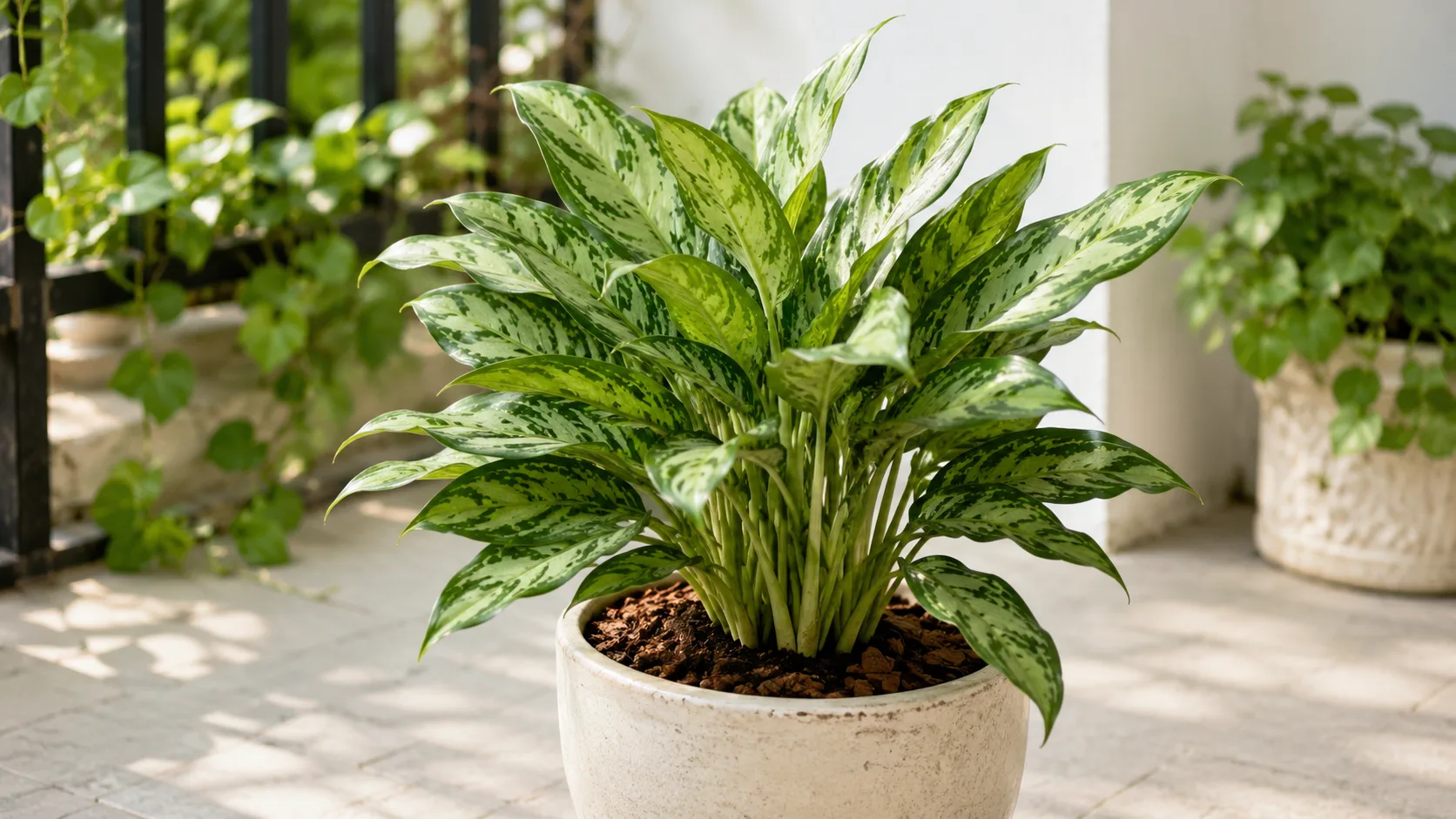
Aglaonema Chinese evergreen keeps variegation in north exposure better than most patterned plants.
Why it works: Color without south sun.
Who it is for: Desk and north-window growers.
Care reality: Cold drafts cause leaf drop.
Common mistake: Variegated forms in very dark corners.
Limitation: Toxic to pets.
Useful care guides:
Dracaena
Best for: vertical north corners
Difficulty: Easy
Light: Medium indirect
Water: When top 2 in. dry
Best placement: Corner near north window
Pet safety: Toxic if ingested
Typical indoor size: 3–6 ft
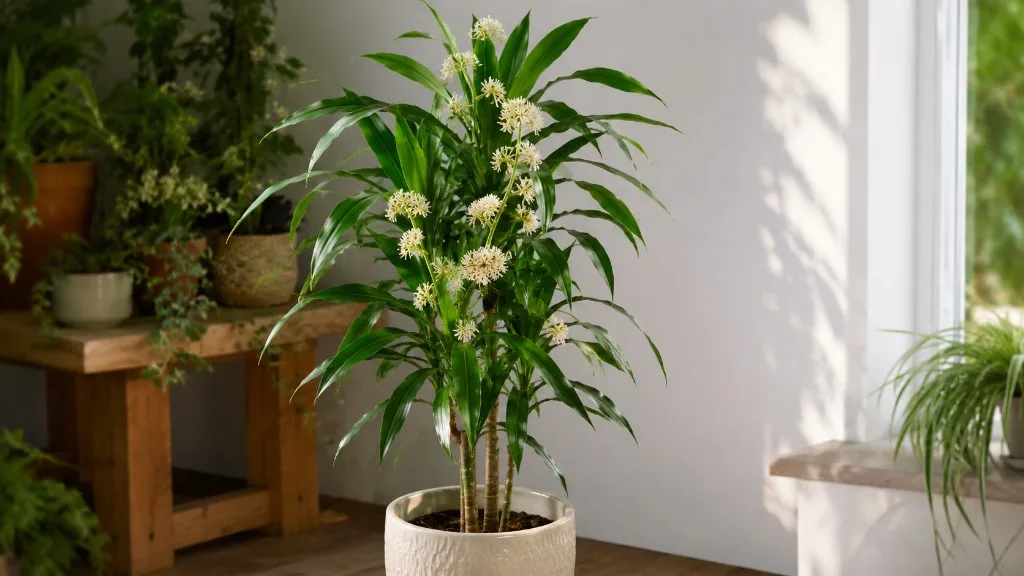
Dracaena upright form adds height without demanding a south window.
Why it works: Slim height in medium north light.
Who it is for: Renters wanting a floor plant.
Care reality: Brown tips from fluoride in tap water.
Common mistake: Overwatering in low light.
Limitation: Toxic to pets.
Useful care guides:
Parlor palm
Best for: soft north floor corners
Difficulty: Easy
Light: Low–medium indirect
Water: When top 3–5 cm dries
Best placement: North floor corner
Pet safety: Non-toxic (ASPCA)
Typical indoor size: 2–4 ft
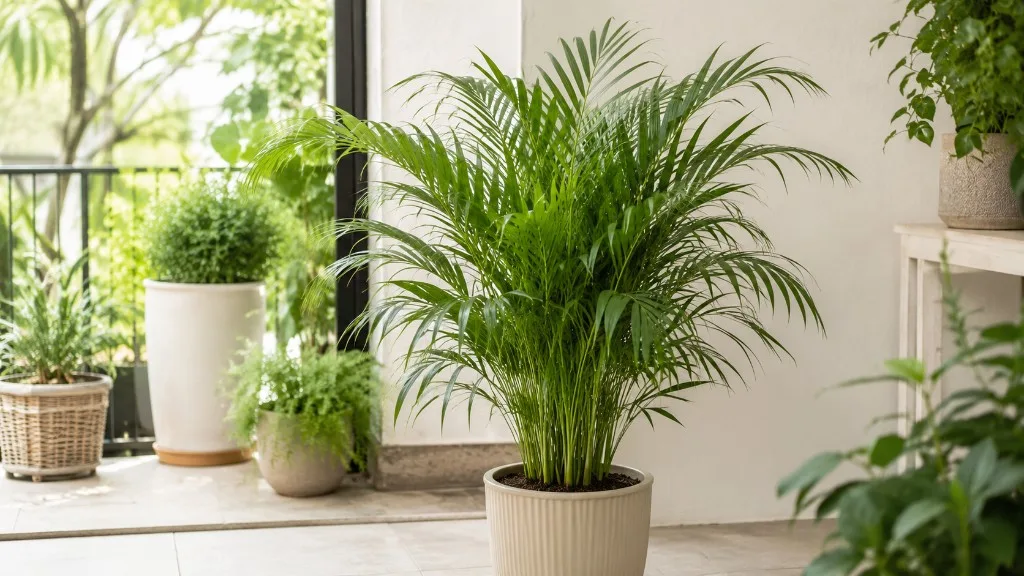
Parlor palm tolerates north light better than most palms—fewer brown tips when air is average.
Why it works: Pet-safe palm for dim rooms.
Who it is for: Low-light living rooms.
Care reality: Slow grower; correct mistakes slowly.
Common mistake: Hot direct sun through south glass.
Limitation: Slow growth.
Useful care guides:
Peace lily
Best for: north rooms with water cues
Difficulty: Medium
Light: Low–medium indirect
Water: When top inch dries
Best placement: North floor pot
Pet safety: Toxic if ingested
Typical indoor size: 2–4 ft
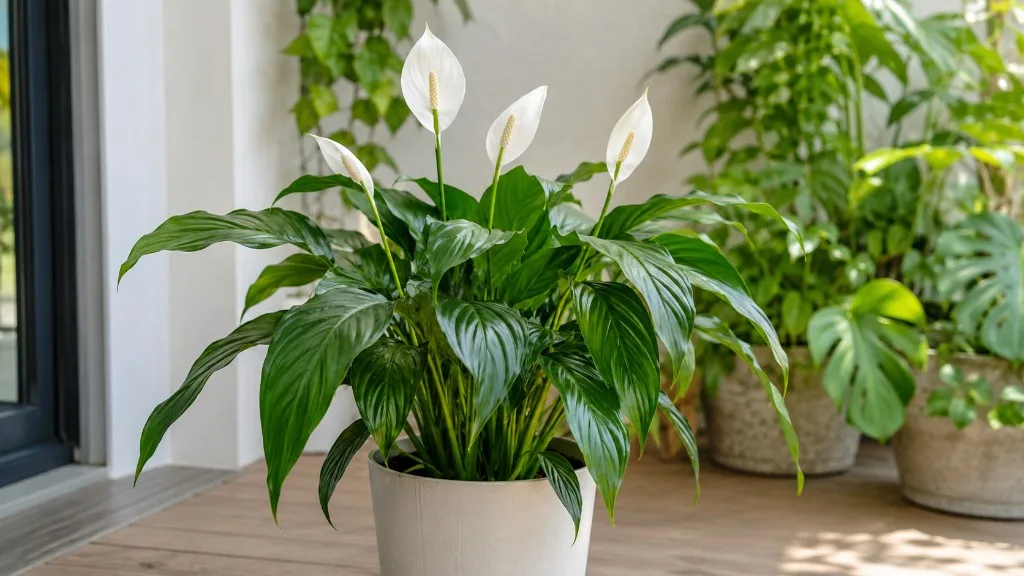
Peace lily wilts visibly when dry—rare clear signal in low light.
Why it works: Obvious wilt tells you when to water.
Who it is for: Growers who want feedback.
Care reality: Recovers from wilt; chronic wet soil rots roots.
Common mistake: Keeping soil soggy because it likes moisture.
Limitation: Toxic to pets.
Useful care guides:
Cast iron plant
Best for: darkest north corners
Difficulty: Easy
Light: Low–medium indirect
Water: Every 2–3 weeks
Best placement: Hallway or north corner
Pet safety: Non-toxic (ASPCA)
Typical indoor size: 2–3 ft
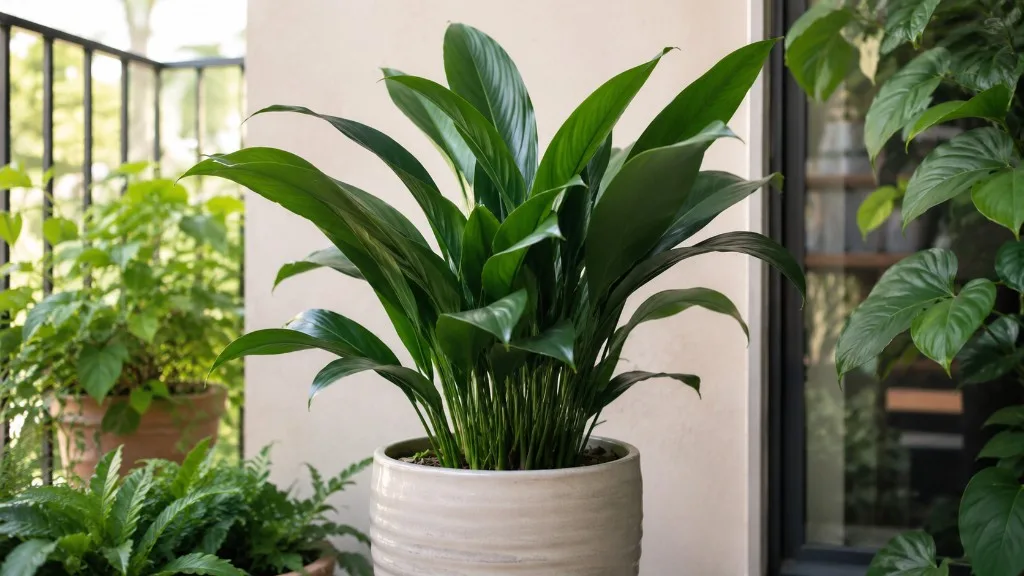
Cast iron plant lives up to its name in north rooms with radiators and AC.
Why it works: Toughest foliage for north exposure.
Who it is for: Low-light apartments.
Care reality: Extremely slow; rarely needs yearly repot.
Common mistake: Overwatering because leaves look tropical.
Limitation: Not showy.
Useful care guides:
Calathea
Best for: north rooms with humidifier
Difficulty: Demanding
Light: Medium indirect
Water: When top inch dries
Best placement: North sill with humidifier nearby
Pet safety: Non-toxic (ASPCA)
Typical indoor size: 12–24 in.
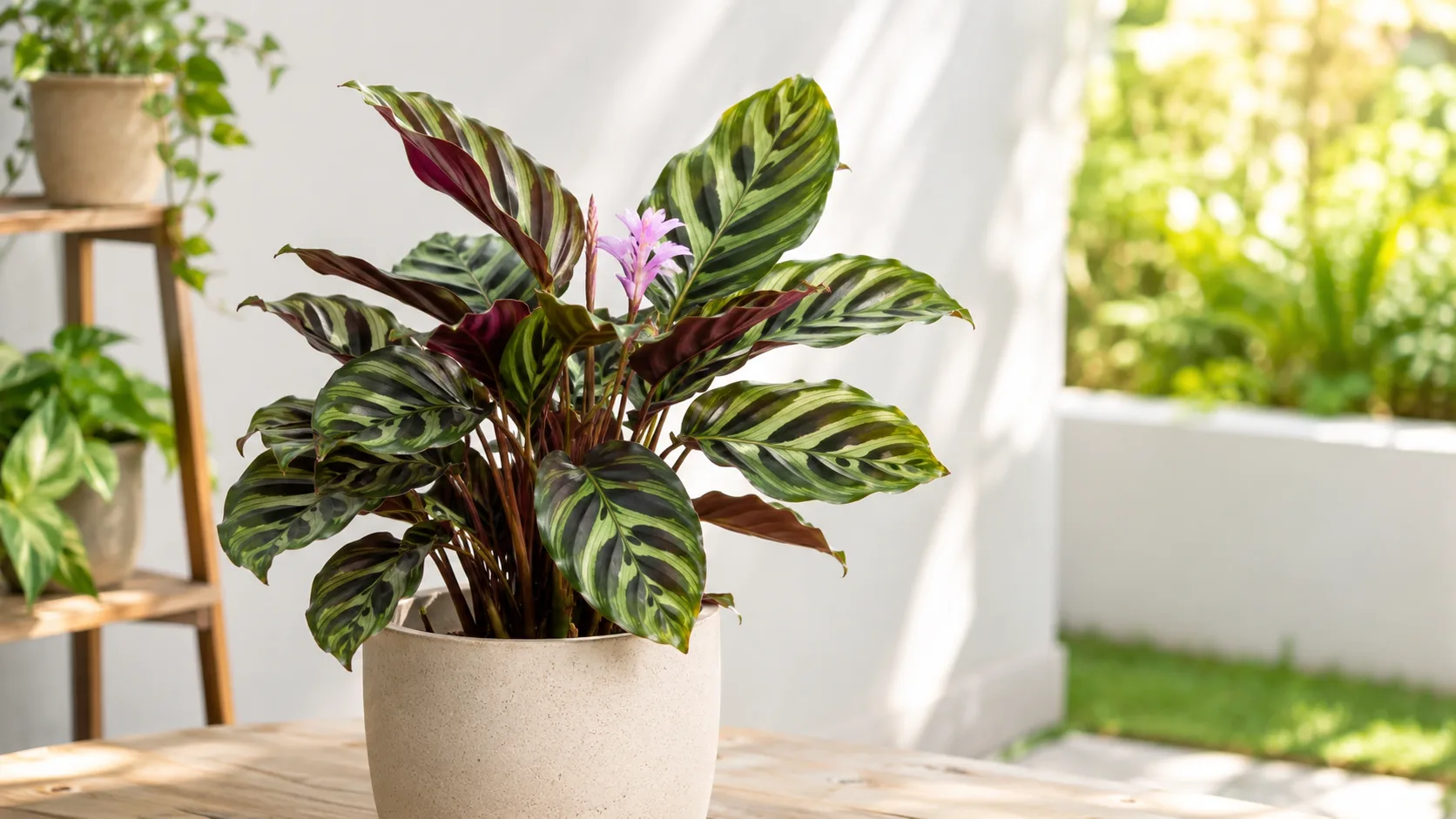
Calathea needs more light than snake plant—north windows work only with bright ambient bounce.
Why it works: Patterned pet-safe leaves.
Who it is for: Attentive north-window growers.
Care reality: Dry winter air crisps edges even in north light.
Common mistake: Buying for a hallway with no window.
Limitation: Demanding in dry heat.
Useful care guides:
Philodendron
Best for: north trailing shelves
Difficulty: Easy
Light: Low–medium indirect
Water: When top 2 in. dry
Best placement: North shelf or hook
Pet safety: Toxic if ingested
Typical indoor size: Vines 6–10 ft
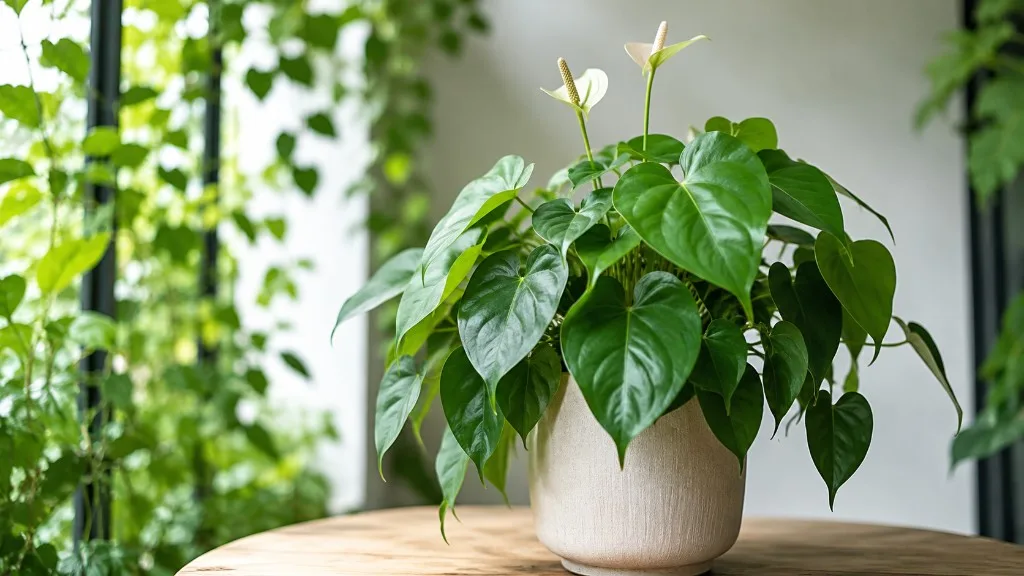
Philodendron heart-leaf types maintain in north light and trail without fern fuss.
Why it works: Trailing volume in medium north light.
Who it is for: Beginners wanting vines.
Care reality: Leggy in very dim spots—add grow light if needed.
Common mistake: Comparing growth rate to south-window pothos.
Limitation: Toxic to pets.
Useful care guides:
Common Mistakes
Expecting south-window growth rates. North light slows every species—compare plants to other north-window successes, not Instagram south-window monsters.
Overwatering because soil stays wet longer. Dim light reduces evaporation; check soil depth, not calendar.
Choosing maidenhair-level ferns for north sills. Most true ferns want brighter diffuse light than a typical north window provides.
Ignoring pet toxicity. Pothos and philodendron are easy north vines but toxic if chewed.
Conclusion
North windows reward patient, low-light specialists. Start with snake plant or pothos, observe soil dry-down for two weeks, then add parlor palm or aglaonema for texture.