8 Plants for North-Facing Windowsills
Choose eight houseplants for a north-facing windowsill, with light tests, watering adjustments, pet-safety notes, and fixes for leggy or yellow growth.
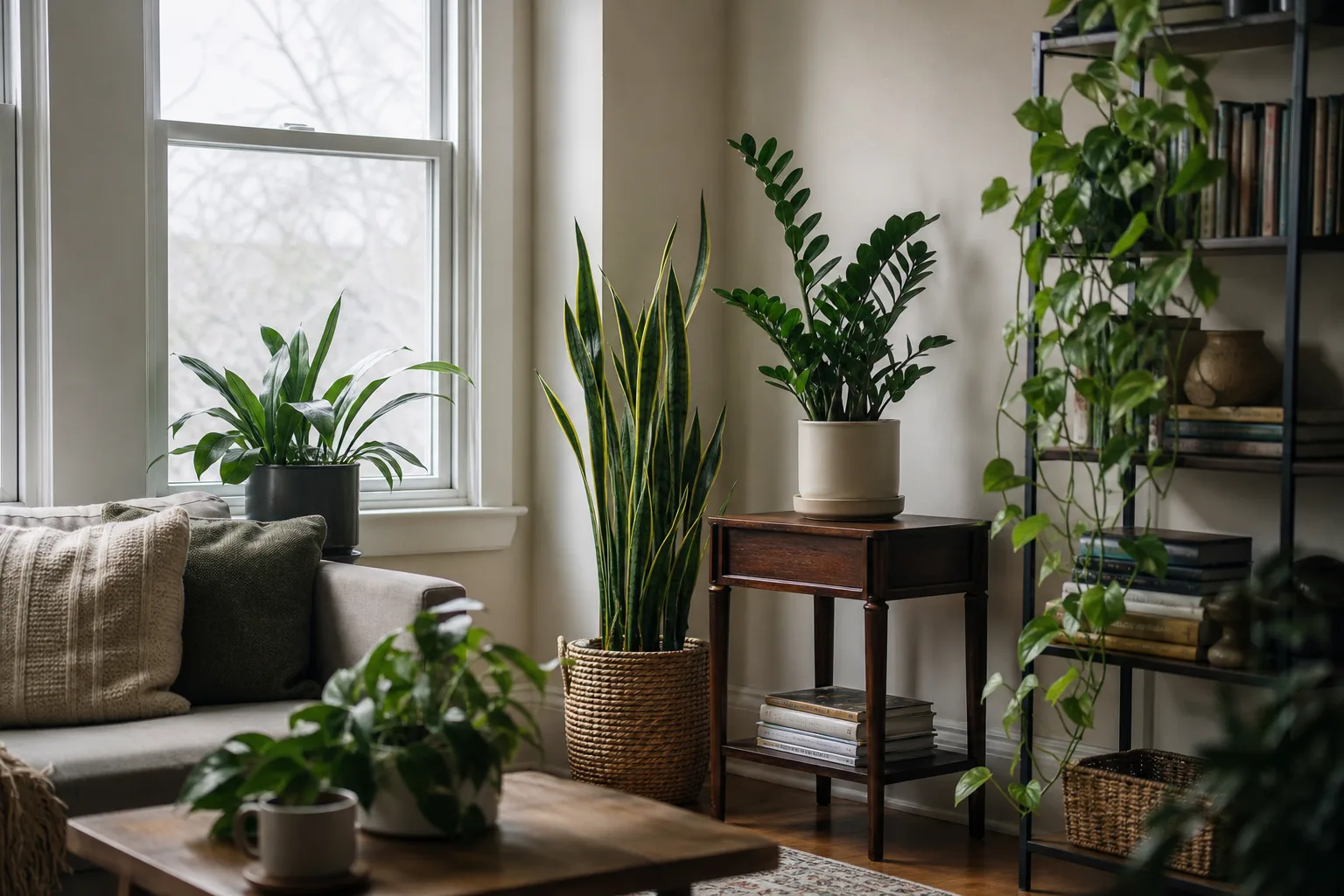
A north-facing windowsill can be a good plant location, but it is not automatically bright enough for every “low-light” houseplant. In the Northern Hemisphere, the glass usually delivers soft, indirect light rather than the stronger sun that enters a south- or west-facing window. The best candidates are plants that can use modest light without demanding frequent watering, intense color, or reliable flowers.
The eight plants below cover different kinds of north-window success: forgiving vines, architectural foliage, humidity-loving plants, a small flowering option, and choices that are safer for homes with pets. Your final choice should depend on the actual light at the glass, how quickly your potting mix dries, and whether you want growth, flowers, height, or simply a healthy green plant.
Is a north-facing windowsill low light or no light?
A north-facing window is usually a low-to-moderate indirect-light exposure, not a light-free zone. BBC Gardeners’ World describes north- and east-facing windows as typical low-light positions, while Penn State Extension emphasizes that the same label can cover very different real-world intensities.
That variation matters. A clear, unobstructed window may support a wider range of plants than a north window shaded by another building, a deep overhang, tinted glass, blinds, or a leafy tree. A plant on the sill can receive enough light to maintain itself while the same plant three metres away has too little energy to grow. “Low light” is therefore a placement description, not a guarantee that a plant will thrive anywhere in the room.
Test the spot before you choose a plant
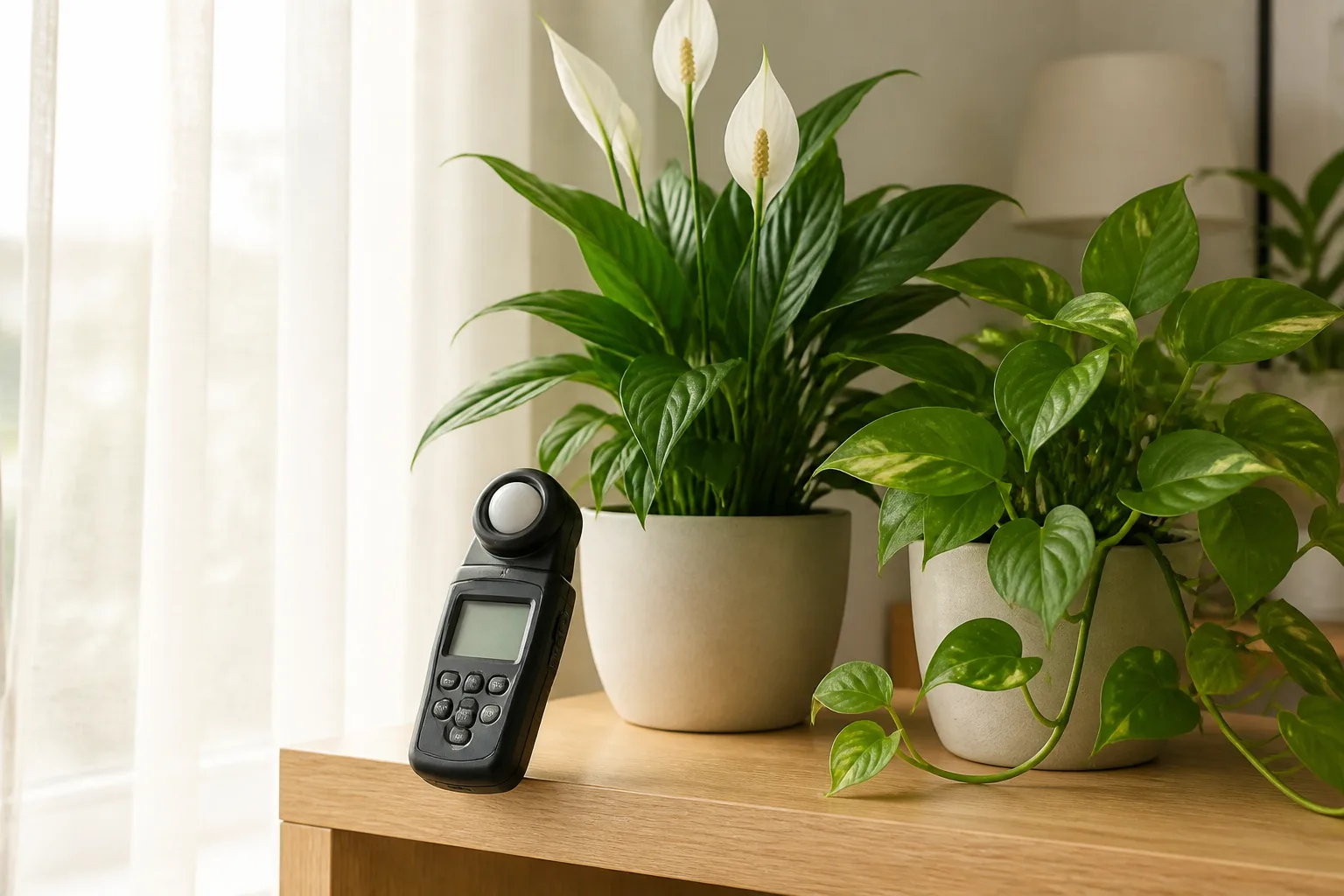
Stand where the pot will sit during the brightest part of the day. If you can comfortably read ordinary text without switching on a lamp, the spot has useful ambient light; if the sill is visibly dim even at midday, choose the most shade-tolerant plants in this list or plan for supplemental lighting. A simple phone light-meter app can provide a rough comparison between windows, but use it as a relative tool rather than a universal pass/fail number.
Look outside the glass as well as inside the room. A close building, balcony above, privacy film, mosquito screen, or permanently closed blind can reduce the light more than the compass direction suggests. Clean the window and wipe dusty leaves before deciding that the exposure is hopeless; both reduce the light reaching and being used by the plant.
Read the plant when the light is borderline
Plants tell you when the spot is not meeting their needs. Long gaps between leaves, new growth that is smaller than older growth, stems leaning toward the glass, and lower leaves yellowing or dropping are common low-light warnings. House Plant House also points to slow growth and stretched trailing stems as useful signals in north-facing rooms.
Do not respond to every low-light symptom with more water. When photosynthesis slows, water use usually slows too, so wet mix can be the cause of yellow leaves rather than the cure. Check the root zone, move the pot closer to the glass, and give the plant time to adjust before changing several variables at once.
Match the plant to your windowsill and routine
The easiest north-window plant is the one whose care rhythm matches your home. If you often forget to water, start with a cast iron plant or snake plant. If you enjoy checking moisture and can maintain humidity, a maidenhair fern, calathea, or prayer plant may reward you. If you want a trailing silhouette, pothos is more forgiving than most ferns and more visibly responsive to light than a snake plant.
Put watering needs ahead of appearance
A north-facing sill is often cooler and less drying than a sunny exposure. That can be helpful for foliage, but it means the potting mix may stay wet for longer. Choose a container with a drainage hole, use a mix that does not collapse into mud, and check the soil before watering instead of following a bright-window schedule.
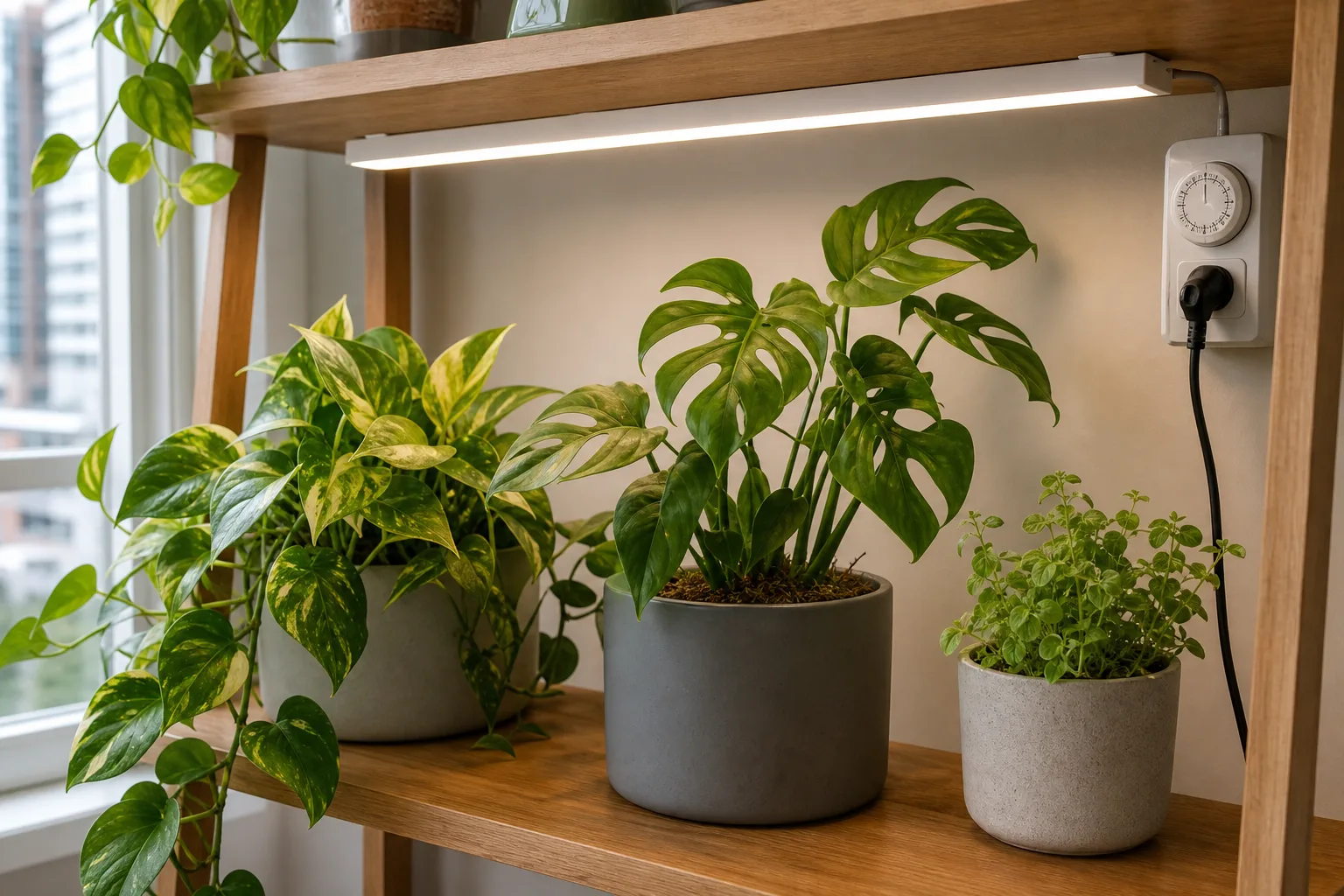
Variegated leaves also need a little more light than solid green leaves because the pale sections contribute less chlorophyll. A variegated pothos may survive on a north sill but gradually produce greener leaves. If keeping the pattern matters more than simply keeping the plant alive, move it closer to the glass or add a small full-spectrum grow light.
1. Pothos
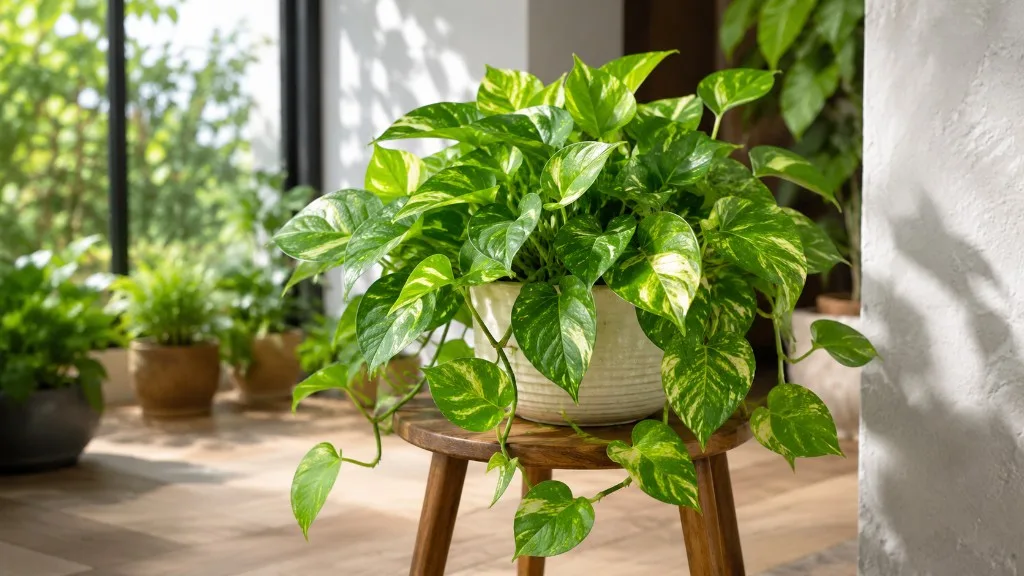
Pothos (Epipremnum aureum) is the best all-rounder here for a beginner who wants visible growth. Its heart-shaped leaves can trail from a sill, climb a support, or be pruned into a fuller mound. NC State Extension notes that pothos prefers bright indirect light but can survive for long periods in low light, which is the useful distinction for a north-facing exposure: survival is easier than fast, dense growth.
Choose a green or mostly green cultivar if the window is heavily shaded. Golden, marble, and other variegated types may lose contrast in dim conditions, especially when the plant is kept farther back from the glass. The change is not automatically a health crisis, but it is a message that the plant is producing leaves better suited to the energy available.
Let the potting mix dry noticeably before watering. In a north window, that may take longer than expected, so lift the pot or feel several centimetres down rather than watering on a weekly schedule. Prune long bare sections back to a node, and rotate the pot every week or two so the vine does not put all of its new growth toward the glass.
Pothos is a poor choice for a pet that chews plants. NC State lists it as poisonous if ingested, so use a high shelf or a room your cat or dog cannot enter rather than assuming a north-facing sill is out of reach.
2. Cast Iron Plant
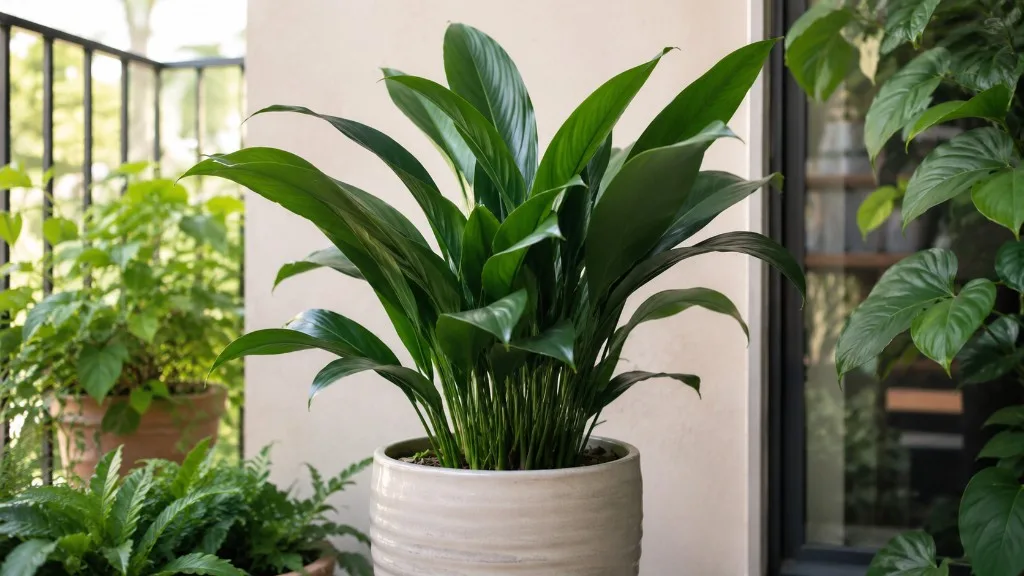
The cast iron plant (Aspidistra elatior) is the strongest choice when your north window is shaded by buildings or trees. Its broad, deep green leaves are adapted to the visual feel of a forest floor, and NC State’s plant profile places it in partial to full shade while warning against direct sun. Indoors, that translates into steady foliage rather than dramatic fast growth.
This is a plant for people who prefer a quiet routine. Give it a well-drained mix, water when the mix has dried partly through, and reduce watering during the dimmest, coolest months. It can tolerate a missed watering better than a pot that stays constantly wet. Because it grows slowly, do not keep repotting it in hopes of forcing new leaves; a stable container and patience are usually more useful.
Cast iron plant is also the clearest pet-friendlier pick in this list. NC State identifies it as non-toxic to cats and dogs, although any plant material can still cause stomach upset if a pet eats a large amount. Use it when safety and low maintenance matter more than flowers or trailing growth.
3. Maidenhair Fern
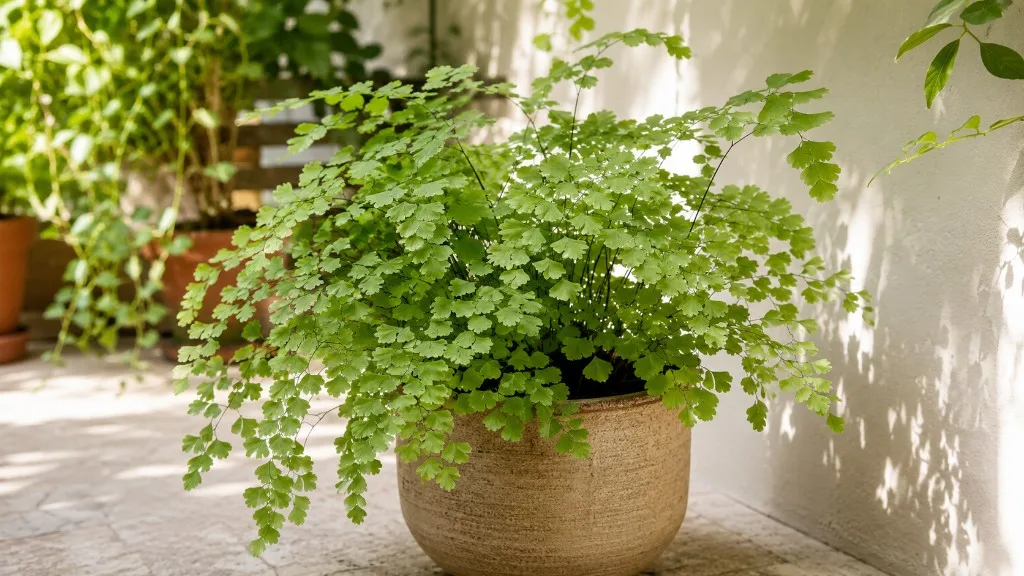
Maidenhair fern (Adiantum species) can work on a north-facing windowsill, but it is the high-maintenance choice rather than the easy one. Its thin leaflets appreciate gentle light and humidity, yet the fronds can collapse quickly when the root ball dries. House Beautiful’s maidenhair guidance treats consistent moisture and humidity as central to keeping the plant presentable.
Place it near the window without pressing the pot against cold glass. A bathroom with a real window can be helpful if there is enough daylight and some air movement, but a dark, steamy room is not a substitute for light. Keep the mix evenly and lightly moist, never waterlogged, and do not let a saucer of water sit against the drainage hole.
Expect some frond loss after a move. Trim completely brown fronds at the base, then stabilize light, moisture, and humidity instead of fertilizing a stressed plant. If you cannot check the soil frequently, choose the cast iron plant or pothos instead; the fern’s beauty comes with a narrow margin for missed care.
4. Calathea
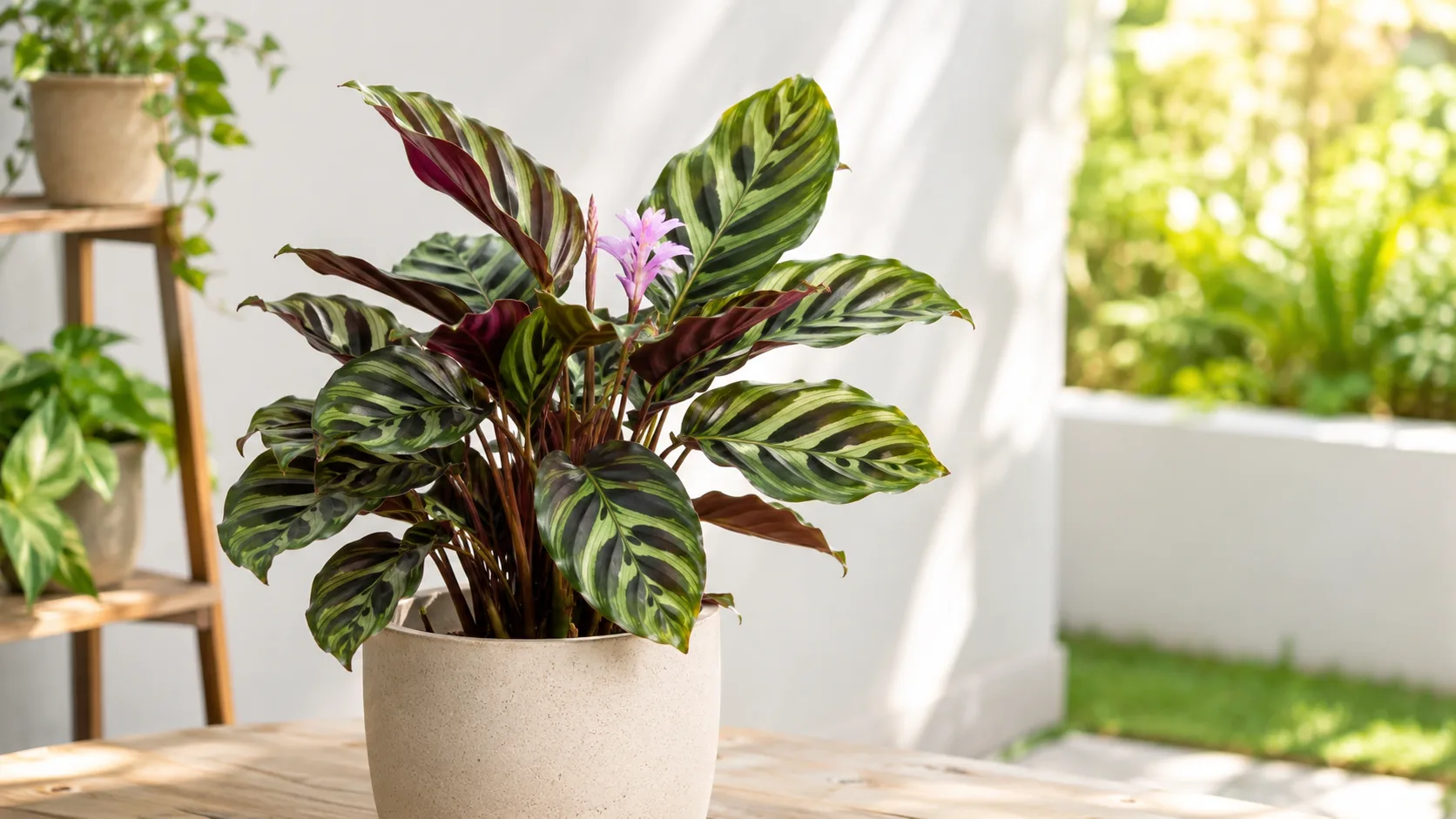
Calathea is a good north-window candidate when the goal is patterned foliage rather than speed. These tropical understory plants prefer gentle light, and overly bright sun can bleach or crisp their leaves. A north-facing sill can give them the softness they want, provided the window is not so dark that new leaves emerge small and weak.
The trade-off is moisture management. Keep the mix lightly, evenly moist while allowing excess water to drain, and avoid placing the plant over a heater or directly beside a cold draft. Dry indoor air can show up as crispy edges, but brown tips can also come from inconsistent watering, salt buildup, or a root ball that is alternately bone-dry and saturated. Change one factor at a time so you do not mistake a humidity problem for a watering problem.
Green-leaved or darker-leaved calatheas are usually a safer bet than highly pale or pink cultivars when the window is dim. Rotate the pot slowly rather than turning it sharply every day, and give new leaves time to unfurl before judging the location.
5. Lightning Jewel Orchid
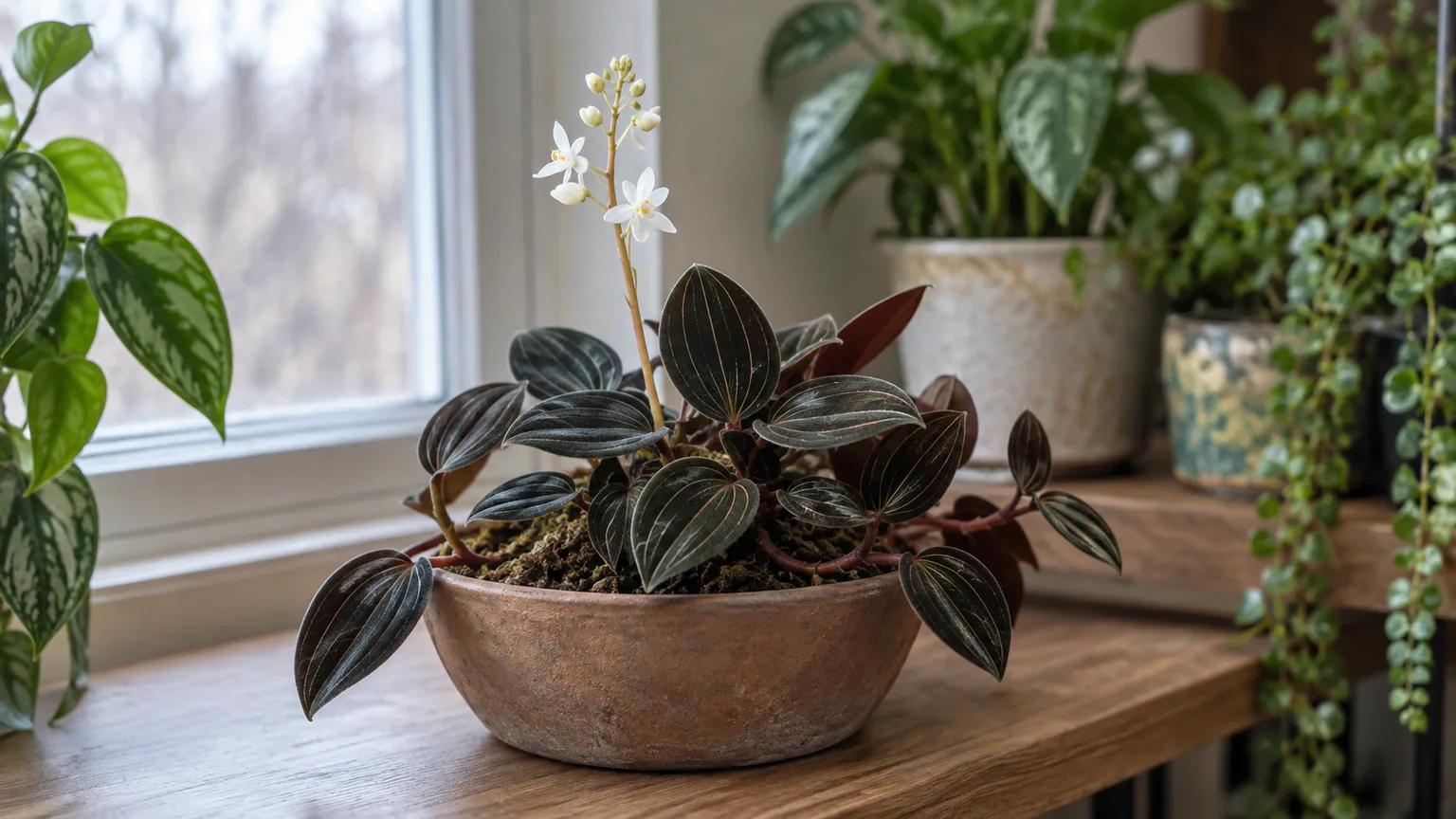
The lightning jewel orchid is a foliage orchid, usually sold under Ludisia discolor or a related jewel-orchid name. It is valued for its striped, metallic-looking leaves more than for showy orchid flowers, and it can suit a bright north-facing sill where a phalaenopsis orchid would struggle to bloom.
Use an airy, moisture-retentive but draining orchid mix rather than dense all-purpose soil. House Plant House’s jewel-orchid care guidance emphasizes soft light, careful moisture, and airflow around the roots. Water thoroughly when the upper mix is beginning to dry, then let the pot drain completely; do not leave the plant standing in a decorative cover full of water.
This is a good pick for a collector who enjoys close observation, not for someone seeking a drought-proof plant. Keep the foliage away from the coldest glass, protect it from harsh reflected sun if the window view changes seasonally, and accept that growth will be measured in new leaves and runners rather than a rapid flush.
6. Peace Lily
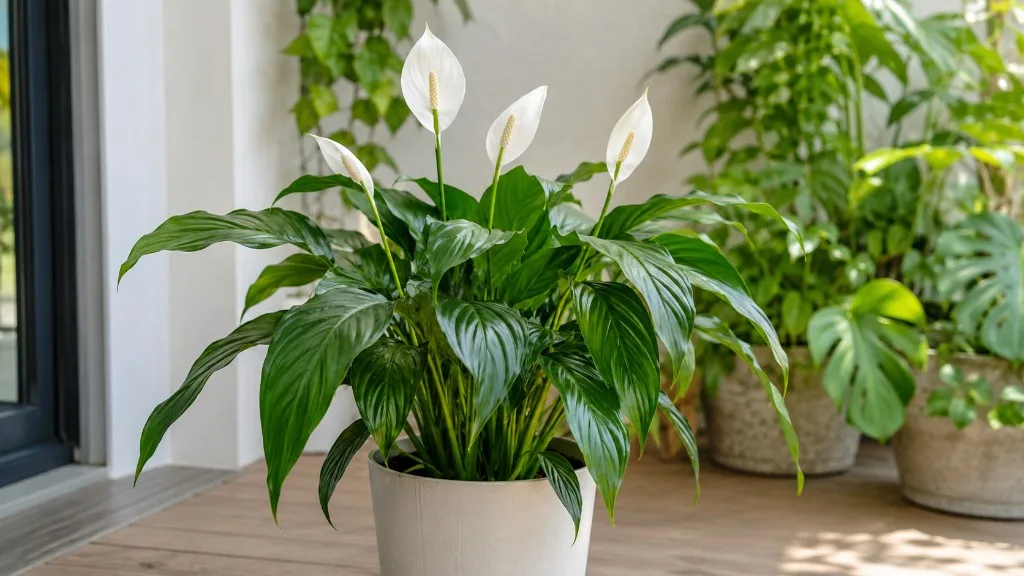
Peace lily (Spathiphyllum) brings large leaves and the possibility of white spathes to a north-facing windowsill. It can maintain foliage in lower light, but flowers are a separate expectation: a plant may stay healthy while producing few or no blooms. Move it to brighter indirect light if flowering is the priority, and return it to the north sill if foliage and a calmer watering rhythm matter more.
NC State Extension recommends partial to deep shade, protection from direct sun, and soil that stays moist but not soggy. In practice, wait until the surface has begun to dry, then water thoroughly and empty the saucer. A dramatic temporary droop can signal thirst, but repeated drooping followed by yellow leaves can also mean the roots are staying too wet.
Peace lilies are not pet-safe. NC State lists the leaves as poisonous if eaten in quantity and describes mouth pain, burning, drooling, vomiting, and difficulty swallowing among possible symptoms. Keep one only where children and pets cannot reach it, and do not use a “low-light” label as a reason to ignore that safety decision.
7. Prayer Plant
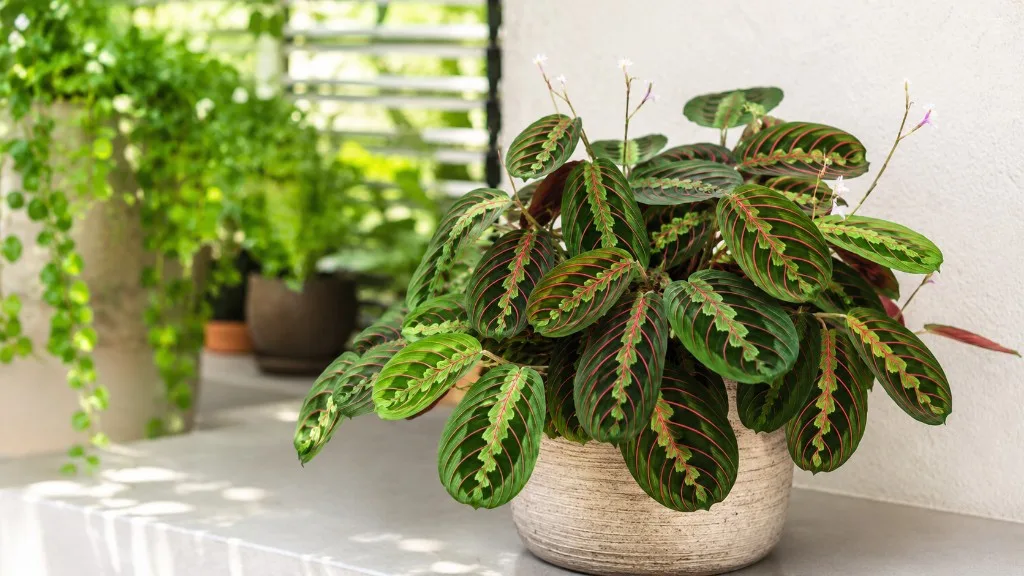
Prayer plant (Maranta leuconeura) is a strong choice when you want movement and pattern in a smaller plant. Its leaves can fold upward at night, and its low, spreading habit suits a sill better than a tall floor plant. The softer quality of north-facing light can help preserve its color without the scorch that sometimes appears in a hot bright window.
Give it a well-drained mix that does not become dusty and hydrophobic, then water when the upper layer begins to dry. It appreciates humidity, but misting once in the morning will not fix a dry room. Grouping plants, keeping the pot away from heating vents, or using a properly maintained humidifier is more consistent.
Watch for curled edges, crispy patches, and leaves that stay small. Those signs can point to dry air, inconsistent moisture, or too little light. Green Maranta forms are generally more forgiving than extremely pale variegated selections. If the plant becomes leggy, move it closer to the glass before increasing fertilizer; more food cannot replace missing light.
8. Snake Plant
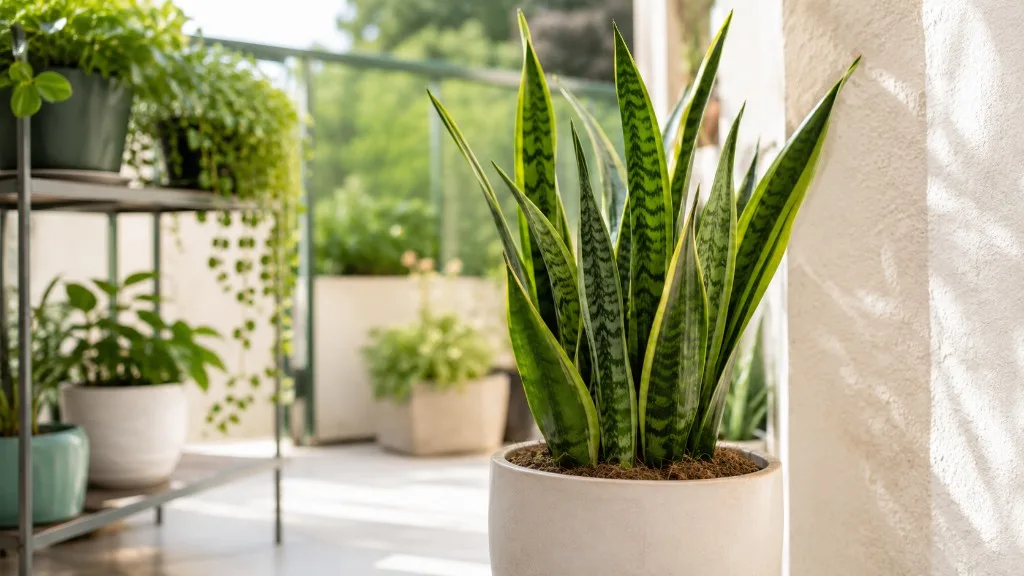
Snake plant (Dracaena trifasciata, formerly Sansevieria) is the best pick for a tall, upright silhouette and infrequent watering. Penn State Extension notes that snake plants are often placed in north-facing windows and need minimal watering. NC State’s snake-plant profile adds the important limit: it tolerates very low light but still needs a well-drained pot and careful watering.
Use a pot with a drainage hole and let the mix dry substantially between waterings. In a very dim or cool sill, that interval can stretch to several weeks; the calendar matters less than the moisture in the pot. Do not compensate for slow growth with extra fertilizer, and do not keep water pooled in the leaf rosette or saucer.
Brighter indirect light will usually produce faster, fuller growth and stronger variegation. A north-facing sill can maintain a snake plant, but a distant dark corner may only preserve it in place. If new leaves are thin, leaning, or absent for many months, move it closer to the glass or add a grow light.
Snake plants are poisonous if ingested, so place them beyond the reach of pets and small children. If you want an upright plant in an animal-friendly home, the cast iron plant is the safer alternative.
Care rules that make north-window plants last
The plant list is only half the solution. A north-facing exposure changes the pace of water use, growth, and seasonal recovery, so copy the light logic into your routine instead of copying a care calendar from a sunny window.
Water less often in dim light
Check the soil before each watering. For a fern, prayer plant, calathea, or peace lily, the top layer may dry while the middle of the root ball remains damp; for pothos, cast iron plant, jewel orchid, or snake plant, the correct dry-down point is different. The pot’s weight, a finger check, or a wooden skewer inserted near the root zone is more useful than a fixed “every seven days” instruction.
Water slowly until some drains from the bottom, then empty the saucer. If the mix stays wet for more than a week in a cool north sill, inspect the container and mix before adding more water. Roots need air as well as moisture, and persistent saturation can create yellow leaves, fungus gnats, or root rot even when the plant appears thirsty.
Rotate, clean, and supplement the light when needed
Turn the pot a quarter-turn every week or two so growth stays balanced. Wipe broad leaves gently when dust accumulates; cleaner foliage intercepts more of the available light. Do not rotate a humidity-sensitive plant directly into a cold draft or against the glass in winter.
If the plant is stretching, losing variegation, or producing smaller leaves, first move it closer to the window. If the best spot is still too dim, a full-spectrum LED grow light on a timer can extend the useful day. Illinois Extension’s lighting guidance notes that low-light plants can benefit from longer light duration, but more than 16 hours of light is not a good default because plants also need a dark period.
What to do when a north-window plant struggles
Start with the location and the root zone, not fertilizer. Compare the plant’s current position with the glass, check for an obstruction outside, and test whether the mix is wet below the surface. A plant that is pale, stretched, and wet is asking for more usable light and less frequent watering; a plant that is crisp, curled, and genuinely dry may need more consistent moisture or humidity.
Move a struggling plant gradually if the next window is much brighter. Sudden exposure can scorch leaves that were produced in shade, even if the species can eventually handle brighter light. Remove only fully dead leaves, wait for new growth, and judge the new location over several weeks rather than expecting an overnight recovery.
If yellow leaves spread while the soil remains wet, pause watering and inspect drainage. If growth is healthy but flowers are absent, treat that as a light-and-expectation issue rather than automatically diagnosing disease. If pests appear, isolate the plant and inspect leaf undersides and stem joints before treating; low light does not protect a plant from mealybugs, scale, or spider mites.
Pet-safe choices and toxic plants to place carefully
Among these eight, the cast iron plant is the most straightforward choice for a home where cats or dogs may chew foliage. Pothos, peace lily, and snake plant should be treated as plants to keep out of reach, and the same caution applies to calathea- and prayer-plant relatives that may vary by species or cultivar. “Non-toxic” is not the same as edible, and “low light” has nothing to do with whether a plant is safe to ingest.
Keep the nursery label or botanical name when you buy a plant, especially when common names overlap. If a pet eats a potentially toxic plant, remove access, save a sample or photograph for identification, and contact a veterinarian or an animal poison service rather than waiting for symptoms. Children and pets can reach a sill more easily than expected, particularly from furniture placed below it.
Conclusion
North-facing windowsills reward plants that tolerate soft light and a slower pace. Pothos gives you a forgiving trail, cast iron plant handles shade and neglect, maidenhair fern and calathea suit attentive growers, jewel orchid offers patterned foliage, peace lily gives you a chance at flowers, prayer plant adds movement, and snake plant brings height with very little water.
Place each plant close enough to the glass to use the available light, protect it from cold drafts, and let the potting mix—not the calendar—tell you when to water. If the plant stretches, loses color, or stays wet, treat those signs as information: adjust light and dry-down first, then give the new routine time to prove itself.