35 Plants That Love Full Sun and Heat
Find 35 plants that love full sun and heat, from zinnias and marigolds to lavender and coneflower, with watering, soil, and placement tips.
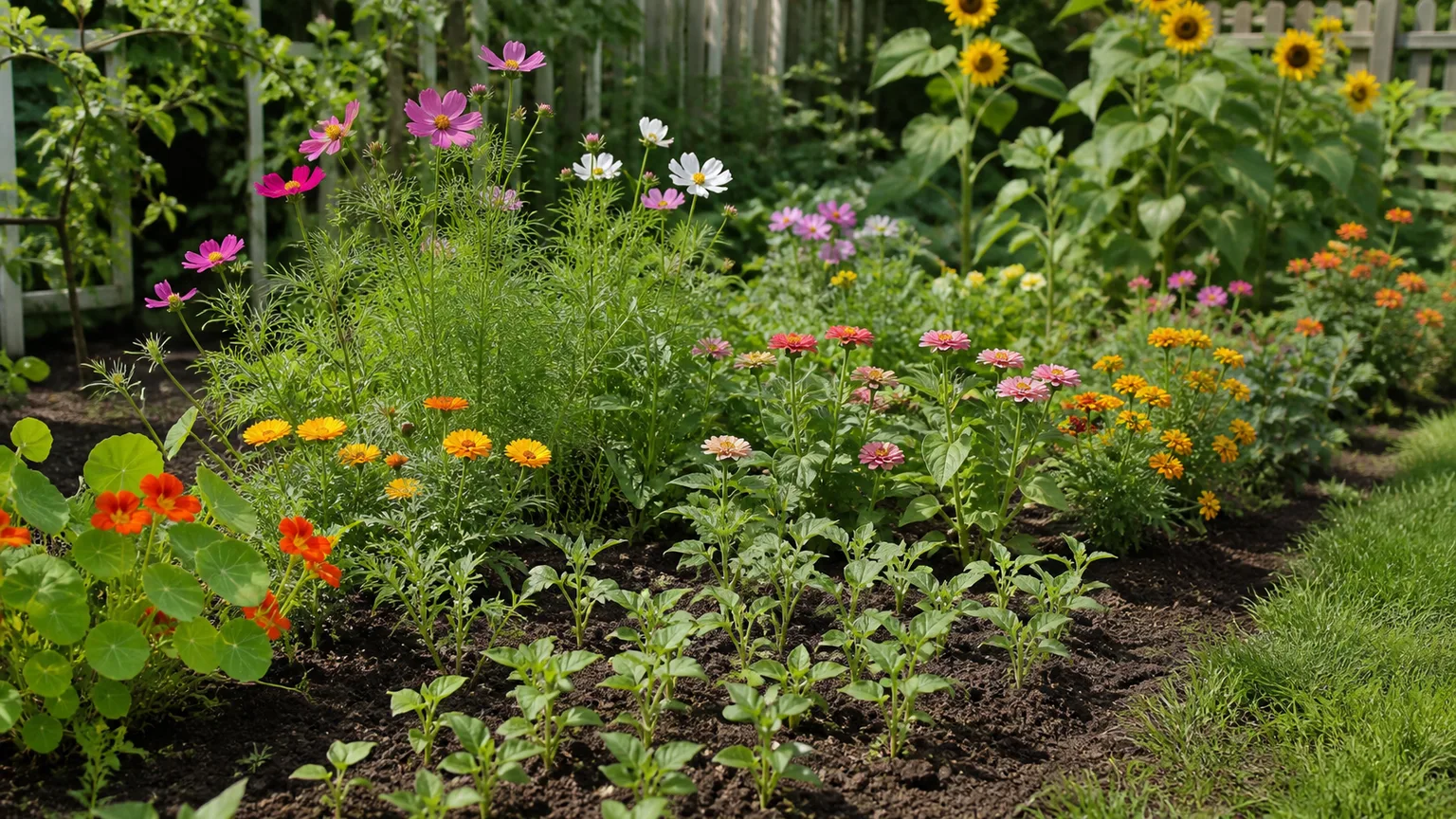
The best plant for a hot, sunny spot is not automatically the one with the brightest flower. Start with the site: how many hours of direct light it receives, whether the soil drains quickly or stays moist, how much reflected heat comes off a wall or patio, and whether you are willing to water a container often. Once those conditions are clear, the list below makes it easier to choose color that lasts.
The short answer: match the plant to the kind of heat
For hot, dry, sharply drained soil, begin with blanket flower, lavender, portulaca, sedum, yucca, yarrow, coneflower, coreopsis, or blazing star. These plants are better candidates for a gravelly bed, sunny slope, or garden that you cannot water every afternoon once their roots are established.
For a sunny bed that can hold moisture, zinnia, marigold, cosmos, sunflower, scarlet sage, hibiscus, pentas, petunias, and asters will give you more color when they receive regular root-zone water. For vertical color, choose moonflower, morning glory, or trumpet vine only after checking the mature size and support requirements. For a pollinator-focused bed, coneflower, black-eyed Susan, milkweed, blazing star, yarrow, and asters offer more than a pretty bloom.
The most useful shortlist is often a mix: one or two low-water anchors, a reliable summer annual for nonstop color, a late-season perennial, and a container plant near the door where watering is convenient. That combination is more resilient than filling the entire bed with plants that all peak at the same time or all need the same amount of water.
What “full sun and heat” means in a real garden
Full sun is a light requirement, not a watering promise
In horticulture, full sun generally means at least six hours of direct sunlight a day. NC State Extension uses that six-hour threshold in its plant profiles, but the number does not tell you whether the soil is dry, humid, windy, sandy, or waterlogged. A plant can love intense light and still collapse when its root zone stays wet—or wilt when a small container dries out twice in one day. (NC State Extension Plant Toolbox)
Heat tolerance is also a pattern of adaptation, not a guarantee. The RHS points to clues such as spiky, strappy, silvery, furry, waxy, scented, or needle-like leaves in plants adapted to hot, dry conditions. Those traits can reduce water loss, but they do not replace watering while a plant is young or during an exceptional heat wave. (RHS guide to planting for hot, sunny gardens)
Containers, reflected heat, and new plantings change the rules
The same petunia that performs well in a deep garden bed may need water every day in a shallow black pot on a south-facing patio. Containers have less soil, more exposed surface area, and no surrounding ground to buffer temperature swings. Dark walls, concrete, stone, and glass can add reflected heat that turns an ordinary full-sun site into a much harsher microclimate.
New transplants are the other exception. Even a drought-tolerant perennial needs dependable moisture while roots move into the surrounding soil. The RHS recommends watering newly planted shrubs and perennials deeply around the root zone, then reducing frequency as they establish; established plants and first-year plants should not be treated as if they have the same root system. (RHS watering guidance)
35 plants organized by garden job
Annuals for fast, nonstop summer color
Annuals such as zinnias, marigolds, cosmos, sunflowers, celosia, petunias, pentas, and million bells are useful when you want a full display in one season. They grow quickly, but fast growth usually means a higher demand for water and nutrients, especially in containers. Deadhead or trim only when the plant benefits from it; some self-cleaning varieties do not need the extra work.
Perennials for repeat performance and pollinators
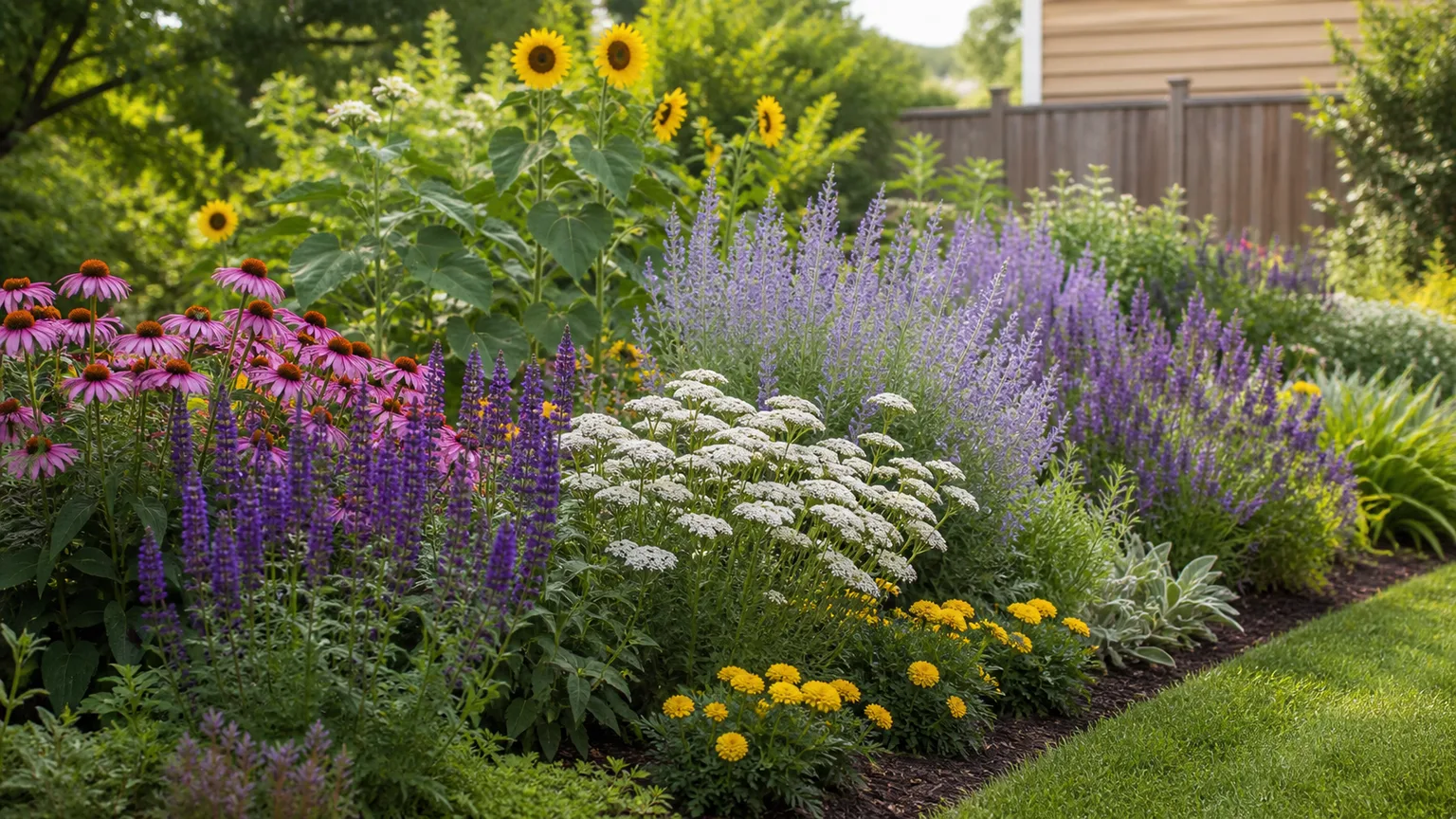
Coneflower, black-eyed Susan, coreopsis, blanket flower, yarrow, sedum, blazing star, speedwell, hardy plumbago, red hot poker, milkweed, and asters return in suitable climates. Their first season can be less impressive than their second because the plant is building roots. Leave some seed heads on coneflower and other wildlife plants if winter structure and bird food matter more to you than a perfectly tidy border.
Vines for vertical color and screening
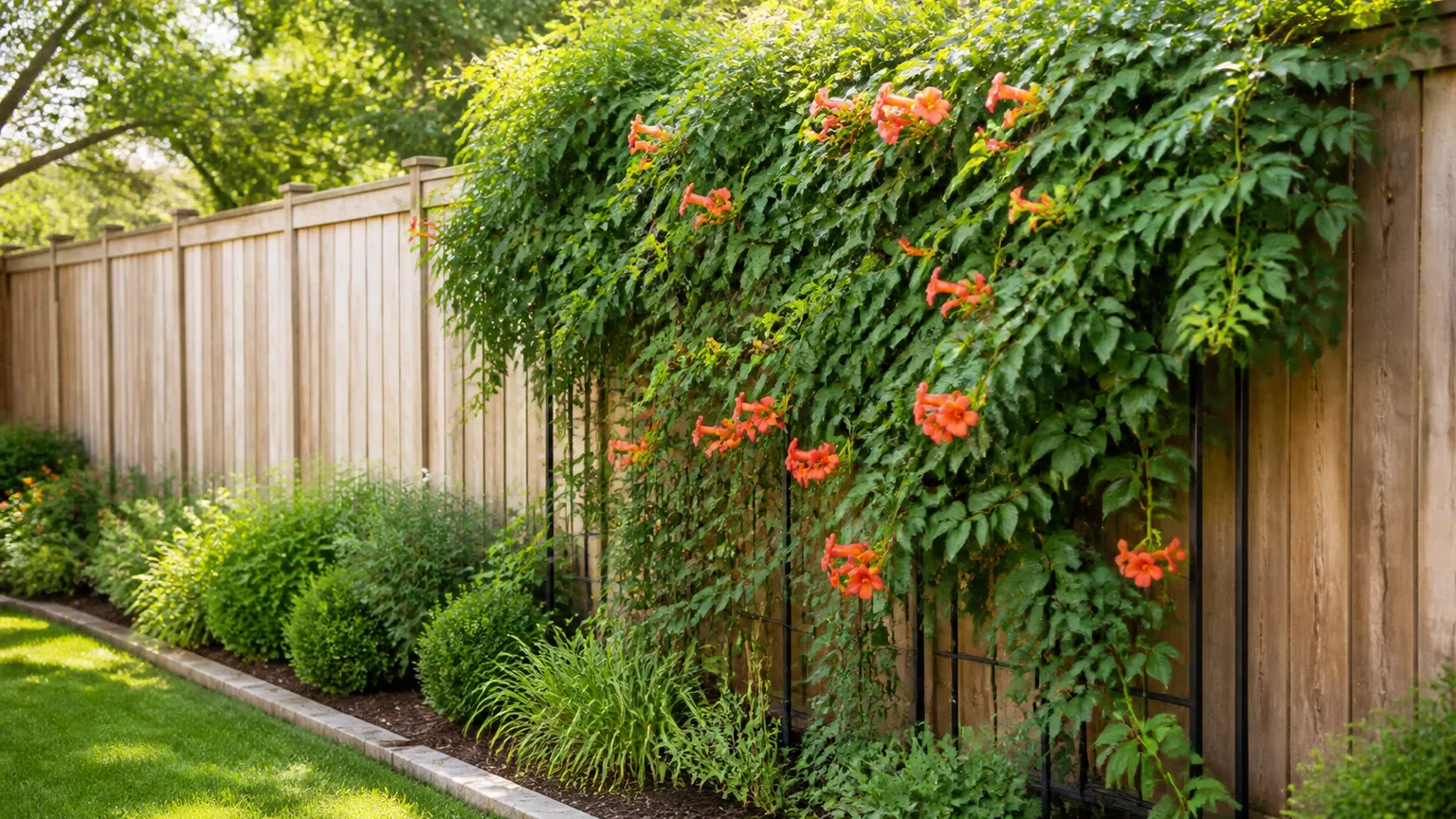
Trumpet vine provides a long-lived, woody framework with hummingbird-friendly flowers, while morning glory and moonflower give quick, seasonal coverage. The trade-off is control: a vigorous vine needs a sturdy support, a clear pruning plan, and enough distance from gutters, siding, small trees, and neighboring beds. A beautiful vine in the wrong space becomes a maintenance problem faster than a flower bed does.
Shrubs, foliage plants, and late-season anchors
Butterfly bush, crepe myrtle, hardy hibiscus, yucca, and sweet potato vine provide shape after individual flowers fade. Their roles differ: yucca contributes evergreen structure, sweet potato vine contributes foliage, hibiscus contributes large flowers but needs more moisture, and shrubs need enough room to reach mature size. Read the cultivar label instead of assuming every plant sold under a common name stays compact.
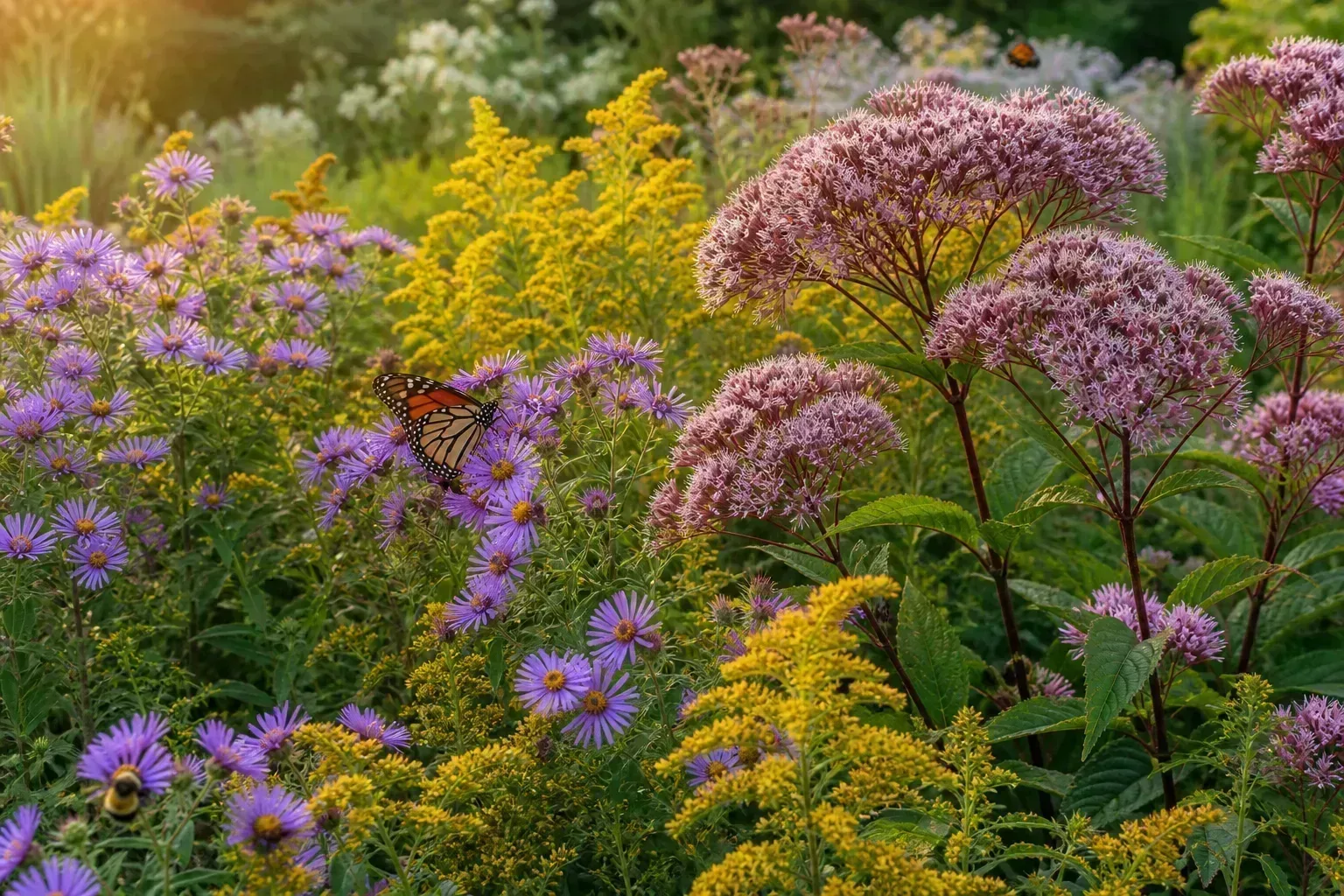
The full list: 35 colorful choices
Use these entries as a filter, not a ranking. Bloom times and winter survival vary with species, cultivar, planting date, and local climate, so confirm the label and your local hardiness zone before buying a large quantity.
Best for hot, dry, sharply drained beds
| Plant | What it adds | Best match and watch-out |
|---|---|---|
| Blanket flower (Gaillardia × grandiflora) | Red, orange, and yellow daisy-like flowers with a long summer display. | Excellent for lean, well-drained soil and sunny slopes. It dislikes heavy, wet ground more than it dislikes heat, and deadheading keeps the plant looking fresh. |
| Coreopsis (Coreopsis spp.) | Fine-textured foliage and yellow, pink, red, or bicolor daisies. | Choose threadleaf types for airy borders and shear after the first flush for a fuller second wave. Avoid burying the crown in wet mulch. |
| Coneflower (Echinacea spp.) | Sturdy stems, domed centers, and cultivars in purple, white, yellow, orange, or red. | A strong pollinator and bird-garden plant that becomes drought tolerant after establishment. Leave some seed heads, or deadhead for a tidier, longer display. |
| Black-eyed Susan (Rudbeckia hirta) | Clear gold-to-orange flowers with dark centers that bridge summer and fall. | Good for a sunny border or naturalized patch. It can be short-lived, but self-sowing helps it persist; remove spent heads if you do not want volunteers. |
| Yarrow (Achillea millefolium) | Flat flower clusters in white, yellow, pink, red, or orange above ferny foliage. | Handles poor, dry soil, but rhizomes and seed can spread. Use a clumping cultivar and deadhead in a formal bed. |
| Red hot poker (Kniphofia spp.) | Tall torch-shaped spikes in red, orange, yellow, or cream. | Give it full sun and excellent drainage, particularly where winters are wet. It is a strong vertical accent, not a plant for a constantly soggy border. |
| Yucca (Yucca filamentosa) | Architectural sword leaves and tall, creamy flower spikes. | An excellent dry-bed anchor for a rock garden or xeriscape. Place it away from narrow paths because leaf tips are stiff and sharp. |
| Sedum (Sedum and Hylotelephium spp.) | Fleshy foliage plus clusters of pink, red, white, or yellow flowers. | Low types suit hot edges; taller types carry late-summer and fall color. Excess water and rich, floppy growth are bigger problems than summer heat. |
| Lavender (Lavandula spp.) | Scented gray-green foliage and purple or white flower spikes. | Use lean, fast-draining soil and let the root zone dry somewhat between waterings. Wet winter soil is a common cause of failure, so improve drainage before adding fertilizer. |
| Portulaca (Portulaca grandiflora) | Rose-like flowers in hot colors and succulent foliage that trails from pots or spreads at the edge. | One of the best choices for a very sunny container or rocky bed. Water deeply when needed, then allow a real dry-down rather than keeping it constantly wet. |
| Blazing star (Liatris spicata) | Upright bottlebrush spikes in purple, pink, or white. | Plant it in full sun with average-to-dry, well-drained soil. The spikes add height without the broad footprint of a shrub and attract bees and butterflies. |
| Hardy plumbago (Ceratostigma plumbaginoides) | True blue flowers in late summer and fall over spreading green foliage. | Useful as a ground cover for sunny edges where soil drains well. Its rhizomes fill bare spots, but standing water can kill it. |
| Trumpet vine (Campsis radicans) | Orange, red, or yellow trumpet flowers on a vigorous vine. | Choose it for a large, permanent support and expect regular pruning plus root suckers. Do not plant it beside a small trellis, delicate tree, or foundation you need to keep clear. |
| Morning glory (Ipomoea purpurea) | Fast-growing annual vines with blue, purple, pink, red, or white flowers that open in the morning. | It tolerates poor soil and gives quick coverage, but it can reseed freely in warm climates. Provide a trellis and remove seed capsules if you want one-season control. |
Best for richer soil and steady moisture
| Plant | What it adds | Best match and watch-out |
|---|---|---|
| Zinnia (Zinnia elegans) | Fast, bright flowers in nearly every warm and cool color except true blue. | A dependable full-sun annual for beds and cut flowers. Give plants room for airflow, water the soil rather than the leaves, and harvest or deadhead regularly. |
| Cosmos (Cosmos spp.) | Airy foliage and daisy flowers in white, pink, orange, yellow, or red. | It flowers in poor soil and heat, but excess fertilizer can make tall plants flop. Let a few flowers set seed if you want volunteer plants next year. |
| Common sunflower (Helianthus annuus) | Bold flower heads from compact branching types to towering forms. | Select the mature height before planting and stake exposed tall varieties early. Sunflowers are annuals; leave seed heads for birds or cut them before they become heavy. |
| Marigold (Tagetes spp.) | Compact orange, yellow, red, or bicolor flowers with a long warm-season display. | Plant in average, well-drained soil and deadhead for a tidy show. Marigolds are colorful companions, not a universal pest-control solution, so do not rely on them to protect every vegetable. |
| Scarlet sage (Salvia splendens) | Dense spikes of scarlet, pink, white, or other cultivar colors. | Mostly grown as an annual outside warm climates. It blooms best in fertile, well-drained soil with regular moisture, and spent spikes should be removed before they turn into a seed-heavy thicket. |
| Obedient plant (Physostegia virginiana) | Tall spikes of pink, purple, or white tubular flowers in late summer. | Give it room or contain its rhizomes. It is a useful back-of-border perennial, but “obedient” describes how a flower stem can be repositioned—not how restrained the plant’s spread will be. |
| Aster (Symphyotrichum spp.) | Pink, blue, purple, or white daisy flowers that extend color toward fall. | Provide sun, good air movement, and even moisture while plants establish. Choose a cultivar sized for the border; a late bloomer can become a large green mass if crowded. |
| Hibiscus (Hibiscus spp.) | Very large trumpet-shaped flowers in tropical colors, with hardy and tropical types available. | Hardy hibiscus appreciates consistent moisture, while tropical hibiscus often needs overwintering in cold climates. It is a poor choice for a dry, neglected bed even though it loves bright sun. |
| Milkweed (Asclepias spp.) | Rounded clusters of pink, orange, white, or purple flowers and valuable host-plant function for monarchs. | Choose a species native or well-adapted to your region and site. Many milkweeds prefer full sun and drainable soil, but young plants need water while roots establish and taprooted types resent unnecessary transplanting. |
| Speedwell (Veronica spicata) | Narrow spikes of blue, purple, pink, or white flowers on compact plants. | Use it in a sunny border or rock garden with good drainage and moderate fertility. Shearing spent spikes can encourage a second flush, but do not keep the crown waterlogged. |
| Moonflower (Ipomoea alba) | Large white night-opening flowers with a light fragrance on a warm-season vine. | Give it fertile soil, regular moisture, and a strong trellis. It is a seasonal climber in many climates, so place it where a temporary screen or evening-scented feature makes sense. |
Best for containers, baskets, and small spaces
| Plant | What it adds | Best match and watch-out |
|---|---|---|
| Cock’s comb (Celosia argentea var. cristata) | Velvety combs or plumes in red, pink, orange, yellow, or white. | Its compact size works well in containers and front borders. Use a fertile, well-drained mix and remove spent flowers if you want to limit reseeding. |
| Lantana (Lantana camara) | Rounded clusters that can shift among red, orange, yellow, pink, purple, and white. | Excellent in warm, sunny containers and bedding displays. Containers dry quickly, and perennial status varies by climate; check local invasive-plant guidance before planting it in the landscape. |
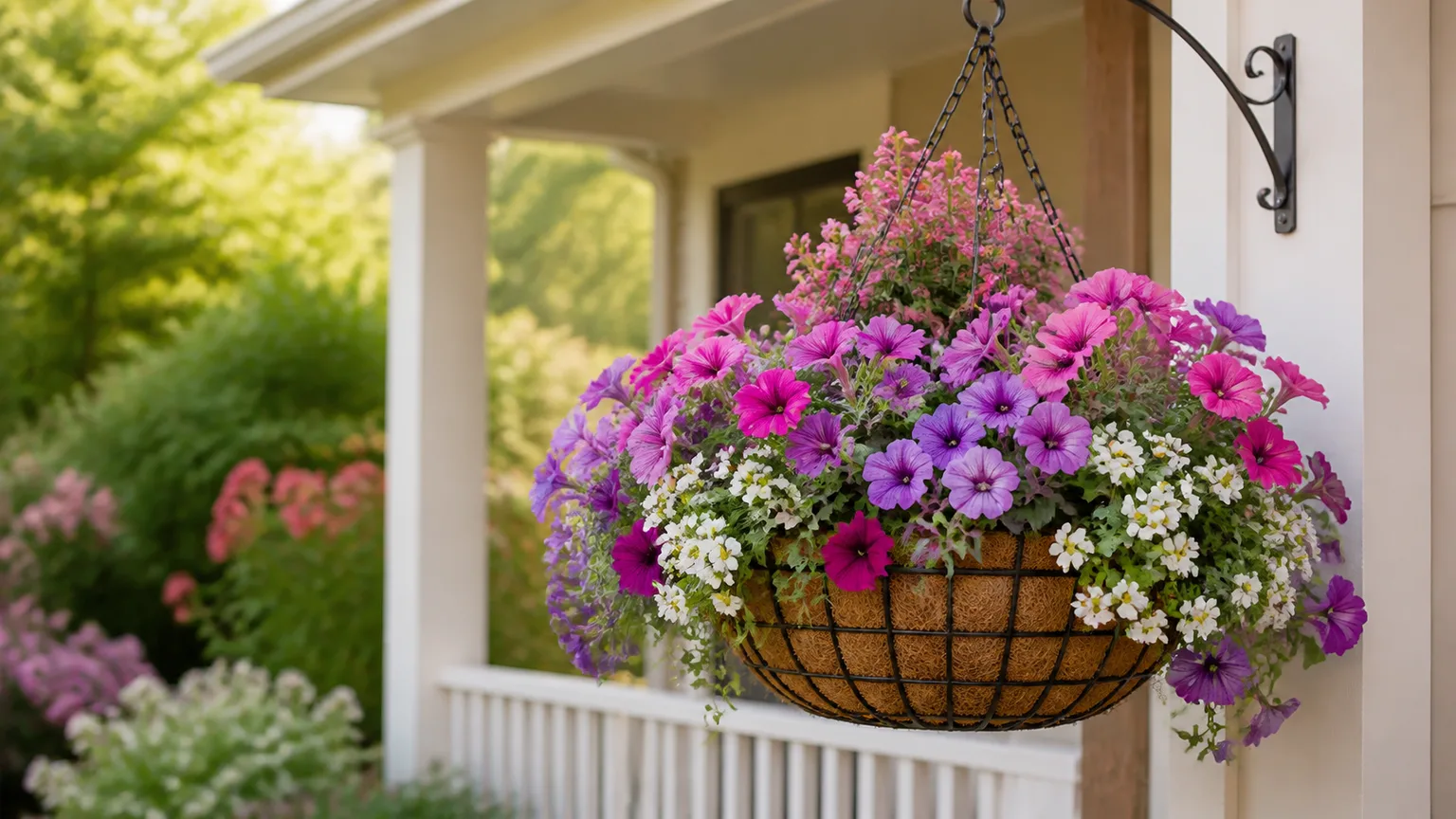
| Million bells (Calibrachoa hybrids) | A long cascade of small petunia-like flowers for baskets and window boxes. | It performs in full sun but needs consistent moisture and a free-draining mix. Let excess water escape from the pot; a saturated root ball can end the display even during hot weather. |
| Heliotrope (Heliotropium arborescens) | Purple or white flower clusters with a sweet fragrance often compared with vanilla or cherry. | Put it beside a path or seating area so the scent is noticeable. It wants fertile soil and even moisture, so do not group it with lavender or sedum in the driest bed. |
| Butterfly bush (Buddleja davidii) | Long flower panicles in purple, pink, white, blue, or yellow from midsummer toward fall. | Choose a compact, seedless cultivar where available and check regional guidance before planting. Give shrubs room for mature width and keep the soil moderately moist during establishment. |
| Crepe myrtle (Lagerstroemia indica) | A shrub or small tree with showy red, pink, purple, lavender, or white flowers. | Match the cultivar to the mature height and width, then plant it where the canopy receives full sun. Water at the root zone while it establishes and prune in the correct season rather than topping the tree. |
| Pentas (Pentas lanceolata) | Star-shaped flower clusters in red, pink, purple, white, or related colors. | A useful sunny filler for mixed pots and beds. It flowers best in fertile, well-drained soil; containers may need more frequent checks than plants in the ground. |
| Petunias (Petunia spp.) | Mounding or trailing flowers in a huge range of colors, including bicolors. | They bloom heavily in full sun but cannot be treated as zero-maintenance in a small pot. Use a high-quality mix, water when the root zone is dry below the surface, and trim leggy stems rather than only picking flowers. |
| Sweet potato vine (Ipomoea batatas) | Trailing green, purple, bronze, pink, or variegated foliage rather than a dependable flower show. | Use it to spill from a basket or soften the edge of a container. It handles heat but looks fuller with regular moisture and organic-rich mix; give it room because runners can quickly cover neighboring plants. |
| Shasta daisy (Leucanthemum × superbum) | Classic white petals with yellow centers on sturdy stems. | Use a compact cultivar for a large container or a sunny border with consistent moisture and good drainage. The common name “daisy” covers many species, so check the botanical name when size and hardiness matter. |
How to plant and water through a heat wave
Give roots a strong start
Plant in the cooler part of the day, preferably when the root ball and surrounding soil can be watered immediately. Set the plant at the same depth it occupied in its pot, loosen circling roots gently, and make a shallow basin of soil around the root zone so water moves down instead of running away. Do not bury crowns that need to stay dry, especially lavender, sedum, and other plants adapted to sharp drainage.
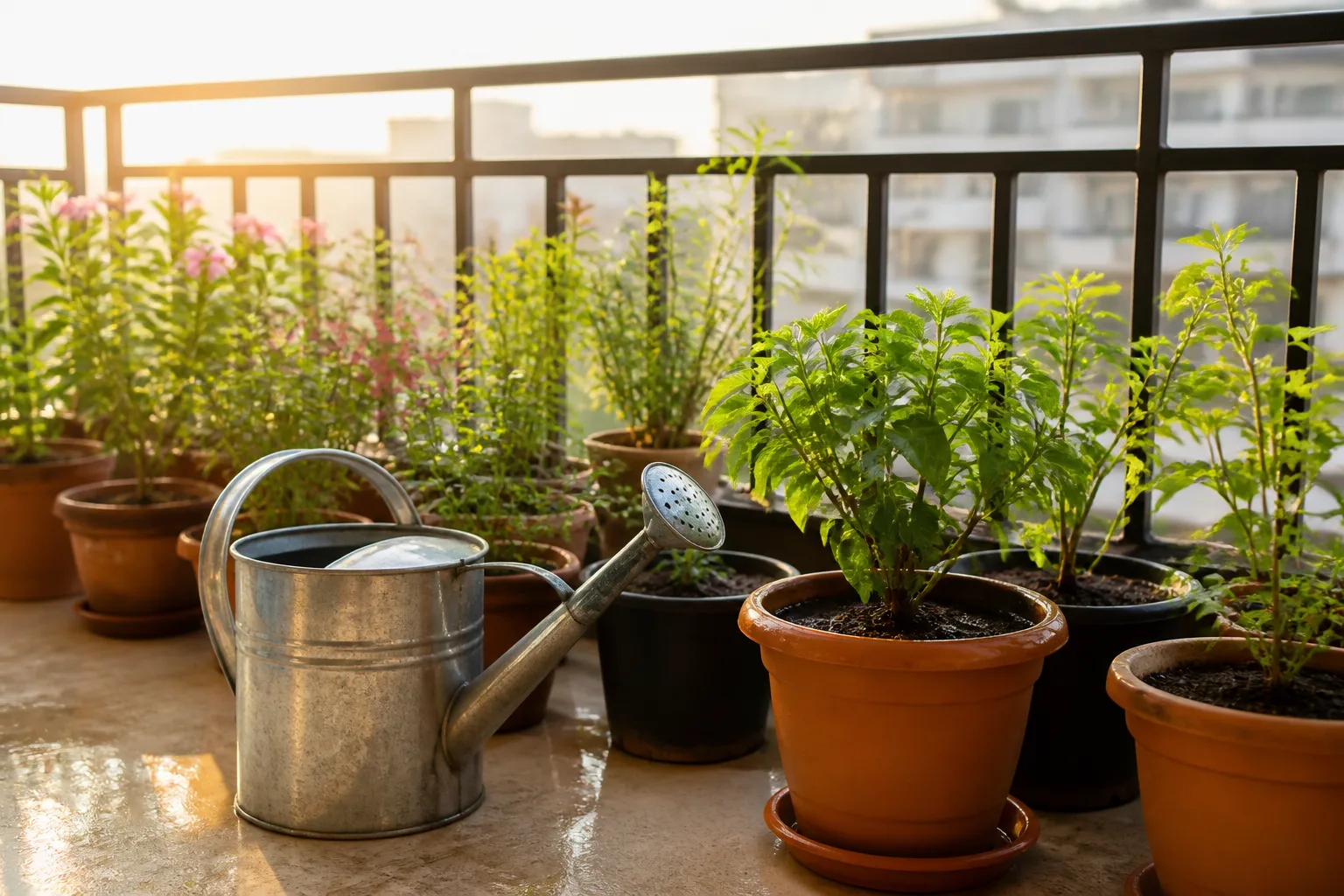
Water slowly until moisture reaches the active root zone, then cover bare soil with a thin, breathable mulch layer. Keep mulch off stems and crowns. In a bed, organic matter can improve the soil’s ability to hold and release water; in a pot, drainage holes and an airy mix matter more than adding a layer of stones at the bottom.
The first weeks are about establishment, not proving that a plant is drought tolerant. Check new plantings more often than established ones, especially under eaves, beside walls, or in windy spots where rainfall may miss the root ball. The RHS recommends deep watering and checking moisture below the surface rather than following a rigid calendar. (RHS watering guidance)
Triage wilt before you add more water
Wilting in afternoon heat is a clue, not a diagnosis. Use this sequence:
- Check the soil several inches down. If it is dry at root depth, water the base slowly and thoroughly. If it is wet, do not add more; inspect drainage, roots, and recent watering instead.
- Look again early the next morning. A plant that recovers overnight may be limiting water loss during the hottest hours. A plant still wilted at dawn needs faster attention.
- Prioritize containers and first-year plants. They have the smallest moisture buffer. Flowering and fruiting plants also deserve attention when water is scarce because reproductive growth is demanding.
- Water early whenever possible. Morning watering gives roots time to take up moisture before evaporation peaks. Evening watering is workable, but repeatedly wet foliage that stays damp overnight can increase disease pressure. Avoid making midday watering your routine because much of the water can evaporate before it reaches the root zone. (RHS watering guidance)
- Recheck after the site cools. If a plant is still collapsing after the soil is moist, look for broken stems, root rot, transplant shock, pest damage, or sunscald instead of repeating the same watering.
BBC Gardeners’ World makes a similar practical distinction for late-summer gardens: containers dry fastest, and watering should focus on plants that are still flowering or coming into bloom rather than plants that have already finished. Its August planting guidance also recommends deadheading certain flowers to keep a display going. (BBC Gardeners’ World)
Common mistakes that stop full-sun plants from blooming
The first mistake is treating a plant tag’s “full sun” label as a promise of low water. Zinnias, petunias, million bells, pentas, and hibiscus may love strong light but still need regular moisture. Conversely, lavender, sedum, and yucca may decline in the same overwatered bed where a moisture-loving hibiscus looks fine.
The second is planting by color alone. A purple aster, purple plumbago, and purple petunia can look compatible on a mood board while requiring very different soil, spacing, and watering. Group plants by conditions first, then arrange color and height within each group.
The third is fertilizing stressed plants heavily. Heat-stressed roots cannot use a large nutrient dose efficiently, and excess soft growth can increase flopping or water demand. Restore root-zone moisture and drainage first; feed only when the plant is actively growing and the label, soil, and species justify it.
The fourth is crowding. Dense foliage dries slowly after irrigation and restricts airflow, while crowded roots compete for the same small reservoir of soil moisture. Give a plant the mature spacing on its label, even if the bed looks sparse on planting day.
Finally, do not put aggressive spreaders in a small space because their flowers are attractive. Trumpet vine, morning glory, obedient plant, yarrow, and sweet potato vine each need a management decision. Use a container, barrier, trellis, deadheading routine, or a looser naturalized area when appropriate—and check local guidance for plants that may escape cultivation in your region.
Conclusion: build for conditions first, color second
The most reliable full-sun garden is a deliberate mix of plants with different strengths: drought-tolerant anchors for dry soil, moisture-loving annuals where a hose is close, late-season perennials for continuity, and vines or shrubs only where their mature size can be managed. Choose the site match first, give new roots consistent water, and use the soil test—not a fixed watering calendar—to decide what happens next. That is how a hot garden keeps its color without asking every plant to live by the same rules.