Plant These 12 Perennials in May for Summer Blooms
May is prime time for planting perennials once frost passes. See which 12 plants establish well now, how to plant them, and what blooms to expect this season.
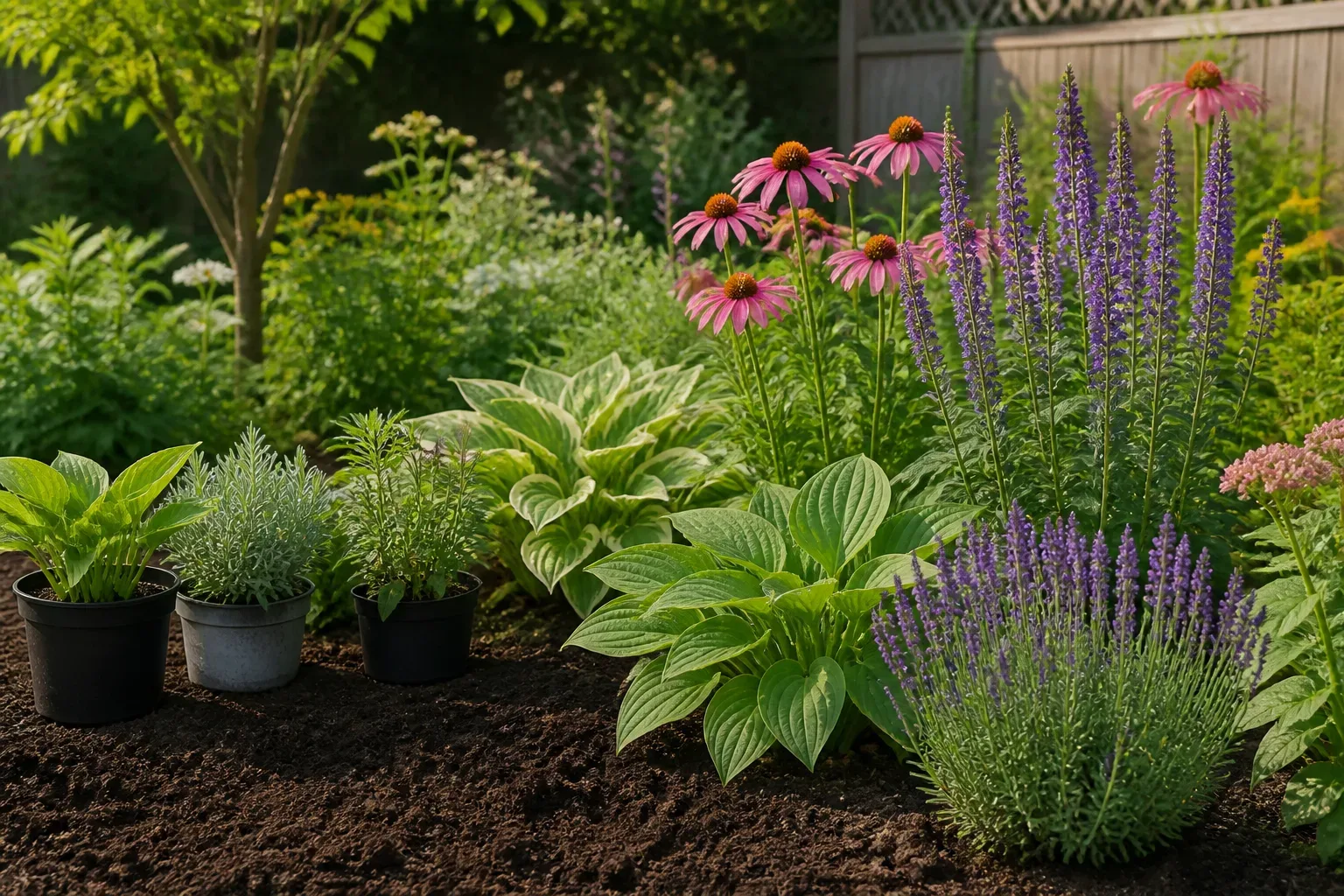
May is the month many gardeners finally trust the weather enough to put roots in the ground. For perennials to plant in May, that timing is usually smart: soil is warming, nights are often still cool, and a container-grown plant can settle in before the hardest summer heat. The mistake is treating every May day as equal. A heat wave, a soggy bed, or a rootbound pot can undo a good plant choice faster than a late frost.
The 12 perennials below are common, widely available, and well suited to May planting when matched to the right site. Use them as a matching list, not a shopping mandate. Before you buy, confirm your USDA hardiness zone, your last frost date, and whether the bed is sun, shade, or somewhere in between.
Is May the Right Time to Plant Perennials?
For most temperate gardens, May is an excellent window for container-grown perennials once frost risk has dropped and the soil is workable. Warm soil encourages root growth while moderate air temperatures reduce the water stress that makes a fresh transplant wilt. Colorado State University Extension notes that perennials quickly establish in a few growing seasons and that matching the plant to site conditions—sun, soil, and water—is the backbone of a successful bed.
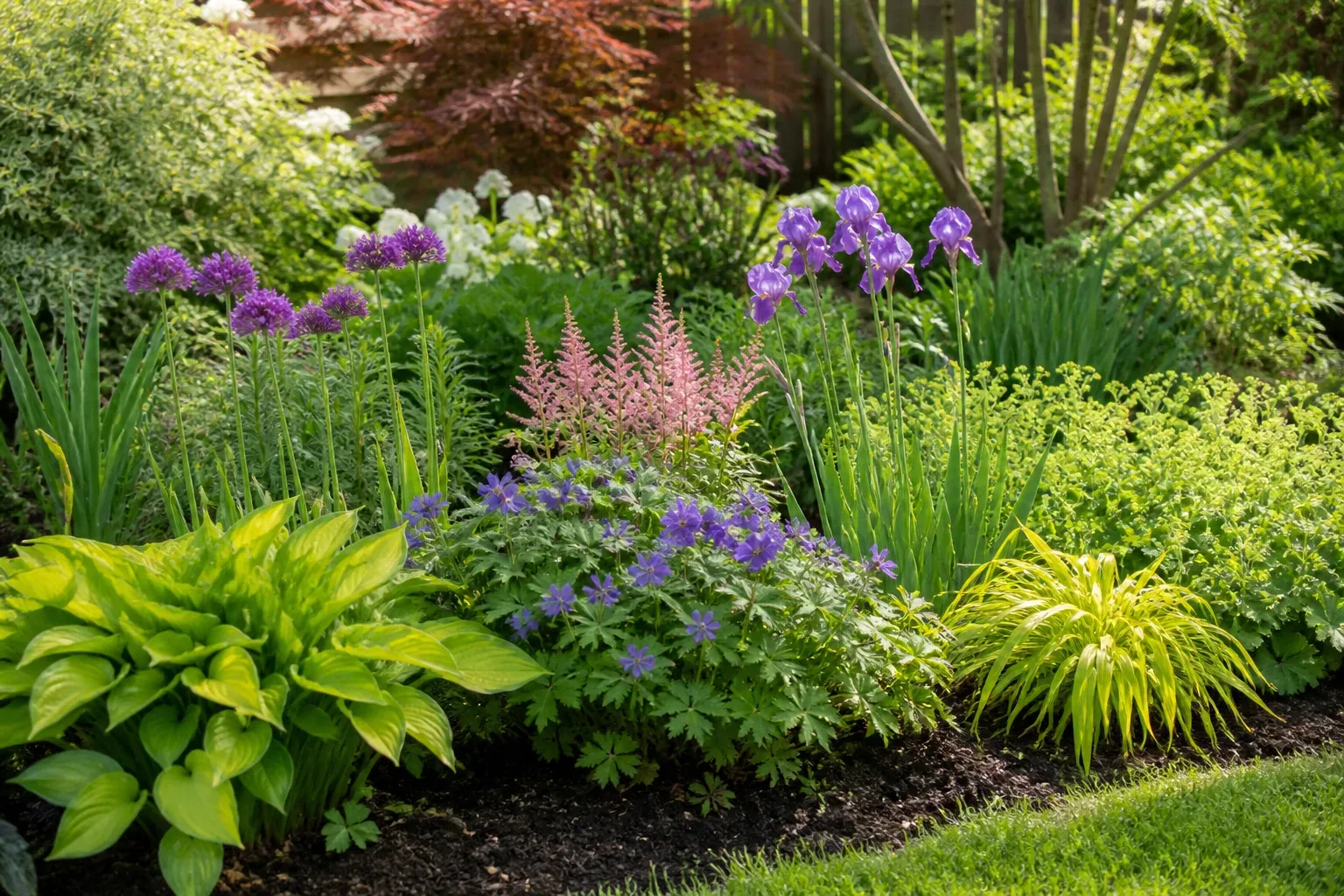
May is weaker for bare-root divisions shipped dry, direct-sown seed that needed a February start indoors, or a clearance plant with a mushy crown. Those can still work, but they are different jobs with longer timelines. If you want visible progress this summer, buy a healthy potted plant and focus on establishment care.
Count Back From Your Last Frost Date
Plant after your area’s typical last frost, not on the first warm weekend in April. Tender perennials like lavender, salvia, and young coneflower starts can suffer if a late cold snap hits fresh leaves. In cold zones, May often means midmonth or later; in warm zones, the safe planting window may open in late April and close once intense heat arrives.
Your local frost date is a planning tool, not a guarantee. Watch the forecast, keep frost cloth handy for the first week after planting, and remember that elevation and microclimates move dates by weeks. A low pocket that collects cold air is not the same bed as a south-facing wall that radiates heat.
Soil Temperature Matters More Than the Calendar
Workable soil should be moist but not sticky, and soil temperatures near 50°F (10°C) are a practical signal that roots can grow. Cold, saturated soil slows establishment and invites crown problems on plants that hate wet feet—hostas in winter-wet clay, lavender in a rain pocket, delphinium in a boggy corner.
If the calendar says May but the soil is still cold and clumped, wait a week and test again. If May is already hot and the soil surface dries within hours, plant in the evening, shade the transplant for a few days, and plan on more frequent watering while roots expand beyond the nursery pot.
How to Plant Perennials in May
The planting hole is only part of the job. Your goal is to get roots into cool, moist soil quickly and keep them there while the plant redirects energy from leaves to feeders below ground.
Choose Healthy Nursery Stock
Pick plants with evenly colored leaves, firm stems, and a root ball that holds together when you gently slide the pot. Avoid pots that smell sour, show black mushy roots, or carry a crown buried under an inch of wet mulch from the store. A plant already in full flower can be beautiful on the cart, but it may drop blooms while it recovers from transplant—buds are often a better sign than exhausted open flowers.
Penn State Extension’s guidance on starting a perennial garden stresses evaluating light, wind, moisture, soil texture, drainage, and mature spread before you choose varieties. That site check should happen before you leave the nursery, not after the pot is already in the trunk.
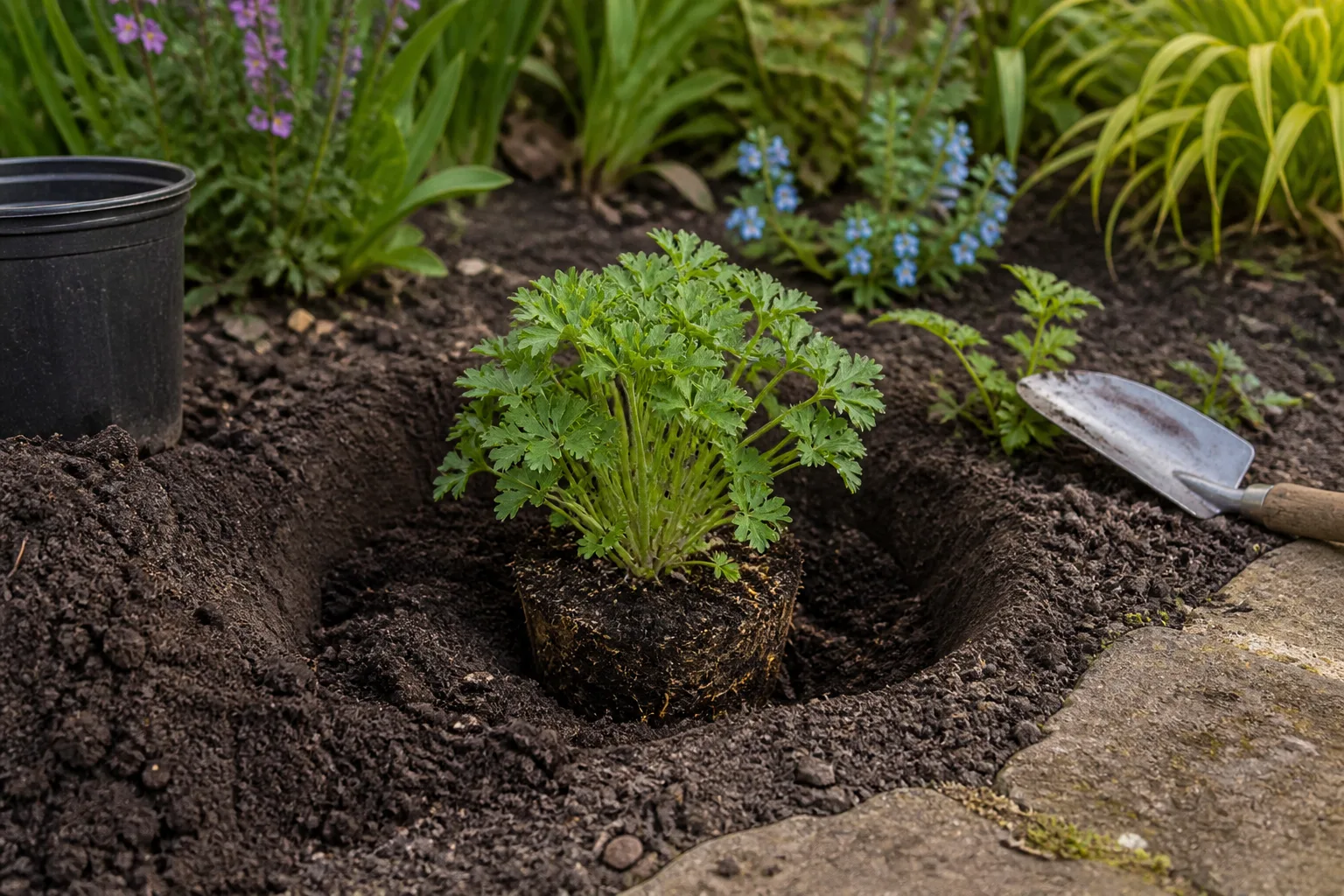
Dig a hole slightly wider than the root ball and no deeper than the soil line in the pot. Set the crown at the same height it was growing; burying it is a fast route to rot, especially for lavender, salvia, and hellebores. Loosen circling roots gently if the ball is tight, backfill with excavated soil unless a soil test calls for amendment, and build a shallow watering basin just outside the root mass so water soaks in instead of running off.
Water and Mulch Through the First Summer
Soak the transplant immediately after planting, then check the root ball daily during the first hot or windy week. The surrounding soil can look damp while the nursery mix inside the pot is already dry. Shift toward deep, less-frequent watering as roots grow outward, using about one inch of combined rain and irrigation per week as a starting point for established plants—not a rigid daily schedule for a new transplant in a heat wave.
Apply two to three inches of mulch to conserve moisture and moderate soil temperature, but keep mulch a few inches away from stems and crowns. Skip heavy nitrogen fertilizer at planting; excess feed can push soft leafy growth when roots are already stressed. Water contact and correct depth usually matter more than a quick-release meal.
Hostas
Site: partial shade to dappled shade; morning sun with afternoon protection in the South. Soil: moist, slightly acidic, rich in organic matter, well drained. May role: foliage anchor for shade beds while summer perennials fill in.
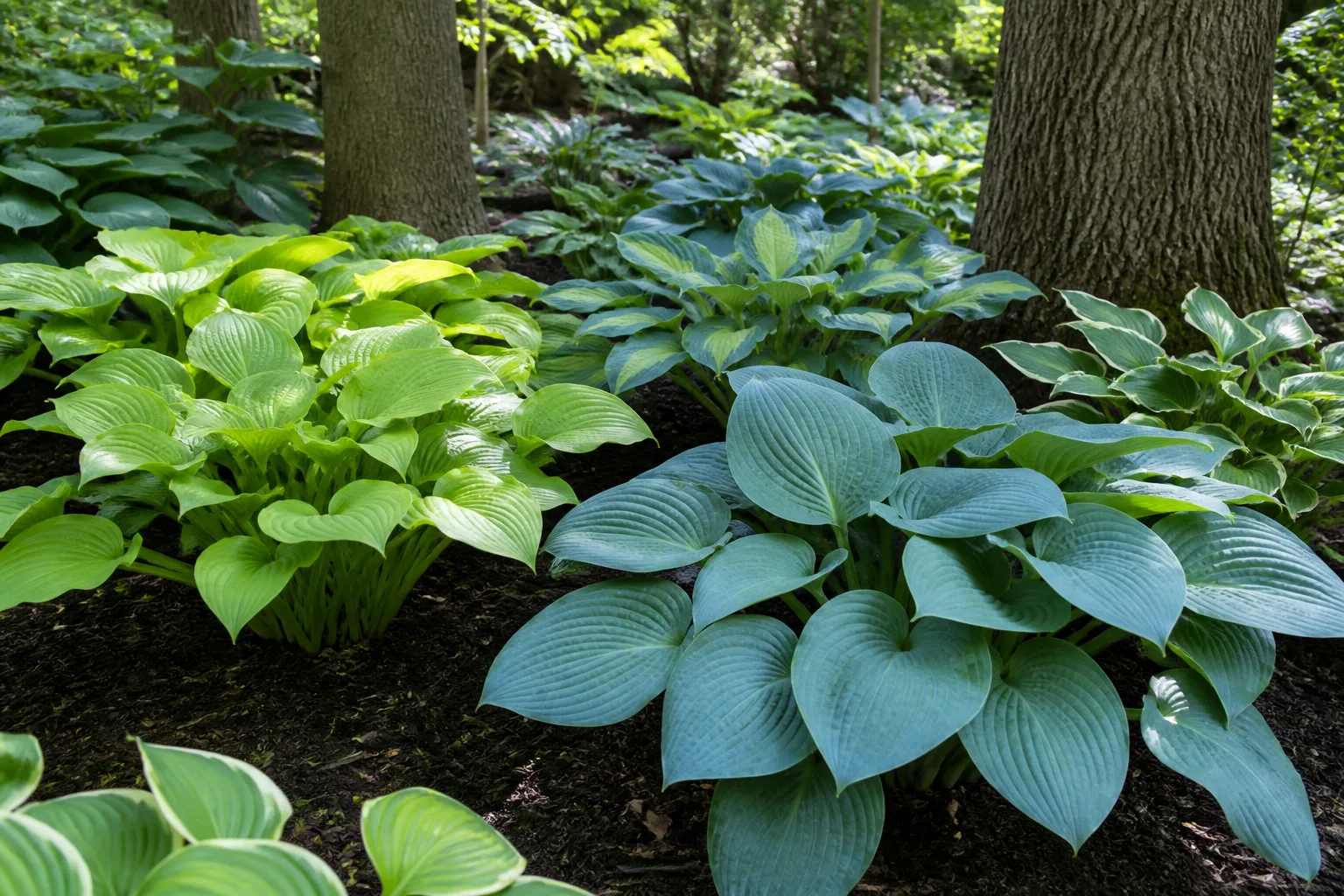
Hostas are grown for bold leaves more than flowers, and May planting lets new foliage emerge into stable spring conditions before summer humidity arrives. The NC State hosta profile notes that blue-leaved forms often want deeper shade, while green-leaved types accept more light, and that soggy winter soil is a serious risk. In the South, full or dappled shade helps leaf colors stay vibrant without burn.
First-year expectations: foliage this season; flowers may be modest on a young division. Watch for: slugs, deer, voles, and crown rot in poorly drained beds. Spacing: leave room for mature spread—many cultivars widen substantially over years.
Bleeding Heart
Site: partial shade; protect from hot afternoon sun. Soil: evenly moist, humus-rich, well drained. May role: late-spring bloom bridge in shade gardens.
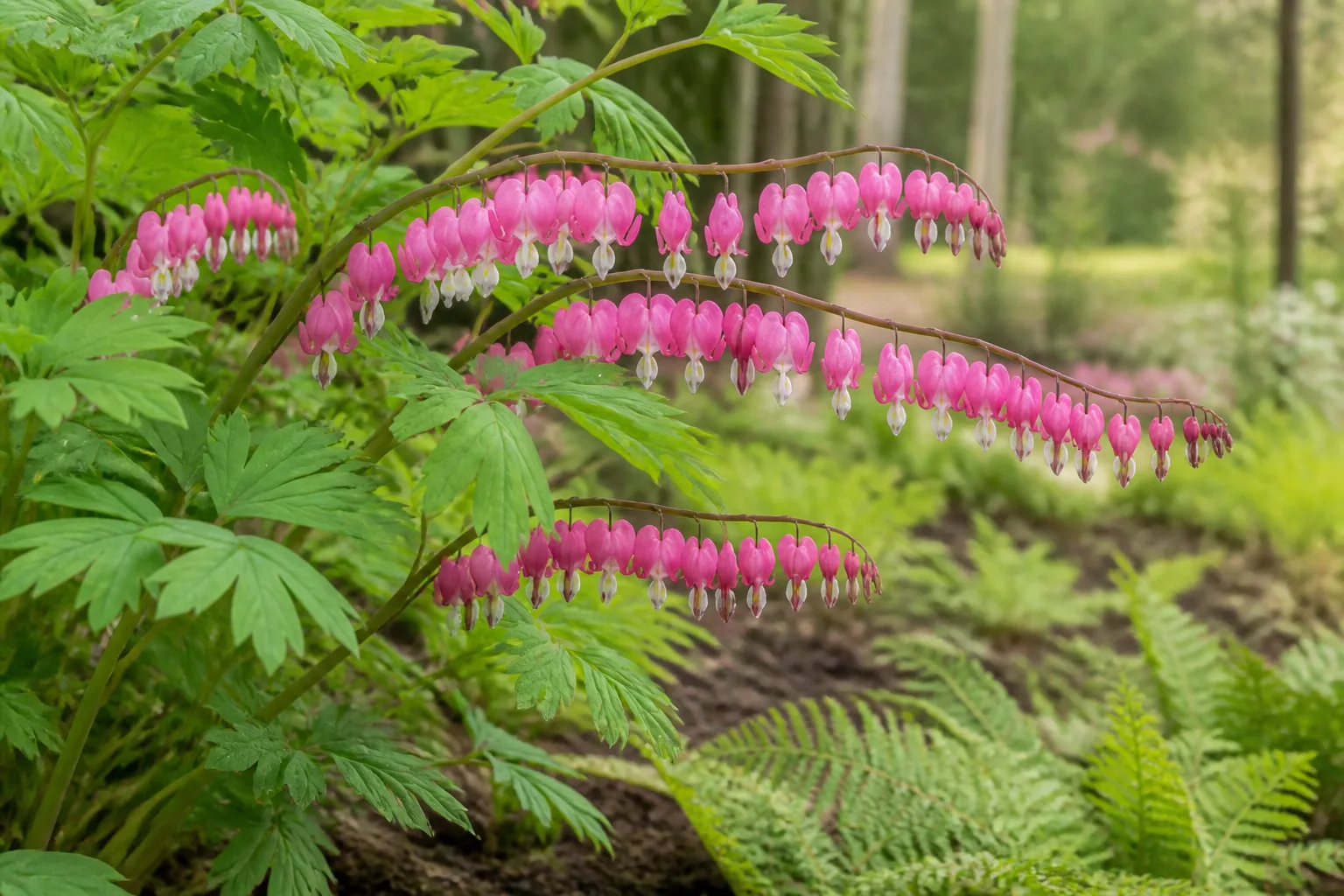
Old-fashioned bleeding heart (Dicentra spectabilis) peaks in mid to late spring, so May planting targets establishment before summer heat rather than instant flowers. The NC State bleeding heart profile describes pendant pink or white flowers on arching stems and notes that plants often go dormant by midsummer—plan companion foliage so the gap does not read as a hole.
First-year expectations: blooms may be limited or absent the first spring after a May transplant; expect a stronger show next year. Watch for: drying out in sun, and crown rot if planted too deep or in standing water.
Creeping Phlox
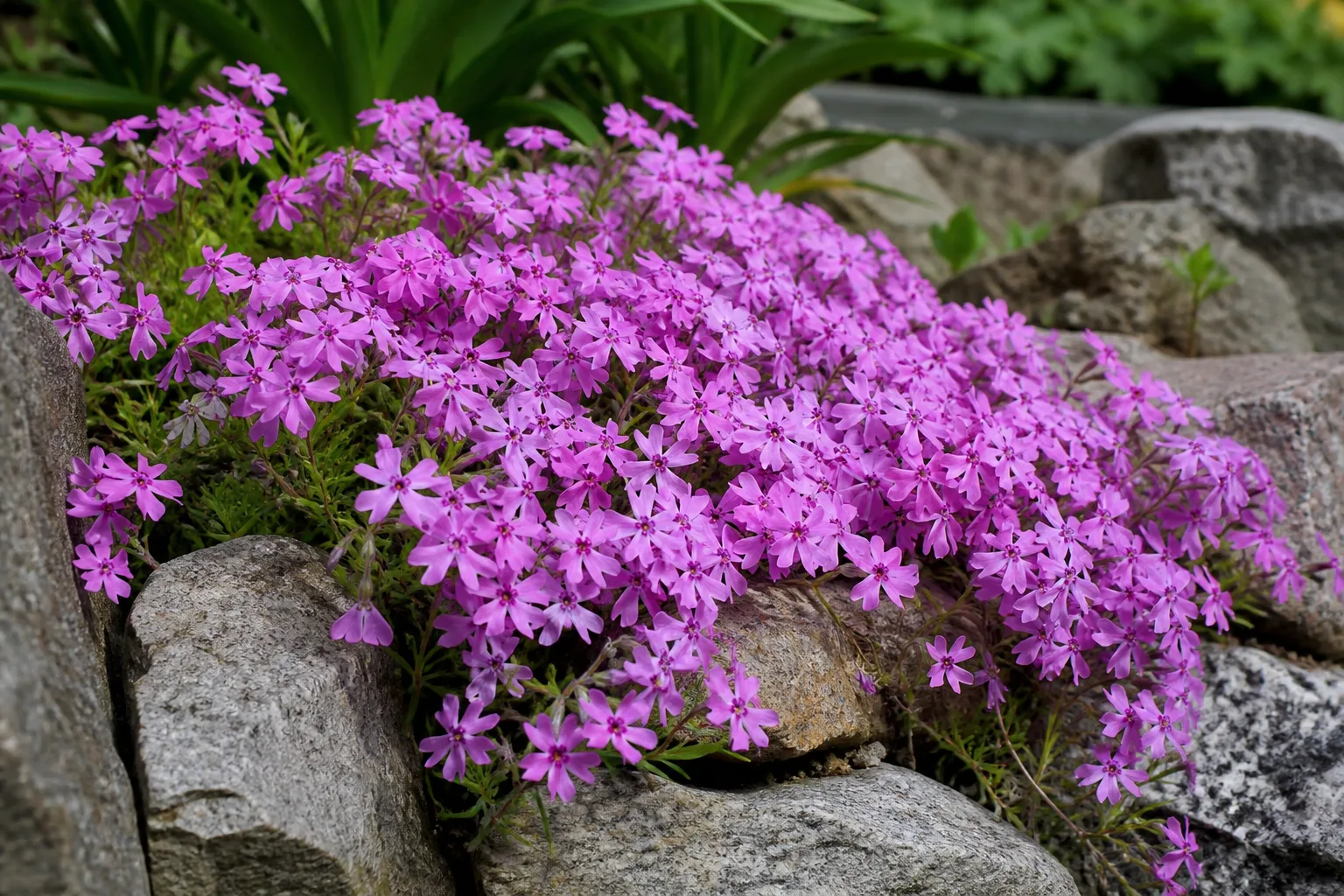
Site: full sun to light afternoon shade. Soil: average, well drained; tolerates rocky slopes once established. May role: low evergreen groundcover with spring flower mats.
Creeping phlox (Phlox stolonifera and related creeping types) spreads by stolons and is sensitive to summer heat on stressed roots, which is why establishing it before peak heat matters. The NC State creeping phlox profile highlights mat-forming growth and spring bloom over evergreen foliage.
First-year expectations: some bloom possible if the plant was budded at purchase; spread accelerates after roots settle. Watch for: drought on a newly planted mat during the first hot week—water slowly so moisture reaches the stolons without washing away soil on slopes.
Columbine
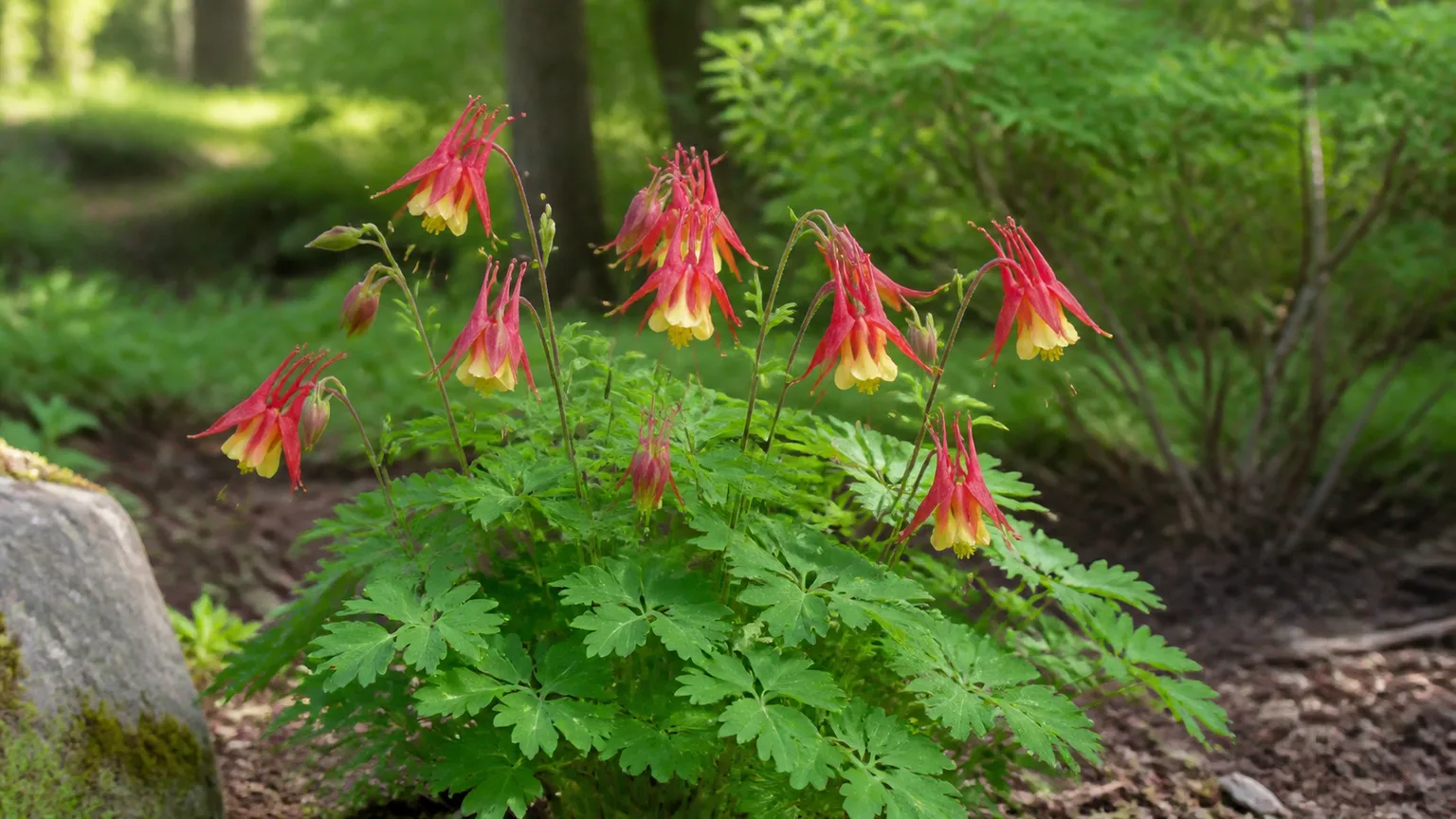
Site: full sun in cool climates; part shade in hotter regions. Soil: moist, well drained, not heavy clay. May role: airy spring flowers that reseed politely in many gardens.
Columbine (Aquilegia) prefers mild temperatures at planting time. May works well in many zones because frost has passed but nights remain cool. Seeds started indoors should have gone out six to eight weeks before last frost; in May, buy transplants unless you are sowing a species that germinates quickly in cool soil.
First-year expectations: transplants often bloom lightly the first season; seedlings started late may only build foliage. Watch for: leaf miners and powdery mildew in crowded, stagnant air—thin seedlings and avoid overhead watering late in the day.
Hellebore
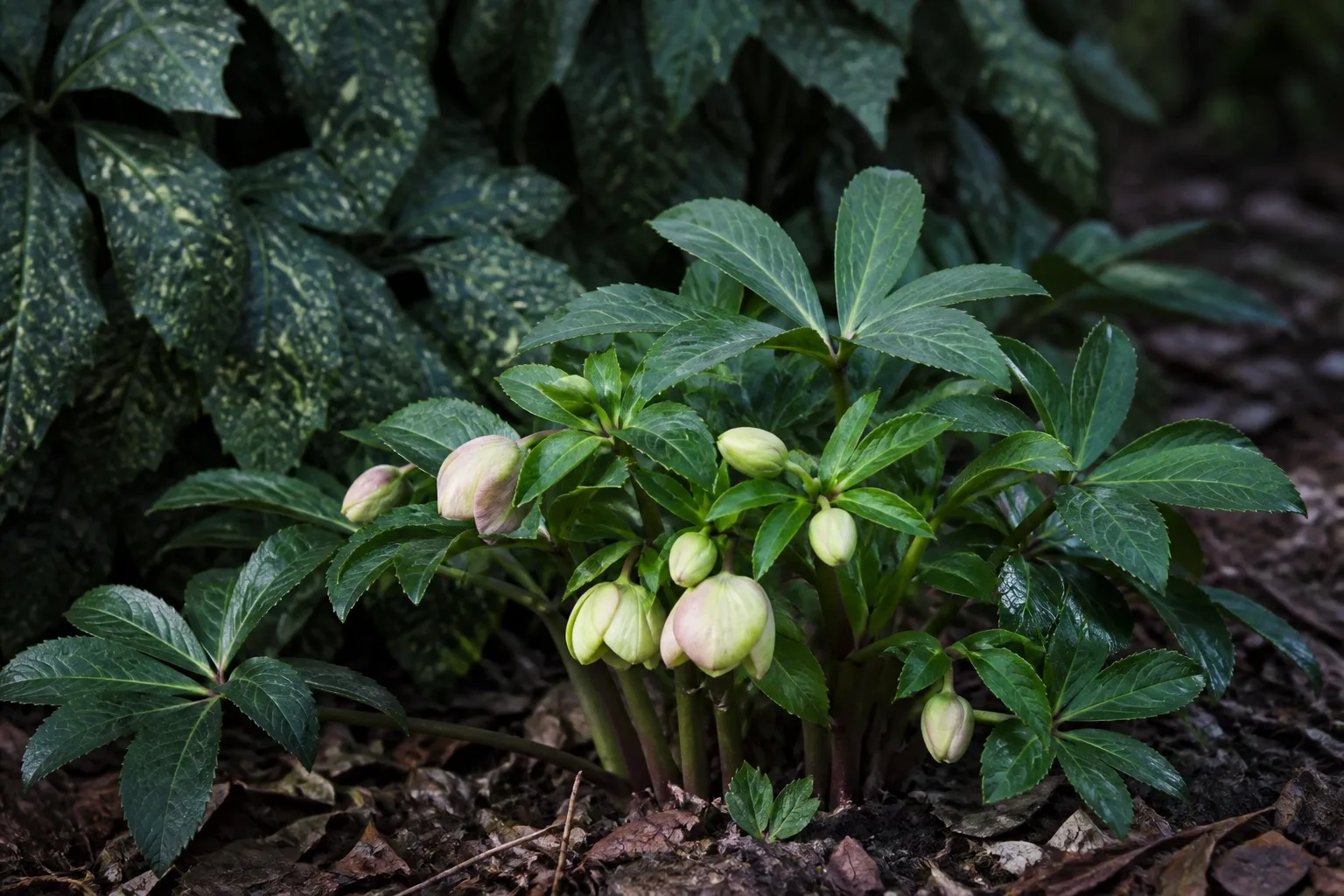
Site: part shade to full shade; morning sun acceptable. Soil: rich, moist, well drained. May role: early-spring bloomer that still benefits from May planting in many zones.
Hellebores (Helleborus orientalis and hybrids) often flower in late winter to spring, so nursery plants in May may be past peak bloom but still worth planting for next year’s display. The NC State hellebore profile describes long-lasting cup-shaped flowers and shade tolerance.
First-year expectations: foliage immediately; main flowers next late winter or spring depending on cultivar and climate. Watch for: crown burial—hellebores hate deep planting. Set the crown at soil level and mulch lightly without burying the junction where stems meet roots.
Shasta Daisy
Site: full sun. Soil: average to fertile, well drained. May role: classic summer daisy for borders and cut flowers.
Shasta daisy (Leucanthemum × superbum) builds cheery white petals around yellow centers and blooms heavily when sun and drainage are right. May planting gives roots time to support mid- to late-summer flowering on a healthy start.
First-year expectations: good bloom potential on a budded nursery plant; smaller starts may flower late or focus on roots. Watch for: leaf spot in wet weather and floppy stems in shade—stake only if the cultivar is tall and the site is windy.
Lavender
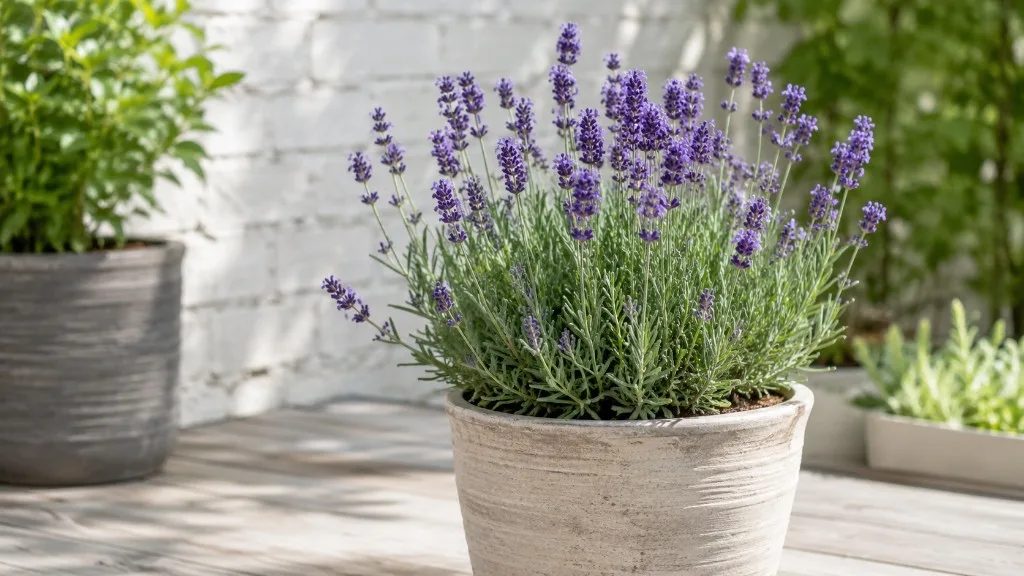
Site: full sun. Soil: lean, sharply drained; sandy or gravelly loam ideal. May role: fragrant edging, pollinator magnet, and drought-tolerant perennial after establishment.
English lavender (Lavandula angustifolia) is a perennial herb that hates wet feet and heavy clay. The NC State lavender profile emphasizes full sun and well-drained soil. May is ideal in many regions because frost has passed and roots can grow before dry summer weeks—but do not plant lavender in a low pocket that stays wet in winter.
First-year expectations: some bloom on a mature nursery plant; young starts may flower lightly while sizing up. Watch for: root rot from overwatering and mulch piled against the woody base. See our lavender care guide for ongoing watering and pruning rhythm.
Black-Eyed Susan
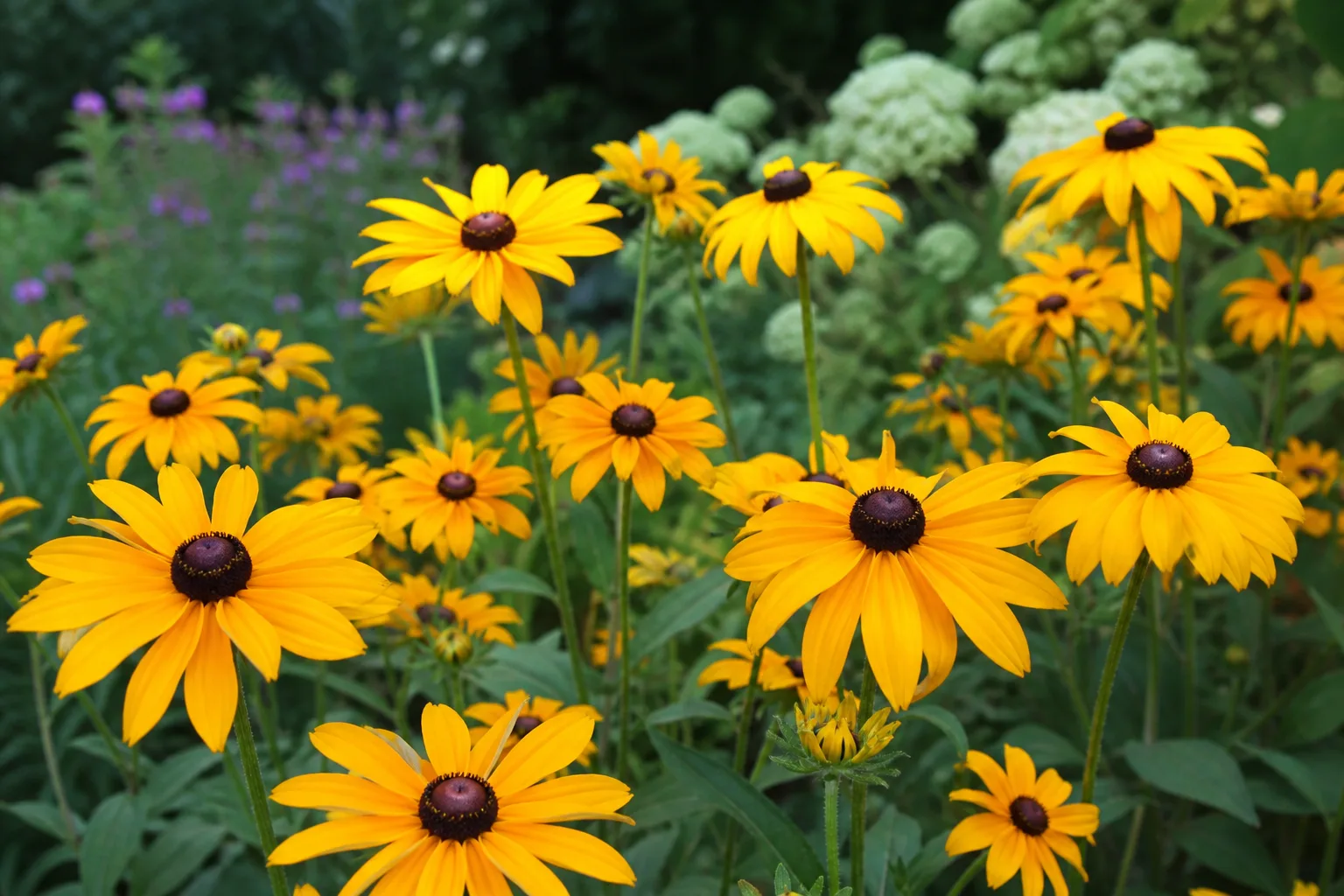
Site: full sun to light shade; best bloom in sun. Soil: average, tolerates drought once established. May role: long-blooming native-style color for summer borders and pollinator beds.
Black-eyed Susan (Rudbeckia hirta) and related perennial rudbeckias produce golden petals with dark centers from summer into fall when planted in sun and watered through establishment. The NC State rudbeckia profile notes self-seeding biennial tendencies in some forms and perennial clumps in others—read the label for lifespan.
First-year expectations: strong bloom potential on a May transplant with buds; seedlings may bloom late. Watch for: powdery mildew in crowded plantings and soggy soil, which shortens life.
Coneflower
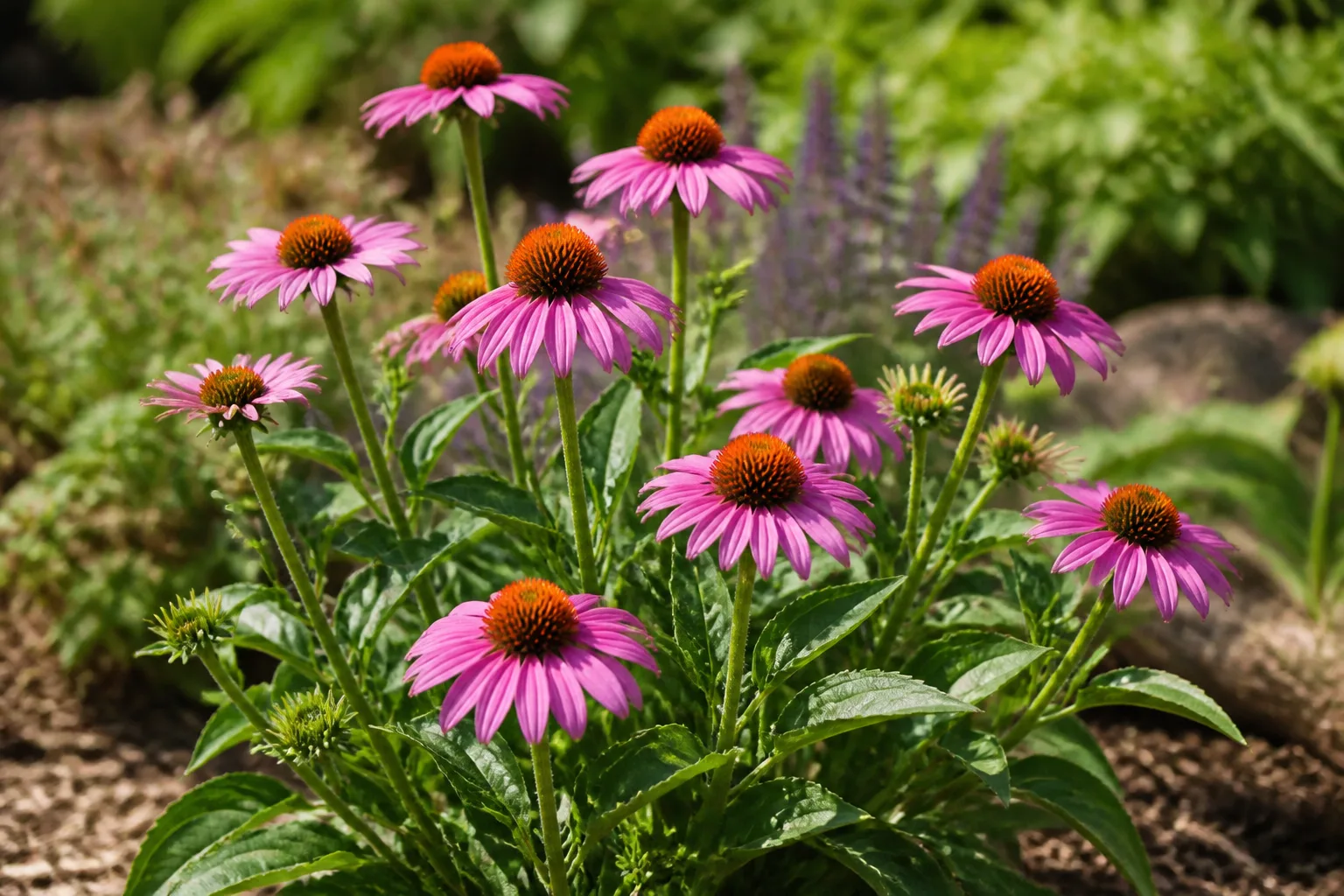
Site: full sun to light shade; best flowers in sun. Soil: average, well drained; tolerates clay if drainage is decent. May role: mid- to late-summer pollinator staple.
Purple coneflower (Echinacea purpurea) needs an established root system to support its daisy-like blooms in July and August, which is why May planting beats waiting until June heat in many gardens. The NC State coneflower profile describes long bloom periods and wildlife value.
First-year expectations: likely summer bloom on a healthy potted plant; may be modest if transplant stress coincides with drought. Watch for: aster yellows and Japanese beetles on flowers—remove affected heads and avoid composting diseased material.
Oriental Poppies
Site: full sun. Soil: well drained; tolerate poor soils once established. May role: bold late-spring to early-summer flowers with distinctive orange, red, or pink cups.
Oriental poppies (Papaver orientale) like warm days and cool nights at planting time, which May often provides. They can be sown directly or planted as nursery starts. Many go dormant after flowering—surrounding them with later-blooming partners prevents an empty patch in July.
First-year expectations: bloom possible the first season from starts; direct-sown seed may not flower until next year. Watch for: transplant shock on large taproots—disturb roots minimally and water steadily without saturating.
Delphinium
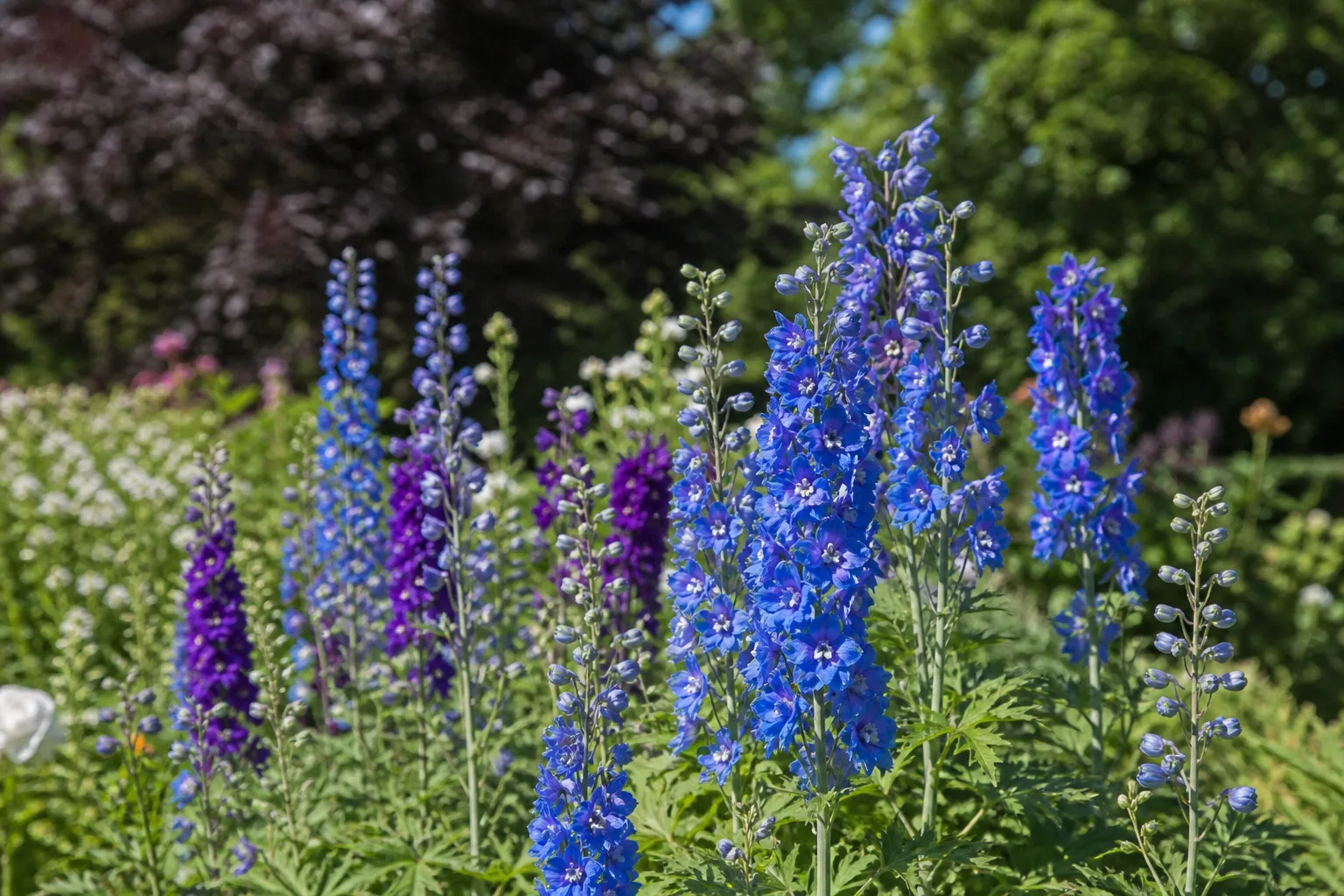
Site: full sun to part shade in hot climates. Soil: fertile, moist, well drained; shelter from wind. May role: vertical spikes for cottage-garden height in cool-spring regions.
Delphiniums are showy but relatively short-lived—often three to five years—and prefer regions with long, cool springs. Colorado State Extension’s herbaceous perennial reference lists delphinium/larkspur types with summer bloom and notes that seeds and plants are toxic and taller forms may need staking.
First-year expectations: bloom possible late summer on a strong start; some cultivars flower mainly next year. Watch for: snails on young growth, crown rot in wet soil, and heat collapse—provide afternoon shade only where summers are brutal, not as a substitute for drainage.
Salvia
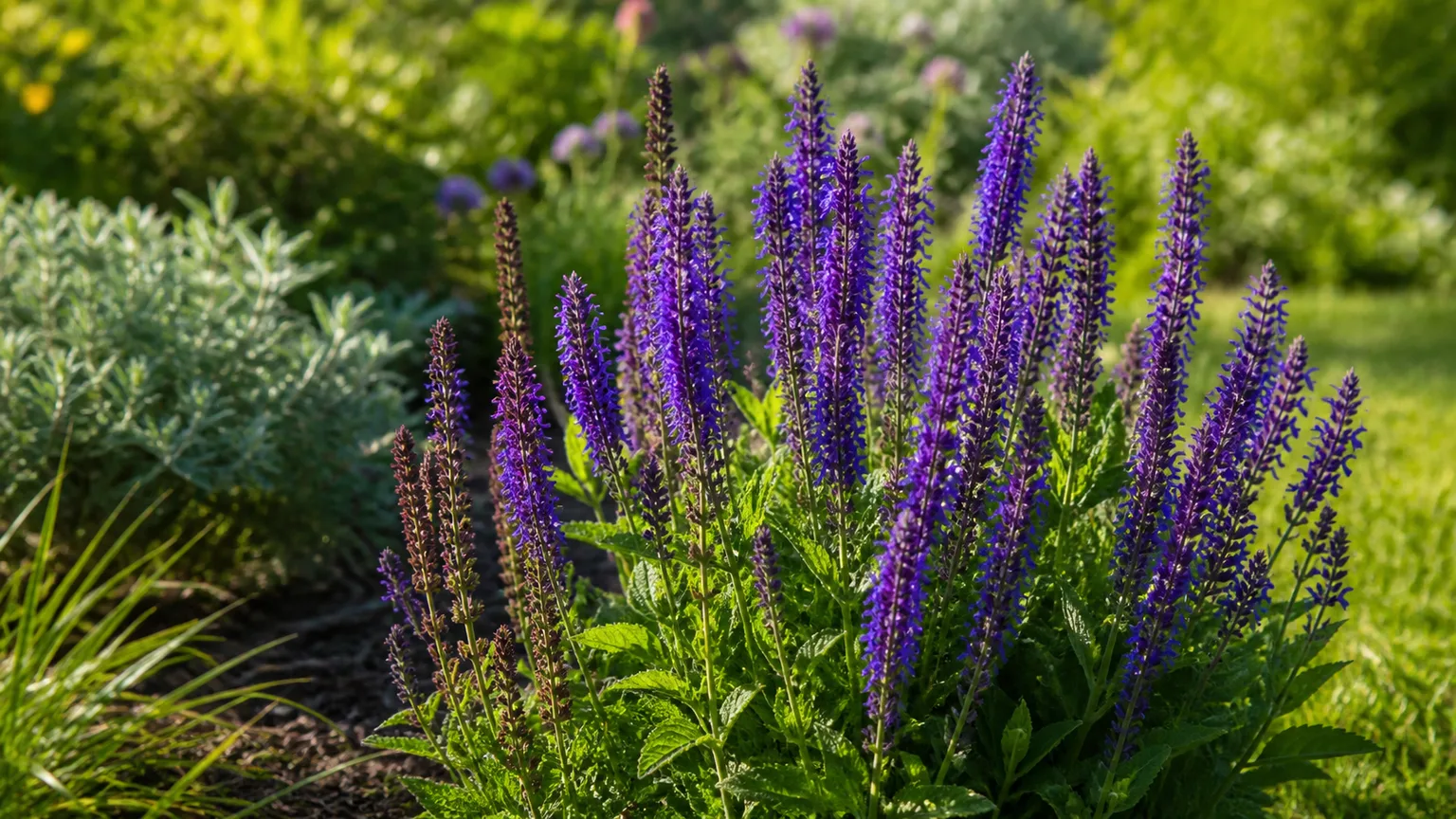
Site: full sun; some afternoon shade in the hottest zones. Soil: well drained; many salvias prefer lean soil. May role: scented, nectar-rich spikes from late spring through summer on perennial types.
Perennial salvias (Salvia nemorosa, Salvia × sylvestris, and hardy natives) should go out after frost passes. May gives roots time before dry weeks. Match the cultivar to your zone—some are truly perennial, others act as tender perennials in cold climates.
First-year expectations: good bloom potential on budded plants; deadheading can extend the show. Watch for: root rot in heavy wet soil and flopping in shade. Pair with long-blooming perennials if you want continuous color after the first salvia flush fades.
When May Planting Is the Wrong Call
May is not universal. Wait or postpone when:
- A severe heat wave is forecast for the week after planting and you cannot irrigate.
- Soil is waterlogged from repeated rain—roots need air as much as water.
- The bed is still frozen or crusted cold below the surface.
- You are planting seed that should have been started indoors months ago and you need flowers this year.
- The only plants available are wilted, rootbound, or flowering on exhausted stems.
In hot-summer regions, planting in early May beats late May. In cold zones, mid to late May may still be the safe frost window. Layer bloom times rather than expecting one May purchase to carry the border alone—the RHS approach to perennial borders emphasizes mixing early, mid, and late performers for continuity.
Conclusion
Perennials to plant in May succeed when three checks align: frost risk is low, soil is warm and workable, and you can water through the first heat spell. The 12 plants above—hostas, bleeding heart, creeping phlox, columbine, hellebore, Shasta daisy, lavender, black-eyed Susan, coneflower, oriental poppies, delphinium, and salvia—cover shade foliage, spring bridges, groundcovers, and summer pollinator color.
Match each plant to sun and drainage before you buy, plant at the correct crown depth, soak and mulch at planting, and judge success by root establishment—not only by whether every pot flowers the first weekend. A May transplant that looks quiet in July may still become the backbone of your border for years. For more seasonal lists, compare perennials to plant in July and perennial flowers to plant this spring when your calendar or climate pushes planting later.