Lavender Care Guide: Light, Watering, Soil and Problems
Learn lavender care: full sun, gritty soil, dry-down watering, container tips, and fixes for yellow leaves, root rot, and leggy growth.
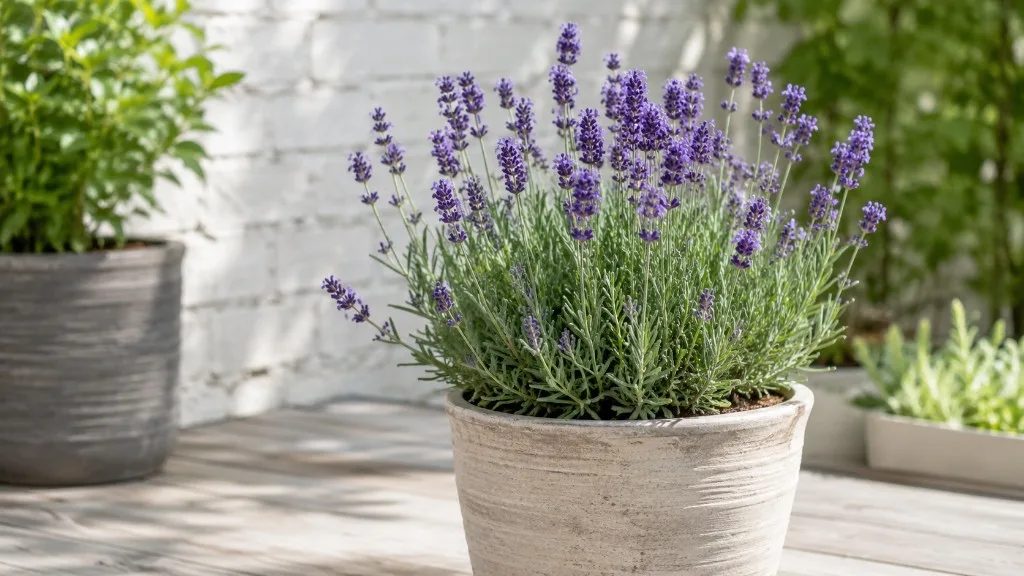
Lavender Care Guide: Full Sun, Gritty Soil, Dry Roots
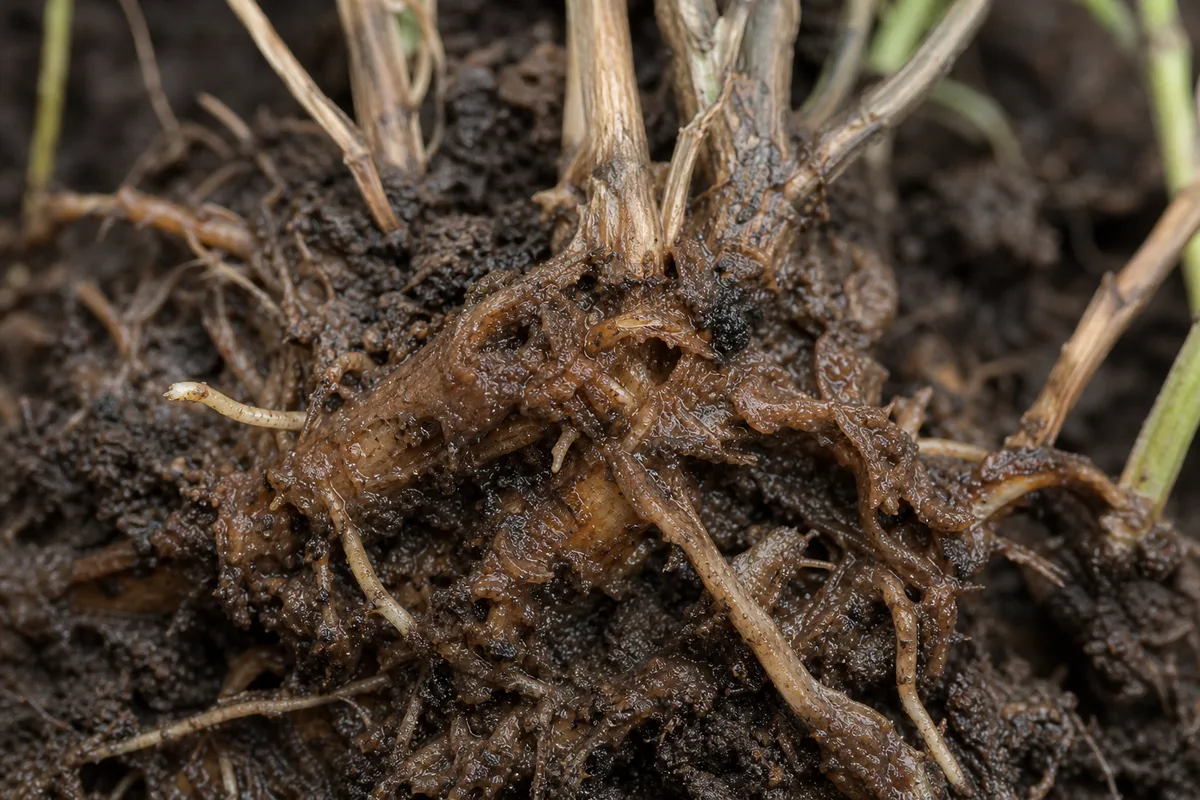
The first lavender we lost in a LeafyPixels editorial trial was not killed by drought. It was a compact ‘Munstead’ in a decorative cachepot on a bright balcony. After one week of summer rain runoff trapped in the outer pot, the crown went soft at the soil line while the top still smelled sweet. That is the failure pattern behind most lavender care problems: the plant looks fragrant upstairs while the roots drown below.
Lavender is a Mediterranean mint-family subshrub built for full sun, lean gritty soil, and dry air. Treat it like a thirsty tropical houseplant and you get yellow lower stems, crown collapse, and weak bloom. Give it sun and drainage, and it becomes genuinely low-maintenance once established.
This page is the outdoor-and-container on-ramp: light, water, soil, type choice, winter wet, common problems, and pet safety. When you need symptom-depth or step-by-step pruning and propagation, use the lavender care hub.
Who This Guide Helps
Use this guide if you are:
- Planting English lavender in a border, raised bed, or sunny patio pot
- Choosing between English, Spanish/French, and lavandin types
- Fixing yellow leaves, soft crowns, or leggy shade stretch
- Trying indoor lavender and need an honest difficulty check
Skip straight to the hub’s problem pages if the plant is already collapsing and you only want a single-symptom workflow. Pair dry-down habits with how to water indoor plants the right way when you are rebuilding soil-check discipline, and use the grow lights guide only if you insist on indoor culture.
What Lavender Needs: Sun, Air, and Dry Roots
English lavender (Lavandula angustifolia) is an evergreen perennial shrub native to Mediterranean regions. NC State Extension describes it as needing perfectly drained, preferably dry soil and full sun, notes it will die out in heavy clays, and lists typical size around 1–2 feet tall and up to about 3 feet wide with neutral to alkaline preference. (NC State Extension) The Royal Horticultural Society calls lavender easy in a sunny spot with free-draining soil or a container, and warns it will not thrive in heavy clay or soil that waterlogs over winter. (RHS)
Missouri Botanical Garden similarly frames English lavender as a full-sun plant for dry to medium, well-drained, somewhat alkaline soils, and notes intolerance of wet, poorly drained sites. (Missouri Botanical Garden) Utah State University Extension adds that English lavender is suitable roughly in USDA Zones 5–10 with excellent drainage and is susceptible to Phytophthora root rot when overwatered. (USU Extension)
Light, water, and soil are one system. Shade keeps the root zone wet longer. Dense peat mix holds that water against the crown. Calendar watering then finishes the plant. Fix sun and grit first; watering gets simpler.
English vs Spanish vs Lavandin
Not every nursery tag labeled “lavender” wants the same winter and container treatment.
| Type | Typical use | Hardiness note | Starter picks |
|---|---|---|---|
| English (L. angustifolia) | Borders, hedges, hardy pots | Hardiest common garden type; USU Zones ~5–10 with drainage | ’Munstead’, ‘Hidcote’ / ‘Hidcote Blue’ |
| Lavandin (L. × intermedia) | Larger mounds, long stems, stronger camphor | Somewhat less hardy than English; mulch protection if winters near 0°F | ’Grosso’, ‘Provence’ (where hardy) |
| Spanish / French (L. stoechas and allies) | Early bloom, bract “ears,” containers | Less hardy; often frost-free shelter in cold climates | Compact container cultivars with clear labels |
USU recommends compact English cultivars such as ‘Munstead’ and ‘Hidcote’. (USU Extension) NC State lists ‘Munstead’, ‘Hidcote Blue’, and hybrid ‘Phenomenal’ among commonly grown choices. (NC State Extension) Lavandin grows larger (often a 2–4 foot mound), blooms later, and NC State notes it is somewhat less hardy than the parent types and needs full sun plus good drainage. (NC State Extension) Spanish lavender (L. stoechas) is more fragile than common lavender, prefers hot dry alkaline sites, and should be sheared lightly after bloom — not cut to the ground. (NC State Extension) RHS advises growing many tender and French types in containers moved frost-free for winter. (RHS)
RHS also flags lavender as a high-risk host for Xylella fastidiosa. Buy healthy, well-labeled plants from reputable nurseries rather than anonymous clearance stock. (RHS)
Quick Care Snapshot
UC IPM states lavender grows best with full sun for six hours or more each day in well-drained soils around pH 6.5–7.5. (UC IPM)
| Care factor | Baseline target |
|---|---|
| Light | Full sun, 6–8+ hours direct on the foliage |
| Water | Dry ~7 cm (3 in) deep, then soak and drain; empty saucers |
| Soil | Lean, gritty, fast-draining; pH ~6.5–7.5 |
| Feed | Little or none; one light spring feed in pots at most |
| Humidity | Low to moderate; never mist |
| Winter | Protect pots from constant rain; keep mix fairly dry |
Light: Outdoor Hours, Balconies, and Why Shade Causes Rot
Count hours when direct rays hit the leaves, not ambient room brightness. UC IPM sets the floor at six or more hours of direct sun daily. (UC IPM) Eight or more hours usually means denser mounds, stronger scent, and better flowering on English types.
Shade is not a gentler lifestyle for lavender. The same pot in partial shade stays wet longer, grows softer stems, and invites root rot even when you think you are watering sparingly. For placement details, see the lavender light guide.
Indoor Lavender Reality Check
Indoors, lavender is a high-light project, not a low-maintenance bedroom scent machine. Most homes offer less direct sun and more stagnant humidity than Mediterranean hillsides. Successful indoor culture usually means a true south-facing window with the pot nearly against the glass, or a full-spectrum grow light for roughly 12–14 hours daily close enough that new growth stays compact.
If the room is too dim to read without a lamp at midday, lavender will stretch, flower poorly, and sit wet. Many growers keep lavender outdoors or on a sunny balcony through the season and only overwinter compact pots under strong light.
Signs of Too Little Sun
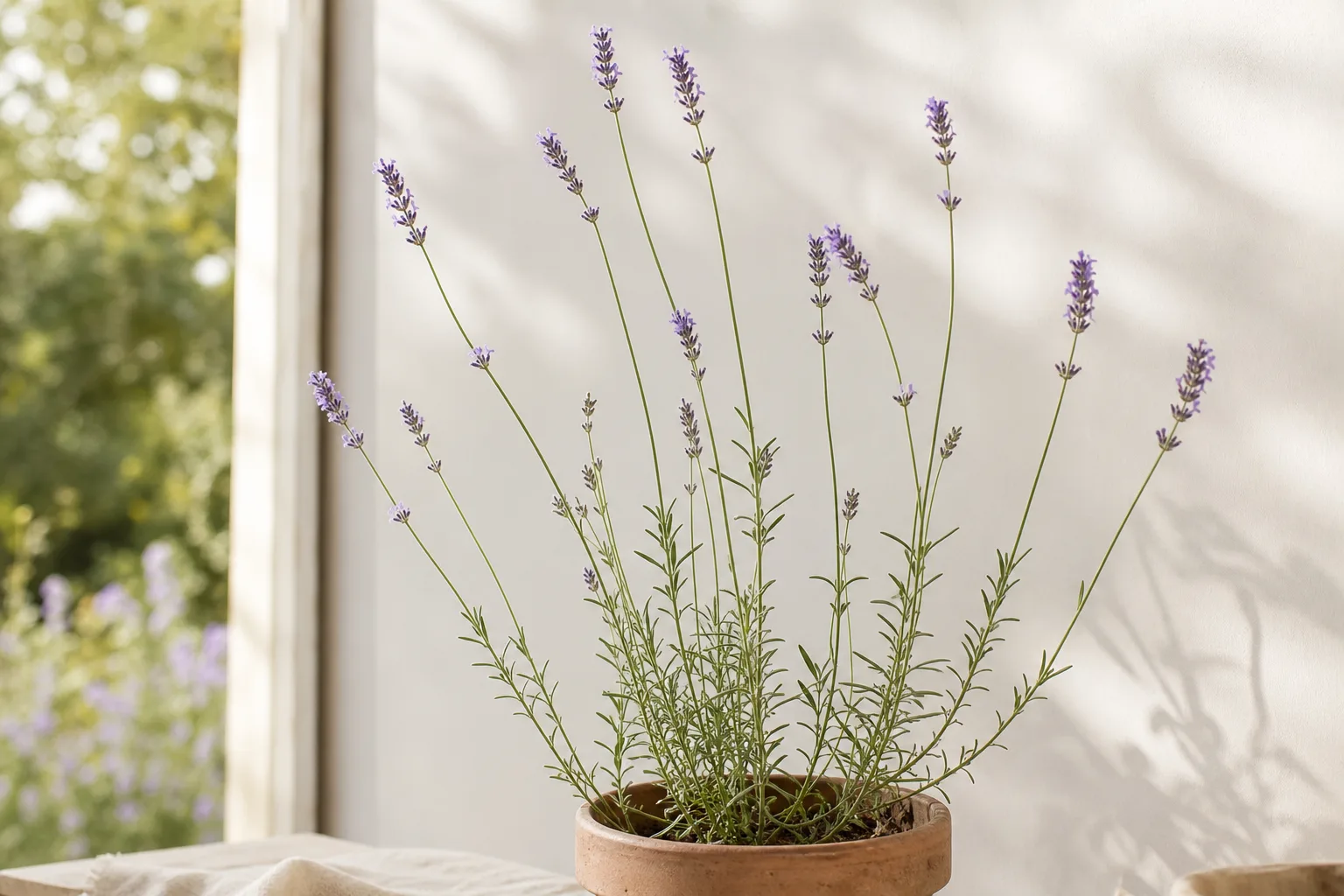
Too little sun shows as long gaps between leaf pairs, floppy stems leaning toward the brightest vector, pale foliage, thin flower spikes, and weaker fragrance. Moving to brighter light helps new growth; old woody stems will not densify without pruning after light improves. See leggy growth on lavender and not enough light.
Acclimate plants moved from dim indoor weeks into intense midday sun over 7–14 days. In extreme heat above about 95°F (35°C) with high humidity, established plants sometimes benefit from light late-afternoon shade after they have already banked six-plus morning and midday hours — not as a substitute for full sun.
Watering: First Year, Established, and Containers
Water when the root zone is dry, then soak thoroughly and let excess drain. Do not keep the mix constantly moist. USU notes that once established, lavender is very drought tolerant, though bloom improves with measured irrigation in hot, dry climates — and warns against standing water. (USU Extension) RHS says newly planted lavender needs regular water through the first summer; after establishment, in-ground plants rarely need watering except in severe drought, while container plants need regular summer water because root volume is limited. (RHS)
Calendar ranges are starting points only. Confirm dryness about 7 cm (roughly 3 inches) deep before watering. Details live in the lavender watering guide.
Newly planted lavender has a small root system. Through the first growing season, water when the upper mix dries — often roughly weekly in warm weather — without leaving the crown soggy. USU suggests about 1 gallon per plant per week after transplanting until established, then reduced volumes for mature plants outside bloom peaks. (USU Extension)
Established in-ground lavender often needs little or no supplemental water in normal rainfall years. Overwatering mature plants is a leading path to overwatering decline and crown collapse.
Container Dry-Down Checks From Our Trials
Pots never become as independent as garden beds. In LeafyPixels editorial container trials with ‘Munstead’ in 12–14 inch unglazed terracotta, a full soak in hot, windy summer weather typically lightened the pot enough to water again in about 5–8 days. The same cultivar in a plastic nursery pot nested in a sealed cachepot stayed heavy past 10 days, then showed grey-brown softening at the crown — the same pattern that killed our first trial plant.
Practical checks we use:
- Finger or skewer to ~7 cm — if cool and damp, wait.
- Lift the pot — learn the “just watered” vs “ready” weight for that container.
- Water until runoff exits drainage holes, then empty the saucer within an hour.
- Never leave a nursery pot sitting in a decorative cachepot of runoff.
Wilting while the soil is still wet is overwatering physiology, not thirst. If the pot stays heavy for many days after a moderate soak, suspect low light, oversized pot, or mix that is too fine before blaming the cultivar.
Soil, Pots, and Raised Beds
Best lavender soil is lean, gritty, and fast-draining, not rich moisture-control houseplant mix. UC IPM recommends well-drained soils at pH 6.5–7.5 and a simple squeeze test: if soil forms a clump when squeezed, it is too wet or too fine; if it crumbles easily, it is suitable. (UC IPM) USU likewise targets dry, sandy, well-drained soils in that pH band. (USU Extension)
For containers, RHS recommends a pot about 30–40 cm (12–16 inches) across with large drainage holes and lots of coarse grit (up to about 25% by volume) mixed into the compost. (RHS) The mix we use for those terracotta pots is roughly one part potting compost to two or three parts coarse grit, perlite, or pumice. Water should move through a filled pot in seconds, not pool on the surface. Plant the crown at the same level as in the nursery pot — never buried under wet organic mulch. Prefer gravel or stone mulch over bark chips against the stem base. See the lavender soil guide and repotting guide.
On heavy clay ground, do not pretend a scoop of sand will fix the bed. Build a raised mound or raised bed with gravelly mix so winter rain drains away from the crown, or grow in containers you can shelter. Lavender fails more often from winter wet than from cold alone in many temperate gardens. (RHS)
Humidity and Airflow (Do Not Mist)
Lavender prefers low to moderate humidity and open air. Steamy bathrooms, crowded humidified shelves, and stagnant corners fight the plant’s biology. Do not mist lavender. Brief leaf wetness does nothing useful for roots and raises fungal pressure when air is still. NC State notes good air circulation helps prevent leaf spot. (NC State Extension) Dry winter heated air is usually fine for lavender — far better than tropical humidity. Watch for spider mites on stressed indoor plants, but fix mites with inspection and targeted treatment rather than daily misting. For broader humidity context across houseplants, see the houseplant humidity guide.
Feeding, Pruning Timing, and Propagation Basics
Lavender is a light feeder. Lean conditions often produce better structure and fragrance than rich feeding. USU notes over-fertilized plants produce more foliage but fewer flowers and become more vulnerable to disease and cold injury; compost at planting often covers the first year, with at most a light slow-release application afterward. (USU Extension) UC IPM states mature lavender does not require fertilizer and advises avoiding fertilizing during flower development. (UC IPM)
In containers, nutrients leach faster. A single light feeding at quarter to half strength in spring is enough for most potted plants. Skip late-summer and autumn feeds that push soft growth into frost. Do not feed a plant that is rotting, freshly repotted, or sitting in deep shade. See the lavender fertilizer guide.
Pruning timing: Trim annually after flowering to keep plants compact. USU recommends shearing back after flowering — roughly toward half size on many established plants — to stimulate bushier growth and extend productive life, which can reach 10–15 years with good care. (USU Extension) RHS recommends late-summer trim after bloom: remove spent stalks and about 2.5 cm (1 in) of leaf growth, and warns not to cut back into old woody stems that may not resprout. (RHS) Use the lavender pruning guide for climate-specific cut timing.
Propagation overview: Most garden lavender is started from cuttings, not seed. USU describes summer side-shoot cuttings rooted in moist sterile sandy media; roots often form in roughly 30–40 days. (USU Extension) RHS notes softwood or semi-ripe cuttings in early to midsummer, and hardwood cuttings after flowering. (RHS) For step-by-step cuttings and aftercare, use the lavender propagation guide.
Overwintering and Winter Wet
Hardiness varies by type. English lavender and its hybrids are the hardiest; Spanish and many tender types need frost-free shelter. Container roots are always more exposed than in-ground roots. RHS advises moving pots to a sheltered spot and protecting them from excessive winter rain — under an eave, against a wall rain shadow, or in a cold greenhouse — because damp compost around roots reduces cold tolerance. Keep containers fairly dry in winter; water only when the mix is truly dry at depth. (RHS)
Plant timing matters too. RHS recommends planting in April or May as soil warms, never in winter when young plants rot in cold wet soil. (RHS)
In our editorial notes, winter kills almost always paired with wet crowns, not thermometer readings alone: pots left open to weeks of rain failed; the same cultivars under an eave with sparse winter water held firm foliage into spring.
Common Problems: Check Order Before You Act
Inspect in this order before changing three variables at once:
- Drainage and soil moisture — saucer water, peat-heavy mix, clay bed, winter rain
- Light — hours of direct sun on leaves
- Humidity and airflow — misting, crowded shelves
- Feed — soft, lush growth from nitrogen
- Pests — usually secondary outdoors on hard-grown plants
Yellow Leaves, Crown Rot, and Leggy Growth
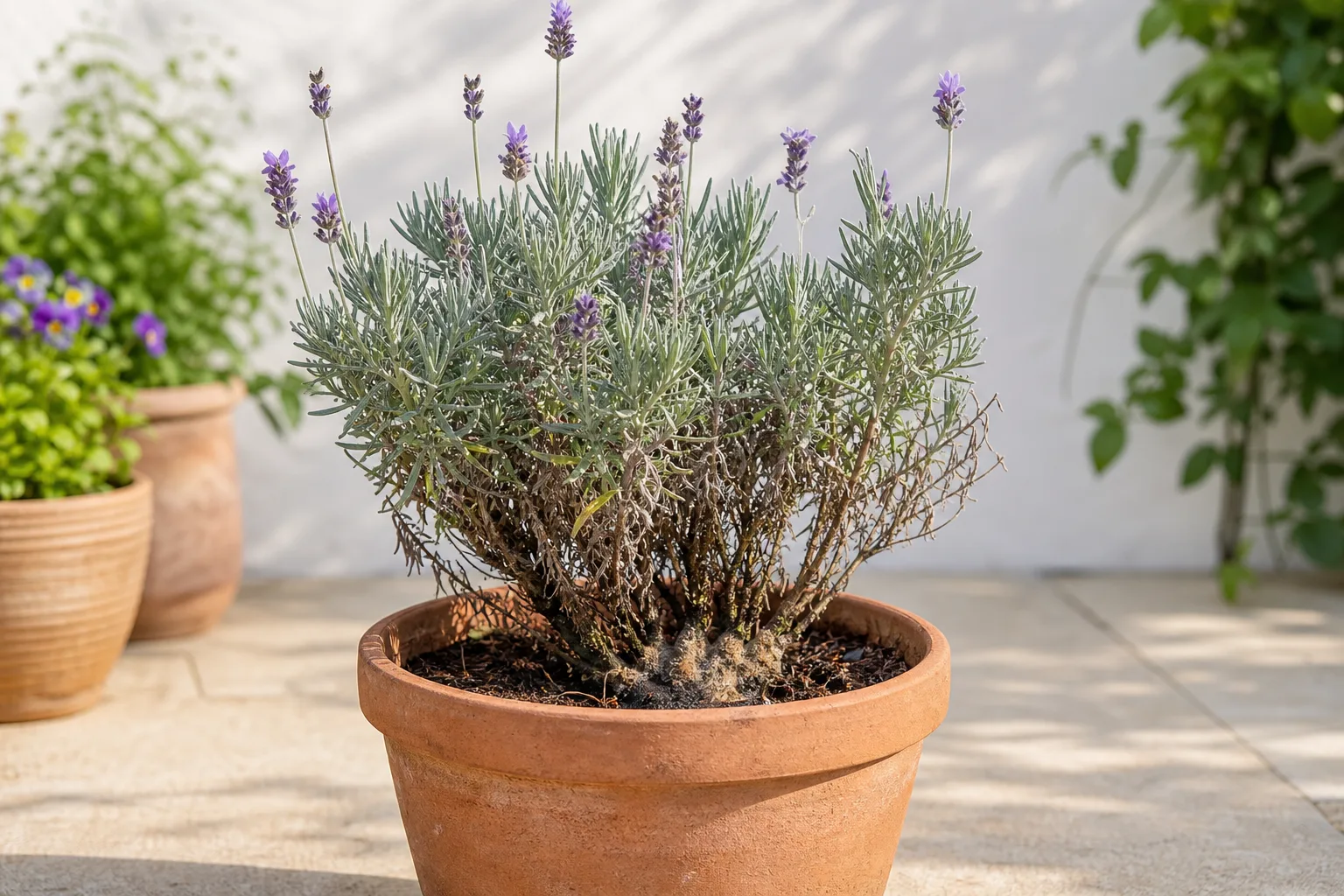
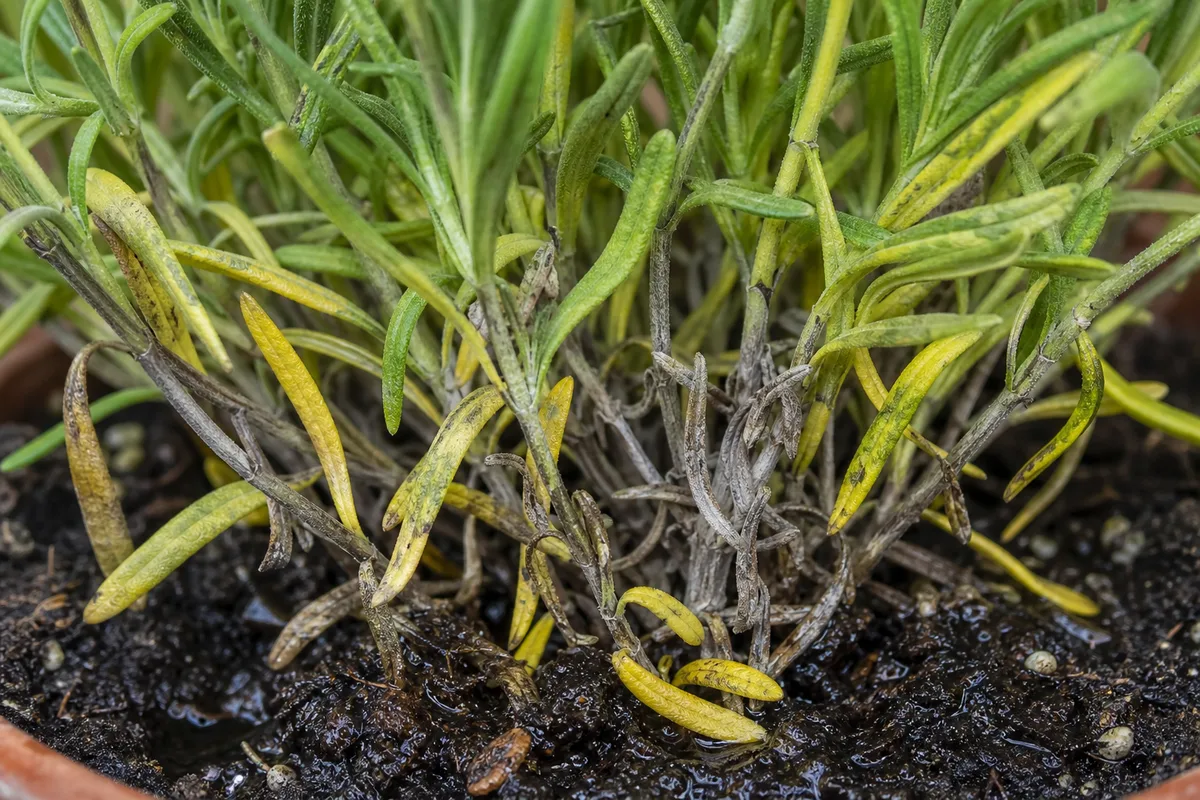
Yellow leaves with damp soil and a soft or grey-brown stem base usually point to overwatering, poor drainage, or crown rot / root rot. NC State lists root rot from overwatering as a primary disease issue. (NC State Extension) Occasional aging of inner leaves on an otherwise firm, dry-soiled plant can be normal. Mass yellowing with a collapsing crown is an emergency: improve drainage immediately, reduce water, and unpot to trim mushy roots if the plant is still salvageable. See also yellow leaves and wilting.
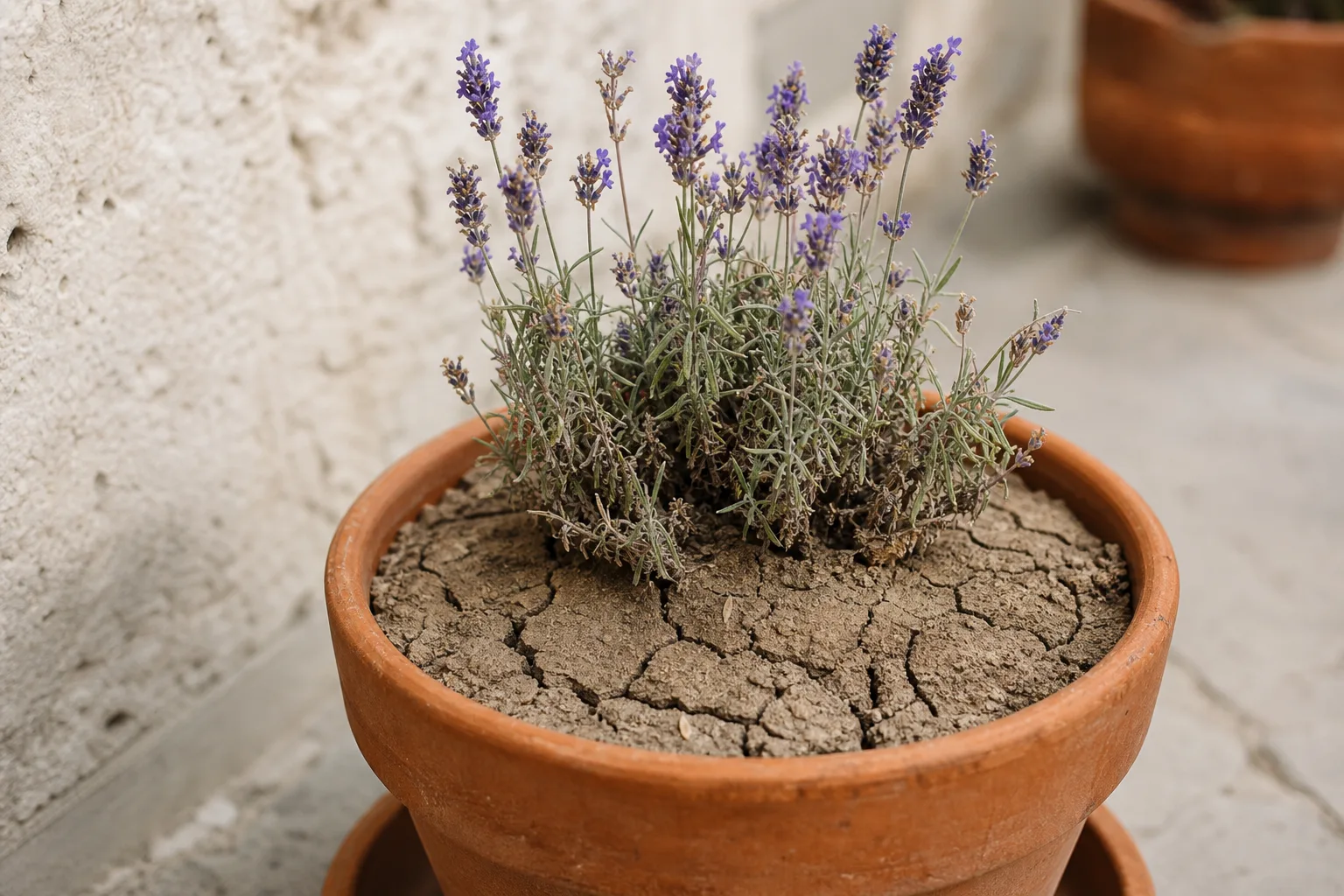
Wilting in wet soil is not a request for more water. Wilting in bone-dry soil with dull, curling leaves is underwatering — soak thoroughly, then resume dry-down checks rather than daily sips.
Leggy, sparse bloom almost always means insufficient direct sun. Move the plant, then prune after growth firms up. Fertilizer will not fix a shade problem. Fungus gnats, mold on soil, and sour smells are secondary signals that the mix stays wet too long — fix light and grit before spraying.
Pet Safety and Essential Oils
Lavender is not pet-safe. The ASPCA lists lavender (Lavandula angustifolia) as toxic to dogs, cats, and horses. Toxic principles include linalool and linalyl acetate, with clinical signs such as nausea, vomiting (not in horses), and inappetence. (ASPCA) NC State also flags the species as a problem for cats, dogs, and horses. (NC State Extension)
Keep plants and especially concentrated essential oils out of reach. Essential oil exposures can be more hazardous than chewing a leaf because concentrations are higher. If ingestion or oil exposure is suspected, contact a veterinarian or ASPCA Animal Poison Control at (888) 426-4435. Do not wait for severe symptoms.
First 30 Days Checklist
- Confirm the label type (English vs Spanish/lavandin) and hardiness for your winter plan.
- Place in full sun — target six or more direct hours on the foliage.
- Check pot drainage holes; remove any nursery pot stuck in a water-holding cachepot.
- If the mix is peat-heavy and stays wet, repot into a gritty blend (see soil section).
- Water once deeply, empty the saucer, then wait for a real dry-down before the next soak.
- Skip fertilizer for the first month unless the plant was already in active outdoor growth and lean mix.
- Do not hard-prune into old wood on day one; deadhead only spent spikes if needed.
- Log pot weight or a finger-check date so you learn your dry-down interval.
- Keep pets and essential-oil bottles away from the plant.
- If yellowing + soft crown appears, stop watering and open the root ball before adding anything else.
Related Guides
- Lavender care hub — species overview, cultivar notes, and problem index
- Lavender light guide — full-sun hour targets and placement
- Lavender watering guide — dry-down checks by season and pot type
- Lavender soil guide — grit ratios, pH, and clay-bed workarounds
- Lavender pruning guide — annual timing and cuts that resprout
- Lavender propagation guide — cuttings step-by-step
- How to water indoor plants the right way — soil-check habits that prevent overwatering
- Grow lights for indoor plants — when a windowsill cannot deliver full sun
- Houseplant humidity guide — why lavender wants dry air, not misting
Conclusion
Your first 30 days decide whether lavender becomes easy or becomes a soft-crowned failure. Put the plant in full sun, use a mix that drains in seconds, water only after a real dry-down, keep saucers empty, and shelter pots from winter wet. Indoors, treat light and drainage as non-negotiable. Read new growth for light quality, pot weight and stem-base firmness for root health, and bloom density for whether the whole setup matches Mediterranean needs. When a symptom needs its own page, open the lavender care hub instead of guessing from leaf color alone.