Plant These 15 Perennials in Spring for Summer Blooms
Spring is prime time for perennials. See 15 hardy flowers, when to plant by zone, and how to get blooms this summer—not just next year.
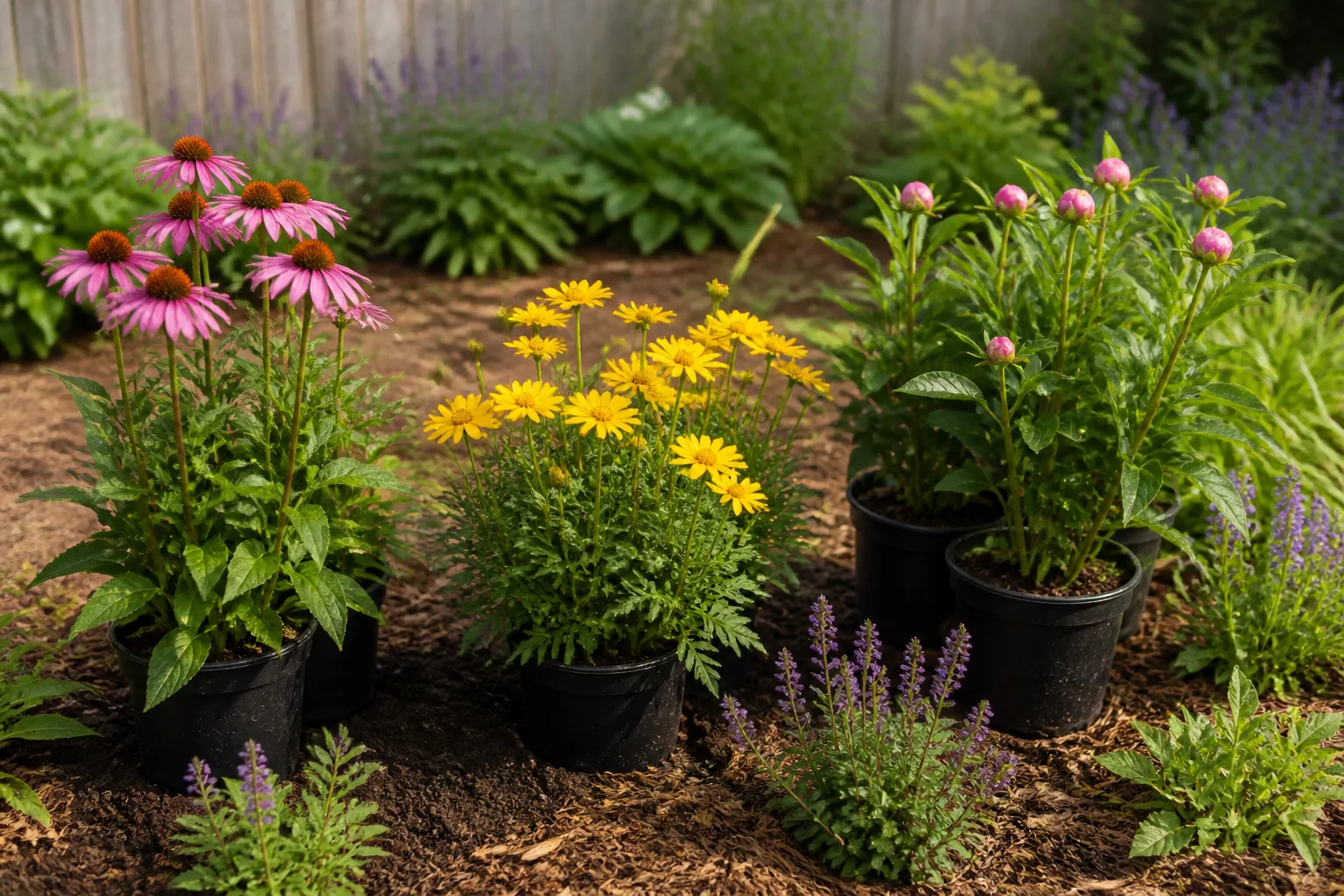
Spring perennial shopping is dangerous in the best way: everything looks lush, the weather finally cooperates, and it is easy to fill a cart without a plan. The smarter move is to choose perennial flowers to plant in spring based on your sun, soil, and USDA zone—then install them while soil is cool and roots can establish before summer heat.
These fifteen earn a spot because they are widely available in spring nurseries, cover sun and shade niches, and—when planted on time—can contribute real color from late spring through fall. None of them are magic; a May transplant of a peony will not look like a July magazine spread. But a thoughtful spring install gives you structure, pollinators, and a border that gets better every year.
Why Spring Is the Smart Season to Plant Perennials
Spring and fall are both legitimate perennial planting seasons. Spring wins when you want to see the plant you are buying, work in thawed soil, and give roots a full growing season to anchor before winter. Stauffers of Kissel Hill notes that spring offers warming soil, reliable rainfall, and lengthening days—conditions that help container-grown perennials settle in fast.
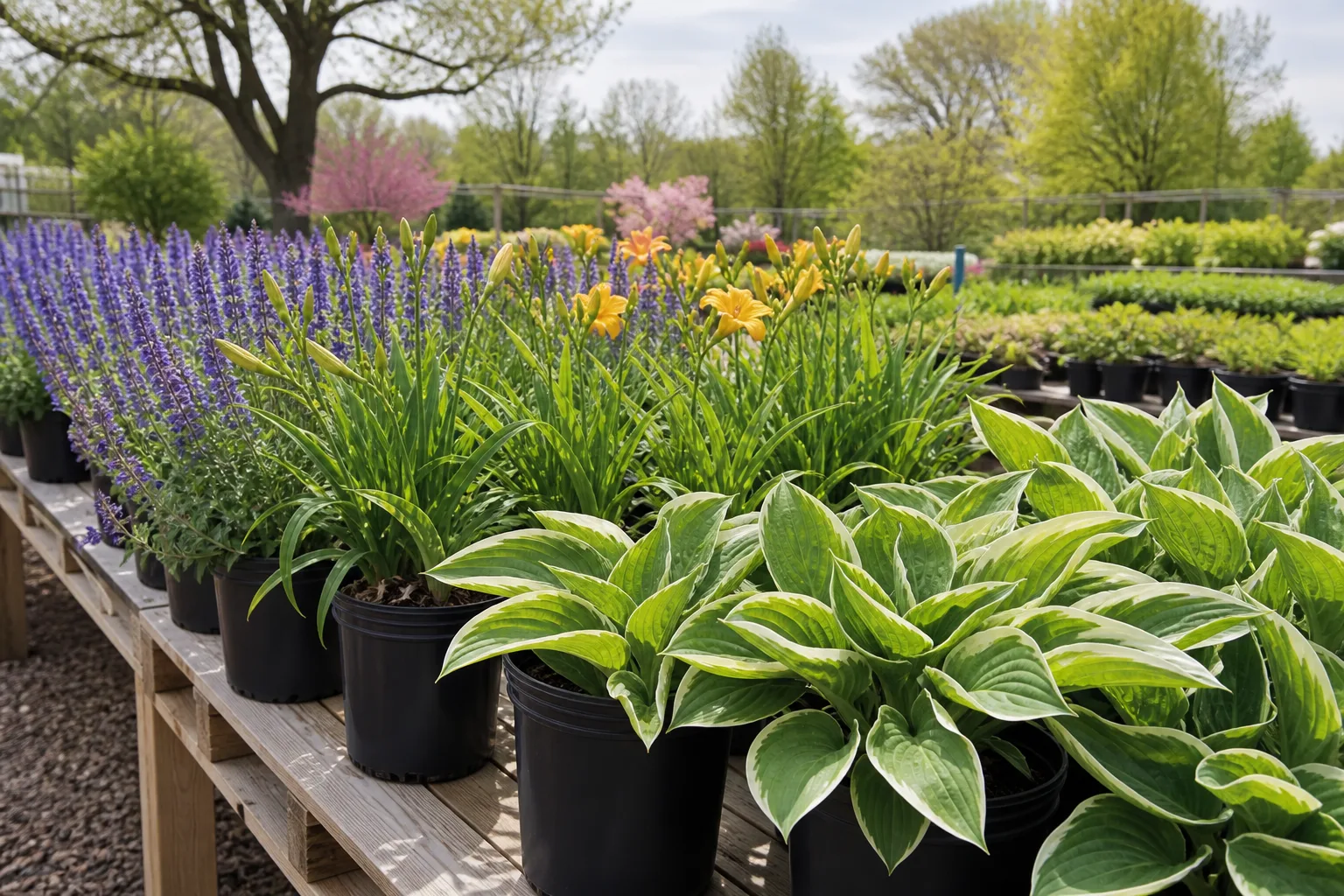
Fall planting has a different advantage: cool air and warm soil drive root growth while top growth slows. If you missed fall, spring is not second-best—it is the standard window for most gardeners buying potted perennials at retail.
Spring planting windows by USDA zone
Zones 3–4: Plant after the last hard frost, usually late May into early June. Soil should be workable, not soggy from snowmelt. Early purchases can be hardened off outdoors during the day and sheltered at night until nights stay above freezing.
Zones 5–6: Mid-April through May is the sweet spot for most of the list below. Watch for late cold snaps after leaf-out; have row cover ready for tender new growth on lavender and bee balm.
Zones 7–8: March through April planting is common. Install before sustained 85°F days, which stress fresh transplants. Water deeply the first month even if spring rains are generous.
Zone 9 and warmer: Plant in late winter through early spring before heat arrives. Afternoon shade and mulch matter more here, especially for peonies and iris in the Deep South.
Penn State Extension recommends giving fall-planted woody and herbaceous plants roughly six weeks before first frost to establish roots; the spring mirror is six weeks of cool-to-mild weather after planting before extreme heat—use that as your mental deadline.
How to Plant Perennials for Strong Summer Blooms
Good spring perennials fail for boring reasons: holes too small, crowns buried too deep, or soil that holds water like a bathtub. Fix the site once and the list below performs.
Container, bare-root, and division basics
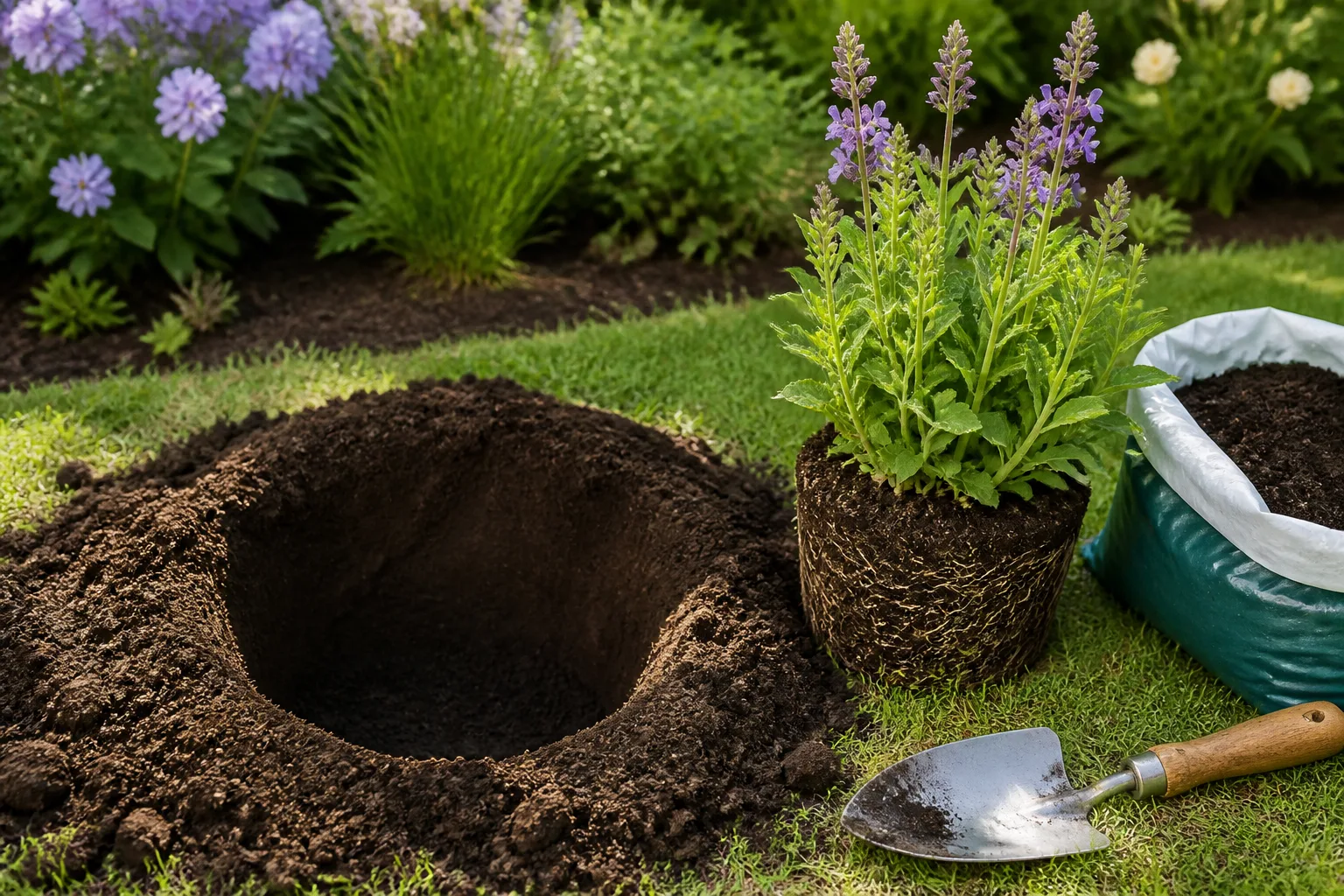
Container-grown plants (the pots at garden centers) are the easiest spring option. Dig a hole twice as wide as the root ball and just as deep. Loosen circling roots gently, set the plant so the crown sits at soil grade, backfill with native soil amended only lightly with compost, and water until the hole drains twice.
Bare-root plants (often peonies, iris, and daylilies in early spring) need a mound in the hole center. Spread roots over the mound with eyes or buds facing up. Peony eyes should sit no more than 1–2 inches below soil in warm climates and slightly deeper in the coldest zones—burying them is the top reason peonies never bloom.
Divisions from a friend’s garden are free and tough. Replant immediately, keep foliage shaded for a few days, and water consistently for three weeks. Spring divisions of hosta, daylily, and phlox recover quickly in cool weather.
Colorado State University Extension stresses matching plant to site: drainage, sun hours, and mature size matter more than fertilizer at planting time.
First-season bloom: what is realistic
Many ranking pages imply perennials bloom a fixed number of weeks after you plant them. That is misleading. Bloom timing depends on species, plant size at purchase, and how early in spring you plant.
A gallon pot of coreopsis installed in mid-April in Zone 6 often flowers by July. A small quart of lavender may spend year one building roots and bloom heavier in year two. Peonies planted in spring may show only foliage the first summer while roots settle—normal, not failure.
Rule of thumb: buy the largest healthy specimen you can afford for same-season color on coneflowers, black-eyed Susans, and daylilies. For peonies and iris, prioritize correct planting depth over instant gratification.
Full-Sun Perennials That Power a Summer Border
These eight love six or more hours of direct sun and well-drained soil. Group them in drifts of three or five—not soldier rows—for a naturalistic border that reads from the street.
Black-Eyed Susan (Rudbeckia hirta)
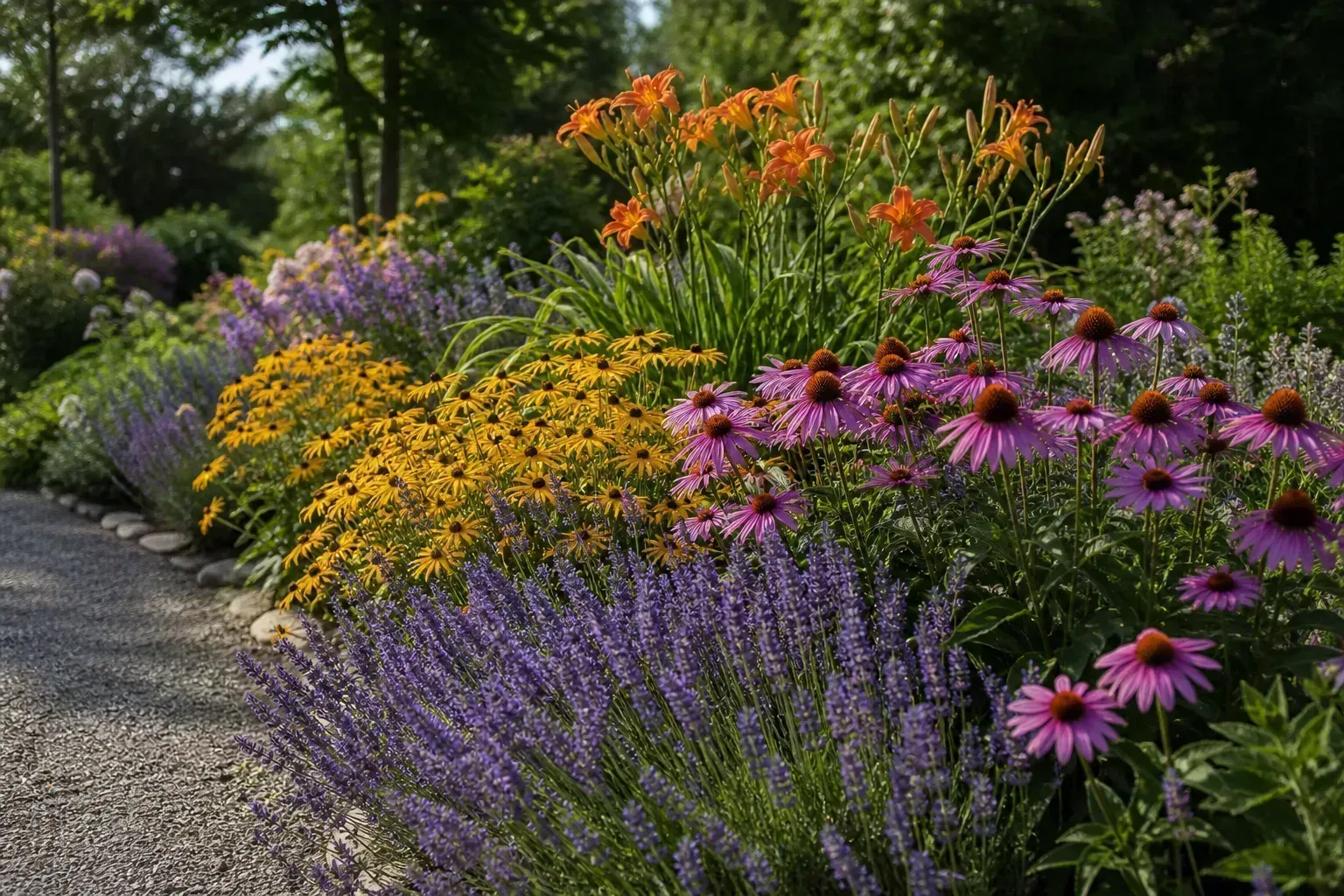
NC State Extension’s Plant Toolbox describes black-eyed Susan as a fast-growing, upright plant that is often biennial or short-lived perennial, native to the eastern U.S. It reaches 2–4 feet tall, tolerates clay or sandy soil, and blooms midsummer into fall with deadheading. Flowers feed butterflies and pollinators; deer resistance is moderate.
Zones 3–9 | Sun: full to part | Water: moderate; drought-tolerant once established | Spring tip: deadhead spent flowers weekly in July to extend the show. Avoid high-nitrogen lawn fertilizer nearby—it pushes leaves over blooms.
Purple Coneflower (Echinacea purpurea)
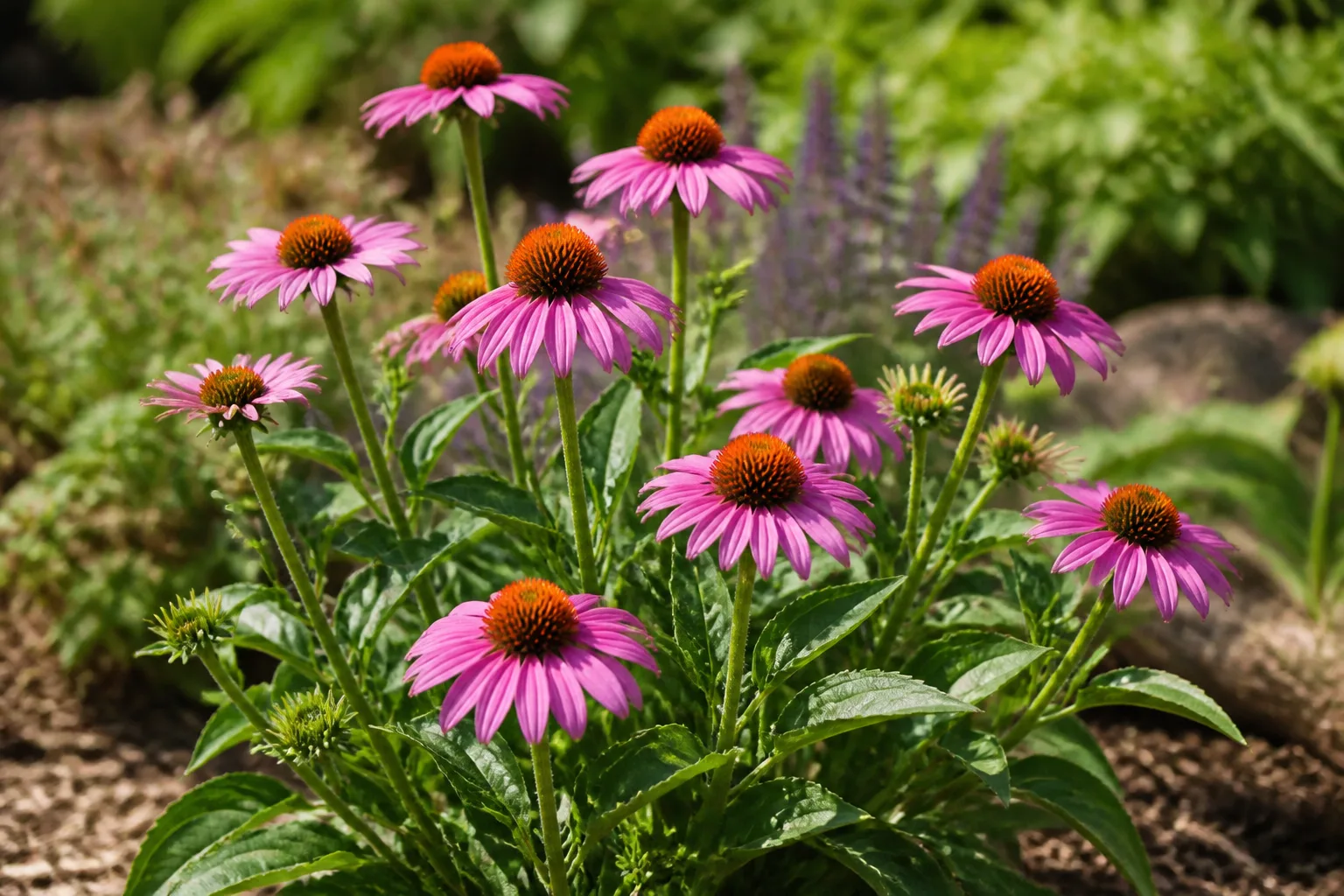
Coneflower is the backbone pollinator plant of the summer garden. Missouri Botanical Garden lists it at 2–4 feet tall, hardy in zones 3–8, and tolerant of drought, heat, and poor soil once established. Bloom typically runs June through August; leave some seed heads in fall for goldfinches. Cultivars with double flowers are showy but often produce less seed for birds—mix straight species or single-flowered types if wildlife value matters to you.
Spring planting note: leave the central crown at soil level. Divide crowded clumps every three to four years in early spring for vigor. If powdery mildew appears on leaves in humid summers, improve air flow by thinning neighbors rather than spraying by default.
Daylily, Shasta Daisy, and Coreopsis
Daylilies (Hemerocallis) are nearly foolproof. Each flower lasts one day, but scapes carry dozens of buds across weeks. Reblooming cultivars extend color into early fall. Plant 18–24 inches apart; divide every four to five years when flowering declines.
Shasta daisy (Leucanthemum × superbum) brings clean white petals with yellow centers from June through September on 2–3-foot stems. It wants full sun and average drainage. Stake in windy sites and divide when centers die out. ‘Becky’ and ‘Alaska’ are proven performers with stiff stems that hold up in rain—important if you want cuts for vases without floppy flowers.
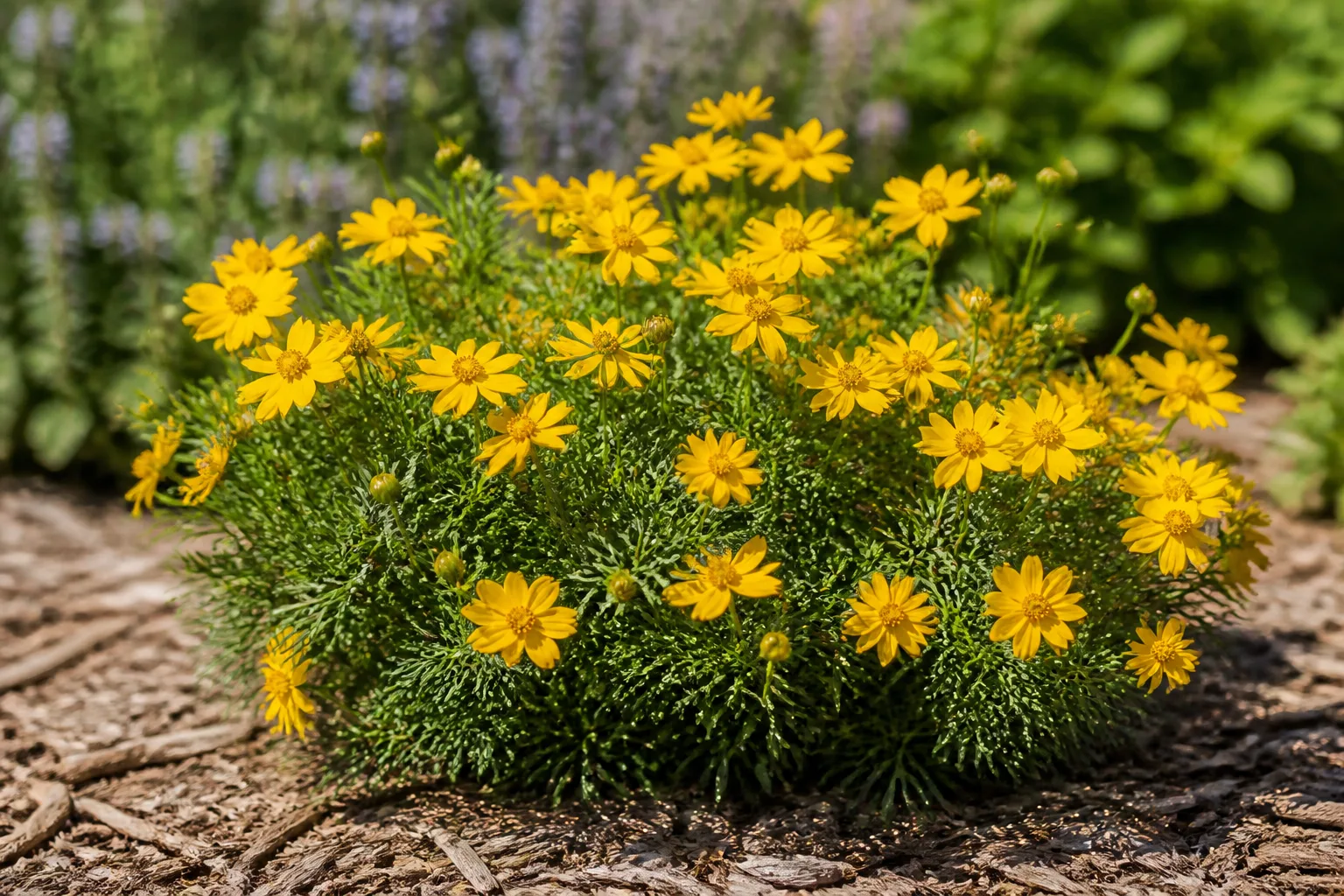
Coreopsis, or tickseed, is one of the longest-blooming perennials in this list—often May through July and longer with shearing. NC State notes threadleaf types like ‘Moonbeam’ stay compact at 1–2 feet and tolerate heat. Cut plants back by one-third after the first flush to encourage a second wave. Lanceleaf coreopsis (C. lanceolata) is native to much of the eastern U.S. and self-sows gently in gravel paths if you let seed mature.
Lavender, Sedum, and Yarrow
These three suit hot, dry edges, gravel gardens, and paths where sprinklers do not reach.
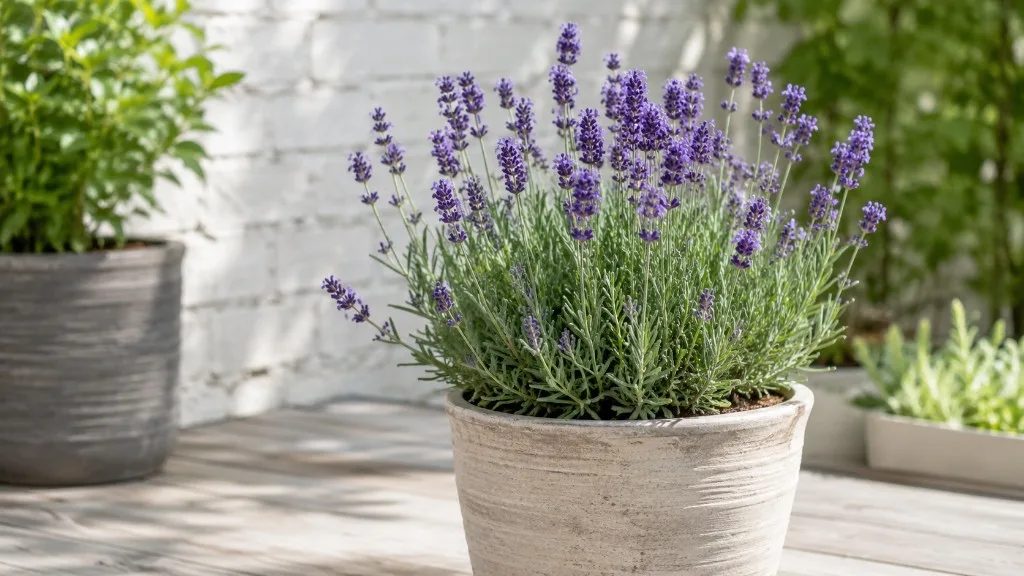
Lavender (Lavandula) needs full sun and sharp drainage. The RHS lavender growing guide recommends spring planting in free-draining soil, annual pruning after flowering, and avoiding cold, wet winter spots. English lavender (L. angustifolia) is the most cold-hardy for northern gardens. Do not mulch heavily against the crown.
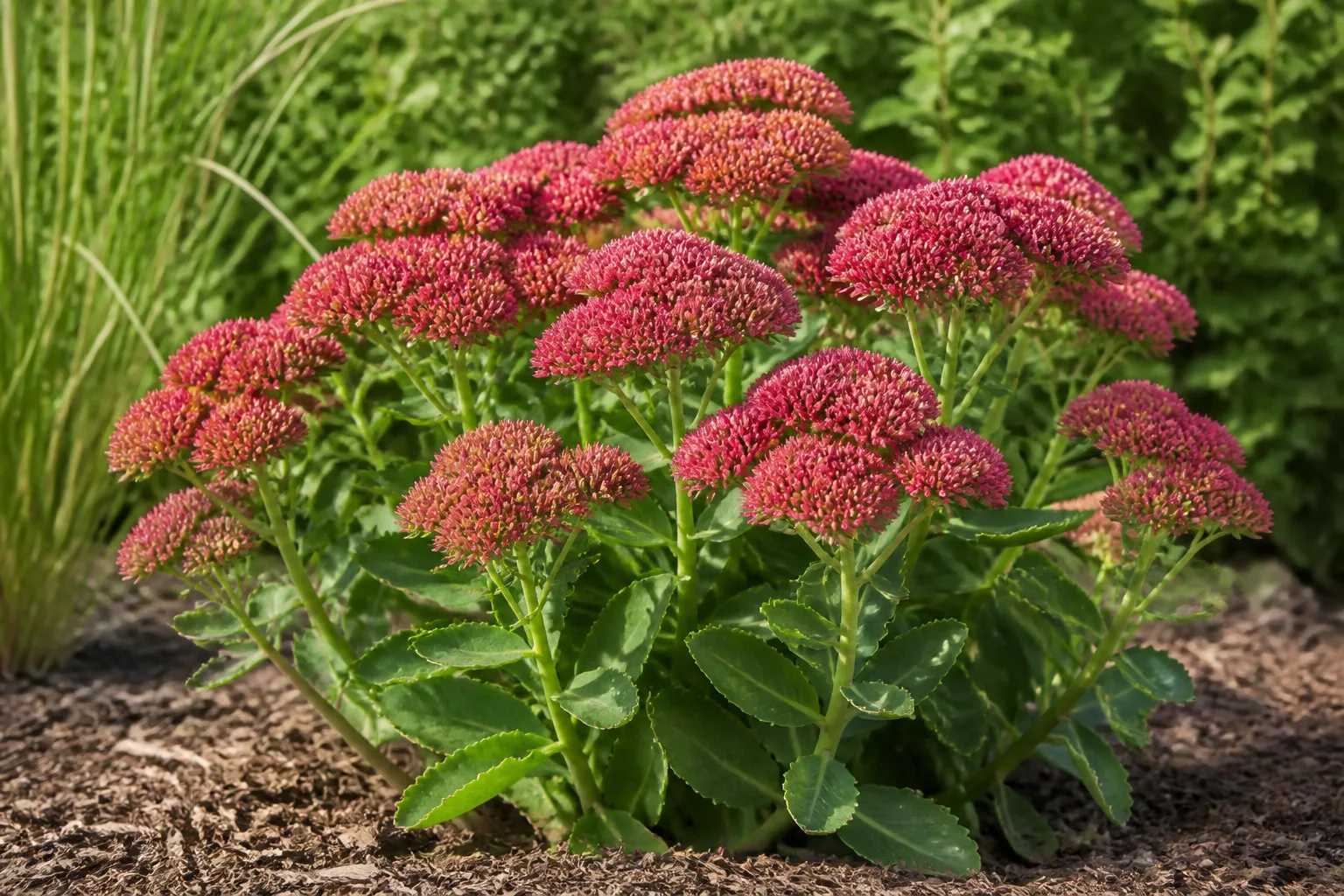
Sedum (stonecrop) offers succulent foliage and late-summer star flowers that pollinators mob. Low creepers like ‘Angelina’ edge paths; upright types like ‘Autumn Joy’ anchor the back of a sunny bed. Spring planting is ideal before summer drought.
Yarrow (Achillea millefolium) blooms May through August in flat clusters above ferny foliage. It spreads by rhizomes—give it room or plan to divide. Excellent cut flower; deer tend to leave it alone.
Peonies, Irises, Phlox, and Bee Balm — Big Bloom Moments
These are the showstoppers: large flowers, strong fragrance, or hummingbird traffic. They need a bit more respect at planting time.
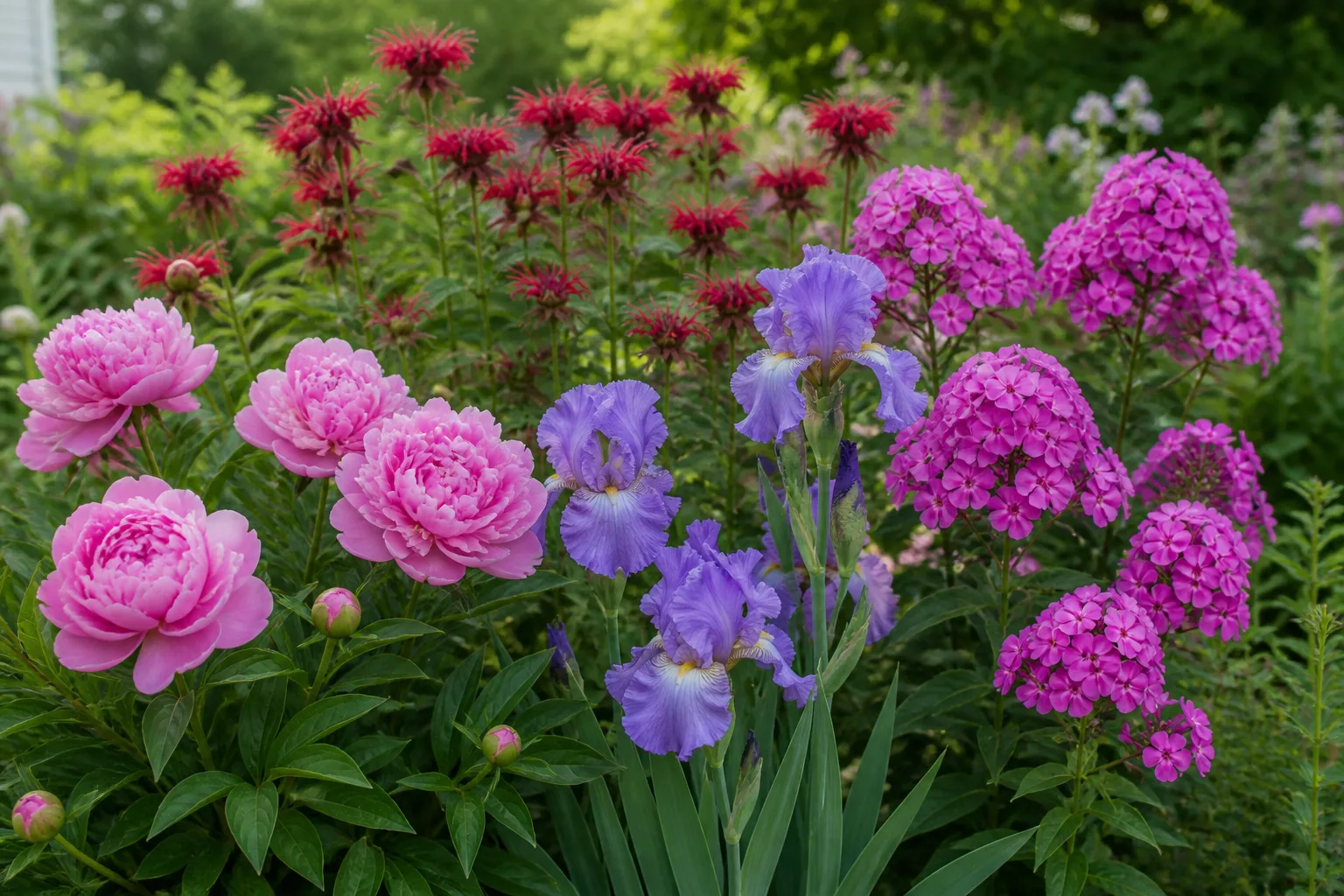
Peonies and Bearded Iris
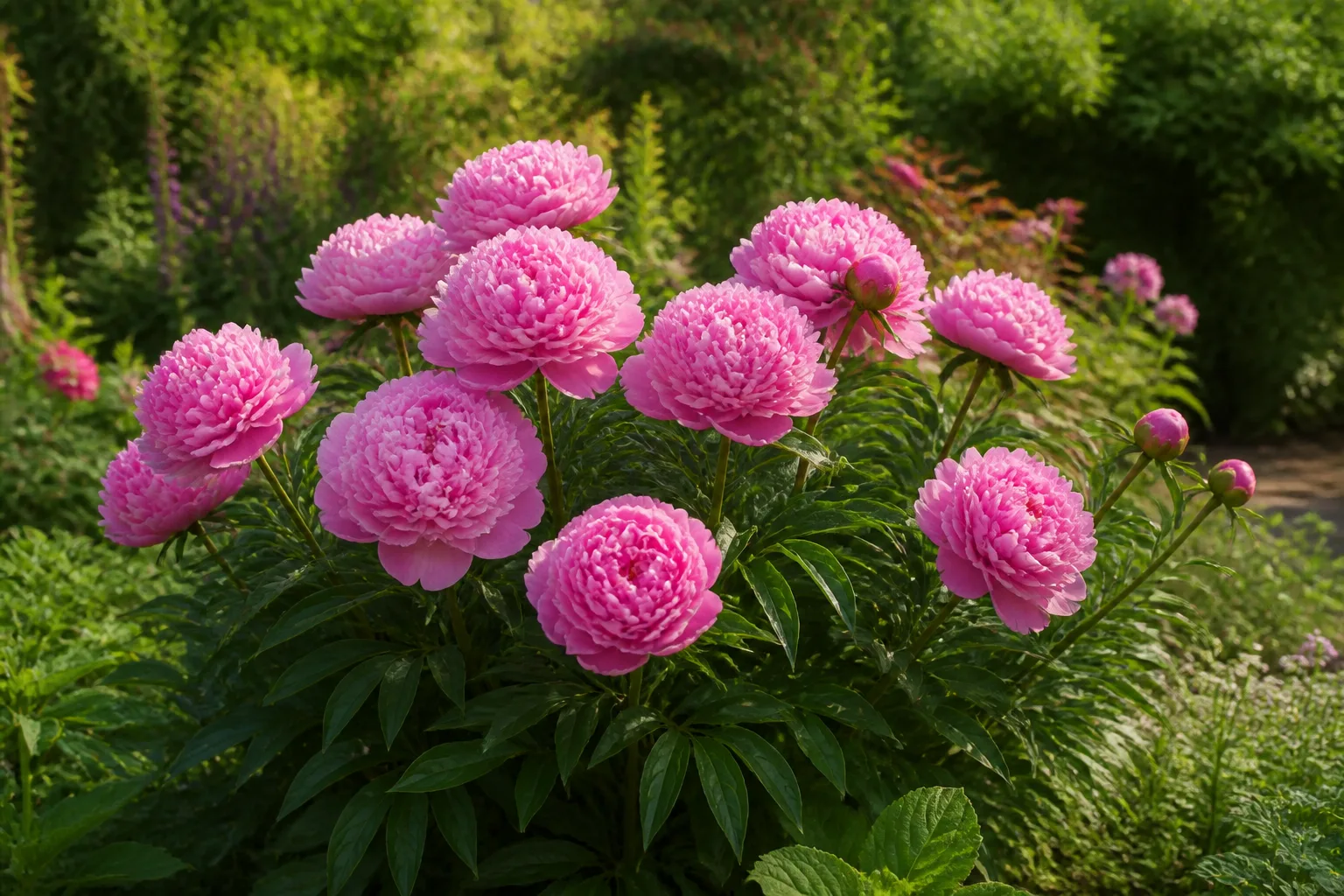
Peonies (Paeonia) can live decades. They want full sun, fertile loam, and shallow planting—eyes no more than 2 inches deep in most gardens. Spring-potted peonies may skip bloom the first year; bare-root divisions planted early often flower the next May. Space 3–4 feet apart; avoid moving them unless necessary.
Bearded iris (Iris germanica) stores energy in rhizomes that should sit partially exposed at the soil surface. Plant in full sun with the rhizome “shoulders” visible. Divide every three to five years after flowering when clumps crowd. Late-spring planting works in cool regions; in hot climates, plant immediately after bloom in early summer instead.
Garden Phlox and Bee Balm
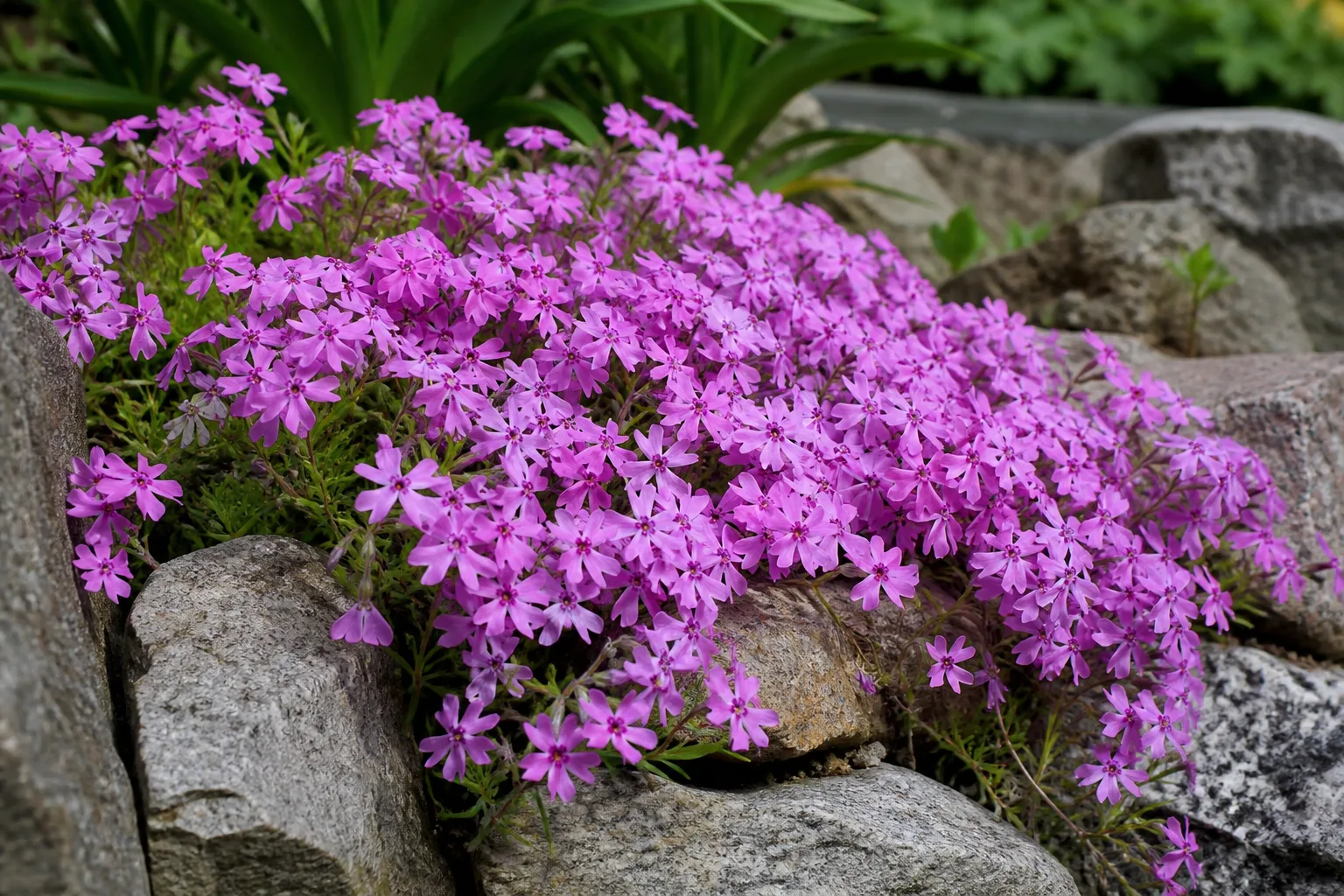
Garden phlox (Phlox paniculata) delivers fragrant July–September panicles in pink, purple, and white. It needs good air circulation—space 18 inches apart and water at the base to reduce powdery mildew. Choose mildew-resistant cultivars like ‘David’ in humid climates.
Bee balm (Monarda) attracts hummingbirds with red, pink, or purple shaggy blooms. It spreads by runners; contain it with a root barrier or give it its own bed. Full sun to light afternoon shade; soil should stay evenly moist but not waterlogged. Deadhead to limit self-seeding.
Hosta, Astilbe, and Hellebore for Part-Shade Gardens
Not every bed bakes in afternoon sun. These three anchor the north side of the house, under deciduous trees, and along east-facing fences.
Hosta is grown for bold foliage; lily-like flowers in summer are a bonus. Varieties range from mini 6-inch mounds to 4-foot giants. Morning sun with afternoon shade is ideal; blue-leaved types need more shade. Spring is the best division season—split before leaves unfurl fully.
Astilbe brings feathery plumes in pink, red, or white above glossy leaves. It wants consistent moisture—pair it with a soaker hose zone or plant along a downspout swale where soil stays damp but not stagnant. Bloom time varies by species from late spring to midsummer; early types like Astilbe japonica open before hosta flowers, while A. chinensis and hybrids extend into July. Tolerates deep shade but flowers best with a few hours of dappled light. If plumes brown in midsummer drought, the foliage still carries the bed—cut spent stems to the ground and keep soil moist for next year.
Hellebore (Helleborus) is the early-season gift: nodding flowers often in late winter to early spring the year after planting. Install hellebores in spring for root establishment; expect the main show next February or March. Evergreen foliage carries the shade bed when summer perennials finish.
Build a Bloom Sequence That Lasts All Summer
A border that peaks for ten days and then goes green disappoints everyone. Layer these fifteen by bloom month, not just flower color:
| Bloom window | Standouts from this list |
|---|---|
| Late spring–early summer | Peony, bearded iris, early daylilies |
| Early–mid summer | Coreopsis, Shasta daisy, lavender, yarrow |
| Mid–late summer | Coneflower, black-eyed Susan, phlox, bee balm, sedum |
| Foliage anchors | Hosta, astilbe, hellebore (flowers early next year) |
Plant tall peonies and iris toward the back, mid-height coneflowers and phlox in the middle, and creeping sedum or low coreopsis at the front. Repeat each color in odd-numbered drifts so the eye travels smoothly down the bed. A simple three-row plan for a 10-foot sunny border: back row peony plus iris, middle row coneflower and daylily, front row coreopsis and sedum—with bee balm tucked mid-border for height variation.
Deadheading extends many summer bloomers—coneflowers, Shasta daisies, and bee balm respond well. Shear spent coreopsis and yarrow hard after the first flush for a cleaner second round. Leave some seed heads for winter interest and birds on rudbeckia and echinacea if you prefer a looser look. Mulch with 2 inches of shredded bark after soil warms in late spring, keeping mulch away from crowns and iris rhizomes.
Spring Planting Mistakes That Delay Flowers
Planting too early into cold, wet soil smothers roots. Wait until soil crumbles in your hand instead of clumping like clay paste.
Burying peony eyes or iris rhizomes is the fastest way to get leaves without flowers. Check depth at planting and again after the first hard rain settles soil.
Over-fertilizing at install pushes soft foliage vulnerable to aphids and mildew. Mix compost into the backfill; save balanced slow-release feed for the following spring if a soil test calls for it.
Ignoring mature width crowds plants within two seasons, cutting air flow and bloom. Read the tag and space for three-year size. A single peony needs 3–4 feet; three gallon coneflowers planted 18 inches apart will merge into one patch—which can look intentional if you plan for it, or mildew-prone if you did not.
Skipping the water window after spring planting is the silent killer. Roots in new soil cannot reach deep moisture for weeks. Water deeply twice a week for the first month if rain is less than an inch weekly, then taper as plants root out. A wilted lavender in July is often a May planting that never got consistent water—not a drainage mystery.
Buying root-bound quarts in late May and expecting July fireworks. For same-summer color on sun perennials, choose gallon-sized healthy stock or plant earlier in spring.
Matching sun wrong—lavender and sedum in wet shade, or hosta in blasting west afternoon sun—sets up a struggle no fertilizer fixes.
Conclusion
Fifteen spring-planted perennials can carry a garden from late spring color through summer and into fall seed heads and foliage—but only if you plant on time, respect each plant’s sun and drainage needs, and plan for realistic first-year performance. Use spring for container installs and divisions, get peonies and iris depth right, and sequence bloomers so something is always opening.
Start with your site’s sun hours and USDA zone, pick five plants from this list that match, and plant them well before summer heat. Year two is when the border stops looking like a collection of pots and starts looking like a garden that belongs.



