12 Perennials to Plant in July for Late-Summer Blooms
Choose 12 perennials to plant in July for late-summer color, from coneflower and sedum to astilbe and asters, with honest watering and bloom expectations.
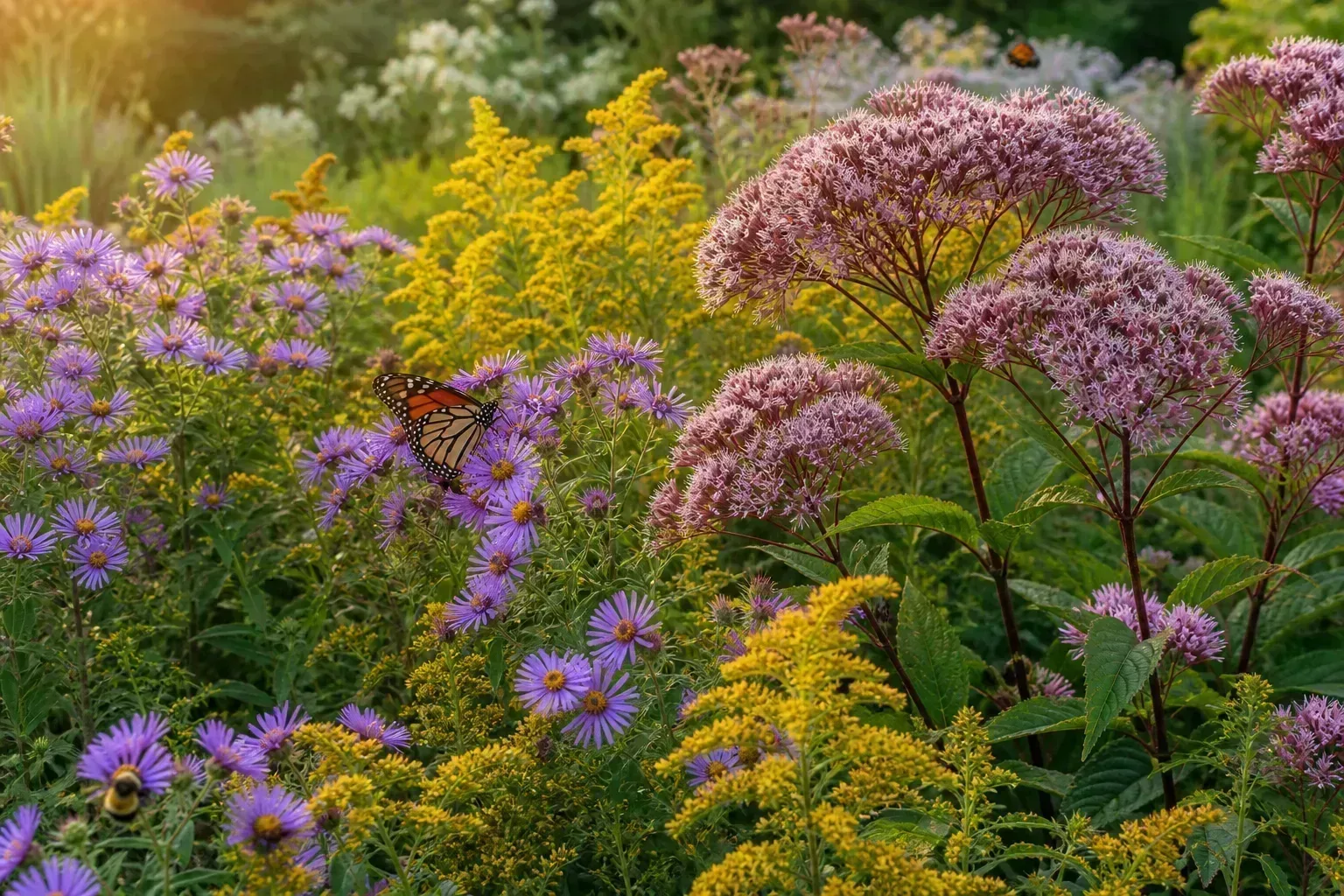
July is not too late to add perennials—but it is late enough that the plant’s site and first-month care matter more than the label on the pot. A container-grown perennial can settle into the ground during summer and flower before frost, especially if it already has buds. A seed packet, bare-root division, or dormant corm has a different timetable and may spend the season making roots instead of flowers.
The 12 plants below cover dry sun, part shade, late-season pollinator beds, and one important long-game choice. Use the list as a matching tool, not a promise that every plant will bloom immediately. The reliable sequence is simple: choose for the site, plant a healthy potted specimen, soak the root zone, mulch without burying the crown, and keep checking the soil while the roots move beyond the nursery pot.
Is July too late to plant perennials?
For most temperate gardens, July is workable for container-grown perennials if you can provide water during establishment. It is a riskier month than spring or early fall because a small root ball can dry out faster than the surrounding soil, and a plant already in bloom may lose flowers while it redirects energy toward roots. That is transplant stress, not proof that the perennial was a bad choice.
Penn State Extension’s perennial-care guidance recommends soaking plants immediately after planting, checking them regularly so they do not dry out, and using deep, less-frequent watering to encourage deeper roots. It also makes the key distinction many summer lists miss: plants described as drought tolerant are drought tolerant after they become established, not on the day they leave the garden center.
Why a potted perennial has a head start
A nursery-grown plant brings an existing crown, leaves, and root system. It may still suffer in a heat wave, but it is far closer to flowering size than a seedling started in July. Choose plants with firm stems, evenly colored leaves, and a root ball that holds together without smelling sour or showing black, mushy roots. Buds are useful if you want late-summer color; an exhausted plant in full flower may need a recovery period instead.
Seeds and bare-root plants can be excellent choices at the right time, but they do not give the same immediate result. July-sown seed may struggle to germinate in a crusted, hot seedbed, while a bare-root division needs time to make new feeder roots. If the goal is a visible bloom display before fall, buy a potted plant and treat flowering as a bonus—not the only measure of success.
What to expect from blooms this season
Think in three categories. Likely this-season color comes from a budded, container-grown plant that is already adapted to outdoor conditions. Possible late-season color comes from a young plant that has enough time and moisture to settle, but the result depends on the cultivar and local weather. Next-season value describes plants that are better purchased now for root establishment, even if their main bloom window has passed.
Bloom timing also changes with latitude, elevation, heat, pruning, and the first frost. The RHS guidance on perennial borders emphasizes layering plants with different bloom periods instead of expecting one plant to carry a border alone. That is the smarter way to use July purchases: combine a few plants with buds now, a few dependable late bloomers, and at least one foliage or seedhead plant that will still look good after petals fade.
Match the plant to the July planting site
Before choosing a flower color, look at the bed for a full day. Count direct sun, feel the soil after rain, note reflected heat from walls or paving, and identify where a hose can reach. Site evaluation is not busywork: Penn State Extension’s new perennial-garden guide identifies light, wind, moisture, soil texture, drainage, and mature spread as factors that should shape the planting plan.
Full sun and lean, fast-draining soil
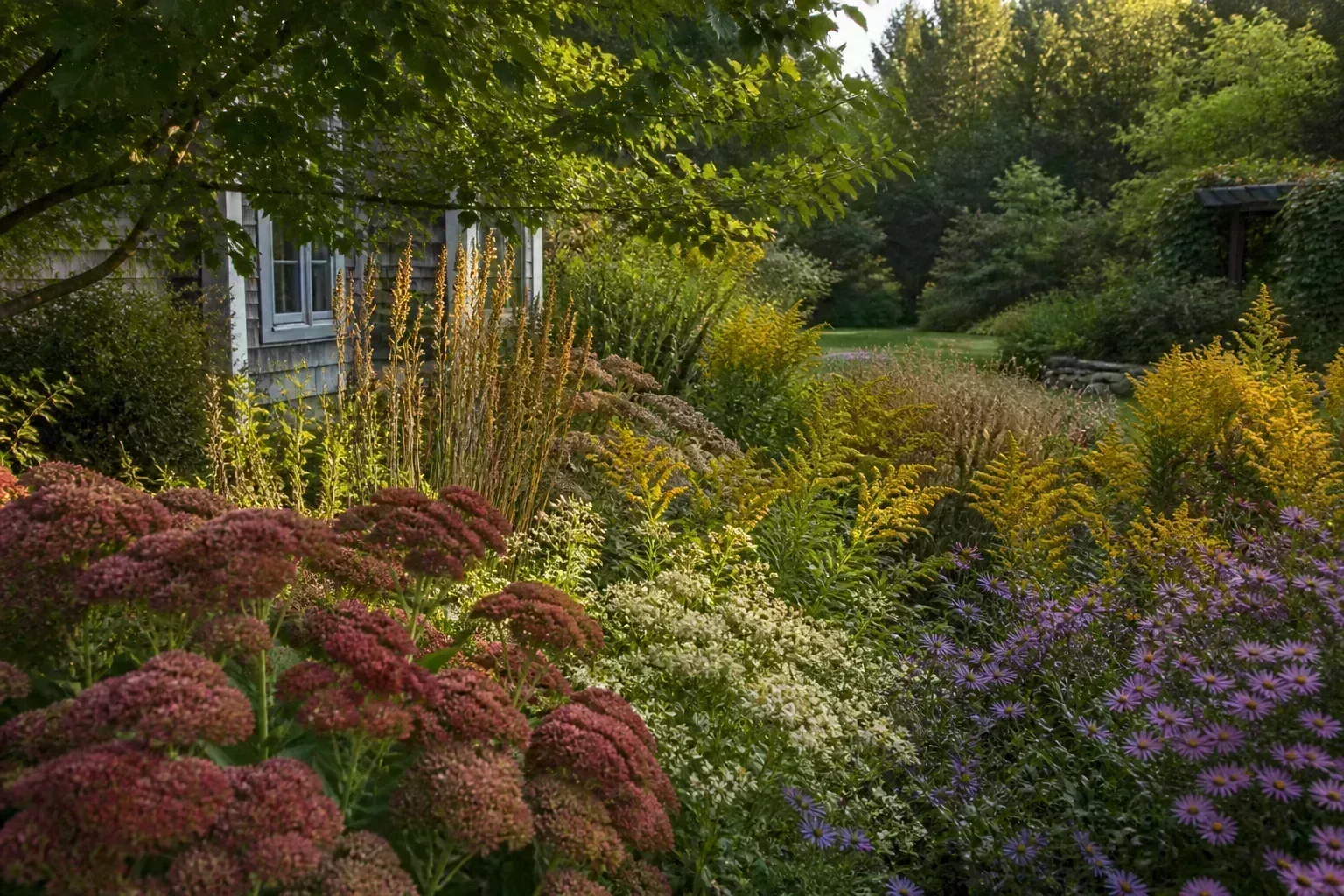
Dry-sun beds suit sedum, blanket flower, coneflower, coreopsis, catmint, goldenrod, lavender, and liatris, provided the soil drains rather than forming a hard, dry pan around the root ball. These plants can tolerate heat once established, but a new transplant still needs deep watering. Do not place lavender or sedum in a low pocket simply because the label says drought tolerant; waterlogged roots are a different problem from dry soil.
Part shade and consistently moist soil
Part-shade beds with dependable moisture are better for astilbe and some asters, while anise hyssop can accept light afternoon shade in hotter climates. Shade does not automatically mean easy: tree roots can make the surface dry, and dense shade can reduce flowering. A plant that wants cool, moist soil should not be used to solve a hot, dry spot under a thirsty tree.
Containers, small beds, and exposed patios
Containers heat and dry faster than garden soil, so July-planted perennials in pots need more frequent checks. Sedum, catmint, lavender, coreopsis, and compact coneflower cultivars are usually easier container candidates than astilbe, which is much less forgiving when the pot dries out. Use a pot with a drainage hole, leave room for watering, and remember that a container root ball can be both waterlogged and thirsty if the mix has collapsed or the drainage hole is blocked.
The July planting method that protects roots
The planting hole is only one part of the job. Your goal is to reduce the time between removing the plant from its pot and getting the roots into cool, moist soil.
Plant during the coolest workable part of the day
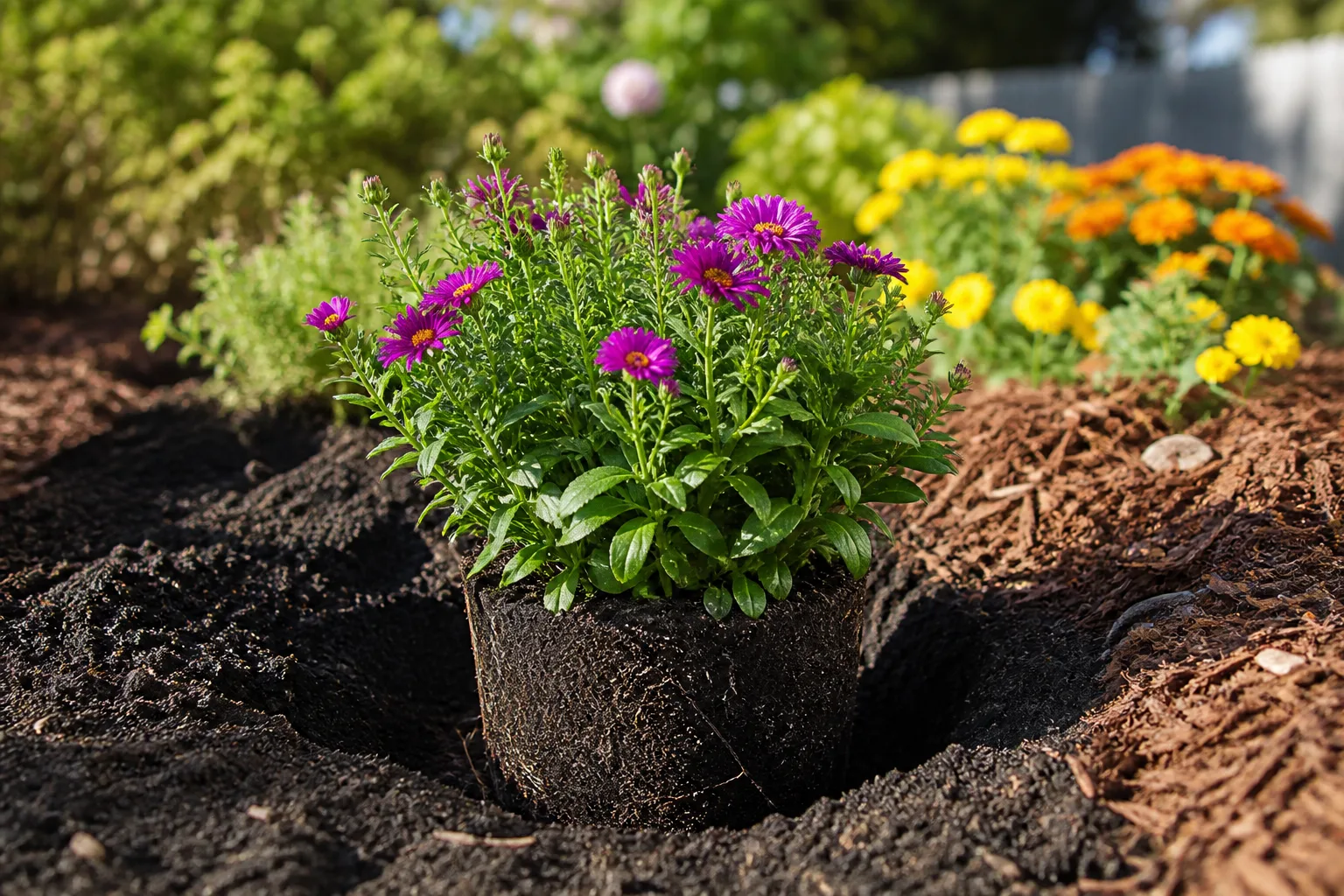
Water the plant in its nursery pot before planting, then work in the morning or on a cloudy, calm day. Dig a hole slightly wider than the root ball and no deeper than the soil level in the pot. Set the crown at the same height it was growing; burying it under wet mulch or soil is a fast route to rot, especially for plants that prefer sharp drainage.
Loosen circling roots gently if the root ball is tight, but do not shred a healthy root mass in a heat wave. Backfill with the excavated soil unless a soil test or site-specific correction tells you to amend it. Press the soil lightly to remove large air pockets, then make a shallow basin just outside the root ball so irrigation soaks in rather than running downhill.
Water, mulch, and monitor through establishment
Give the new perennial a slow, thorough soak immediately after planting. During the first week, inspect the soil and leaves daily during hot or windy weather; the surface can look damp while the root ball is already dry. After the first week, shift toward deep watering when the root zone begins to dry instead of applying a little water every time you pass the bed.
For an established perennial, a rough one inch of water per week from rain and irrigation combined is a useful starting point, but a newly planted root ball may need attention more often during extreme heat. Adjust for rainfall, soil type, container size, wind, and plant choice. The same Penn State guidance recommends a two- to three-inch layer of mulch to conserve moisture and moderate soil temperature. Keep it a few inches away from stems and crowns so the plant does not sit in a damp collar.
Skip the urge to feed heavily at planting. Excess fertilizer can push soft leafy growth when the roots are already under heat stress, and too much nitrogen can mean fewer flowers. A soil test is a better basis for feeding than a calendar; if the soil is adequate, water and root contact matter more than a quick dose of fertilizer.
12 perennials worth planting in July
The list is grouped by conditions because a plant’s hardiness range cannot rescue it from the wrong moisture level. For each choice, check the exact cultivar tag for mature size and USDA zone, then look for a healthy specimen that has not been left dry in a black nursery pot.
Sun-loving choices for color and resilience
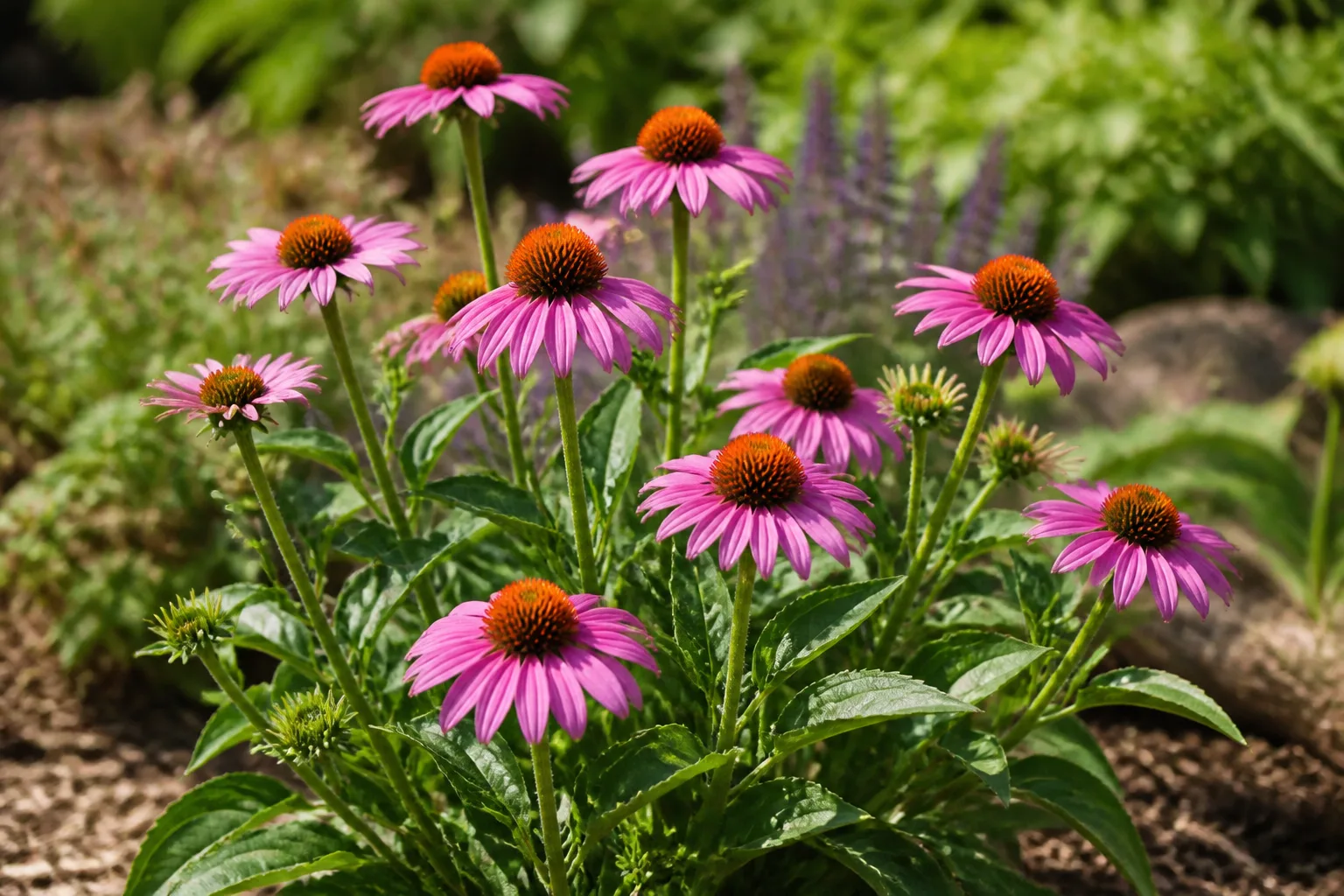
1. Purple coneflower (Echinacea purpurea) is a dependable choice for a sunny border, meadow edge, or pollinator bed. Its daisy-like flowers and raised central cone can keep a border colorful through summer, and the seedheads remain useful after the petals fade. Give it full sun and soil that drains; it tolerates lean conditions better than a heavy, wet bed. A potted plant with buds may flower this year, but a stressed transplant may wait until next season.
Best fit: open sun, average-to-lean soil, and gardeners who want flowers plus fall seedheads. Skip it for: a puddling low spot or deep shade. Leave some spent heads in place if birds and winter structure matter more to you than a perfectly tidy bed.
2. Stonecrop or sedum (Hylotelephium and Sedum spp.) earns its place in July lists because its fleshy leaves hold water and its flat flower clusters arrive late in the season. Upright types such as ‘Autumn Joy’ bring pink-to-copper color in late summer and fall; low sedums are better for rock gardens, edging, and containers. The plant is drought tolerant once established, but newly planted sedum still needs a full soak and a root zone that is not compacted.
Best fit: full sun, gritty or well-drained soil, and beds that dry between rains. Skip it for: shade or a spot where irrigation keeps the crown wet. Avoid burying the stem base under mulch.
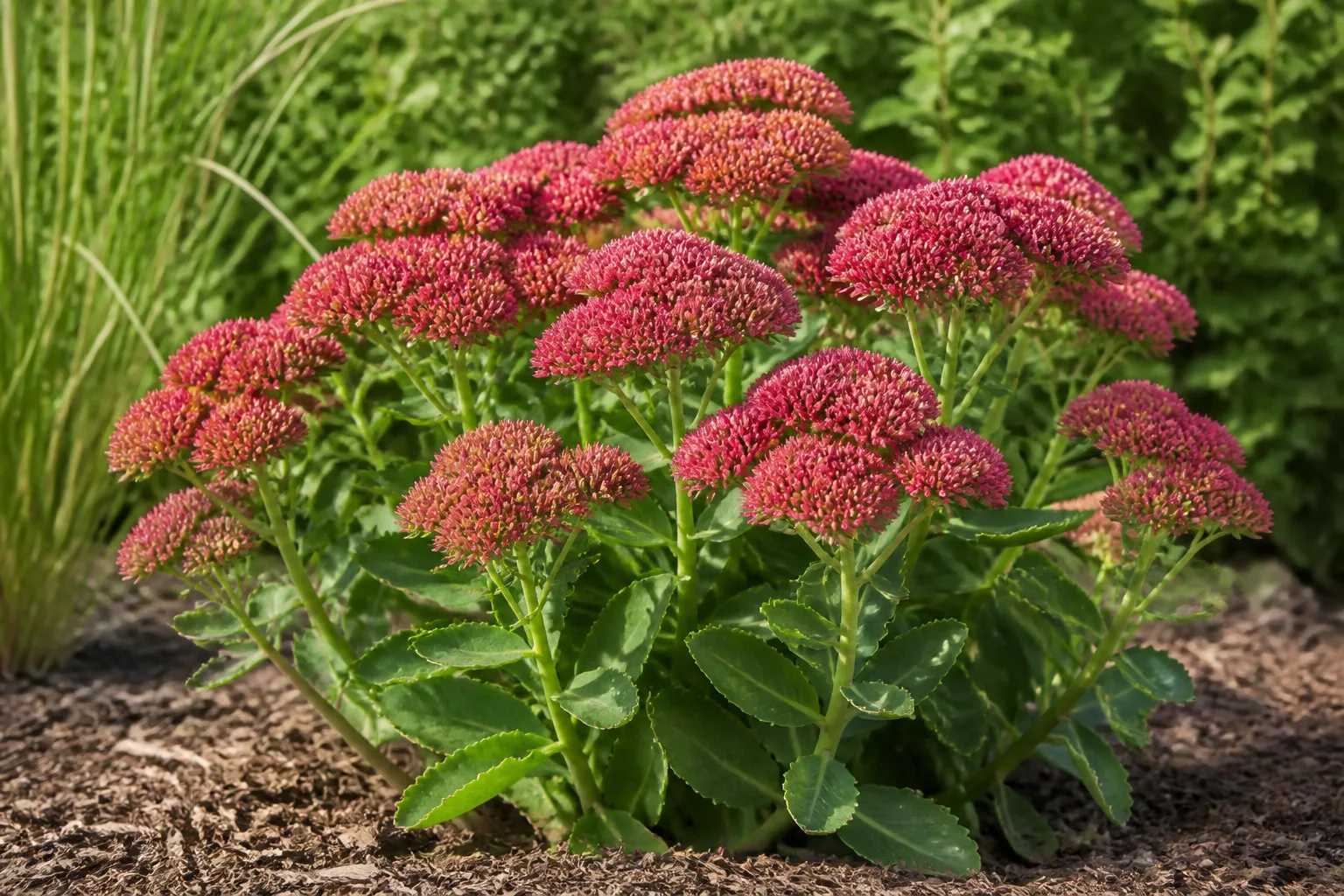
3. Blanket flower (Gaillardia spp.) provides bright red, orange, and yellow flowers in a hot, sunny bed. It can flower in its first season when purchased as a budded plant, and it is especially useful where you want a long run of color without rich, constantly moist soil. Deadhead selectively if you want more flowers; leave a few seedheads if self-sowing and bird activity are welcome.
Best fit: hot full sun, sandy or sharply drained soil, and cottage or pollinator borders. Skip it for: heavy clay that stays wet after rain. In humid regions, crowding and poor airflow can shorten the show even when the plant gets enough sun.
4. Prairie smoke (Geum triflorum) is the long-game choice in this group. Its feathery, smoky seedheads and spring flowers are distinctive, but it is not the plant to buy in July if you need a guaranteed late-summer bloom. Plant it now only when the goal is to establish a tough, low-growing native for next year and beyond.
Best fit: sunny, dry, well-drained beds and naturalistic plantings in regions where it is hardy. Skip it for: an immediate late-summer color gap or a damp, heavily irrigated bed. This honest timing distinction is useful: not every perennial that can be planted in July will flower in July or August.
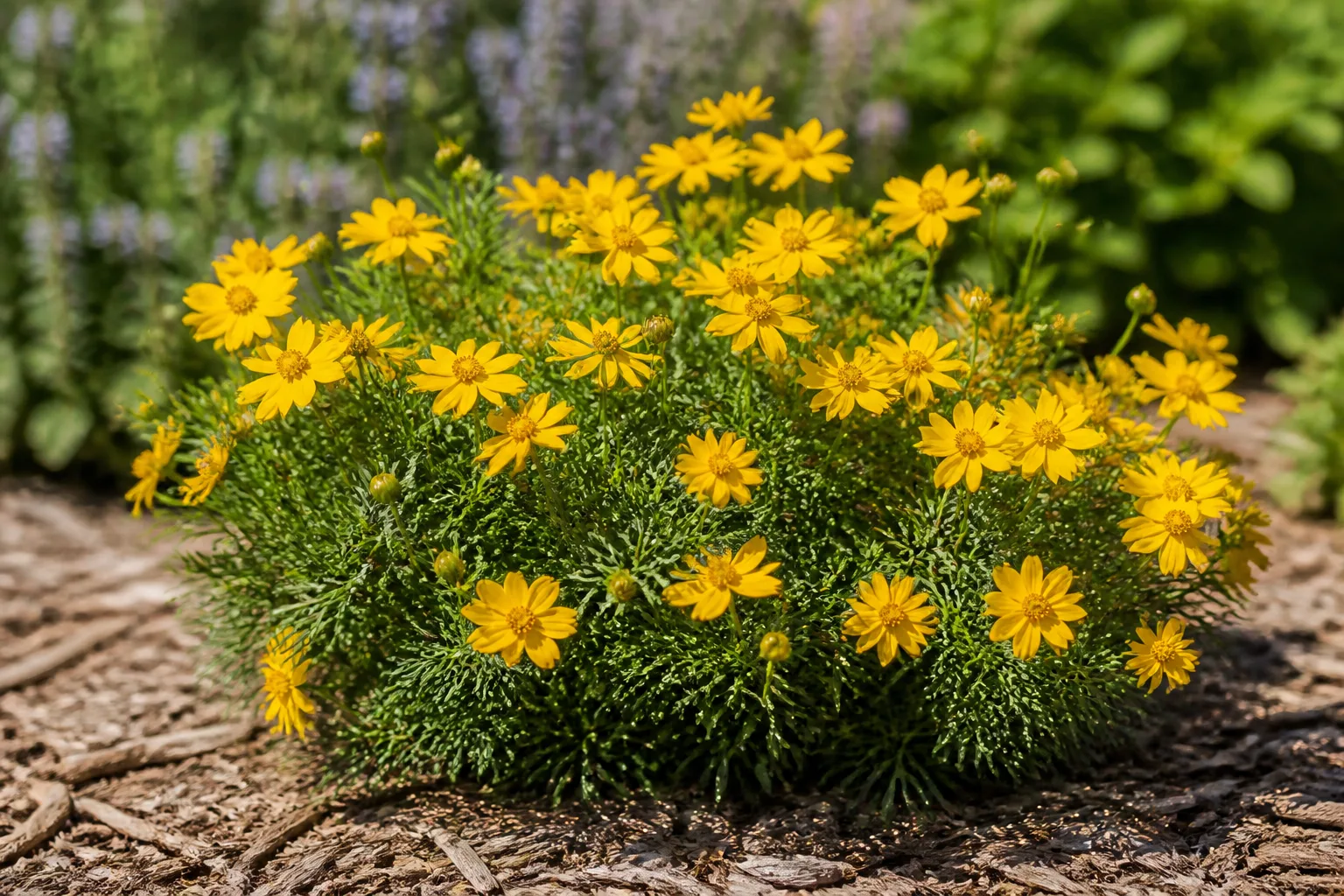
5. Coreopsis or tickseed (Coreopsis spp.) is a strong candidate for a sunny border, container, or low-maintenance pollinator planting. Many types flower from summer into fall, and the plants generally prefer leaner, well-drained soil over heavy feeding. Choose a compact cultivar for a pot or front edge, and do not let a newly planted specimen dry until the root ball has expanded.
Best fit: full sun, ordinary-to-poor soil, and gardeners who want yellow, orange, pink, or bicolored flowers. Skip it for: deep shade and beds that stay saturated. Shearing or deadheading after the first flush can encourage a tidier second display, but it is not a substitute for light.
6. Lavender (Lavandula spp.) can provide fragrant foliage and purple flowers, but it is one of the easiest plants to kill with kindness in July. It needs strong light, quick drainage, and room for air to move around the crown. A potted lavender that is already flowering may continue after planting, while a plant moved from a shaded retail display into blazing sun may scorch unless it is acclimated gradually.
Best fit: full sun, raised or sandy beds, gravel gardens, and containers with fast-draining mix. Skip it for: humid, poorly drained soil or a bed watered on the same schedule as astilbe. Do not keep the crown constantly wet just to prevent temporary afternoon flagging.
Moisture-loving and late-season choices
7. Astilbe (Astilbe spp.) brings feathery foliage and upright flower plumes to part-shade beds. It can be planted in July from a healthy container, but only when you can maintain consistent moisture while it establishes. Morning sun or bright filtered light is usually safer than hot afternoon exposure, and mulch helps keep the root zone from swinging between dry and saturated.
Best fit: part shade, humus-rich soil, and a bed that does not bake out. Skip it for: a drought-prone slope, a reflective patio edge, or a garden you cannot water. If the leaves flag every afternoon and the soil is dry several inches down, the answer is more root-zone moisture—not more fertilizer.
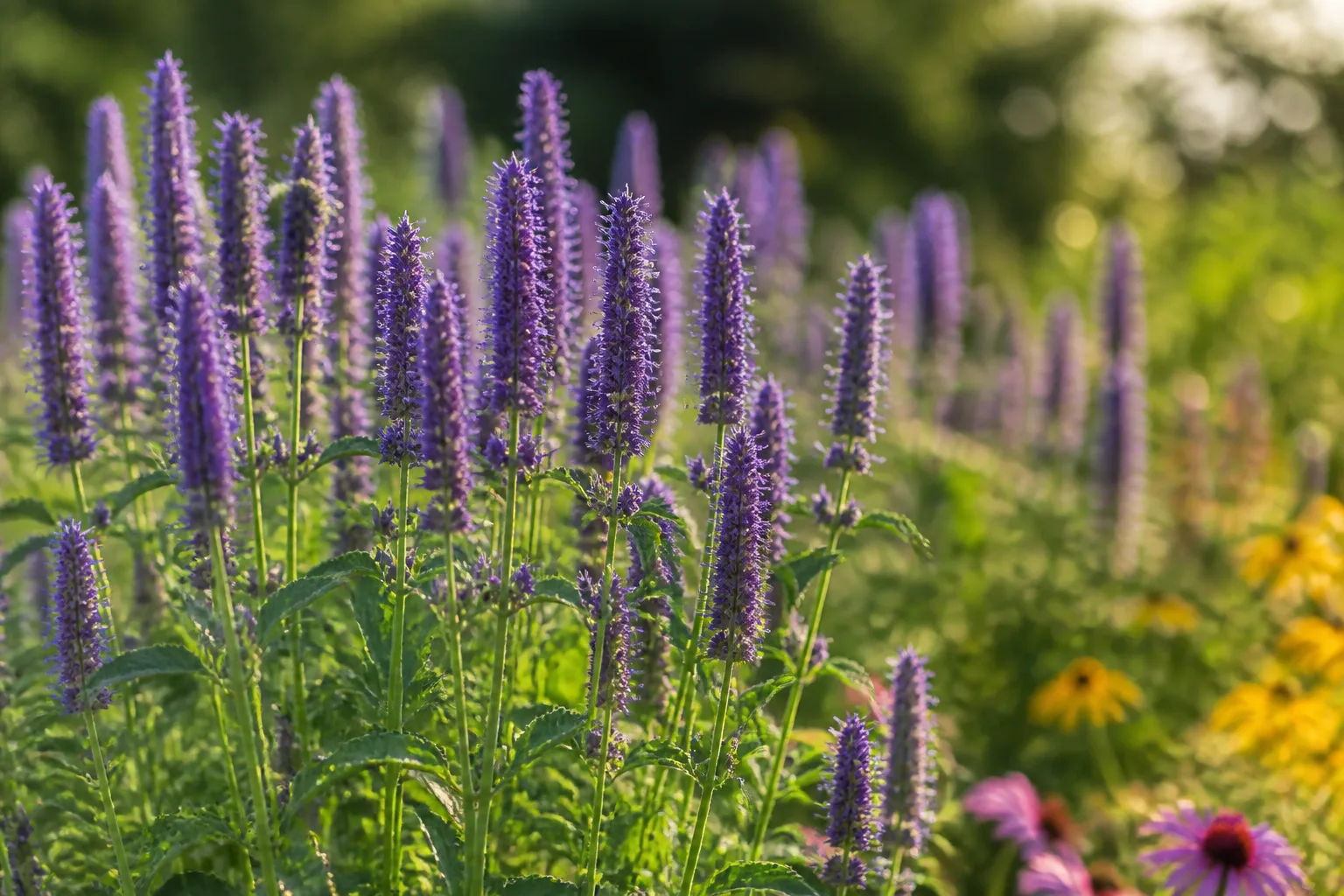
8. Anise hyssop (Agastache foeniculum) is an upright, aromatic perennial with spikes of purple-blue flowers that can support bees and other pollinators. It prefers sun and well-drained soil, yet it is more forgiving of ordinary garden soil than lavender. A budded plant may add late-summer color; a small, recently divided plant may concentrate on roots first.
Best fit: sunny pollinator borders, herb-style gardens, and beds where you want vertical flower spikes. Skip it for: waterlogged soil or a cramped spot where tall stems will shade shorter plants. Leave some flowerheads standing if you want texture and seed for wildlife.
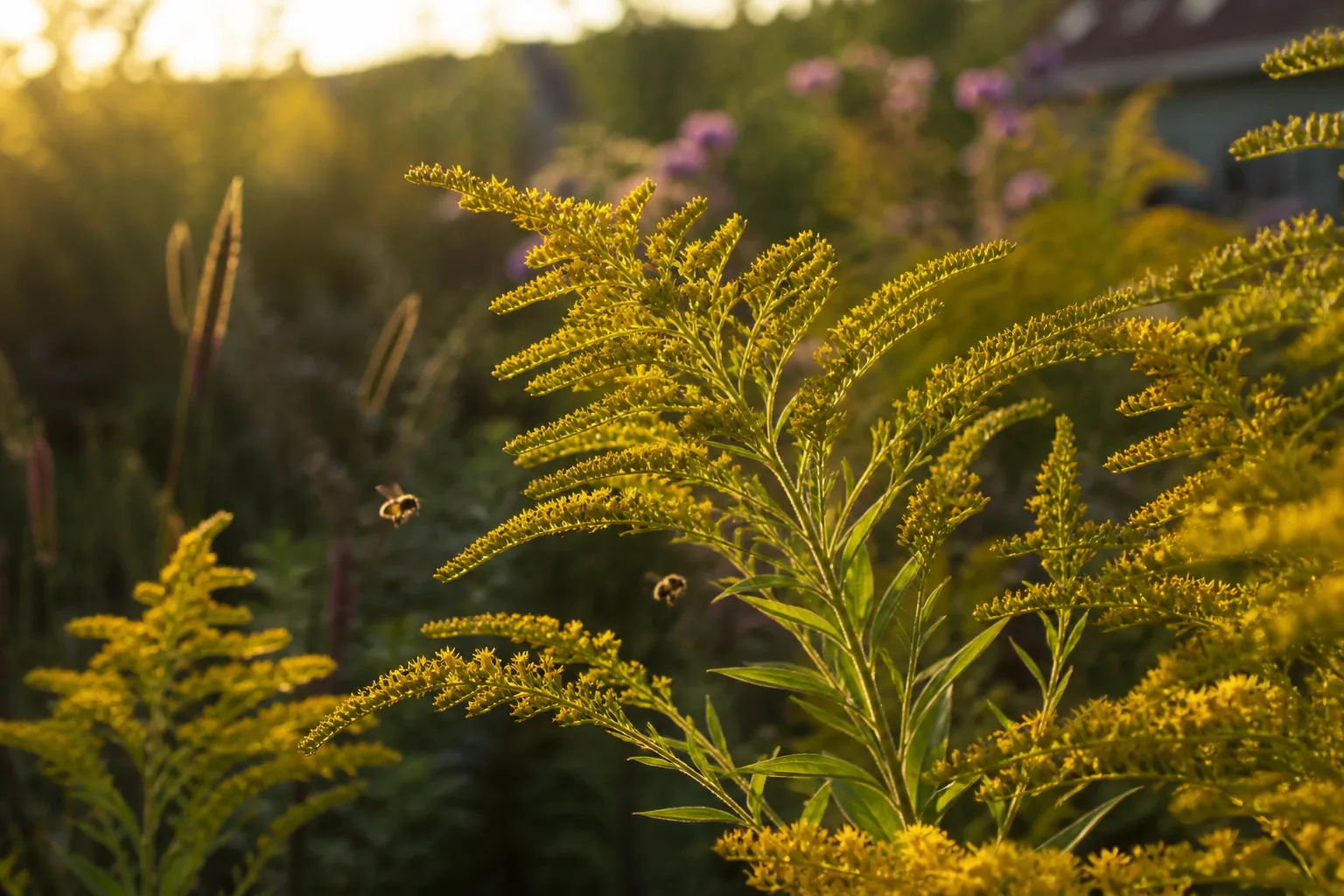
9. Goldenrod (Solidago spp.) supplies a strong yellow late-summer and fall note when many early perennials are fading. Choose a regionally appropriate species or a clump-forming cultivar rather than assuming every goldenrod behaves the same. Good light and drainage produce sturdier plants, while excessive nitrogen can encourage floppy growth.
Best fit: sunny native-plant beds, meadow edges, and pollinator gardens. Skip it for: a tiny formal border unless you have verified mature spread and local behavior. Goldenrod is often wrongly blamed for hay fever; the heavier airborne pollen problem is usually associated with wind-pollinated ragweed flowering at the same time, but anyone with allergies should still choose plants and garden timing personally.
10. Asters (Symphyotrichum spp.) are among the most useful perennials for extending color into fall. Species and cultivars vary widely in height, moisture needs, and bloom date, so use the plant tag rather than treating “aster” as one uniform plant. Give most types sun and reasonable moisture, with airflow around the foliage; a crowded, drought-stressed plant is more likely to look tired before its flowers open.
Best fit: late-season borders, pollinator plantings, and beds where you can combine purple, pink, or white flowers with goldenrod. Skip it for: a dark, stagnant corner or a bed that swings from bone dry to flooded. Pinching earlier in the season can make some tall types bushier, but July is too late for heavy shaping on a stressed new transplant.
Pollinator plants and the long-game choice
11. Catmint (Nepeta spp.) gives dry-sun beds soft gray-green foliage and lavender-blue flowers, often with a second flush after a cutback. It is a useful front-of-border plant because it stays more restrained than many tall perennials, though its final width varies by cultivar. Shear lightly after the first bloom flush if the plant is healthy; do not scalp a wilted July transplant simply to make it rebloom.
Best fit: full sun, average-to-dry soil, edging, containers, and pollinator borders. Skip it for: a soggy site or a location where you cannot give a new plant water during its first hot spell.
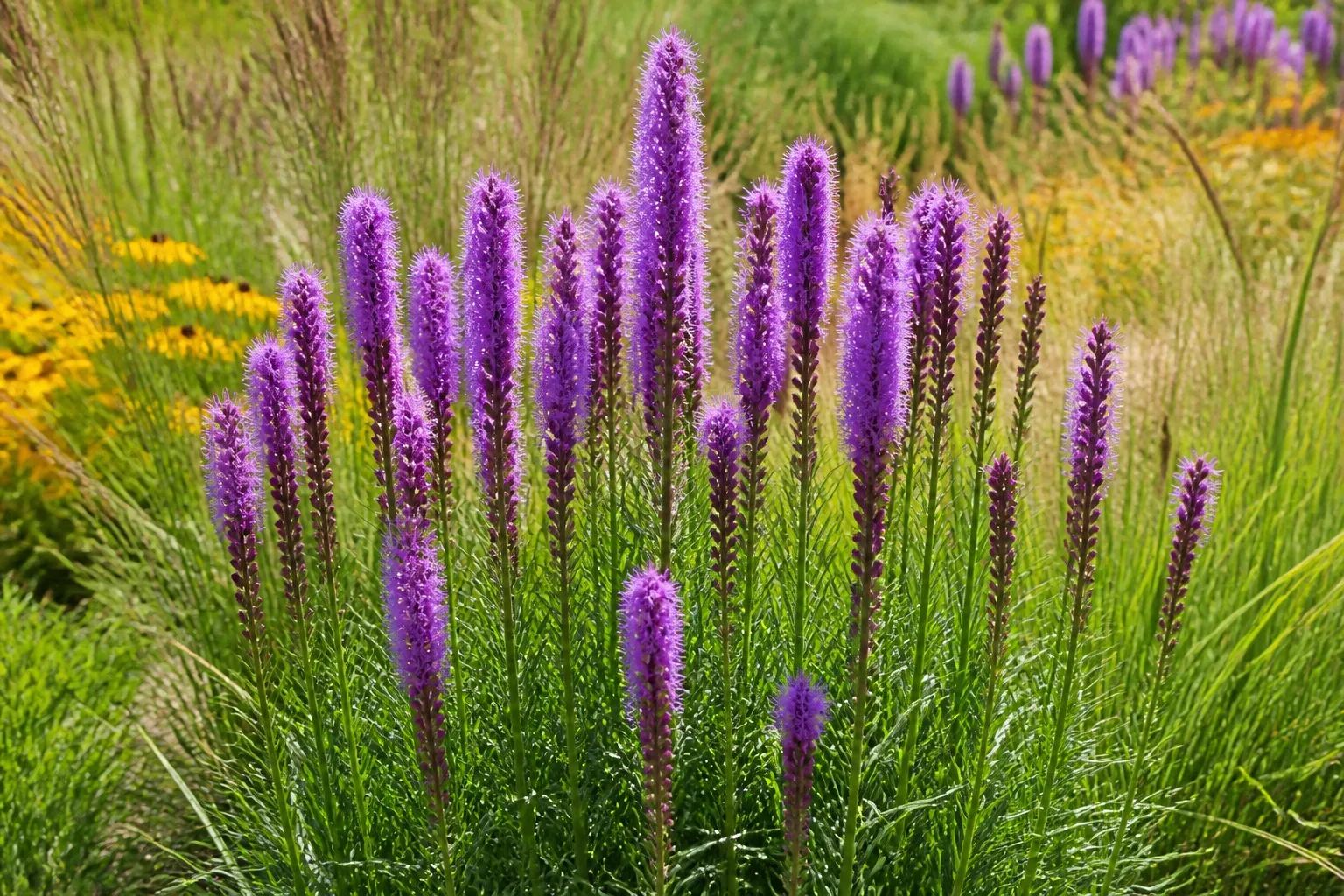
12. Blazing star or liatris (Liatris spp.) produces upright purple or white flower spikes and brings strong vertical rhythm to a sunny border. It is commonly grown from corms or nursery plants, but those forms are not interchangeable for timing: a July-planted corm may be a next-season project, while a budded container plant can contribute sooner. Give it sun and drainage, and avoid overwatering a dormant or newly planted corm.
Best fit: sunny, well-drained beds, prairie-style plantings, and pollinator gardens. Skip it for: wet clay or a shady bed. Check the exact species and cultivar for mature height, because a tall spike can need support in exposed sites.
The late-season value of these plants is not only visual. RHS border-planning guidance and Gardening Know How’s late-summer flower overview both emphasize the usefulness of spreading bloom periods across a border rather than concentrating everything in spring. A mix of coneflower, liatris, anise hyssop, goldenrod, asters, and sedum can provide more dependable end-of-season interest than twelve plants that all peak at the same moment.
July planting mistakes that cost you a perennial
The most common failure is watering the leaves but not the root ball. A quick sprinkle cools foliage for a few minutes, but it may not wet the compact soil inside a nursery pot. Apply water slowly at the base and check below the surface. If the surrounding bed is damp but the root ball is dry, direct the next soak at the transplant.
The second mistake is planting by hardiness zone alone. A plant can survive winter in your zone and still fail in July because the site is too wet, too exposed, or too hot for the root system to establish. Zone is a winter-survival filter; it does not replace checking summer light, drainage, and moisture.
The third is burying the crown under soil or mulch. Set the plant at its original soil level, then keep mulch away from the stems. This matters especially for lavender, sedum, liatris, and other plants that decline when the crown stays wet.
The fourth is fertilizing a struggling plant before checking the roots. Yellowing, wilt, and stalled growth can come from dry roots, waterlogged roots, planting too deeply, or heat shock. A fertilizer dose cannot repair poor drainage, and excess nitrogen may create soft growth with fewer flowers.
Finally, do not deadhead every flower the moment a new plant goes in the ground. Remove damaged or diseased material, but allow a healthy transplant to keep some leaves and recover. If a plant is severely stressed, sacrificing a few flowers can reduce demand—but the priority is root moisture and shade from the worst afternoon heat, not a perfect bloom count.
How to keep late-summer color going into fall
Use a small maintenance loop once or twice a week. Walk the bed at a consistent time, feel the soil near new plants, look for fresh buds, and check whether any plant is being shaded or crowded by a faster neighbor. Water deeply when the root zone is drying, remove weeds that compete for moisture, and deadhead only where it improves the specific plant’s performance or keeps seed from spreading.
After the first month, begin judging success by new root growth and stable foliage, not just flower production. A perennial that pauses after planting and then produces fresh leaves is often doing exactly what it should. Keep watering through late-summer heat, then taper according to rain and local conditions rather than stopping the moment the first flowers fade.
For a border that stays interesting, combine flower forms and heights: low catmint and coreopsis in front, coneflower and blanket flower in the middle, then liatris, anise hyssop, goldenrod, or asters toward the back. Sedum and some asters continue to provide shape after petals drop, while prairie smoke is a reminder that a garden can be planted now for a different season of interest later.
Conclusion
The best perennials to plant in July are not simply the toughest names on a list. They are the plants whose light, drainage, mature size, and moisture needs match the bed you can actually maintain. For immediate late-summer color, start with a healthy, budded container plant such as sedum, coneflower, blanket flower, coreopsis, anise hyssop, goldenrod, aster, catmint, or liatris. Choose astilbe only where moisture is reliable, lavender only where drainage is excellent, and prairie smoke when you are happy to wait for its longer-term display.
Plant in cool conditions, soak the root zone, keep mulch off the crown, and monitor the first month closely. That small investment is what turns a July purchase from a heat-stressed impulse buy into a perennial that can return—and bloom more generously—next year.



