19 Summer-Blooming Perennials for Long Color
These 19 perennials deliver weeks of summer color when sited and deadheaded correctly. See bloom windows, zones, and which picks fit your sun and soil.
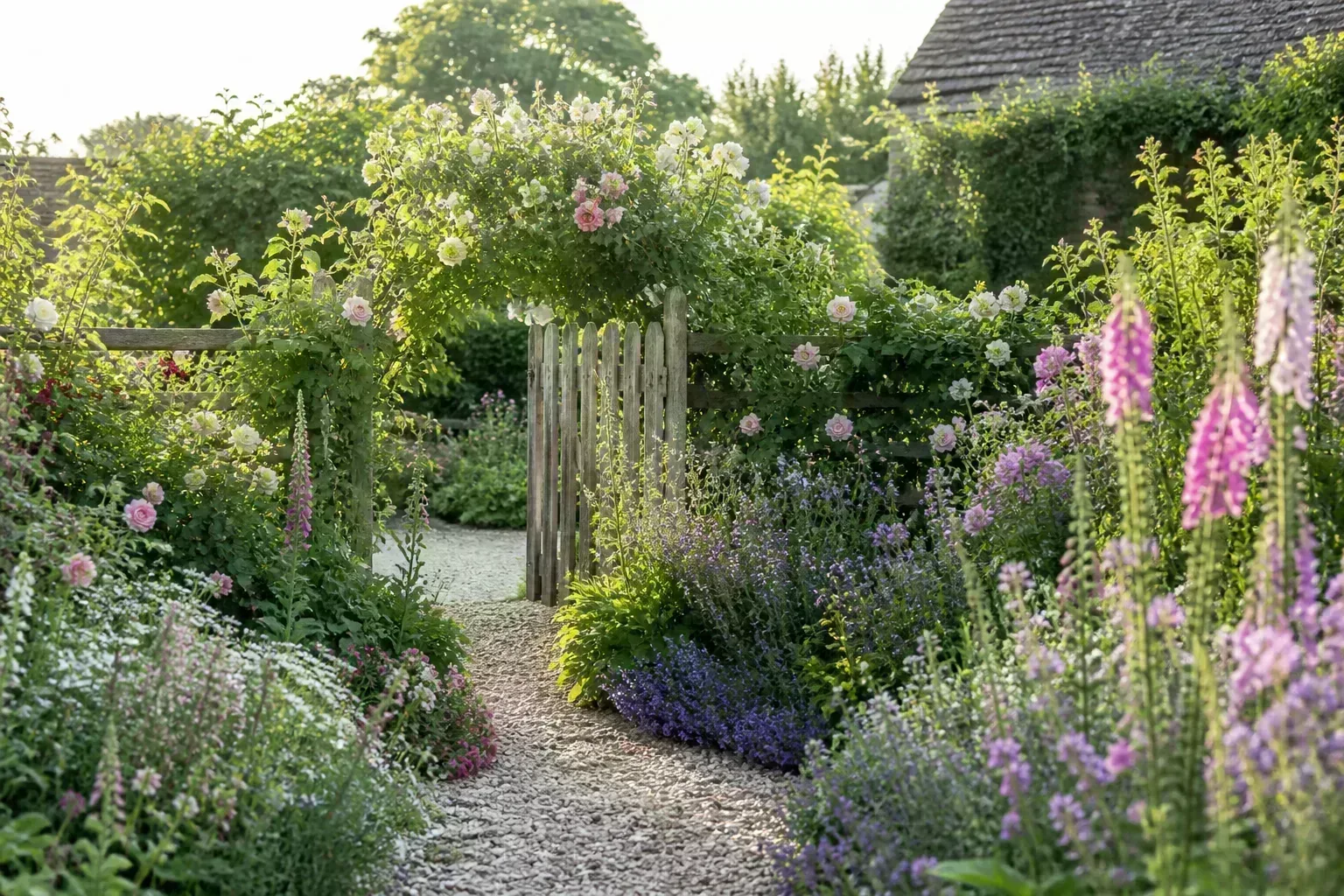
Most perennial beds look spectacular in late May and forgettable by mid-July — not because perennials are weak performers, but because gardeners buy for flower color without sequencing bloom windows or planning rebloom habits. The nineteen plants below are proven summer performers in U.S. gardens when you match them to sun, drainage, and your USDA hardiness zone, then use the right combination of deadheading, shearing, and siting to stretch the show from June well into August and beyond.
None of these plants blooms like a marigold from frost to frost. What they offer instead is weeks to months of visible flowers or colorful buds within one growing season, often with a second flush after you cut back the first round. That is the realistic definition of “all summer” — and it is enough to keep a border lively while you entertain outdoors.
What “All Summer” Really Means for Perennials
Marketing copy loves the phrase “blooms all summer,” but experienced gardeners read it as continuous bud production through June, July, and August — not that every individual flower stays perfect for twelve weeks. A daylily blossom opens for a single day, yet the scape keeps sending up buds for weeks. Coneflower pushes new daisy-like blooms as older ones fade. Sedum holds rosy buds that deepen through late summer rather than peaking in early June.
Peak Bloom Weeks Versus Continuous Bud Production
Read nursery tags carefully. Peak bloom is when a plant looks its absolute best — often four to six weeks for garden phlox or bee balm. Extended color means new flowers or colorful seed heads keep appearing into fall, especially if you deadhead or shear. Threadleaf coreopsis (Coreopsis verticillata cultivars such as ‘Moonbeam’) is one of the longest continuous performers in this group, often running from early summer into fall when sheared after the first flush. Autumn Joy stonecrop (Hylotelephium ‘Autumn Joy’) works differently: its value is late-season color, with buds turning from pink to rust-red through September rather than carrying peak bloom in June.
If you want a yard that reads as “colorful all summer,” plan for overlapping windows, not one plant doing everything. Six to eight well-chosen species — two early, three midsummer, and two to three late-season extenders — usually outperform a crowded mix of nineteen plants fighting for the same square foot.
Deadheading Versus Shearing — Know Which Each Plant Needs
Deadheading means removing spent individual flowers or flower heads before seed forms. It triggers rebloom on coneflower, bee balm, yarrow, and pincushion flower while keeping borders tidy. Shearing means cutting back the whole plant or entire flower stems by one-third to one-half after the first heavy flush — the move that reboots coreopsis, catmint, and cranesbill geranium for a second wave. Epic Gardening notes that deadheading redirects energy from seed production back into flowers, which is why the habit matters most on plants that would otherwise quit after setting seed.
Do not treat every perennial the same. Leaving coneflower seed heads feeds goldfinches through winter. Shearing lavender too hard in summer can damage woody stems. Match the technique to the genus — the maintenance section at the end summarizes which method each plant on this list prefers.
How to Plan a Summer-Color Perennial Border
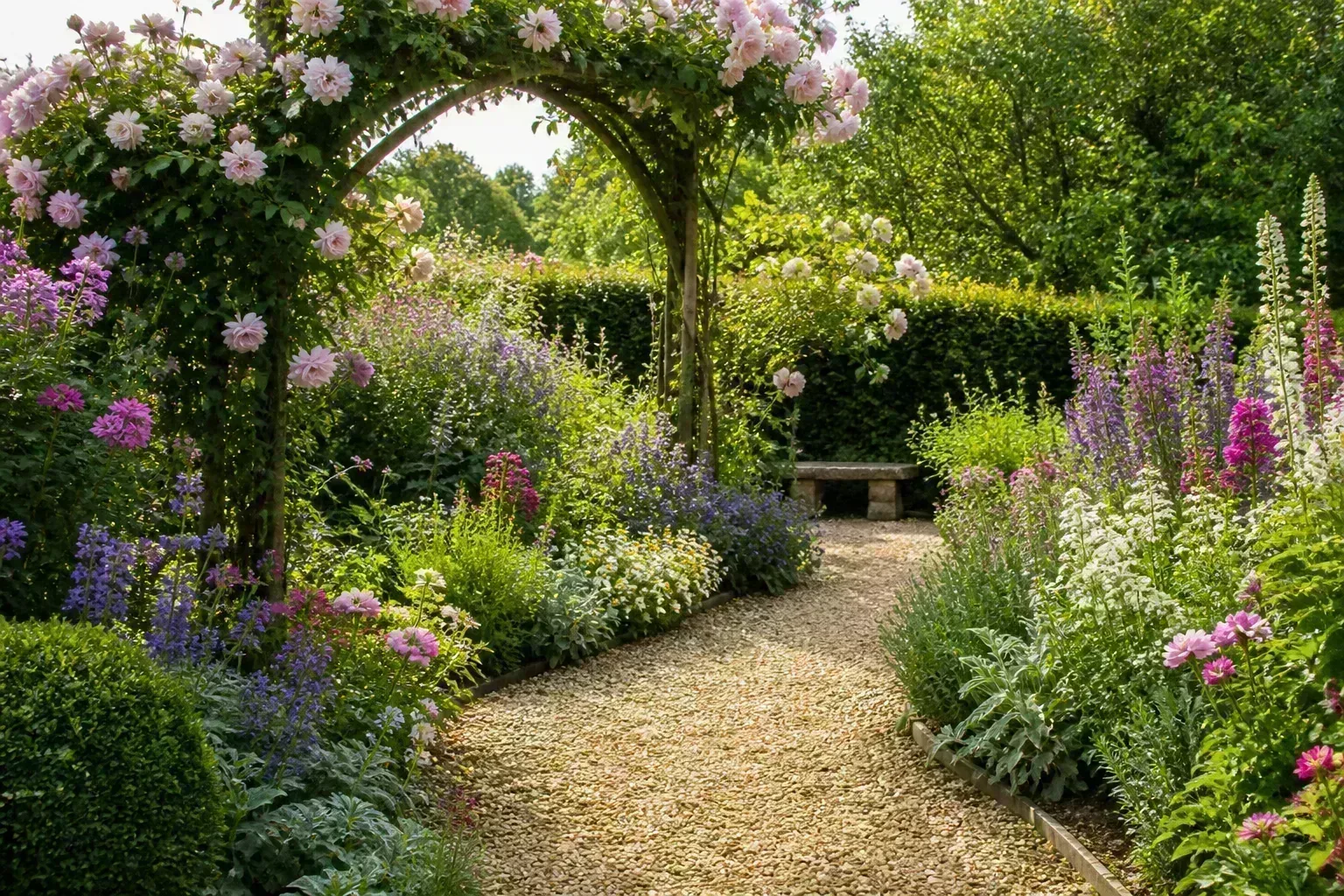
A border that stays colorful June through August is really three overlapping layers: early starters (catmint, cranesbill geranium), midsummer anchors (phlox, coneflower, bee balm, daylily), and late-summer extenders (sedum, autumn sage, hardy ageratum). You do not need all nineteen plants. Pick six to ten that share your sun and soil conditions, then place taller species at the back and trailing or ground-hugging types at the front.
Match Sun, Drainage, and USDA Zone Before You Shop
Group plants by light requirement first. Coneflower, coreopsis, yarrow, butterfly bush (where legal to plant), and most salvias want full sun — at least six hours of direct light. Cranesbill geranium, catmint, and some clematis tolerate part shade but bloom heaviest with more sun. Lavender demands full sun and sharp drainage; it fails fast in heavy clay or humid summers without excellent air movement.
Check USDA zones on every label. A plant rated zones 5–9 will overwinter in Chicago but may struggle as a perennial in zone 4 without protection. Autumn sage (Salvia greggii) is reliably root-hardy from zone 6 south; treat it as an annual or container plant farther north. When in doubt, the USDA Plant Hardiness Zone Map is the starting point — your local frost calendar tells you whether August planting still has enough weeks for roots to establish before winter.
Garden Phlox — Fragrant Midsummer Spikes
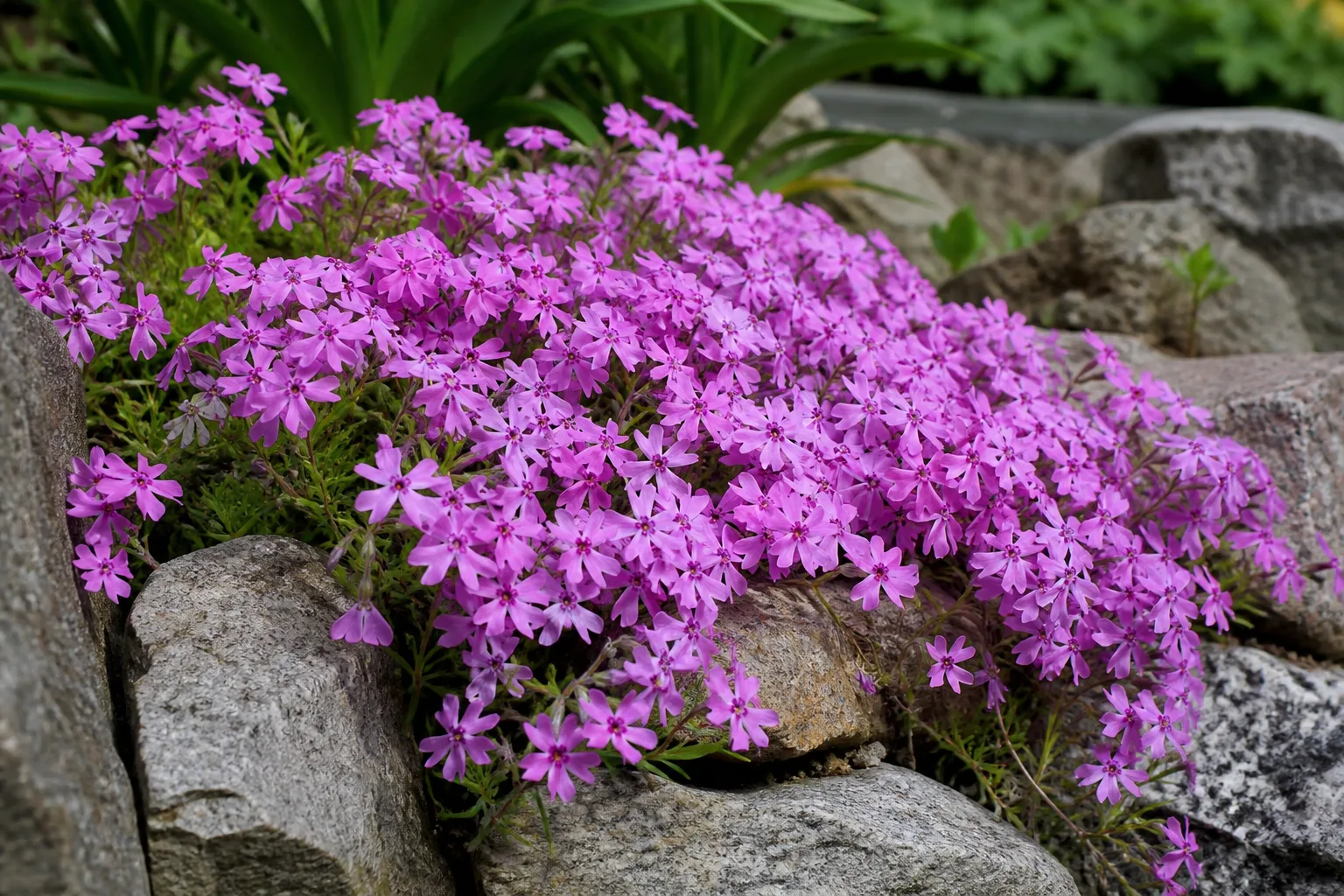
Tall garden phlox (Phlox paniculata) is one of the longest-blooming herbaceous perennials in a cottage border, with fragrant flower panicles from midsummer into early fall in zones 3–9. Plants range from 2 to 5 feet tall depending on cultivar, with colors from white through magenta. NC State Extension describes garden phlox as a popular border plant that attracts butterflies and hummingbirds when sited in full sun to light shade with moist, well-drained, slightly acidic soil.
The catch is powdery mildew — a white fungal coating on leaves that disfigures plants in humid summers. Modern mildew-resistant cultivars such as ‘David’ and the Fashionably Early series perform far better than old-fashioned varieties. Space plants for air circulation, water at the base rather than overhead, and thin crowded stems in spring. Deadhead spent panicles to encourage side shoots and extend bloom into September.
Quick specs: Zones 3–9 | 2–5 ft. tall | Full sun to light shade | Moist, well-drained soil | Deadhead for extended bloom | Watch for mildew on older cultivars
Coreopsis — Shear for a Second Summer Flush
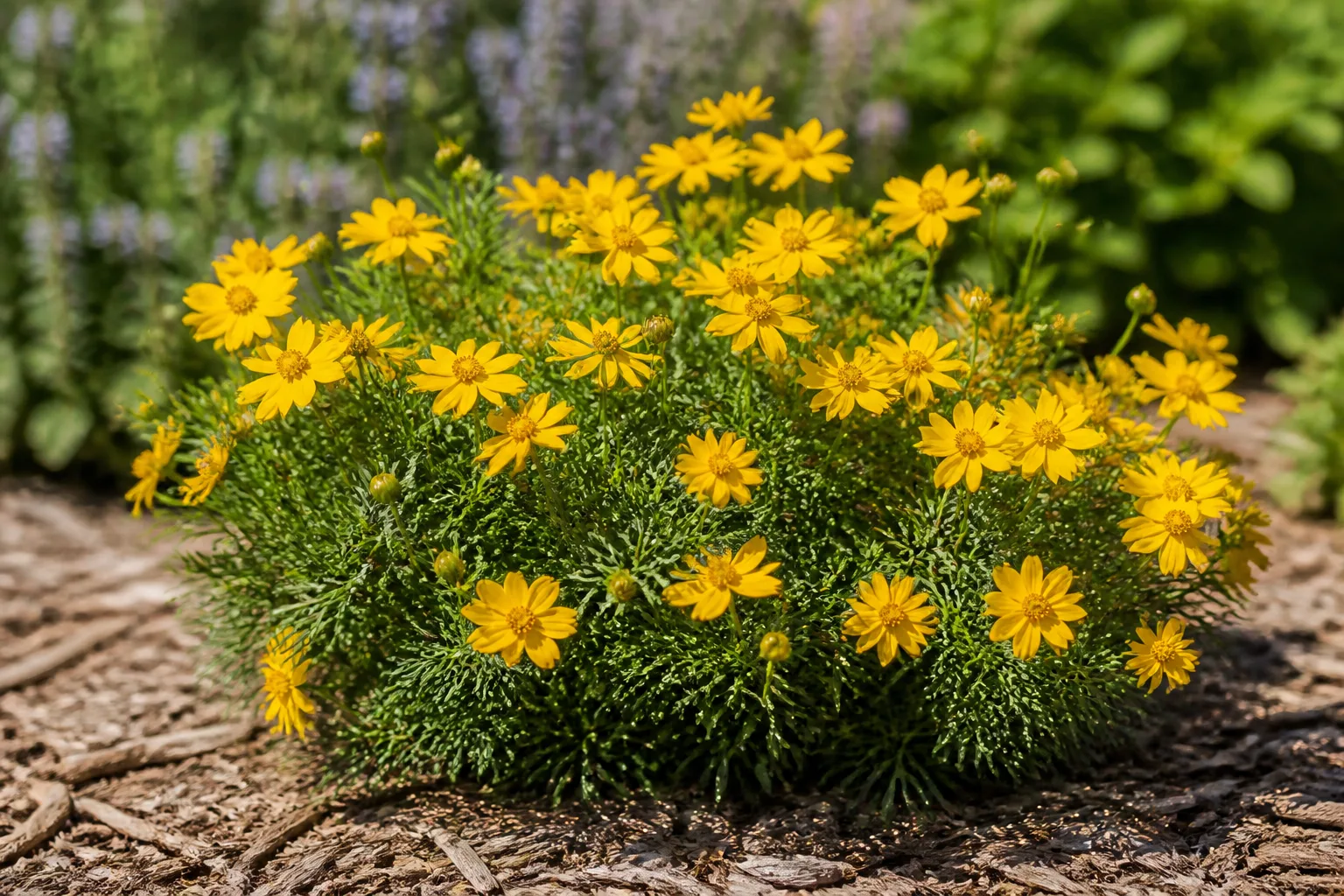
Threadleaf coreopsis (Coreopsis verticillata) and its hybrids are workhorses for full-sun borders in zones 3–9, with ferny foliage and yellow or gold daisy flowers from early summer into fall when maintained correctly. NC State Extension notes that cultivars like ‘Moonbeam’ bloom heavily and benefit from shearing after the first flush to prevent legginess and stimulate rebloom.
This is a shear, not deadhead plant. When roughly half the flowers have faded, cut the whole plant back by one-third with hedge shears. Within three to four weeks, fresh foliage and a second round of blooms appear. Coreopsis tolerates drought once established and attracts bees and butterflies. It can self-seed in loose soil — remove seedlings if you want to control spread.
Quick specs: Zones 3–9 | 1–3 ft. tall | Full sun | Sandy, well-drained soil | Shear after first flush | Drought-tolerant once established
Coneflower — The Pollinator Backbone of July Borders
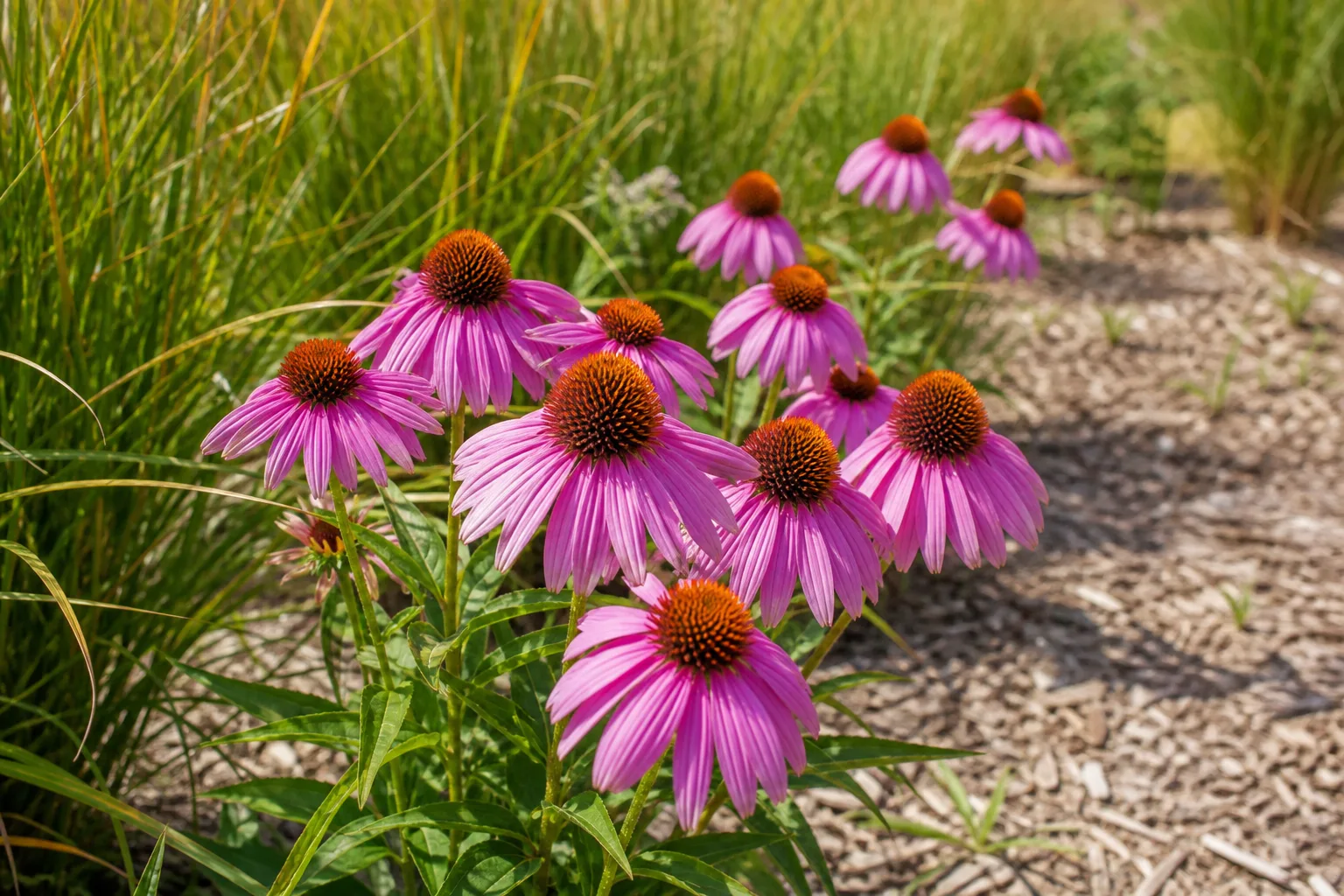
Purple coneflower (Echinacea purpurea) pushes stiff, daisy-like blooms from June through August (often longer with deadheading) in zones 3–9. NC State Extension calls it one of the most popular long-blooming perennials, noting its value for butterflies and birds that feed on seed heads left through winter. Modern cultivars expand the color palette beyond purple — white, orange, red, and double forms — though straight species and near-species types often prove toughest over time.
Deadhead spent flowers through midsummer if you want maximum rebloom; leave some seed heads in late summer for goldfinches. Coneflower reseeds freely in loose soil — transplant volunteers in spring or pull unwanted seedlings. For deeper cultural detail and problem troubleshooting, see our purple coneflower growing guide.
Quick specs: Zones 3–9 | 2–4 ft. tall | Full sun | Average to dry soil | Deadhead for rebloom; leave late seed heads for birds
Catmint — Soft Purple Haze That Rebloom After Shearing
Catmint (Nepeta spp., especially N. racemosa ‘Walker’s Low’ and N. x faassenii) forms mounding clumps of gray-green foliage topped with lavender-blue flower spikes from late spring through summer in zones 4–8. NC State Extension describes catmint as a long-blooming, drought-tolerant perennial for full sun to light shade with well-drained soil. Bees and butterflies visit constantly; deer and rabbits usually pass it by.
After the first heavy flush fades in midsummer, shear the plant back by half. Fresh growth and a second bloom wave follow within weeks. Catmint pairs beautifully in front of taller coneflower or phlox, softening the border edge without competing for height. It is not the culinary catnip cats roll in — though neighborhood cats may still investigate.
Quick specs: Zones 4–8 | 1–2 ft. tall | Full sun to part shade | Well-drained soil | Shear after first flush | Deer resistant
Daylily — One-Day Flowers, Weeks of Scapes
Daylilies (Hemerocallis spp.) confuse beginners because each flower lasts only one day — yet a healthy clump produces scapes with dozens of buds over four to six weeks in summer. Rebloomers such as ‘Stella de Oro’ and ‘Happy Returns’ push additional scapes after the first round, extending color from June into September in zones 3–10.
Plant a mix of early, midseason, and late cultivars rather than relying on one variety. Deadheading individual spent flowers is optional but keeps plants tidy; removing entire finished scapes at the base redirects energy. Daylilies tolerate a wide range of soils but bloom best in full sun with consistent moisture during scape development. Divide crowded clumps every three to five years in early spring or fall to maintain vigor.
Quick specs: Zones 3–10 | 1–4 ft. tall | Full sun to light shade | Adaptable soil | Mix early/mid/late cultivars | Divide every 3–5 years
Butterfly Bush — Long Bloom With an Invasive Caveat
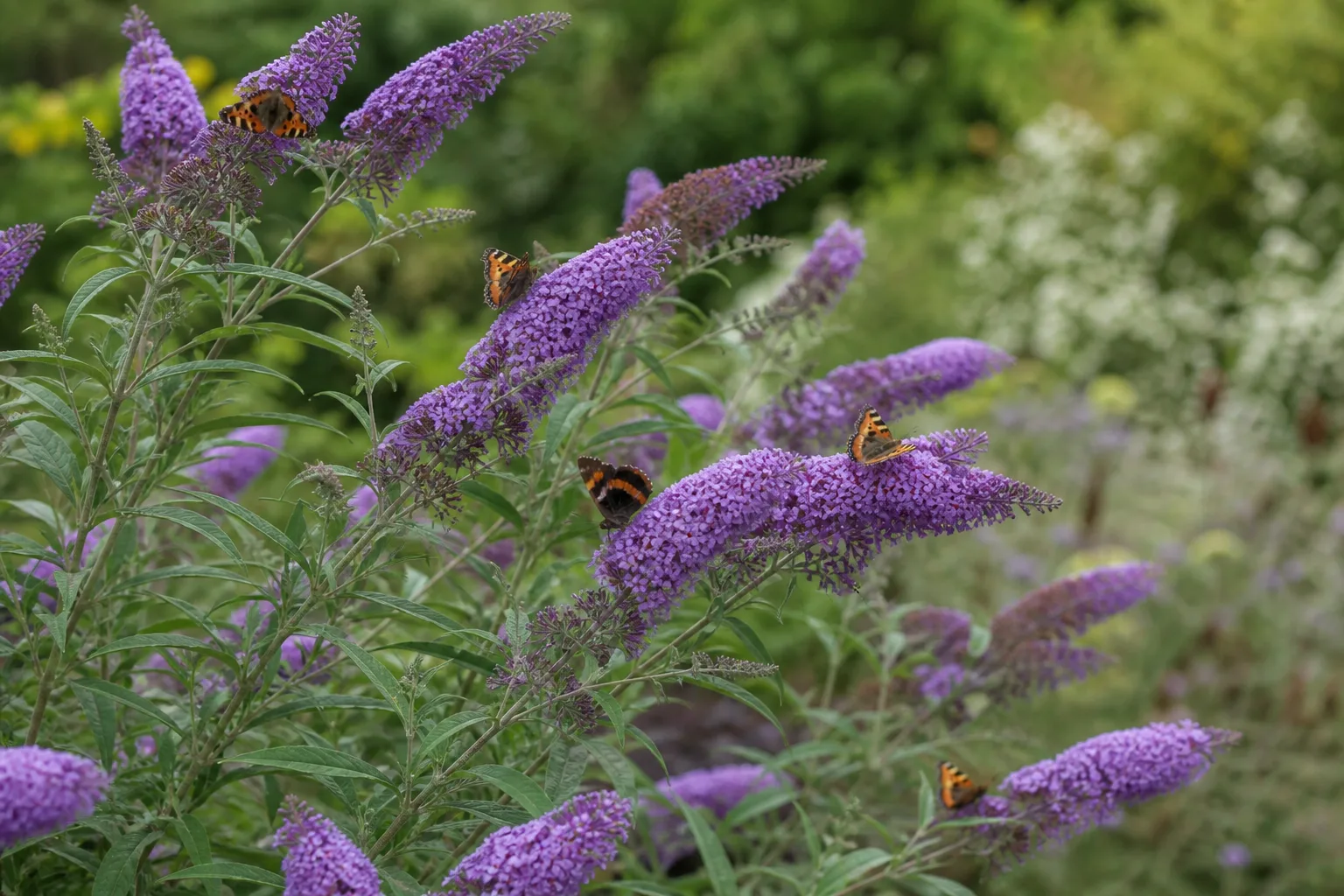
Butterfly bush (Buddleja davidii) produces fragrant panicles that attract butterflies from midsummer into fall in zones 5–9, with some compact cultivars fitting smaller spaces. The problem is ecological: standard B. davidii is documented as invasive in many U.S. regions because it sets abundant viable seed that escapes into roadsides and natural areas. The Invasive Plant Atlas lists it as a species of concern across the Northeast, Pacific Northwest, and other areas.
If you want butterfly bush flowers without invasive risk, plant sterile, seedless cultivars from the Flutterby, Lo & Behold, or similar series that produce little or no viable seed. Even sterile types need annual late-winter pruning — cut stems back hard to 12–18 inches — to control size and encourage vigorous summer bloom. In regions where B. davidii is restricted or banned, skip this genus entirely and rely on coneflower, bee balm, and agastache for pollinator color.
Quick specs: Zones 5–9 | 3–10 ft. tall (varies by cultivar) | Full sun | Well-drained soil | Prune hard in late winter | Use sterile cultivars only
Knock Out Rose and Cranesbill Geranium
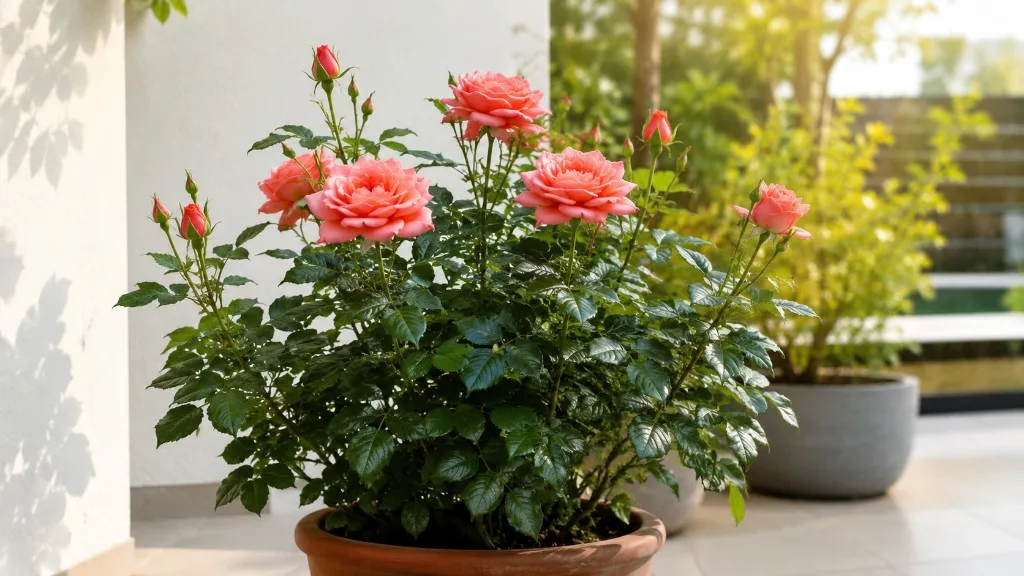
Knock Out roses (Rosa ‘Radrazz’ and the series) behave more like flowering shrubs than traditional hybrid teas, blooming from late spring through frost in zones 5–11 with far less spraying for black spot. They want full sun, good air circulation, and consistent moisture during establishment. Deadhead spent clusters to encourage new buds, though many gardeners let the plants self-clean. Expect 3–4 feet of height on standard types; dwarf forms stay under 3 feet for foundation plantings.
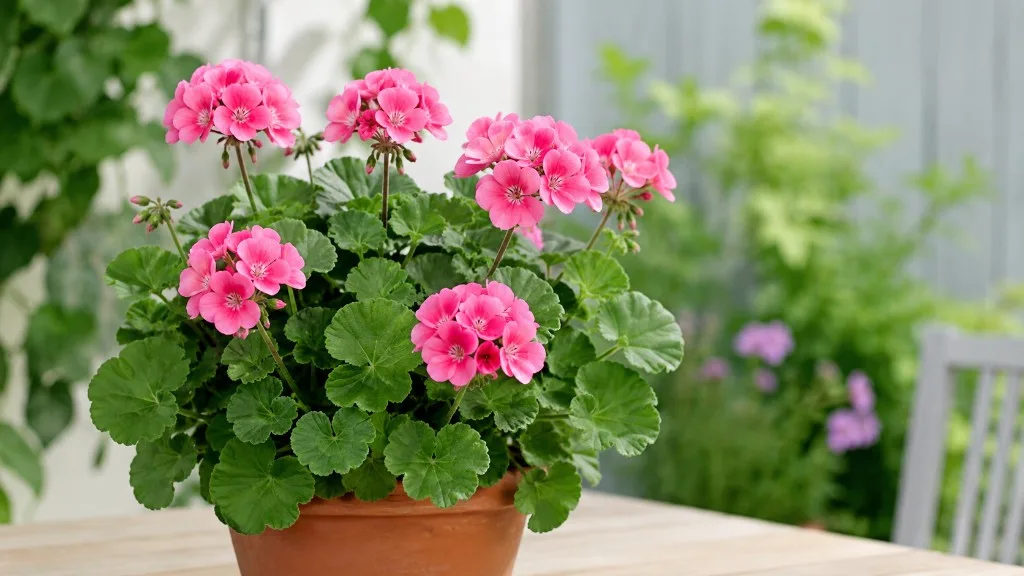
Cranesbill geranium (Geranium spp. — not bedding pelargoniums) spreads into low mounds with five-petaled flowers from late spring through fall in zones 4–9. Popular cultivars like ‘Rozanne’ and ‘Biokovo’ rebloom heavily when you shear back leggy growth in midsummer. They tolerate part shade better than most plants on this list, making them invaluable for east-facing borders. Moist, well-drained soil keeps foliage crisp; soggy winter soil causes crown rot.
Quick specs — Knock Out rose: Zones 5–11 | 3–4 ft. | Full sun | Deadhead for tidier rebloom
Quick specs — Cranesbill geranium: Zones 4–9 | 6–18 in. | Sun to part shade | Shear in midsummer for second flush
Bee Balm and Sedum — Midsummer to Early Fall Color
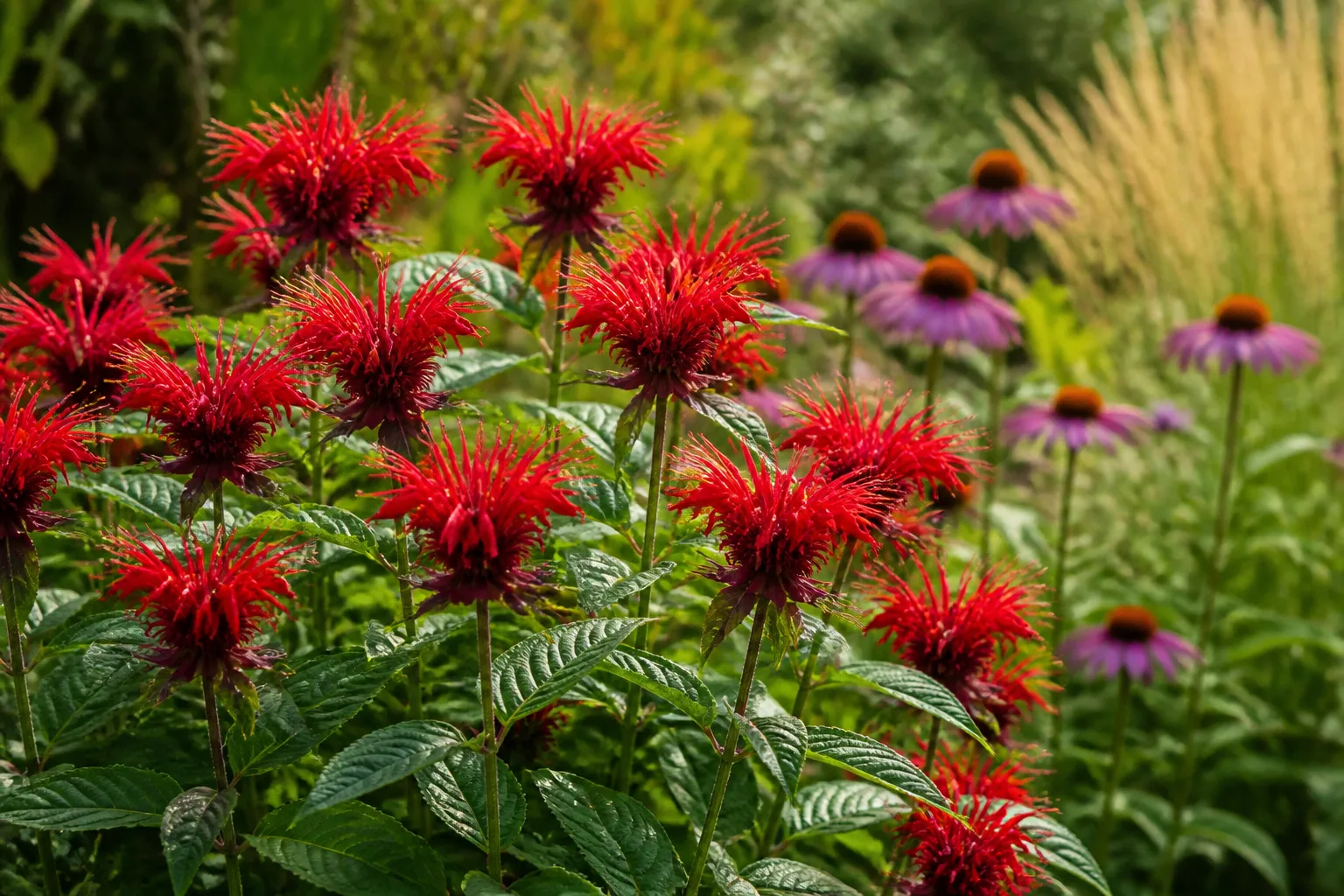
Bee balm (Monarda didyma and hybrids) sends up shaggy red, pink, or purple flower heads from early to late summer in zones 4–9, drawing hummingbirds, bees, and butterflies. Powdery mildew is the main headache — choose resistant cultivars like ‘Jacob Cline’ or ‘Marshall’s Delight’, space plants for airflow, and avoid overhead watering. Deadhead spent heads to encourage side blooms. Our bee balm growing guide covers mildew prevention and division timing in more depth.
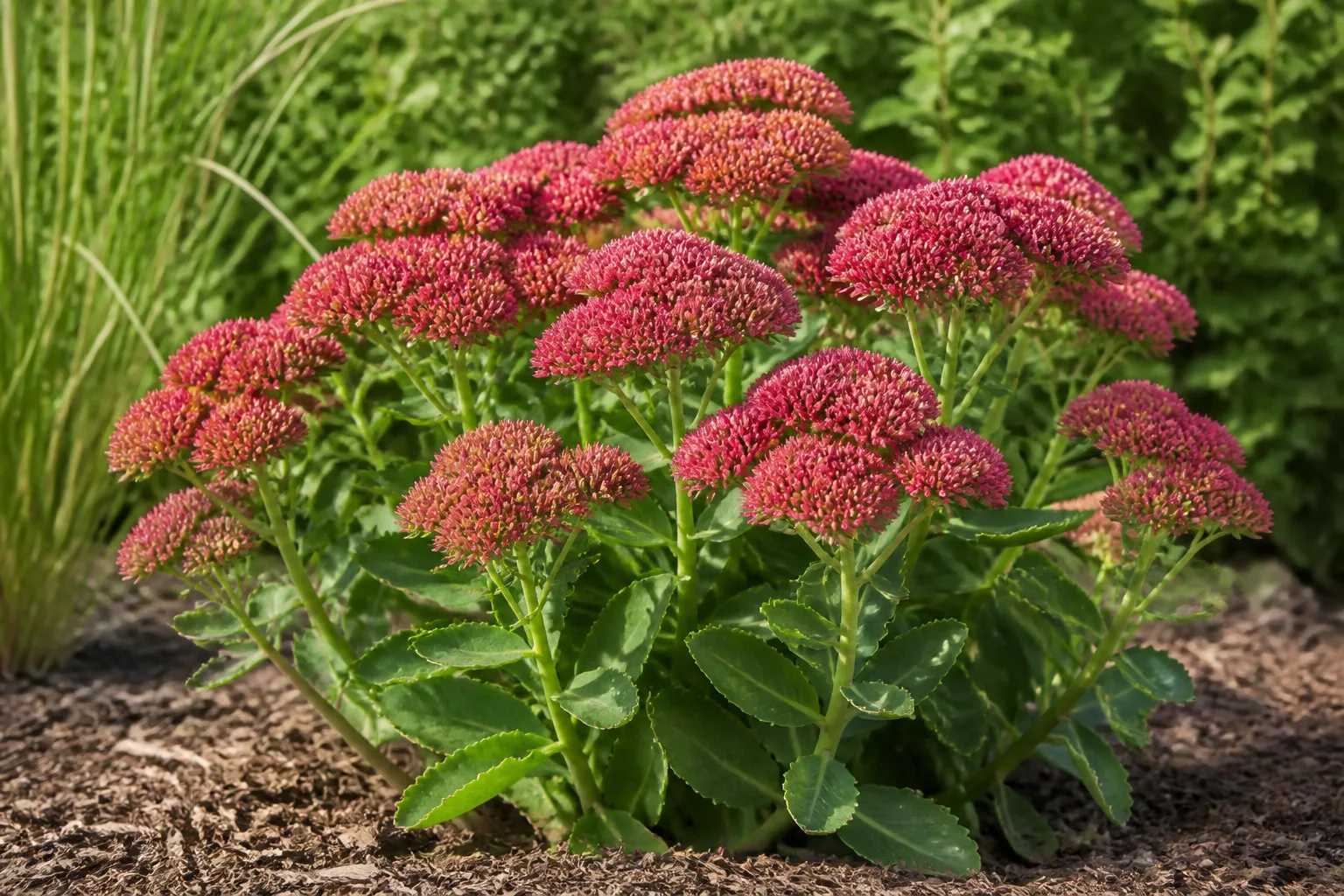
Sedum (showy stonecrop, now often classified as Hylotelephium) offers a different kind of summer color: broccoli-like buds that open pink and deepen to rust-red from late summer into fall. ‘Autumn Joy’ and ‘Neon’ are border standards in zones 3–9, thriving in full sun and poor to average soil with excellent drainage. Sedum does not need deadheading — the dried flower heads provide winter interest and bird food. Divide clumps every few years if centers die out.
Quick specs — Bee balm: Zones 4–9 | 2–4 ft. | Sun to part shade | Deadhead; choose mildew-resistant cultivars
Quick specs — Sedum: Zones 3–9 | 1–2 ft. | Full sun | Dry to average soil | No deadheading needed
Yarrow, Lavender, and Autumn Sage for Heat and Drought
Yarrow (Achillea millefolium and hybrids) carries flat-topped flower clusters from early summer into fall in zones 3–9, tolerating heat, drought, and poor soil once rooted. NC State Extension notes its value in butterfly gardens and its tendency to spread by rhizome and seed. Deadhead faded heads to limit self-sowing and encourage repeat bloom. Avoid over-fertilizing — rich soil produces floppy stems.
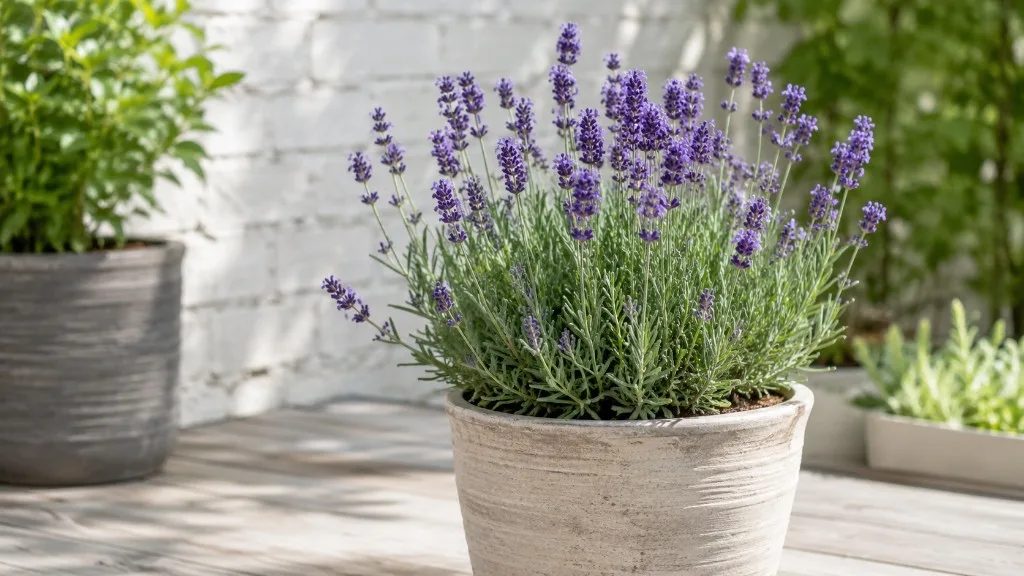
English lavender (Lavandula angustifolia) blooms for several weeks in early to midsummer in zones 5–8 when sited in full sun with sharp drainage. It is not a true “all summer” bloomer like coreopsis, but its silvery foliage carries the border between flushes, and a second lighter bloom sometimes follows shearing. Lavender fails in heavy clay and humid summers without raised beds or gravel amendment. See our lavender care guide for siting detail.
Autumn sage (Salvia greggii) blooms from early summer through fall in zones 6–9, with red, pink, or coral tubular flowers that hummingbirds patrol. It is drought-tolerant and deer-resistant once established. In zone 5, treat it as a container plant or annual unless you have a reliably mild microclimate.
Quick specs — Yarrow: Zones 3–9 | 2–3 ft. | Full sun | Deadhead; lean soil
Quick specs — Lavender: Zones 5–8 | 1–3 ft. | Full sun, sharp drainage | Shear lightly after bloom
Quick specs — Autumn sage: Zones 6–9 | 2–3 ft. | Full sun | Deadhead; drought-tolerant
Clematis, Speedwell, Pincushion Flower, and Bellflower
Clematis bloom length depends entirely on pruning group. Viticella-type clematis (such as ‘Niobe’, ‘Etoile Violette’, and ‘Polish Spirit’) flower on new wood from midsummer into fall in zones 4–9 with minimal fuss — cut back to 12–18 inches in late winter. Large-flowered early hybrids bloom mainly in spring and need different pruning; do not grab the first clematis at the nursery without checking the tag.
Spiked speedwell (Veronica spicata) sends up dense blue, pink, or white flower spikes from early to late summer in zones 3–8. Deadhead spent spikes for side shoots. It wants full sun and well-drained soil; wet winter conditions cause crown rot in clay.
Pincushion flower (Scabiosa columbaria and hybrids) produces delicate, lacy blooms from late spring through fall in zones 3–9 with regular deadheading. Full sun and neutral to alkaline soil suit it best. It is shorter than speedwell — ideal for front-of-border placement.
Bellflower (Campanula spp.) includes ground-hugging types like ‘Blue Waterfall’ that trail over walls with star-shaped blue flowers from late spring through summer in zones 4–7. Taller species extend the genus into midsummer. Most want sun to part shade and consistent moisture without waterlogging.
Hardy Ageratum and Hummingbird Mint
Do not confuse hardy ageratum (Eupatorium coelestinum, also called mistflower or blue boneset) with the annual bedding ageratum (Ageratum houstonianum). The perennial form is a late-summer to fall star in zones 5–9, with fuzzy blue-purple flowers that peak in August and September — extending your border after midsummer anchors fade. It spreads by rhizome; contain it with a root barrier or pull wandering shoots in spring if you have limited space.
Hummingbird mint (Agastache spp.) offers aromatic foliage and spikes of orange, pink, or purple tubular flowers from midsummer into fall in zones 5–9 (some species to zone 4). Full sun and well-drained soil are essential — wet winter roots kill plants faster than summer drought. Pollinators mob the blooms; deer usually avoid the scented leaves.
Quick specs — Hardy ageratum: Zones 5–9 | 2–3 ft. | Sun to part shade | Contains spreader; late-season color
Quick specs — Hummingbird mint: Zones 5–9 | 2–5 ft. | Full sun | Sharp drainage; drought-tolerant
Summer Maintenance Habits That Keep Color Coming
The difference between a border that peaks in June and one that carries through August usually comes down to three habits: deadheading or shearing on schedule, watering deeply during dry spells, and refusing to let spent plants go to seed before you are ready.
Deadhead these for rebloom: coneflower, bee balm, yarrow, pincushion flower, speedwell, Knock Out roses, autumn sage, hummingbird mint.
Shear these after the first flush: coreopsis, catmint, cranesbill geranium, lavender (lightly).
Leave seed heads for birds: late-season coneflower, sedum.
Water deeply once a week during drought rather than sprinkling daily — shallow moisture encourages shallow roots that quit in heat. Mulch with 2 inches of shredded bark or compost to cut evaporation, keeping mulch away from crown centers. Divide overcrowded clumps of phlox, daylily, and bee balm in early spring or fall to maintain vigor and airflow.
For a broader look at perennials that span multiple seasons beyond summer, our long-blooming perennials guide covers eighteen species sequenced from spring through fall.
Conclusion
These nineteen perennials can keep your yard colorful through the hottest months when you treat “all summer” as overlapping bloom windows rather than a single magic trait. Start with six to eight plants matched to your sun, drainage, and zone — phlox and coneflower for midsummer structure, coreopsis and catmint for rebloom after shearing, sedum and hardy ageratum for late-season depth. Deadhead the plants that respond to it, shear the ones that need a harder reset, and plant butterfly bush only as a sterile cultivar where it is not invasive. Do that, and July will look as intentional as June — without buying a flat of annuals every Memorial Day weekend.