Best Plants for Forgetful Waterers
Drought-tolerant houseplants that survive missed waterings and travel weeks.
Best Plants for Forgetful Waterers
Quick recommendation
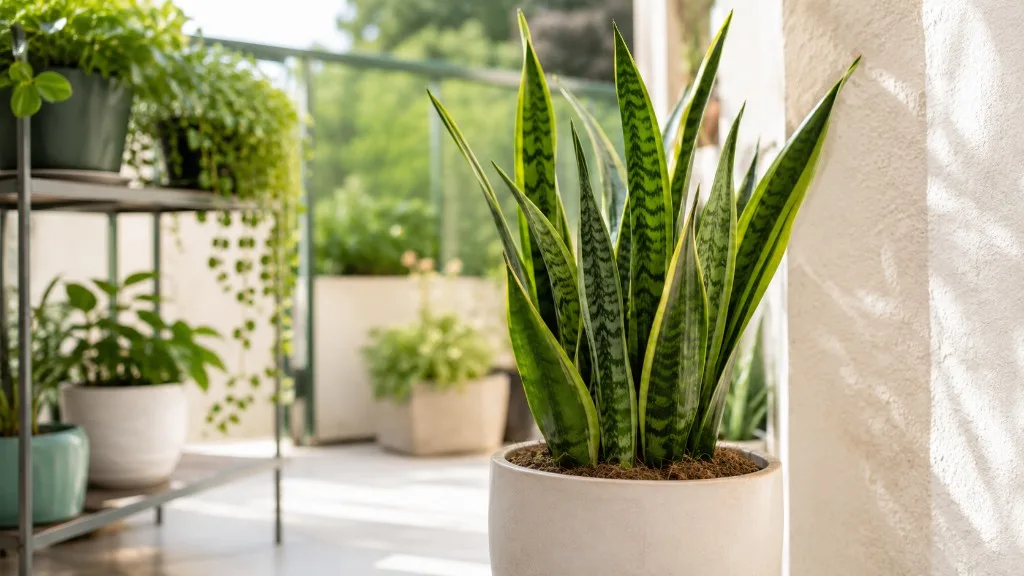
Snake plant, ZZ plant, and jade plant go weeks without water in moderate light.
Best Plants for Forgetful Waterers
Drought-tolerant houseplants that survive missed waterings and travel weeks.
Quick recommendation
Snake plant, ZZ plant, and jade plant go weeks without water in moderate light.
Forgetful waterers travel, work long hours, or simply forget the watering can exists. The best drought-tolerant houseplants store water in leaves, stems, or bulbs and slow down when soil dries—without dying the first week you are away.
This guide compares ten species by drought tolerance, travel survival, and light needs. See also Plants for Overwaterers and Best Low-Maintenance Indoor Plants.
The ten best plants for forgetful waterers for most homes are Snake plant, ZZ plant, Jade plant, Aloe vera, Haworthia, Ponytail palm, Yucca plant, Christmas cactus, Cast iron plant, Burro’s tail. Forgetful watering is not zero watering—every plant needs water eventually.
Depends on light, pot size, and species. Snake plant and ZZ plant often survive two to four weeks without water in moderate indoor light. Thin-leaved ferns may fail in days. Extension guidance emphasizes checking soil moisture rather than fixed calendars. (University of Georgia Extension)
Before travel: water thoroughly, move plants out of hot windows, and group pots away from heating vents.
For maximum drought tolerance, choose snake plant or ZZ plant. For sunny sills and neglect, choose jade plant or aloe vera. For pet-safe neglect, choose haworthia or ponytail palm. For dim corners and travel, choose cast iron plant.
Match water storage to your forgetfulness level. Use drainage so occasional deep watering does not rot roots. Larger pots dry slower—helpful for travelers.
Ranked by documented drought tolerance and recovery after dry spells—not desert outdoor extremes.
| Plant | Best For | Light | Care Level | Main Trade-Off |
|---|---|---|---|---|
| Snake plant | Drought champion | Low–bright indirect | Easy | Toxic to pets |
| ZZ plant | Rhizome water storage | Low–medium indirect | Easy | Toxic to pets |
| Jade plant | Succulent tree | Bright to direct sun | Easy | Needs sun |
| Aloe vera | Medicinal succulent | Bright to direct sun | Easy | Toxic to pets |
| Haworthia | Pet-safe succulent | Bright indirect | Easy | Needs some light |
| Ponytail palm | Water-storing base | Bright to direct sun | Easy | Bulb rots if wet |
| Yucca plant | Architectural canes | Bright to direct sun | Easy | Toxic to pets |
| Christmas cactus | Seasonal bloomer | Bright indirect | Easy | Less extreme than snake plant |
| Cast iron plant | Indestructible foliage | Low–medium indirect | Easy | Very slow |
| Burro’s tail | Succulent cascade | Bright to direct sun | Medium | Fragile leaves |
Best for: travelers and busy owners
Difficulty: Easy
Light: Low–bright indirect
Water: Every 2–4 weeks
Best placement: Any corner
Pet safety: Toxic if ingested
Typical indoor size: 1–4 ft
Snake plant stores water in thick leaves—weeks without water in moderate light.
Why it works: Top drought survivor.
Who it is for: Frequent travelers.
Care reality: Shrivel slightly before permanent damage.
Common mistake: Watering weekly from guilt.
Limitation: Toxic to pets.
Useful care guides:
Best for: office forgetfulness
Difficulty: Easy
Light: Low–medium indirect
Water: Every 2–4 weeks
Best placement: Desk or dim corner
Pet safety: Toxic if ingested
Typical indoor size: 2–3 ft
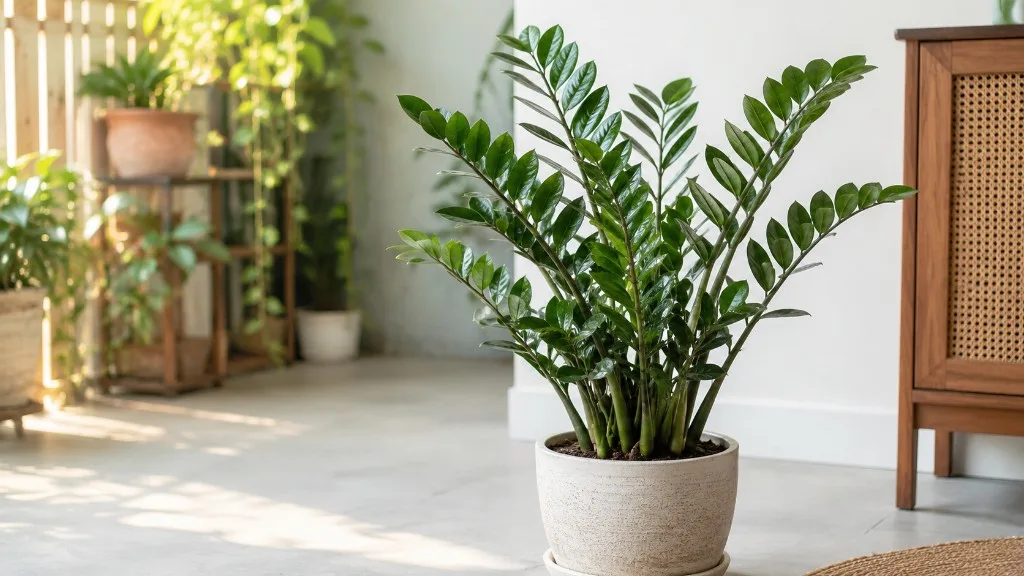
ZZ plant rhizomes hold moisture for weeks between waterings.
Why it works: Glossy neglect-proof leaves.
Who it is for: Busy office workers.
Care reality: Thrives when ignored.
Common mistake: Overwatering from coworker kindness.
Limitation: Toxic to pets.
Useful care guides:
Best for: sunny forgetful sills
Difficulty: Easy
Light: Bright to direct sun
Water: Every 2–3 weeks
Best placement: Sunny window
Pet safety: Toxic if ingested
Typical indoor size: 1–3 ft
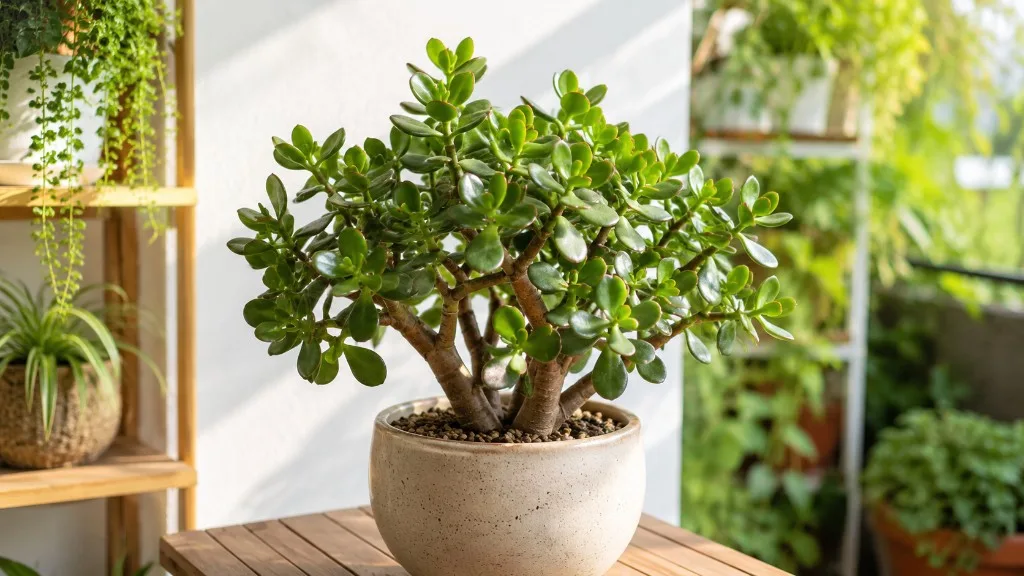
Jade plant succulent leaves shrink when dry—refill when slightly soft.
Why it works: Tree form drought tolerance.
Who it is for: Sunny apartments.
Care reality: Wrinkled leaves mean drink time.
Common mistake: Keeping in dim room—slow death.
Limitation: Toxic to pets.
Useful care guides:
Best for: kitchen neglect
Difficulty: Easy
Light: Bright to direct sun
Water: Every 2–3 weeks
Best placement: Kitchen sill
Pet safety: Toxic if ingested
Typical indoor size: 8–16 in.
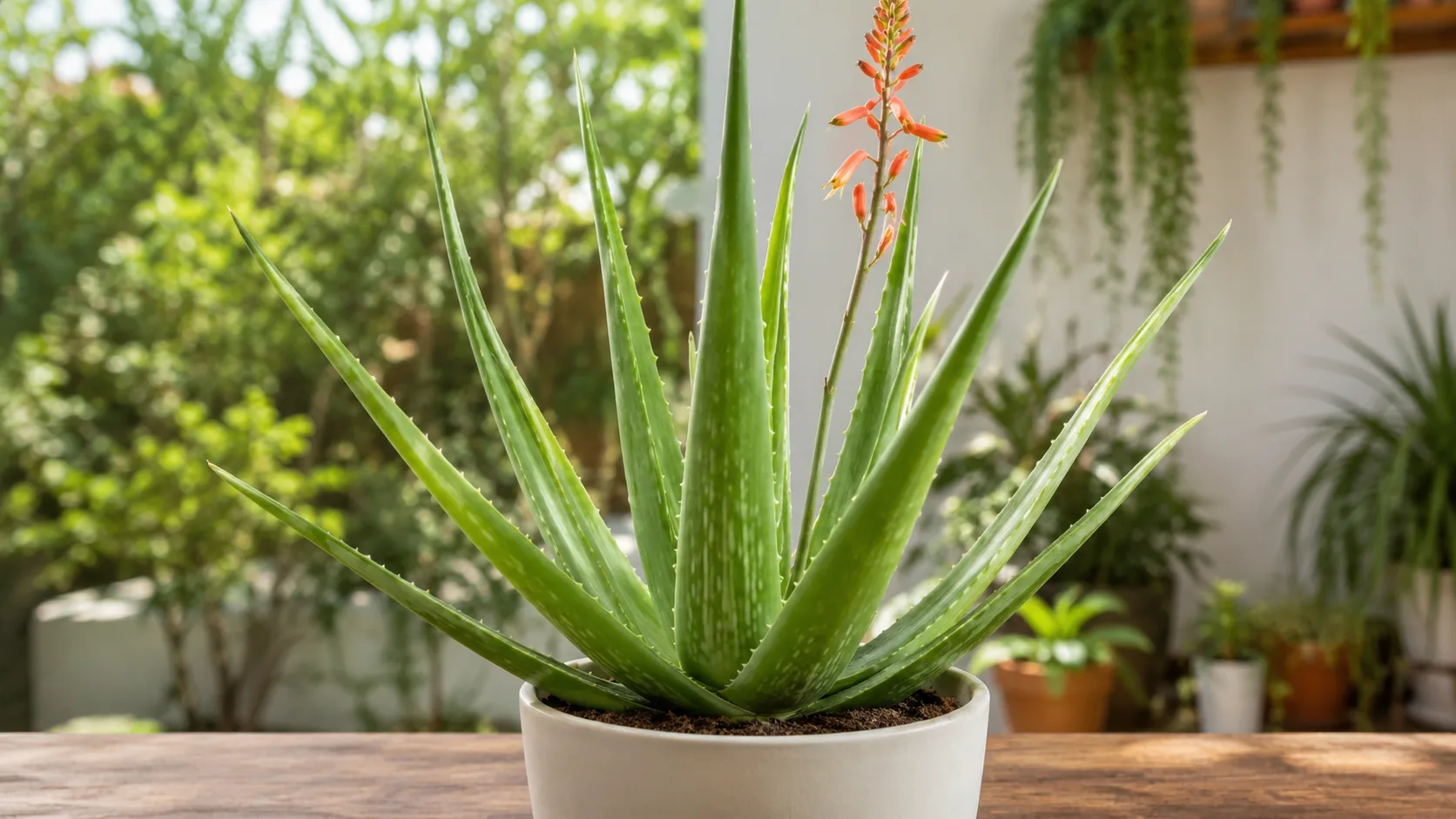
Aloe vera gel-filled leaves survive dry spells on sunny sills.
Why it works: Classic dry windowsill plant.
Who it is for: Kitchen growers.
Care reality: Mushy means overwatered, not underwatered.
Common mistake: Grouping with daily-water ferns.
Limitation: Toxic to pets.
Useful care guides:
Best for: pet-safe desk neglect
Difficulty: Easy
Light: Bright indirect
Water: Every 2–3 weeks
Best placement: Desk near window
Pet safety: Non-toxic (ASPCA)
Typical indoor size: 3–6 in.
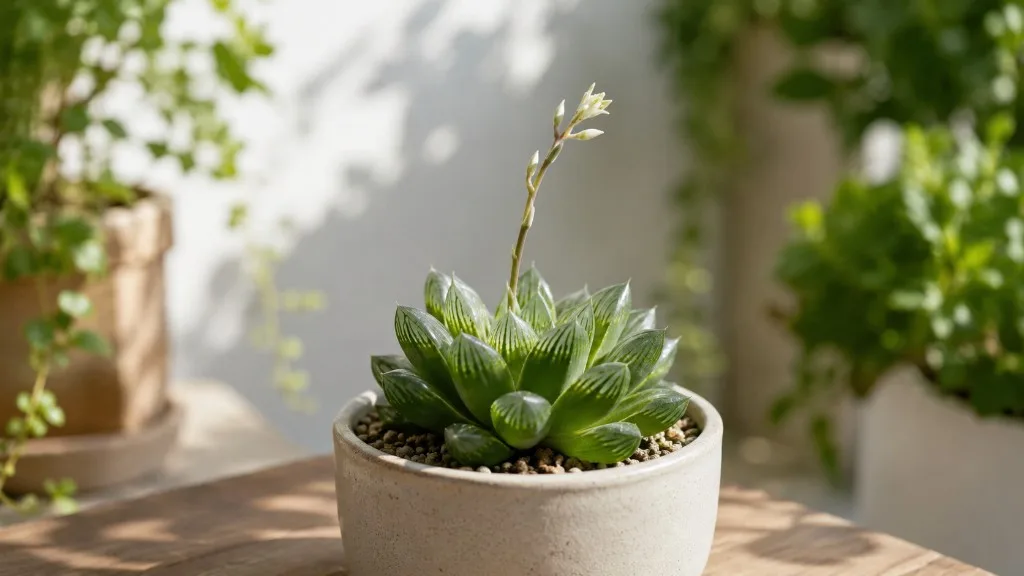
Haworthia compact succulent survives missed weeks on bright desks.
Why it works: Pet-safe drought pick.
Who it is for: Small desk spaces.
Care reality: Firm leaves when hydrated.
Common mistake: Dark desk with no light—dies slowly.
Limitation: Small footprint.
Useful care guides:
Best for: sunny corner neglect
Difficulty: Easy
Light: Bright to direct sun
Water: Every 2–4 weeks
Best placement: Bright corner
Pet safety: Non-toxic (ASPCA)
Typical indoor size: 3–6 ft
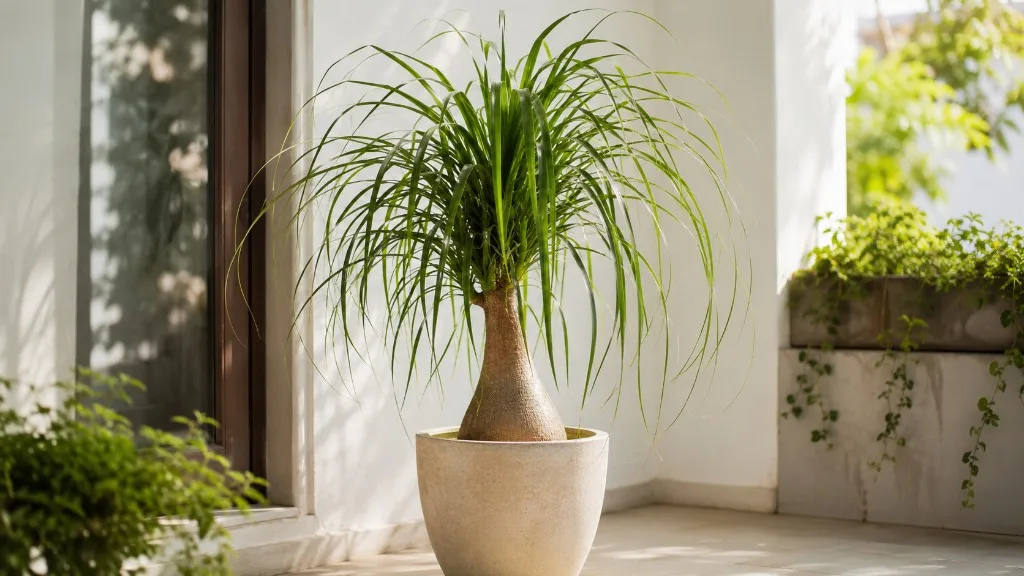
Ponytail palm bulbous base stores water for dry spells.
Why it works: Sculptural drought tree.
Who it is for: Sunny forgetful growers.
Care reality: Bulb rots if soil always wet.
Common mistake: Overwatering after vacation.
Limitation: Needs bright light.
Useful care guides:
Best for: architectural neglect
Difficulty: Easy
Light: Bright to direct sun
Water: Every 2–3 weeks
Best placement: Floor near window
Pet safety: Toxic if ingested
Typical indoor size: 4–8 ft
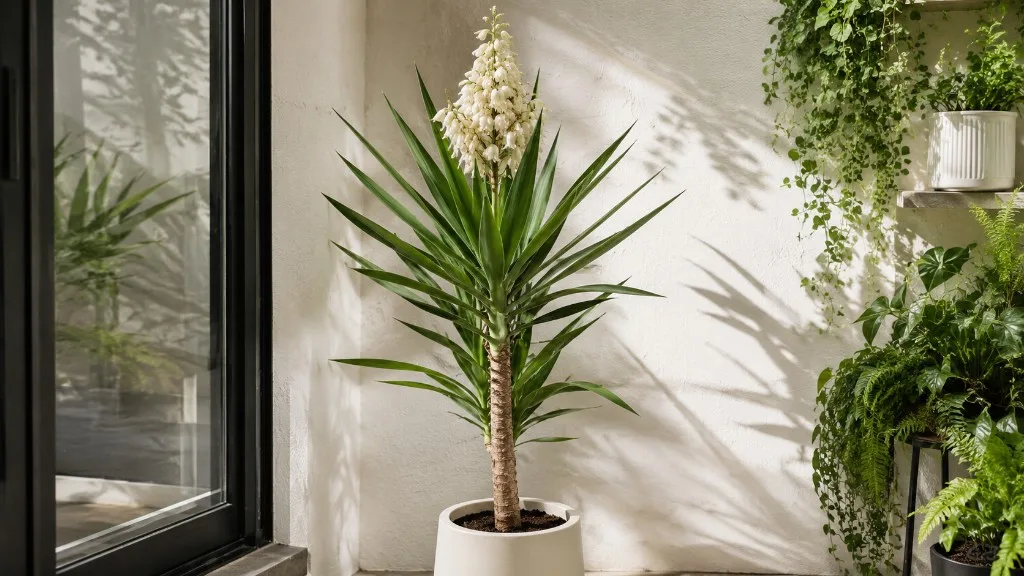
Yucca plant cane form tolerates dry heated apartments.
Why it works: Vertical dry-air survivor.
Who it is for: Modern bright apartments.
Care reality: Yellow mushy cane means overwatered.
Common mistake: Dim corner placement.
Limitation: Toxic to pets.
Useful care guides:
Best for: bright shelf neglect
Difficulty: Easy
Light: Bright indirect
Water: When top inch dries
Best placement: East or west shelf
Pet safety: Non-toxic (ASPCA)
Typical indoor size: 8–12 in.
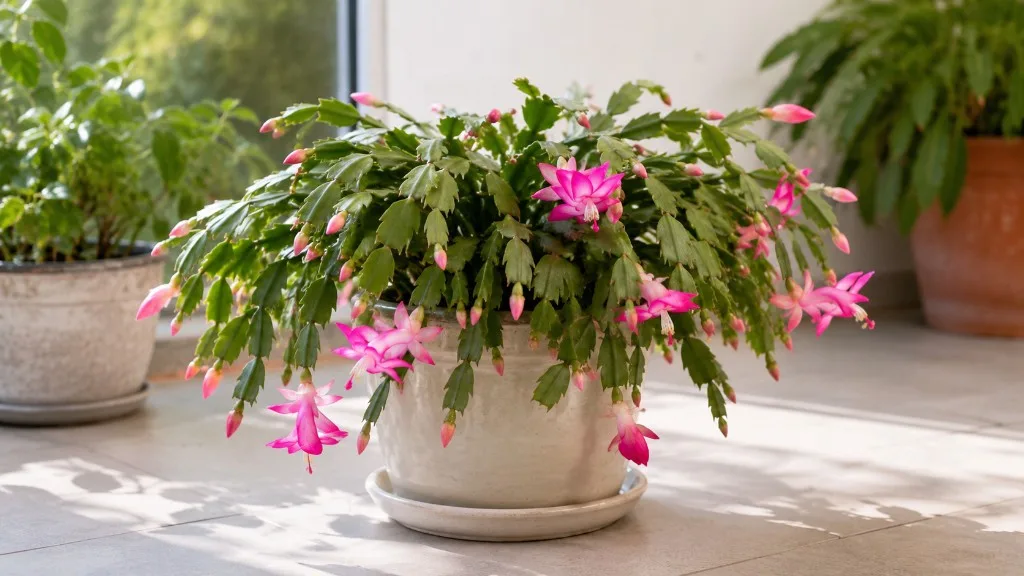
Christmas cactus more drought tolerant than tropical ferns—not as extreme as snake plant.
Why it works: Pet-safe moderate drought.
Who it is for: Growers wanting occasional blooms.
Care reality: Bud drop if too dry during bud set.
Common mistake: Desert-cactus watering only in summer.
Limitation: Bud drop if stressed.
Useful care guides:
Best for: dim corner neglect
Difficulty: Easy
Light: Low–medium indirect
Water: Every 2–3 weeks
Best placement: North hallway
Pet safety: Non-toxic (ASPCA)
Typical indoor size: 2–3 ft
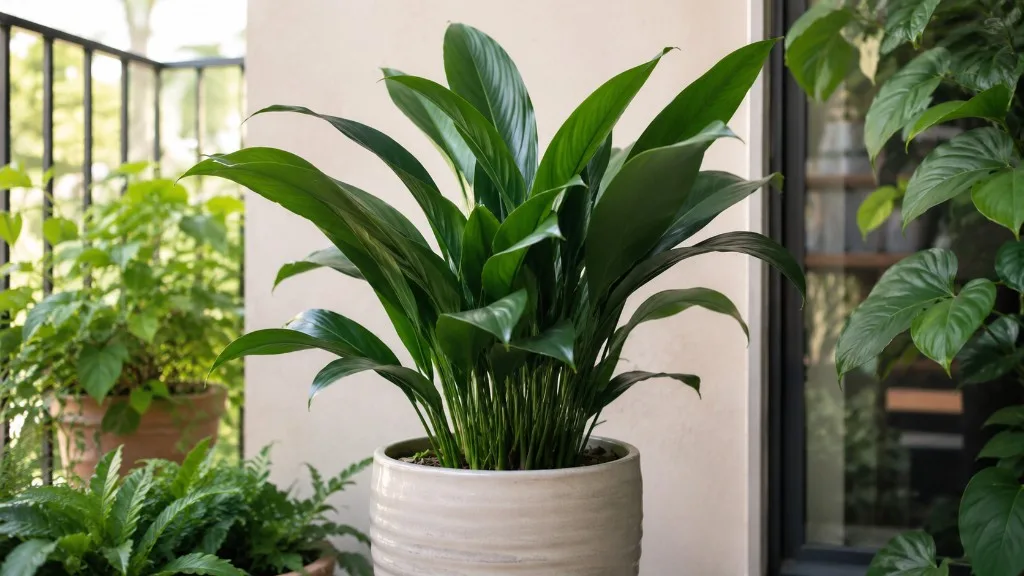
Cast iron plant survives low light and missed waterings together.
Why it works: Dim-room drought pick.
Who it is for: Hallways and north corners.
Care reality: Extremely slow growth.
Common mistake: Overwatering from sympathy.
Limitation: Not showy.
Useful care guides:
Best for: bright hanging neglect
Difficulty: Medium
Light: Bright indirect to sun
Water: Every 2–3 weeks
Best placement: Brightest hook
Pet safety: Non-toxic (ASPCA)
Typical indoor size: Trailing 2–4 ft
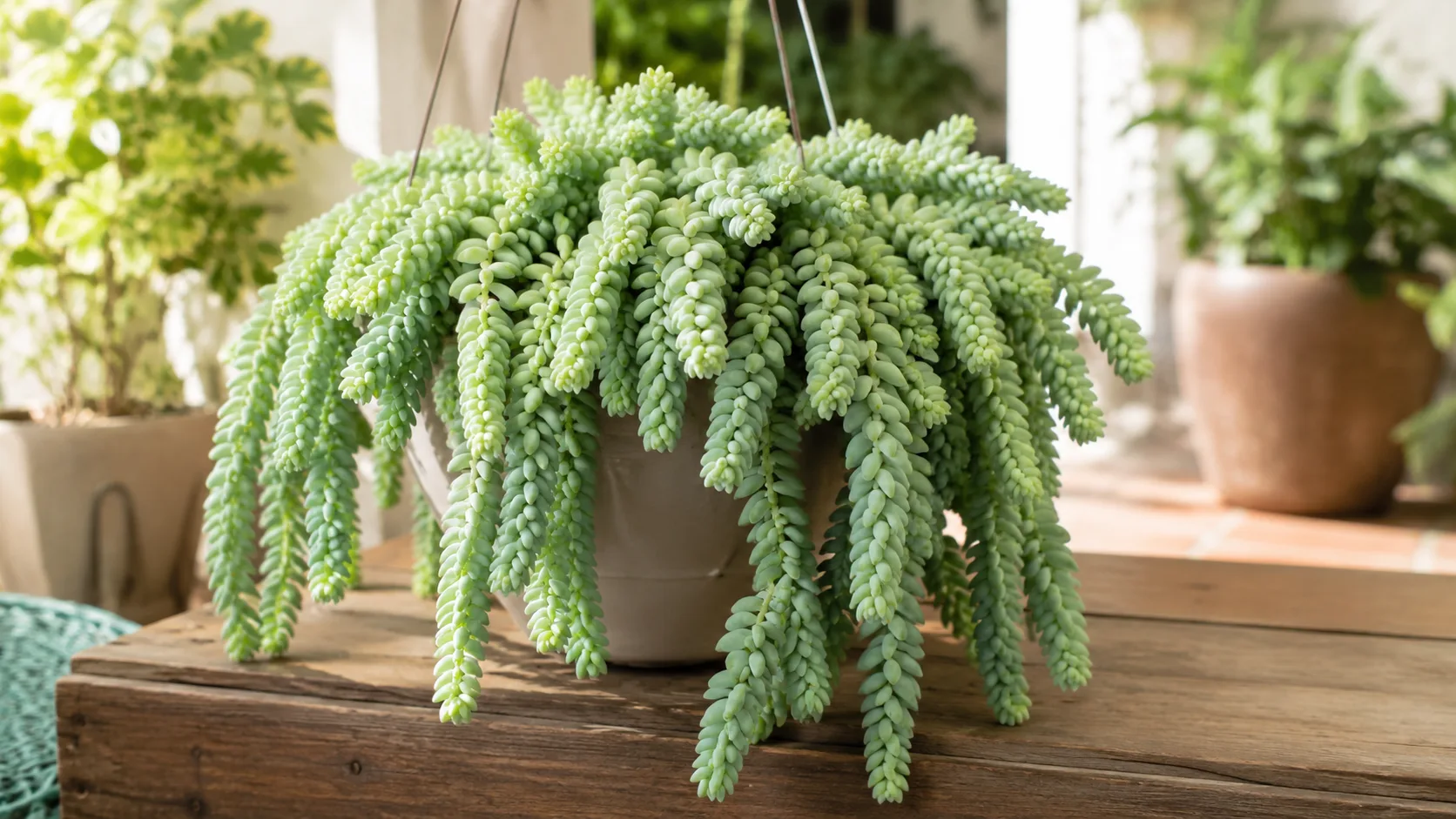
Burro’s tail succulent strands store water—weeks between sink waterings.
Why it works: Trailing drought succulent.
Who it is for: Sunny apartments with high hooks.
Care reality: Leaves fall if bumped when dry.
Common mistake: North-window hanging.
Limitation: Fragile strands.
Useful care guides:
Assuming forgetful means never water. All plants need water eventually—deep soak when soil is fully dry.
Choosing ferns for travelers. Boston fern fails in days—snake plant survives weeks.
Overwatering right after vacation. Check dryness first—plants may not need water the day you return.
Dark room plus forgetful watering. Snake plant and cast iron plant tolerate both; jade needs sun.
Forgetful waterers need water storage, not magic. Snake plant and ZZ plant lead for travel; jade and aloe want sun; haworthia and ponytail palm add pet-safe options. Water deeply, then wait.
This Best Plants for Forgetful Waterers plant list was researched and written by . Plant picks, rankings, and suitability notes for Best Plants for Forgetful Waterers are checked against LeafyPixels plant metadata, care requirements, pet-toxicity references, and practical indoor suitability.
We prioritize sources that hold up under scrutiny:
The LeafyPixels editorial team then reviews the draft for clarity, step-by-step usefulness, and fit with real apartment and home conditions-not ideal greenhouse setups. When guidance changes materially, we update the page and note the revision date.