10 Vegetables You Should Never Overwater
Learn which 10 vegetables are most vulnerable to soggy soil, how to check moisture, and when to water potatoes, roots, alliums, lettuce, peppers, and tomatoes.
“Never overwater” does not mean these vegetables should be kept dry. It means their roots, tubers, bulbs, or developing fruit should not sit in saturated soil or swing from drought to flooding. The right goal is steady moisture with air still available in the root zone, adjusted for crop stage, soil type, rainfall, and temperature.
The RHS guidance on watering vegetables and fruit makes the useful distinction that crops do not all need water at the same time or in the same amount. Lettuce needs moisture through its growth, root crops need water before the soil becomes dry, and onions need far less once they are established except during a genuinely dry spell. A calendar reminder such as “water every day” can therefore help one crop while quietly damaging another.
Why overwatering is especially damaging to these crops
Roots need both water and oxygen. In healthy soil, the spaces between particles hold a mixture of water and air; when those spaces stay full of water, roots cannot respire normally. The result is often slower growth, weak nutrient uptake, and a root system that is more vulnerable to decay. The USDA Northeast Climate Hub describes the same balance from an irrigation perspective: soil that is too wet can leach nutrients, while soil that is too dry can reduce crop yield and quality.
The edible part determines how the mistake shows up. A potato or sweet potato may develop poorly underground even while the foliage looks acceptable. A carrot, beet, or radish may split after a sudden flush of water. An onion or garlic bulb can remain soft at the neck instead of curing well. Lettuce may develop a wet lower crown, while a tomato can crack after a dry period followed by heavy irrigation or rain.
Overwatering also changes the conditions around the plant. Constantly wet surfaces encourage slugs and snails, keep foliage damp when sprinklers are used, and slow the drying of crowded leaves. That does not mean every spot, crack, yellow leaf, or soft stem is caused by excess water. It means saturated soil should be the first condition you check before adding fertilizer, spraying a treatment, or watering again.
The strongest warning signs are persistent pooling, a sour or swampy smell, mud that stays shiny after the surrounding bed has dried, and soil that is wet several inches down when the crop is not in a high-demand stage. One rainstorm is not automatically a disaster. A poorly drained root zone that never gets a chance to exchange air is the bigger problem.
How to test whether your vegetable garden is too wet
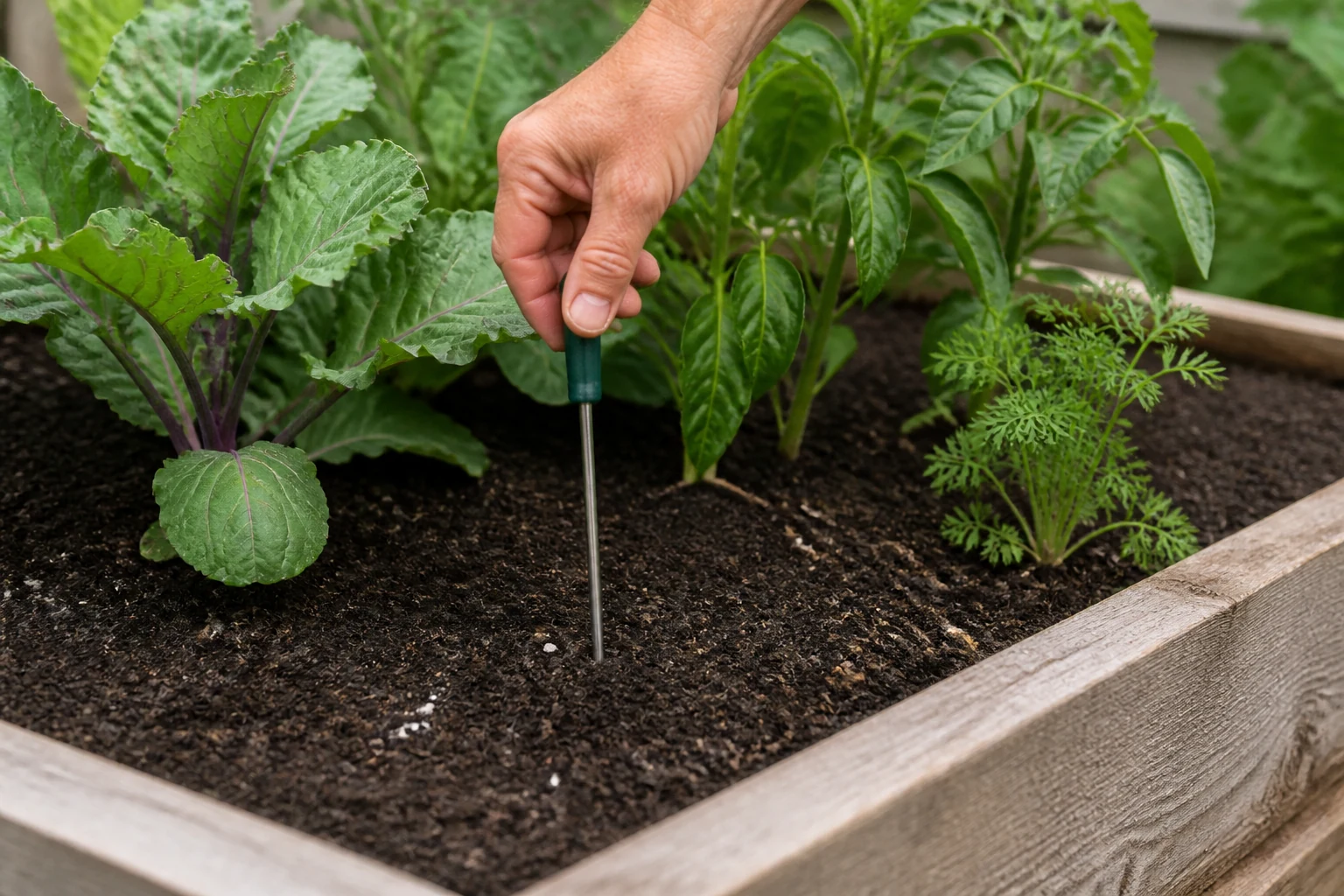
Do not judge moisture by the surface alone. A dry crust can cover wet soil, and a dark surface under mulch can look damp even when the root zone is drying. Push a finger, trowel, or narrow stake into the soil several inches away from the stem so you do not damage the main roots. Feel at more than one location: the sunny edge of a bed, the center of a row, and the low spot where water may collect can have completely different moisture levels.
For most established garden vegetables, the useful question is not “Is the top inch wet?” but “Is the root zone moist enough for this crop, and can excess water drain away?” The University of Nevada Cooperative Extension irrigation guide notes that many vegetable roots occupy roughly the upper 6 to 12 inches of soil, while long-season crops such as tomatoes can root deeper. After watering, use a trowel or metal rod to confirm that moisture reached the depth where the roots are growing rather than stopping at the surface.
Use this quick sequence before turning on a hose:
- Check the weather. Count meaningful rain, not just a brief sprinkle that wet the leaves. Pause irrigation when rain has already soaked the root zone.
- Check below the surface. If soil at the crop’s root depth is cool and moist, wait. If it is sticky, puddled, or smells sour, do not add water.
- Check the crop stage. Germinating seed and young transplants need more consistent moisture than a mature garlic or onion plant approaching harvest.
- Check the drainage path. Look for a blocked bed edge, compacted layer, clogged container hole, or low spot that holds water after the rest of the garden drains.
- Water slowly if the soil is dry. Apply enough to moisten the root zone, then stop when water begins to run off instead of soaking in.
There is an important exception for hot afternoons. Large-leaved plants can wilt temporarily because leaves lose water faster than roots can replace it. The University of Nevada guidance cautions that extra water may not solve this midday wilt; afternoon shade or a windbreak can be more useful. Check the plant again in the evening or early morning, when true root-zone moisture stress is easier to distinguish from heat response.
Match watering method to soil, weather, and root depth
Sandy soil drains quickly, so it may require more frequent checks and smaller adjustments. Clay soil holds water longer but accepts it slowly; applying a large volume quickly can create pooling and runoff without wetting the deeper root zone. Loam sits between those extremes, but even a well-prepared bed can become waterlogged after prolonged rain, foot traffic, or a compacted layer beneath the topsoil.
This is why a fixed weekly schedule is unreliable. Hot, windy weather increases evaporation and plant demand; cool cloudy weather slows both. Seedlings with shallow roots may need attention every day in a small container, while established tomatoes in deep ground soil may need a thorough soak followed by several days without irrigation. Group crops with similar demand when possible, and keep thirsty leafy crops separate from garlic or onions that are nearing maturity.
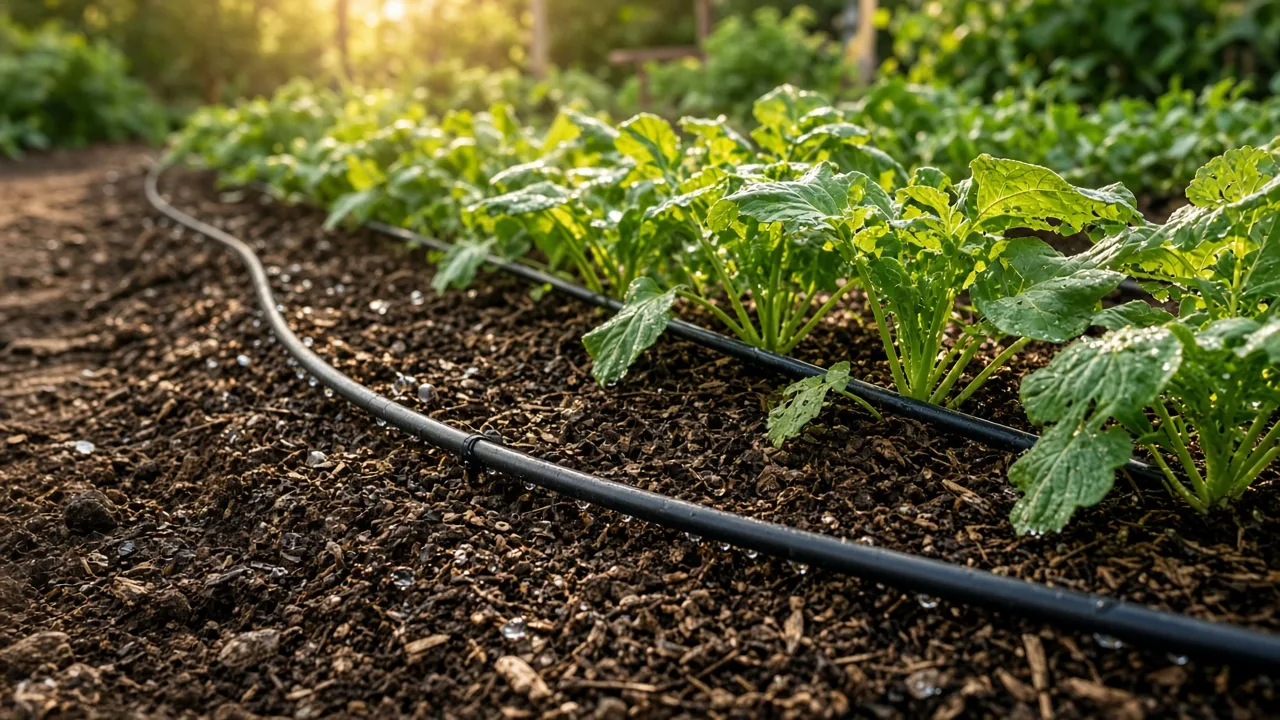
Water at the soil line rather than showering the leaves. A watering can with a gentle rose is useful for seed rows and transplants. A soaker hose is practical for a bed planted in rows, but check that it is actually wetting evenly along its length. Drip irrigation is efficient for established plants and slopes because it places water near the root zone at a slow rate; filters, emitters, and timers still need inspection, and a timer should be adjusted after rain rather than trusted blindly.
Morning is the best default because plants can use the water through the day and foliage has time to dry. Evening watering can work when the soil is genuinely dry, but wet leaves and crowded stems stay damp longer overnight. The RHS garden-watering advice recommends slow, thorough watering and warns against turning a routine such as “once a week” into a substitute for checking the plant and soil.
Mulch helps prevent rapid evaporation and reduces the wet-dry swings that crack roots and fruit. Keep organic mulch off the crown and lower stems, and do not use a thick, wet layer to hide a drainage problem. The Grow Organic water-conservation guide also recommends matching irrigation to crop demand and grouping plants by root depth; those practices reduce the temptation to give every vegetable the same amount of water.
10 vegetables that need careful watering
1. Potatoes
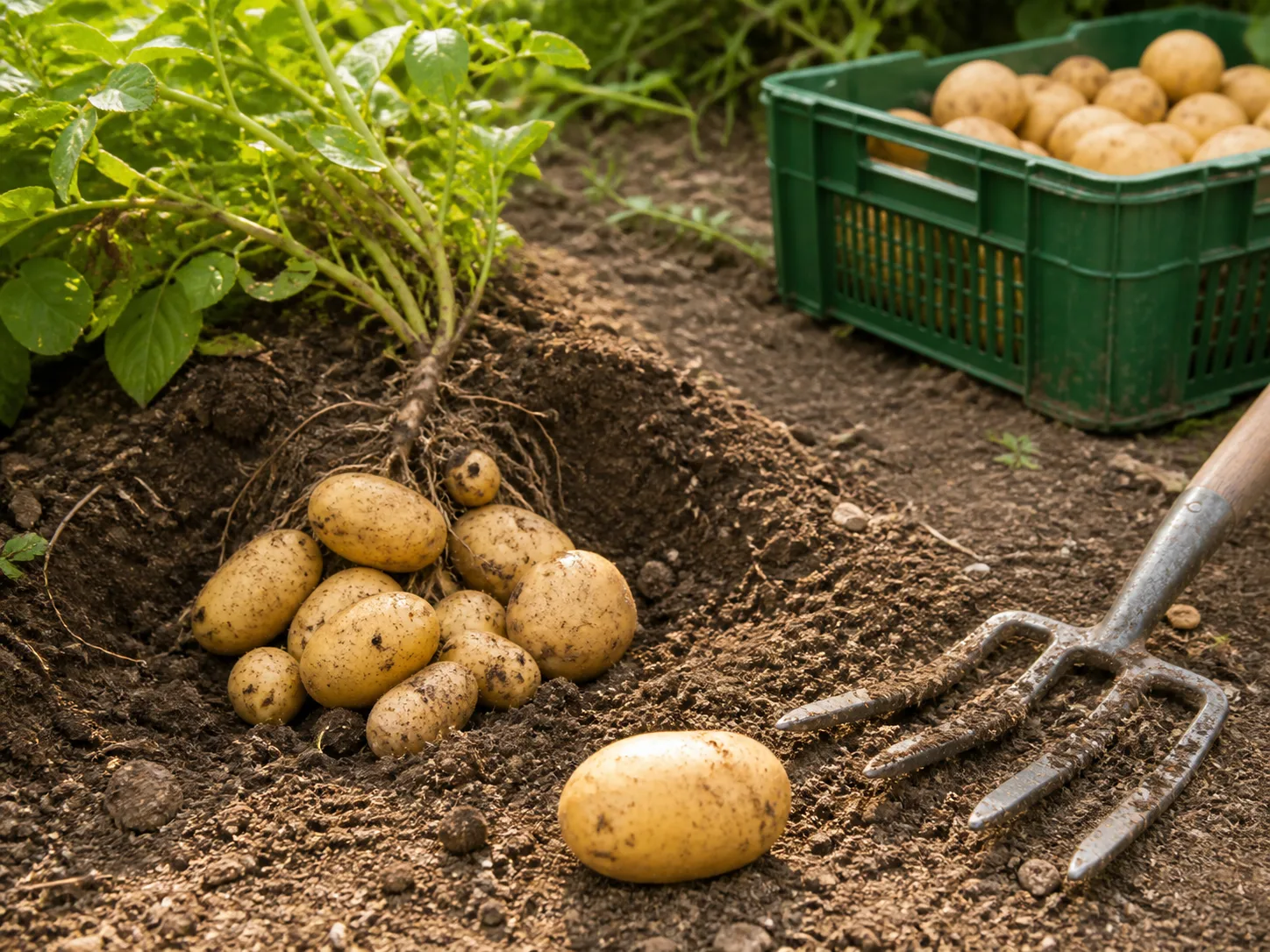
Potatoes need moisture while roots establish and while tubers set and enlarge, but saturated soil removes the air pockets developing tubers need. Too much water can also leach nutrients and make disease problems more likely, especially in a dense bed that dries slowly. The RHS vegetable-watering guide says potatoes benefit from watering about every 10 to 14 days once tubers reach marble size, a useful reminder that mature plants do not automatically need daily irrigation.
Keep the soil evenly moist during tuber formation, then reduce irrigation as the tops naturally decline and harvest approaches. Do not interpret a hot, drooping afternoon canopy as proof that the tubers need another soak; check the soil several inches down first. If a heavy storm has left the bed muddy, improve drainage and allow the ground to breathe rather than digging around the tubers or adding more water to “settle” the soil.
2. Sweet potatoes
Sweet potatoes are warm-season storage roots, not a crop that improves simply because the bed is wet. They need water during establishment and active vine growth, but prolonged saturation can weaken roots and create conditions for rot. Late in the season, a continuously wet bed can also leave harvested roots more vulnerable to damage and poor keeping quality.
Water when the root zone is beginning to dry, then apply a slow soak that reaches the growing roots rather than frequent surface splashes. Vines can look dramatic and thirsty in midday heat even when the soil is adequately moist, so inspect the bed before irrigating. As harvest nears, prioritize drainage and workable soil; a crop that is ready to lift should not be forced through repeated wet-dry extremes.
3. Carrots
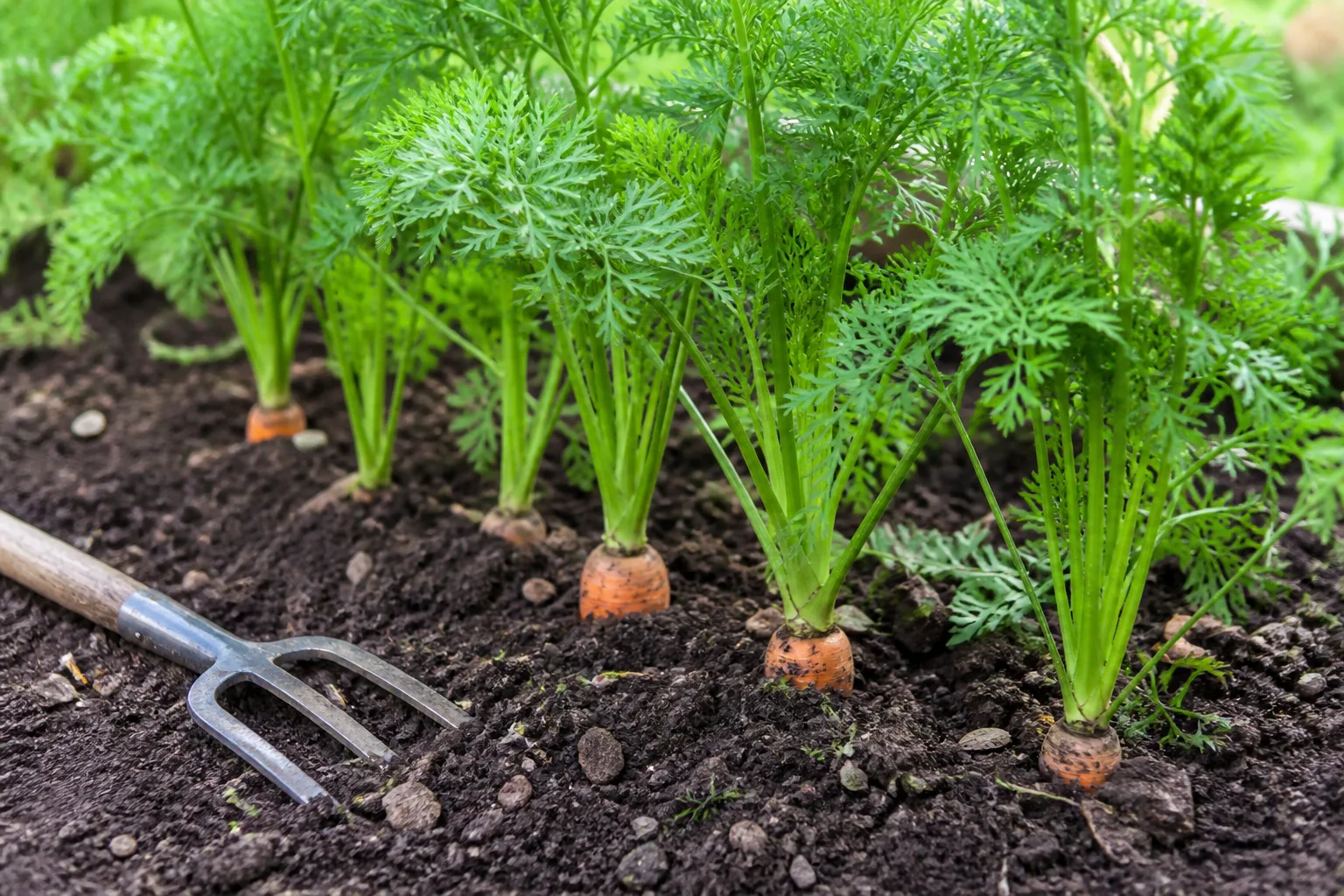
Carrot seed needs consistent surface moisture to germinate, but established roots do not need a permanently wet bed. They grow best when the soil stays reasonably even while the taproot enlarges, with enough drainage that the root can breathe. Sudden heavy watering after a dry stretch can make roots split, and compacted soil or stones can cause forking that extra water will not fix.
Use a fine, gentle application for the seed row, then shift to deeper watering as roots develop. Check the soil below the mulch before watering and use the RHS root-crop recommendations as a stage-based guide: carrots should be watered before the soil becomes fully dry, not kept muddy. If mature roots are already at a useful size, harvest the largest rather than continuing to irrigate simply to make the leaves look fuller.
4. Beets
Beets are quick-growing and need dependable moisture for good root enlargement, but “thirsty” does not mean waterlogged. Wet soil can slow growth, reduce oxygen, and increase the chance of soft or diseased roots. Erratic moisture is also a quality problem: a dry period followed by a soaking can produce cracking or uneven swelling.
Thin crowded seedlings so water reaches the intended root zone instead of being consumed by a dense canopy. When the top layer is drying but the lower soil remains moist, wait; when the root zone is dry, water deeply at the base and let the surface drain. Beets grown in a low spot deserve a different schedule from beets in a raised, free-draining bed, even if they were sown on the same day.
5. Radishes
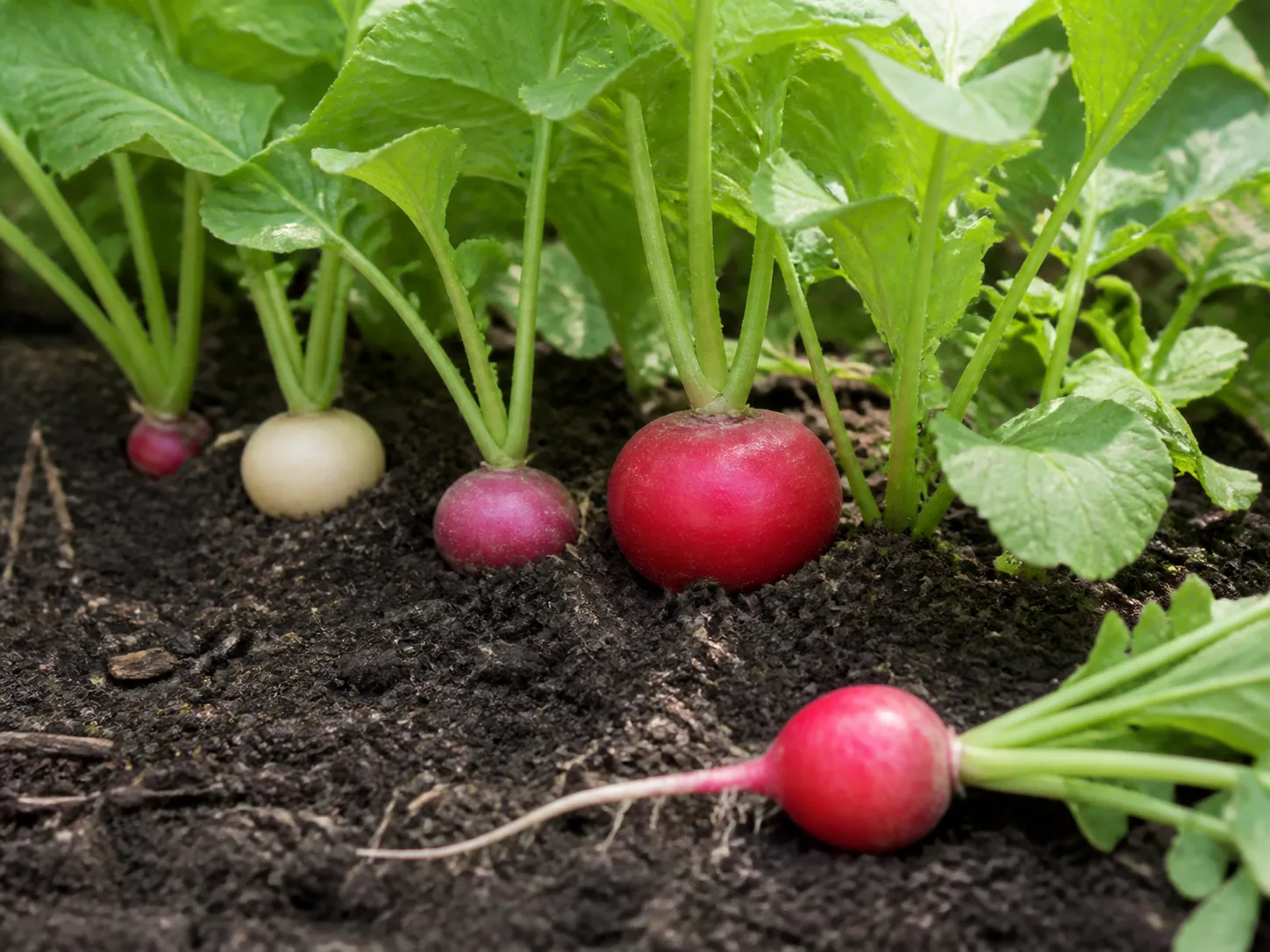
Radishes reveal moisture mistakes quickly because they enlarge so fast. A dry spell followed by heavy rain or a long hose session can split the root, while consistently wet soil can contribute to rot, weak growth, and poor texture. The split itself is not proof that one extra watering caused the problem; uneven moisture, heat, overmaturity, and soil structure can all contribute.
Keep the seedbed lightly and evenly moist until emergence, then water only when the root zone is starting to dry. The RHS advice suggests weekly watering in dry spells for radishes, but local soil and rainfall still decide whether that is enough. Harvest promptly at the size promised for the variety, because leaving an overmature radish in wet, changing soil makes quality harder to protect.
6. Garlic
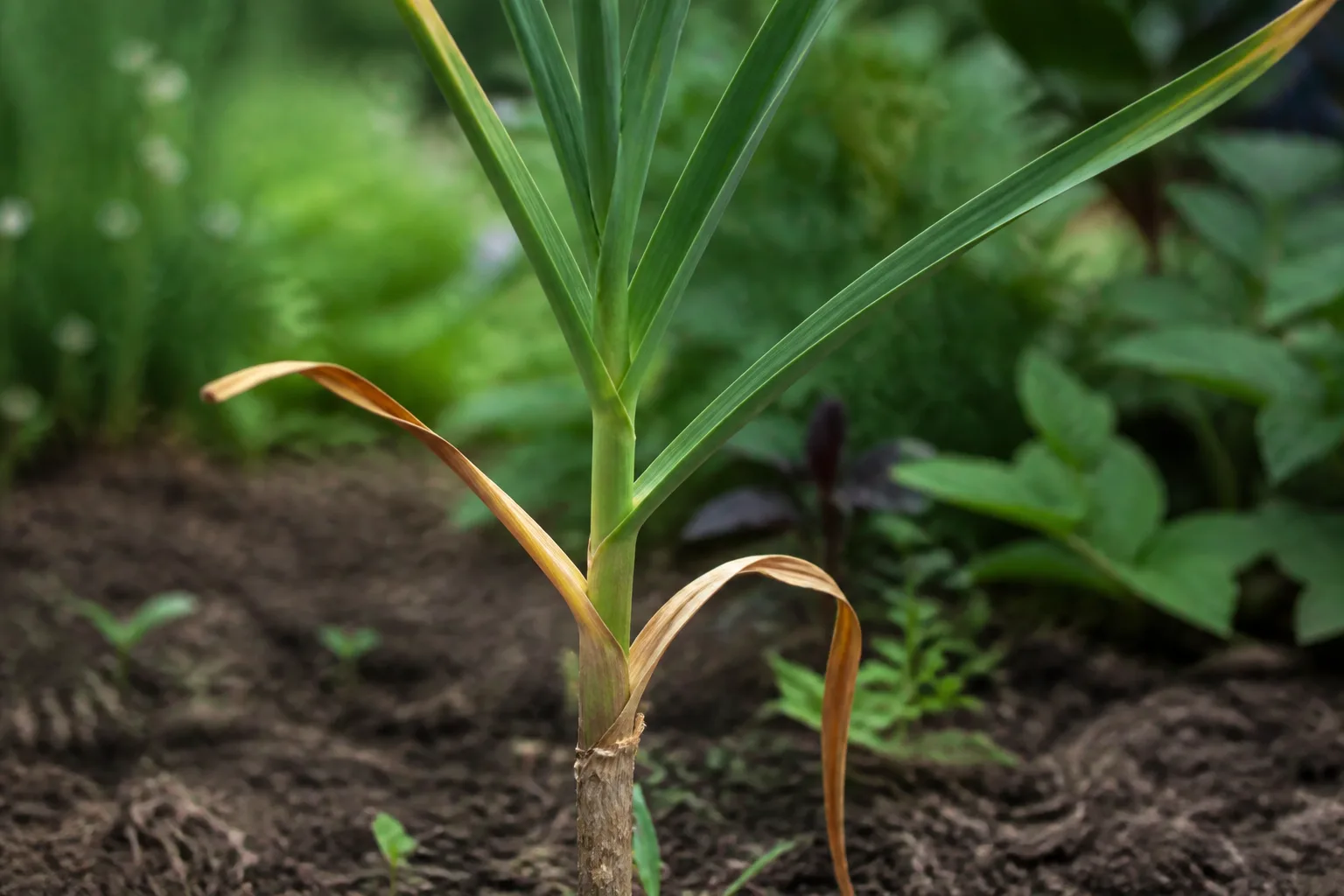
Garlic likes consistent moisture while leaves are building and bulbs are enlarging, but it does not want to finish in a soggy bed. Excess water late in the season can leave bulbs soft, encourage rot, and interfere with curing. At that point, the question changes from “How do I keep the leaves growing?” to “Is the bulb mature enough that additional water is more risk than benefit?”
Water deeply when active growth and dry weather justify it, then taper irrigation as lower leaves turn yellow and harvest approaches. Do not remove green leaves just to force a finish, and do not stop water months early in a hot, dry climate where bulbs are still sizing. Garlic needs a drier harvest window, not drought stress; if the soil is still wet after rain, wait for it to drain and lift bulbs when the ground is workable.
7. Onions
Onions need moisture during establishment and bulb enlargement, but established plants generally tolerate a drier finish better than lettuce or a fruiting tomato. Waterlogged soil can produce soft bulbs and a neck that does not dry and seal well. The RHS crop guidance places onions among root crops that usually need water mainly while establishing and during very dry spells.
Keep young plants from drying out while roots are shallow, then reduce irrigation once bulbs are swelling and the season is turning toward harvest. Water the ground, not the foliage, and keep weeds from competing for the same moisture. If rain has saturated the bed, do not resume the timer because the calendar says it is watering day; let the soil tell you when the crop needs more.
8. Lettuce
Lettuce is the exception in this list that should not be allowed to cycle through repeated dryness. Its shallow roots and fast growth demand fairly even moisture, especially as a head or rosette forms. Yet wet leaves, a constantly soggy crown, and poor airflow can lead to soft lower leaves, rot, and disease, while heat and moisture stress can contribute to bitter leaves or bolting.
Water around the base and check the upper root zone often, particularly in containers and shallow raised beds. The RHS watering overview recommends keeping leafy crops such as lettuce evenly moist, while also advising gardeners to apply water to the base rather than the foliage. Use mulch to slow evaporation, but leave space around the crown so you do not create a damp collar around the plant.
9. Peppers
Peppers need a steady supply of moisture during flowering and fruit production, but their roots decline quickly in cold, saturated soil. Overwatering can show up as yellowing leaves, weak growth, premature fruit drop, or an otherwise wilted plant sitting in wet ground. Those symptoms can also come from poor light, root damage, disease, or cool temperatures, so soil moisture is a clue rather than a diagnosis.
Let the top portion of the root zone begin to dry before watering deeply, then keep the rhythm steady while fruit is setting. A thick mulch layer and drip line can reduce the temptation to alternate between dry soil and a flood. The RHS crop guidance groups peppers with fruiting crops that benefit from consistent water during flowering and harvest; consistency matters more than keeping every inch of soil wet.
10. Tomatoes
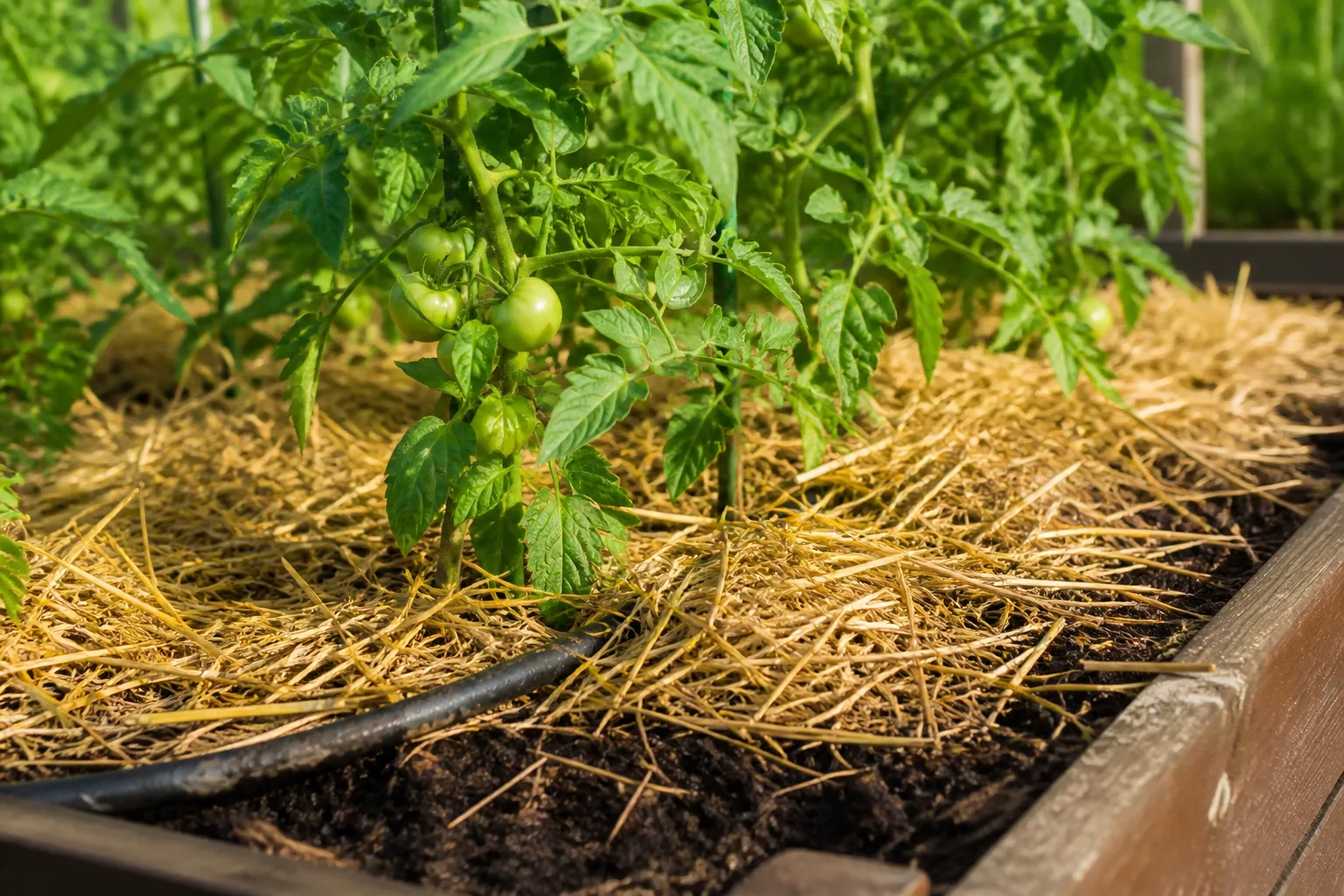
Tomatoes develop deeper roots than many quick salad crops, so an established plant in good soil can tolerate a longer interval between thorough waterings. That does not make it immune to overwatering. Saturated roots can lose oxygen, wet foliage can raise disease pressure, and a rapid increase in water uptake after drought can make fruit split.
Water slowly at the base and keep the soil moisture as even as practical from flowering through harvest. Do not chase every drooping leaf during a hot afternoon, and do not assume blossom-end rot proves you used too much water; the RHS guide links that disorder to inconsistent watering in tomatoes and related crops. If the soil is wet, improve drainage and airflow first; if it is dry, give the root zone a thorough soak instead of a shallow daily sprinkle.
What to do after you overwater a vegetable crop
If the soil is saturated today, stop scheduled irrigation and identify why the water is staying there. Clear leaves or mulch that block a bed drain, redirect a downspout, check that a container has an open drainage hole, and avoid walking through wet soil, which can compact it further. Do not add gravel to the bottom of a container as a shortcut; the Epic Gardening container guide correctly emphasizes that a real drainage opening and a suitable potting mix matter more than a rock layer.
Do not automatically dig up a vegetable plant after one storm. Disturbing wet roots can break fine root hairs and spread soil around the crown. Give the bed a chance to drain, improve airflow by removing only damaged or crowded leaves, and reassess the soil and new growth over the next several days. Skip fertilizer while roots are stressed; a plant that cannot access oxygen is not helped by adding more nutrients it may not be able to use.
Look for patterns rather than one symptom. A plant that wilts while the soil is wet may have damaged roots, but it may also be reacting to heat, wind, transplant shock, disease, or a blocked stem. Yellowing lower leaves can be age or nutrition as well as wet roots. Soft, dark tissue at the crown, a sour smell, collapsing stems, and declining new growth are more concerning than a single yellow leaf.
For root crops and bulbs, harvest decisions can be part of recovery. Pull a sample carrot, beet, or radish once the soil is workable and check whether the edible root is firm and usable. Inspect garlic, onions, potatoes, and sweet potatoes at the expected harvest window instead of keeping them wet in the ground while waiting for bigger tops. Use damaged produce first and do not store soft or muddy bulbs and tubers as if they were fully cured.
After the immediate problem passes, make the garden easier to read. Put a short moisture check on your routine after rain and before irrigation. Move water-hungry lettuce closer to a reliable source, separate it from garlic and onions that are finishing, place drip lines under—but not pressed against—the mulch, and amend compacted beds with finished organic matter over time rather than trying to repair structure with one emergency watering.
The simplest rule is also the most reliable: water the root zone when it needs water, then stop before the soil loses its air. Check depth, weather, crop stage, and drainage each time. That small pause prevents both common errors—watering a wet crop because the schedule says so and withholding water from a dry crop because “overwatering” has become the only risk in mind.
Conclusion
Potatoes, sweet potatoes, carrots, beets, radishes, garlic, onions, lettuce, peppers, and tomatoes all need water, but none benefits from a permanently saturated root zone. The best schedule is not a number of minutes on a timer; it is a repeatable decision based on soil moisture at root depth, the crop’s current job, recent weather, and how quickly the bed drains.
Use even moisture for seedlings, lettuce, fruiting, and active root enlargement. Taper water as garlic, onions, potatoes, and sweet potatoes approach harvest, and protect carrots, beets, and radishes from dry-then-flooded swings. If a bed is already wet, pause, improve drainage, and observe before reaching for the hose again. That is how you prevent overwatering without turning a warning into a new kind of underwatering.